- Call us Via Whatsapp: +84 (0) 832 126 699
4.9 stars on our site
(15,000 reviews)
- Monday - Sunday : 08:00 - 17:00
(15,000 reviews)

In an era where travel often feels like a race to check off boxes on a crowded itinerary, a growing movement is encouraging global adventurers to slow down, breathe, and truly connect with the spaces they traverse. Embracing Vietnam Slow Travel by Bike: Ultimate Guide to Mindful Journeying is the perfect way to dismantle the barriers between yourself and the vibrant landscapes of Southeast Asia. By choosing two wheels over planes, trains, or air-conditioned tour buses, you grant yourself the freedom to experience the world at a sensory level. This slow travel philosophy is not about reaching the destination as quickly as possible; it is about honoring every climb, every village, every smile, and every bowl of noodles along the road.
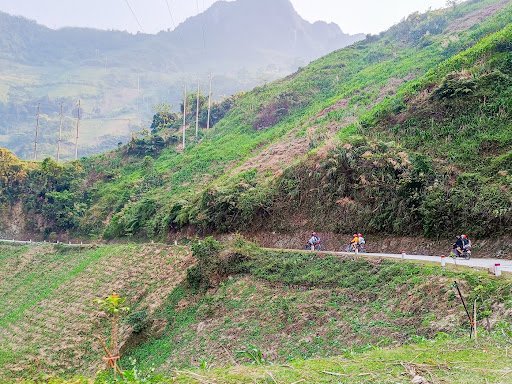
Vietnam is uniquely suited for this slow, deliberate style of exploration. From the jagged limestone teeth of the northern highlands to the endless labyrinth of water channels in the southern delta, the country’s geography dictates a slower pace. Roads wind through ancient valleys, hug rugged coastlines, and trace the edges of emerald rice fields, offering cyclists a front-row seat to one of the most dynamic environments on earth. Let us dive deep into how a mindful cycling journey can transform your understanding of Vietnam, revealing hidden pockets of culture and natural wonder that speedier travelers will simply never see.
Slow travel is a state of mind. It is a conscious decision to value quality of experience over quantity of destinations visited. When you combine this mindset with a bicycle, you unlock a highly intimate form of travel. Every climb challenges your physical limits, every descent rewards your effort with cool wind, and every stop along the road is an invitation to engage with a local community.
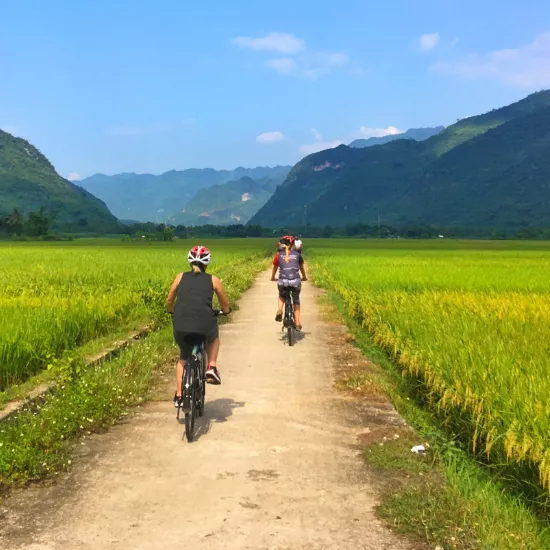
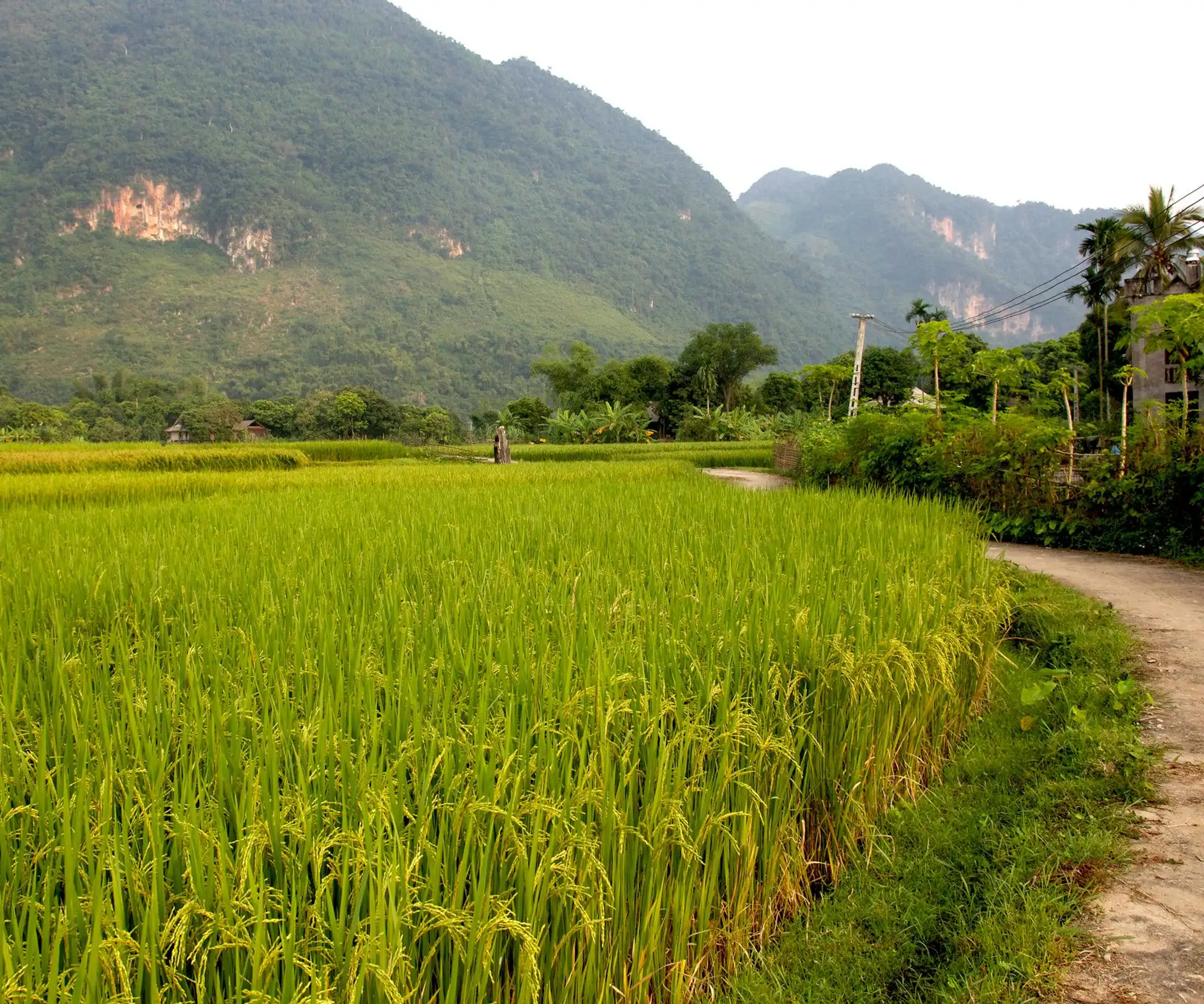
On a bicycle, there are no glass windows separating you from the environment. You smell the sweet scent of ripening rice fields, hear the rhythmic call of cicadas in the jungle, and feel the sudden drop in temperature as you enter a shaded forest. This immediate connection fosters a deep sense of presence. Moreover, cycling is one of the most environmentally sustainable ways to travel. It leaves zero carbon footprint, respects local ecosystems, and minimizes noise pollution, ensuring that the pristine landscapes you enjoy remain intact for generations to come.
When you arrive in a remote mountain village on a bicycle, you do not look like a typical tourist peering out from a bus window. You appear vulnerable, human, and approachable. Local children will run out to the roadside to wave and yell friendly greetings, while farmers working in the fields will pause to offer encouraging nods. These spontaneous, unscripted interactions often become the most cherished memories of your journey. To experience this deep connection with the absolute best in planning and localized support, booking a tour with Golden Cycling Tours provides you with expert guides who live and breathe this slow travel philosophy.
Vietnam’s long, narrow geography offers an incredible variety of ecosystems, climates, and terrains. A slow travel cycling route allows you to observe the subtle transitions in landscape and culture as you pedal through different regions.
The northern reaches of Vietnam represent the ultimate frontier for adventurous cyclists. This is a region of towering peaks, deep river canyons, and vibrant ethnic minority communities who have carved beautiful agricultural landscapes out of the steep hillsides.
For those who want to witness some of the most spectacular agricultural landscapes on the planet, the high-altitude routes around Sapa and Hoang Su Phi are legendary. Cycling slowly along these mountain roads reveals the breathtaking Muong Hoa Valley in Sapa and the jaw-dropping Ban Phung Terraced Fields in Hoang Su Phi. These massive amphitheaters of carved earth turn brilliant shades of emerald green in the summer and shimmering gold during the autumn harvest season.
To explore these majestic landscapes, taking part in specialized Sapa Bike Tours allows you to navigate the quiet dirt paths connecting ethnic Black H'mong and Red Dao villages. If you want to expand your horizon across the entire mountain chain, a comprehensive Vietnam Northwest Bike Tours package will take you through pristine highland regions, testing your legs on long climbs and rewarding you with panoramic views of untouched alpine valleys.
Further east lies an otherworldly landscape of towering limestone towers and deep canyons. The Dong Van Karst Plateau Geopark in Ha Giang and the Non Nuoc Cao Bang UNESCO Global Geopark in Cao Bang offer some of the most dramatic terrain in Asia. Cycling through these areas requires physical stamina, but the reward is a journey through a geological wonderland.
You can tackle the steep, winding roads of Ha Giang on dedicated Ha Giang Bike Tours, where you will pedal past dramatic peaks and dive deep into the cultural heart of the northern borderlands. East of Ha Giang, the forested hills of Cao Bang offer a softer, greener karst landscape. Taking one of the professional Cao Bang Bike Tours takes you along the pristine waters of the Quay Son River to the magnificent Ban Gioc Waterfall, where massive cascades of water tumble over limestone shelves along the international border. Combining these regions under a unified Vietnam Northeast Bike Tours or a broader Cycling Northern Vietnam itinerary creates an unparalleled journey through some of the country's most isolated and beautiful wilderness areas.
Central Vietnam offers a stunning blend of deep history, rich imperial heritage, and spectacular coastal cycling. This region allows you to pair your active days with explorations of ancient monuments and pristine marine environments.
No coastal cycling journey in Central Vietnam is complete without riding the legendary Hai Van Pass. Rising up to an elevation of nearly five hundred meters above the glittering East Sea, this spectacular mountain road curves along the steep slopes of the Annamite Range. As you climb, you are treated to breathtaking views of pristine sandy beaches on one side and dense, jungle-clad cliffs on the other. It is a thrilling, scenic climb that perfectly captures the beauty of coastal Vietnam.
On either side of the pass lie two of Vietnam's most important cultural treasures. To the north is the Imperial City of Hue, the former capital of the Nguyen Dynasty, situated on the banks of the scenic Perfume River. To the south is Hoi An Ancient Town, a remarkably well-preserved fifteenth-century trading port famous for its yellow-walled merchant houses, narrow canals, and thousands of glowing silk lanterns. Cycling slowly between these heritage sites allows you to explore quiet fishing villages, hidden lagoons, and ancient tombs that lie far away from the main highway.
For a gentler, more relaxing cycling experience, the southern flatlands of Vietnam offer a peaceful escape into rural life, characterized by slow-moving water, lush orchards, and incredibly welcoming local communities.
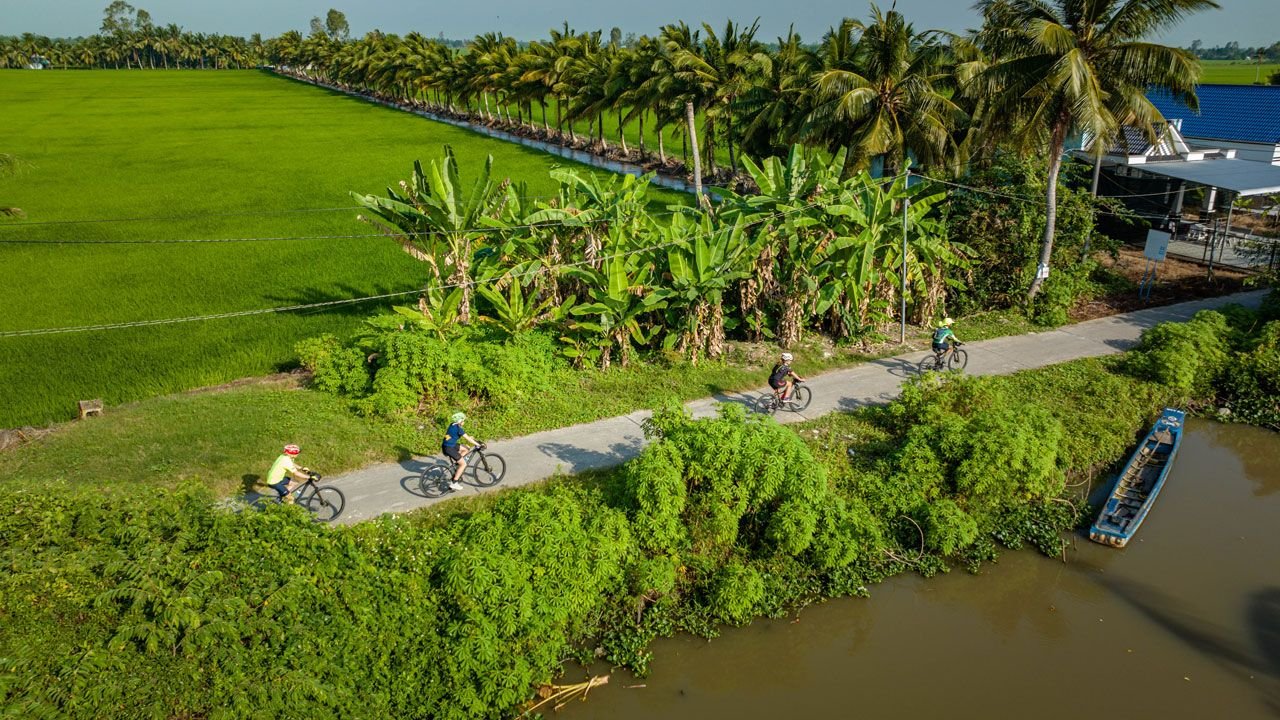
The mighty Mekong Delta is a vast watery world where life is lived on the riverbanks and channels. Cycling through this region is a delightful experience of flat, shady paths that wind along narrow canals, over arched wooden bridges, and through endless orchards of exotic fruits like durian, rambutan, and mango. The pace of life here is wonderfully slow, matching the steady flow of the river waters. You can stop at bustling floating markets, visit local cottage industries making coconut candy or rice paper, and enjoy simple, fresh meals at local farms.
To fully enjoy your slow travel adventure, it is crucial to choose the right style of cycling that matches your physical capabilities, travel goals, and desired level of comfort.
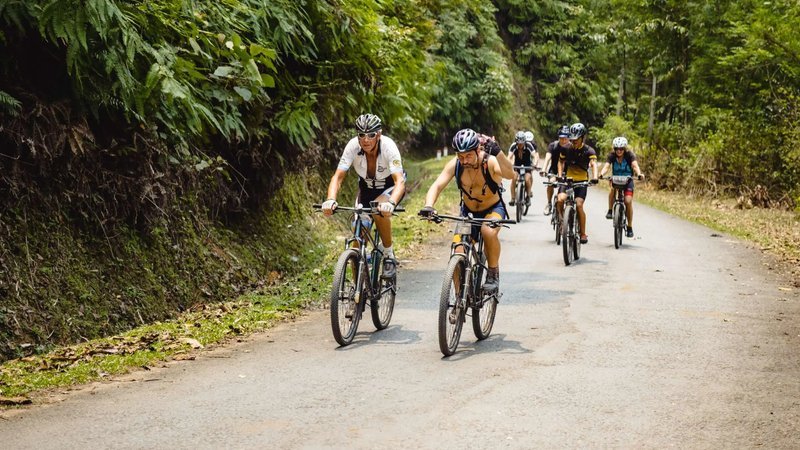
For purists who want to earn every single kilometer under their own muscle power, a traditional multi-gear mountain or gravel bike is the classic choice. It keeps you fully engaged with the physical reality of the terrain, making every conquered pass a personal victory.
If you love the idea of slow, active travel but are concerned about your fitness level or the steepness of the mountain passes, electric bicycles are a revolutionary game-changer. Joining one of the curated Vietnam E-Bikes Tours provides you with a smooth pedal-assist system that helps you glide up challenging climbs with ease. This motorized assistance allows you to keep your heart rate comfortable, focus your attention on the breathtaking scenery, and enjoy the physical activity without feeling completely exhausted at the end of the day.
For travelers who want to combine this slow, active exploration with the absolute finest in luxury, comfort, and personalized service, booking a premium package like Vietnam Luxury Bike Tours ensures you are provided with high-end carbon bikes, beautiful boutique accommodations, gourmet meals, and dedicated support vehicles that cater to your every need. For those looking for the ultimate epic journey, you can even cross the entire length of the country on a grand Cycling North to South Vietnam expedition, taking weeks to slow travel from the northern mountains all the way to the southern plains.
Slow travel is as much about understanding the people as it is about admiring the landscapes. Vietnam is home to fifty-four distinct ethnic groups, each with their own rich cultural traditions, languages, and unique ways of living in harmony with nature.
As you cycle through the northern highlands, you will meet the Tay, Nung, H'mong, Dao, and Thai people. These communities have preserved their ancestral traditions, complex textiles, and unique architecture for centuries.
The Tay and Nung: Famous for their beautifully constructed stilt houses, which are usually located in fertile valleys near rushing streams. They are warm, welcoming hosts who are always happy to share a cup of green tea or local rice wine with visiting cyclists.
The Red Dao: Easily recognized by their spectacular red turbans adorned with silver coins and intricate embroidery. They are famous for their deep knowledge of medicinal plants and traditional herbal baths.
The Black H'mong: Famous for their beautiful dark indigo-dyed clothing and incredibly complex hemp weaving, which they create using traditional backstrap looms.
A slow-travel cycling itinerary gives you the time to stop and witness ancient artisanal traditions that have survived for generations.
Incense Making in Phia Thap Village: Located in Cao Bang, this Nung village is famous for producing completely natural incense sticks from wild forest leaves and bark, creating a beautiful and aromatic roadside scene.
Blacksmithing in Pac Rang Village: A traditional Nung village where local artisans still hammer out highly prized agricultural tools and knives using traditional wood-fired forges.
Stone Carving in Ninh Binh: Cycling through the stunning karst valleys on Ninh Binh Bike Tours brings you close to traditional stone carving villages where artisans have been working for centuries.
Traditional Weaving in Mai Chau: When you explore the peaceful Thai villages on Mai Chau Bike Tours or venture into the pristine terraced landscapes on Pu Luong Bike Tours, you will see local women weaving colorful brocade fabrics beneath their traditional wooden stilt houses.
Cycling burns a significant amount of energy, making every meal an essential part of your recovery and a delicious opportunity to explore Vietnamese culture. Each region of Vietnam has its own distinct culinary identity, utilizing fresh, local ingredients and traditional cooking techniques.
In the high mountains, the food is simple, hearty, and deeply satisfying.
Thang Co: A traditional H'mong soup made from horse meat and a complex blend of local mountain spices, including cardamom, lemongrass, and cinnamon. It is best enjoyed hot at a bustling weekly market.
Com Lam: Sticky rice stuffed into bamboo tubes and slow-roasted over hot coals. It is sweet, fragrant, and highly portable, making it the perfect energy snack to carry on your bicycle.
Smoked Buffalo Meat: A traditional specialty of the mountain tribes, where buffalo meat is marinated in local spices and hung over the kitchen hearth for months until it becomes rich, smoky, and intensely flavorful.
Central cuisine is famous for its bold, spicy flavors, complex textures, and delicate presentation, heavily influenced by the historical imperial court of Hue.
Bun Bo Hue: A rich, spicy, and deeply aromatic beef noodle soup flavored with lemongrass, fermented shrimp paste, and fresh chili oil, served with a mountain of fresh herbs.
Cao Lau: Hoi An’s signature noodle dish, featuring thick, chewy rice noodles topped with tender slices of barbecue pork, crispy crackers, fresh local greens, and a rich, savory broth.
Banh Beo and Banh Loc: Delicate, steamed rice cakes served in tiny ceramic bowls, topped with savory minced shrimp, scallion oil, and crispy pork rinds, representing the pinnacle of Hue's refined street food culture.
The food of the south is sweet, vibrant, and packed with fresh herbs, reflecting the incredible agricultural abundance of the delta region.
Hu Tieu Nam Vang: A complex and delicious noodle soup featuring a rich pork bone broth, rice noodles, pork slices, quail eggs, fresh shrimp, and plenty of fragrant garlic chives.
Banh Xeo: Massive, crispy rice flour pancakes colored with turmeric and filled with pork, shrimp, and fresh bean sprouts, eaten wrapped in large mustard leaves and dipped in sweet, sour fish sauce.
Claypot Caramelized Fish: Fresh river fish slow-cooked in a rich, sweet, and savory caramel sauce with plenty of black pepper and green onions, served with a steaming bowl of white rice.
Where you sleep at night is just as important as where you ride during the day. Choosing unique, locally run accommodations enhances your slow travel experience and directly supports the host communities.
For the ultimate connection with local culture, nothing beats staying in a traditional family-run homestay. Sleeping in a Tay stilt house in Quang Uyen or a Thai stilt house in Mai Chau allows you to experience local life firsthand. You will sleep on cozy mattresses laid out on polished wooden floors, enjoy hot communal showers, and sit down to a massive, home-cooked feast with your host family, sharing stories and local rice wine.
If you prefer a blend of rustic charm and modern comfort, Vietnam is home to some of the world's most beautiful eco-lodges.
Topas Ecolodge in Sapa: Perched on a steep ridge deep in the mountains, this stunning lodge features beautiful stone bungalows, a heated infinity pool overlooking terraced valleys, and a strong commitment to environmental sustainability.
Avana Retreat in Mai Chau: A luxury mountain resort nestled inside a lush valley, featuring private wooden villas, a natural waterfall, and beautiful walking paths surrounded by terraced rice paddies.
Pu Luong Retreat in Pu Luong Nature Reserve: A peaceful hillside lodge offering stunning views of mist-shrouded valleys, cascading terraced fields, and traditional Thai villages.
For those seeking classic elegance and refined service, Vietnam's historic cities offer legendary properties.
Sofitel Legend Metropole Hanoi: A magnificent French colonial-era property in the heart of the capital, offering world-class luxury and a deep sense of history.
Azerai La Residence Hue: A beautiful Art Deco-style mansion situated on the banks of the Perfume River, providing quiet luxury and spectacular views of the historic Citadel.
Four Seasons Resort The Nam Hai in Hoi An: An exquisite beachfront resort offering luxurious villas, world-class dining, and a serene spa situated on a quiet lotus lagoon.
To ensure your cycling journey is safe, smooth, and enjoyable, careful attention must be paid to local conditions, gear, and route planning.
Vietnam's climate is highly complex, but generally, the best months for cycling across the country are from October to April. During this period, the northern mountains are cool and dry, the central coast experiences pleasant weather, and the southern delta is sunny and comfortable. The summer months from May to September bring heavy monsoon rains and intense heat, which can make mountain roads slippery and physically exhausting to ride.
Quality Apparel: Invest in high-quality padded cycling shorts, breathable moisture-wicking jerseys, and a lightweight, packable rain jacket to handle sudden mountain showers.
Safety Gear: A well-fitting, modern helmet is non-negotiable. Polarized sunglasses and high-SPF sunscreen are also essential to protect you from the intense tropical sun.
Navigation Tools: While GPS apps like Google Maps or Komoot are useful, they can sometimes be unreliable in remote mountain valleys. Traveling with an experienced local guide from a trusted operator ensures you never get lost on hidden village paths.
Slow travel focus on depth over speed. Instead of driving quickly between major tourist spots, cycling allows you to experience the natural transitions of the landscape, stop at quiet villages, interact with local communities, and support small family businesses along the way.
Cycling in Vietnam is generally very safe, as local people are incredibly welcoming and helpful to foreign visitors. However, traffic in major cities can be chaotic and intimidating. It is highly recommended to start your ride from quiet rural areas or travel with a professional tour operator who provides support vehicles to navigate busy highway sections safely.
Absolutely. Modern E-bikes have made slow travel cycling accessible to almost everyone. With a smooth pedal-assist system, you can easily tackle steep mountain climbs and ride longer distances without feeling physically overwhelmed, allowing you to enjoy the journey at your own comfortable pace.
When you book a supported tour with a premium operator like Golden Cycling Tours, all of your heavy luggage is carried in a dedicated support van that follows the group. You only need to carry a small handlebar bag or daypack with your daily essentials, like water, camera, and sunscreen.
Basic bicycle shops that can patch tires or fix simple chain issues can be found in almost every Vietnamese village. However, they rarely carry specialized parts for modern mountain or gravel bikes. If you are traveling independently, it is crucial to carry a basic repair kit. On a guided tour, a professional mechanic and spare parts are always available.
While knowing a few basic Vietnamese phrases like "Xin Chao" (Hello) and "Cam On" (Thank you) will put big smiles on local faces, you do not need to be fluent. Local people are highly skilled at communicating through friendly gestures, smiles, and translation apps. Traveling with a bilingual guide also helps bridge any cultural or linguistic gaps.
You should never drink tap water in Vietnam. Bottled drinking water is cheap and widely available in even the smallest roadside shops. Alternatively, carrying a reusable water bottle with an integrated purification filter is a fantastic way to stay hydrated while reducing plastic waste.
Foreign travelers are required to have a border area permit to visit regions close to the Chinese border. These permits can be easily obtained at the provincial police department in the main cities, or your registered tour operator can handle all the necessary paperwork on your behalf before you arrive.
The currency is the Vietnamese Dong (VND). While credit cards are widely accepted in major hotels and restaurants in Hanoi, Da Nang, and Ho Chi Minh City, they are virtually useless in remote rural villages. Always carry a sufficient amount of cash in small bills to pay for local meals, drinks, and handmade souvenirs.
It is wise to consult with a travel clinic before your trip to ensure your routine vaccinations are up to date. In rural and forested areas, protecting yourself from mosquito bites by using high-quality insect repellent and wearing lightweight long-sleeved clothing during the evenings is highly recommended.
Thomas Althaus from Switzerland: "Deciding to explore Vietnam Slow Travel by Bike: Ultimate Guide to Mindful Journeying with Golden Cycling Tours was hands down the best travel decision I have ever made. We rode through the incredible Pu Luong Nature Reserve and stayed in beautiful, authentic Thai stilt houses. The pace was relaxed, the food was spectacular, and we connected with local families in a way that felt completely genuine. Unforgettable!"
Emily Watson from Canada: "We booked a luxury E-bike tour and had an absolute blast. Climbing the legendary Ma Pi Leng Pass was a breeze with the pedal-assistant, allowing us to fully enjoy the jaw-dropping mountain views without being completely exhausted. The attention to detail, from the boutique eco-lodges to the delicious local meals, was flawless. I cannot recommend this style of travel enough!"
Jin-Woo Park from South Korea: "Riding from Hanoi to the breathtaking cascades of Ban Gioc Waterfall was a truly spiritual journey. Slowing down to the speed of a bicycle allowed me to notice the beautiful wood-and-tile architecture of the Nung stilt houses and smell the sweet incense drying along the roadsides in Phia Thap Village. It was an active, mindful, and deeply rewarding adventure."
Embracing the slow travel philosophy on a bicycle is more than just a physical journey; it is a profound way to discover the true soul of Vietnam. By slowing down your pace, you open your heart to the gentle rhythms of rural life, the majestic beauty of pristine landscapes, and the warmth of some of the most welcoming people on earth. Start planning your two-wheeled adventure today and discover the magic of mindful travel for yourself!

Leave a Reply
Your email address will not be published. Required fields are marked *