- Call us Via Whatsapp: +84 (0) 832 126 699
4.9 stars on our site
(15,000 reviews)
- Monday - Sunday : 08:00 - 17:00
(15,000 reviews)

For those who view a bicycle not merely as a leisure vehicle but as an instrument of discovery and personal challenge, Vietnam represents one of the world's last great cycling frontiers. It is a land where towering limestone peaks slice through tropical clouds, where mountain roads feature switchbacks that rival the classic cols of the French Alps, and where the sheer variety of terrain demands both physical resilience and mental fortitude.
If you are looking for an adventure that combines relentless climbs, breathtaking descents, cultural immersion, and world-class logistics, planning a trip centered on Vietnam Cycling for Serious Riders is the ultimate choice.
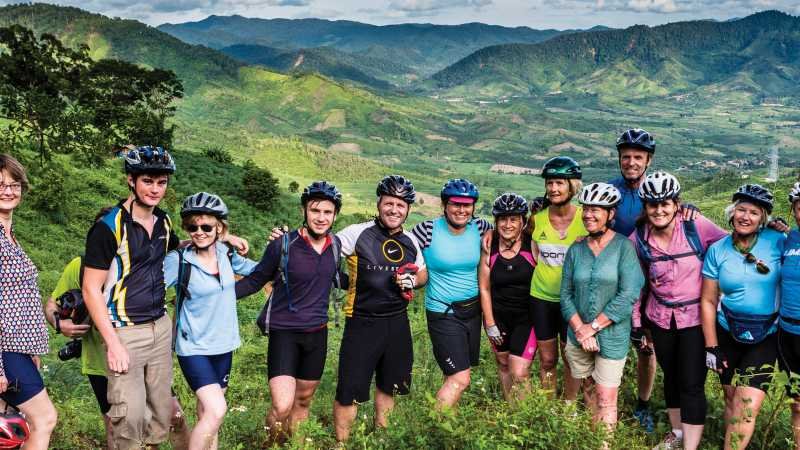
This comprehensive guide is designed for high-end amateur athletes, endurance riders, and seasoned touring cyclists. It outlines the geography, legendary mountain passes, coastal routes, cultural nuances, and logistical necessities required to execute an unforgettable cycling expedition in Vietnam. To ensure a seamless experience with professional-grade support, top-tier carbon road bikes, and expert ride leaders, partnering with a specialized operator like Golden Cycling Tours is key to unlocking the true potential of this magnificent country.
Endurance cycling requires more than just smooth asphalt; it requires an environment that engages the senses, tests the legs, and rewards the soul. Vietnam delivers on all fronts.
The country's topography is incredibly diverse, with mountainous regions covering three-quarters of its territory. From the jagged karst formations of the north to the rolling highlands of the south-central region and the flat, sun-drenched coastal plains, every day in the saddle presents a fresh landscape and a unique physical challenge.
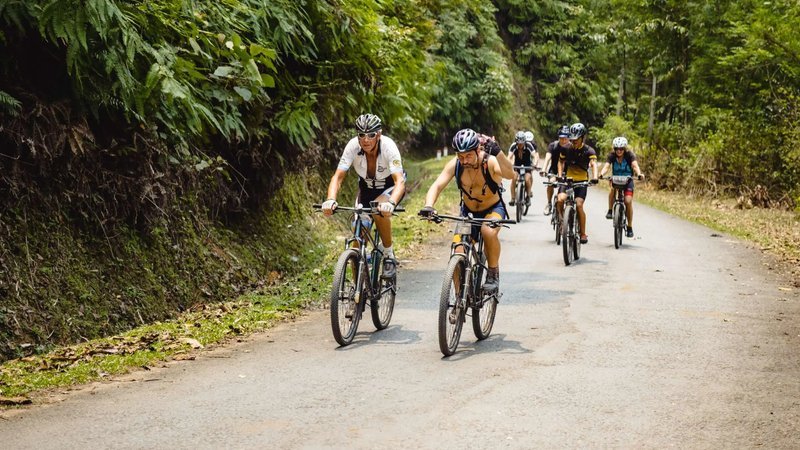
For serious riders, the primary draw is the elevation. The northern provinces offer climbs that start near sea level and ascend to over 2,000 meters, with sustained gradients ranging from 8% to 15%. These are not short, punchy hills; they are epic mountain passes that require hours of sustained effort, disciplined pacing, and a gear ratio suited for long-distance climbing.
Coupled with the dramatic changes in microclimates, the sensory input of riding through traditional ethnic minority villages, and the culinary rewards waiting at the end of each stage, cycling here is a profound travel experience.
To plan a serious tour, one must understand the distinct geographic zones of Vietnam. Each region offers a completely different riding profile, climate, and cultural background.
The north is where serious climbers find their paradise. Characterized by deep valleys, massive limestone massifs, and winding rivers, this region is home to the most demanding road riding in Southeast Asia.
The loop around Ha Giang is legendary. It features the Ma Pi Leng Pass, often referred to as the king of Vietnamese passes, which hugs a cliff face thousands of meters above the Nho Que River. The gradients are unforgiving, the tarmac is sometimes rough, and the views of the endless limestone peaks are otherworldly. For an organized expedition in this region, the Ha Giang bike tours provide the necessary mechanical support, escort vehicles, and local expertise to navigate these remote mountain roads safely.
Moving west toward the Laotian border, the Northwest features spectacular alpine scenery, including the Tram Ton Pass (Heaven's Gate), the highest paved road in Vietnam, crossing the Hoang Lien Son range near Sapa. This region is best explored via dedicated Vietnam Northwest Bike Tours, which take riders through deeply carved valleys, past terraced rice fields, and up long, high-altitude climbs that test even the most experienced climbing legs.
For those seeking remote roads, dense forests, and pristine lakes, the northeast offers an incredible playground. Quieter than the northwest but equally challenging, the Vietnam Northeast Bike Tours focus on sweeping mountain ridges, traditional villages, and epic descents toward spectacular natural landmarks like Ban Gioc Waterfall on the Chinese border.
If you are looking to combine these incredible northern experiences into a single, cohesive tour, exploring the comprehensive itineraries under Cycling Northern Vietnam is highly recommended.
The central part of the country offers a mix of challenging mountain ascents, historic pathways, and scenic coastal riding.
Riding along the Truong Son mountain range, the Ho Chi Minh Highway (built near the historic Ho Chi Minh Trail) is a dream for endurance cyclists. The road is well-paved, has remarkably little vehicular traffic, and climbs through pristine national parks, dense jungles, and historical battlefields. Booking a specialized trip through Ho Chi Minh Trail cycling tours allows serious riders to cover massive daily mileage with dedicated support, enjoying hundreds of kilometers of undulating terrain and deep historical context.
Central Vietnam features legendary climbs like the Hai Van Pass, which rises high above the East Vietnam Sea between Da Nang and Hue. Further inland, the climbs up to the Dalat Highlands present long, sustained efforts through pine forests and coffee plantations. The Cycling Central Vietnam packages perfectly balance these high-altitude inland climbs with spectacular, wind-swept coastal roads.
Southern Vietnam contrasts sharply with the rugged north. Here, the focus shifts from pure climbing to high-cadence endurance pacing, crosswind management, and navigating complex waterways.
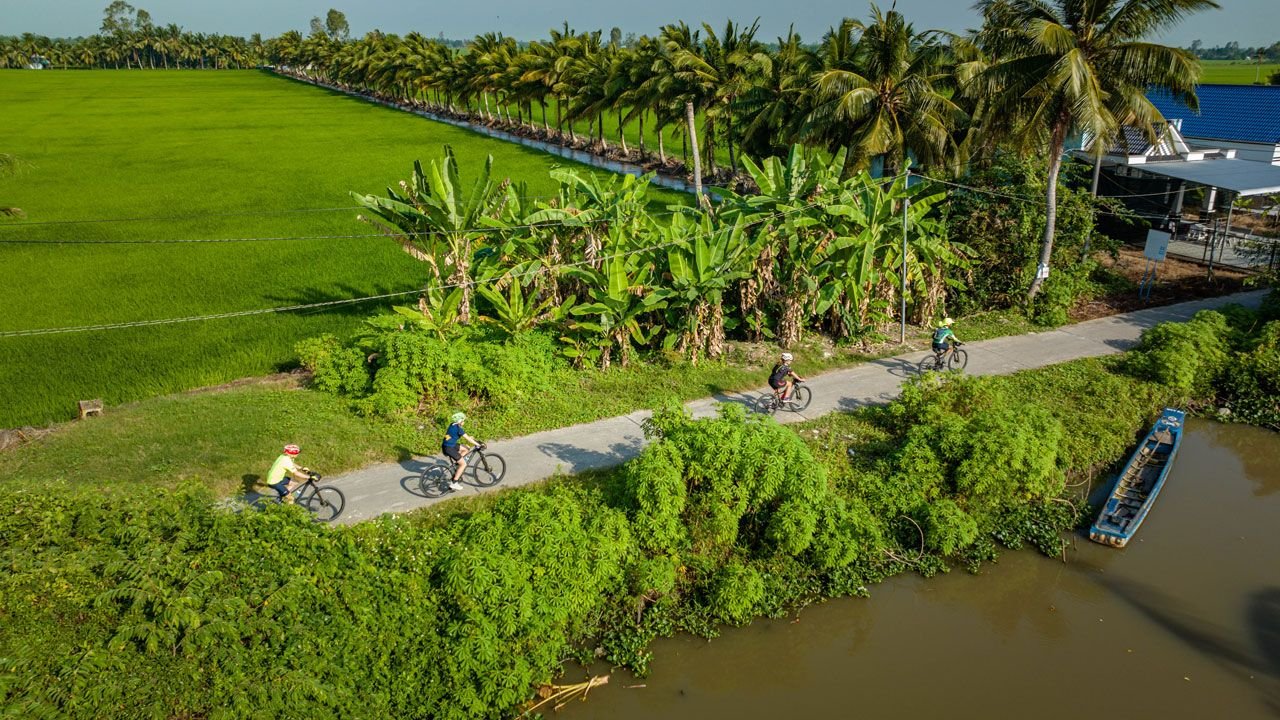
Cycling in the south takes you through fruit orchards, along canals, and past vast green rice paddies. While the terrain is mostly flat, the heat, humidity, and coastal winds supply their own physical challenges. The routes mapped out under Cycling Southern Vietnam are excellent for high-mileage, flat-to-rolling training blocks, taking you through vibrant local markets, floating villages, and pristine coastal national parks.
While the high passes of the far north grab the headlines, the valleys and nature reserves closer to Hanoi offer some of the most visually stunning, technically engaging cycling in the country. These areas are perfect for riders who want a mix of paved roads, quiet country lanes, and light gravel.
Located just south of Hanoi, Ninh Binh is often called Halong Bay on land. It is characterized by flat, ribbon-like roads that weave through towering vertical limestone cliffs and lush green wetlands. Taking part in Ninh Binh bike tours allows serious riders to warm up their legs on fast, scenic flats while exploring hidden temples, historic capitals like Hoa Lu, and navigating quiet singletrack paths through rural communities.
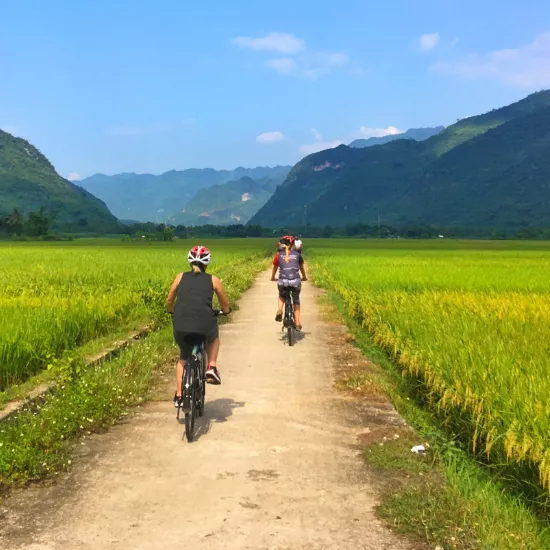
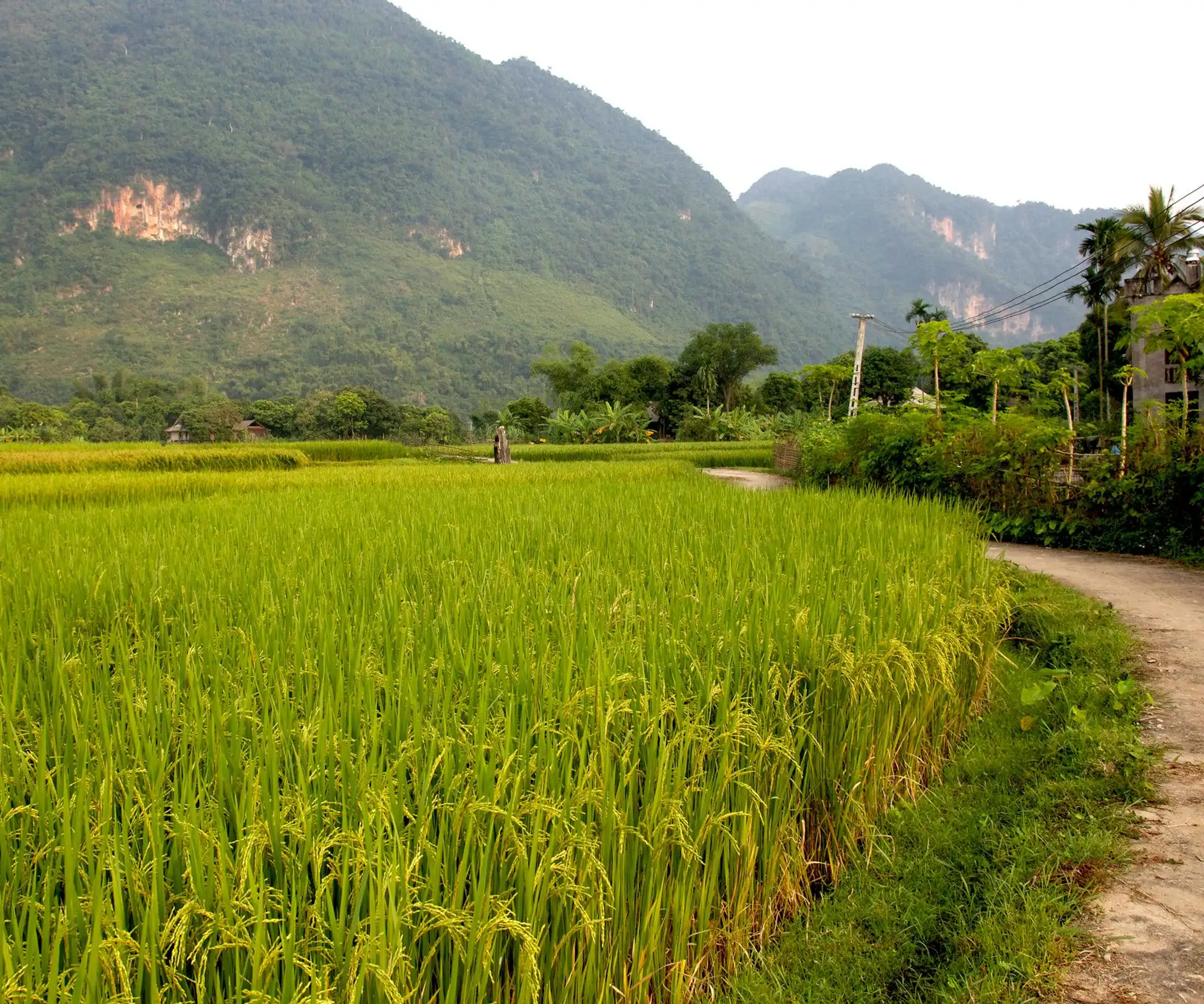
Mai Chau is a picturesque green valley surrounded by steep mountains, inhabited primarily by the White Thai ethnic group. The ride into Mai Chau involves a long, steady descent from the Thung Khe Pass, offering panoramic views of the valley below. The quiet agricultural roads that loop through the villages are ideal for recovering after a tough climb. Exploring Mai Chau bike tours gives cyclists a perfect introduction to the unique geography and warm hospitality of the northwestern mountains.
Adjacent to Mai Chau lies the Pu Luong Nature Reserve, a hidden gem featuring dramatic mountain ridges, deep valleys, and incredibly steep terraced rice fields. The cycling here is physically demanding, featuring steep, concrete mountain tracks, steep-sided valleys, and technically challenging descents. The Pu Luong bike tours are perfect for serious riders who enjoy off-the-beaten-path climbs, rustic eco-lodges, and raw natural beauty untouched by mass tourism.
For the ultimate test of endurance, serious cyclists look toward cross-country expeditions that span the entire length of Vietnam. These epic journeys require weeks of sustained effort, disciplined recovery, and flawless logistics.
Starting in the historic capital of Hanoi and finishing in the bustling metropolis of Ho Chi Minh City, the Cycling North to South Vietnam route is an unforgettable epic. Over fifteen to twenty days, riders cover more than 1,500 kilometers, crossing multiple mountain passes, traversing the DMZ, riding the coastal highways, and climbing into the Central Highlands. It is a true test of physical and mental endurance, showcasing the changing landscapes, dialects, and cuisines of this long, slender nation.
For those who prefer to ride against the prevailing winds or align their trip with specific seasonal weather patterns, the Cycling South to North Vietnam route reverses the epic journey. Starting in the tropical south, riders gradually build their endurance on flatter coastal plains before tackling the massive, sustained mountain passes of the central and northern highlands. Both cross-country options offer an unparalleled sense of achievement and a deep, comprehensive understanding of Vietnam's geography and culture.
Serious cycling does not have to mean roughing it. Modern endurance travel has evolved, offering options that cater to different fitness levels, riding styles, and comfort preferences.
For riders who want to tackle the toughest climbs during the day but relax in absolute comfort at night, Vietnam Luxury Bike Tours provide the ultimate solution. These tours feature premium accommodation in boutique five-star resorts, private villas, and high-end eco-lodges. The support is unparalleled, including top-of-the-line carbon fiber road bikes (such as Trek, Specialized, or Cannondale), dedicated master mechanics, private support vehicles stocked with premium nutrition, and fine-dining experiences showcasing the best of Vietnamese gastronomy.
Even for experienced riders, traveling with companions of varying fitness levels can sometimes be a challenge. Additionally, some riders may want to explore the massive elevation profiles of Ha Giang or the Northwest without pushing their cardiovascular systems to the absolute limit. The Vietnam E-Bikes Tours utilize high-performance, mid-drive electric road and mountain bikes. These bikes provide smooth, intuitive pedal assistance, enabling riders to conquer steep 15% gradients with ease, keep pace with stronger riders, and enjoy the stunning scenery without physical exhaustion.
Planning a high-mileage cycling trip in a foreign country requires careful attention to logistics. Here is what you need to know to ensure a safe, smooth, and successful tour.
Accommodation in Vietnam varies wildly depending on your route. In major tourist destinations like Ninh Binh, Hue, Hoi An, and Nha Trang, you will find world-class luxury hotels and boutique resorts.
In remote mountain areas like Ha Giang, Pu Luong, or along the Ho Chi Minh Highway, accommodation options are more rustic. Here, serious riders often stay in traditional ethnic homestays (typically stilt houses made of wood and bamboo) or local guesthouses. Staying in a homestay is a highlight of the trip, offering clean, simple sleeping arrangements (usually mattress pads on the floor with mosquito nets) and an opportunity to share a family-style meal with your hosts. For those who prefer premium comfort, select routes can be customized to include high-quality eco-lodges that feature swimming pools, hot showers, and spectacular valley views.
Vietnamese cuisine is ideal for endurance athletes. It is fresh, light, naturally gluten-free (mostly rice-based), and packed with clean carbohydrates, lean proteins, and hydrating broths.
To fuel your rides, look for these staple dishes:
Pho: The classic Vietnamese noodle soup, typically served with beef or chicken. The rich, salty broth is packed with electrolytes, making it the perfect post-ride recovery meal.
Bun Cha: Grilled pork served over cold rice vermicelli noodles, fresh herbs, and a sweet, savory dipping sauce. It is an excellent balance of carbs and protein.
Banh Mi: A French-style baguette stuffed with various meats, pate, cucumber, cilantro, and pickled carrots. It makes for an easy, portable mid-ride snack.
Com Binh Dan: Literally "commoner's rice." These are local buffet-style restaurants where you get a large plate of rice topped with your choice of pork, chicken, tofu, eggs, and fresh vegetables. It is the ultimate calorie-dense fuel for long days in the saddle.
For hydration, bypass sweet sports drinks in favor of local options:
Nuoc Mia: Freshly squeezed sugarcane juice mixed with calamansi citrus. It is a fantastic, natural carbohydrate hit during a hot ride.
Fresh Coconut Water: Rich in potassium and highly hydrating, coconuts are readily available at roadside stalls across the country.
Navigating Vietnam’s roads requires careful planning. While some highways are busy with trucks and scooters, the back roads, provincial routes, and mountain passes are surprisingly quiet.
For serious riders, a support vehicle is highly recommended. A dedicated support van carrying spare tires, chains, cassettes, tools, floor pumps, first-aid kits, and extra hydration allows you to ride light, focusing purely on your performance and the scenery. Furthermore, if you encounter extreme weather, mechanical failure, or physical exhaustion, the support vehicle is always there to provide a safe haven.
When booking with a premier operator like Golden Cycling Tours, your logistics are fully managed. This includes private airport transfers, domestic flight bookings, train ticket reservations (such as the night train from Hanoi to Lao Cai/Sapa), and seamless luggage transfers between hotels.
Understanding the local culture and road dynamics is crucial for a safe and enjoyable trip.
Road Hierarchy: In Vietnam, right-of-way is determined by size. Trucks and buses are at the top of the food chain, followed by cars, scooters, and finally, bicycles. Always ride defensively, stay to the right side of the lane, and listen for horns. Horns are not used in anger; they are used to alert you to a vehicle's presence.
Ethnic Minority Etiquette: When riding through remote northern villages, you will encounter various ethnic groups, including the Hmong, Tay, Dao, and Thai. Always ask for permission before taking photos of locals, dress modestly when entering temples or homes, and respect local customs. A friendly "Xin Chao" (hello) and a smile go a long way.
Currency and Payments: While digital payments are common in major cities, the rural highlands operate strictly on cash (Vietnamese Dong - VND). Always carry a small stash of cash for roadside drinks, snacks, and small purchases.
A great cycling trip is not just about the numbers on your bike computer; it is about the places you discover. Some of the must-visit cultural and natural attractions along the routes include:
Trang An Landscape Complex (Ninh Binh): A UNESCO World Heritage site featuring dramatic karst valleys and ancient water caves explored by traditional rowboats.
Phong Nha-Ke Bang National Park: Home to some of the world's largest and most spectacular caves, located along the Ho Chi Minh Highway.
The Imperial City of Hue: The historic capital of the Nguyen Dynasty, rich in royal tombs, ancient temples, and refined imperial cuisine.
Hoi An Ancient Town: A beautifully preserved 15th-century trading port famous for its yellow-walled shophouses, custom tailors, and atmospheric lantern-lit streets.
Do not just take our word for it. Here is what some serious riders have to say about their experiences exploring Vietnam with professional support:
"As an amateur racer from Colorado, I was skeptical about the climbs in Vietnam. I booked the Ha Giang and Northwest loop, and I was absolutely blown away. The climbs are relentless, the scenery is dramatic, and the support from the team was professional-grade. Having a mechanic and a van stocked with cold water and fresh fruit made all the difference. I'll be back for the Ho Chi Minh Trail next year!" — Marcus K., USA
"Cycling from Hanoi to Ho Chi Minh City was a life-changing experience. We covered over 1,500 kilometers of diverse terrain. The logistics were flawless, the hotels were comfortable, and the local food was incredible. The team understood exactly what serious road riders need: early starts, high-quality bikes, and challenging routes. It was tough, but worth every pedal stroke." — Sarah and David T., Australia
"I chose the luxury tour of Central Vietnam, and it exceeded all expectations. We rode up the Hai Van Pass and climbed into the Highlands, staying at gorgeous boutique resorts each night. The carbon road bike provided was perfectly tuned, and our guide was an elite rider who paced us brilliantly. Highly recommend for anyone who loves cycling and fine travel." — Jean-Pierre L., France
For road-focused tours, a carbon fiber endurance road bike with hydraulic disc brakes is ideal. The disc brakes are crucial for safety on long, steep, wet descents. For tours that include remote back roads, gravel tracks, or nature reserves like Pu Luong, a gravel bike or a front-suspension mountain bike with fast-rolling tires is highly recommended.
The climbs in Northern Vietnam are long and can be exceptionally steep. We recommend a compact crankset (50/34T or 48/32T) paired with a wide-range cassette (11-32T or 11-34T, or even 11-36T). Having a 1-to-1 gear ratio or lower will keep your cadence high and protect your knees during sustained double-digit gradients.
Because of Vietnam's long geography, the weather varies by region:
Northern Vietnam: The best riding window is from October to April, when the weather is cool and dry. May to September is the rainy season, bringing high heat and a risk of landslides in mountainous areas.
Central Vietnam: The dry season runs from January to August. Avoid the typhoon season from September to December, which can bring heavy rain and coastal flooding.
Southern Vietnam: The dry season is from November to April. The wet season (May to October) features daily afternoon showers, which are usually short and manageable.
If you ride with an organized tour, your support vehicle carries a comprehensive array of spare parts, including tires, inner tubes, chains, shift cables, brake pads, and tools. A professional mechanic accompanies the tour to handle any mid-ride adjustments or repairs. If you are riding self-supported, you must carry a multi-tool, spare tubes, patch kits, a mini pump, a chain tool, a spare derailleur hanger, and know how to use them, as high-end bike shops do not exist in remote mountain provinces.
Yes, cycling is highly viable and safe if you understand the local traffic patterns. Traffic moves at a relatively slow average pace compared to Western countries, and drivers are highly accustomed to sharing the road with slow-moving scooters and agricultural vehicles. However, defensive riding, wearing a high-quality helmet, using active daytime running lights, and utilizing a professional support vehicle are highly recommended safety measures.
Vietnam is a destination that rewards physical preparation, curiosity, and a passion for adventure. Whether you choose to challenge your climbing legs on the steep gradients of Ha Giang, ride the historic roads of the Ho Chi Minh Trail, or undertake a massive cross-country expedition, you will be treated to some of the finest cycling terrain on earth.
By partnering with a trusted local expert like Golden Cycling Tours, you ensure that every detail of your journey—from premium carbon road bikes and experienced ride leaders to local dining and seamless logistics—is managed to the highest standard. This leaves you free to focus on what matters most: the road ahead, the rhythm of your pedal stroke, and the spectacular landscapes of this extraordinary country.

Leave a Reply
Your email address will not be published. Required fields are marked *