- Call us Via Whatsapp: +84 (0) 832 126 699
4.9 stars on our site
(15,000 reviews)
- Monday - Sunday : 08:00 - 17:00
(15,000 reviews)

The morning air in the towering peaks of Northern Vietnam is not merely cold; it possesses a crisp, alpine sharpness that stings the lungs and wakes the spirit. At 5:00 AM, a thick, ghostly blanket of mist clings to the sheer edges of towering limestone cliffs, while the faint, sweet scent of burning pine wood and damp earth rises from the valleys below. You stand with your team, hands gripping the cold rubber of your handlebars, listening to the rhythmic, metallic clicking of freehubs spinning as riders perform their final checks. Every breath you take blooms in the dim light. When you commit to a journey of this magnitude, reading a comprehensive Fitness Preparation Guide for Your Vietnam Cross-Country Cycling Tour is the first step toward transforming what could be a grueling physical struggle into a cinematic, life-defining triumph of human endurance.
.webp)
Vietnam is a country of intense geographical contrasts, a land best absorbed slowly, at the speed of a turning pedal. From the legendary, cloud-shrouded mountain passes of the northern frontier to the endless, sun-baked coastal plains of the central passage, and finally down to the flat, watery labyrinths of the deep south, this land demands respect. Crossing it on a bicycle is an experience that leaves its mark on your body. You will feel the relentless burn of lactic acid in your quadriceps as you fight gravity on 10 percent gradients, the taste of salt on your lips as the tropical sun bakes the asphalt, and the sheer, intoxicating rush of cold mountain wind against your chest during a 20-kilometer descent. To ride this land is to participate in an epic physical narrative, and proper physical preparation is the key that unlocks the beauty of the open road.
To prepare your body for a cross-country tour, you must first understand the unique physical challenges presented by Vietnam’s diverse regions. This is not a uniform ride; it is a multi-stage epic where the terrain changes as rapidly as the weather, demanding different energy systems and muscle groups from day to day.
For many cyclists, the ultimate test begins in the rugged mountains of the north. Undertaking cycling Northern Vietnam is an experience of monumental proportions. Here, your journey will lead you into the heart of the Dong Van Karst Plateau Geopark and the wild valleys of the northwest. The climbs in this region are long, steep, and unrelenting.
If you embark on Vietnam Northwest bike tours, your climbing legs will be tested on the legendary O Quy Ho Pass. This massive mountain pass climbs steadily to an altitude of over 2000 meters above sea level, stretching for nearly 50 kilometers. Your muscles must be conditioned to produce sustained power over hours of continuous climbing, where the air grows thinner and the temperature drops rapidly. Every pedal stroke becomes a battle against gravity, requiring exceptional muscular endurance in your glutes, hamstrings, and calves.
Equally demanding are the routes of Vietnam Northeast bike tours. In this stone-carved wilderness, your group will confront the fearsome Ma Pi Leng Pass. This road clings to a vertical limestone wall above the turquoise waters of the Nho Que River. The gradients here can spike dramatically, requiring bursts of high-wattage power to clear steep switchbacks while maintaining your balance on narrow, exposed roads. The vibrations of the road will reverberate through your carbon handlebars, requiring a strong, stable core and resilient upper body to prevent shoulder and neck fatigue.
As you leave the high peaks behind, cycling Central Vietnam presents a completely different physical challenge. Here, the route takes you along the legendary Ho Chi Minh Trail and the jagged coastline of the East Vietnam Sea.
Riding the Ho Chi Minh Trail via Ho Chi Minh trail cycling tours involves traversing endless rolling hills that cut through the dense jungles of the Truong Son Mountain Range. Unlike the steady, long climbs of the north, these roads are a continuous series of short, punchy ascents and rapid descents. This terrain requires excellent anaerobic capacity and power-recovery cycling. Your heart rate will spike as you power over a crest, and you must train your body to recover quickly during the brief downhills before hitting the next incline.
When you transition to the coast, the legendary Hai Van Pass awaits. This 21-kilometer coastal climb rises directly from the ocean, exposing riders to intense coastal headwinds. Cycling against a headwind on an active incline requires immense mental grit and a highly efficient aerodynamic riding position. The sensory experience here is breathtaking: you can smell the salt of the sea, hear the rhythmic crash of waves against the cliffs of Lang Co Bay below, and feel the cool spray of ocean mist on your heated skin.
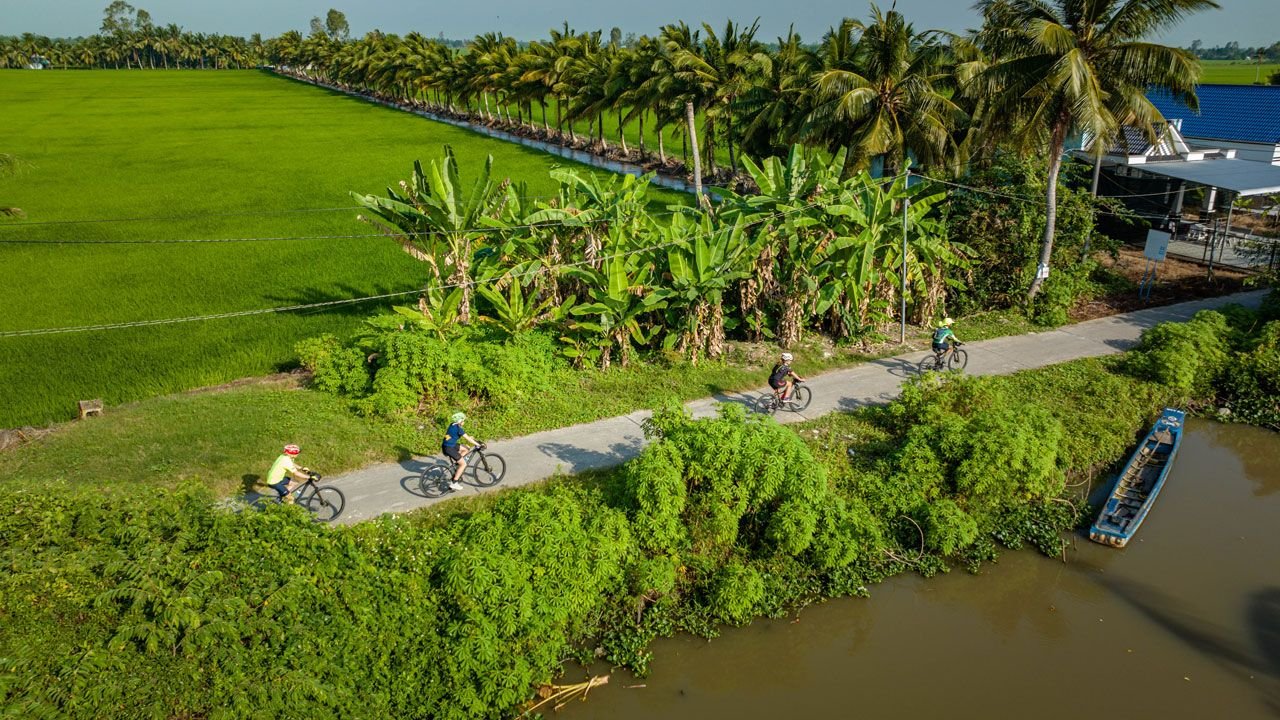
Reaching the south, the terrain flattens, but the physical challenge does not disappear. When cycling Southern Vietnam, particularly on Mekong Delta bike tours, your primary adversaries are heat, humidity, and flat-land monotony.
In the delta, you will navigate a labyrinth of narrow canal paths, fruit orchards, and rustic wooden bridges. Because there are no hills to coast down, your legs must remain in constant motion, pedaling continuously for hours at a time. The air here is thick, warm, and heavy with the scent of ripe mangoes, river silt, and tropical humidity. Training for this environment requires building high aerobic efficiency, optimizing your sweat rates, and learning how to maintain focus and pedaling cadence over long, uninterrupted flat sections.
The foundation of any successful cross-country tour is a robust aerobic system. Your goal is to build an engine that can sustain six to eight hours of pedaling day after day without crossing your lactate threshold.
The vast majority of your preparation should focus on low-intensity, high-volume aerobic training, often referred to as Zone 2 training. In this zone, which corresponds to 60 to 70 percent of your maximum heart rate, your body primarily burns fat for fuel, preserving precious glycogen stores for steep climbs.
Begin your training program at least twelve to sixteen weeks prior to your tour departure.
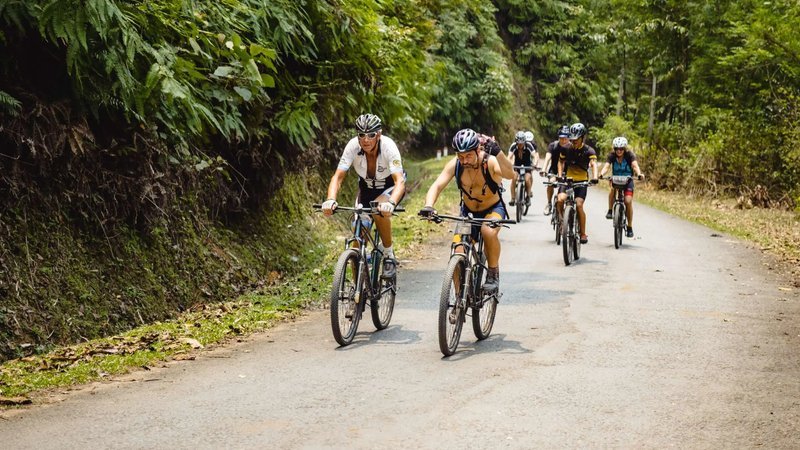
Commit to three to four rides per week, gradually increasing your total weekly volume by no more than ten percent per week.
Dedicate at least one ride per week as your "long ride," gradually building the duration until you can comfortably spend five to six hours in the saddle.
Focus on maintaining a smooth, efficient cadence of 80 to 90 revolutions per minute. This reduces the torque required per pedal stroke, shifting the physical burden from your easily fatigued muscles to your highly resilient cardiovascular system.
While base miles build your endurance, sweet spot and threshold training will raise your power output, making steep climbs like the O Quy Ho Pass feel far more manageable.
Once per week, incorporate a structured interval session into your schedule.
After a thorough warm-up, perform two intervals of fifteen to twenty minutes at 85 to 90 percent of your threshold effort, resting for ten minutes between efforts.
These intervals train your body to clear lactic acid more efficiently, allowing you to sustain higher speeds on long climbs without entering a state of muscular failure.
As your fitness improves, increase the duration of the intervals to thirty minutes, simulating the continuous effort required to conquer the major passes of Central and Northern Vietnam.
Cycling is a highly repetitive motion that occurs in a single plane of movement. Over multi-week tours, minor muscular imbalances can manifest as debilitating pain in the knees, lower back, and neck. A structured strength and conditioning program is essential to fortify your kinetic chain.
A strong core is the anchor from which your legs generate power. When your core is weak, your pelvis tilts, your knees flare outward, and your lower back absorbs the rotational forces of your pedal stroke, leading to chronic discomfort.
Incorporate plank variations, including front planks, side planks, and bird-dogs, into your routine twice per week to build endurance in your deep core stabilizers.
Perform chest presses, seated rows, and overhead presses to strengthen your shoulders, upper back, and neck. This prevents the classic "cycling neck ache" caused by holding an aggressive, aerodynamic posture for hours on end, especially when riding over rough surfaces in remote regions.
Emphasize single-leg exercises such as Bulgarian split squats, lunges, and step-ups. These movements mimic the unilateral nature of cycling, addressing strength discrepancies between your left and right legs while improving hip stability.
Many modern individuals suffer from "glute amnesia," a condition where the gluteal muscles fail to fire properly due to prolonged sitting. In cycling, the glutes should be the primary powerhouse, driving the pedal downward from the top of the stroke.
Perform Romanian deadlifts, glute bridges, and kettlebell swings to activate and strengthen your hamstrings, glutes, and lower back.
Focus on driving through your heels during these movements, training your brain to recruit your glutes rather than relying solely on your quadriceps.
Incorporate calf raises and ankle mobility exercises. Resilient calves and mobile ankles ensure a smooth, powerful transfer of force from your legs through your feet and directly into your pedals.
No training plan is complete without preparing your body for the unique environmental conditions of Southeast Asia. Vietnam is a tropical country where heat and humidity can significantly impact your cardiovascular efficiency and hydration requirements.
When you exercise in the heat, your body must redirect a portion of your blood flow away from your working muscles and toward your skin to facilitate cooling. This increases your heart rate and reduces your aerobic capacity. Fortunately, the human body is highly adaptable.
If possible, perform a portion of your training rides during the warmer parts of the day in the final four weeks leading up to your trip.
Alternatively, utilize indoor training facilities with the fans turned off, or incorporate sauna sessions of twenty to thirty minutes immediately following your workouts to stimulate blood plasma expansion.
Acclimatization typically takes ten to fourteen days of consistent exposure. During this process, your body learns to sweat earlier, secrete sweat with a lower salt concentration, and maintain a lower core temperature.
Sweating is your body's primary cooling mechanism, but it comes at a cost. Losing just two percent of your body weight in water can lead to a significant drop in cycling performance, muscle cramping, and mental fatigue.
During your training rides, practice a structured hydration strategy. Aim to drink one bottle of fluid every hour, alternating between pure water and a high-quality electrolyte replacement drink.
Learn to recognize your personal sweat rate by weighing yourself before and after a hot ride. For every kilogram of weight lost, you must consume 1.5 liters of fluid to fully rehydrate.
Remember that in highly humid environments like the Mekong Delta, sweat does not evaporate easily from your skin, making hydration and active cooling even more critical to prevent heat illness.
Crossing Vietnam on a bicycle is a massive caloric undertaking. A typical rider will burn between 3500 and 5000 calories per day depending on the terrain and weather. To sustain this effort over weeks, you must view food not just as a pleasure, but as high-performance fuel.
The culinary traditions of Vietnam are perfectly suited for active endurance athletes. The food is fresh, light, easily digestible, and naturally packed with quality carbohydrates and clean proteins.
A typical day on the road with Golden Cycling Tours begins at sunrise with a bowl of steaming, aromatic Pho at a local village stall. The sensory experience of this morning ritual is unforgettable: the rich broth smells of star anise, roasted ginger, and cinnamon; fresh herbs like mint, basil, and cilantro are torn and dropped into the soup; and a squeeze of fresh lime cuts through the savory broth.
Pho is the ultimate cyclist's breakfast. The rice noodles provide easily accessible, clean carbohydrates to top off your muscle glycogen stores.
The tender slices of beef or chicken deliver high-quality protein to support muscle repair.
The hot, salted bone broth rehydrates your body and replenishes lost sodium, priming your cardiovascular system for the day's effort.
As you pedal through remote valleys and scale towering mountain passes, you must consume 40 to 60 grams of carbohydrates per hour to prevent "bonking" (hypoglycemia).
In the northern mountains, stop at small roadside markets to enjoy Com Lam—sticky rice cooked inside hollow bamboo tubes over charcoal. It is dense, portable, slightly sweet, and provides a slow, steady release of energy that is perfect for a long climb up the Ma Pi Leng Pass.
In Central Vietnam, fuel your body with fresh bananas, juicy watermelon, and local sweet treats purchased directly from agricultural communities.
Do not miss the opportunity to experience a cup of rich, bittersweet Vietnamese iced coffee (Ca Phe Sua Da) or a frothy, decadent egg coffee (Ca Phe Trung) during afternoon rest stops. The robusta beans provide a powerful dose of caffeine, while the sweet condensed milk delivers a quick spike of simple sugars to power you through the final kilometers of your daily ride.
At the end of a long day in the saddle, your focus shifts to muscle recovery and tissue repair. Vietnamese dinners are social, communal feasts featuring a wide array of dishes designed to satisfy a cyclist's appetite.
Enjoy bowls of local noodles like Cao Lau in Hoi An Ancient Town—thick, chewy noodles topped with five-spice pork, crispy rice crackers, and wild greens grown in organic village gardens.
In the south, feast on Hu Tieu—a light, fragrant pork and seafood noodle soup packed with fresh herbs and clean proteins.
Share platters of fresh stir-fried vegetables, local river fish, clay-pot braised pork, and mountain-grown wild greens. This diverse nutritional profile ensures your body receives all the essential vitamins, minerals, and amino acids required to rebuild your muscles for the next day's challenge.
Training is only half of the fitness equation; the physical adaptations that make you stronger, faster, and more resilient occur while you sleep. A comfortable, quiet environment to rest your weary muscles is an absolute necessity on a cross-country tour.
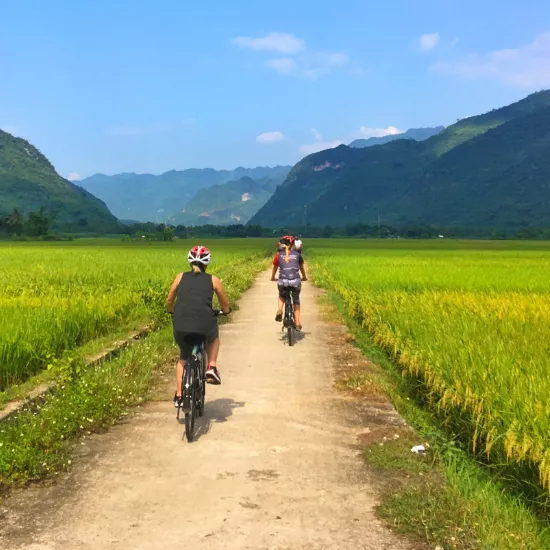
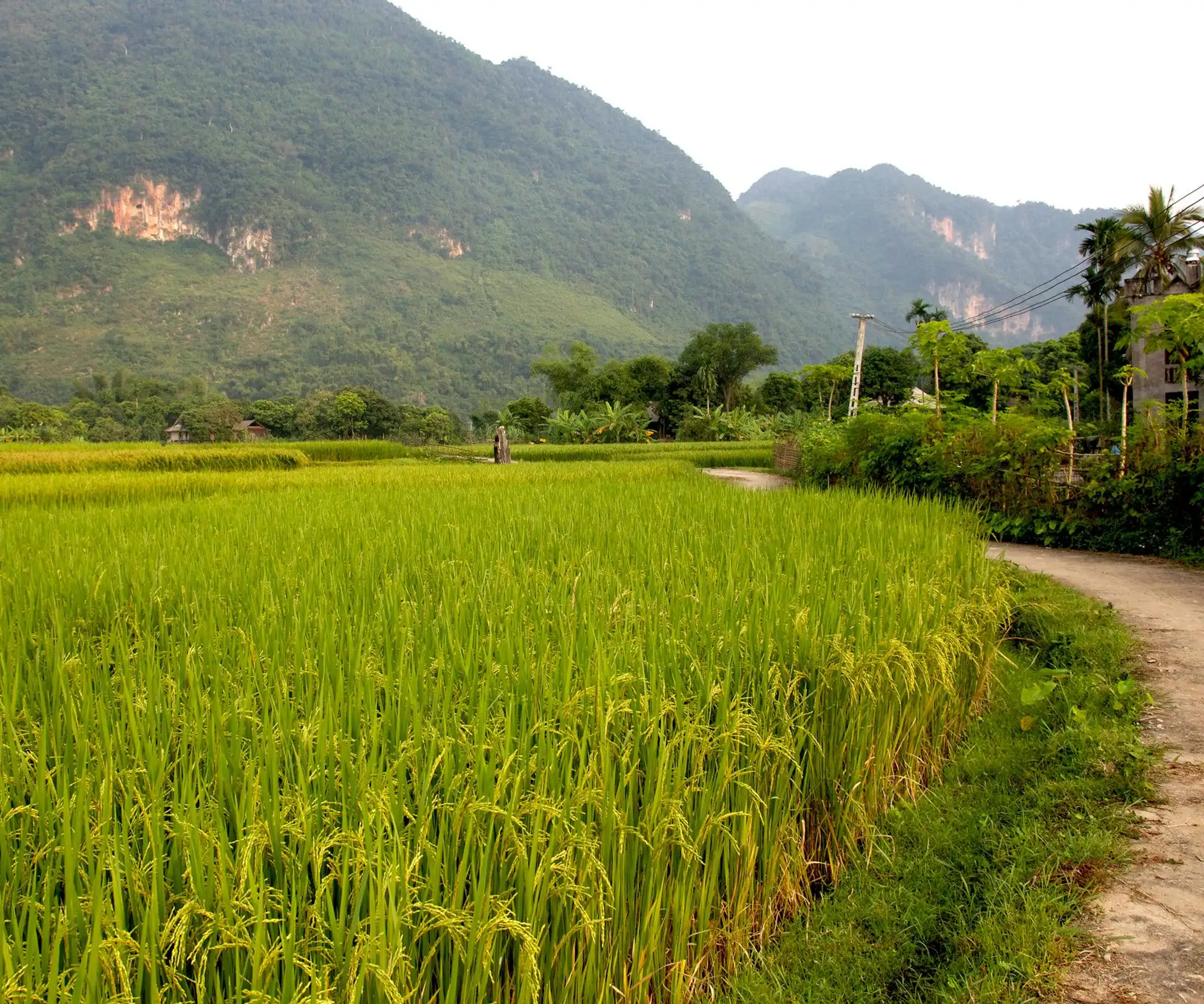
When cycling through the peaceful green valleys of Mai Chau Valley and Pu Luong Nature Reserve, your group will have the unique opportunity to sleep in traditional wooden stilt houses perched above the emerald rice paddies.
The sleeping arrangements are typically communal, with soft, clean mattresses, fresh linens, and protective mosquito nets arranged on the polished wooden floors.
The recovery benefits of these stays are profound. Falling asleep to the natural, soothing symphony of croaking frogs and singing cicadas, and waking up to the cool mist and gentle morning light reflecting off the wet rice fields, connects your body directly to the peaceful rhythm of rural life, lowering stress hormones and promoting deep, restorative sleep.
Nestled on the cloud-swept ridges of Sapa or in the dramatic limestone valleys of Ninh Binh, these premium properties offer a blend of rustic charm and modern comfort.
Built from natural local materials like stone, bamboo, and wood, they feature private balconies overlooking terraced hillsides or peaceful waterways.
Take advantage of traditional herbal baths prepared by local Dao medicine women in Sapa. These warm, aromatic baths are infused with wild mountain herbs that soothe sore muscles, improve circulation, and speed up recovery times.
Relax in sparkling infinity pools overlooking pristine valleys, or gather with your teammates around cozy outdoor fire pits to share stories and a glass of wine under the starlit sky.
Along the spectacular central coastline, you can retreat to world-class beachside resorts.
After a grueling but exhilarating ride over the legendary Hai Van Pass, collapse onto a plush sun lounger, feel the cool ocean breeze on your skin, and listen to the rhythmic, calming sound of the waves rolling onto the white sands.
These premium properties offer exceptional spa facilities, private beaches, and professional massage therapies specifically designed to soothe tired legs and prepare your body for the next leg of your journey.
A cross-country cycling tour in Vietnam is as much a cultural pilgrimage as it is a physical challenge. The country is home to a rich tapestry of 54 distinct ethnic groups, each with its own language, traditional dress, and unique customs. Connecting with these communities is often the most memorable part of the trip.
To ensure your interactions are respectful, enriching, and positive, it is highly recommended to follow key local etiquettes:
Always seek permission before taking photographs of local people, especially children, weavers, and elderly residents in remote villages. A warm smile and a polite gesture toward your camera are almost always met with a friendly nod of approval.
When entering sacred spaces such as local temples, pagodas, or traditional communal houses, ensure your shoulders and knees are covered. Always remove your cycling shoes, sunglasses, and helmet before stepping inside.
If your group is staying at a traditional homestay, participate actively in the family's evening rituals. When your host offers you a cup of hot green tea or local corn wine, accept the glass with both hands as a sign of mutual respect and gratitude for their hospitality.
By showing genuine respect and curiosity, you will build warm, authentic connections that cross language barriers, enriching your journey far beyond the physical road.
Preparing your body is critical, but having the right equipment and support team is what ensures a seamless, worry-free cycling experience. When you book a group tour with Golden Cycling Tours, every logistical detail is managed behind the scenes.
Every cross-country ride is accompanied by a dedicated support vehicle—a modern, air-conditioned van or minibus equipped with professional bike racks, a comprehensive mobile workshop, spare parts, and a continuous supply of chilled mineral water, fresh fruits, and high-energy snacks. If a rider is feeling fatigued, recovering from an injury, or simply wants to skip a particularly steep section of a pass, they can easily hop into the comfortable support van and enjoy the scenery in air-conditioned comfort.
Your guides are professional, English-speaking cycling specialists who possess an intimate knowledge of the local roads, cultures, and hidden trails. They lead the pack, managing the safety of the group, coordinating with local restaurants, and ensuring a steady, enjoyable pace.
Modern touring options make the legendary landscapes of Vietnam accessible to riders of all fitness and experience levels.
If you desire the ultimate blend of challenging daytime riding and premier nighttime comfort, Vietnam luxury bike tours are the perfect solution. You will ride high-performance carbon road bikes or top-tier mountain bikes, supported by a professional crew, private mechanics, and luxury accommodations.
For groups of mixed fitness levels, families, or couples who wish to ride together at the exact same pace, Vietnam E-bikes tours are a complete game-changer. Riding premium electric-assist bicycles allows everyone to conquer the steepest climbs of the northern passes with a smile on their face, democratizing the open road and ensuring no one is left behind.
"I was incredibly nervous about the physical demands of climbing the northern passes, so I followed this training guide to the letter for three months before our trip. It made all the difference! When our group scaled the O Quy Ho Pass through the clouds, my legs felt strong, my breathing was controlled, and I was able to fully enjoy the mind-blowing scenery instead of just staring at my front tire. The support team from Golden Cycling Tours was incredible—always ready with a cold bottle of water and a warm smile." - Marcus L., Germany
"My partner and I booked a central coast tour, and the physical preparation we did beforehand paid off immensely on the Hai Van Pass. Pedaling up those switchbacks with the ocean breeze in our faces and the sound of the waves below was pure magic. The food was the ultimate fuel—every bowl of Pho felt like it went straight to my muscles. It was the most physically rewarding and culturally rich adventure we've ever had." - Sarah & David M., Australia
"Riding from Hanoi to Saigon was the ultimate test of my endurance, but the sense of achievement when we rolled into Ho Chi Minh City was indescribable. This trip forged friendships that will last a lifetime. We sweated together, cheered each other on through headwinds, and shared unforgettable feasts at the end of every day. If you are looking for an adventure that will challenge your body, expand your mind, and show you the true heart of Vietnam, do not hesitate—just book it." - Jean-Pierre G., France
How many months in advance should I start training for a cross-country tour? For a full cross-country tour, we highly recommend starting a structured training program at least three to four months prior to your departure date. This provides ample time to build your cardiovascular base, develop muscular endurance, and make necessary adjustments to your riding posture.
Do I need to train on steep hills if my tour is in the south? If your tour is primarily in the Mekong Delta or flat coastal areas, you do not need to focus heavily on steep hill intervals. Instead, focus on building flat-land endurance, maintaining a consistent pedaling cadence for hours at a time, and acclimating your body to warm, humid riding conditions.
What type of pedals and shoes should I use on the tour? We recommend using whatever pedal system you are most comfortable with. If you are accustomed to clipless pedals (SPD or road cleats), you are welcome to bring your own pedals and shoes, which our mechanics will mount to your rental bike. If you prefer to ride in standard athletic shoes, we provide high-quality flat pedals.
Can I participate if I have a pre-existing knee or back issue? Yes, but we highly recommend consulting with your physician and a professional bike fitter before your trip. Additionally, opting for a premium electric-assist bicycle on our custom tours is an excellent way to reduce the strain on your knees and lower back while still enjoying the full cross-country experience.
How do we handle hydration and food hygiene on the road? Your safety is our top priority. We provide unlimited, sealed, chilled mineral water throughout the entire ride. Our guides meticulously select local restaurants and homestays that adhere to strict hygiene standards, ensuring you enjoy fresh, safe, and nutritious local cuisine that keeps you fueled and healthy.
What happens if I cannot complete a daily ride due to fatigue? You don't have to worry at all! Our professional, air-conditioned support vehicle follows the cycling group closely at all times. If you feel tired, hot, or simply want a break, you can easily load your bike onto the rack and climb into the support van to rest and enjoy the scenery.
The open road is calling, and there is no better way to answer it than with the team that shares your passion for adventure, culture, and sustainable travel. Whether you are looking to conquer the legendary mountain passes of the far north, trace the historic paths of the central coast, or drift through the tranquil water canals of the south, we are here to craft the ultimate journey for your team.
Our professional crew, premium fleet of road bikes and e-bikes, handpicked local accommodations, and deep passion for our country ensure that your trip will be seamless, safe, and profoundly inspiring. Gather your companions, prepare your body with this Fitness Preparation Guide for Your Vietnam Cross-Country Cycling Tour, and join us on the open road. Contact Golden Cycling Tours today to book your adventure. Browse our premium tours or explore our main website at Golden Cycling Tours to begin your bespoke green crossing today!

Leave a Reply
Your email address will not be published. Required fields are marked *