- Call us Via Whatsapp: +84 (0) 832 126 699
4.9 stars on our site
(15,000 reviews)
- Monday - Sunday : 08:00 - 17:00
(15,000 reviews)

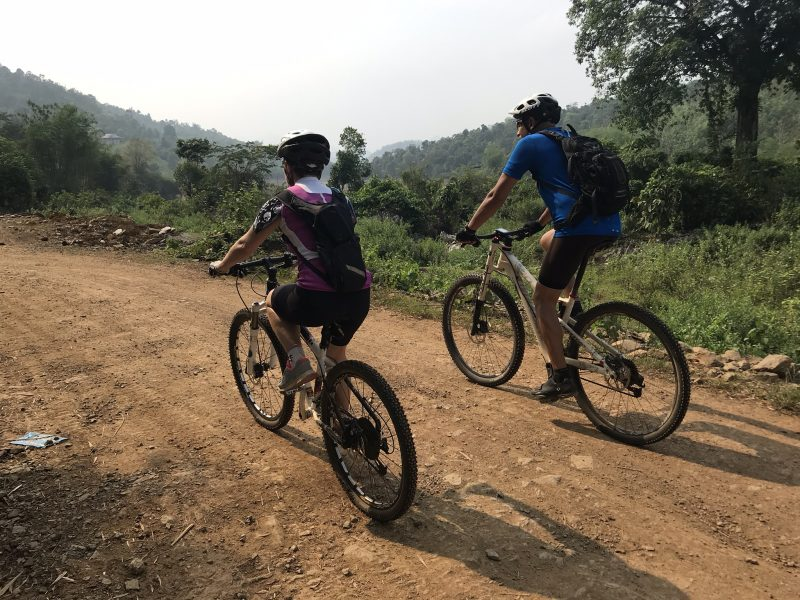
There is a profound silence that only exists in the early morning of a rural mountain village. It is a silence punctuated not by machines, but by the distant call of a rooster, the rhythmic thud of a wooden loom, and the soft crunch of tires on packed earth. For the modern traveler, these moments are becoming increasingly rare. However, a Remote Villages Cycling Tour in Southeast Asia offers a literal and figurative path back to this authentic way of life.
At Golden Cycling Tours, we believe that the bicycle is the ultimate tool for cultural diplomacy. When you roll into a village on two wheels, you aren’t just a tourist; you are a human being moving at a human pace. In this definitive guide, we explore the winding trails of Thailand, Laos, Vietnam, and Cambodia to show you why the "backwards" paths are the only way forward.
.jpg)
The geography of Southeast Asia is a mosaic of limestone karsts, emerald rice paddies, and dense jungles. While the major cities like Bangkok or Hanoi offer modern thrills, the soul of the region resides in the hinterlands. Cycling through these areas allows you to bypass the "tourist bubble" and engage with communities that have remained largely unchanged for generations.
Whether you are navigating the steep gradients of Northern Vietnam or the dusty plains of the Cambodian countryside, every pedal stroke brings a new discovery. For those seeking the most comprehensive experience, the Cycling Thailand Laos Vietnam itinerary serves as the gold standard for cross-border exploration.
Vietnam’s northern frontier is a cathedral of mountains. Here, remote village cycling reaches its zenith. The ethnic minorities of the Hmong, Tay, and Red Dao people inhabit villages perched precariously on mountainsides, surrounded by some of the most intricate terraced rice fields on Earth.
Cycling through the Ha Giang plateau or the valleys of Sapa is a sensory explosion. You aren’t just looking at the landscape; you are participating in it. The air is thinner, the climbs are steeper, but the reward is a level of hospitality that is hard to find elsewhere. Because the terrain here can be challenging, many travelers now opt for Vietnam E-bikes Tours. These high-performance bikes flatten the peaks, allowing you to focus on the smiles of the local children rather than the burn in your quads.
Beyond the far north, the Central Highlands offer a different kind of remote experience. Pedaling through coffee plantations and along the "Ho Chi Minh Trail" paths provides a historical depth to your journey. If you are looking to bridge the gap between the mountains and the sea, our Cycling Vietnam Laos route offers a perfect transition from the humid lowlands to the cool mountain air of the neighboring nation.
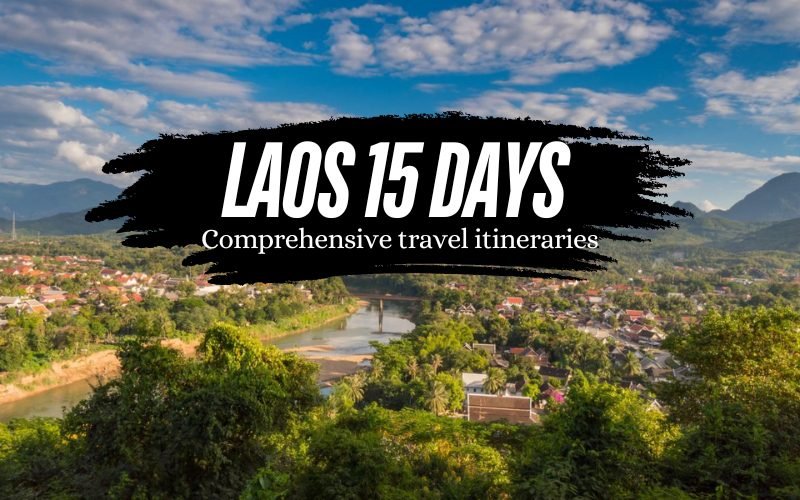
If Vietnam is about the drama of the mountains, Laos is about the rhythm of the river. As the most bombed country in history, its resilience is visible in the gentle nature of its people and the untouched beauty of its forests.
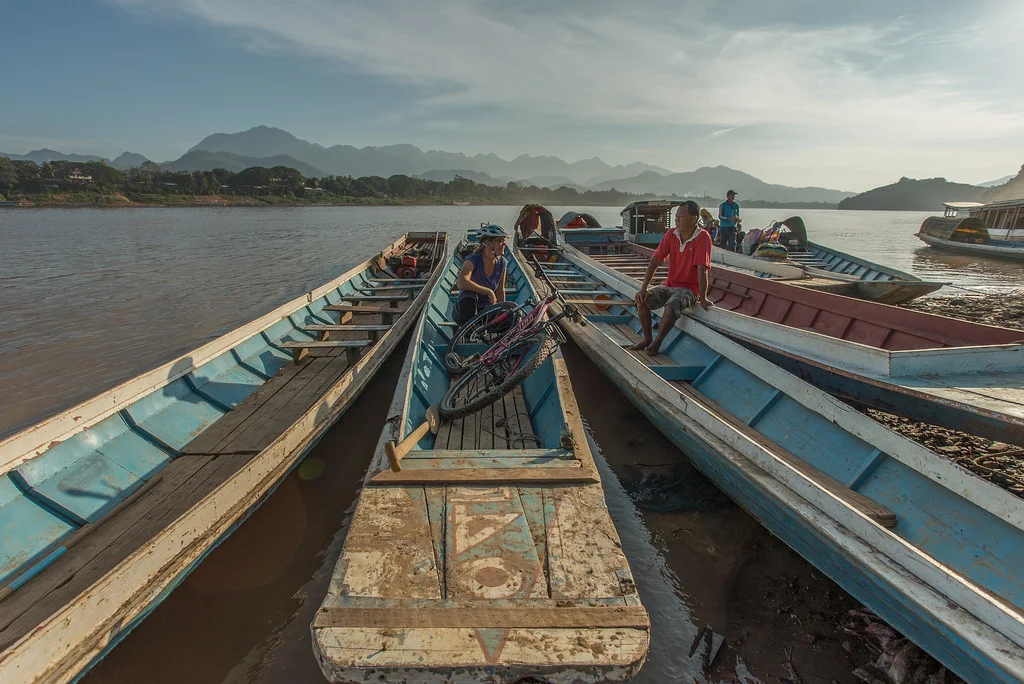
Cycling in Laos often revolves around the mighty Mekong River. Remote villages here are often only accessible by boat or bike. As you navigate the Cycling Thailand to Laos route, you will encounter villages where the main industry is still hand-weaving silk or distilling rice whiskey (Lao-Lao).
For the true adventurer, the Luang Prabang range offers rugged trails that lead to Hmong and Khmu settlements. These are the places where electricity is a luxury and the stars are the only streetlights. If your goal is to see the rawest side of Southeast Asia, the Cycling Laos Vietnam expedition is an unmissable challenge that connects two of the region's most distinct cultures.
While Thailand is known for its tourism infrastructure, its northern borders remain a sanctuary for remote village cycling. Meanwhile, Cambodia offers a flat but fascinating landscape of "stilt-house" villages and ancient forest paths.
Starting in the north, the "Golden Triangle" is where Thailand, Laos, and Myanmar meet. The gravel paths here wind through tea plantations and Lisu tribal villages. This area serves as the perfect springboard for longer adventures, such as the Cycling Thailand Laos Cambodia tour, which blends high-mountain cycling with the historical majesty of the Khmer Empire.
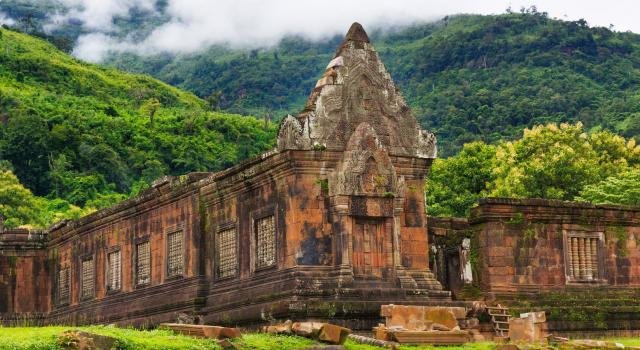
In Cambodia, the cycling is less about elevation and more about immersion. You’ll ride along the red-dirt roads of the Tonle Sap, passing through floating villages and community-based eco-tourism sites. For those wanting to see the full spectrum of Indochinese history, the Cycling Laos Cambodia Vietnam route is the ultimate "Grand Tour."
Planning a multi-country cycling trip requires more than just a map and a bike. It requires an understanding of the terrain, the seasonal shifts, and the logistical hurdles of border crossings.
In remote villages, you won't find Michelin stars, but you will find the freshest food of your life.
Vietnam: Focus on Pho for hydration and Banh Mi for portable energy. In the mountains, try "Thang Co" if you’re brave, but sticky rice with grilled pork is the universal cyclist’s fuel.
Laos: Sticky rice (Khao Niao) is the foundation of every meal. Paired with Jeow (chili paste) and fresh river fish, it provides slow-release energy for long climbs.
Thailand: Khao Soi (coconut curry) is the king of northern Thai cuisine, offering the perfect blend of carbs and healthy fats.
The highlight of any Remote Villages Cycling Tour in Southeast Asia is the accommodation.
Homestays: We prioritize stays in traditional stilt houses. You’ll sleep on comfortable floor mattresses with mosquito nets, sharing a communal meal with your host family. This is where the real cultural exchange happens.
Eco-Lodges: In areas like Luang Prabang or Sapa, we utilize boutique eco-lodges that offer a bit more comfort while maintaining a minimal environmental footprint.
While you are there to cycle, the reality of Southeast Asian weather and terrain means having a support vehicle is vital. Golden Cycling Tours provides:
Support vans for luggage and tired legs.
Expert mechanics and high-quality spare parts.
Strategic transfers to avoid busy highways, ensuring you only ride the most scenic and remote sections.
For those interested in exploring the southern reaches after the mountains, our Cycling Thailand to Malaysia routes offer a seamless transition through the Malay Peninsula.
When you enter a remote village, you are a guest in someone’s home. Understanding local customs is essential for a positive experience.
The Greeting: In Thailand and Laos, use the Wai (bowing with hands together). In Cambodia, it is called the Sampeah. It shows immediate respect.
Modesty: Even if it’s hot, keep your shoulders and knees covered when entering a village or a temple.
Gift Giving: Instead of giving candy or money to children (which encourages begging), we recommend donating to local schools or medical centers. Our guides can help facilitate this.
Photography: Always ask for permission before taking a photo of a person, especially elders and children.
With so many options, how do you choose? Here is a breakdown based on your cycling style:
The Historian: Choose Cycling Thailand Cambodia Vietnam to see the evolution of the region’s empires.
The Culture Seeker: Opt for the Cycling Vietnam Cambodia Thailand route for the widest variety of languages, religions, and cuisines.
The Cross-Border Explorer: Look at the Cycling Vietnam Cambodia or Cycling Cambodia Vietnam options for a deep dive into the Mekong Delta and the Angkor plains.
The Mountain Specialist: Focus on the Cycling Vietnam to Laos and Thailand routes for maximum elevation gain.
"I thought I was going for the cycling, but I stayed for the people. Staying in a Tay village in Northern Vietnam was the most moving experience of my life. Golden Cycling Tours made us feel like part of the community." – Elena R., Sweden
"The Cycling Laos Thailand trip was flawless. The transition from the quiet dirt roads of Laos to the hospitality of Thailand was perfectly managed." – David W., USA
"We did the Cycling Laos Cambodia tour last spring. Seeing the temples of Angkor after days of riding through remote villages made the history feel so much more real." – Satoshi M., Japan
1. Is it safe to cycle through remote villages? Yes, Southeast Asia is incredibly safe for cyclists. The local people are famously hospitable. Our guides are local experts who speak the dialects and understand the village dynamics.
2. What is the road quality like? It varies. You will encounter everything from smooth asphalt to rocky double-track and red-clay paths. We recommend a gravel bike or a mountain bike for most of these routes.
3. How do we handle medical emergencies in remote areas? Our support vehicles carry comprehensive first-aid kits, and our guides are trained in wilderness first aid. We also map out the nearest international-standard hospitals along every route.
4. Can I do these tours if I'm not a "pro" cyclist? Absolutely. Many of our clients use Vietnam E-bikes Tours to make the journey more manageable. We also tailor the daily mileage to the group’s ability.
5. How do I handle visas for multi-country tours? We provide all the necessary documentation for your e-visas and help with the physical crossings at land borders.
A Remote Villages Cycling Tour in Southeast Asia is an invitation to see the world differently. It is an investment in stories, not just souvenirs. From the misty peaks of the north to the sun-drenched plains of the south, the unpaved beauty of Indochina is waiting for you.
Ready to book your seat? Explore our most popular multi-country routes:
Join Golden Cycling Tours and find the magic that exists only at the end of a dirt road.

Leave a Reply
Your email address will not be published. Required fields are marked *