- Call us Via Whatsapp: +84 (0) 832 126 699
4.9 stars on our site
(15,000 reviews)
- Monday - Sunday : 08:00 - 17:00
(15,000 reviews)

The landscape of global adventure tourism is shifting dramatically toward deeper, slower, and more conscious explorations of the world. Modern travelers are actively turning away from rapid-fire, surface-level sightseeing in favor of immersive journeys that engage all five senses. They no longer wish to observe a country through the sealed, tinted windows of an air-conditioned tour bus. Instead, they want to feel the cool sea breeze on their skin, listen to the rhythmic crash of ocean waves, inhale the earthy aromas of rural herb gardens, and conquer the changing gradients of the earth under their own power. In this new era of active tourism, there is no destination in Southeast Asia that offers a more spectacular, geographically diverse, or culturally rich playground than the ancient streets and rural trails of central Vietnam.
Choosing to embark on a Hoi An Bicycle Adventure: The Ultimate Heritage and Countryside Guide is your absolute key to unlocking a world where dramatic river estuaries, pristine sandy coastlines, untouched craft villages, and ancient UNESCO World Heritage sites coexist in perfect harmony. With its state-of-the-art international airports nearby, world-class beaches, and immediate proximity to historic monuments, this region serves as the premier starting point and central axis for active exploration in Indochina. Partnering with a specialized operator like Golden Cycling Tours guarantees a perfectly managed, thrilling, and safe journey across this captivating coastal paradise.
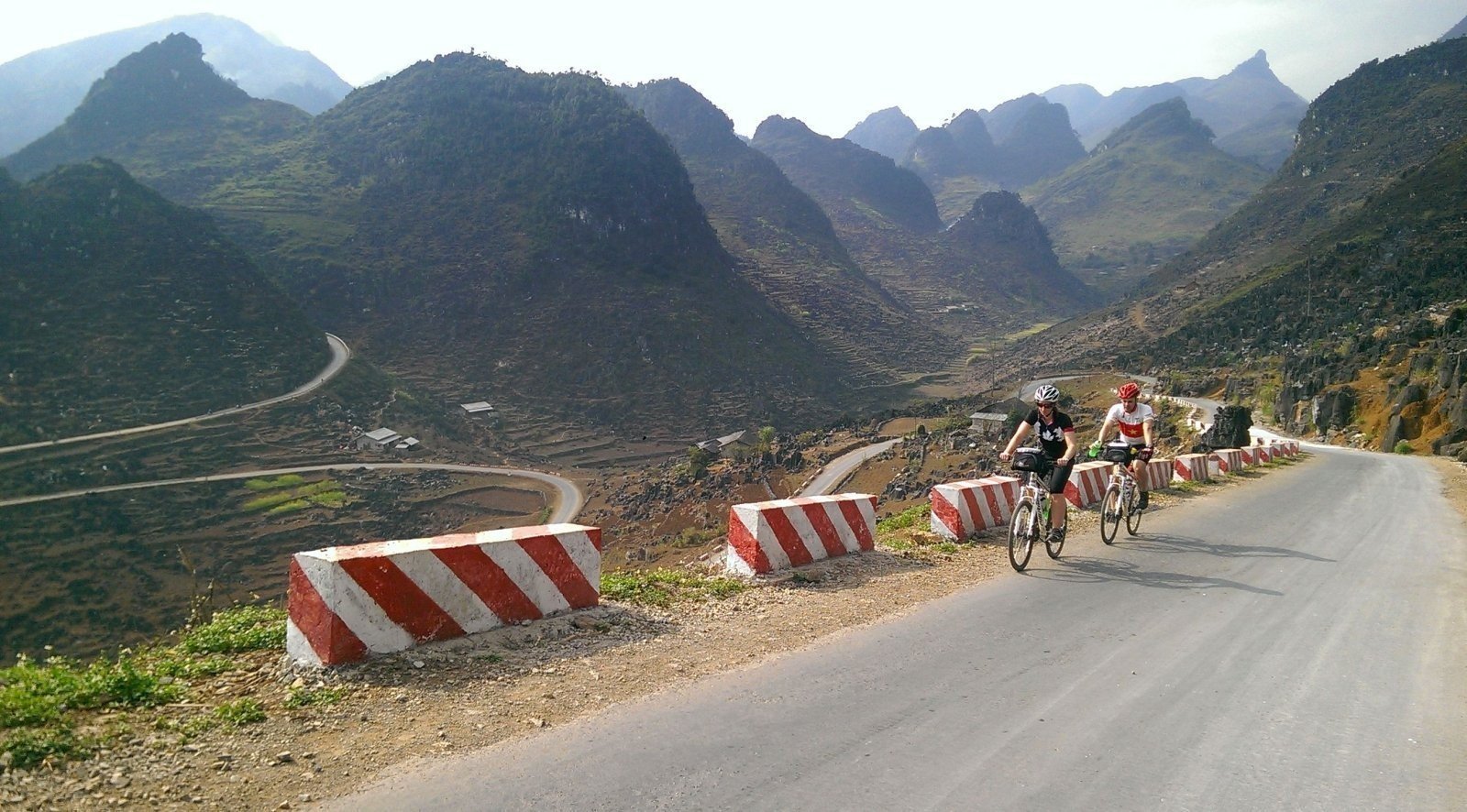
With the rapid technological advancement of premium electric pedal-assist bicycles, the traditional physical barriers of long-distance cycling have been permanently dismantled. High-end e-bikes allow you to glide over massive coastal climbs, navigate hidden agricultural paths, and breeze through coastal headwinds without exhausting your physical energy. Whether you are an experienced cyclist looking to conquer new geographical horizons or a leisure traveler hoping to slow down and connect deeply with rural Vietnamese life, the coastal roads of Vietnam offer an unparalleled active travel experience.
Geographically, Hoi An represents a spectacular natural corridor where the peaceful waters of the Thu Bon River system split into multiple branches before meeting the vast expanse of the East Vietnam Sea. This unique aquatic collision creates an incredibly diverse array of ecosystems within a remarkably compact area. Along the local paths, you can transition in a single hour of riding from flat, sun-drenched river dikes and massive aquaculture lagoons to sandy maritime pine forests, rocky peninsulas, and peaceful river islands.
The region is blessed with an incredibly strategic location for active travel. In the center, Hoi An Ancient Town sits as a perfectly preserved fifteenth-century trading port, filled with narrow yellow-walled merchant houses, historical assembly halls, and thousands of colorful silk lanterns. To the north, flat coastal plains lead directly to the dramatic limestone formations of the Marble Mountains and the modern beachfront of Da Nang, while further north, the rugged Son Tra Peninsula and the legendary Hai Van Pass beckon the adventurous rider. To the east, the pristine white sands of An Bang Beach and Cua Dai Beach define the coastline, while just off the shore, the wild, biosphere-protected Cham Islands rise from the turquoise waters.
By choosing a customized itinerary from Cycling Central Vietnam, you gain access to a route network that showcases these spectacular geographic transitions. The climate of the central coast features distinct seasonal changes, heavily influenced by the mountains that block cold northern winds. The dry season, running from March to September, offers clear skies, brilliant sunshine, and ideal riding conditions. During these months, the gentle sea breeze provides a refreshing contrast to the tropical warmth, making every kilometer along the quiet countryside paths a sensory pleasure.
The integration of premium electric bicycles has completely redefined active holidays across Southeast Asia. Historically, traversing the humid and sometimes breezy coastal topography of Central Vietnam required significant physical stamina. The regional landscape is characterized by sudden sea-breeze headwinds, unshaded agricultural paths, and tropical temperatures that can quickly exhaust even seasoned riders during the midday heat.
An electric bicycle elegantly bridges this physical gap. Operating on an intuitive pedal-assist system, the electric motor does not replace your effort; rather, it amplifies it. Sensitive torque sensors measure your pedaling force and seamlessly deliver a corresponding boost from a mid-drive motor. For instance, the motor can amplify your pedaling power by up to three hundred percent of your own effort, delivering a maximum power output of two hundred and fifty watts. This ratio of electrical assistance to human effort can be dynamically adjusted, allowing you to ride with the motor turned off on flat stretches to enjoy a gentle workout, or switch to turbo mode to glide over wooden bridges or against coastal headwinds with a smile on your face.
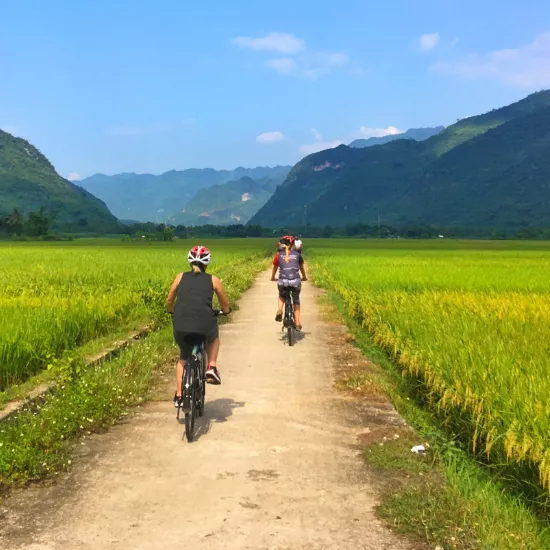
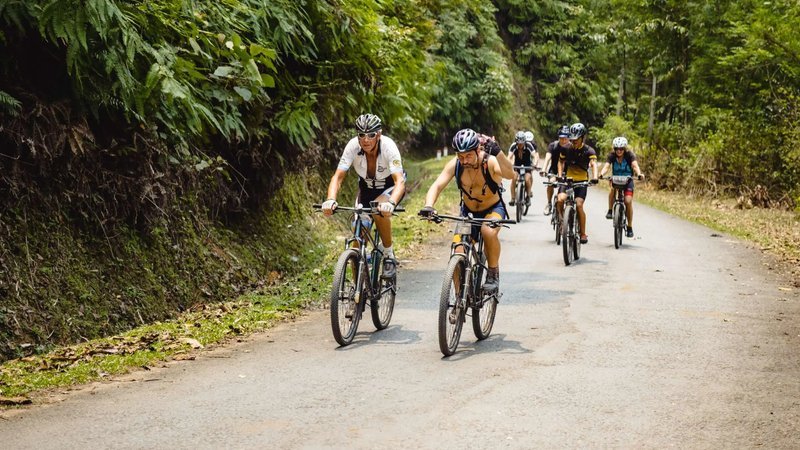
This makes multi-day cycling journeys exceptionally inclusive. Couples with different athletic abilities, multi-generational families, and groups of varying fitness levels can now ride together harmoniously. You no longer have to spend your day staring down at your front wheel, struggling for breath. Instead, you have the energy to look up, admire the sweeping vistas of the rice paddies, wave back at the friendly local farmers, and take in the beautiful culture surrounding you.
To explore the full spectrum of premium electric-assisted itineraries across the nation, visit our specialized portal for vietnam e-bikes tours to find the perfect match for your travel goals.
To help you fully visualize the richness of this journey, let us break down the premier countryside stages and scenic trails that make up the absolute best of the riding experience.
Your active adventure begins with a gentle ride through the northern agricultural belt of Hoi An. Leaving the historic yellow houses behind, you pedal along quiet paved lanes toward the famous Tra Que Vegetable Village.
This narrow island, situated between the De Vong River and the Tra Que algae pond, is celebrated for producing some of the most fragrant and flavorful herbs in Vietnam. The local farmers still cultivate the land using traditional, organic methods, fertilizing the soil with a unique seaweed harvested daily from the lagoon.
Cycling slowly along the neat rows of sweet basil, mint, coriander, and spring onions, you will inhale the earthy aromas of this organic sanctuary. You can park your e-bike and try your hand at turning the soil or watering the plants using traditional double-watering cans balanced on your shoulders. It is a wonderfully relaxing and sensory-rich trail that showcases the enduring connection between the local community and the land.
Heading east from Tra Que Vegetable Village, your route winds along quiet river dikes toward the majestic Cam Thanh Water Coconut Forest. This vast, flooded forest of nipa palms acts as a vital ecological buffer, protecting the inland riverbanks from ocean storms and providing a rich breeding ground for local marine life.
The narrow pathways that run through the palms are a joy to navigate on an e-bike. The dense green fronds shade the trails, keeping the temperature cool and pleasant. As you ride, you will catch glimpses of local fishermen navigating the narrow water channels in traditional basket boats (thung chai).
You can pause your ride to board one of these unique bamboo vessels, gliding deep into the watery channels to watch demonstrations of traditional net fishing and learn about the historic role this forest played as a safe haven for local soldiers during past conflicts.
Crossing the majestic Thu Bon River via local car ferries or the sweeping Cam Kim Bridge, you enter the quiet, rural islands of Cam Kim. This is an area where life moves at a beautifully slow, traditional pace, entirely untouched by modern urban development.
Your first stop on the island is the legendary Kim Bong Carpentry Village. For over five hundred years, the master woodcarvers of Kim Bong have been famous throughout Southeast Asia. Their ancestors built the majestic wooden assembly halls of Hoi An Ancient Town, crafted the royal vessels for the Nguyen Dynasty, and carved the ornate interior pillars of the imperial tombs in Hue. Cycling through the quiet village lanes, you will hear the rhythmic tapping of chisels and smell the sweet aroma of freshly carved jackwood.
Continuing your ride west along quiet earthen paths, you will enter the ecological community of Triem Tay Village. This peaceful river island is dedicated to preserving traditional agricultural lifestyles and restoring native bamboo forests along the riverbanks. You can pedal along shaded trails, visit organic fruit orchards, and learn about the local craft of weaving colorful sedge mats, a traditional home industry that has been preserved for generations.
For riders seeking a longer, more physically rewarding journey into the deep history of the region, the route turns inland toward the foothills of the Annamite Range. The destination is My Son Sanctuary, a mystical, jungle-clad valley surrounded by towering peaks that served as the spiritual heart of the ancient Champa Empire between the fourth and fourteenth centuries.
The ride to the sanctuary is a spectacular journey through rural Vietnam. You will leave the coastal plains behind and navigate a quiet, rolling route that winds through extensive acacia forests, lush tapioca fields, and traditional farming hamlets. On an electric bike, you can easily maintain a steady, comfortable pace as you navigate the rolling hills of the interior.
Arriving at the sanctuary, you can park your bike and explore the atmospheric ruins of red-brick towers built in honor of the Hindu deity Shiva. Surrounded by dense jungle and the calls of tropical birds, you will marvel at the sophisticated engineering of the Cham people, who built these towering temples without the use of mortar, using a secret organic resin that has kept the bricks standing for centuries.
Heading north from Hoi An, your route follows a quiet, sandy trail that runs parallel to the pristine coast. This scenic path takes you away from the main highway, guiding you through quiet coastal fishing hamlets where the backyards are filled with colorful wooden fishing boats and drying fish nets.
As you approach Da Nang, the dramatic limestone towers of the Marble Mountains rise abruptly from the flat plains. These five jagged hills represent the five elements of traditional Eastern philosophy: metal, wood, water, fire, and earth.
You can park your e-bike at the base and explore the ancient Buddhist temples, hidden grottoes, and panoramic viewpoints carved directly into the stone. The steep climb to the summit of Thuy Son (Water Mountain) rewards you with a spectacular view of the sweeping coastline stretching all the way back to Hoi An.
While the countryside surrounding Hoi An offers enough adventure to fill multiple itineraries, many travelers wish to combine their coastal exploration with other iconic regions of this geographically diverse country. The expert team at Golden Cycling Tours specializes in designing seamless connections to the north and south.
If you want to experience the dramatic peaks, deep river canyons, and vibrant ethnic minority cultures of the far north, you can easily pair your central coastal tour with a trip to the northern provinces.
By choosing to explore Cycling Northern Vietnam, you will enter a world of towering mountains and terraced valleys. Your northern adventure can include specialized Mai Chau Bike Tours through peaceful stilt-house valleys, or rugged Pu Luong Bike Tours through the lush Pu Luong Nature Reserve.
For the ultimate mountain challenge, you can tackle the hair-raising switchbacks of the legendary Ma Pi Leng Pass with our dedicated ha giang bike tours, explore the alpine frontiers of Vietnam Northwest Bike Tours, or navigate the wild border highlands of Vietnam Northeast Bike Tours.
You can also cruise through the spectacular vertical limestone towers of Ninh Binh on our highly popular ninh binh bike tours through the spectacular Trang An Scenic Landscape Complex or the dikes of the Van Long Wetland Nature Reserve.
In stark contrast to the high peaks of the north, Southern Vietnam is a lush, flat waterworld dominated by the mighty Mekong River.
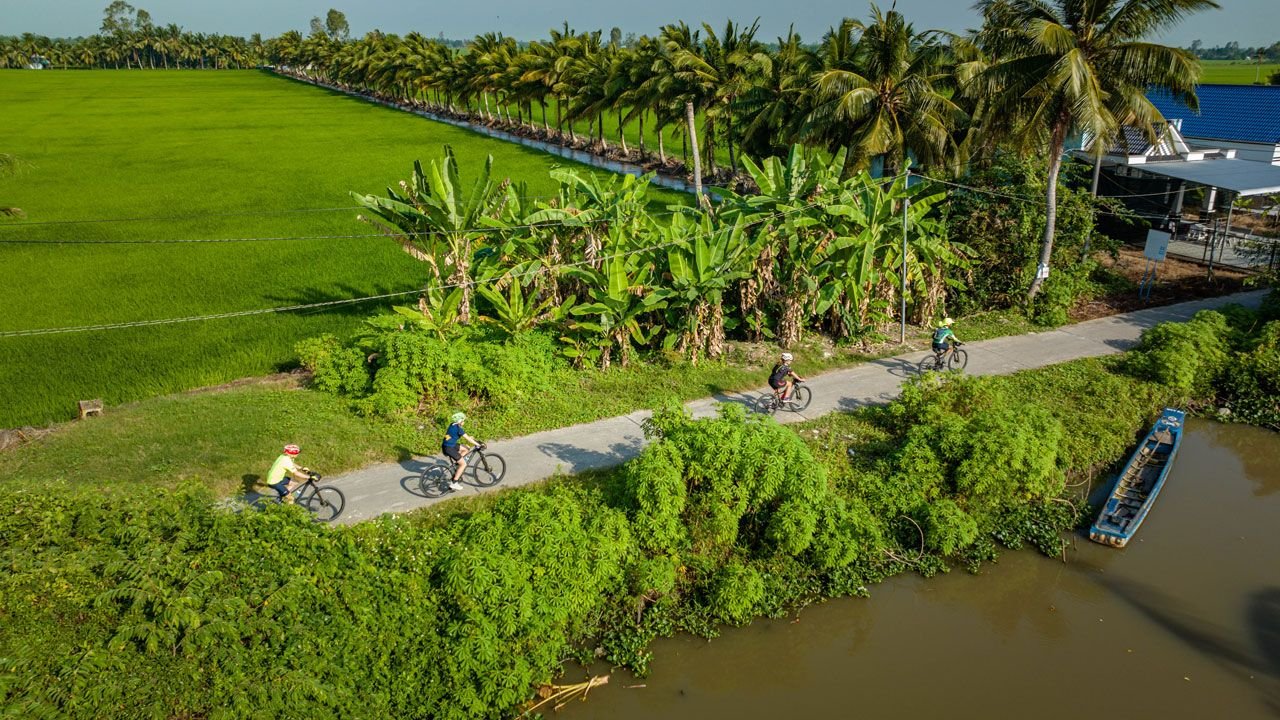
Taking a tour with Cycling Southern Vietnam allows you to glide along narrow paths that border quiet canals, cross rustic wooden footbridges, and shade yourself beneath overhanging branches of tropical fruit orchards in the Mekong Delta. It is a wonderfully relaxing and culturally rich riding environment that perfectly balances the dramatic mountain climbs of the center.
For the ultimate adventurer who wants to experience the entire length of the country on a grand trans-national tour, two epic routes are available:
The Southbound Epic: The comprehensive Cycling North to South Vietnam tour starts in the historic capital of Hanoi and winds its way down through the northern mountains, the central coast, and finishes in the tropical warmth of Ho Chi Minh City and the Mekong Delta.
The Northbound Classic: Conversely, the Cycling South to North Vietnam tour starts in the vibrant south and works its way northward, chasing the cooler mountain air as you ride toward the high peaks of the northern frontier.
For those seeking a more rugged, remote, and historically profound journey, the inland mountain routes of the ho chi minh trail cycling tours offer an unparalleled ride through pristine nature reserves, passing dramatic karst peaks, rushing rivers, and isolated ethnic minority settlements in areas like Phong Nha-Ke Bang National Park.
If you prefer to pair the physical excitement of cycling with top-tier comforts, vietnam luxury bike tours offer the perfect solution, featuring premium e-bikes, support vehicles, professional guides, and handpicked five-star hotels and eco-resorts.
The true highlight of any journey through Vietnam is not just the spectacular scenery, but the incredible warmth and diversity of its people. The central coast has a rich cultural heritage shaped by the ancient Champa Empire, the imperial courts of the Nguyen Dynasty, and the resilient fishing and farming communities that have lived along this coast for generations.
When you travel on an e-bike, you are fully immersed in the local environment. You smell the woodsmoke from kitchen fires, hear the laughter of children playing by the roadside, and feel the gentle warmth of the tropical sun.
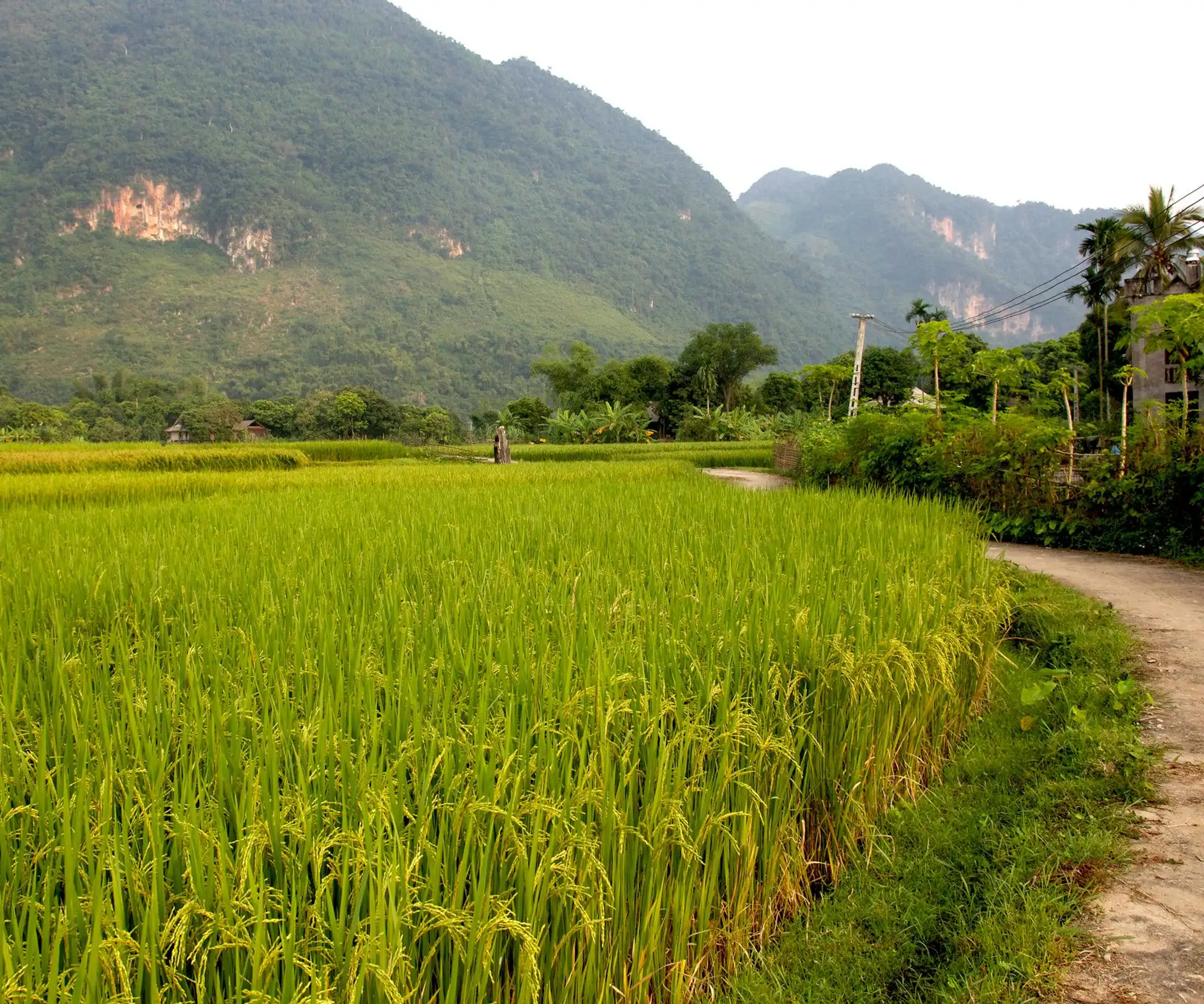
As you cycle past the organic herb gardens of Tra Que Vegetable Village and the rice fields of Cam Kim, you will ride alongside people whose lives are completely tied to the rhythms of the seasons. You will see traditional water buffaloes wading in the mud, watch farmers meticulously watering their green fields using traditional methods, and learn about the local traditions that have sustained these communities for centuries.
These communities are exceptionally welcoming. It is common to be invited into a local home for a cup of green tea or fresh coconut water. This direct, unscripted exchange is what elevates a standard vacation into a profound travel experience, allowing you to learn about their daily schedules, agricultural traditions, and ancestral customs.
Further south, along the plains of Quang Nam and the hills of the interior, you will discover the enduring legacy of the ancient Cham civilization. The red-brick towers of My Son Sanctuary stand as a testament to their sophisticated architectural and spiritual achievements.
As you ride deeper into the foothills of the Annamite Range, you will discover how these ancient architectural ruins blend with the natural jungle landscape. Exploring these sites on foot after a rewarding ride offers a profound connection to the spiritual history of the region.
Central Vietnamese cuisine is celebrated worldwide for its bold, intensely savory, and frequently spicy flavor profiles. It is the ultimate high-energy fuel for an active cycling holiday. The balance of fresh herbs, lean proteins, and complex carbohydrates provides a clean, sustainable source of energy without making you feel heavy or sluggish on the saddle.
In Hoi An, the cuisine reflects the town's historical role as a multicultural trading port, blending Vietnamese, Chinese, and Japanese culinary influences.
Cao Lầu: A historic noodle dish found exclusively in Hoi An, featuring thick, chewy noodles topped with savory barbecued pork, fresh greens, and crispy croutons, dressed in a rich soy-based sauce. The noodles are traditionally prepared using water from the ancient Ba Le Well. Visit Cao Lau Thanh on Tran Cao Van Street to taste an authentic bowl.
White Rose Dumplings: Delicate, translucent steamed shrimp dumplings shaped like roses, topped with crispy fried shallots and served with a sweet-and-sour dipping sauce. Enjoy them at the White Rose Restaurant on Hai Ba Trung Street, where the secret recipe has been preserved for generations.
Mì Quảng: A unique and highly celebrated noodle dish featuring wide, flat rice noodles tossed in a rich, concentrated broth flavored with turmeric, topped with pork, shrimp, boiled quail eggs, fresh herbs, and crispy toasted sesame rice crackers. Sample a stellar bowl at Mi Quang Ong Hai on Truong Minh Luong Street.
As a modern coastal city, Da Nang is a paradise for fresh seafood and vibrant street foods.
Bánh Xèo: A crispy, savory crepe colored bright yellow with turmeric, stuffed with pork, shrimp, and bean sprouts, wrapped in fresh mustard leaves and dipped in a sweet, rich peanut sauce. The absolute best can be found at Banh Xeo Ba Duong in a quiet alley off Hoang Dieu Street.
Fresh Seafood at My Khe Beach: Indulge in freshly caught steamed clams with lemongrass, grilled sea bass with chili and salt, and tamarind-glazed prawns at bustling beachfront spots like Quan Be Anh or Quan Ba Thoi along Vo Nguyen Giap Street.
In Hue, the culinary tradition was shaped by the refined tastes of the royal court, resulting in delicate, highly artistic, and intensely flavorful dishes.
Bún Bò Huế: A rich, spicy beef noodle soup featuring a robust broth flavored with lemongrass, shrimp paste, and chili oil, served with thick rice noodles, tender slices of beef shank, and fresh herbs. Enjoy it at legendary local stalls like Bun Bo Hue Ba Phung on Nguyen Du Street or Bun Bo Hue My Tam on Tran Cao Van Street.
Cơm Hến: A unique and comforting dish of cold rice topped with tender baby river clams, crispy pork rinds, roasted peanuts, fresh herbs, and a savory, warm clam broth. Sample this local favorite on Hen Islet for the most authentic experience.
After a rewarding day of exploring on your e-bike, having a comfortable, clean, and welcoming place to rest is essential. The e-bike routes of Central Vietnam offer an incredible spectrum of accommodations that enhance your journey.
For those seeking deep cultural immersion, staying in an authentic local homestay is an unforgettable experience. In areas like the rural valleys surrounding Hoi An or the mountain communities along the Ho Chi Minh Trail, you can stay in beautifully preserved traditional homes.
You will sleep in comfortable private bedding, share delicious communal dinners prepared by your hosts, and gain a genuine glimpse into the daily life of rural Vietnamese families. Highly recommended options include homestays in Triem Tay Village or Tra Que Village near Hoi An.
If you prefer a balance of rustic charm and modern comfort, Central Vietnam boasts some of the world's finest boutique eco-lodges. These properties are designed to blend harmoniously with their natural surroundings, utilizing local building materials and practicing strict environmental sustainability.
Properties like the Vedana Lagoon Resort in Hue or rustic retreats in the foothills of Bach Ma National Park feature spectacular views over tranquil water, private balconies, and exceptional wellness spas offering traditional herbal baths and massages to soothe your muscles after a long ride.
In major cultural hubs and coastal cities like Hue, Hoi An, and Da Nang, you will stay in world-class luxury hotels and resorts.
These include historic French colonial properties filled with old-world elegance, sleek contemporary beachfront resorts along My Khe Beach, and boutique design hotels that showcase local artistry. Handpicked favorites include the La Residence Hue, Four Seasons Resort The Nam Hai near Hoi An, or the luxury enclave of the InterContinental Danang Sun Peninsula Resort tucked away on the Son Tra Peninsula.
Planning a comprehensive journey across Vietnam requires careful coordination. When you travel with a professional active travel operator like Golden Cycling Tours, all logistics are handled seamlessly, allowing you to focus entirely on the joy of riding.
Support Vans and Buses: Your tour is accompanied by comfortable, air-conditioned private vehicles that carry your luggage, provide a safe space for weary riders, and transport you safely across busy highway sections that are not suitable for cycling.
Scenic Overnight Trains: To cover massive distances between major regions, such as the journey between Hanoi and Hue, or Da Nang and the southern coast, you can take the iconic Reunification Express train. Staying in a comfortable private sleeper cabin allows you to wake up refreshed and ready to ride in a brand-new region.
Local Boats and Ferries: In regions like Ninh Binh, the Mekong Delta, and Halong Bay, you will frequently board traditional wooden sampans, local river ferries, and overnight luxury cruise boats to navigate the extensive waterways.
An e-bike tour is designed to get you off the beaten path, but it also seamlessly connects you to the region's most legendary, must-visit sightseeing landmarks.
Hoi An Ancient Town: A beautifully preserved historical trading port famous for its yellow-walled architecture and colorful silk lanterns.
My Son Sanctuary: A massive UNESCO World Heritage site featuring ancient red-brick temples dedicated to Hindu deities, nestled in a lush green valley.
Marble Mountains: A cluster of five limestone hills housing ancient Buddhist caves, grottoes, and panoramic viewpoints.
Hai Van Pass Peak: The historic summit crossing, marked by ancient brick gates, offering panoramic views over the curving bay below.
Lady Buddha on Son Tra: A towering sixty-seven meter white marble statue looking out over the ocean from the cliffs of the peninsula.
Imperial Citadel of Hue: A massive UNESCO World Heritage site featuring ancient temples, grand gates, and the remains of the Purple Forbidden City.
Nothing speaks louder than the real-world experiences of travelers who have already completed this incredible journey. Here are some firsthand accounts from past riders:
"Conquering the quiet trails around Hoi An on an e-bike was easily one of the most exhilarating moments of my life. As a retiree, I never thought I would be able to experience these routes, but the pedal-assist made it feel effortless. I could focus entirely on the beautiful scenery. The team at Golden Cycling Tours was professional, the accommodation was beautiful, and the food was spectacular. Finding an operator to execute this Hoi An Bicycle Adventure: The Ultimate Heritage and Countryside Guide completely transformed my perception of active holidays!" — Elizabeth S., Vancouver, Canada
"My partner and I booked the trans-Vietnam tour from Hanoi to Saigon. The variety of landscapes was mind-blowing. One day we were cycling through the misty valleys of the Pu Luong Nature Reserve, and a week later we were riding through tropical orchards in the Mekong Delta. Using the electric bikes allowed us to ride further and explore remote villages that we never could have reached on a standard tour. It was an absolute dream from start to finish." — Marc & Sophia L., Munich, Germany
"As someone who loves active travel but also appreciates comfort, the luxury e-bike tour was perfect. The eco-lodges we stayed in were stunning, the support crew was incredibly helpful, and the food was outstanding. Cycling through the Tra Que Vegetable Village with the scent of fresh herbs in my face is a memory I will cherish forever. Thank you for an unforgettable adventure!" — David K., Sydney, Australia
To help you prepare for your upcoming journey, we have compiled answers to the most common questions regarding the active e-bike travel experience.
What exactly is an e-bike and how does it work? An e-bike (electric bicycle) is a conventional bicycle equipped with an electric motor and battery. It operates on a "pedal-assist" system, meaning the motor only activates when you are actively pedaling. It does not have a throttle like a motorcycle; instead, it gently amplifies your own pedaling power, making climbs and long distances feel significantly easier.
Do I need to be in peak physical shape to join this tour? No, you do not need to be an elite athlete. The beauty of the e-bike is that it accommodates various fitness levels. You can adjust the level of electrical assistance (usually from Eco to Turbo mode) to match your energy levels. However, you should be comfortable riding a bicycle for several hours a day and have a basic level of stamina and balance.
What happens if the e-bike battery runs out of charge? The modern e-bikes used on our tours feature high-capacity batteries that can easily cover eighty to one hundred and twenty kilometers on a single charge, which is well beyond our average daily cycling distance. Furthermore, our support vehicles carry spare batteries, and our guides ensure that all bikes are fully charged overnight at our accommodations.
Is cycling in Vietnam safe? Yes, traveling with an experienced operator makes it highly secure. We carefully select quiet country backroads, dedicated cycling paths, and rural trails to avoid heavy highway traffic. Our professional guides lead the way, a sweep rider follows the group, and a support vehicle is always nearby to assist if needed.
What should I pack for an e-bike tour in Vietnam? We recommend bringing comfortable, moisture-wicking athletic clothing, padded cycling shorts for extra comfort, sturdy closed-toe shoes, a lightweight rain jacket, sunglasses, sunblock, and insect repellent. High-quality helmets are provided, but you are welcome to bring your own for a perfect fit.
What is the best time of year to visit Vietnam for cycling? The ideal time to visit depends on the region. Generally, spring (September to November) and autumn (March to May) offer the most pleasant weather across the country, featuring dry conditions, clear skies, and comfortable temperatures.
Can I customize my cycling itinerary? Absolutely! We offer a wide range of scheduled group departures, but we also specialize in designing customized private itineraries tailored to your specific interests, budget, and travel schedule. Contact our team to begin designing your dream trip.
The world is moving fast, but some of the most beautiful things can only be appreciated when we slow down. Selecting this spectacular Hoi An Bicycle Adventure: The Ultimate Heritage and Countryside Guide is the first step toward a transformative, active, and deeply fulfilling holiday. It is an opportunity to challenge yourself, connect deeply with local communities, and create memories that will last a lifetime.
Whether you want to climb the misty peaks of the far north, explore ancient imperial capitals, or cruise through the lush tropical waterways of the south, your perfect journey is waiting.
Visit the team at Golden Cycling Tours today to explore our exclusive itineraries, speak with our travel experts, and reserve your place on the ultimate two-wheeled adventure across beautiful Vietnam.

Leave a Reply
Your email address will not be published. Required fields are marked *