- Call us Via Whatsapp: +84 (0) 832 126 699
4.9 stars on our site
(15,000 reviews)
- Monday - Sunday : 08:00 - 17:00
(15,000 reviews)

There is a place in the northern highlands of Vietnam where heaven meets earth, where emerald terraced fields cascade down steep mountainsides, and where the air is perpetually fresh and cool. This place is Sapa. While millions of tourists flock to this mountainous paradise every year, most stick to the main paved roads, leaving the deep, quiet secrets of the highlands untouched. If you are seeking a genuine adventure that connects you deeply with the land, the people, and the raw beauty of nature, it is time to step off the tour buses. To truly experience the mist-shrouded valleys and remote ethnic hamlets, you must choose to discover Hidden Sapa by Bike.
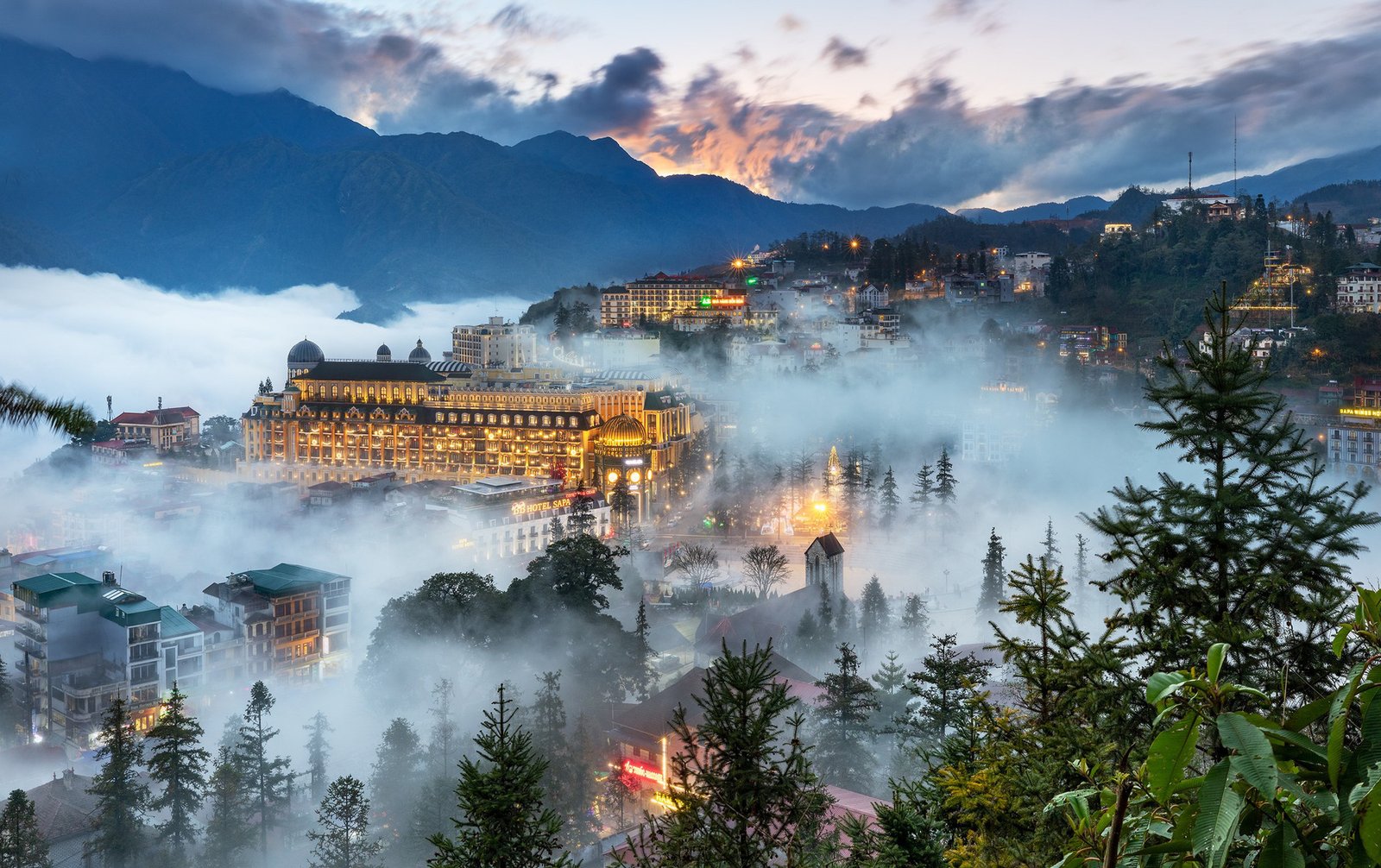
Traveling on two wheels allows you to slow down, feel the mountain breeze against your skin, hear the whisper of bamboo forests, and interact with local ethnic minorities on a personal level. From the legendary mountain passes to the deep, secluded valleys, cycling in Sapa is a sensory-rich adventure that cannot be matched by any motorized vehicle. Whether you are an experienced cyclist or an amateur seeking an active getaway, this comprehensive travel guide covers everything you need to know, from trail selection and local dining to homestays, cultural etiquette, and essential logistics.
Sapa is famous for its dramatic topography, featuring deep valleys surrounded by the towering peaks of the Hoang Lien Son Mountain Range. Traveling by bike gives you unmatched freedom. You can easily stop whenever you want to take a photo of a panoramic view, chat with a H'mong child walking home from school, or take a deep breath next to a rushing mountain stream.
Cycling is also an environmentally conscious way to travel. By using pedal power, you preserve the pristine ecosystems of the Hoang Lien Son National Park and minimize your carbon footprint. Furthermore, cycling takes you down narrow dirt paths, single-track suspension bridges, and rugged rocky trails where cars and buses cannot physically go. It is your key to unlocking the true, untouched soul of the region.
Whether you are an elite athlete seeking demanding climbs or a leisure traveler looking for an effortless journey, modern cycling technology has made this rugged landscape accessible to everyone. With high-quality mountain bikes and modern electric bikes, such as those featured in our premium Vietnam E-bikes Tours, tackling the steep slopes of Northern Vietnam has never been more enjoyable.
The climate of Sapa is highly variable, often experiencing four seasons in a single day. To make the most of your cycling adventure, it is crucial to understand the characteristics of each season:
Spring is a time of rebirth in the highlands. The weather is relatively stable, with cool breezes and warm sunshine. During these months, the valleys are carpeted with blooming peach, plum, and cherry blossoms, creating a romantic backdrop for your ride. It is also the time when local farmers begin preparing their fields for the new crop cycle, filling the terraced steps with water that reflects the sky like giant mirrors.
Summer brings lush, vibrant greenery to the mountains. The entire landscape is painted in deep shades of emerald as the rice plants grow rapidly. While summer can bring sudden afternoon downpowers, the rain clears the air, revealing crisp views of the valleys. It is also a wonderful escape from the intense heat of Vietnam’s lowlands.
Autumn is widely considered the golden season of Sapa. The terraced fields turn a brilliant, glowing yellow as the rice ripens, filling the valleys with a sweet, earthy aroma. The weather is cool, dry, and exceptionally clear, making it the absolute best time for long-distance cycling and outdoor photography.
Winter in Sapa is cold, misty, and sometimes snowy on the higher peaks like Fansipan Peak. The landscapes are draped in thick fog, creating a mystical, otherworldly atmosphere. While cycling in winter requires heavy, technical clothing and careful navigation on wet roads, it offers an incredibly quiet and serene experience away from the crowds.
A cycling journey in Sapa can range from gentle downhills through traditional villages to epic, multi-day mountain ascents. Here are the most spectacular routes and famous landmarks you should include in your itinerary.
The Muong Hoa Valley is home to some of the most beautiful terraced landscapes in the world. Cycling through this valley takes you along a scenic route winding through several ethnic minority villages. Starting from the main town, you will descend into the valley, passing through Lao Chai Village, home to the Black H'mong community, and Ta Van Village, where the Giay people reside. Along this trail, you will cross rustic suspension bridges, ride alongside the peaceful Muong Hoa River, and marvel at the Ancient Carved Stones of Sapa, a mysterious archaeological site featuring centuries-old carvings on massive boulders scattered across the fields.
For experienced cyclists looking for a true physical challenge, the O Quy Ho Pass is the ultimate achievement. Known as one of the four great mountain passes of Northern Vietnam, this legendary road winds around the massive Hoang Lien Son Mountain Range, reaching an elevation of over two thousand meters. As you pedal up the steep switchbacks, you will be rewarded with jaw-dropping views of deep chasms and majestic peaks. Near the top of the pass, you can stop to admire the dramatic Silver Waterfall (Thac Bac) and the beautiful Love Waterfall (Thac Tinh Yeu), which cascade down from the high mountain slopes. The summit of the pass, often called the Heaven's Gate (Cong Troi), offers a breathtaking vantage point to watch the clouds roll over the mountains like a slow-moving white sea.
If you want to escape the main tourist corridors, head north toward Ta Phin Village and Ban Khoang Village. This route takes you through pristine pine forests, strawberry farms, and lush vegetable gardens. Ta Phin is home to both the Red Dao and Black H'mong ethnic groups. Here, you can cycle along quiet paths, explore the mysterious Ta Phin Cave, and visit the historic ruins of the Ta Phin Monastery, a French-colonial stone building that stands as a silent witness to history.
One of the most enriching aspects of a bicycle tour in Sapa is the opportunity to learn about the rich cultural diversity of the local communities. The mountains are home to several distinct ethnic minority groups, each with its own language, traditional dress, customs, and architecture.
The Black H'mong are the largest ethnic group in the Sapa region. They are easily recognized by their beautiful hemp clothing dyed in deep indigo blue, decorated with intricate geometric embroidery. The H'mong are master craftsmen, famous for their metalworking, weaving, and construction of complex terraced fields on near-vertical mountain slopes.
The Red Dao are famous for their vibrant red headwear, heavily decorated with silver coins, tassels, and embroidery. They are known for their deep knowledge of herbal medicine. After a long day of cycling, there is nothing better than soaking in a traditional Red Dao herbal bath, which uses a secret blend of forest leaves, bark, and roots to soothe sore muscles and restore energy.
Living primarily in the lower valleys near flat rivers and streams, the Tay and Giay communities build beautiful stilt houses made of wood and bamboo. They have a rich tradition of folk music, poetry, and water puppetry. Their lifestyle is closely tied to wet rice cultivation and fishing, offering a peaceful contrast to the rugged mountain lifestyles of the H'mong and Dao.
When visiting these communities, it is important to practice responsible travel. Always ask for permission before taking photos of local people, dress modestly when entering homes or sacred sites, and support the local economy by purchasing handmade crafts directly from the artisans.
After burning hundreds of calories pedaling up mountain trails, you will have a hearty appetite. Sapa’s culinary scene is a delightful fusion of mountain ingredients, traditional ethnic recipes, and modern Vietnamese flavors.
Thang Co is a traditional H'mong dish made from horse meat and offal, slow-cooked in a large iron pot with a blend of twelve local spices, including cardamom, star anise, lemongrass, and cinnamon. It is an adventurous dish best enjoyed hot with a cup of local corn wine.
Salmon and Sturgeon Hotpot is a unique local specialty. Thanks to the cold mountain water, Sapa is home to thriving salmon and sturgeon farms. The fish is sliced thin and cooked in a steaming, sour, and savory broth packed with fresh mountain vegetables, wild mushrooms, and local herbs.
Cap Nach Pigs, also known as "under-arm pigs," are free-range mountain pigs raised naturally in the wild. The meat is incredibly lean, tender, and flavorful, typically roasted whole over open charcoal fires until the skin is golden and crispy.
Com Lam, or bamboo-tube rice, is sticky rice mixed with coconut milk, stuffed inside hollow bamboo tubes, and roasted over hot coals. It is sweet, fragrant, and highly portable, making it the perfect energy snack to carry in your cycling pack.
For an authentic local experience, head to the Sapa Market, where you can find food stalls serving cheap and delicious local dishes.
If you prefer a comfortable restaurant setting, visit The Hill Station Signature Restaurant in Sapa town, which offers elevated traditional H'mong and Dao dishes in a beautiful wooden space.
For international standards and stunning views of the valley, the restaurant at Topas Ecolodge serves excellent Vietnamese-European fusion dishes prepared with organic ingredients sourced directly from their gardens.
Whether you prefer rustic simplicity or absolute luxury, Sapa has a wide variety of accommodation options to suit every type of traveler.
For a truly immersive cultural experience, nothing beats staying in a traditional homestay in villages like Ta Van, Ban Ho, or Nam Cang. You will sleep in cozy, rustic rooms, share a home-cooked family dinner with your hosts, and hear stories of village life over cups of warm tea. It is an unforgettable way to support local families directly.
If you prefer comfort and luxury after a long day of cycling, Sapa offers some of the most spectacular eco-lodges in Asia. Topas Ecolodge, located on a scenic hilltop deep in the valley, offers beautiful stone bungalows with private balconies looking out over the endless terraces. In the town center, the Silk Path Grand Sapa Resort and Hotel de la Coupole - MGallery offer world-class luxury, indoor heated pools, spa services, and stunning architecture inspired by the French colonial era.
Planning your journey to Sapa is easy, with several convenient transportation options available from Hanoi.
The overnight sleeper train from Hanoi to Lao Cai Station is a classic and comfortable option. You can sleep soundly in a cozy cabin and wake up refreshed in the morning at Lao Cai, which is just a short bus or taxi ride away from Sapa town.
For a faster and more direct route, luxury limousine buses and express sleeper cabins run daily along the modern Noi Bai - Lao Cai Highway. The journey takes around five to six hours, dropping you off directly in the heart of Sapa.
While you will be exploring the hidden trails on your bicycle, you may occasionally need support vehicles, local taxis, or motorbikes for logistics, luggage transfer, or returning to town after a long downhill ride. Professional tour operators provide full support vehicles that follow you along the route, ensuring you always have a comfortable ride when you need a break.
Planning a cycling trip in a mountainous region like Sapa can be challenging, from finding the right trails and renting high-quality equipment to arranging accommodation and cultural guides. That is where Golden Cycling Tours comes in. As the leading cycling tour specialist in Vietnam, we offer meticulously designed itineraries, top-tier mountain bikes, professional English-speaking cycling guides, and full support vehicles to ensure your safety and comfort.
To discover Hidden Sapa by Bike is to unlock a world of breathtaking peaks and warm hospitality. We provide a wide range of specialized tours across the country, allowing you to seamlessly combine your Sapa adventure with other iconic destinations:
If you are starting your journey in the capital, join our Hanoi Bike Tours to explore the historic temples, lakes, and bustling streets.
To experience the breathtaking landscapes of limestone karsts and river valleys, check out our Ninh Binh Bike Tours, our serene Mai Chau Bike Tours, or the untamed beauty of our Pu Luong Bike Tours.
For those who want to focus entirely on the dramatic northern highlands, our signature Sapa Bike Tours are the perfect choice. You can also venture further east to explore the majestic waterfalls of our Cao Bang Bike Tours or conquer the extreme loops of our Ha Giang Bike Tours.
We cater to all preferences and fitness levels. If you want a comprehensive highland experience, choose our Vietnam Northwest Bike Tours or our Vietnam Northeast Bike Tours.
For broad coverage of the region, explore our Cycling Northern Vietnam packages.
If you are looking for an epic country-wide journey, our Cycling North to South Vietnam tours will take you from the northern mountains all the way to the southern delta.
For travelers seeking premium comforts, gourmet dining, and boutique accommodations, we offer Vietnam Luxury Bike Tours, while our specialized packages provide a modern, effortless way to glide over steep mountain passes.
Here is what our past travelers have to say about their cycling journeys in Sapa:
"Cycling through the Muong Hoa Valley was the highlight of our entire trip to Southeast Asia. The views of the terraced fields were incredible, but the best part was meeting the local children and staying in a traditional H'mong home. Our guide was fantastic, encouraging us on the climbs and sharing so much knowledge about the local culture. We highly recommend this tour to anyone looking for a real adventure!" - Sarah and Thomas, United Kingdom.
"I was a bit worried about the steep hills in Sapa, but opting for the e-bike tour made it incredibly fun and easy. We cruised up to the O Quy Ho Pass with no trouble at all, enjoying the fresh air and jaw-dropping views. The organization was flawless, from the top-quality bikes to the delicious local meals. An absolute ten-out-of-ten experience!" - Michael, Australia.
"We booked a custom northern highlands trip that combined Sapa with the wild trails of Ha Giang. It was physically demanding but incredibly rewarding. The support vehicle was always nearby with cold water and snacks, and the mechanics kept our bikes in perfect condition. Golden Cycling Tours truly knows how to deliver a world-class cycling holiday." - Dieter and Helga, Germany.
What type of bicycle is best for Sapa? Due to the steep, rocky, and muddy terrain of the mountain trails, a high-quality mountain bike with good front suspension, hydraulic disc brakes, and wide, knobby tires is highly recommended. For those who want extra power to tackle the long climbs, a modern electric mountain bike is an excellent choice.
Is cycling in Sapa safe for beginners? Yes, Sapa has trails suitable for all skill levels. Beginners can enjoy gentle downhill rides along paved roads through valleys, supported by a backup vehicle. Experienced mountain bikers can tackle challenging single-tracks and steep rocky descents. Booking a guided tour ensures you are placed on trails that match your experience level.
What should I pack for a Sapa cycling trip? We recommend packing lightweight, moisture-wicking athletic clothing, a high-quality rain jacket, sturdy closed-toe shoes, sunglasses, sunscreen, insect repellent, and a reusable water bottle. Because the weather in Sapa can change quickly, wearing layers is key. Helmets are always provided on our tours.
Do I need a permit to visit ethnic minority villages? Yes, certain remote areas and ethnic villages in Sapa require entry permits. When you book a tour with a professional operator, all permits, entrance fees, and local community taxes are fully managed and included in your package.
Can I cycle in Sapa during the rainy season? Yes, but extra caution is required. Heavy rains can make dirt trails muddy and slippery. During this period, we often adjust our routes to stick to paved or gravel roads to ensure safety while still enjoying the lush green scenery.
The terraced hills, the crisp mountain air, the warm smiles of the ethnic villagers, and the thrill of conquering legendary passes are waiting for you. Do not just visit Sapa—experience it deeply, actively, and sustainably. It is time to pack your gear, grab your helmet, and contact us to plan your ultimate mountain getaway. Let the winding trails of Northern Vietnam inspire your spirit of adventure today!

.jpg "Thai Binh Vietnam Bicycle")
.jpg "Phu Tho Vietnam Cycling")
.jpg "Thai Nguyen Cycling Vietnam")
.jpg "Tuyen Quang Cycling Vietnam")
.jpg "Vinh Phuc Cycling Vietnam")
Leave a Reply
Your email address will not be published. Required fields are marked *