- Call us Via Whatsapp: +84 (0) 832 126 699
4.9 stars on our site
(15,000 reviews)
- Monday - Sunday : 08:00 - 17:00
(15,000 reviews)

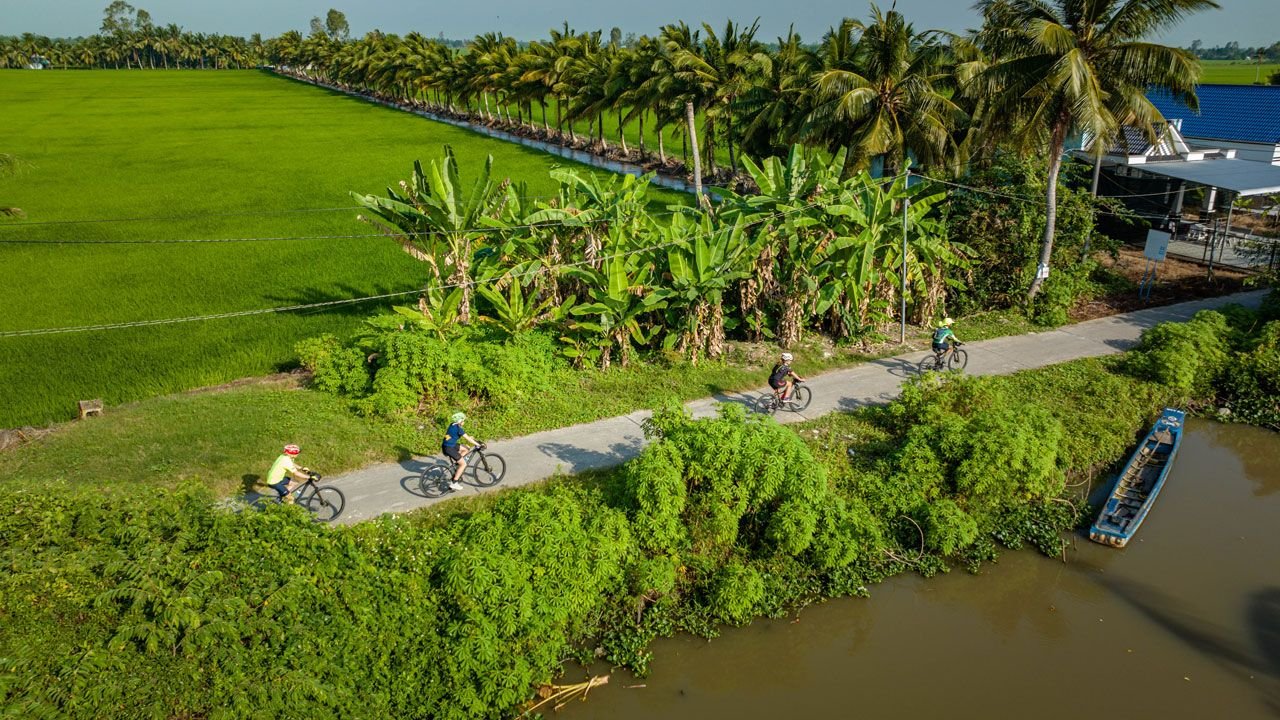
Stepping onto a bicycle saddle in Vietnam is like opening a portal to a world where time slows down, allowing you to absorb every sensory detail. The gentle rustle of emerald rice fields, the salt-kissed breeze whispering off the East Vietnam Sea, the savory aroma of sizzling street food, and the warm smiles of locals greeting you with a cheerful greeting all come alive on two wheels. If you are looking for an extraordinary way to experience this captivating country, planning a Central Vietnam Bicycle Holiday is the ultimate choice.
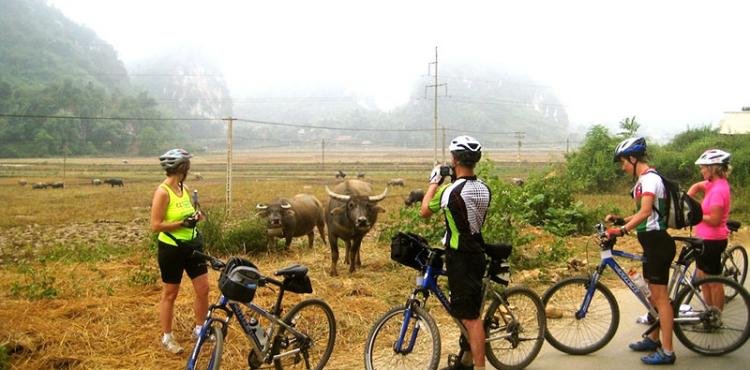
This region offers an incomparable tapestry of dramatic coastlines, imposing mountain ranges, deeply rooted imperial history, and rich culinary heritage. Whether you are an experienced cyclist seeking the thrill of high-altitude challenges or a leisure traveler looking to explore at a relaxed pace, Central Vietnam provides the perfect backdrop.
In this ultimate guide, we will walk you through the very best routes, cultural highlights, culinary must-tries, accommodation options, and practical tips to help you design an unforgettable cycling vacation. We will also explore how you can seamlessly book your dream ride through professional guides like Golden Cycling Tours, ensuring a safe, fully supported, and unforgettable adventure.
Central Vietnam is widely considered the crown jewel of Asian cycling destinations. Unlike the flat, vast agricultural expanses of the Mekong Delta or the highly challenging, ultra-steep terraced peaks of the far north, the central corridor of Vietnam strikes a sublime balance. Within the span of a single afternoon, you can cycle from pristine, white-sand beaches, through ancient historical towns, and up into lush, cloud-shrouded jungle highlands.
The geography here is defined by the narrow shape of the country, pinched between the majestic Annamite Range and the sweeping coastline. This creates a diverse array of terrain options. You can choose to pedal along flat, scenic coastal flats, wind through tranquil lagoons, or test your climbing legs on some of the most famous mountain passes in Southeast Asia.
Moreover, Central Vietnam is home to several UNESCO World Heritage sites located in close proximity to one another. The imperial city of Hue, the historic trading port of Hoi An, and the ancient Hindu temples of the My Son Sanctuary are all easily accessible by bicycle. Cycling between these historical landmarks allows you to appreciate the shifting cultural landscapes of Vietnam in a way that no motorized tour bus can ever match. Choosing a professional operator like Cycling Central Vietnam makes accessing these spectacular heritage sites incredibly seamless and stress-free.
To make the most of your trip, it is crucial to choose a well-thought-out itinerary that balances physical challenge with cultural exploration. A standard, highly recommended itinerary for a comprehensive Central Vietnam Bicycle Holiday spans from five to seven days, taking you from the former imperial capital of Hue down to the ancient streets of Hoi An, with plenty of coastal and mountainous detours along the way.
Here is an in-depth look at what a classic, bucket-list cycling itinerary looks like in this region.
Your journey begins in the poetic city of Hue, situated on the banks of the romantic Perfume River. Hue served as the capital of the Nguyen Dynasty from 1802 to 1945, leaving behind a treasure trove of royal architecture, tombs, and temples.
After a professional bike fitting and safety briefing, your first cycling day is a gentle introduction to the region. Start by pedaling along the quiet, tree-lined streets of the city to visit the magnificent Hue Imperial Citadel. Here, you can cycle around the massive stone ramparts and moat, stopping to explore the ornate temples, pavilions, and the legendary Forbidden Purple City on foot.
In the afternoon, follow the meandering riverbanks westward. The roads here are shaded by ancient pomelo trees and bamboo groves, leading you to the tranquil Thien Mu Pagoda, an iconic seven-story pagoda overlooking the water. Continue cycling further into the countryside to reach the grand, forest-surrounded Tomb of Emperor Tu Duc and the majestic Tomb of Emperor Khai Dinh. These royal resting places are architectural masterpieces that blend traditional Vietnamese designs with European influences.
Distance: 25 to 35 kilometers
Terrain: Flat, paved city roads and quiet countryside lanes
Highlights: Hue Imperial Citadel, Thien Mu Pagoda, Tomb of Emperor Tu Duc, and Tomb of Emperor Khai Dinh.
Leaving the imperial city behind, you will head southeast toward the coast. This route takes you away from the main highway and onto quiet, paved paths that wind through the massive Tam Giang - Cau Hai Lagoon system, one of the largest brackish water lagoons in Southeast Asia.
Cycling along the lagoon offers an intimate look at local fishing communities. You will see fishermen tending to their aquaculture farms, colorful wooden boats resting on calm waters, and vast expanses of shimmering marshes. As you pedal closer to the coast, you will pass through the unique Vinh Hien area, crossing local bridges where the lagoon meets the open sea.
Your destination for the day is the breathtaking Lang Co Beach, a crescent-shaped bay of white sand and turquoise water nestled at the foot of the mountains. Relaxing with a cold coconut or local beer on the beach is the perfect reward after a scenic day of coastal cycling.
Distance: 70 to 80 kilometers
Terrain: Flat to gently rolling coastal roads and lagoon paths
Highlights: Tam Giang - Cau Hai Lagoon, local fishing villages, and the pristine shores of Lang Co Beach.
This is the queen stage of your holiday, featuring one of the most famous cycling climbs in the world: the legendary Hai Van Pass, also known as the Ocean Cloud Pass. Immortalized by television shows and international travelers, this spectacular coastal mountain pass rises to an elevation of approximately 500 meters over a steady 10-kilometer climb.
Starting from Lang Co Beach, you will begin the gradual ascent. The road winds its way up the mountainside with a manageable average gradient of 5% to 6%, making it a highly rewarding challenge for recreational cyclists. As you climb higher, the views open up to reveal the dramatic coastline, lush green forests, and the vast ocean below. At the summit, you can explore the historic French and American wartime bunkers and enjoy a well-deserved cup of Vietnamese drip coffee.
The descent down the other side is an exhilarating, sweeping ride with panoramic views of the modern skyline of Da Nang and the sparkling waters of Da Nang Bay. Once you reach the bottom, you will cycle along the scenic coastal boulevard of My Khe Beach, passing the majestic Marble Mountains, before continuing onto the flat, tranquil roads leading to the beautiful town of Hoi An.
If the climb sounds too challenging, do not worry! Booking through a professional outfitter means you always have a dedicated support vehicle trailing right behind you. You can hop in the van for a lift to the summit and enjoy the thrilling descent, or choose to ride a high-quality electric bike by exploring the Vietnam E-bikes Tours options.
Distance: 60 to 70 kilometers
Terrain: Challenging mountainous climb (10 km uphill, 10 km downhill), followed by flat coastal roads
Highlights: The legendary Hai Van Pass, panoramic views of Da Nang Bay, My Khe Beach, and arrival in Hoi An.
After the physical exertion of the mountain pass, spend a relaxing day discovering the idyllic rural landscapes surrounding Hoi An. Crossing the local bridges over the Thu Bon River brings you to a world of quiet dirt paths, wooden footbridges, and endless green rice paddies.
Cycle through the scenic agricultural village of Tra Que Herb Village, famous for its organic herb gardens where locals still use traditional seaweed fertilizer. Continue pedaling to the nearby Cam Thanh Water Coconut Village, a lush wetland ecosystem filled with water nipa palms. Here, you can take a break from your bike to experience a ride in a traditional Vietnamese bamboo basket boat, spinning gently through the peaceful waterways.
In the late afternoon, return to Hoi An Ancient Town on foot or bicycle. The town becomes magically illuminated by thousands of colorful silk lanterns reflecting off the river, creating an enchanting atmosphere that feels like stepping back in time.
Distance: 20 to 30 kilometers
Terrain: Very flat, narrow country lanes and dirt paths
Highlights: Tra Que Herb Village, Cam Thanh Water Coconut Village, and Hoi An Ancient Town.
On your final riding day, head inland toward the sacred valley of the ancient Champa Kingdom to visit the My Son Sanctuary. This UNESCO World Heritage site is a collection of red-brick temple ruins built between the 4th and 13th centuries, dedicated to the worship of the Hindu god Shiva.
The route from Hoi An to My Son Sanctuary takes you along peaceful rural backroads that trace the curves of the Thu Bon River. You will pedal past local brickworks, traditional wooden boatbuilding workshops, and bustling countryside markets. The final approach to the sanctuary winds through lush, jungle-clad hills and valleys, offering a serene and mystical setting for these ancient ruins.
After exploring the archaeological site and learning about the fascinating history of the Cham culture, you can cycle back toward the coast or enjoy a comfortable drive back to Hoi An in your support vehicle to celebrate the completion of your journey.
Distance: 50 to 60 kilometers
Terrain: Flat to gently rolling country roads with some shaded jungle paths
Highlights: Thu Bon River countryside, traditional local cottage industries, and the historic My Son Sanctuary.
While a Central Vietnam Bicycle Holiday is incredibly rewarding, Vietnam offers diverse landscapes from north to south that are equally worthy of exploration. Depending on your time, physical fitness, and travel interests, you can easily combine your central itinerary with other world-class cycling regions across the country.
If you love dramatic karst limestone peaks, deep valleys, and rich ethnic minority cultures, the northern region of Vietnam is an absolute must-visit destination. For those wanting to experience the best of the north, we offer an extensive array of options:
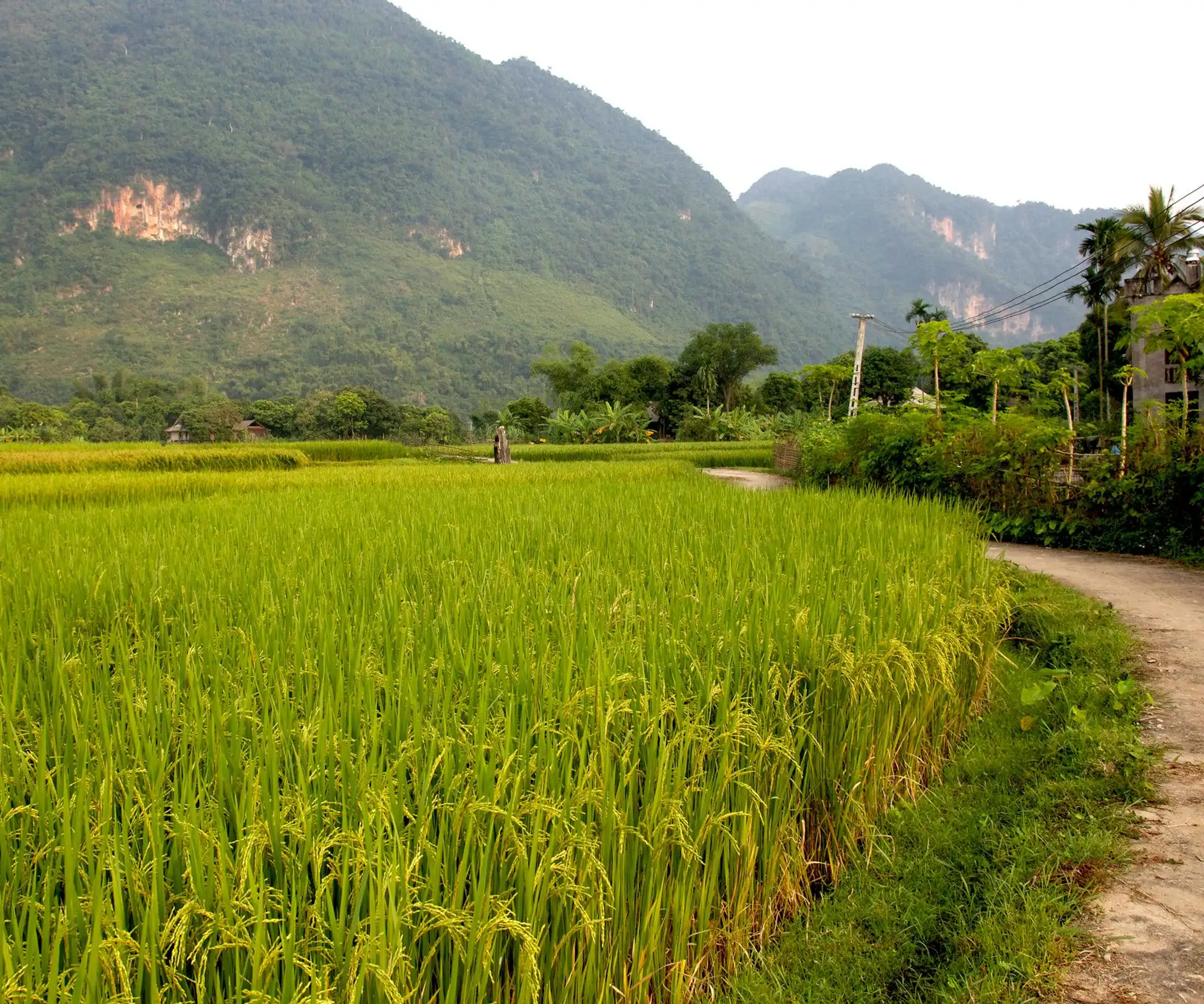
For tranquil valleys and karsts, discover the spectacular landscape of Ninh Binh Bike Tours, where you can ride amidst towering limestone cliffs rising out of lush rice fields, often referred to as Ha Long Bay on land.
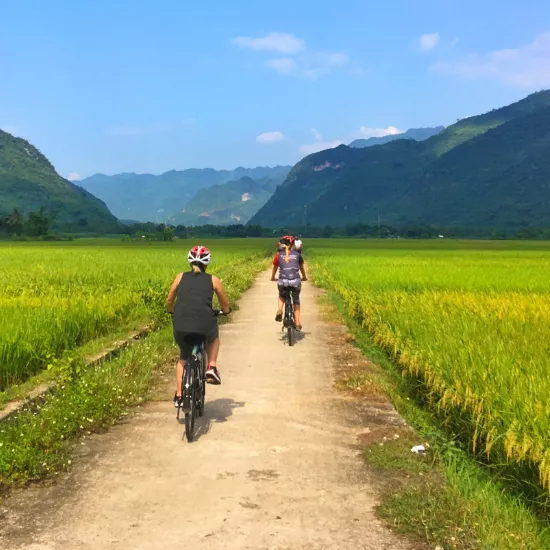
Immerse yourself in the verdant, mountain-ringed valleys of Mai Chau Bike Tours and the misty, terraced hillsides of Pu Luong Bike Tours. These regions offer incredible opportunities to stay in traditional stilt houses of the White Thai and Muong ethnic minorities.
For seasoned adventurers seeking high-altitude thrills, the Ha Giang Bike Tours route takes you through the otherworldly landscapes of the Dong Van Karst Plateau Geopark and over the dizzying Ma Pi Leng Pass.
To fully experience the north's diverse terrain, explore the Vietnam Northwest Bike Tours or the Vietnam Northeast Bike Tours, or choose the definitive Cycling Northern Vietnam itinerary to experience the best of these remote, beautiful regions.
If you prefer flat, easy-going terrain, warm tropical weather, and water-based cultures, consider taking a look at the Cycling Southern Vietnam options. This region is famous for the vast, labyrinthine waterways of the Mekong Delta, where you can cycle along narrow fruit-orchard paths, cross rustic wooden footbridges, and explore lively floating markets.
For the ultimate bucket-list adventure, nothing compares to cycling across the entire length of the country. These long-distance epic tours offer a profound, slow-travel transformation as you watch the landscapes, accents, and flavors of Vietnam shift day by day:
To ride from the historic capital of Hanoi down to the bustling metropolis of Ho Chi Minh City, look at the comprehensive Cycling North to South Vietnam tour.
Alternatively, you can reverse the direction and ride from the tropical south up to the historic north with the Cycling South to North Vietnam route.
If you want to trace the dramatic history of the war era along the historic mountain supply lines, check out the legendary Ho Chi Minh Trail Cycling Tours.
For those who want to experience these vast distances with maximum comfort, high-end accommodations, and top-tier support services, the premium Vietnam Luxury Bike Tours offers the perfect blend of active adventure and refined relaxation.
No Central Vietnam Bicycle Holiday is complete without diving headfirst into the region’s legendary culinary scene. Central Vietnamese cuisine is highly celebrated for its bold, spicy, and complex flavors, utilizing fresh local herbs, seafood, and unique spices. Cycling burns plenty of calories, giving you the perfect excuse to indulge in local delicacies throughout your journey.
Because Hue was once the seat of the royal court, its cuisine developed into a highly refined art form. Royal dishes are characterized by small, delicate portions, artistic presentation, and complex flavor profiles.
Bun Bo Hue (Hue Beef Noodle Soup): This is the ultimate culinary icon of the city. It features thick, cylindrical rice noodles in a rich, spicy, and deeply savory broth infused with lemongrass, shrimp paste, and chili oil, topped with tender slices of beef shank, pork knuckle, and fresh herbs.
Banh Beo, Banh Loc, Banh Nam: These are delicate, steamed rice-flour cakes. Banh Beo are small, saucer-like steamed cakes topped with savory dried shrimp, crispy pork skin, and scallion oil. Banh Loc are translucent tapioca dumplings filled with whole shrimp and pork belly, wrapped and steamed in banana leaves.
Where to Eat: For a truly local, rustic experience, head to Quan Hanh or Bun Bo Hue My Tam in the city center of Hue. For an unforgettable royal dining experience, many boutique garden houses in the Kim Long district offer multi-course imperial banquets.
As an ancient international trading port, Hoi An’s food scene has been beautifully influenced by Chinese, Japanese, and European merchants who settled here over the centuries.
Cao Lau: This unique noodle dish is exclusive to Hoi An. It consists of thick, chewy, hand-cut rice noodles that get their distinctive texture and yellow hue from being soaked in alkaline water drawn from the ancient, local Ba Le Well. It is served with savory sliced char siu pork, crisp bean sprouts, fresh local herbs, and crunchy fried square croutons, all drizzled with a rich pork reduction.
Mi Quang: A beloved noodle dish of the wider Quang Nam province. It features wide, flat yellow rice noodles seasoned with turmeric, bathed in a small amount of highly concentrated, savory broth, and topped with shrimp, pork, hard-boiled quail eggs, crushed peanuts, toasted sesame rice crackers, and a mountain of fresh herbs.
White Rose Dumplings: Delicate steamed translucent dumplings filled with spiced shrimp or pork, bunched up to look like beautiful white roses, topped with crispy fried shallots, and served with a sweet-and-spicy dipping sauce.
Where to Eat: To sample these dishes in an authentic setting, visit the bustling stalls inside the Hoi An Central Market, or head to highly acclaimed local establishments such as Morning Glory or Banh Mi Phuong for a taste of the world-famous Vietnamese baguette sandwiches.
Located right on the coast, Da Nang is a paradise for seafood lovers. After riding along the scenic My Khe Beach, there is nothing better than enjoying fresh catches of the day cooked to order.
Seafood Hotpot: A bubbling, spicy, and sour broth filled with fresh clams, squid, shrimp, fish, and seasonal local greens.
Grilled Clams with Scallion Oil: Sweet, delicate local clams steamed with lemongrass or grilled over charcoal with fragrant scallion oil and crushed peanuts.
Where to Eat: Head to the lively seafood avenues of Vo Nguyen Giap or Truong Sa running along the beach, where restaurants like Quan Be Man display live catches in large water tanks for you to choose from.
Central Vietnam offers an incredible array of accommodation options that cater to every style of traveler, from budget-friendly local homestays to ultra-luxury beachfront resorts. When you embark on a tour, your accommodation is typically pre-arranged, but it is always helpful to know what to expect.
In Hue, the accommodation style is heavily influenced by history and nature. Many of the best places to stay are located along the banks of the Perfume River or set within tranquil, traditional garden houses.
Boutique Hotels: Cozy, culturally themed hotels like the Eldora Hotel or Spire Hotel offer elegant rooms with vintage decor in the heart of the city.
Luxury Garden Resorts: For a tranquil escape, resorts like the Pilgrimage Village Boutique Resort and Spa or the historic Azerai La Residence offer beautiful garden villas, luxurious spa facilities, and direct views of the river, providing the perfect place to soothe tired muscles after a long day of pedaling.
Lang Co Beach is all about peace, quiet, and stunning natural scenery. It is far less crowded than the busy beaches of Da Nang, making it an ideal place for relaxation.
Beachfront Resorts: Choose from gorgeous properties like the Angsana Lang Co or the ultra-exclusive Banyan Tree Lang Co, nestled between the mountains and the sea. These resorts offer private pool villas, world-class golf courses, and pristine private beaches.
Eco-lodges and Homestays: For a more intimate connection with the local lifestyle, there are charming beachfront guesthouses and bungalows along the lagoon that offer warm local hospitality and freshly cooked family meals.
Hoi An offers some of the most charming accommodations in Vietnam. You can choose to stay right in the heart of the historic center, in the peaceful surrounding countryside, or directly on the beach.
Boutique Heritage Hotels: Staying in a boutique hotel like the Little Hoi An Boutique Hotel and Spa or the La Residencia allows you to stay close to the historical center, with rooms featuring traditional wooden furniture, colorful tiles, and classic French-colonial accents.
Rural Homestays and Eco-resorts: If you prefer quiet nights surrounded by nature, choose a boutique resort nestled in the rice fields of Cam Thanh or near An Bang Beach, such as the An Villa or the Hoi An Chic Green Retreat. These properties often provide complimentary bicycles for guests to explore the neighborhood at leisure.
Getting to Central Vietnam is incredibly convenient, thanks to excellent domestic and international transport links.
By Air: The region is served by two major airports. Da Nang International Airport is the largest and most convenient hub, offering direct international flights from major Asian cities and frequent daily domestic flights from Hanoi and Ho Chi Minh City. Phu Bai International Airport in Hue is also highly convenient for starting your trip in the former imperial capital.
By Train: The historic Reunification Express railway runs along the coast of Vietnam, linking Hanoi and Ho Chi Minh City. The train journey from Da Nang to Hue is widely considered one of the most scenic train rides in the world, as the tracks wind directly along the cliffs of the Hai Van Pass overlooking the ocean.
By Road: High-quality sleeper buses and private transfer services operate daily along the coastal highway, linking all major cities and towns.
If you are planning an independent cycling trip, transporting your own bicycle can be a logistical challenge. Airlines charge extra baggage fees, and local buses or trains may not always handle delicate carbon or aluminum frames with proper care.
This is where booking a fully guided tour is highly advantageous. Outfitters like Golden Cycling Tours handle all the logistics for you. They provide top-of-the-line hybrid or mountain bikes, handle all maintenance and repairs, and transport all your heavy luggage in a dedicated support van that follows the group throughout the entire journey. You only need to focus on turning your pedals and enjoying the scenery.
Central Vietnam is a region with deep historical roots, strong family values, and unique local traditions. Understanding and respecting these cultural norms will greatly enrich your interactions and ensure you are welcomed warmly wherever you cycle.
When cycling through rural villages, casual athletic wear is perfectly acceptable. However, when visiting religious sites, historic temples, or royal tombs such as the Hue Imperial Citadel or the My Son Sanctuary, you must dress respectfully.
Cover Your Shoulders and Knees: Avoid wearing short shorts, tank tops, or sleeveless shirts when entering sacred ground. Keep a light sarong or long-sleeved shirt in your cycling jersey pocket or handlebar bag to cover up when needed.
Remove Shoes and Hats: Look for signs at the entrance of temple halls indicating whether you need to take off your shoes and hats before stepping inside.
One of the greatest joys of a Central Vietnam Bicycle Holiday is pedaling through remote villages where international tourists are still a rare sight.
Ask Before Taking Photos: Vietnamese people are generally very friendly and photogenic, but it is always polite to ask for permission before taking a photo, especially of children, elders, or people working in their fields. A simple smile, point to your camera, and a polite request goes a long way.
Support Local Businesses: When stopping for a break, buy fresh fruit, snacks, or drinks from small, family-run roadside stalls. This direct economic support is highly appreciated and helps sustain local rural communities.
To help you visualize your journey, here is a detailed checklist of the iconic sights and natural highlights that you will encounter along your cycling route in Central Vietnam:
The Hue Imperial Citadel: A massive, walled royal fortress containing palaces, temples, and beautiful gardens, showcasing the grand architectural legacy of the Nguyen Dynasty.
The Perfume River: A peaceful, poetic river that flows through Hue, lined with historic pagodas, royal tombs, and lush green hills.
The Hai Van Pass: A world-famous, 21-kilometer mountain pass winding over the coastal mountains, offering stunning views of Lang Co Beach on one side and Da Nang Bay on the other.
The Marble Mountains: A cluster of five marble and limestone hills in Da Nang, home to beautiful Buddhist sanctuaries, hidden caves, and panoramic coastal viewpoints.
Hoi An Ancient Town: A beautifully preserved 15th-to-19th-century trading port, featuring a unique mix of Vietnamese, Chinese, Japanese, and French architecture, illuminated by glowing lanterns at night.
The My Son Sanctuary: A mystical, jungle-ringed valley filled with the red-brick ruins of ancient Hindu temples built by the historic Champa Kingdom.
Bach Ma National Park: A spectacular nature reserve located near Hue, featuring lush rainforests, towering waterfalls, and cool mountain air, perfect for adventurous hikers and nature lovers.
Do not just take our word for it! Here is what past travelers have to say about their incredible journeys in Vietnam:
"Our Central Vietnam Bicycle Holiday was hands down the absolute highlight of our three-week trip to Asia. Climbing the legendary Hai Van Pass on two wheels was an unforgettable personal achievement, and the views from the top were absolutely breathtaking. The support team from Golden Cycling Tours was world-class—the bikes were in pristine condition, the support van was always stocked with cold water and fresh local fruit, and our guide's passion for sharing his local culture made every single stop special." Sarah and David M., Vancouver, Canada
"I was a bit worried about the physical challenge, but booking with Golden Cycling Tours made the entire trip stress-free and accessible. On the steeper hills, I was able to use one of their high-quality e-bikes, which made the climbs an absolute breeze! We cycled through tiny fishing villages and rural rice fields where we never saw another tourist. The food stops were incredible—we ate the best Bun Bo Hue and Cao Lau of our lives at tiny, authentic local stalls we never would have found on our own. Highly recommend!" Thomas K., Munich, Germany
To help you prepare for your upcoming adventure, we have compiled answers to the most common questions about planning a cycling vacation in Central Vietnam:
The absolute best time to go is from February to May. During these spring months, the weather is dry, warm, and sunny, with highly comfortable cycling temperatures. From June to August, the weather can get very hot, with temperatures often climbing past 35 degrees Celsius, requiring early-morning departures. The rainy and typhoon season runs from September to January, bringing heavy downpours and potential flooding, so it is generally best to avoid planning long-distance rides during this period.
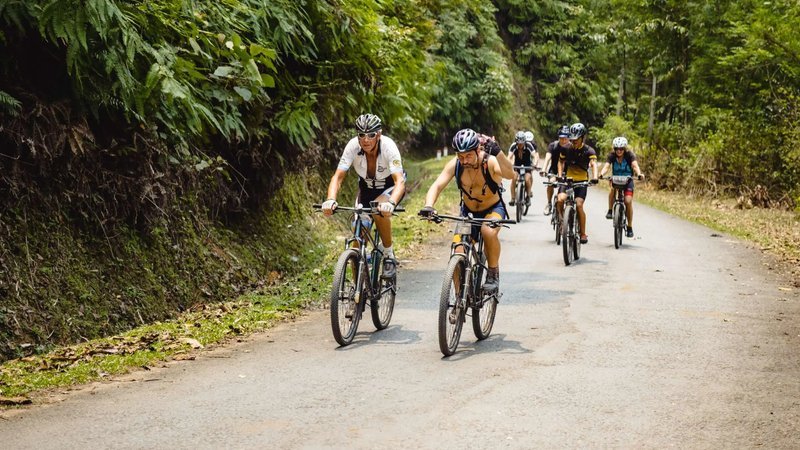
Not at all! A standard cycling holiday in this region is designed to be highly accessible and enjoyable for recreational riders. The daily riding distances typically range between 30 and 70 kilometers on mostly flat or gently rolling terrain, with plenty of rest stops for snacks, photos, and cultural interactions. For the challenging climbs like the Hai Van Pass, support vehicles are always available to offer a comfortable lift up the mountain. If you prefer an extra boost, you can always choose to ride an electric bike by checking out our specialized e-bike options.
Professional operators provide high-quality, well-maintained hybrid trekking bikes or road bikes from top-tier international brands such as Trek or Giant. These bikes come equipped with front suspension, multi-gear drivetrains, and durable, puncture-resistant tires, making them perfect for navigating a mix of paved roads, country lanes, and light gravel paths. Helmets and basic repair kits are always provided.
We highly recommend packing lightweight, moisture-wicking cycling jerseys, padded cycling shorts (essential for long hours in the saddle), a lightweight windproof/waterproof jacket, comfortable athletic shoes, sunglasses, sunscreen (high SPF is a must), and a reusable water bottle. While helmets are provided, you are welcome to bring your own for a perfect fit, along with your preferred clip-in pedals and cycling shoes if you use them.
Yes, cycling in Vietnam is highly safe, especially when traveling with an organized group. While traffic in major cities like Da Nang or Hue can appear busy and chaotic at first glance, drivers generally move at relatively slow, predictable speeds and are highly accustomed to sharing the road with two-wheeled vehicles. On our tours, we carefully design routes that avoid major highways, taking you along quiet country lanes, coastal paths, and rural backroads. Plus, you will always have a professional guide leading the way and a support vehicle managing traffic from behind.
Booking your dream ride is simple and straightforward! You can visit our website to browse our extensive list of itineraries, check departure dates, and contact our travel experts to customize a private package tailored to your exact fitness level, budget, and travel preferences.
A Central Vietnam Bicycle Holiday is far more than just an active vacation—it is an immersive, sensory-rich journey into the very heart of Vietnam. It is the thrill of conquering legendary mountain passes, the peace of pedaling through ancient temples, the joy of connecting with local families, and the satisfaction of discovering a country at your own pace.
Whether you choose to ride the scenic coastlines of the central region, tackle the dramatic peaks of the north, or cruise the lush waterways of the south, we are dedicated to providing you with the ultimate active travel experience. Our premium equipment, expert local guides, and seamless support ensure you can focus entirely on the beauty of the ride.
Visit our website today to start planning your perfect Vietnamese cycling adventure!

Leave a Reply
Your email address will not be published. Required fields are marked *