- Call us Via Whatsapp: +84 (0) 832 126 699
4.9 stars on our site
(15,000 reviews)
- Monday - Sunday : 08:00 - 17:00
(15,000 reviews)

Imagine a world where the mountains have been sculpted into thousands of intricate steps, each shimmering like gold under the autumn sun. You are perched on your saddle, the mountain wind cooling your face as you prepare to descend into a valley that feels like a masterpiece of human engineering. This is the essence of rice terraces cycling (mu cang chai)—a visceral, adrenaline-fueled connection to one of the most spectacular landscapes on Earth.
At Golden Cycling Tours, we believe that some sights are simply too beautiful to be rushed through a car window. To truly appreciate the scale of the Yen Bai highlands, you need the slow-motion perspective that only a bicycle can provide. This guide is your definitive resource for planning an epic expedition into the heart of the Northwest, covering everything from the technical challenges of the high passes to the cultural depth of the Hmong hamlets. Whether you are a seasoned mountain biker or a leisure rider looking for a scenic escape, this is your map to Cycling Northern Vietnam.
Mu Cang Chai is a remote district in Yen Bai province, but for the global cycling community, it is a legendary destination. Unlike the more developed tourist hubs, Mu Cang Chai offers a raw, unfiltered look at the vertical agriculture that defines the region.
The rice terraces here were recognized as a national heritage site in 2007 and are currently under consideration for UNESCO World Heritage status. For a cyclist, this means riding through a living museum. As you pedal along the ridges of La Pan Tan or Che Cu Nha, you are witnessing an agricultural tradition that has remained unchanged for centuries.
The geography of Mu Cang Chai is dominated by the Pung Luong mountain range. The terraces here are often steeper and more vertical than those found in Sapa. For adventure cyclists, this creates a dramatic topography of high ridges and deep river valleys. Every kilometer of rice terraces cycling (mu cang chai) is a testament to the resilience of the Hmong people who carved these steps by hand.
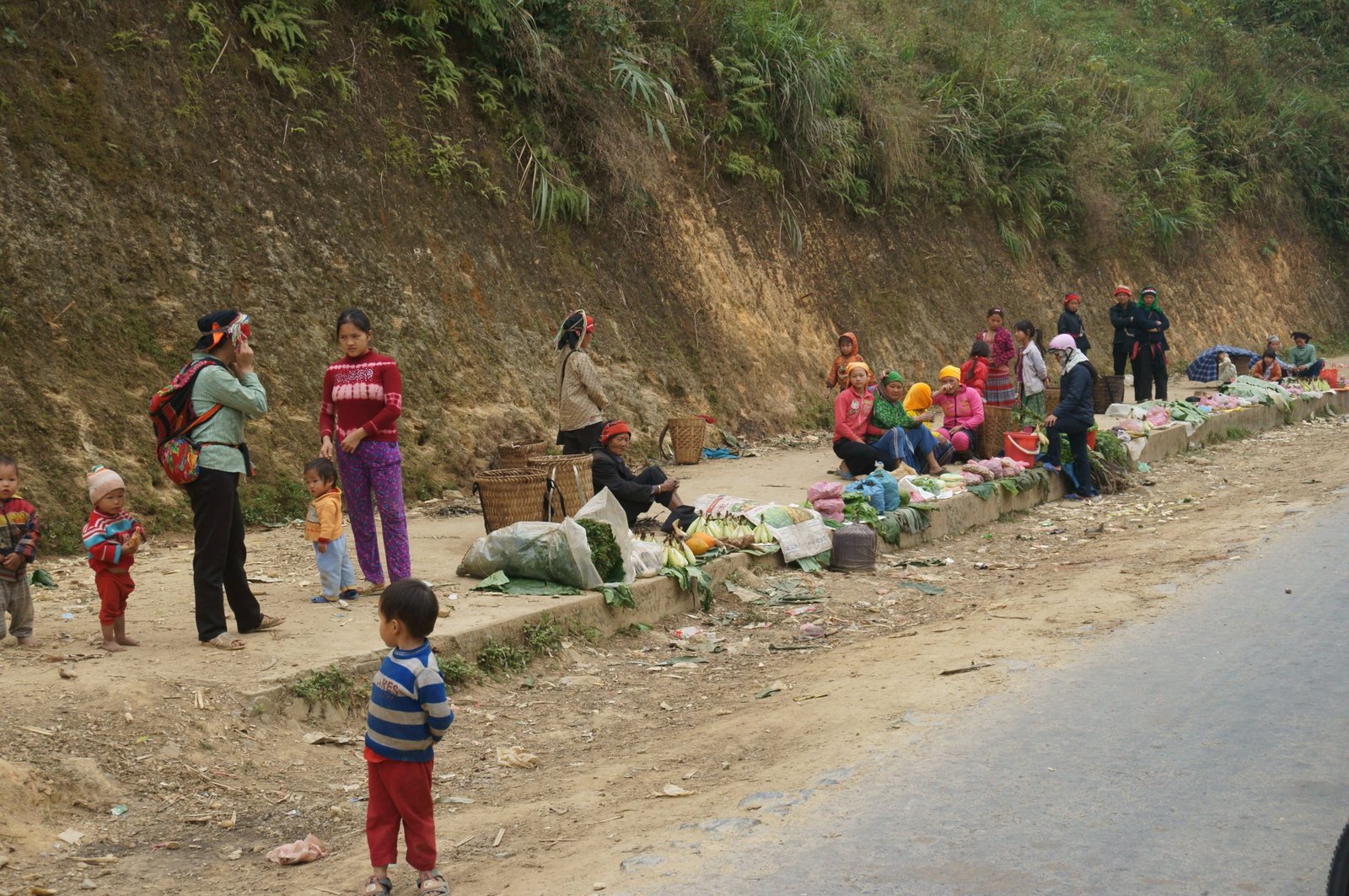
Because Mu Cang Chai is more difficult to reach than Sapa, it has preserved a sense of quiet authenticity. There are no luxury malls or sprawling resorts here; instead, you find traditional wooden houses, vibrant weekly markets, and a local community that greets every cyclist with a genuine "Xin Chao."
A successful trip to the Northwest requires more than just grit; it requires meticulous planning and local expertise.
Timing is the most critical factor for any rice terraces cycling (mu cang chai) tour.
The Golden Season (Mid-September to Mid-October): This is the peak. The terraces turn a brilliant, glowing yellow as the rice ripens for harvest. The air is crisp, the skies are clear, and the photography is unbeatable.
The Water Pouring Season (May to June): Before planting, the terraces are flooded, turning the mountains into thousands of mirrors reflecting the sky. It is a season of silver and blue, offering a completely different aesthetic.
The Green Season (July to August): The terraces are a vibrant, lush green. While there is a risk of summer rain, the landscape is at its most fertile.
Do not let the beauty of the terraces fool you; the terrain is demanding.
Cardiovascular Endurance: You should be comfortable with 4-6 hours of riding per day.
Climbing Power: Practice sustained climbs of 5-10km with a 7-10% gradient.
Technical Handling: Essential for the narrow paths that wind directly through the rice paddies.
At Golden Cycling Tours, we provide high-performance mountain bikes and gravel bikes specifically tuned for the karst terrain.
Brakes: Hydraulic disc brakes are a must for the long descents off the Khau Pha Pass.
Gearing: Ensure your bike has a "granny gear" (at least a 34T or 42T cog) to handle the steep village pitches.
E-Bikes: We offer premium E-mountain bikes for those who want to focus on the scenery rather than the physical strain of 1,000-meter climbs.
To truly experience the soul of the region, we recommend a 4-to-5-day itinerary that explores both the famous viewpoints and the hidden hamlets.
The journey begins with a transfer out of the city's chaos. We fit your bikes in the fertile Muong Lo valley, home to the Thai ethnic group.
The Ride: 40km of rolling hills through tea plantations.
Highlight: Staying in a traditional Thai stilt house and enjoying a communal feast.
This is the day of the climb. We head toward the "Sky Horn"—the Khau Pha Pass.
The Ascent: One of the "Four Great Passes" of the North. It is a 30km steady climb that rewards you with views of paragliders launching over the Tu Le valley.
The Reward: Reaching the summit at 1,500 meters and descending into the heart of Mu Cang Chai.
Book Your Adventure: This segment is the highlight of our Vietnam Northwest Bike Tours.
Today is dedicated to the most iconic rice terraces in the world.
The Horseshoe Terrace: We cycle to the famous "Mam Xoi" terrace, a perfect circle of rice steps on a hill summit.
The Ride: Technical single-track through the villages where you can see Hmong women weaving intricate hemp textiles.
Culture: Lunch with a local family, learning about the "rock pocket farming" that allows life to thrive in this vertical world.
We head further west, following the Nam Kim river toward the border of Lao Cai province.
The Terrain: A mix of smooth asphalt and rugged gravel paths.
Connection: Many of our guests choose to extend this tour to join our Sapa bike tours or head further east for the Bac Ha bike tours.
Mu Cang Chai is a star in the Northwest, but it is part of a much larger story. Depending on your time and stamina, you can connect this region with other legendary cycling circuits.
While the Northwest is famous for its "Green Highlands" and terraces, the Northeast offers a "Frontier of Stone."
The Northeast Loop: If you crave jagged limestone pinnacles and the wild borderlands of China, our Vietnam Northeast Bike Tours are the answer.
Ha Giang: For the ultimate challenge, take on the legendary "Loop" with our Ha Giang bike tours.
Cao Bang: Discover the turquoise waters and world-famous waterfalls of our Cao Bang bike tours.
If the sheer verticality of Mu Cang Chai feels too daunting after a few days, the lower-altitude valleys offer a lush, peaceful contrast.
Mai Chau: A flat, emerald valley of the White Thai people. Explore our Mai Chau bike tours.
Pu Luong: Often called "Mini Sapa," it offers similar terraces but with a tropical, jungle backdrop and ancient water wheels. Discover our Pu Luong bike tours.
For the truly legendary cyclist, Mu Cang Chai is just the beginning of a 2,000km odyssey. We even offer an epic Cycling North to South Vietnam expedition for those who want to see the entire spine of the country.
Navigating the remote mountains of the North requires more than just a bike; it requires a support system that understands the unique challenges of the terrain.
Every rice terraces cycling (mu cang chai) tour with us is accompanied by a professional "Sag Wagon." This van carries your luggage, provide mechanical assistance, and is always stocked with chilled water, electrolyte drinks, and fresh local fruit. If you decide you've climbed enough for one day, you can hop in the van and enjoy the view in air-conditioned comfort.
Our guides aren't just experts on the road; they are experts on the culture. Most of our guides are from the mountain regions themselves, meaning they speak the local dialects and can bridge the gap between you and the villagers. They know the secret trails that don't appear on any map.
We believe in "Slow Travel" that benefits the land. We prioritize local homestays and family-run eateries, ensuring that your tourism dollars stay in the mountains, supporting the communities that make Mu Cang Chai so special.
Cycling burns thousands of calories, and the North provides the most delicious ways to refuel.
Tu Le Sticky Rice: Famous across Vietnam, this rice is grown in the very valley you cycle through. It is incredibly fragrant and serves as the perfect slow-burn fuel for mountain climbing.
Grilled Hill Chicken: Marinated with "Mac Khen" (forest pepper) and honey, this is a staple of Northwest feasts.
Salmon Hotpot: Surprisingly, the cold mountain streams near the passes are home to salmon farms, making for a hearty, protein-rich recovery meal.
Happy Water: The local name for rice or corn wine. Shared at dinner, it is the universal symbol of mountain hospitality.
Cycling in the Yen Bai highlands presents unique challenges compared to flatland riding.
Braking Technique: On 10km descents, avoid "dragging" your brakes. Use short, firm bursts to manage speed and prevent brake fade.
Hydration Management: The altitude and humidity can lead to rapid electrolyte loss. We provide isotonic supplements to ensure you stay energized.
Cultural Etiquette: Always ask before taking photos, especially of children or people in traditional dress. A simple "Xin Chao" and a smile are your most valuable tools.
Weather Awareness: Mountain weather changes quickly. Our guides carry professional radios and monitor forecasts to ensure group safety.
We categorize it as "Moderate to Challenging." While there are easier valley routes, the best scenery is found on the high ridges. However, with our support van and E-bike options, it is accessible to any active traveler.
Yes, with professional support. The roads are winding but generally have light traffic compared to the lowlands. Our guides manage the group’s position on the road to ensure maximum visibility and safety.
A mix of boutique eco-lodges in Nghia Lo and authentic homestays in Mu Cang Chai. Homestays are a highlight of the trip, offering clean bedding, mosquito nets, and hot showers in traditional wooden houses.
Our guides are trained mechanics and carry a comprehensive toolkit and spare parts. In the rare case of a major mechanical failure, our support van carries a spare bike of equal quality.
While you are welcome to bring your own, we maintain a fleet of high-end bikes that are perfectly suited for this terrain. Renting from us saves you the hassle and cost of international bike shipping.
"A Journey Through Gold" "I've cycled in the Alps and the Andes, but nothing compares to the scale of Mu Cang Chai during the harvest. The Horseshoe Terrace was like a dream. Golden Cycling Tours handled every detail flawlessly. The E-bike allowed me to actually enjoy the scenery rather than just staring at my front tire!" — Mark T., Australia
"Authentic Beyond Belief" "Staying in the stilt house in Tu Le and eating the local sticky rice after a long climb was a life-changing experience. The cycling was tough but the rewards were worth every pedal stroke. This is the only way to see the real North." — Hans P., Germany
"The Best Support in the Business" "I was worried about the logistics of cycling in such a remote area, but the support van was always there with cold water and fresh fruit. Our guide, Duc, was incredible—he knew every secret trail and introduced us to Hmong families we would never have met otherwise." — Sarah L., UK
A rice terraces cycling (mu cang chai) tour is more than a series of miles on a GPS; it is a journey into the soul of Vietnam. It is the challenge of the climb, the adrenaline of the descent, and the warmth of a stranger's smile in a mist-shrouded village. It is a chance to disconnect from the digital noise and reconnect with the raw, rhythmic beauty of the natural world.
The mountains are calling. Whether you are drawn to the green terraces of the Northwest or the rocky frontiers of the Northeast, Golden Cycling Tours is ready to lead the way.
Contact us today to book your dream itinerary and experience the magic of Mu Cang Chai on two wheels.

.jpg "Thai Binh Vietnam Bicycle")
.jpg "Phu Tho Vietnam Cycling")
.jpg "Thai Nguyen Cycling Vietnam")
.jpg "Tuyen Quang Cycling Vietnam")
.jpg "Vinh Phuc Cycling Vietnam")
Leave a Reply
Your email address will not be published. Required fields are marked *