- Call us Via Whatsapp: +84 (0) 832 126 699
4.9 stars on our site
(15,000 reviews)
- Monday - Sunday : 08:00 - 17:00
(15,000 reviews)

The Mekong River, known as "Mother of Water," is the lifeblood of Southeast Asia, and nowhere is its spiritual and cultural significance more palpable than in Luang Prabang. This UNESCO World Heritage town, cradled by the Mekong and the Nam Khan rivers, offers a landscape that seems designed for exploration on two wheels. When we talk about cycling Mekong River Luang Prabang, we aren't just talking about a physical activity; we are describing a deep immersion into a world where time-honored traditions meet breathtaking natural beauty.
For the modern traveler, cycling along the Mekong offers a front-row seat to the daily rhythms of Laotian life. From the early morning mist rising off the water to the golden glow of sunset reflecting on the river's surface, every pedal stroke brings a new perspective. To truly unlock the secrets of this region, many adventurers turn to Golden Cycling Tours, the premier operator specializing in authentic Luang Prabang Bike Tours.
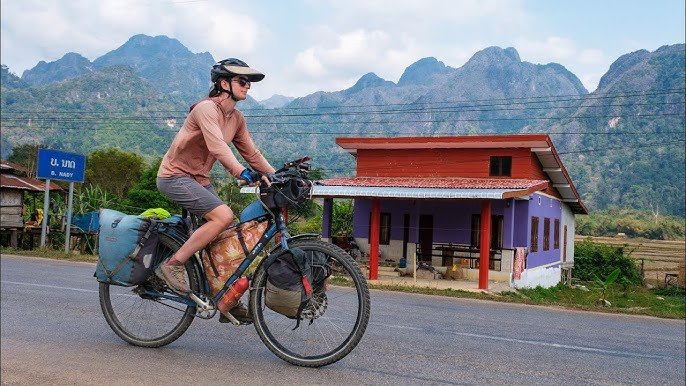
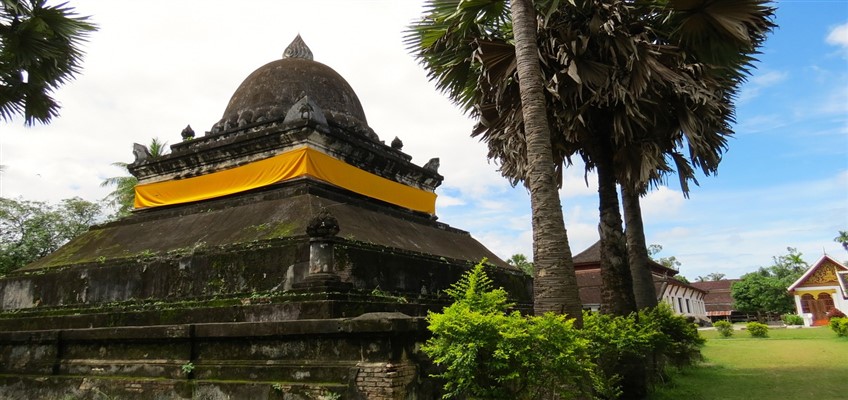
The Mekong has shaped the history of Luang Prabang for centuries. As you cycle along its banks, you pass ancient temples (Wats) that have stood as silent observers to the rise and fall of kingdoms. The river is not just a body of water; it is a sacred entity. Cycling allows you to witness the morning alms giving ceremonies and visit riverside monasteries that are often missed by those traveling in motorized vehicles.
The terrain surrounding the Mekong in Luang Prabang is a stunning mix of flat river plains and rolling limestone karsts. One moment you are pedaling through a canopy of tropical teak trees, and the next, the forest opens up to reveal the vast, chocolate-colored expanse of the river. The slow pace of cycling ensures you don't miss the small details: a water buffalo cooling off in the shallows, a fisherman casting a net with practiced grace, or a hidden cave tucked into a cliffside.
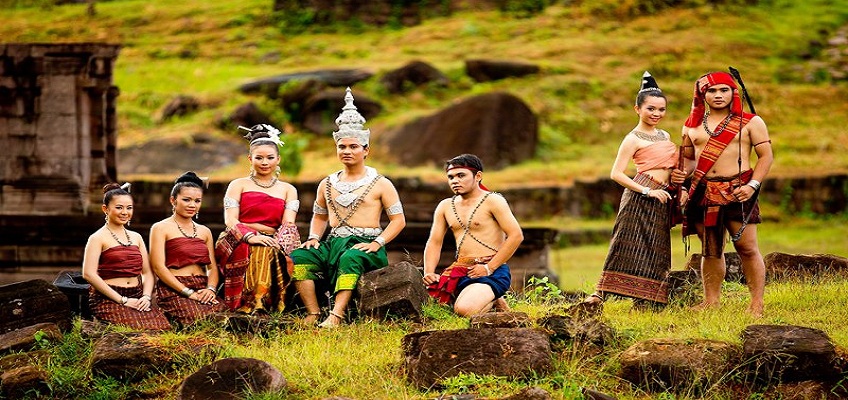
The true heart of Laos lies in its villages. By cycling Mekong River Luang Prabang, you gain access to remote communities where the traditional way of life remains intact. These villages are often inaccessible to large tour buses. On a bike, you are an approachable guest rather than a distant observer. You might find yourself invited to share a cup of Lao tea or watch a weaver create intricate silk patterns on a wooden loom.
For those seeking a more rugged and "untouched" experience, crossing the Mekong to the Chomphet district is a must. A local ferry takes you and your bike across the river, landing you in a world of dirt paths and quiet forest temples. This route offers the most iconic views of the Luang Prabang peninsula. As you cycle through villages like Ban Xieng Mene, you feel the transition from the sophisticated town center to the raw, rustic beauty of rural Laos.
While many take a van to the famous Kuang Si Falls, the cycling route offers a far more rewarding journey. Following the Mekong downstream before turning inland, you pass through ethnic Hmong and Khmu villages. The road winds through vibrant rice paddies and past local schools. If you’re looking for a challenge, the hills provide a great workout, but the reward is a refreshing dip in the turquoise pools of the waterfall.
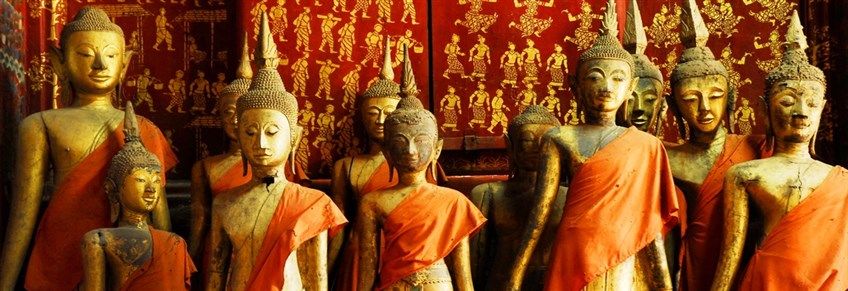
Heading north from the city center, the path toward the Pak Ou Caves follows the curves of the Mekong. This route is famous for "Whisky Village" (Ban Xang Hai), where you can see the traditional distillation of Lao-Lao (rice whisky). The journey is a tapestry of river views and agricultural landscapes, culminating in a boat crossing to the sacred caves filled with thousands of Buddha statues.
Luang Prabang is the perfect starting point for a broader exploration of the region. Through the expertise of Golden Cycling Tours, travelers can extend their adventure across the country.
If you wish to explore the administrative heart of the nation, the Vientiane Bike Tours offer a blend of French colonial charm and modern Laotian culture. For those seeking the wild beauty of the northern mountains, the Luang Namtha Bike Tours provide an unparalleled opportunity to visit remote hill tribes and trek through protected forests.
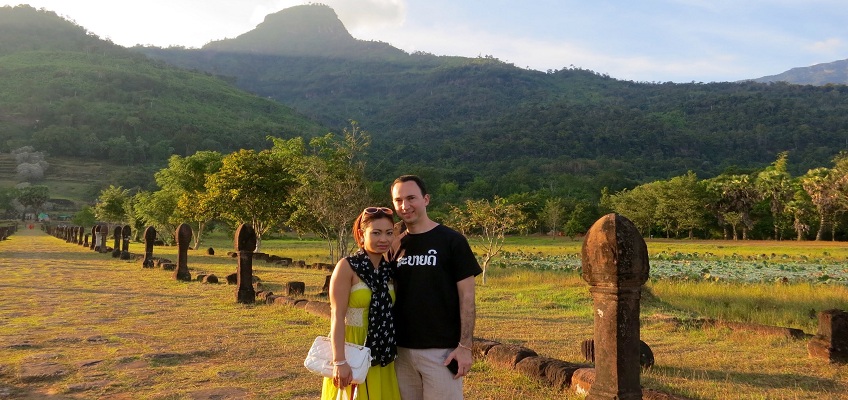
Laos is a land of diverse geography, and the Laos Cycling Tours catalog covers everything from the tranquil "4,000 Islands" in the south to the mysterious Plain of Jars. For travelers landing in the southern gateway, the Pakse Laos Bike Tours open doors to the coffee plantations of the Bolaven Plateau and the ancient ruins of Wat Phou.
For the truly ambitious, the Mekong is a bridge to neighboring countries. Epic cross-border routes like Cycling Laos to Vietnam or Cycling Vietnam to Laos are becoming bucket-list items for cycling enthusiasts worldwide, offering a grueling yet glorious transit through some of the most dramatic mountain passes in Asia.
The terrain in Luang Prabang can vary from paved roads to sandy riverbanks and rocky trails. A high-quality mountain bike is the standard choice, but for those who want to cover more ground without the physical strain, an electric bike is an excellent alternative. Golden Cycling Tours provides top-of-the-line equipment tailored to your specific route and fitness level.
The dry season (November to February) is undoubtedly the prime time for cycling Mekong River Luang Prabang. The temperatures are cool, the sky is a deep blue, and the roads are dry. However, the "Green Season" (May to September) has its own charm—the Mekong is at its most powerful, the jungles are incredibly lush, and the waterfalls are roaring.
Lightweight Gear: Moisture-wicking clothing is essential for the tropical humidity.
Hydration: Always carry more water than you think you need. Electrolyte powders are a great addition.
Respectful Attire: Carry a sarong or a light scarf to cover your shoulders and knees when entering temples.
Sun Protection: High-SPF sunscreen and a good pair of sunglasses are non-negotiable.
Laotian culture is rooted in humility and respect. When cycling through villages along the Mekong, it is important to remember that you are a guest in someone’s home.
Smile and Greet: A friendly "Sabaidee" goes a long way.
Ask Before Taking Photos: Especially when photographing elders or children.
Mind Your Feet: In Laos, feet are considered the lowest part of the body. Never point your feet at people or sacred objects.
"The Best Way to See the Real Laos"
"Our Mekong River cycling tour was transformative. We saw parts of Luang Prabang that we never would have found on our own. The ferry crossing to Chomphet was a highlight! Golden Cycling Tours organized everything perfectly, from the quality of the bikes to the incredible local lunch." — David S., Canada
"Unforgettable Sunset Views"
"Cycling along the river at sunset is something I will never forget. The light hitting the temples is magical. Our guide was so knowledgeable about the history of the Mekong. If you are in Luang Prabang, you must do a bike tour!" — Emily L., Australia
"Professional and Authentic"
"I’ve done many bike tours in Asia, but the attention to detail with Golden Cycling Tours was exceptional. They really care about sustainable tourism and supporting the local villages. We felt like we were contributing to the community, not just passing through." — Hansi G., Germany
1. Is it difficult to cycle along the Mekong? It depends on the route. The town center is mostly flat and easy. However, if you cross the river or head toward the waterfalls, there are some moderate hills. We offer different routes for different fitness levels, including e-bike options.
2. Can children join the Mekong cycling tours? Yes! We have smaller bikes and child seats available. The Mekong riverbanks are generally safe for cycling, provided children are supervised and comfortable on a bike.
3. Do I need to be an expert cyclist? Not at all. Many of our tours are designed for casual riders who want to enjoy the scenery. We also provide a safety briefing and a guide to assist you throughout the journey.
4. What if I get tired during the tour? For our longer tours or groups, we often have a support vehicle (the "broom wagon") that can carry you and your bike if you need a break.
5. Are there places to eat along the river? Yes, there are many small local stalls and riverside cafes. Part of the experience is stopping for a fresh coconut or a bowl of Lao noodles while watching the river flow by.
Cycling the Mekong River in Luang Prabang is more than just a tour; it is a meditation in motion. It allows you to synchronize your heartbeat with the flow of the river and the pulse of the land. Whether you are seeking a physical challenge or a spiritual retreat, the roads of Luang Prabang are waiting for you.
When you choose to ride with Golden Cycling Tours, you aren't just booking a trip—you are supporting sustainable travel and gaining a lifelong connection to the people and landscapes of Laos. From the first push of the pedal to the final sunset over the Mekong, every moment is an invitation to discover the extraordinary.

Leave a Reply
Your email address will not be published. Required fields are marked *