- Call us Via Whatsapp: +84 (0) 832 126 699
4.9 stars on our site
(15,000 reviews)
- Monday - Sunday : 08:00 - 17:00
(15,000 reviews)

Sapa, a mist-shrouded frontier town nestled in the Hoang Lien Son mountain range, has long been the crown jewel of tourism in Northern Vietnam. While many travelers choose to experience its beauty through the window of a luxury bus or on foot during a slow-moving trek, the truly intrepid are discovering a more visceral, exhilarating way to engage with the landscape. Biking and trekking Sapa represents the ultimate adventure hybrid—a synergy of speed and slow immersion that allows you to witness the grand panoramas of the Northwest and the minute details of ethnic minority life.
At Golden Cycling Tours, we believe that the pace of a bicycle is the perfect tempo for discovery, but the intimacy of a trek is what grounds the soul. By combining these two disciplines, you aren't just visiting a destination; you are participating in a multi-sensory journey through one of the world's most dramatic vertical landscapes. In this definitive guide, we explore why a Sapa bike tour mixed with rugged trekking is the pinnacle of adventure travel in Southeast Asia.
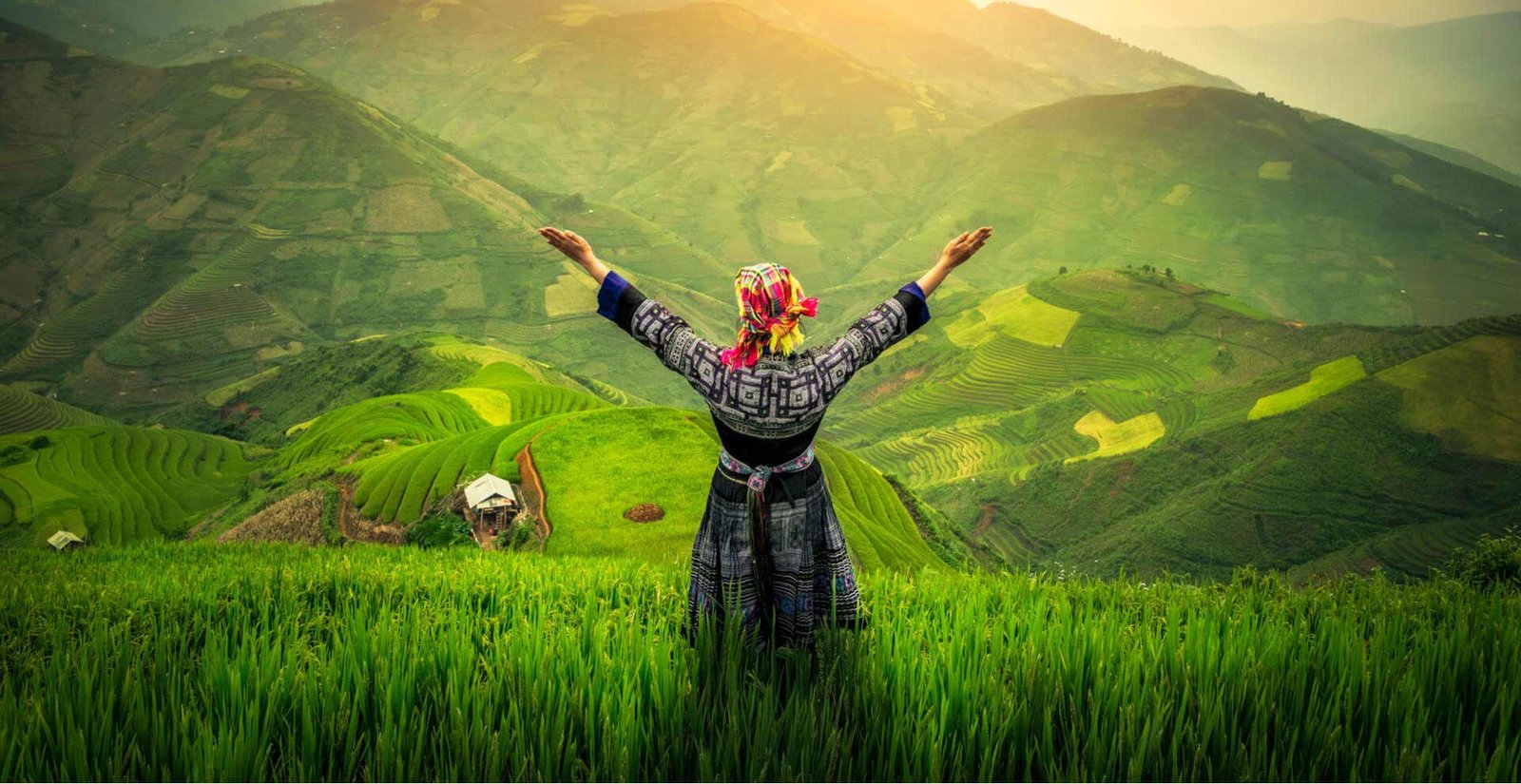
Northern Vietnam is a land of vertical extremes. For the modern traveler, choosing between a bike and a pair of hiking boots can be a dilemma. However, the unique geography of Sapa demands both.
A bicycle allows you to cover vast distances—30 to 50 kilometers in a single day—moving from high-altitude mountain passes down into deep, river-carved valleys. It gives you the "grand tour" perspective, showing you how the landscape shifts from alpine pine forests to humid bamboo thickets in a matter of hours.
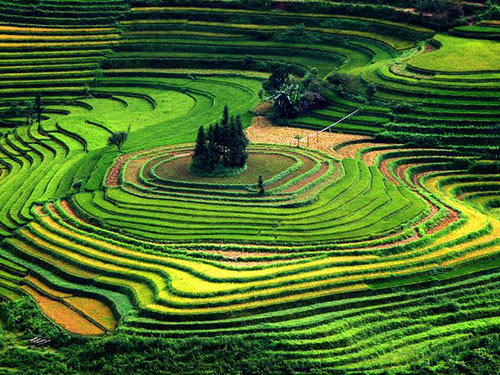
Trekking, on the other hand, takes you where wheels simply cannot go. It allows you to step off the concrete or gravel and onto the narrow buffalo paths that wind directly through the center of the world-renowned rice terraces. It is during the trekking segments of your biking and trekking Sapa adventure that you will find yourself sharing a cup of corn wine in a Hmong kitchen or helping a Red Dao farmer tend to his indigo plants.
Sapa is a labyrinth of trails. To make the most of your trip, it is essential to choose routes that offer both high-speed cycling descents and technical trekking challenges.
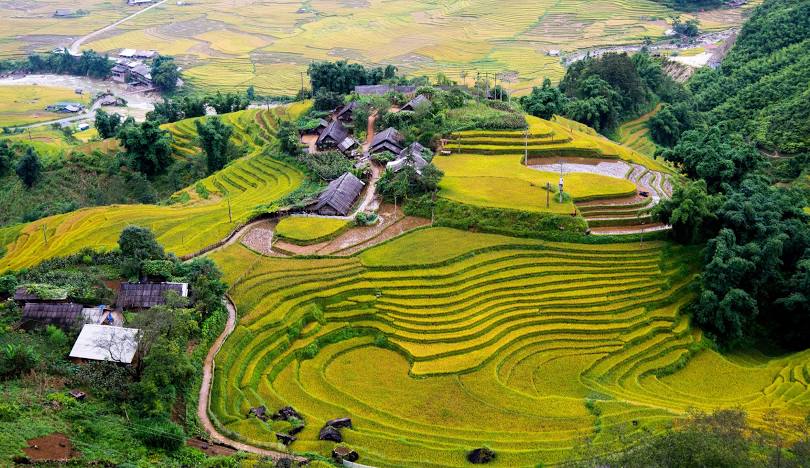
The Muong Hoa Valley is home to the most iconic rice terraces in Vietnam. A typical day starts with a long, exhilarating descent from Sapa town toward the villages of Lao Chai and Ta Van.
The Biking: You navigate a mix of paved village roads and optional rocky paths that cut through the center of the paddies.
The Trekking: Once at the valley floor, you park the bikes and trek toward the village of Giang Ta Chai. This involves crossing suspension bridges over the Muong Hoa River and navigating the "bamboo forest of the Giay people."
The Experience: This is the quintessential Sapa bike tour experience, providing a perfect introduction to the region’s beauty.
For those seeking a high-altitude rush, the O Quy Ho Pass is a mandatory inclusion. This is one of the "Four Great Passes" of Northern Vietnam, connecting Lao Cai and Lai Chau.
The Biking: A steady, challenging ascent reaching an altitude of over 2,000 meters at "Heaven's Gate."
The Trekking: From the peak of the pass, embark on a trek along the ridge line of the Hoang Lien National Park. The views here extend deep into the territory of our Lai Chau bike tours.
The Reward: The descent from the top back toward Sapa is 25 kilometers of winding asphalt that will test your cornering skills and your brakes.
If you want to experience the "wilder" side of Sapa, head north toward the Chinese border.
The Atmosphere: The road to Ban Khoang is quiet and technical, winding through old-growth forests. This route is far less visited by mainstream tourists.
The Culture: Here, you will encounter the Red Dao people, famous for their silver-studded headdresses and herbal baths. It is an excellent choice for a biking and trekking Sapa itinerary focused on isolation and natural beauty.
While Sapa is the primary hub, the true magic of the Northwest is found in the connections between its diverse regions. A comprehensive cycling holiday should bridge these gaps.
To the east of Sapa lies the Bac Ha plateau. A Bac Ha bike tour is the perfect companion to your Sapa journey. Known for its "Flower Hmong" culture, Bac Ha offers a slightly drier, more rugged landscape with trails that weave through white plum forests. The trekking here takes you to remote hilltop markets that feel like stepping back in time.
Crossing the O Quy Ho pass takes you into the wild wilderness of Lai Chau. Our Lai Chau bike tours are for the explorers. This province features jagged peaks and deep river canyons where tourism is still in its infancy. The trekking segments here involve navigating jungle paths used by the Lu and Lao ethnic groups.
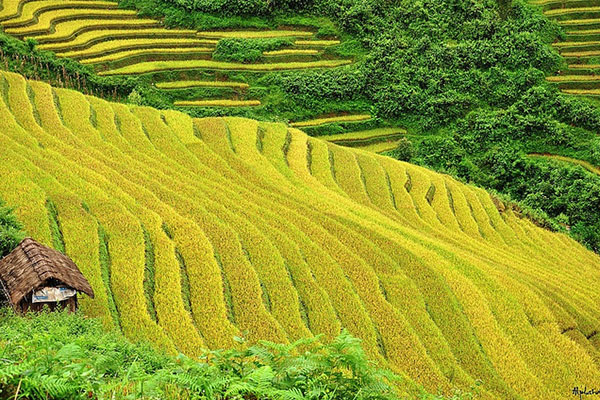
To the south of Sapa, the Mu Cang Chai district in Yen Bai province offers arguably the most spectacular rice terraces in all of Asia. Our Yen Bai Bike Tours focus on these breathtaking vistas, especially during the harvest season when the mountainsides turn into stairs of gold.
For the ultimate enthusiast, our Vietnam Northwest Bike Tours connect Sapa, Bac Ha, Lai Chau, and Yen Bai into one seamless adventure. It is an odyssey of 10 to 14 days that takes you across the highest passes and into the deepest valleys of the country.
Engaging in biking and trekking Sapa requires a dual focus on equipment. You are preparing for two distinct physical disciplines in a rugged mountain environment.
At Golden Cycling Tours, we provide premium mountain bikes (Giant, Trek, Cannondale) serviced after every ride.
Brakes: Hydraulic disc brakes are essential. The 1,000-meter descents in Sapa can cause rim brakes to overheat.
Gearing: A wide-range drivetrain (1x12 or 2x11) is necessary for the 12% gradients common on village paths.
Suspension: A front-suspension mountain bike (hardtail) is the minimum, but full-suspension provides much more comfort on the rocky village paths.
Footwear: You need sturdy trail runners or light hiking boots with aggressive lugs. Sapa’s clay soil becomes extremely slippery when wet.
Clothing: Moisture-wicking layers are your best friend. Even in summer, Sapa can be cool and foggy in the mornings.
Rain Gear: A lightweight, high-quality rain jacket is mandatory.
You don't need to be a professional athlete, but a baseline of cardiovascular fitness is required.
Leg Strength: Practice sustained climbs on your bike.
Stability: Trekking in the mud requires good core and ankle stability.
Endurance: Build up to riding and walking for 5-7 hours per day on consecutive days. For those who want the views without the intense physical strain, we offer E-bike options on many of our tours.
When you participate in a biking and trekking Sapa expedition, you are a guest in a sensitive cultural landscape. The ethnic minority communities have a rich heritage that is deeply tied to the land.
The "Hello" Factor: Children in Sapa love to greet travelers. A friendly "Xin Chao" or a wave goes a long way.
Photography: Always ask for permission before taking a photo of someone, especially elders or mothers with babies.
Support Local Economy: Buy your snacks and souvenirs from village shops rather than town supermarkets.
Sustainable Trekking: Stay on the designated paths in the rice paddies. Walking on the dikes (the mud walls) can cause them to collapse, leading to water loss for the farmer's crop.
Weather in the Northwest is notoriously fickle, often referred to as having "four seasons in one day."
September to November (The Harvest): The peak season. The rice is gold, the weather is dry, and the visibility is excellent. This is the best time for any Vietnam Northwest Bike Tour.
March to May (Spring): Clear skies and cool temperatures. The hills are covered in blossoms (peach and plum).
June to August (Summer): The "Green Season." Expect afternoon rain and muddy trails. This is the most challenging time but also the most vibrant.
December to February (Winter): It can be freezing. Fog is common, creating a mystical atmosphere but requiring extra caution on the descents.
Navigating the Sapa highlands requires more than just a bike and a map; it requires professional logistics and local heart.
Every multi-day tour we run is backed by a support vehicle.
The "Sag Wagon": Our vehicles carry your luggage, spare parts, and plenty of cold water and snacks.
Mechanical Peace of Mind: Our guides are trained mechanics who can handle any trailside emergency.
Refreshments: We provide nutritious snacks and local meals to keep your energy levels high.
Our guides aren't just experts in cycling; they are cultural ambassadors who grew up in these mountains. They speak the local dialects, know the hidden shortcuts, and have deep relationships with the village families.
If you are a solo traveler or a small group, check out our Guaranteed Tours. These are fixed-date departures where you can meet like-minded adventurers from around the world.
Mark and Elena from the USA:
"The biking and trekking Sapa experience with Golden Cycling Tours was the highlight of our 3-week trip to Vietnam. The transition from riding the ridges to walking through the heart of the rice paddies was seamless. We felt like we saw the 'real' Vietnam, far away from the tourist buses."
Sarah from the UK:
"I was worried about the hills, but the E-bike was a game changer. It allowed me to focus on the scenery and the trekking segments without being too exhausted. The homestays were incredibly authentic and the food was the best we had in the country."
Hanson from Russia:
"If you want real mountain biking, ask for the technical trails. The single-track through the rice terraces is like nothing else on earth. Highly recommend the Vietnam Northwest Bike Tour for anyone with a bit of grit!"
Q: Is biking and trekking Sapa suitable for beginners? A: We have routes for all levels. While Sapa is mountainous, we can design "leisurely" itineraries that focus on valley roads or use E-bikes to make the climbs manageable.
Q: Do I need to bring my own bike or hiking boots? A: We provide high-end mountain bikes. You should bring your own hiking boots or trail runners to ensure a perfect fit for the trekking segments.
Q: What is the accommodation like on a hybrid tour? A: We use a mix of boutique hotels in Sapa town and authentic village homestays. Homestays offer a clean mattress, mosquito net, and hot shower—it's rustic but very comfortable.
Q: What happens if it rains? A: We provide high-quality rain ponchos. If the weather becomes dangerous (e.g., risk of landslides), we have the flexibility to adjust the route or use the support vehicle to move to a safer area.
Q: How do I book? A: You can browse all our destinations on our website. To see a list of upcoming departures, check our Guaranteed Tours page.
Biking and trekking Sapa is more than just a physical challenge; it is a sensory explosion. It challenges your body on the mountain passes and opens your heart in the village homes. By choosing this hybrid path, you are choosing to see Vietnam not as a spectator, but as a participant in its mountain life.
From the vibrant markets of a Bac Ha bike tour to the remote wilderness of Lai Chau bike tours, the Northwest is a playground for the soul. Join Golden Cycling Tours and discover the rhythm of the mountains.
The trails are calling—will you answer?

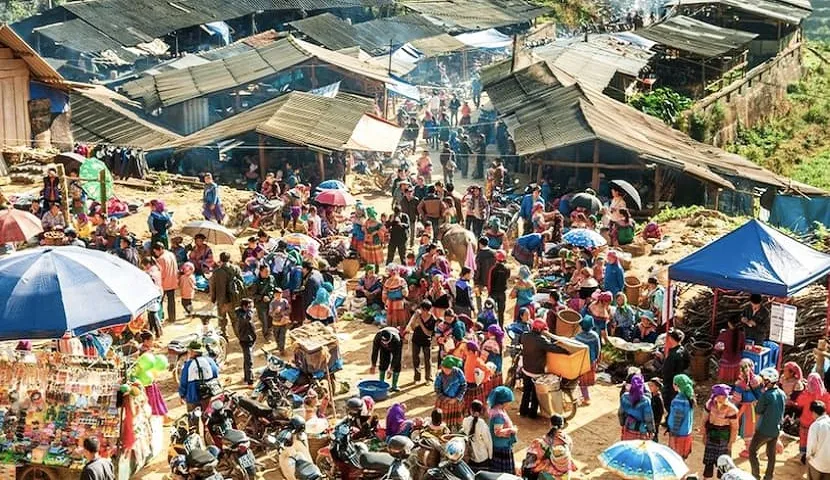
.jpg "What to Do in Bac Ha Vietnam ?")
Leave a Reply
Your email address will not be published. Required fields are marked *