- Call us Via Whatsapp: +84 (0) 832 126 699
4.9 stars on our site
(15,000 reviews)
- Monday - Sunday : 08:00 - 17:00
(15,000 reviews)

Vietnam is a land of profound contrasts, a 1,600-kilometer "S-shaped" curve that traverses multiple climate zones, from the tropical humid lowlands of the Mekong Delta to the alpine mists of the northern highlands. For any cyclist dreaming of "Crossing the Dragon," the most critical question isn't just about the bike or the gear—it’s about the timing. Choosing the best time for a Vietnam cycling tour can be the difference between a sun-drenched coastal odyssey and a grueling battle against monsoon rains or sweltering 40-degree heat.
Because Vietnam is so long and geographically diverse, it is impossible to find a single day where the weather is "perfect" from the northern border to the southern tip. However, there are strategic windows where the conditions are optimized for long-distance riding. In this exhaustive guide, we will break down the seasons, the regional micro-climates, and the logistical advantages of different months, helping you plan your journey with Golden Cycling Tours. Whether you are looking for a South to North Vietnam cycling adventure or an epic North to South traverse, your success starts with the calendar.
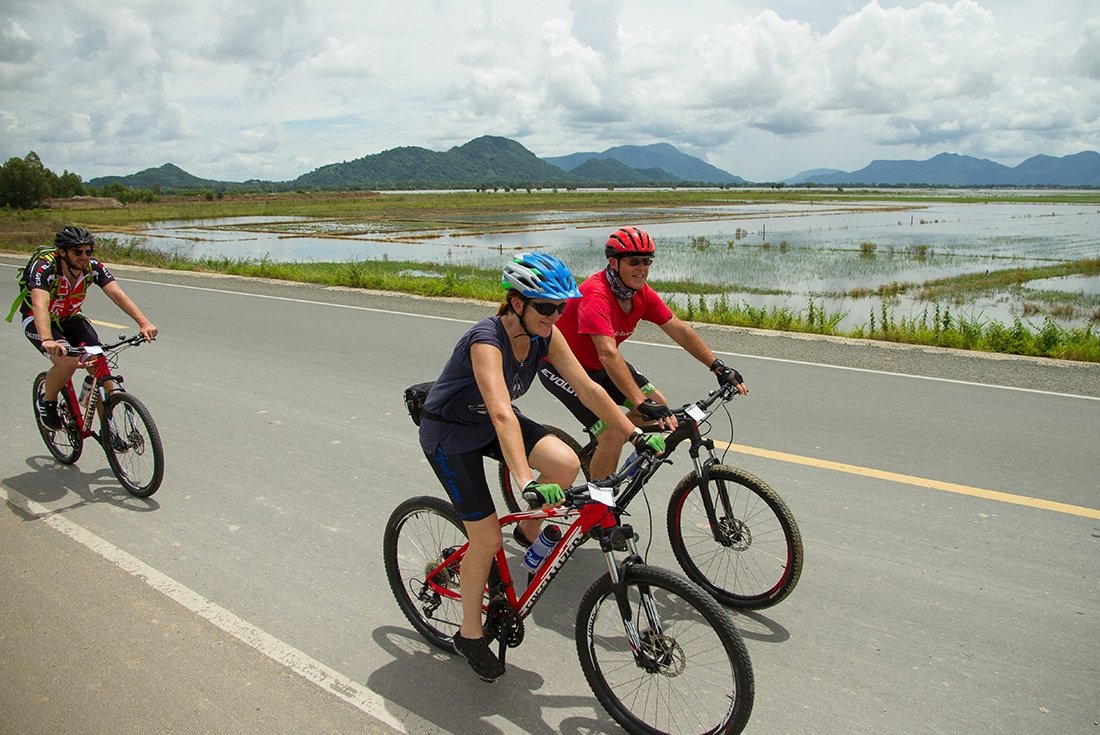
To understand the best time for a Vietnam cycling tour, you must first understand the three distinct regions that define the country’s weather patterns.
The North experiences four distinct seasons. Winter (December to February) can be surprisingly cold and misty, especially in the mountains around Sapa or Ha Giang. Summer (May to August) is hot and wet. The "Goldilocks" periods are Spring (March to April) and Autumn (September to November), when temperatures are moderate and the skies are often clear.
This region has a unique cycle. While the rest of the country might be dry, Central Vietnam can experience heavy rains and even typhoons from October to December. The best time for cycling the central coast is from January to August, when the sun is out and the East Sea is at its most turquoise.
The South is consistently tropical, with temperatures rarely dipping below 25°C. It is divided into two seasons: the Dry Season (November to April) and the Rainy Season (May to October). Even in the rainy season, downpours are usually short and predictable, making it a viable year-round destination for those who don't mind the humidity.
If you are looking for the absolute best time for a Vietnam cycling tour that covers the entire length of the country, Spring is the undisputed champion.
During these months, Southern Vietnam is in its peak dry season—sunny, blue skies and manageable humidity. As you move into Central Vietnam, the winter rains have ceased, and the temperature is perfect for tackling the legendary Hai Van Pass. Reaching Northern Vietnam, you’ll find the landscape blooming and the temperatures cool enough for the demanding climbs toward Hanoi.
Late January or early February often hosts Tet, the Vietnamese Lunar New Year. While cycling during Tet offers a unique cultural perspective (and quiet roads!), travelers should be aware that many shops and restaurants close for a few days. At Golden Cycling Tours, we curate special Tet itineraries for those who want to witness the country’s most important festival from the saddle.
For photographers and those who want to see Vietnam at its most "vibrant," Autumn is a spectacular alternative.
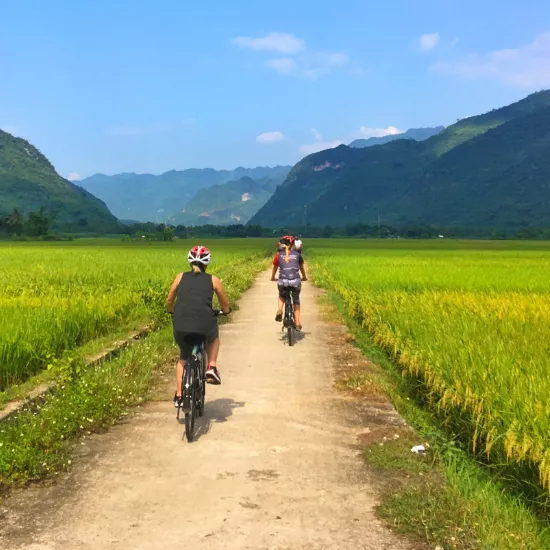
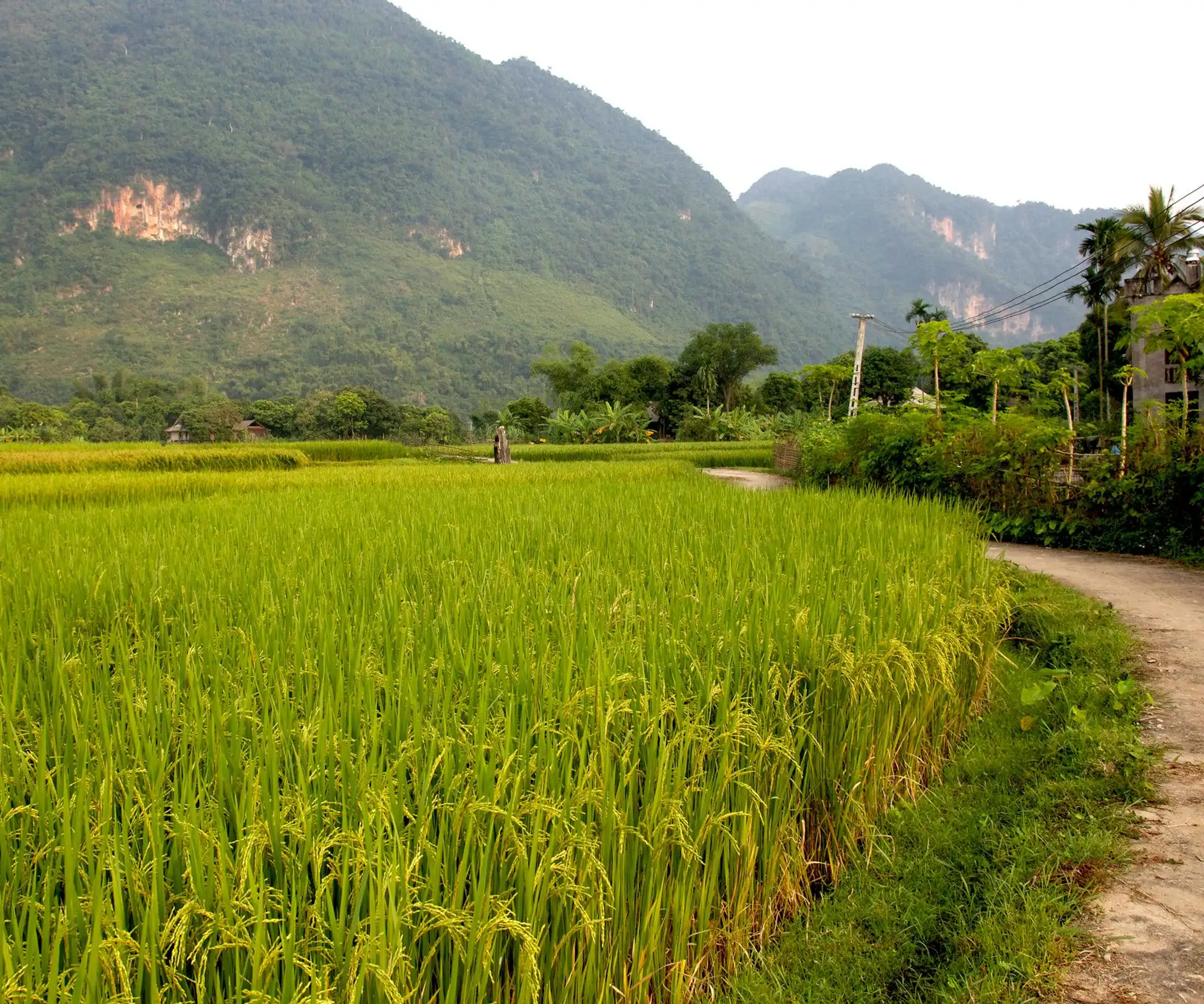
In September and October, the terraced rice fields of Northern Vietnam (Ninh Binh and the mountain valleys) turn a shimmering gold as they reach harvest time. Cycling through these landscapes is a surreal, cinematic experience.
While the North and South are beautiful in Autumn, cyclists on a South to North or North to South tour must be prepared for the monsoon in Central Vietnam. October and November often see high rainfall in Hue and Hoi An. If you choose this window, high-quality rain gear and the professional support of a vehicle-backed tour are essential.
Cycling Vietnam in the summer is not for the faint of heart, but it offers rewards for those who can handle the heat.
During the summer, the sun rises early. Professional tours like those offered by Golden Cycling Tours adjust the schedule to start at 5:00 AM or 5:30 AM. By the time the midday heat peaks at 11:30 AM, you have already completed 60-80km and can spend the afternoon relaxing by a pool or in an air-conditioned cafe.
The "Rainy Season" in the South and North makes the countryside explode with life. The rice paddies are at their greenest, and the tropical fruits (mangoes, durians, dragon fruit) are in peak season. If you are a tropical enthusiast, this might be your best time for a Vietnam cycling tour.
Does the direction of your trip affect the weather you experience? Absolutely.
Many riders choose the South to North route starting in February. By starting in the tropical south and moving north, you are effectively "following the spring." You begin in the warmth of the Mekong Delta and gradually move into the cooler northern climate as your fitness levels (and body heat) increase.
Choosing the North to South route is popular for those starting in late Autumn (October/November). You start in the crisp, dry north and move toward the warmth of the south. This is often preferred by riders who want to end their 1,600km odyssey with a celebratory finish on the sunny beaches of the south or the vibrant streets of Saigon.
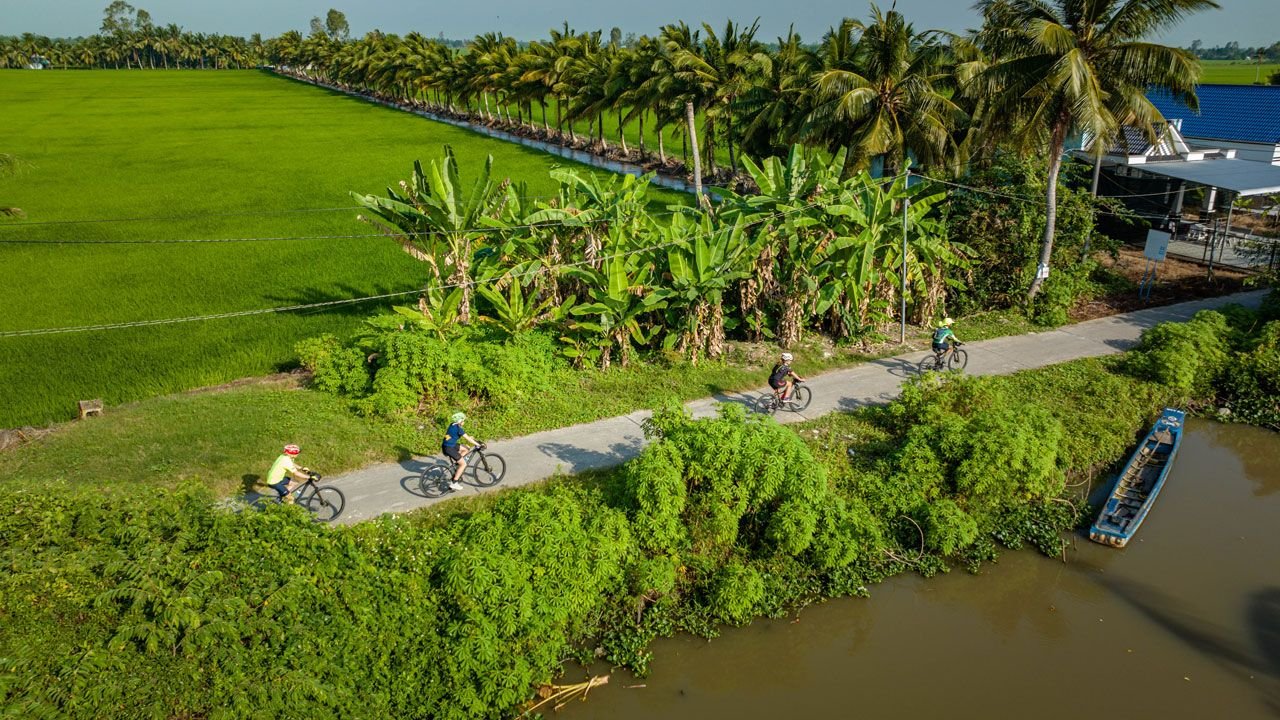
Best Months: December to March.
What to expect: Flat terrain, low humidity, and colorful fruit orchards in full bloom.
Best Months: February to August.
What to expect: The most beautiful coastal riding in Asia, with the Hai Van Pass offering clear views of the East Sea.
Best Months: March, April, October, November.
What to expect: Dramatic limestone karsts and cool, misty mornings that are perfect for endurance riding.
The best time for a Vietnam cycling tour also dictates your packing list.
Dry Season (Nov-April): Focus on sun protection. Lightweight, long-sleeved jerseys (SPF 50+), polarized sunglasses, and cooling buffs are mandatory.
Wet Season (May-Oct): Focus on breathability. High-end GORE-TEX or lightweight rain shells that don't trap heat are vital. You'll also want waterproof panniers or dry bags for your electronics.
Winter in the North (Dec-Feb): If you are tackling the northern mountains, you will need a thermal base layer and a windproof jacket. It can drop to 5°C in the highlands!
Predicting the weather in Vietnam requires local intuition. At Golden Cycling Tours, we have spent decades mapping these routes. Our itineraries are not static; they are designed to maximize the chances of good weather.
Flexible Scheduling: We know exactly when to start the day to avoid the heat or the predictable afternoon showers of the rainy season.
Professional Support: Our "sag wagon" (support van) is equipped to handle all weather. If a sudden storm hits Central Vietnam, you can hop in the van and safely bypass the worst of it.
Local Knowledge: Our guides know the "micro-climates" of the mountain passes. They can tell by the clouds over the Hai Van Pass whether it’s safe to climb or if we should wait for a window of clarity.
Gear Provision: We provide high-quality Trek and Giant bikes that are maintained to handle everything from dusty trails to wet coastal roads.
Whether you book the South to North or the North to South tour, we ensure that the timing is optimized for your comfort and safety.
Part of the best time for a Vietnam cycling tour is the seasonal food!
Spring: Enjoy Banh Chung and festive treats during the Tet period.
Summer: The peak for tropical fruits. There is nothing like a cold coconut or a fresh mango after a 90km ride.
Autumn: The best time for grilled meats and hearty soups in the north as the air turns crisp.
Winter: Perfect for spicy Bun Bo Hue or a steaming bowl of Pho to warm your core after a misty morning ride.
There is no "bad" time to see Vietnam, but there is certainly a best time for a Vietnam cycling tour tailored to your personal preferences. If you want blue skies and moderate heat, target the Spring (February–April). If you want to see the golden harvest of the north, target the Autumn (September–October).
Regardless of when you choose to go, the key to success is professional logistics and a flexible mindset. Vietnam’s weather is part of its charm—the mist over the mountains and the sun on the coast are all part of the story you will tell for years to come.
Are you ready to start your cross-country adventure? Contact Golden Cycling Tours today. Whether you want to head South to North or North to South, we have the expertise to ensure your journey is the experience of a lifetime.
1. What is the hottest month for cycling in Vietnam? June and July are typically the hottest months, with temperatures in Central and Northern Vietnam often exceeding 35-38°C (95-100°F). During this time, we start our rides at daybreak to beat the heat.
2. Is it possible to cycle during the rainy season? Yes! The "rainy season" usually means a heavy downpour for 1-2 hours in the afternoon. It is rarely a "washout" all day. The rain provides a welcome cooling effect, and the countryside is incredibly lush.
3. Does Northern Vietnam really get cold? Yes. Between December and February, temperatures in Hanoi can drop to 10-15°C, and in the mountains (Sapa/Ha Giang), it can dip toward freezing. If you cycle during this time, you must bring layers.
4. When is the best time for the Hai Van Pass? For the best views, aim for March to August. This window offers the highest probability of clear skies, allowing you to see the entire curve of Da Nang Bay from the summit.
5. How far in advance should I book my tour? For peak seasons (Spring and Autumn), we recommend booking at least 4-6 months in advance to ensure availability and the best hotel selections.
"I was nervous about the heat, but Golden Cycling Tours managed our schedule perfectly. Starting at 5:30 AM meant we were done by noon, sipping cold beers by the beach while the sun was at its peak. February was a dream!" — Mark T., UK
"We chose the South to North route in March. The weather transition was fascinating—from the tropical warmth of Saigon to the misty, cool mornings of Ninh Binh. Truly the best time for a Vietnam cycling tour." — Sarah & James, Canada
"Cycling through the golden rice fields in September was the highlight of my year. Yes, we had one rainy afternoon in Hue, but the support van was right there, and we were in our hotel with hot tea in minutes. Professional service!" — Elena R., Italy

Leave a Reply
Your email address will not be published. Required fields are marked *