- Call us Via Whatsapp: +84 (0) 832 126 699
4.9 stars on our site
(15,000 reviews)
- Monday - Sunday : 08:00 - 17:00
(15,000 reviews)

Northern Vietnam is a land of vertical extremes. For those who live for the sensation of gravity pulling them toward the horizon, there is one experience that stands as the pinnacle of Southeast Asian mountain biking: the journey downhill into Sapa Valley by bike. Sapa is not just a destination; it is a sprawling, high-altitude arena where the Hoang Lien Son mountain range meets the deep, emerald basins of the Muong Hoa and Ban Ho valleys.
At Golden Cycling Tours, we have spent years mapping the secret ridges and ancient buffalo paths of this region. We know that the true magic of Sapa isn't found in the crowded town square, but on the edge of a ridge line, looking down into a valley floor thousands of feet below, knowing that your only way there is through technical skill, reliable equipment, and the sheer thrill of the descent. In this definitive guide, we explore the nuances of a Sapa bike tour with a focus on gravity-fed riding.
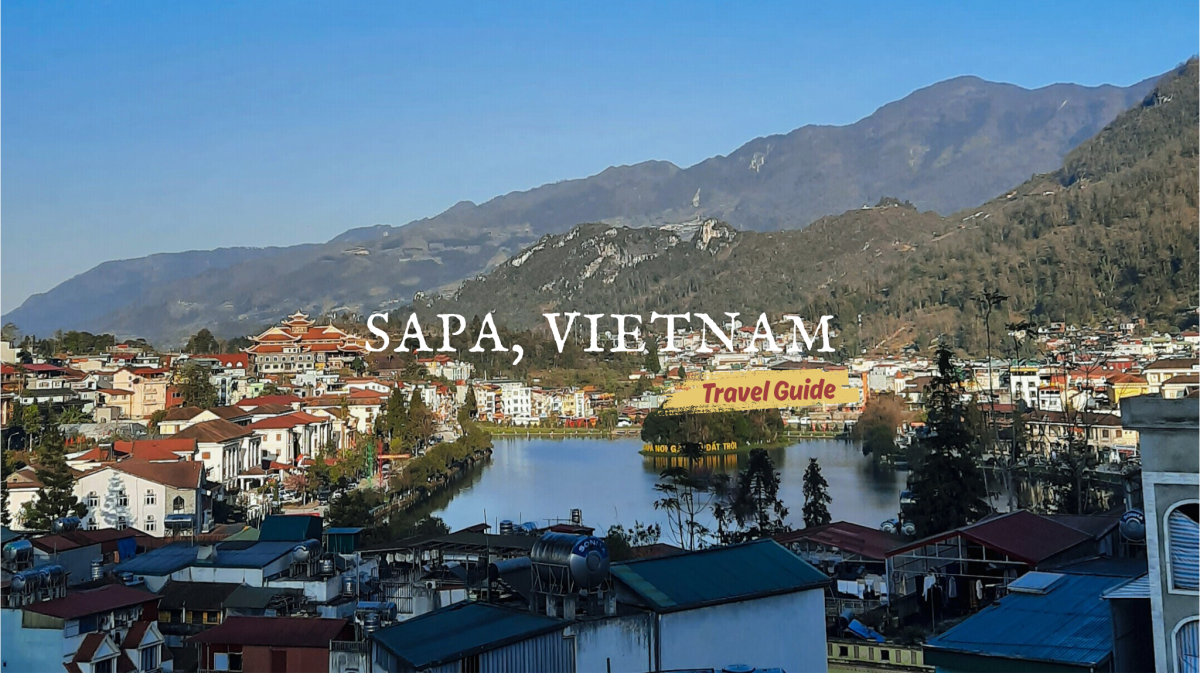
The Hoang Lien Son mountain range acts as the eastern extremity of the Himalayas. This tectonic masterpiece includes Fansipan—the "Roof of Indochina"—which towers at 3,143 meters. For a cyclist, this geography creates a unique scenario: massive elevation drops over relatively short horizontal distances.
When you start a descent downhill into Sapa Valley by bike, you aren't just changing your location; you are traversing climate zones. You start in the cool, mist-drenched alpine air of the high passes and descend into the humid, lush tropical microclimates of the valley floors. This dramatic shift is what makes a Vietnam Northwest Bike Tour so visually and physically diverse.
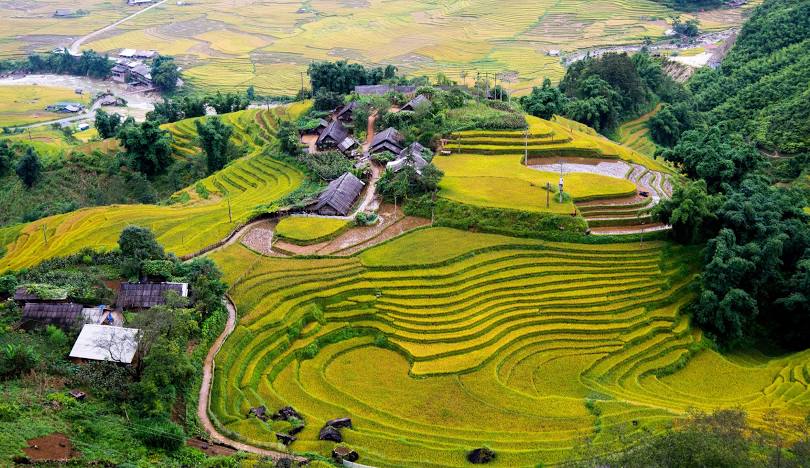
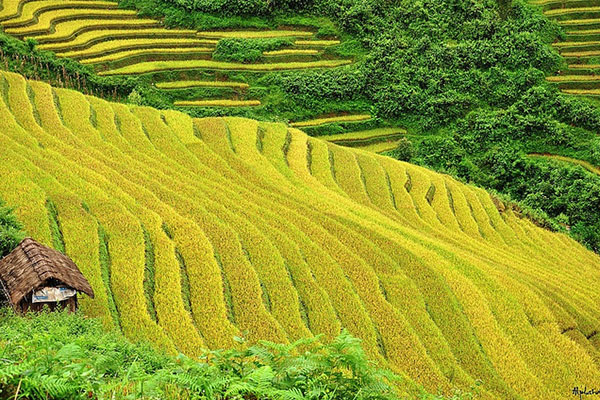
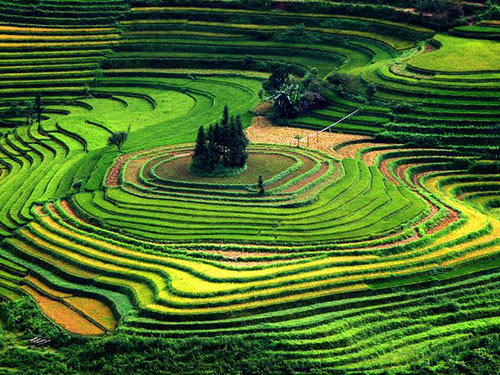
The Sapa Valley is actually a series of interconnected valleys, the most famous being the Muong Hoa Valley. The valley walls are steep, often exceeding 30-degree gradients, which has forced local ethnic groups to carve the legendary rice terraces into the slopes. For mountain bikers, these slopes provide the foundation for some of the world’s most scenic and technical descents.
The "trails" in Sapa are a mix of ancient trade routes, modern concrete village roads, and narrow paths used by water buffalo and farmers. This variety ensures that every downhill into Sapa Valley by bike is unique. You might spend ten minutes on high-speed asphalt before diving into a technical single-track through a bamboo forest or over a rocky stream bed.
To get the most out of your gravity-fueled journey, you must target the specific routes that offer the best "flow" and the most dramatic scenery.
The O Quy Ho Pass is the highest mountain pass in Vietnam, reaching an altitude of over 2,000 meters. Starting at "Heaven's Gate," the descent toward Sapa and then further into the valley is a legendary experience.
The Descent: Nearly 25 kilometers of winding roads with views that stretch all the way to the Chinese border.
Technicality: Primarily high-speed paved road with sharp switchbacks that test your cornering and braking.
The Connection: This pass serves as the gateway to our Lai Chau bike tours, where the mountains become even more rugged and the tourism vanishes.
This is the quintessential downhill into Sapa Valley by bike. Starting from the ridge that overlooks the valley, you drop through several layers of civilization.
The Ride: You pass through Hmong villages like Lao Chai, where the path becomes a mix of rocky tracks and narrow village "streets."
The Experience: You are riding through the heart of the world's most beautiful rice terraces. The descent is technical, requiring good balance and active suspension. This is a core component of our Sapa bike tours.
For those who want to escape the main tourist corridors, the descent into the southern part of the Sapa Valley is unparalleled.
The Vertical: A massive drop from the high ridges down to the riverside village of Ban Ho.
The Terrain: Often muddy and rocky, this route takes you through Red Dao territory.
The Reward: The descent ends at a river where you can wash off the trail dust before spending the night in a traditional Tay stilt house.
While descending downhill into Sapa Valley by bike is the primary draw, the Northwest of Vietnam offers a much larger playground for those with more time.
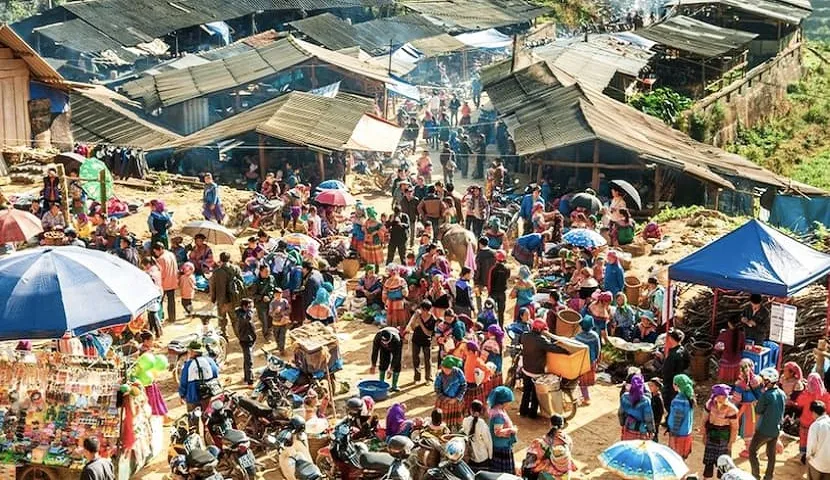
East of Sapa lies the Bac Ha plateau. A Bac Ha bike tour offers a different kind of "downhill"—less vertically extreme than Sapa but featuring flowy, red-dirt trails through plum and peach forests. The culture here is dominated by the Flower Hmong, making it a vibrant addition to any itinerary.
Heading south leads you to the Mu Cang Chai district of Yen Bai. Our Yen Bai Bike Tours are world-famous for their harvest-season beauty. The descent through the Khau Pha Pass is one of the "Four Great Passes" and offers a rush that rivals O Quy Ho.
For the ultimate enthusiast, our Vietnam Northwest Bike Tour combines all these regions. It is a 10-to-14-day odyssey that takes you across the entire northern frontier, ensuring you experience every major descent the region has to offer.
Descending a mountain in Northern Vietnam is not the same as riding a manicured bike park in Europe or North America. The conditions are raw, unpredictable, and demand respect.
In Sapa, your brakes are your lifeline. A 20-kilometer descent can easily overheat entry-level mechanical brakes.
Equipment: At Golden Cycling Tours, we provide bikes with high-performance hydraulic disc brakes.
Technique: Learn to "feather" your brakes rather than "dragging" them to prevent heat buildup and brake fade.
The "downhill into Sapa Valley by bike" experience often involves "hero dirt" in the morning and "greasy mud" in the afternoon.
Tires: We use aggressive knobby tires with high-volume casings to provide maximum grip on loose rock and wet clay.
Suspension: A minimum of 120mm to 140mm of travel is recommended. Our Sapa bike tours utilize well-maintained air-suspension systems from Trek and Giant.
Gravity riding is 90% vision. In Sapa, you must look far ahead to spot water buffalo, roaming pigs, or a sudden landslide on the trail.
The "Attack" Position: Keep your heels down, elbows out, and your weight centered. This allows the bike to move beneath you while you stay stable.
One of the reasons a downhill into Sapa Valley by bike is so world-renowned is that the trails are living artifacts. These paths have been used for a thousand years by the Hmong, Red Dao, and Giay people.
When you ride through a village, you aren't just a tourist; you are a curiosity. Children will run out to high-five you, and elderly women in indigo dress will watch with amusement as you navigate their backyard trails. We prioritize these interactions in our Guaranteed Tours, ensuring that our visits benefit the local communities through homestays and local support.
The rice terraces are a result of centuries of labor. As cyclists, we must stay on the designated paths. Riding through a rice paddy can destroy a farmer's livelihood for an entire season. Our guides at Golden Cycling Tours are local experts who ensure that we ride ethically and sustainably.
Sapa’s weather is the most temperamental in Vietnam. Choosing your window carefully will determine whether your downhill into Sapa Valley by bike is a misty dream or a muddy ordeal.
September to November (The Harvest): This is the peak. The weather is dry, the visibility is endless, and the rice terraces are a shimmering gold. This is the busiest time for our Vietnam Northwest Bike Tours.
March to May (The Spring): The "blossom season." Peach and plum trees are in bloom, and the air is crisp. The trails are usually in excellent condition.
The "Green" Season (June to August): It will rain. The trails will be muddy. However, the waterfalls are at their most powerful, and the valley is a vibrant, glowing green.
Descending 1,500 meters is exhilarating, but climbing it back up in 90% humidity can be brutal. Every Golden Cycling Tours expedition is followed by a professional support van.
The "Shuttle" Service: Our vans act as shuttles to the top of the pass, allowing you to focus on the downhill without the exhausting climb.
Safety & Mechanics: The van carries spare parts, first aid kits, and ice-cold refreshments for when you reach the valley floor.
Navigating the Sapa highlands requires more than just a bike; it requires a deep understanding of the terrain, the people, and the logistics.
Premium Equipment: We don't use "budget" bikes. Our fleet consists of high-end mountain bikes that are built for the rigors of the Hoang Lien Son.
Expert Local Guides: Our guides grew up in these valleys. They know the shortcuts, the history, and the people. They aren't just guides; they are your hosts in the mountains.
Safety & Reliability: We are one of the few operators in Northern Vietnam with a comprehensive safety protocol and a full support network.
Community Focus: We work directly with ethnic minority families to provide authentic homestays and cultural experiences.
Sarah from the UK:
"The downhill into Sapa Valley by bike was the single most exciting thing I did in Vietnam. The descent from the Muong Hoa ridge was technical, beautiful, and completely unforgettable. Golden Cycling Tours provided a fantastic bike and a guide who really knew his stuff."
Mark from Australia:
"I've mountain biked all over the world, but Sapa is unique. The verticality is mind-blowing. The support van was a lifesaver—we got to do the O Quy Ho descent twice because the shuttle was so efficient! Highly recommend their Sapa Bike Tours."
Elena from Spain:
"I joined a Guaranteed Tour alone and met the best group of people. Riding through the Red Dao villages was like stepping back in time. The descent into Ban Ho was challenging but so rewarding."
Q: Do I need to be a professional mountain biker? A: No. While the term "downhill" sounds intense, we have routes for all levels. If you are an intermediate rider, we have paved descents. If you are an expert, we have technical single-tracks.
Q: What is included in the tour? A: Typically, our tours include a high-end bike, a professional guide, support vehicle, all meals, water, and accommodation (hotels or homestays).
Q: Is it safe for solo female travelers? A: Absolutely. Our Guaranteed Tours are perfect for solo travelers. You’ll be part of a supportive group with professional guides who prioritize your safety.
Q: Can I bring my own bike? A: You can, but Sapa's mud and rocks are hard on equipment. We recommend using our bikes, but if you bring your own, our mechanics are happy to help you maintain it.
Q: How do I book? A: You can browse our website or go directly to our Guaranteed Tours page to see our upcoming departure dates.
A journey downhill into Sapa Valley by bike is more than just a physical descent; it is an emotional and cultural ascent. It challenges your limits while rewarding you with some of the most beautiful sights on the planet. From the high passes of Lai Chau bike tours to the golden terraces of Yen Bai Bike Tours, the Northwest of Vietnam is waiting for you.
Join Golden Cycling Tours and discover the rhythm of the mountains. Whether you are seeking a 1-day adrenaline rush or a 2-week Vietnam Northwest Bike Tour, we are ready to take you there.

.jpg "What to Do in Bac Ha Vietnam ?")
Leave a Reply
Your email address will not be published. Required fields are marked *