- Call us Via Whatsapp: +84 (0) 832 126 699
4.9 stars on our site
(15,000 reviews)
- Monday - Sunday : 08:00 - 17:00
(15,000 reviews)

Sapa is a name that resonates with adventure, but while many travelers stick to the well-trodden paths of the town center or the Muong Hoa valley's entrance, the true spirit of the Northwest is found much deeper. A ban ho cycling tour offers a visceral, high-definition journey into the "Deep South" of Sapa, where the climate warms, the rivers widen, and the stilt houses of the Tay people replace the mountain cottages of the Hmong.
At Golden Cycling Tours, we believe that the best way to discover these hidden corners is on two wheels. A bicycle allows you to cover the vast distances between villages while remaining intimately connected to the sounds, smells, and smiles of the highlands. In this definitive guide, we explore why Ban Ho is the ultimate destination for cycling enthusiasts and how you can plan the perfect expedition.
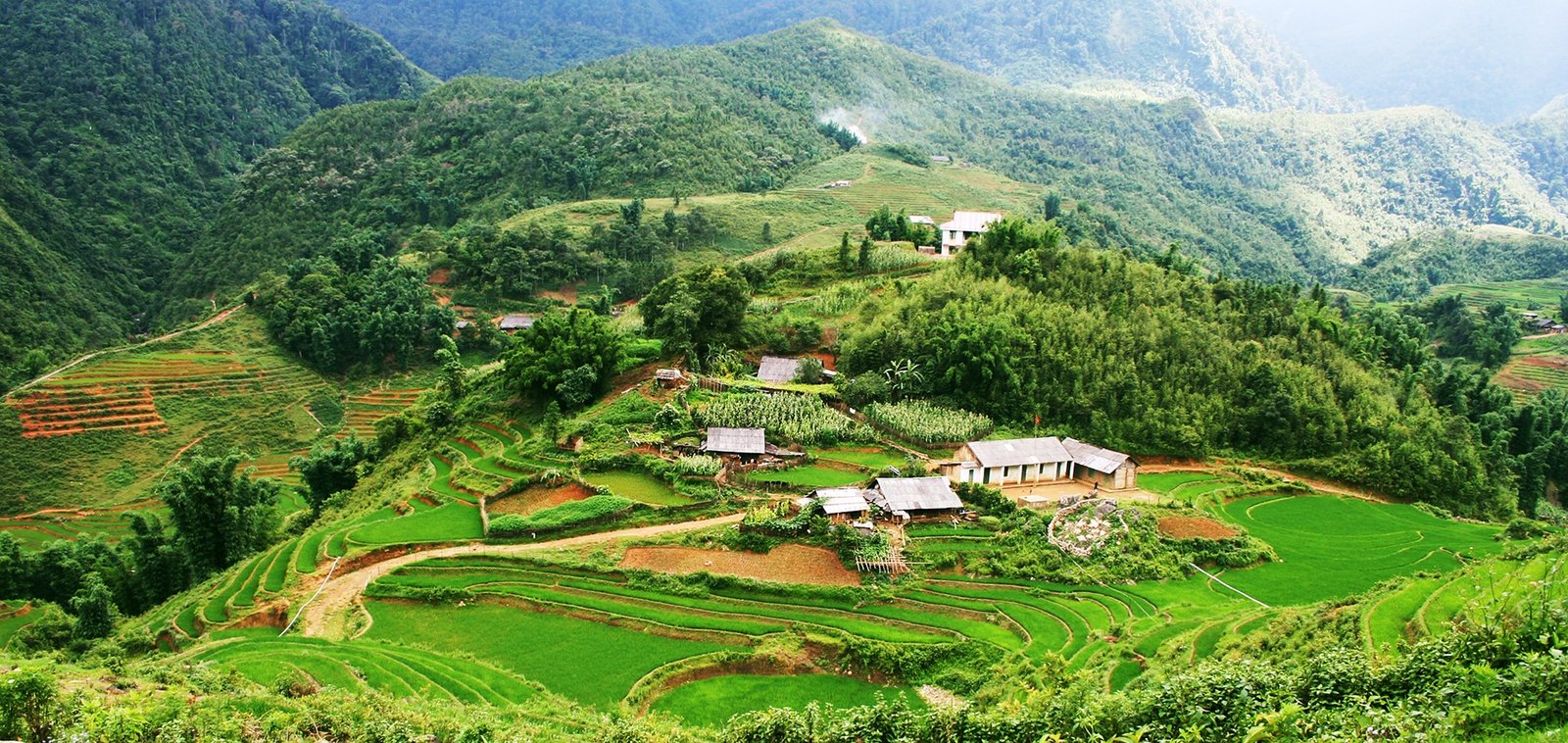
Ban Ho is distinct from the rest of Sapa. Located roughly 25 to 30 kilometers south of Sapa town, it sits at a much lower altitude. This geographical shift creates a unique environment that is perfect for a multi-faceted adventure.
As you descend on your ban ho cycling tour, you will notice the air getting warmer and the vegetation becoming lusher. While Sapa town is often shrouded in mist and pine forests, Ban Ho is home to tropical fruits, wider river basins, and the spectacular Lavie Waterfall. The terrain is a mix of exhilarating high-speed descents on asphalt and technical single-tracks that weave through cornfields and rice paddies.
Unlike the Black Hmong or Red Dao who inhabit the higher slopes, Ban Ho is the territory of the Tay ethnic minority. The Tay are famous for their beautiful wooden stilt houses, which are elevated above the ground to protect against moisture and wildlife. Their culture is centered around the river and wet-rice cultivation, offering a fascinating cultural contrast for those who have already experienced our Sapa bike tours.
A typical ban ho cycling tour with Golden Cycling Tours is an odyssey that spans the most iconic landscapes of the Northwest.
The journey begins with a climb out of Sapa town toward the Muong Hoa valley. On a clear day, you can see the entire valley laid out beneath you like an emerald patchwork quilt. This initial section is all about the grand panorama.
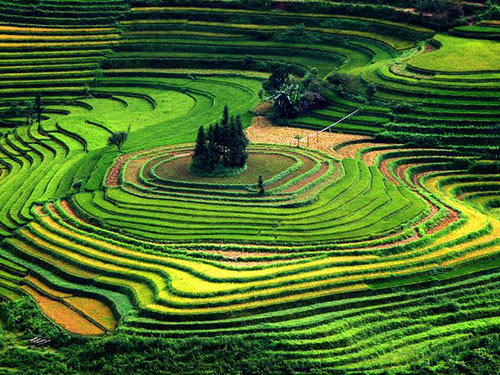
As we move deeper into the valley, we pass through the heartland of the Hmong and Giay people. These villages are home to some of the most spectacular rice terraces in the world. We often take the "backdoor" trails—narrow buffalo paths that allow you to ride directly through the middle of the fields, far away from the tourist crowds.
The highlight for many mountain bikers is the long, winding descent from the Su Pan ridge down to Ban Ho. This section drops hundreds of meters in elevation through a series of sharp switchbacks and rocky sections. It is a true test of your braking skills and handling, making it a favorite for those who join our guaranteed tours.
Once you reach the valley floor, your ban ho cycling tour shifts from high-adrenaline riding to deep cultural immersion.
Ban Ho is defined by the intersection of the Muong Hoa and La Ve streams. After a long ride, there is nothing more refreshing than a swim in the cool, clear mountain water. We often stop at the "Love Waterfall" (different from the one near the Heaven's Gate) where guests can jump into natural pools surrounded by jungle.
We prioritize staying in authentic Tay stilt houses. Sleeping on a clean mattress under a mosquito net in a house that has stood for generations is an experience you won't forget. In the evening, the "Tay kitchen" comes alive with the smell of grilled pork with ginger, bamboo shoots, and the legendary "Happy Water" (local rice wine). This level of authenticity is a core part of all our Vietnam Northwest Bike Tours.
Ban Ho is famous for its natural hot springs. The minerals in the water are said to be incredibly healing for muscles—the perfect remedy for a cyclist’s tired legs. Soaking in these warm waters while looking out over the rice fields as the sun sets is the definition of "adventure luxury."
While Ban Ho is a destination in itself, it also serves as a critical link in the broader Northwest cycling circuit.
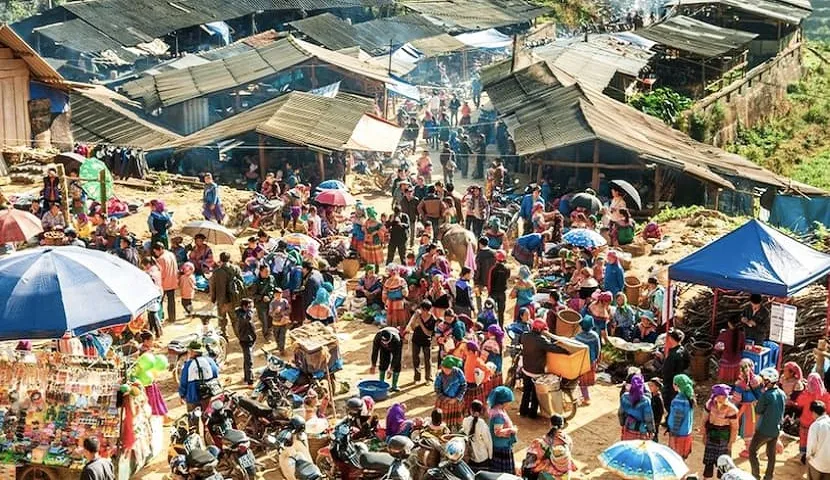
If you have the stamina, your ban ho cycling tour can continue eastward across the Red River toward the Bac Ha plateau. A Bac Ha bike tour offers a drier, more rolling landscape and the chance to witness the colorful markets of the Flower Hmong people.
For those who crave raw, untamed mountains, we can connect Ban Ho back toward the O Quy Ho pass and into Lai Chau. Our Lai Chau bike tours are designed for those who want to see the limestone canyons and meet the Lu and Lao ethnic groups.
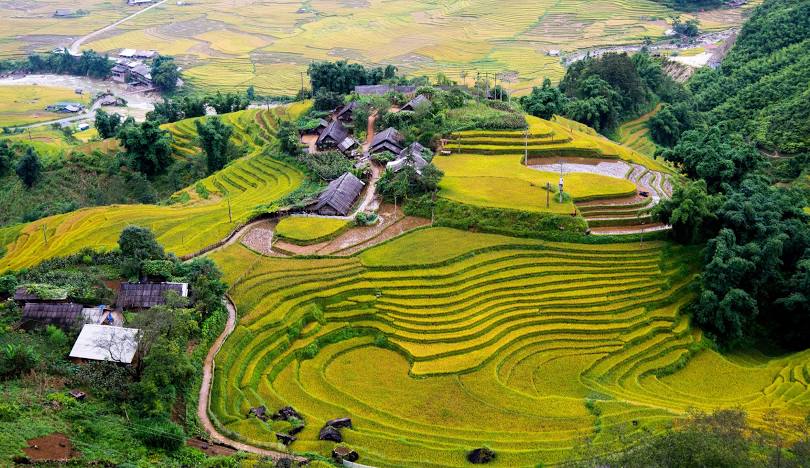
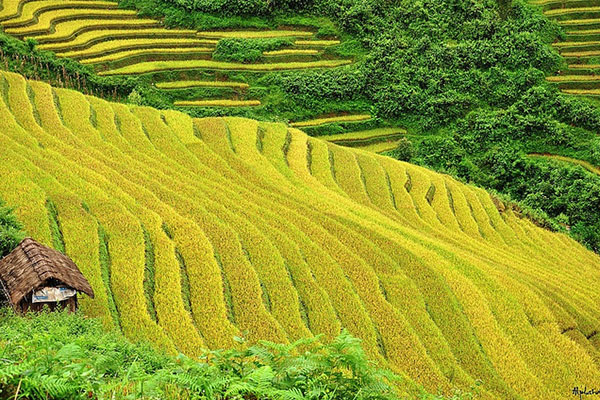
Heading further south from Ban Ho leads you toward the Mu Cang Chai district. Our Yen Bai Bike Tours focus on the world-heritage rice terraces that turn a brilliant gold in September and October.
A ban ho cycling tour is demanding. The verticality of the Northwest is unforgiving, and you need to be prepared.
In these mountains, your bike is your lifeline.
Hydraulic Disc Brakes: Non-negotiable for the long descents.
Wide Gearing: You will need a wide range (e.g., 1x12) to handle the 15% gradients found on the village paths.
E-Bikes: For those who want to enjoy the scenery without the physical agony of the climbs, we offer high-performance E-mountain bikes on many of our Sapa bike tours.
We recommend a moderate level of cardiovascular fitness. Practice climbing hills at home and work on your core strength, which is essential for balance on technical single-tracks.
Navigating the Sapa highlands requires local expertise and professional logistics.
Professional Support: Every tour is followed by a support vehicle (the "sag wagon") carrying your luggage, spare parts, and cold water.
Expert Guides: Our guides are locals who speak the dialects and know the hidden trails that aren't on any map.
Quality Equipment: We use only premium bikes, maintained after every ride to ensure safety.
Q: Is the ban ho cycling tour suitable for beginners? A: We can customize the route to use paved roads for a more leisurely experience. However, the terrain is mountainous, so a basic level of fitness is required.
Q: What is the food like during the tour? A: You will enjoy fresh, locally sourced Vietnamese food. Typically, this includes stir-fried pork with ginger, organic greens, and plenty of rice. We easily accommodate vegetarians and vegans.
Q: Do I need to bring my own bike? A: No. We provide high-end mountain bikes. If you have your own pedals or saddle, we can fit them for you.
Q: When is the best time for a ban ho cycling tour? A: September and October are the "Golden Season" for rice. March to May is perfect for clear skies and spring blossoms.
Mark Stephenson (UK):
"The Ban Ho cycling tour was the highlight of my Vietnam trip. The descent was exhilarating, and the hot springs at the end were exactly what I needed. Golden Cycling Tours provided top-notch equipment and an even better guide."
Sarah & David (Australia):
"We've done bike tours all over Asia, but the professionalism of Golden Cycling was outstanding. The trails were spectacular and the Tay homestay was so authentic. Highly recommend their Sapa bike tours."
Klaus (Germany):
"If you want a real adventure, go to Ban Ho. The climb out of the valley is tough but the views are rewarding. Five stars!"
A ban ho cycling tour is more than just a bike ride; it is a transformative journey into the heart of Northern Vietnam. Whether you are swimming in a mountain river, sharing a meal with a Tay family, or conquering a mountain pass, you will leave with memories that last a lifetime.
Join Golden Cycling Tours and discover the rhythm of the mountains. From the high passes of Lai Chau bike tours to the colorful markets of Bac Ha bike tours, the Northwest is waiting for you.

.jpg "What to Do in Bac Ha Vietnam ?")
Leave a Reply
Your email address will not be published. Required fields are marked *