- Call us Via Whatsapp: +84 (0) 832 126 699
4.9 stars on our site
(15,000 reviews)
- Monday - Sunday : 08:00 - 17:00
(15,000 reviews)

Northern Vietnam is a land of vertical extremes, where the earth seems to touch the sky and the clouds dance between emerald-green ridges. For the modern traveler, there are many ways to experience the beauty of the Lao Cai province, but none are as visceral, intimate, or exhilarating as cycling in Sapa Vietnam. While trekking allows for a slow immersion and buses offer a quick overview, the bicycle provides the perfect middle ground—it is fast enough to cover vast mountain landscapes and slow enough to smell the woodsmoke from a Hmong kitchen or hear the rhythmic clicking of a village loom.
At Golden Cycling Tours, we have spent decades mapping the secret paths and ancient trade routes of the Hoang Lien Son mountain range. We believe that a Sapa bike tour is not just a physical activity; it is a gateway to a world that remains remarkably untouched by the rapid modernization of the cities. In this definitive guide, we will explore everything you need to know about navigating these high-altitude trails, from technical gear requirements to the cultural nuances of the ethnic minority villages you will encounter along the way.
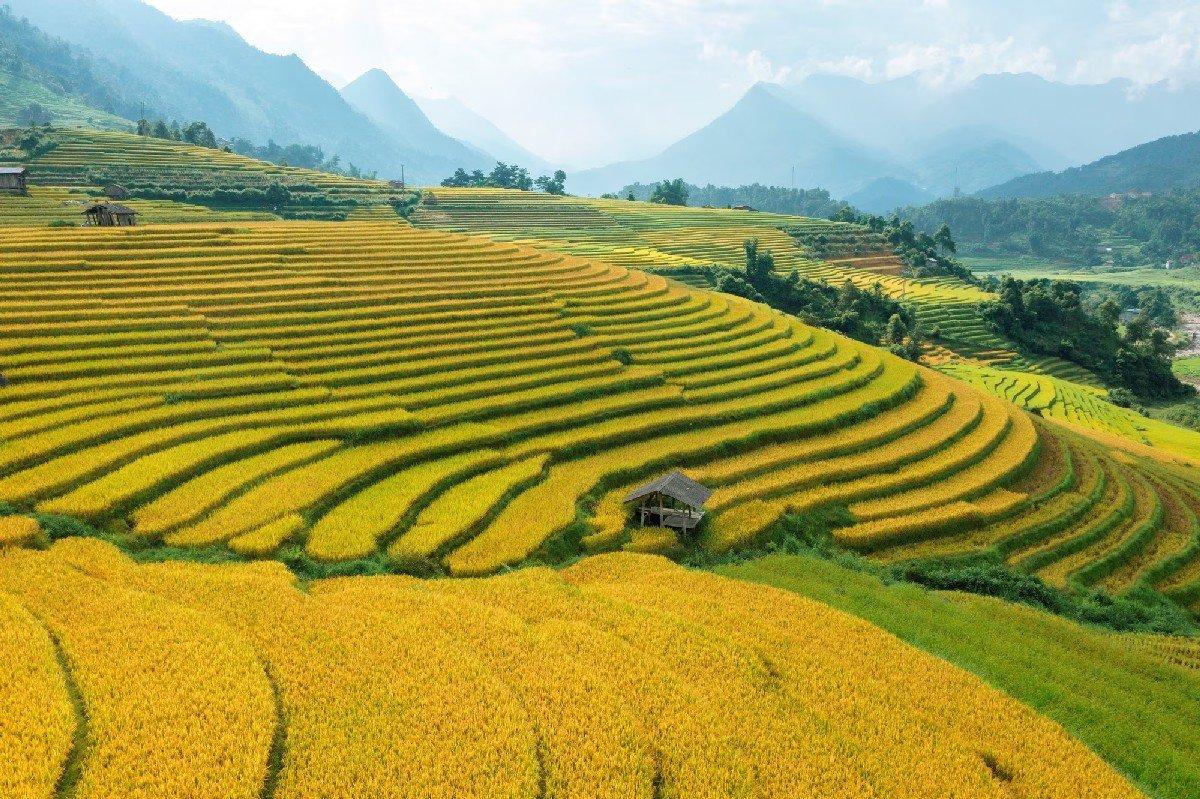
Sapa sits at an altitude of approximately 1,500 meters, perched on the edge of the Muong Hoa Valley and overshadowed by Fansipan, the highest peak in Indochina. This geography dictates the nature of cycling in Sapa Vietnam. It is a world of verticality. Every climb is rewarded with a panoramic vista of cascading rice terraces, and every descent is a masterclass in technical handling.
The landscape here was not designed for the faint of heart. The gradients often exceed 10%, requiring a solid baseline of cardiovascular fitness. However, for those who embrace the challenge, the rewards are unparalleled. You aren't just riding on roads; you are navigating a three-dimensional tapestry of mountains. Whether you are grinding up the O Quy Ho Pass or descending into the deep basin of the Muong Hoa Valley, the terrain is constantly engaging.
One of the most remarkable aspects of cycling in Sapa Vietnam is the rapid transition between ecosystems. You can start your morning in an alpine pine forest shrouded in mist and, by noon, be pedaling through a humid bamboo thicket by a rushing river at the valley floor. This biodiversity is what makes a Vietnam Northwest Bike Tour so visually stimulating—the colors, the scents, and the temperature change with every thousand meters of elevation gain or loss.
To truly understand Sapa, you must venture beyond the tourist-heavy town center and into the deep valleys where life follows the rhythm of the harvest.
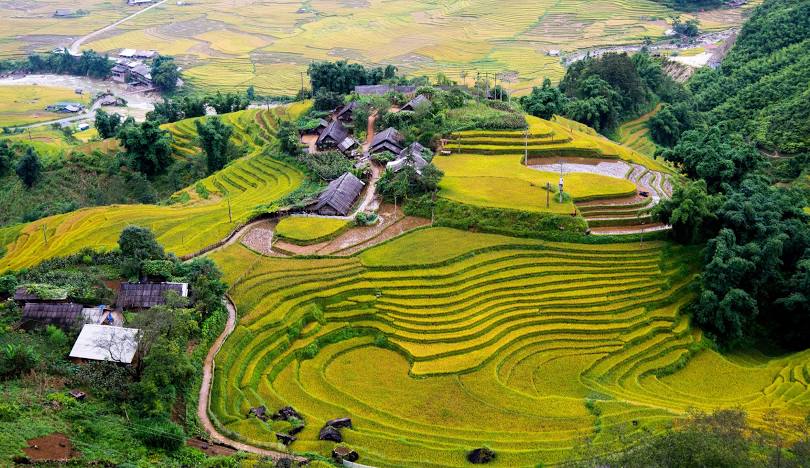
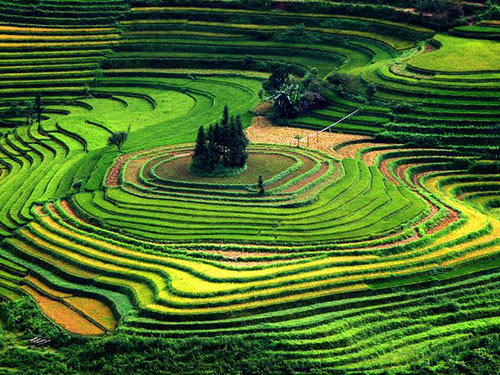
The Muong Hoa Valley is home to the most iconic rice terraces in Vietnam. A typical day trip involves starting from Sapa town and descending sharply toward the villages of Lao Chai and Ta Van.
The Riding: A mix of paved village roads and technical single-tracks.
The Highlights: Ancient rock carvings, suspension bridges over the Muong Hoa River, and interaction with the Black Hmong and Giay people.
Why it matters: This is the quintessential Sapa bike tour experience, providing a perfect introduction to the region’s beauty.
Stretching nearly 50 kilometers, the O Quy Ho Pass connects Lao Cai to Lai Chau. It is one of the "Four Great Passes" of Northern Vietnam and a bucket-list item for any road cycling enthusiast.
The Challenge: A sustained climb to "Heaven's Gate" at over 2,000 meters.
The View: Looking back toward Sapa, you can see the road snaking through the valley like a silver ribbon. For those looking to push further west, our Lai Chau bike tours pick up right where this pass ends.
Heading south takes you away from the crowds and into the territory of the Red Dao people.
The Terrain: Extremely steep descents and remote forest paths.
The Culture: Nam Cang is famous for its herbal medicine. After a long day of cycling in Sapa Vietnam, there is no better recovery than a traditional herbal bath in a wooden tub at a local homestay.
While Sapa is the primary hub, the true magic of the Northwest is found in the connections between its diverse regions. A comprehensive cycling holiday should bridge these gaps.
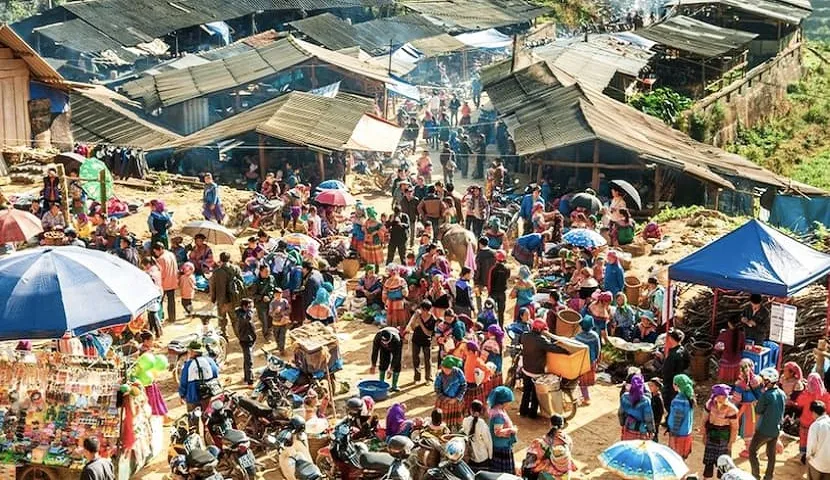
East of Sapa lies the Bac Ha plateau. A Bac Ha bike tour offers a different vibe—less vertical than Sapa but rich in color. The Flower Hmong people dominate the Sunday markets here, and the trails weave through white plum forests that are spectacular during the spring blossom.
Continuing west from Sapa leads you to the raw wilderness of Lai Chau. Our Lai Chau bike tours are for the explorers. The mountains are jagged, the river canyons are deep, and the local Lu and Lao people maintain traditions that have vanished elsewhere.
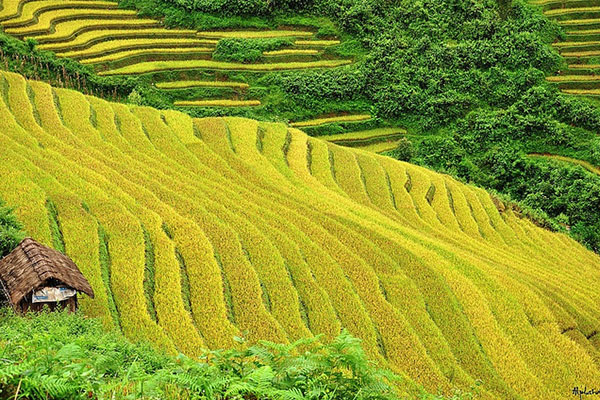
To the south, Yen Bai Bike Tours focus on the Mu Cang Chai district. This is where you will find the most dramatic rice terraces in the world. Cycling through Yen Bai during the "Golden Season" in late September is a life-defining experience.
For those with 10 to 14 days, the Vietnam Northwest Bike Tour is the ultimate challenge. It connects Sapa, Bac Ha, Lai Chau, and Yen Bai into one seamless adventure, taking you across the highest passes and into the deepest valleys of the country.
The mountains of Sapa are unforgiving to those who are unprepared. To enjoy your journey, you need the right machine and a sensible approach to safety.
In Sapa, your bike is your lifeline.
Brakes: Hydraulic disc brakes are essential. The 1,500-meter descents common in the region can cause rim brakes to overheat or mechanical cables to stretch.
Gearing: Ensure your bike has a wide range. Gradients of 10% to 15% are common, so you need a low "climbing" gear.
Suspension: A front-suspension mountain bike (hardtail) is the minimum, but for the technical village paths, a full-suspension bike provides much more comfort.
You don't need to be a professional athlete, but a baseline of cardiovascular fitness is required.
Interval Training: Practice sustained climbs of 5-10 kilometers.
Core Strength: Essential for managing the bike on technical descents.
Endurance: Build up to riding 4-6 hours per day on consecutive days.
Clothing: Moisture-wicking layers. Even in summer, Sapa can be cold and foggy in the mornings.
Rain Gear: A lightweight, high-quality rain jacket is mandatory.
Protection: Helmets are non-negotiable on all our tours. We also suggest lightweight gloves and sunglasses.
When you participate in a cycling in Sapa Vietnam expedition, you are a guest in a sensitive cultural landscape.
The "Hello" Factor: Children in Sapa love to greet cyclists. A friendly "Xin Chao" or a wave goes a long way.
Photography: Always ask for permission before taking a photo of someone, especially elders or mothers with babies.
Support Local Economy: Buy your snacks and souvenirs from village shops rather than town supermarkets. Our Guaranteed Tours prioritize local homestays and eateries to ensure the community benefits from your visit.
Dress Appropriately: While cycling kits are understood, try to cover up when entering a local home or a communal space.
Weather in the Northwest is notoriously fickle. Here is the breakdown:
September to November (The Harvest): The peak season. The rice is gold, the weather is dry, and the visibility is excellent. This is the best time for any Vietnam Northwest Bike Tour.
March to May (Spring): Clear skies and cool temperatures. The hills are covered in blossoms.
June to August (Summer): Expect afternoon rain and muddy trails. This is the most challenging time but also the greenest.
December to February (Winter): It can be freezing. Fog is common, creating a mystical atmosphere but requiring extra caution on the descents.
Navigating the Sapa highlands requires more than just a bike; it requires professional support and local knowledge.
Every multi-day tour we run is backed by a support vehicle.
The "Sag Wagon": Our vehicles carry your luggage, spare parts, and plenty of cold water and snacks.
Mechanical Peace of Mind: Our guides are trained mechanics. We carry a full suite of tools to handle any trailside emergency.
Our guides aren't just experts in cycling; they are cultural ambassadors who grew up in these mountains. They know the shortcuts, the history, and the families who live in the villages.
If you are a solo traveler or a small group, check out our Guaranteed Tours. These are fixed-date departures where you can meet like-minded adventurers from around the world.
Mark from Australia:
"The cycling in Sapa Vietnam experience with Golden Cycling Tours was the highlight of my trip. The descent from O Quy Ho was exhilarating, and the support from the team was top-notch. I never felt rushed, and our guide, Minh, was a fountain of knowledge."
Sarah from the UK:
"I was worried about the hills, but the E-bike option was a lifesaver. It allowed me to focus on the scenery and the culture rather than just the climb. The homestays were incredibly authentic and the food was delicious."
Hanson from the USA:
"If you want real mountain biking, ask for the technical trails. The single-track through the rice terraces is like nothing else on earth. Highly recommend the Vietnam Northwest Bike Tour for anyone with a bit of grit!"
Q: Is cycling in Sapa Vietnam suitable for beginners? A: We have routes for all levels. While Sapa is mountainous, we can design "leisurely" itineraries that focus on valley roads or use E-bikes to make the climbs manageable.
Q: What kind of food is served on tour? A: You will enjoy fresh, locally sourced Vietnamese cuisine. Stir-fries, organic vegetables, and plenty of rice. We easily accommodate vegetarians and vegans.
Q: Do I need to bring my own bike? A: No. We provide high-end mountain bikes (Giant, Trek, Cannondale). However, if you are very particular about your setup, you are welcome to bring your own pedals and saddle.
Q: What is the accommodation like? A: We use a mix of boutique hotels in Sapa town and authentic village homestays. Homestays offer a clean mattress, mosquito net, and hot shower—it's rustic but very comfortable.
Q: How do I book a tour? A: You can browse all our destinations on our website. To see a list of upcoming departures, check our Guaranteed Tours page.
Cycling in Sapa Vietnam is more than just a physical challenge; it is a sensory explosion. It challenges your body on the mountain passes and opens your heart in the village homes. By choosing the pace of a bicycle, you are choosing to see Vietnam not as a spectator, but as a participant in its mountain life.
From the vibrant markets of a Bac Ha bike tour to the remote wilderness of Lai Chau bike tours, the Northwest is a playground for the soul. Join Golden Cycling Tours and discover the rhythm of the mountains.
The trails are calling—will you answer?

.jpg "What to Do in Bac Ha Vietnam ?")
Leave a Reply
Your email address will not be published. Required fields are marked *