- Call us Via Whatsapp: +84 (0) 832 126 699
4.9 stars on our site
(15,000 reviews)
- Monday - Sunday : 08:00 - 17:00
(15,000 reviews)

This Mu Cang Chai Cycling Guide: Routes, Passes & Photogenic Stops offers an unforgettable voyage into the dramatic heart of Vietnam’s high country. As your tires bite into the damp mountain asphalt, the cool alpine breeze carries the fragrance of sun-warmed pine needles and roasted wild cardamom. Every pedal stroke propels you through a amphitheater of carved emerald and amber rice terraces, framed by the towering summits of the Hoang Lien Son Mountain Range. Whether you hear the rhythmic click of your derailleur climbing legendary passes or feel the thrilling rush of crisp mountain air on descent, this comprehensive Mu Cang Chai Cycling Guide: Routes, Passes & Photogenic Stops ensures an extraordinary expedition through one of Southeast Asia's most breathtaking landscapes.
Timing your ride through Mu Cang Chai determines the vivid color palette and sensory atmospheric conditions of your journey. Nestled in Yen Bai Province, this high-altitude realm transforms dramatically across the seasons.
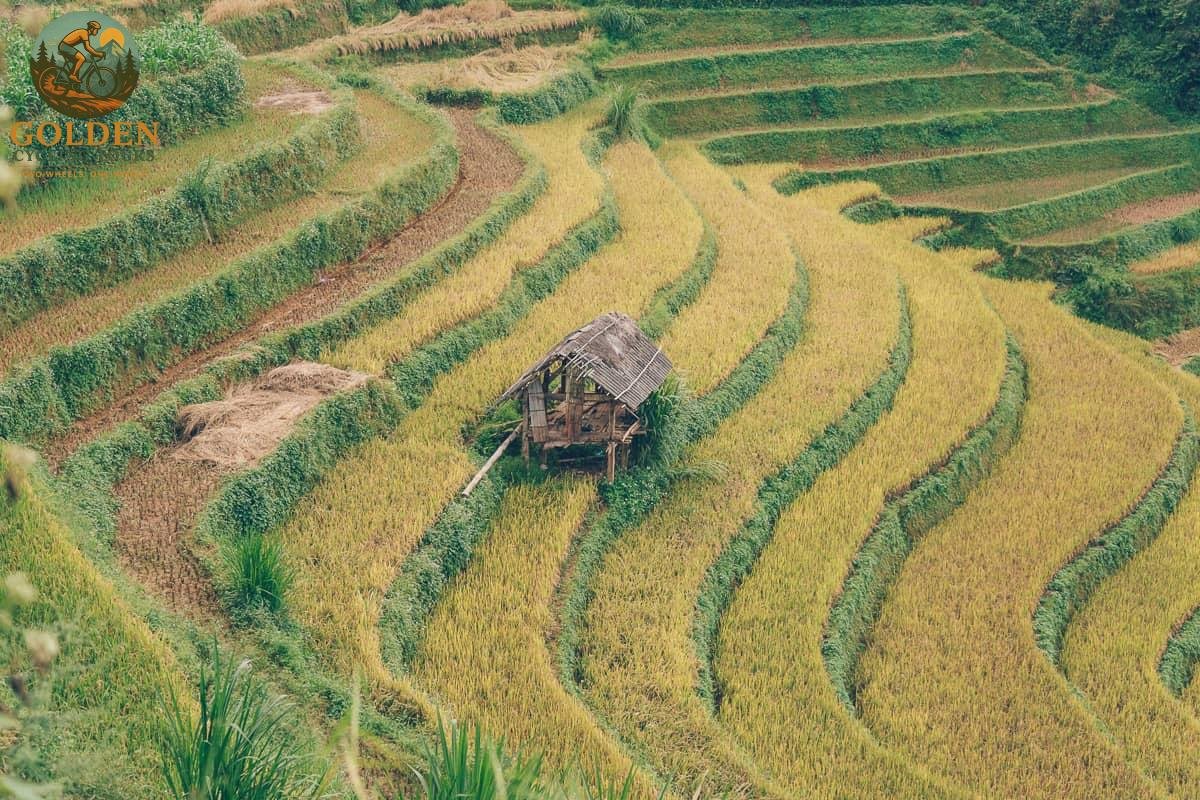
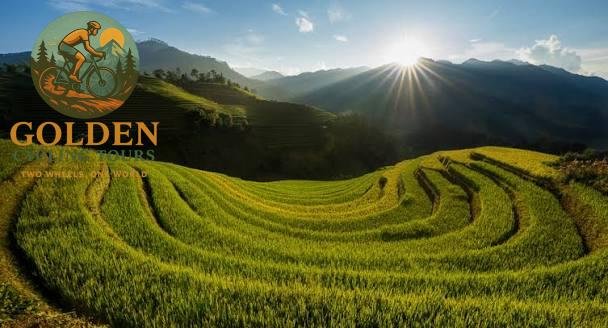
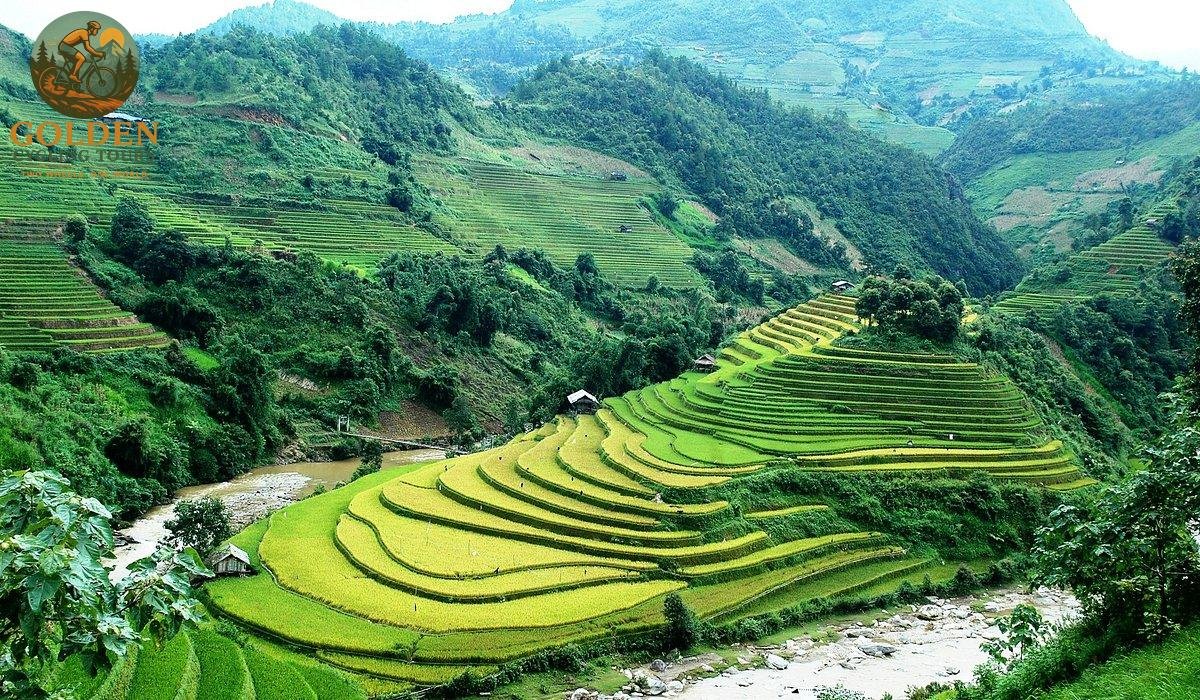
Late September to mid-October represents the absolute pinnacle for cyclists. The entire Mu Cang Chai Terraced Rice Fields system turns into a sea of molten gold. The air is crisp, dry, and invigorating, averaging a pleasant 18°C to 24°C. The heavy aroma of ripening grain fills the valleys, and the gentle autumn sun casts a warm glow across La Pan Tan and Che Cu Nha. Riding during these weeks immerses you in a vibrant celebration as local H'Mong farmers harvest their crops along the roadside.
During the early summer months, rains fill the terraced paddies, transforming entire mountain faces into shimmering mirror-like staircases. The reflections of passing clouds and brilliant sky create surreal visualscapes. The climate is warmer, accompanied by the earthy scent of freshly tilled soil and mountain rain, presenting an invigorating challenge for endurance riders tackling Khau Pha Pass.
Winter and early spring bring cool mist, blanketed ridgelines, and blossoming peach blossoms across Tu Le Valley. While temperatures drop, the tranquil roads offer peaceful solace for cyclists seeking solitude away from seasonal crowds before joining broader journeys like cycling Northern Vietnam.
Taming the topography of Mu Cang Chai requires stamina, respect for the mountains, and proper gear. The landscape is carved by steep gradients, sweeping switchbacks, and jaw-dropping precipices.
Ranked as one of Vietnam's four legendary mountain passes, Khau Pha Pass stretches over 30 kilometers at an elevation exceeding 1,500 meters above sea level. Starting from the lush bed of Tu Le Valley, the tarmac winds relentlessly upward through swirlings of mountain cloud.
Feel your heartbeat echo in your chest as your legs burn on continuous 8% to 10% gradients. The scent of wild mountain flora gives way to cool pine air as you approach the summit. Reaching the peak reveals an intoxicating panorama: the winding ribbons of Cao Pha Valley far below, sprinkled with traditional wooden stilt houses. Descent requires focused braking as you negotiate tight hairpin turns with the valley floor opening up wide below you.
For off-the-beaten-track enthusiasts, the inner trails connecting La Pan Tan, Che Cu Nha, and De Cu Nha deliver world-class mountain biking. These narrower concrete and singletrack routes pitch up sharply into the Mu Cang Chai Species and Habitat Conservation Area.
Listen to the crunch of gravel and loose soil under your knobby tires. These routes wind alongside cliff edges and ancient timber forests, rewarding riders with intimate views of deep terraced amphitheaters untouched by large tour buses.
This 45-kilometer section of National Route 32 connects small agrarian settlements, crossing crystal-clear streams and wooden suspension bridges. Perfect for a steady touring tempo, the road follows the contours of the Nam Kim River, where the soothing hum of flowing water accompanies every kilometer.
Every turn along these alpine roads presents a postcard-worthy scene. Be sure to pause your pedal-stroke at these world-famous viewpoints:
Located in La Pan Tan, Mam Xoi Hill is perhaps the most iconic rice terrace formation in Vietnam. The circular terraces stack perfectly to resemble a giant tray of sticky rice. A short, steep push up a paved path brings you to a vantage point where the terraces cascade seamlessly into the valley below.
Tucked away in Sang Nhu Village, the Horseshoe Curve features dramatic, sweeping concentric terraces built into a steep amphitheater. Early morning visits treat cyclists to golden sunlight piercing through light mountain fog, casting long shadows across the green and yellow paddies.
Nestled directly beneath Khau Pha Pass, Lim Mong Village is reachable via a fun, winding descent down a suspension bridge. The village offers a peaceful respite surrounded by towering cliffs, giant waterwheels, and fragrant fields of sticky rice.
For a refreshing pause, hike or ride toward Pung Luong Waterfall. Hidden within dense bamboo and hardwood forest, the multi-tiered waterfall cascades over mossy boulders, offering icy mountain water to cool tired muscles after a long ride.
Cycling through Mu Cang Chai is as much a cultural immersion as it is a physical endeavor. The region is primarily home to the Black H'Mong ethnic minority, whose heritage is deeply interwoven with these mountains.
You will encounter friendly local children waving along the roadside and elders dressed in hand-woven indigo textiles decorated with complex batik patterns. Respecting local customs enhances your journey: always ask before photographing individuals, avoid entering private family courtyards uninvited, and support the community by purchasing locally made hemp textiles, mountain honey, or hand-carved crafts.
Rest and recovery are vital after a day of climbing high passes. Mu Cang Chai provides options ranging from authentic local homestays to peaceful eco-lodges:
La Pan Tan Paradise Homestay: Perched high on the ridge of La Pan Tan, offering panoramic terrace views right from your balcony, warm timber rooms, and delicious family-style meals.
Zuzu Homestay & Eco Lodge: Situated near Mu Cang Chai Town, providing easy access to mechanics, cozy bedding, and hearty dinners.
Lim Mong Homestay: Located at the foot of Khau Pha Pass, allowing you to wake up to the peaceful sights and sounds of rural valley life.
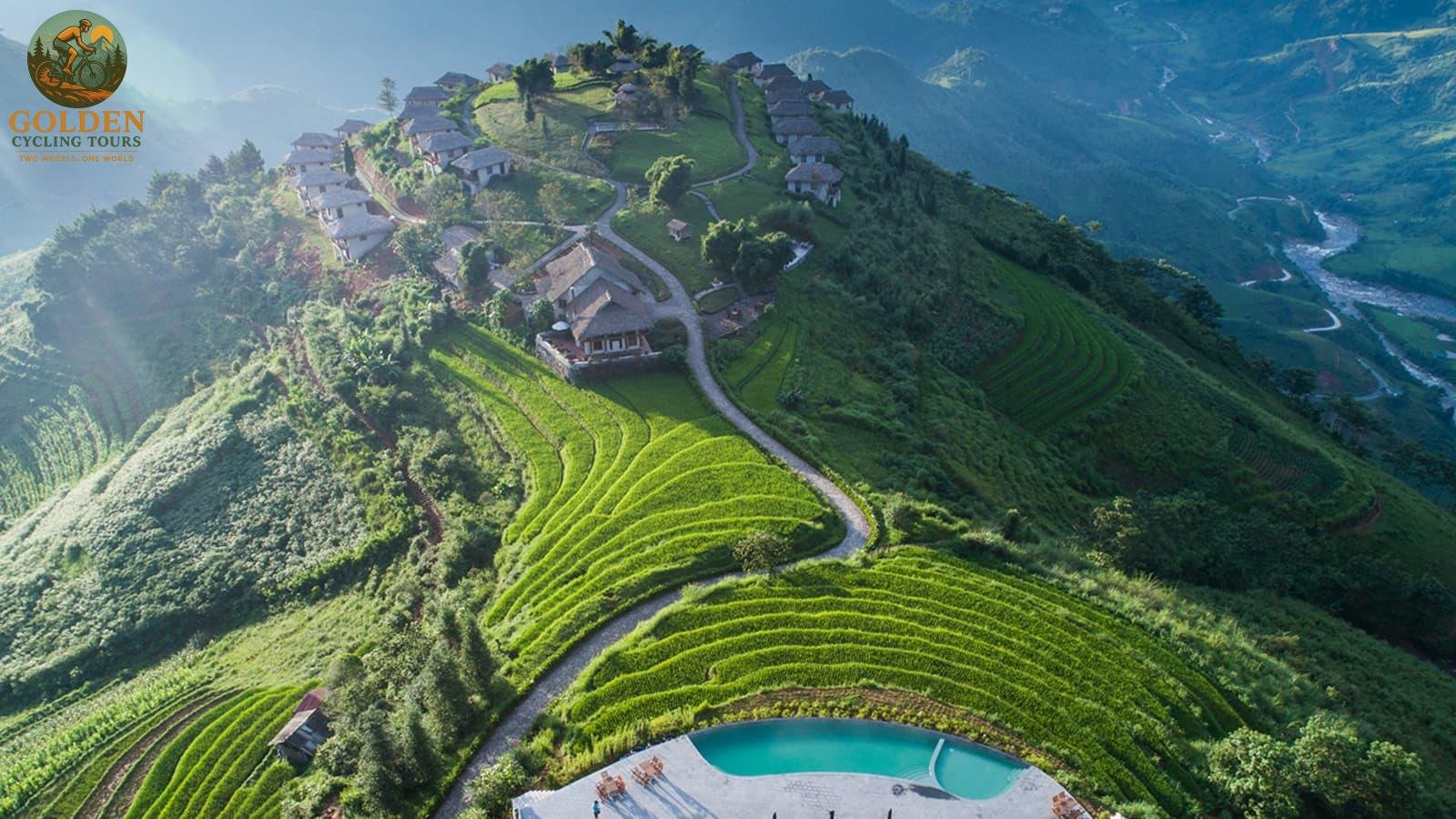
Mu Cang Chai Resort: Located near Cau Ba Nha, offering private wooden bungalows, comfortable amenities, and beautiful views over the surrounding hills.
Le Champ Tu Le Resort: Situated in Tu Le Valley, featuring hot mineral spring baths that provide ideal relief for tired calves and backs after tackling the pass.
Fueling your ride in the Northwest mountains is a culinary adventure. Local dishes rely on fresh, wild mountain ingredients and aromatic herbs:
Tu Le Com (Green Rice Flakes): Sweet, fragrant young rice pounded manually into delicate green flakes, unique to Tu Le Valley.
Five-Colored Sticky Rice (Xoi Ngu Sac): Naturally dyed using forest leaves and plants, this dish is rich in carbohydrates—perfect pre-ride fuel.
Grilled Pork with Mac Khen Seeds: Wild pork marinated with native wild pepper (mac khen) and forest herbs, grilled over fragrant charcoal.
Salmon and Sturgeon Hotpot: Raised in the cold mountain streams near Khau Pha Pass, served with freshly picked mountain greens.
Enjoy authentic family meals directly at your homestay, where hosts prepare farm-to-table feasts. In Mu Cang Chai Town, local eateries along the main street serve warm noodle soups (pho and bun) for early morning starts, as well as hearty stir-fried mountain vegetables and chicken.
Planning your expedition to Mu Cang Chai requires careful consideration of route options and equipment.
Located approximately 300 kilometers northwest of Hanoi, reaching Mu Cang Chai usually involves private vehicle transport or sleeper bus to Yen Bai or Nghia Lo, followed by your cycling departure. Many cyclists opt to combine their trip with comprehensive itineraries curated by professional outfits like Golden Cycling Tours.
Hardtail or Full-Suspension Mountain Bikes: Essential for rough off-road trails in Che Cu Nha and La Pan Tan.
Gravel / All-Road Bikes: Ideal for paved passes like Khau Pha Pass and National Route 32.
E-Bikes: Modern electric-assist bicycles open these steep mountain passes to riders of all fitness levels. Explore premium options via Vietnam e-bikes tours for smooth climbing support.
To extend your journey, Mu Cang Chai connects seamlessly with other legendary cycling routes across the region:
Ride westward toward Sapa via Sapa bike tours and conquer the mighty O Quy Ho Pass.
Head south into lush valleys on Mai Chau bike tours or explore limestone peaks through Pu Luong bike tours.
Combine your trip into grand multi-day itineraries like Vietnam Northwest bike tours or venture east with Vietnam Northeast bike tours.
For ultimate rugged adventures, explore Ha Giang bike tours, test your legs on Bac Ha bike tours, or ride through water-carved karst mountains on Cao Bang bike tours.
Start your adventure closer to the capital with Hanoi bike tours or peaceful coastal valley routes via Ninh Binh bike tours.
For epic nationwide or high-end journeys, consider Cycling North to South Vietnam, premium experiences with Vietnam luxury bike tours, or historical riding along Ho Chi Minh Trail cycling tours.
"Climbing Khau Pha Pass with Golden Cycling Tours was the highlight of my travel in Asia. The views over the golden rice terraces in La Pan Tan were beyond words, and the support vehicle made the tough gradients completely stress-free!"
— Marcus Vance, Australia
"Riding an e-bike through Mu Cang Chai allowed me to soak in every detail—the scent of pine, the smiles of the local H'Mong villagers, and the breathtaking drop-offs into Cao Pha Valley. Highly recommended!"
— Elena Rostova, Germany
Cycling in Mu Cang Chai ranges from moderate to challenging. Major mountain passes like Khau Pha Pass feature continuous climbs over 8% gradient. However, support vehicles or e-bike options make the experience accessible to active cyclists of varying ability levels.
High-quality mountain bikes or gravel bikes with proper gearing and hydraulic disc brakes are difficult to find directly in rural villages. It is highly recommended to book a fully supported trip through established operators who provide professionally maintained bicycles and support vans.
Essential gear includes padded cycling shorts, moisture-wicking layers, a lightweight rain jacket, sun protection, high-visibility lights, and comfortable riding shoes. Temperatures can shift rapidly in the high mountains, so layering is key.
Yes, provided you exercise caution, control your speed, and keep right on sharp bends. Roads are paved, but mountain weather can create damp spots or gravel debris on switchbacks.

Leave a Reply
Your email address will not be published. Required fields are marked *