- Call us Via Whatsapp: +84 (0) 832 126 699
4.9 stars on our site
(15,000 reviews)
- Monday - Sunday : 08:00 - 17:00
(15,000 reviews)

To travel across a country is to understand its geography, but to cycle across it is to absorb its soul. There is a profound difference between looking at landscapes through the window of an air-conditioned train and feeling the contours of the earth beneath your tires, smelling the shifting air of coastal plains, and watching the local culture unfold at a human scale. This is the magic of crossing Vietnam on two wheels.
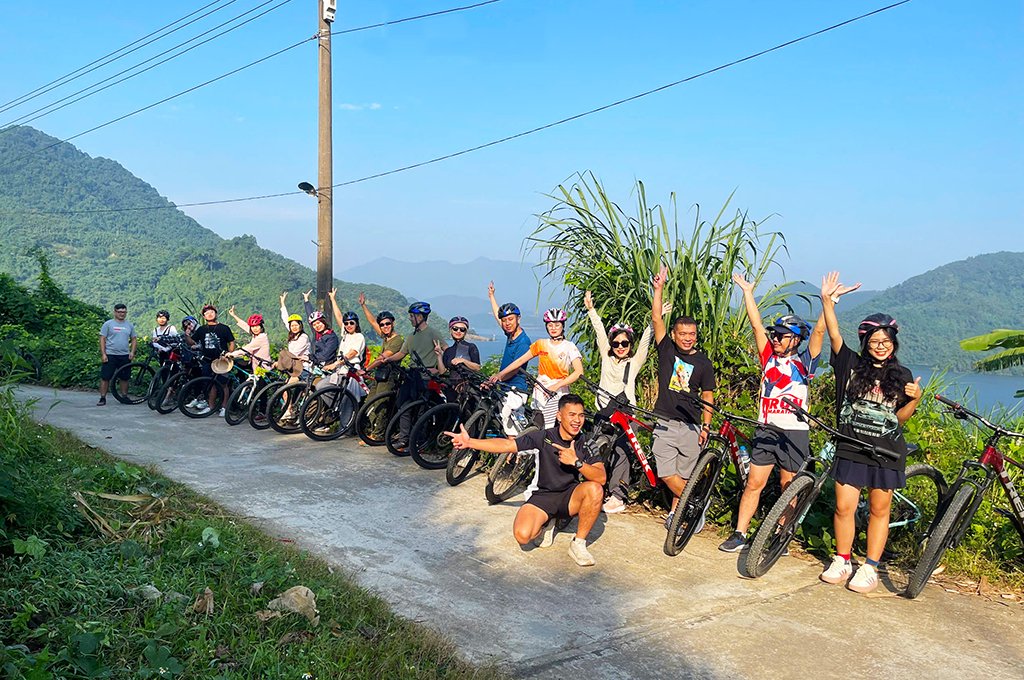
For cyclists seeking the ultimate adventure in Southeast Asia, the journey between the ancient northern capital and the thriving southern metropolis stands as the pinnacle of achievement. Welcome to the definitive companion for your trans-continental voyage, our comprehensive look at the Hanoi to Ho Chi Minh Cycling Tour: The Ultimate Epic Guide, where we cover every mountain pass, local delicacy, overnight rest stop, and technical detail to help you realize this dream.
Planning a trek of this magnitude requires deep local knowledge, reliable support, and expertly designed routes. Partnering with a specialist company like Golden Cycling Tours turns a logistically complex expedition into a seamless, deeply enriching holiday of a lifetime. Whether you are a hardened endurance athlete or an enthusiastic leisure rider looking for a premium holiday, exploring Vietnam on a bicycle is an experience that will redefine your perspective on travel.
Covering a distance of approximately fifteen hundred to two thousand kilometers depending on the specific route taken, cycling from Hanoi to Ho Chi Minh City is a journey of epic proportions. It is not merely a physical challenge; it is a front-row seat to one of the most dramatic geographic and cultural transitions on the planet.
As you pedal southward, you will witness the landscape morph from the towering limestone pinnacles of the north into the narrow, sandy coastal plains of the center, before opening up into the vast, water-dominated flatlands of the south. You will cross historical dividing lines, ride over famous battlefield sites, and watch how the local accents, cuisine, and customs shift with every passing hundred kilometers.
To tackle this massive distance, riders typically choose one of two primary directions. The classic southbound expedition, focusing on Cycling North to South Vietnam, allows you to start in the cooler, historical atmosphere of Hanoi and ride toward the warmer, tropical energy of Ho Chi Minh City. Alternatively, some choose the reverse route, embarking on Cycling South to North Vietnam, which begins in the flat southern plains of Saigon and builds up to the epic mountain climbs of the north as your cycling fitness peaks.
When embarking on a trans-Vietnam cycling tour, the path you choose will define the character of your adventure. The country's unique shape offers two distinct corridors that connect the north and south.
The first option is the coastal route, which hugs the shoreline of the East Vietnam Sea. This path offers a fantastic mix of seaside scenery, historical cities, and relatively flat terrain punctuated by spectacular coastal passes.
You will ride along quiet beach roads, past massive salt pans where workers harvest white crystals under the tropical sun, and through sleepy fishing villages filled with colorful wooden boats. This route is highly cultural, guiding you directly through UNESCO World Heritage sites including the historic capital of Hue, the ancient trading port of Hoi An, and the coastal ruins of My Son Sanctuary.
It is a route of constant sea breezes, spectacular seafood, and unforgettable coastal vistas. If you want to experience the maritime heritage of the country alongside its imperial history, choosing a plan that highlights Cycling Central Vietnam along this coastal corridor is an exceptional choice.
For those who crave rugged wilderness, deep jungle, and dramatic mountain climbs, the inland route along the historic Truong Son mountain range is unparalleled.
This route follows the legendary military supply line of the past. Booking Ho Chi Minh trail cycling tours takes you far away from the busy coastal traffic and deep into the rural highlands. The cycling here is demanding, with long, steady climbs and thrilling descents through dense tropical rainforests, pine-covered hills, and misty valleys.
Along this route, you will encounter remote ethnic minority communities who have lived in these highlands for generations, offering an authentic glimpse of rural mountain life. It is a route of immense scale, quiet roads, and deep historical resonance, perfect for adventurers seeking a true physical and mental challenge.
To fully appreciate the diversity of a cross-country tour, it is helpful to break the journey down into its regional chapters. Each section of the country possesses its own unique climate, geography, and lifestyle.
Your journey begins in the historic, thousand-year-old capital of Hanoi. Before heading south, many cyclists choose to explore the surrounding northern highlands to experience some of the most dramatic mountain scenery in Asia.
For those with a thirst for high-altitude challenges, heading into the far northern mountains is a must. The region of Cycling Northern Vietnam is home to rugged borderlands and soaring passes. You can test your legs against the legendary limestone peaks of the Dong Van Geopark by booking Ha Giang bike tours, where the roads cling to deep canyon walls above emerald rivers.
Alternatively, you can explore the pristine wilderness of the northeast, where Vietnam Northeast Bike Tours guide you past the spectacular Ban Gioc Waterfall on the Chinese border. To the west, the rugged routes of Vietnam Northwest Bike Tours take you through high-altitude pine forests and into deep valleys carved by historical rivers.
As you begin your journey south from Hanoi, the route transitions through a series of stunning valleys and flat karst landscapes that serve as the perfect warm-up for the long road ahead.
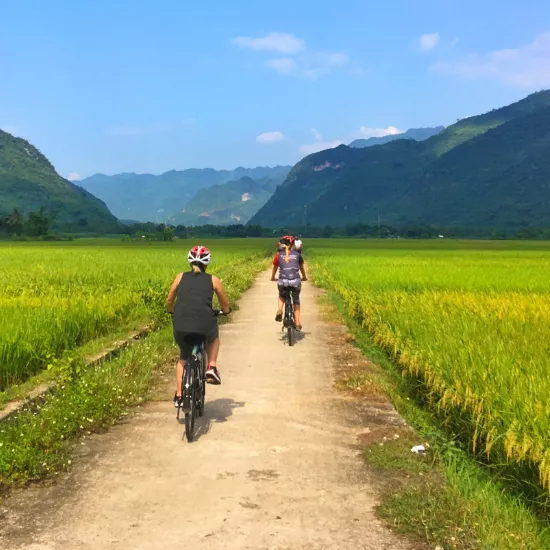
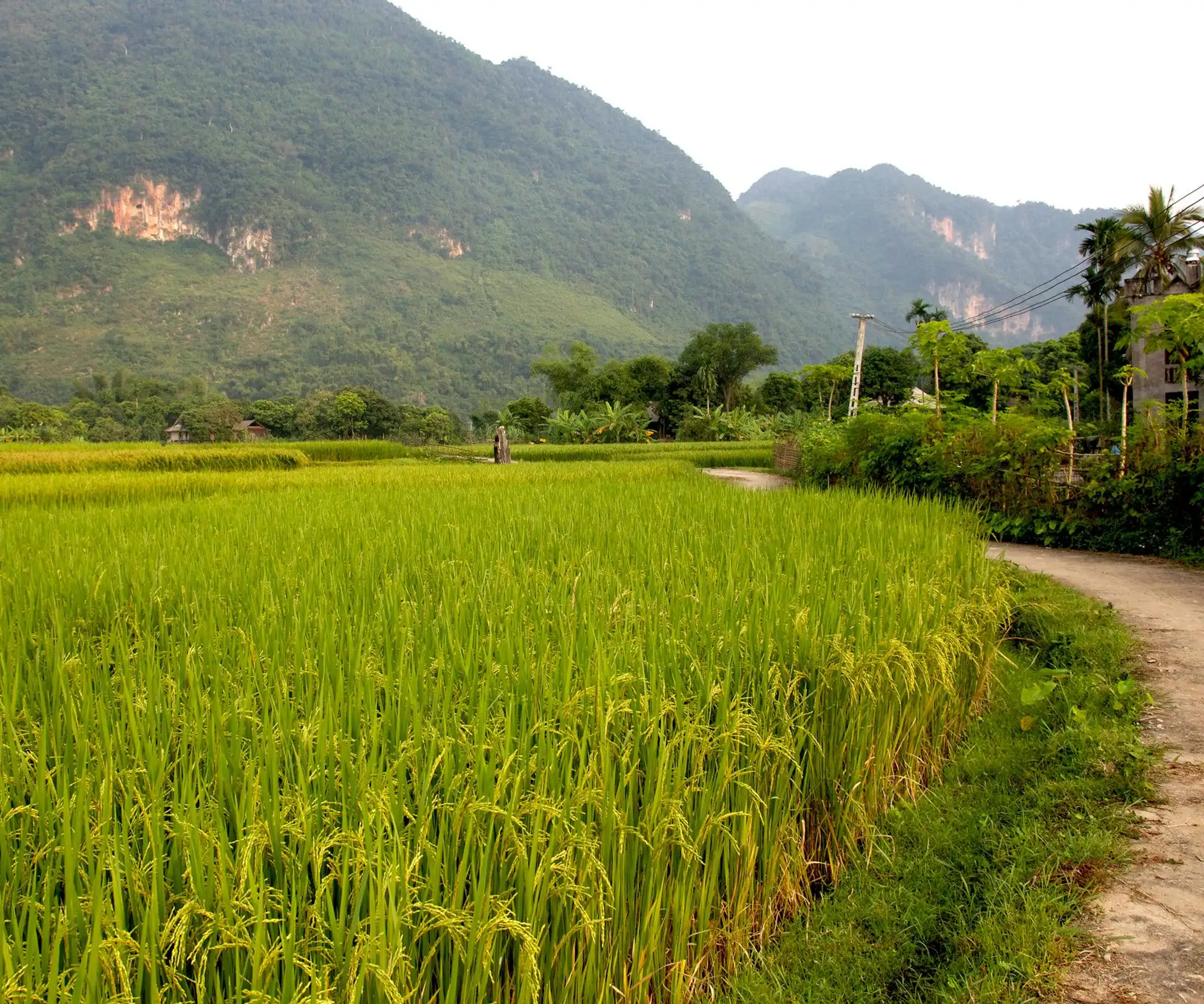
You can detour west into the tranquil valley of Mai Chau. Joining Mai Chau bike tours allows you to pedal along quiet dirt paths through vibrant green rice fields, past the traditional stilt houses of the White Thai ethnic minority.
Just a short ride further lies the pristine nature reserve of Pu Luong. Opting for Pu Luong bike tours gives you the chance to navigate narrow lanes that wind through dense jungle, cascading waterfalls, and beautiful terraced fields tended by giant water wheels.
Continuing south, the route enters Ninh Binh, often called Halong Bay on land. Booking Ninh Binh bike tours is an absolute highlight for those who love flat, highly photogenic paths. You will cycle beneath towering limestone formations that rise vertically from flooded rice paddies, stopping to explore ancient temples and quiet riverside caves.
Leaving the northern deltas behind, the route narrows as the mountains of the Truong Son range press close to the sea. This is the geographic heart of Vietnam, offering a spectacular combination of history and scenery.
After cycling through the historic demilitarized zone, you will arrive in Hue, the former imperial capital of the Nguyen Dynasty. Here, you can cycle along the quiet banks of the Perfume River, exploring the ancient Citadel and royal tombs.
South of Hue lies the ultimate cycling challenge of the central coast: the Hai Van Pass. This spectacular road climbs to an altitude of four hundred and ninety-six meters over a distance of twenty-one kilometers. With an average gradient of five percent, the climb is a steady, rewarding effort that offers breathtaking panoramic views of the blue bays below.
After descending the pass, you will ride through the modern city of Da Nang and into the ancient merchant town of Hoi An. Famous for its yellow-walled heritage houses and lantern-lit streets, Hoi An is the perfect place to rest your legs, enjoy a massage, and explore the local tailor shops and riverside cafes.
South of Hoi An, the coastline opens up into a series of long, sandy bays and quiet coastal peninsulas. You will ride along quiet asphalt roads that wind through coconut groves, past bustling fishing ports filled with wooden vessels, and along the edges of vast salt flats. This section of the route is relatively flat but can be warm, making early morning rides essential to enjoy the cool sea breezes before the afternoon sun reaches its peak.
As you cross into the southern provinces, the air becomes warmer and more tropical. The rugged mountains fade into the distance, replaced by vast coconut plantations and the fertile flatlands of the Mekong Delta.
Your long journey reaches its epic conclusion as you approach the vibrant, bustling streets of Ho Chi Minh City. Formerly known as Saigon, this dynamic metropolis is a fascinating blend of French colonial architecture, modern skyscrapers, and buzzing scooter traffic. Riding into the heart of the city, past landmarks like the Notre-Dame Cathedral and the Reunification Palace, brings an incredible sense of achievement as you complete your trans-country trek.
For many cyclists, the adventure does not end in the city. The vast plains of the south offer a completely different rhythm of active travel.
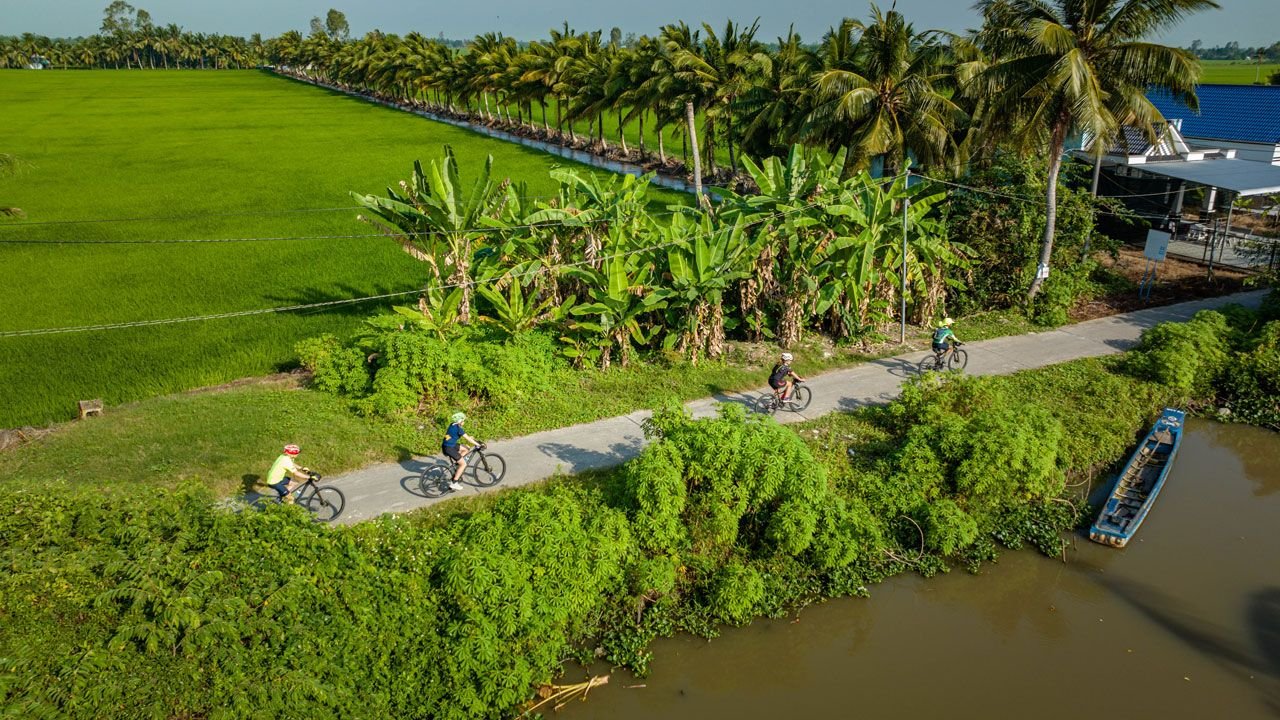
Choosing Cycling Southern Vietnam allows you to extend your journey into the labyrinthine waterways of the Mekong Delta. Here, you will cycle along a vast network of narrow concrete canal paths, crossing small wooden footbridges, and stopping at local cottage industries producing fresh coconut candy, woven mats, and rice paper. It is a completely flat, lush tropical landscape filled with fruit orchards, friendly locals, and vibrant floating markets.
A cross-country cycling tour is a major undertaking, but modern travel styles and bicycle technology have made this incredible adventure accessible to a wider range of travelers than ever before.
If you are concerned about your physical endurance or the challenging climbs of Vietnam's mountain passes, you do not have to leave this epic journey off your bucket list.
Booking vietnam e-bikes tours is a fantastic way to enjoy the cross-country route with confidence. High-quality, pedal-assist electric bicycles provide a smooth, gentle boost when climbing steep hills or riding against headwinds. This technology levels the playing field, allowing partners of different fitness levels to ride together comfortably and ensuring you can focus on the spectacular scenery and local culture rather than physical exhaustion.
For travelers who want to combine the physical rewards of daily cycling with the highest standards of comfort, luxury active travel is the perfect solution.
Choosing vietnam luxury bike tours means every aspect of your journey is handled with meticulous care. You will ride premium carbon-fiber road bikes or top-of-the-line hybrid bicycles, maintained to perfection by dedicated support mechanics.
At the end of each day's ride, you will bypass simple guesthouses and check into handpicked boutique eco-lodges, historic colonial hotels, and luxury beachfront resorts. You will enjoy fine dining featuring local and international cuisine, rejuvenating spa treatments to soothe tired muscles, and the peace of mind that comes with a dedicated, air-conditioned support vehicle always nearby.
One of the greatest highlights of a long-distance tour across Vietnam is the food. The country's culinary traditions are incredibly fresh, light, and healthy, providing the perfect balance of carbohydrates, proteins, and hydration to fuel your daily pedaling.
As you cycle from north to south, you will watch the culinary landscape transform alongside the geography.
In the North, flavors are delicate, subtle, and balanced. A steaming bowl of Pho Bo (beef noodle soup) in the morning is the ultimate cyclist's breakfast, offering clean energy and warm broth to hydrate you for the morning ride. When resting in Hanoi, make sure to try Bun Cha—charcoal-grilled pork patties served over cold rice noodles with a mountain of fresh local herbs.
In the Central region, the flavors become bolder, spicier, and more complex. In Hue, look for Bun Bo Hue, a rich beef noodle soup infused with lemongrass and chili. In Hoi An, do not miss Cao Lau, a unique noodle dish topped with slices of roast pork and crispy crackers, made using water drawn from secret local wells. Along the central coast, fresh seafood is abundant, cheap, and delicious—perfect for rebuilding muscle after a long day over the passes.
In the South, the cuisine becomes sweeter and more vibrant, characterized by the abundant use of fresh coconut milk, tropical fruits, and fresh herbs. Try Com Tam (broken rice topped with a sweet-savory grilled pork chop and a fried egg) or enjoy a fresh, crispy Banh Xeo (savory pancake stuffed with shrimp and bean sprouts).
While cycling, you will often find the most delicious and authentic meals at simple, roadside stalls. To stay healthy throughout your tour, look for busy local places with a high turnover of customers, which ensures the food is freshly prepared.
Always opt for fully cooked, piping hot dishes. Drink bottled, purified, or filtered water, and avoid tap water and ice in remote rural areas. Your tour guide from Golden Cycling Tours will always be on hand to recommend the best local spots and help you navigate menus to find the perfect energy-boosting meals.
A good night's sleep is the foundation of any successful long-distance cycling tour. Vietnam offers an excellent variety of accommodation options that blend comfort with authentic cultural experiences.
In rural valleys and mountain regions like Mai Chau, Pu Luong, and along the Ho Chi Minh Trail, staying in a local homestay is an unforgettable highlight. Usually set in traditional stilt houses constructed from wood and bamboo, these homestays are operated by local ethnic minority families.
You will sleep on comfortable mattresses laid on polished wooden floors, protected by mosquito nets, and share modern, clean bathroom facilities. The best part of a homestay is the communal "family dinner," where your hosts prepare a massive feast of local dishes, sharing stories, laughter, and local hospitality that will stay with you long after you return home.
In key scenic destinations, you can stay in spectacular eco-lodges designed to blend seamlessly with the natural environment. Located on steep hillsides overlooking rice terraces or nestled in deep jungle valleys, these lodges offer comfortable private bungalows made of local stone, wood, and thatch. Many feature beautiful infinity pools, organic farm-to-table restaurants, and peaceful spa pavilions where you can enjoy traditional Vietnamese massages to recover after a challenging day in the saddle.
In larger cities and coastal resorts like Hue, Da Nang, Hoi An, Nha Trang, and Ho Chi Minh City, you will stay in high-quality international hotels. These properties offer all modern conveniences, including air conditioning, spacious en-suite bathrooms, high-speed internet, fitness centers, and extensive breakfast buffets packed with fresh fruits, pastries, and egg stations to fully recharge your body for the next leg of the journey.
Executing a cross-country cycling journey of over fifteen hundred kilometers requires flawless logistics. Understanding how you, your gear, and your bicycle move across the country is key to a stress-free adventure.
When you ride with a professional operator, you never have to worry about carrying heavy luggage or breaking down in the middle of nowhere.
A dedicated support van accompanies your group throughout the entire route. The van carries all your luggage, spare parts, tools, first-aid equipment, and extra supplies of cold water, sports drinks, and fresh tropical fruits.
If you ever encounter bad weather, feel unwell, or simply want to take a break from climbing a steep pass, you can easily load your bicycle onto the support vehicle and ride in air-conditioned comfort until you are ready to cycle again.
For trans-Vietnam tours, you may occasionally need to bridge long distances to stay within your vacation schedule.
The Reunification Express train runs the entire length of the country between Hanoi and Ho Chi Minh City. Traveling by train is a historic, highly scenic experience. Bicycles can be loaded into the cargo carriage, allowing you to relax, chat with local passengers, and watch the spectacular landscapes roll by.
For tighter itineraries, domestic flights regularly connect all major regional hubs, though you will need to pack your bicycle securely in a dedicated bike box or travel bag to meet airline regulations.
Cycling brings you into close contact with local communities, making cultural sensitivity an important part of your travel experience. Vietnamese people are incredibly warm, curious, and welcoming, and showing respect for their customs will ensure wonderful interactions along the road.
While tight, technical cycling wear is practical and comfortable while riding, it is important to dress modestly when taking breaks in rural villages, local homes, or religious sites.
When entering temples, pagodas, or local homes, ensure your shoulders and knees are covered. It is a highly practical tip to carry a lightweight sarong or a change of modest clothing in your day pack that you can quickly slip on when taking a break from the bike to explore a sacred monument.
The landscapes and people of Vietnam are incredibly photogenic, but you should always ask for permission before taking photos of local people, especially in remote ethnic minority villages.
A warm smile, a friendly wave, and pointing to your camera is usually enough to ask for consent. If they decline, respect their wishes with a nod and a smile. Sharing your photos on your digital screen with your subjects after taking them is a fantastic way to break the ice and share a moment of connection.
Learning a few basic words in the local language shows respect and will immediately endear you to the people you meet. A cheerful "Xin Chao" (Hello) or a polite "Cam On" (Thank you) will always bring bright smiles to local faces.
In rural areas, school children will often run to the edge of the road to wave and shout "Hello!"—responding with a wave and a friendly greeting is one of the simplest, most heartwarming joys of cycling across this beautiful country.
While the daily rhythm of riding is the core of your tour, Vietnam is home to world-class historical, cultural, and natural attractions that you should make time to explore when you are off the saddle.
Before starting your journey south from Hanoi, a cruise through Halong Bay or Lan Ha Bay is highly recommended. Relaxing on a traditional wooden boat among thousands of towering limestone islands is the perfect way to rest your body before embarking on your long ride.
In Central Vietnam, explore the massive caves of Phong Nha-Ke Bang National Park, home to some of the largest limestone caverns on earth. In Hue, take a quiet boat cruise along the Perfume River to visit the ancient imperial tombs and the peaceful Thien Mu Pagoda.
Wander through the beautifully preserved streets of Hoi An Ancient Town at night, when the historic wooden buildings are illuminated by thousands of colorful silk lanterns and local merchants sell traditional crafts along the riverbank.
As you approach Ho Chi Minh City, take a detour to visit the historic Cu Chi Tunnels. This vast underground network of tunnels was used by local fighters during the war, offering a fascinating and sobering look at the country's modern history.
To give you an idea of what to expect on this grand adventure, here are a few reviews from travelers who have completed this iconic journey with Golden Cycling Tours.
"Crossing Vietnam from Hanoi to Ho Chi Minh City on a bicycle was a dream of mine for years, and Golden Cycling Tours made it a reality. The route planning was superb, taking us along quiet coastal lanes and incredible mountain roads that we never would have found on our own. Our guide was like a walking encyclopedia of local culture, and the support team was fantastic, always ready with a cold drink or a fresh piece of fruit just when we needed it most. It was an unforgettable journey." - Thomas G., Germany
"My partner and I were worried about the distance, so we chose a luxury e-bike option for our trans-Vietnam tour. It was the best decision we ever made. The e-bikes gave us the perfect amount of assist over the Hai Van Pass and the rolling hills of the central coast, letting us enjoy the incredible scenery without feeling completely exhausted. The hotels were beautiful, the food was delicious, and the service was world-class. We cannot recommend this tour highly enough." - Michelle and Robert L., Canada
"We rode the Ho Chi Minh Trail route, and it was a deeply moving experience. Cycling through remote mountain valleys, staying with local families in traditional homestays, and meeting the friendly people of the highlands was incredible. Golden Cycling Tours organized a seamless trip, balancing the physical challenge of the ride with deep, authentic cultural immersion. It was so much more than a holiday; it was a journey of connection." - Kenji S., Japan
The physical conditioning required depends on your chosen route and style. The flat coastal sections and southern plains are suitable for regular recreational cyclists. The mountainous inland routes along the Ho Chi Minh Trail involve long climbs and require a solid level of cardiovascular fitness and endurance. If you are concerned about your physical preparation, choosing an e-bike tour is an exceptional way to tackle the hills with confidence and comfort.
If you prefer to ride your own bicycle, you can pack it securely in a hard shell case or a padded bike bag and check it as oversized luggage on your international flight. Ensure you check your airline's specific baggage fees and weight limits. Alternatively, booking with Golden Cycling Tours includes the rental of high-quality, professionally maintained hybrid or mountain bikes, adjusted to your height and specifications, saving you the hassle of international bike transport.
The best time of year for a cross-country cycling tour is from October to April. During these months, Northern Vietnam is cooler and drier, the central coast has moved past its rainy season, and Southern Vietnam enjoys warm, sunny tropical weather. Cycling during the peak summer months of June to August can be challenging due to high heat, humidity, and heavy afternoon tropical downpours.
We recommend bringing three to four sets of comfortable, moisture-wicking cycling shorts and jerseys, a lightweight windproof and waterproof jacket, cycling gloves, sunglasses with UV protection, high-factor sunscreen, and comfortable cycling shoes. If you use clipless pedals, bring your own shoes and pedals, which our mechanics will gladly install on your rental bike. Pack a few sets of comfortable, modest clothing for evenings and cultural visits.
While major national highways like Highway 1A can be busy with heavy truck and bus traffic, professional tour planners carefully map out routes that run along quiet provincial roads, coastal lanes, and concrete paths. Most of your journey will be spent away from heavy traffic, allowing you to ride in a safe, peaceful, and highly scenic environment under the guidance of our professional lead cyclists.
As you finalize your travel plans, check your gear, and begin your physical training, keep this Hanoi to Ho Chi Minh Cycling Tour: The Ultimate Epic Guide close at hand to help you prepare for the road ahead. With a spirit of adventure, a passion for discovery, and a trusted partner like Golden Cycling Tours, your journey across the beautiful landscapes of Vietnam will be an experience that you will cherish for the rest of your life.

Leave a Reply
Your email address will not be published. Required fields are marked *