- Call us Via Whatsapp: +84 (0) 832 126 699
4.9 stars on our site
(15,000 reviews)
- Monday - Sunday : 08:00 - 17:00
(15,000 reviews)

Embarking on a journey to discover remote Ha Giang by bike is widely considered the holy grail of adventure travel in Southeast Asia. Tucked away at the rugged northernmost tip of Vietnam, this remote region is globally renowned for its surreal landscapes, vertical limestone peaks, deep river canyons, and highly diverse ethnic cultures. While the vast majority of tourists experience this mountainous loop on the back of a motorbike, choosing to conquer these formidable mountain passes on a bicycle offers an entirely different, incredibly intimate, and deeply rewarding relationship with both the terrain and the local people.
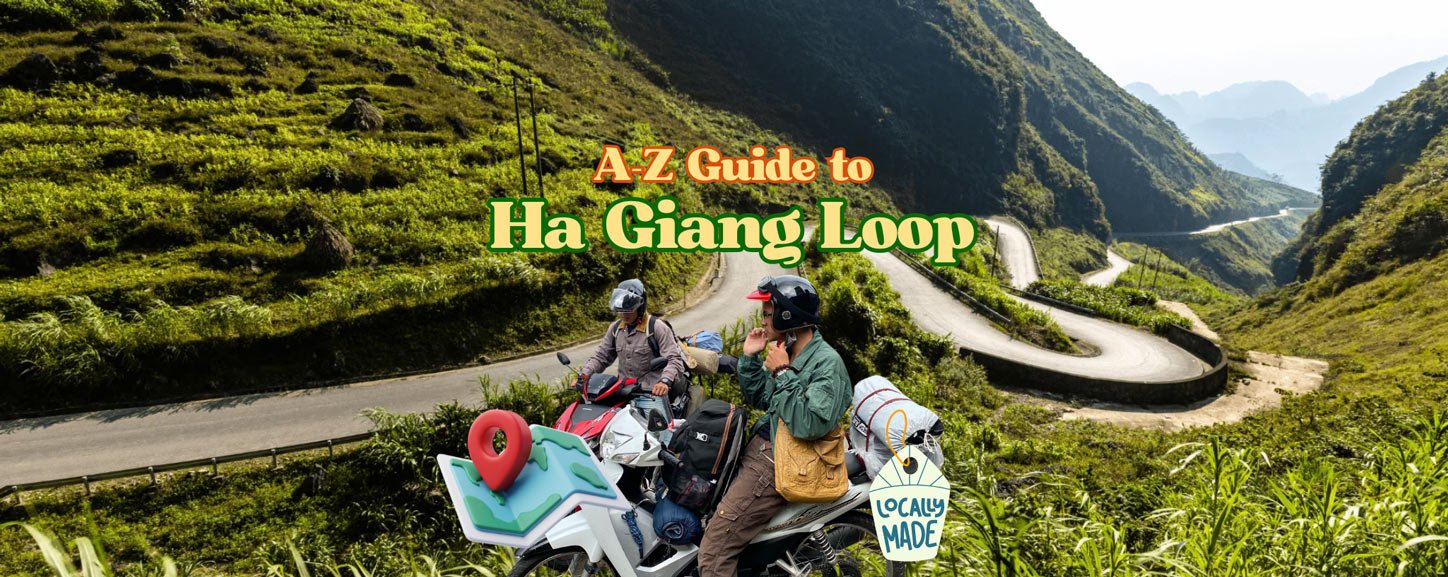
When you tackle the legendary roads of northern Vietnam on two wheels, you are not simply traveling through a landscape; you are actively immersing yourself in it. Every steep climb tested against your stamina is rewarded with breathtaking panoramic vistas of karst formations, and every rapid descent brings you face-to-face with the pristine mountain air. Choosing a bicycle means slowing down to experience the fine details of the highlands: the distinct scent of mountain forests, the sound of rivers rushing through deep gorges, and the genuine hospitality of ethnic minority families.
To ensure your journey is both safe and exceptionally organized, partnering with a trusted local expert like Golden Cycling Tours is key. With their professional support, high-end equipment, and expert local guides, you can focus entirely on enjoying the physical challenge and cultural beauty of this spectacular frontier.
Conquering the steep gradients and winding roads of the northern highlands requires careful preparation, reliable equipment, and the right physical mindset. The elevation profiles here are notoriously demanding, featuring long, continuous ascents followed by technical, sweeping descents that require absolute concentration and superior stopping power.
Before setting off on this challenging journey, building up cardiovascular endurance and leg strength through hill intervals and consecutive multi-day training rides is highly recommended. Your body will need to adapt to hours of active pedaling day after day.
Equally important is selecting the correct bicycle. A sturdy mountain bike with front suspension or a rugged gravel bike with low gearing is ideal for handling the paved but occasionally uneven highland roads. Hydraulic disc brakes are absolutely mandatory for safe braking on long descents.
For those who wish to experience the dramatic beauty of the mountains with a bit of assistance, modern e-bikes are a fantastic alternative. Utilizing Vietnam E-Bikes Tours allows you to flatten the steepest mountain passes, making this legendary route highly accessible to riders of varying fitness levels without losing the raw, open-air intimacy of a cycling tour.
If you prefer a premium cycling experience, opting for Vietnam Luxury Bike Tours ensures you are equipped with top-of-the-line carbon frame road or mountain bikes, accompanied by dedicated support vans, professional mechanics, and highly comfortable accommodation upgrades throughout the trip.
To truly appreciate the visual and cultural wonders of the region, a five-day itinerary is widely considered the gold standard. This pace allows you to conquer the challenging elevation changes while leaving ample time for village exploration and recovery.
Your adventure begins in the vibrant hub of Ha Giang City. Leaving the flat valley floor behind, you will immediately start climbing into the dramatic foothills of the northern highlands. The air quickly cools as you pedal up toward the spectacular Quan Ba Heaven Gate, situated at an altitude of over 1,500 meters. This legendary vantage point offers an unforgettable view over the valley below, where you can marvel at the iconic Twin Mountains, also known as the Fairy Bosom Hills, which rise symmetrically from the flat fields.
After a rewarding break and a cup of local tea, you will enjoy a thrilling descent into the town of Tam Son before riding through the peaceful, refreshing canopy of the Yen Minh Pine Forest. The crisp scent of pine needles and the peaceful atmosphere provide the perfect backdrop for your final stretch of the day into the quiet valley town of Yen Minh for your first overnight stay.
On your second day, you will officially enter the heart of the UNESCO-recognized Dong Van Karst Plateau Geopark. The geography shifts dramatically into a rugged, surreal world of dark limestone peaks and jagged rock fields. Your leg strength and mental resolve will be tested on the famous Tham Ma Pass, an iconic winding road featuring nine tight, sweeping curves that snake up the steep mountainside.
Continuing past the summit, the route leads you through the peaceful Sung La Valley, home to traditional Hmong mud-walled houses and beautiful buckwheat flower fields. You can take a short, highly recommended detour to visit the historic Hmong King Palace in Sa Phin, a century-old fortress displaying a fascinating blend of Chinese, European, and Hmong architecture. A final afternoon push brings you into the historic Dong Van Old Quarter, nestled tightly among towering stone cliffs.
Prepare yourself for what is globally recognized as the absolute highlight of the entire journey. This segment takes you across the legendary Ma Pi Leng Pass, often referred to as the King of Mountain Passes in Vietnam. Stretching over 20 kilometers, this spectacular road clings precariously to the edge of sheer limestone cliffs, offering dizzying, panoramic views down into the emerald-green waters of the Nho Que River winding through the deep chasm of Tu San Canyon, the deepest canyon in Southeast Asia.
Cycling along this high-altitude cliffside road with vast mountain vistas stretching infinitely in front of you is a humbling, deeply emotional experience. After spending time at the key lookouts to absorb the landscape, you will enjoy a long, sweeping descent into the valley town of Meo Vac.
Leaving Meo Vac, you will cycle through some of the most remote and pristine landscapes in northern Vietnam. The road winds through deep river gorges and past tiny, isolated ethnic hamlets where local life has remained unchanged for generations. You will navigate steep, rolling climbs and variable road surfaces before descending into the lush, emerald-green valley of Du Gia Village.
Surrounded by vibrant terraced rice fields and sparkling mountain streams, Du Gia is a peaceful sanctuary. It is the perfect place to soothe your tired muscles by taking a dip in the cool waters of the natural Du Gia Waterfall and enjoying a relaxed evening in a traditional Tay ethnic stilt house.
The final leg of your journey brings you back toward your starting point, but not without one last set of challenging climbs and stunning vistas. You will navigate the dramatic mountain passes around Lung Tam, where you can stop to visit the Lung Tam Linen Weaving Village. Here, you can watch local Hmong women transform raw hemp plants into beautiful, intricately patterned fabrics using traditional indigo dyeing methods.
As the jagged limestone peaks gradually soften into rolling green hills, you will rejoin the main road leading back into Ha Giang City, completing your epic loop and celebrating an incredible physical achievement.
To help you plan your sightseeing and understand the cultural and geographical importance of the region, here are the most crucial landmarks and natural wonders along the loop.
Located approximately 40 kilometers from the city, the Quan Ba Heaven Gate serves as the spectacular gateway to the highland geopark. Directly adjacent to the viewpoint are the Twin Mountains, two perfectly symmetrical green hills rising from the valley floor that have inspired countless local ethnic legends.
Historically used by locals to test the strength and stamina of horses, the winding Tham Ma Pass is now the ultimate test of endurance for adventure cyclists. Its iconic nine-turn switchback layout makes it one of the most photographed roads in the country.
Spanning four northern districts, this massive Dong Van Karst Plateau Geopark is a geological wonderland of black limestone formations dating back millions of years. The stark beauty of the grey rocks contrasts beautifully with the vibrant green corn crops planted by local farmers in tiny pockets of soil between the stones.
Although it requires a detour north from the main route, visiting the Lung Cu Flag Tower on Dragon Mountain is highly recommended. This monumental flag tower marks the official northernmost point of Vietnam, offering expansive views looking out across the border into neighboring China.
No words can fully capture the majestic scale of the Ma Pi Leng Pass. Standing on the skywalk and looking down at the ribbon-like stream of the Nho Que River thousands of feet below inside the vertical walls of Tu San Canyon is an unforgettable highlight of any cycling holiday in Asia.
One of the most enriching elements of a cycling tour in northern Vietnam is the direct access it provides to the diverse ethnic minority communities who call these rugged mountains home.
The province is home to over twenty distinct ethnic groups, including the Hmong, Dao, Tay, Giay, and Lo Lo. Each group maintains its own unique language, beautiful hand-woven traditional attire, distinct architectural styles, and ancestral customs. You will frequently see locals walking along the mountain roads in colorful, vibrant clothing, carrying hand-woven baskets on their backs.
If your schedule allows, visiting a highland market is an absolute must. The Dong Van Sunday Market and the Meo Vac Market are sensory explosions of color, music, and aromas. Here, families from remote mountain hamlets gather to trade livestock, hand-crafted textiles, fresh mountain herbs, and farm products. It is also a vital social event where friends catch up over hot bowls of noodle soup and cups of traditional corn wine.
Mountain cycling burns an incredible amount of calories, and fortunately, the local cuisine of the northern highlands is hearty, flavorful, and perfectly suited to fuel your daily rides.
Thang Co: A traditional Hmong soup made from horse meat and mountain herbs, slow-cooked in large iron pots at local markets.
Men Men: Steamed ground corn, which serves as the traditional staple food of the Hmong people who live on the rocky terrain where wet rice cannot grow.
Smoked Buffalo Meat: Locally seasoned with forest spices and hung over woodsmoke in traditional stilt house kitchens for weeks, resulting in a rich, savory, and chewy trail snack.
Five-Color Sticky Rice: Often prepared by the Tay people, this beautiful dish uses natural plant extracts to dye the rice purple, red, yellow, green, and white, symbolizing the five elements of nature.
Corn Wine: Known locally as Ruou Ngo, this potent mountain spirit is fermented using a unique forest yeast, offering a warm, sweet aroma that is central to local hospitality.
In larger towns like Dong Van and Yen Minh, you will find excellent, clean local restaurants serving family-style Vietnamese meals with fresh stir-fried vegetables, mountain pork, and chicken. In smaller villages like Du Gia, dining at your homestay is the best option, where your hosts will prepare an abundant, delicious feast of fresh, home-cooked local specialties for the group.
Finding a comfortable place to rest and recharge your body is essential after a long day of tackling steep mountain climbs.
For an immersive cultural experience, staying at a local homestay is highly recommended. In traditional villages like Nam Dam Village or Du Gia, you can stay in authentic stilt houses built of wood and bamboo. Sleeping arrangements are typically clean, basic, and comfortable, featuring cozy mattresses, mosquito nets, and warm blankets on a communal wooden floor. The highlight of any homestay experience is the shared family dinner, where you join your hosts for a feast and toast to health and friendship.
If you prefer more privacy and modern amenities after a long day on the saddle, towns like Dong Van and Quan Ba offer excellent eco-lodges and comfortable hotels. These properties feature private rooms, hot showers, Western-style toilets, and spectacular views of the surrounding karst mountains, allowing you to relax in comfort.
Getting to this remote northern frontier requires some travel coordination, but the journey itself is highly scenic and comfortable.
Most travelers begin their journey in the capital city of Hanoi. The most convenient and popular option is to take a comfortable overnight sleeper bus or a high-quality luxury limousine van directly from Hanoi to Ha Giang City, a journey of approximately six hours.
If you are planning a broader cycling holiday across Vietnam, you can easily combine your mountain expedition with other premium itineraries. For instance, you can explore the historic streets and surrounding countryside of the capital with Hanoi Bike Tours before traveling north to start the loop.
Once in Ha Giang City, your bicycle becomes your primary mode of transport. However, having a dedicated support vehicle is highly recommended to carry your heavy luggage, spare parts, and to provide a comfortable seat if you ever need a break from pedaling.
For cyclists who want to experience the complete spectrum of Vietnam's landscapes, planning an extended tour that links multiple famous destinations is an incredible option. You can connect your loop journey with:
Sapa Bike Tours to ride through world-famous terraced rice fields and climb the massive O Quy Ho Pass.
Cao Bang Bike Tours to witness the spectacular Ban Gioc Waterfall and ride through lush karst valleys.
Mai Chau Bike Tours and Pu Luong Bike Tours for gentle, scenic rides through peaceful Thai ethnic villages and green valleys.
Ninh Binh Bike Tours to explore the mesmerizing inland karst landscapes of Trang An and Tam Coc.
Navigating the challenging mountain roads of northern Vietnam requires local expertise, premium support, and seamless logistics. At Golden Cycling Tours, we specialize in crafting high-quality, unforgettable cycling expeditions across Vietnam.
Our professionally guided Ha Giang Bike Tours are carefully designed to balance challenging physical rides with rich cultural immersions. We handle all the logistics and support, including:
High-performance mountain bikes and modern e-bikes.
Dedicated support vehicles for luggage transport and passenger backup.
Experienced, English-speaking cycling guides who know every turn of the road.
Handpicked local homestays and comfortable eco-lodges.
Nutritious, authentic local meals to keep your energy levels high.
Whether you want to explore the majestic western mountains with Vietnam Northwest Bike Tours, discover the rugged eastern frontier with Vietnam Northeast Bike Tours, or undertake a grand journey across the entire northern region with Cycling Northern Vietnam, we have a package perfectly tailored to your dreams. For the ultimate enthusiasts, we even offer the life-changing Cycling North to South Vietnam cross-country tour.
When you make the decision to discover remote Ha Giang by bike, you are signing up for the challenge of a lifetime, surrounded by unmatched natural beauty and welcoming communities.
Do not just take our word for it. Here is what some of our past adventurers have to say about their experience riding with us:
Riding the loop with Golden Cycling Tours was hands down the most challenging and rewarding travel experience of my life. The climbs were tough, but the views from Ma Pi Leng Pass were absolutely worth every ounce of effort. The support vehicle was always there when we needed water or a quick rest, and our guide was incredibly knowledgeable about local ethnic cultures. I cannot recommend this company enough! — Sarah M., Australia
As an avid cyclist, I wanted to experience the raw beauty of northern Vietnam without worrying about logistics, route planning, or mechanical issues. The team at Golden Cycling Tours handled everything perfectly. Our high-performance rental bikes were in pristine condition, and the homestays they booked for us provided a heartwarming look into local village life. A flawless adventure! — Jean-Pierre L., France
I was nervous about the steep gradients, so I opted for an e-bike on my tour. It was the best decision ever! I was able to keep up with the group, enjoy the incredible mountain vistas of the Dong Van Karst Plateau, and still feel refreshed enough at the end of the day to explore the local villages. Thank you to the wonderful crew for making this dream trip a reality. — Emily K., United States
The ideal times to ride are from September to November, when the weather is cool and dry, and the hillsides are blanketed in golden rice terraces or pink buckwheat flowers. Spring, from March to May, is also beautiful with blooming peach and plum blossoms. Summer brings heavy rains and potential landslides, while winter can get extremely cold and foggy, reducing visibility on the high passes.
This route is highly demanding. It features continuous mountain climbs with gradients often exceeding 10 percent. You should be comfortable riding 60 to 80 kilometers a day on hilly terrain. If you are concerned about fitness, we highly recommend booking an e-bike tour option to enjoy the scenery with less physical strain.
Most of the loop is paved, but road conditions can vary. You may encounter sections with gravel, potholes, or active road construction. Heavy rains can also trigger occasional landslides. Having a professional support vehicle and a local guide who stays updated on current road conditions is critical for safety.
Pack light but come prepared for changing weather conditions. Essential gear includes high-quality padded cycling shorts, moisture-wicking jerseys, a windproof and waterproof jacket, comfortable cycling shoes, sunglasses, sunscreen, and a high-quality helmet. Pack some warm layers for the cooler evening temperatures in high-altitude towns like Dong Van.
Yes, vegetarian options are widely available. Local hosts and restaurants are happy to prepare delicious tofu dishes, fresh stir-fried vegetables, noodle soups, and egg dishes. Please inform our tour managers of any dietary restrictions beforehand so we can customize your meals throughout the journey.
Yes, because Ha Giang is a border province, all foreign travelers are required to obtain a border permit. When you book your tour with us, we handle all permit logistics and paperwork on your behalf, saving you time and hassle.
The mountains of northern Vietnam are waiting for you. From the sheer cliffs of Ma Pi Leng Pass to the peaceful valleys of Du Gia, every mile of this legendary loop promises an unforgettable adventure. Contact us today to customize your perfect cycling tour and experience the magic of the highlands with the ultimate comfort, safety, and local expertise.

.jpg "Cycling in Vietnam in March")
.jpg "Vietnam mountain bikes Trail")
.jpg "Vietnam Biking Trails")
.jpg "Ha Giang Cycling Tours")
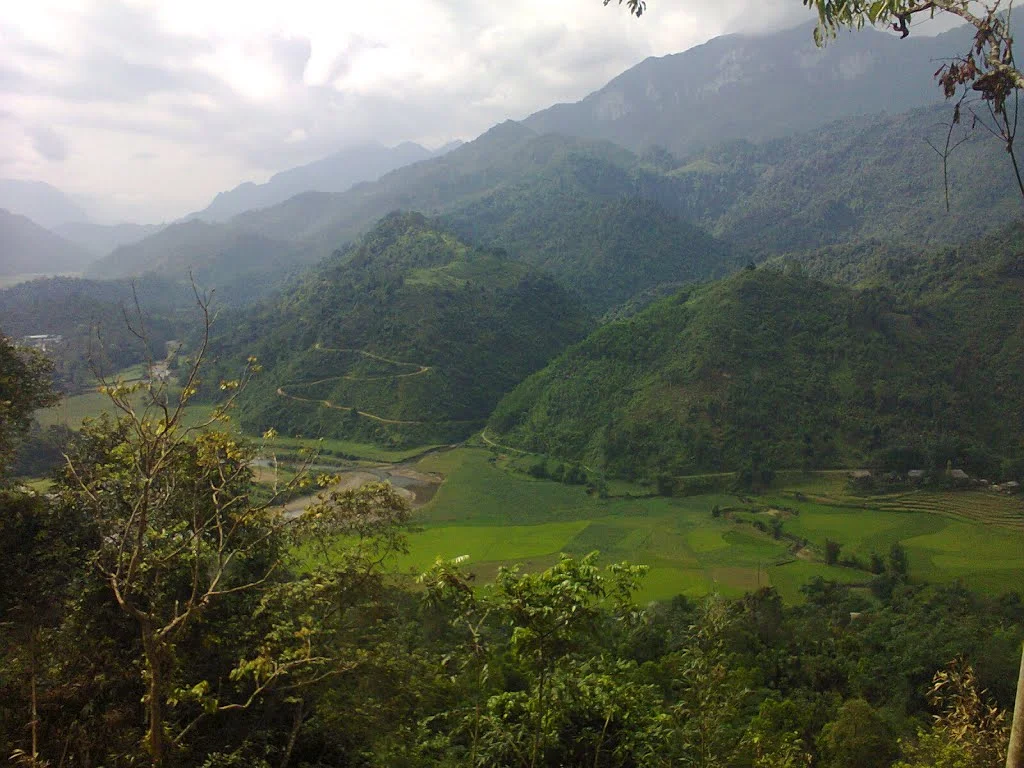
Leave a Reply
Your email address will not be published. Required fields are marked *