- Call us Via Whatsapp: +84 (0) 832 126 699
4.9 stars on our site
(15,000 reviews)
- Monday - Sunday : 08:00 - 17:00
(15,000 reviews)

Imagine pedaling through a sea of clouds, where rugged mountain peaks emerge from the morning mist and narrow roads wind between remote villages, green valleys, and terraced rice fields. The air is cool against your face. Your tires whisper across the asphalt, your gears click through a steep climb, and the scent of damp earth and mountain vegetation follows you around each bend.
This is the magic of Y Ty and Bac Ha, two remarkable destinations in Lao Cai Province, Northern Vietnam, where cycling becomes more than a physical adventure. It is a journey into dramatic landscapes, vibrant highland cultures, and a quieter way of discovering the country.
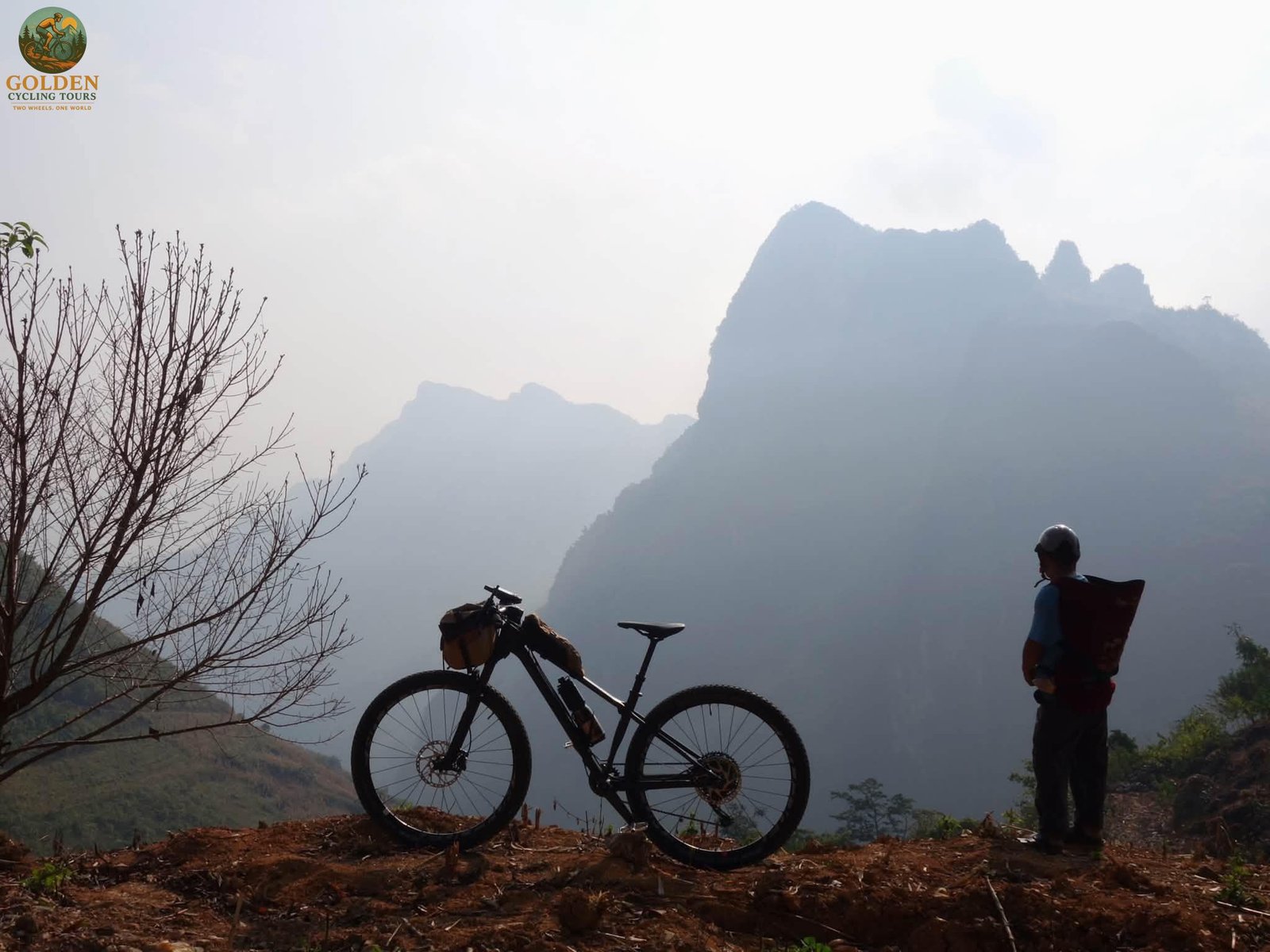
A Y Ty & Bac Ha Cycling adventure takes you beyond the familiar tourist routes to explore cloud-covered mountains, traditional ethnic villages, winding mountain passes, and colorful highland markets. Every climb brings a new perspective; every descent reveals another valley waiting to be explored.
With thoughtful planning and local expertise from Golden Cycling Tours, travelers can experience the region at a pace that leaves room for breathtaking views, cultural encounters, and unforgettable moments on the road.
Whether you are an experienced cyclist looking for challenging mountain terrain or an adventurous traveler who wants to discover the authentic character of Northern Vietnam, Y Ty & Bac Ha Cycling offers a compelling combination of nature, culture, and physical achievement.
Northern Vietnam is famous for its spectacular mountains, but the landscapes around Y Ty and Bac Ha offer a distinctive combination of remote highland scenery and cultural diversity.
Located in the mountainous northwest, these destinations reward travelers willing to venture beyond the major tourist centers. The roads climb through rugged terrain, villages cling to hillsides, and agricultural terraces transform the mountains into intricate patterns of color.
Y Ty is a remote highland commune in Bat Xat District, Lao Cai Province, close to the Chinese border. Its high elevation and mountainous environment make it especially famous for atmospheric cloud formations, dramatic ridgelines, and traditional villages.
At dawn, clouds may gather in the valleys below the road, creating the impression that villages and mountain peaks are floating above a white ocean. When sunlight breaks through, the mist slowly separates, revealing layered mountains and terraced fields.
Cycling here is a sensory experience. You feel the temperature change as the road rises, hear the steady rhythm of your drivetrain, and notice the scent of wet grass and earth after a night of rain.
The terrain can be demanding, with steep climbs, sharp bends, and changing weather. These challenges make route planning essential, but they also create a profound sense of accomplishment for riders who enjoy mountain cycling.
Bac Ha, another mountainous destination in Lao Cai Province, is known for its highland scenery, traditional villages, and vibrant ethnic markets.
Compared with the misty, remote atmosphere of Y Ty, Bac Ha offers a different rhythm. Broad agricultural valleys, rolling hills, traditional houses, and market towns create a landscape rich in both natural beauty and cultural activity.
Cyclists can explore rural roads, pass through farming communities, and stop at viewpoints overlooking the surrounding hills. On market days, the atmosphere can become especially lively, with colorful clothing, local produce, livestock, and regional specialties bringing the town to life.
A combined itinerary introduces travelers to two contrasting sides of Northern Vietnam: the cloud-covered mountains of Y Ty and the cultural richness of Bac Ha.
Traveling by bicycle allows you to experience the region at human speed. Instead of watching mountains pass behind a vehicle window, you become part of the landscape.
You notice the changing texture of the road, the distant sound of a village market, and the warmth of the sun on your shoulders after a cool morning climb.
The journey also offers opportunities to meet local residents, discover regional food, and understand how people live in these mountainous environments.
Explore more regional adventures through Northern Vietnam cycling tours and Vietnam Northeast bike tours.
A Y Ty & Bac Ha Cycling tour is best suited to travelers who appreciate mountain scenery, changing elevations, and the satisfaction of reaching a viewpoint under their own power.
The exact riding experience depends on the route, season, road conditions, and your chosen bicycle.
The road toward Y Ty can feel like a gradual transition into another world. As you leave lower settlements behind, the mountains become more imposing and the air may grow cooler.
The gradient steepens. Your breathing becomes more deliberate. You shift into an easier gear, settle into a sustainable cadence, and focus on the next curve.
On a difficult section, the climb can feel almost meditative: pedal, breathe, shift, repeat. Your legs begin to burn, but the landscape offers constant encouragement. A gap in the trees reveals a distant ridge; a bend opens onto a valley filled with mist.
At a suitable stopping point, the reward is not simply a photograph. It is the feeling of having earned the view.
Because weather can change quickly at higher elevations, riders should be prepared for fog, rain, cold wind, and reduced visibility. A support vehicle, where included in the itinerary, can provide useful assistance.
Mountain descents offer an entirely different sensation. The road curves between slopes, the air rushes past your helmet, and the landscape seems to unfold faster with every turn.
But beautiful scenery should never distract from safe riding. Some roads are narrow, visibility can be limited around bends, and surface conditions may deteriorate after heavy rain.
Maintain a controlled speed, avoid sudden braking on loose surfaces, and leave adequate space between riders. Stop only in safe, visible locations where you do not obstruct traffic.
An experienced guide can help assess road conditions and choose appropriate stopping points.
Terraced fields are among the defining landscapes of Northern Vietnam. In the Y Ty region, cultivated slopes create dramatic patterns against the surrounding mountains.
During the growing season, the terraces may glow in fresh shades of green. Near harvest, sections of the landscape can turn golden. At certain times, mist hangs above the fields, softening their outlines and making the entire valley feel almost dreamlike.
The agricultural calendar varies with elevation, local practices, and weather, so the scenery changes from month to month.
For photographers, early morning and late afternoon often provide beautiful light. For cyclists, these quieter hours can also offer cooler riding conditions.
Around Bac Ha, the cycling experience can include rolling roads, rural settlements, cultivated hills, and sections of climbing terrain.
The landscape changes as you move between villages. One moment you may be riding beside fields and gardens; the next, the road may open onto a broad view of mountain ridges.
Local traffic, road width, and surface conditions vary. Your itinerary should account for your experience level and the amount of time you want to spend stopping for cultural visits and photographs.
The best ride is not necessarily the longest. A carefully paced day allows you to appreciate the people, landscapes, and small details that make the region special.
A well-planned cycling itinerary should balance riding with time to explore the region’s most memorable natural and cultural attractions.
The following locations are worth considering. Their inclusion depends on the route, weather, local access, and the time available.
Y Ty is especially celebrated for its cloud-covered landscapes. On suitable mornings, low clouds may fill the valleys while the mountain ridges remain visible above them.
The result can be extraordinary: a moving sea of white beneath a pale sky, broken by dark ridgelines and scattered village rooftops.
Clouds are a natural phenomenon, not a guaranteed attraction. Visibility depends on humidity, temperature, wind, and recent rainfall.
If cloud photography is a priority, consider staying overnight in the area rather than arriving only for a brief daytime visit. This gives you a better chance of experiencing the landscape at different times of day.
The wider Y Ty area is home to traditional highland communities and distinctive local architecture. Villages and settlements in the region offer opportunities to observe how homes, farming, and daily life adapt to the mountain environment.
Some areas are associated with Ha Nhi communities, whose traditional earthen houses and cultural practices are an important part of the region’s identity.
When visiting villages, travel respectfully. Ask before photographing residents, avoid entering private property without permission, and follow your guide’s advice regarding local customs.
Village visits should be arranged with attention to access, local consent, and the privacy of residents.
The terraced fields around Y Ty are a major highlight for photographers and outdoor travelers.
Their beauty changes with the agricultural cycle. Water may reflect the sky during field preparation, young rice plants create vivid green patterns, and mature crops can add warm golden tones before harvest.
From the bicycle, these fields appear gradually between mountain bends and village roads. A short stop may reveal a view that would be easy to miss when traveling faster.
Stay on public roads and designated paths. Avoid walking through cultivated land without permission, and never leave litter behind.
Bac Ha Market is one of the region’s best-known cultural attractions. On market days, people from surrounding communities gather to trade produce, clothing, household goods, and other local products.
The market is more than a shopping destination. It offers a glimpse into regional commerce, traditional clothing, food culture, and social life.
The market is generally associated with Sunday trading, but schedules and local arrangements should be confirmed before travel. Arrive early if you want to experience the busiest period and avoid rushing through the visit.
If your trip coincides with market day, consider arranging a shorter ride so that you have enough time to explore respectfully.
Hoang A Tuong Palace is a notable historical attraction in Bac Ha. The building reflects a distinctive architectural style influenced by different cultural and historical traditions.
A visit adds context to the region’s past and provides a contrast to the outdoor experience of cycling through villages and mountain landscapes.
Check opening arrangements and access before your visit, especially if your cycling schedule is tight.
Ban Pho Village, near Bac Ha, is known for its traditional community life and local agricultural traditions. It is an interesting stop for travelers who want to experience the cultural landscape beyond the main town.
Depending on local availability and arrangements, visitors may learn about traditional food and regional products. Ask permission before photographing residents or entering private spaces.
Sapa is another famous mountain destination in Lao Cai Province, known for dramatic landscapes, terraced fields, and ethnic minority communities.
Although Sapa and Y Ty can be combined in a broader regional journey, the route requires careful planning because of distance, elevation, and mountain-road conditions.
Explore Ha Giang cycling tours if you are interested in another iconic mountain region, or browse the wider collection of Golden Cycling Tours packages.
The following four-day outline is an illustrative itinerary concept rather than a confirmed tour package. Exact distances, road surfaces, accommodation, transfers, and daily riding times must be verified with Golden Cycling Tours before booking.
Begin in Hanoi, where the energy of the capital gradually gives way to the quieter landscapes of Northern Vietnam.
Depending on your travel arrangements, reach the Lao Cai region by private vehicle or another suitable transfer. If traveling with a bicycle, confirm transportation and bike-handling arrangements in advance.
Use the first day to prepare for the mountain stages, check your equipment, and rest before the more demanding rides ahead.
If time permits, enjoy a short walk, sample local food, and prepare your clothing for changing temperatures.
After breakfast, begin the mountain journey toward Y Ty. The road gradually climbs into a landscape of ridges, valleys, and scattered settlements.
As the elevation changes, the air may become cooler. The road bends around slopes, and distant peaks emerge between sections of forest and farmland.
Ride at a steady pace and take breaks when needed. The objective is to enjoy the scenery while preserving enough energy for the day’s remaining climbs.
Stop at suitable viewpoints for photographs and, where arranged, visit a local village with respect for residents and their daily routines.
Arrive at your accommodation with time to rest. If the weather cooperates, the evening may reveal layers of mountain silhouettes fading into the mist.
After an early breakfast, continue the journey toward the Bac Ha area using a route confirmed by your tour operator.
This transfer and riding stage requires careful planning. Mountain roads may be winding, weather can affect travel speed, and the distance between destinations can make a full day demanding.
Depending on the confirmed itinerary, the day may combine a selected cycling section with a support-vehicle transfer.
As you approach Bac Ha, the atmosphere changes. Agricultural hills, villages, and wider valleys create a different perspective on the highlands.
Spend the evening exploring the town or relaxing at your accommodation.
If your travel dates coincide with market day, begin with a visit to Bac Ha Market. Explore the stalls, observe the local trading atmosphere, and sample regional food where available.
If it is not market day, consider visiting Hoang A Tuong Palace, Ban Pho Village, or a suitable nearby viewpoint, depending on opening arrangements and travel time.
After the visit, begin your return journey according to your transport schedule.
Travelers with additional days may extend their Northern Vietnam adventure to other mountain regions, but the route should be designed around realistic transfer times and safe riding conditions.
Choosing the right season is essential for a comfortable and memorable cycling experience. Temperature, rainfall, visibility, road conditions, and the agricultural calendar all affect the journey.
Spring is often an appealing time to explore the highlands. Vegetation becomes vibrant, and temperatures may be suitable for active travel, although conditions vary with elevation and weather.
The landscapes can feel fresh and full of life. Morning rides may be cool, while afternoons can become warmer.
This period suits travelers who enjoy green scenery and are comfortable preparing for occasional rain or changing temperatures.
Summer can bring vivid green fields and dramatic cloud formations. However, it is also a period when rainfall, humidity, and thunderstorms can affect mountain travel.
Heavy rain may create slippery roads, reduce visibility, and increase the risk of landslides in mountainous areas.
Cycling during this period requires flexibility. Routes may need to be adjusted, and some sections may be unsuitable after severe weather.
Choose appropriate rain gear and follow local guidance about road safety.
For many travelers, September and October are attractive months for exploring the rice-growing landscapes of Northern Vietnam.
Depending on local conditions, some fields may turn golden before harvest, creating beautiful contrasts with dark mountains and pale clouds.
Harvest timing differs by elevation and village, so golden terraces cannot be guaranteed on a particular date. Ask your tour operator about current conditions if photography is a priority.
The cooler months can bring atmospheric mountain scenery, mist, and crisp morning air. These conditions may be appealing to photographers and travelers who prefer cooler temperatures.
However, higher elevations can become cold, damp, and foggy. Cloud cover is not guaranteed, and visibility can change quickly.
Bring warm layers, gloves, a windproof jacket, and suitable rain protection.
For green landscapes, consider March to May. For a chance to see golden rice fields, investigate September to October. For travelers interested in misty mountain scenery, the cooler months may be worth considering.
The best dates depend on your priorities and the actual weather forecast. Before confirming your trip, ask Golden Cycling Tours about seasonal road conditions, expected temperatures, and the likely appearance of the rice terraces.
The cultural richness of the region is one of the strongest reasons to travel slowly. The mountains are not empty wilderness; they are home to communities with distinct languages, clothing, food traditions, farming practices, and histories.
The Y Ty area is strongly associated with Ha Nhi communities, whose traditional houses and agricultural practices reflect generations of adaptation to a highland environment.
Earthen houses are a notable feature in parts of the region. Their construction offers practical protection from the mountain climate and creates a distinctive architectural landscape.
Cyclists may pass homes, cultivated plots, and small settlements where daily life unfolds at a different rhythm from the cities.
The most meaningful encounters are often simple: a greeting, a conversation facilitated by a local guide, or a chance to learn how people grow crops in challenging terrain.
Bac Ha and the surrounding highlands are associated with Flower Hmong communities, alongside other ethnic groups in the wider region.
Traditional clothing can feature intricate embroidery, vivid colors, and elaborate patterns. These garments are part of cultural identity and may be worn in daily life, at markets, and during special occasions.
A visit to Bac Ha Market can offer an opportunity to observe this cultural diversity, but visitors should remember that the market is a working social and commercial space.
Ask before taking close-up portraits, avoid treating people as photographic props, and support local vendors through respectful purchases.
Markets provide an important meeting point for people from surrounding villages. Alongside buying and selling, visitors may observe social interaction, food preparation, and regional products.
Festivals and special celebrations vary by community and date. If you hope to experience a particular event, confirm the local calendar before arranging your trip.
A good guide can explain what is appropriate to photograph, where visitors may walk, and how to engage respectfully.
Respectful travel means listening more than assuming. Dress appropriately, ask permission before entering homes, and follow local guidance around ceremonies and sacred places.
Whenever possible, use local guides and purchase food or handicrafts from community businesses. This can help tourism contribute more directly to the local economy.
Highland food is an important part of the journey. After several hours on mountain roads, a warm meal can be as memorable as the view from a summit.
Thang Co is a traditional highland dish commonly associated with Hmong culinary culture and markets in Northern Vietnam. Recipes and ingredients vary, and the dish may not suit every traveler.
If you are curious about regional food, ask a local host or guide about its ingredients and preparation before ordering.
Com lam, rice cooked in a bamboo tube, is found in several mountainous regions of Vietnam. It is often enjoyed with grilled dishes or local accompaniments.
The bamboo gives the rice a subtle aroma, making it an appealing choice after a long ride.
Meals may include seasonal vegetables, leafy greens, rice, soup, and locally available meat or fish. In colder weather, a hot bowl of soup can be especially welcome after a windy mountain descent.
Food availability varies between villages and accommodation properties, so it is helpful to ask about meal arrangements in advance.
In Y Ty, dining options may be limited compared with larger towns. Homestays and small local establishments are often the most practical places to arrange meals.
In Bac Ha, visitors may find more choices around the town center and market area, although opening hours and menus can vary.
For a smoother trip:
Ask your accommodation to arrange dinner before arrival.
Confirm whether breakfast and lunch are included in your tour.
Carry snacks for long or remote cycling stages.
Bring drinking water and refill only from safe sources.
Inform your host about food allergies and dietary restrictions in advance.
Because cycling requires energy, regular meals and hydration are important. Do not wait until you feel exhausted before taking a break.
Accommodation in the highlands ranges from simple homestays to guesthouses and selected hotels. The best option depends on your comfort preferences, route, and the availability of facilities.
A homestay can provide an intimate introduction to highland life. Depending on the property, you may stay in a private room or a shared sleeping area.
The experience may include home-cooked meals, mountain views, and the quiet sounds of village life after dark.
Facilities vary considerably. Confirm heating or extra blankets, hot water, bathroom arrangements, bedding, and meal availability before booking.
Bac Ha offers a practical base for travelers who want to visit the market, explore nearby villages, and prepare for the next stage of the journey.
Accommodation options may include guesthouses and small hotels. Choose a property based on location, cleanliness, comfort, and access to your planned route.
If your schedule includes an early market visit, staying within convenient distance of the town center may save time.
Before booking, ask about:
Private or shared rooms.
Bathroom and hot-water facilities.
Extra blankets for cold nights.
Breakfast availability before an early ride.
Secure bicycle storage.
Laundry or drying facilities.
Dinner arrangements and dietary requirements.
Vehicle access for luggage transfers.
If accommodation is included in your package, confirm the property category and facilities with Golden Cycling Tours before paying a deposit.
Because both destinations are in mountainous Northern Vietnam, transport planning is an important part of the experience.
Travelers generally begin by traveling from Hanoi toward the Lao Cai region by road or other available transport connections. The best option depends on your departure time, budget, and whether you are carrying a bicycle.
A private transfer can simplify luggage handling and provide flexibility for stops, while other transport options may suit travelers with more time and simpler equipment needs.
Confirm the journey duration, pickup point, bicycle transportation arrangements, and any additional charges before departure.
The journey between Y Ty and Bac Ha involves mountain roads and can require substantial travel time. The route should not be planned solely by looking at the distance on a map.
Elevation, road condition, weather, and the availability of suitable stopping points all matter. Depending on the itinerary, combining cycling with a support-vehicle transfer may be the most practical solution.
A support vehicle, if included, can help transport luggage, carry supplies, and assist when a rider needs to shorten a stage.
E-bikes may make steep climbs more manageable, but their suitability depends on route length, elevation gain, charging opportunities, and battery range.
Explore Vietnam e-bike tours if you prefer an assisted cycling experience.
The region is mountainous, so riders should expect climbs, descents, and changing weather. However, the overall difficulty can be adjusted through route choice and support arrangements.
Experienced riders may enjoy the physical challenge of sustained climbs, winding descents, and long days in remote landscapes.
Training beforehand can help. Include endurance rides, hill repetitions, and practice on the type of bicycle you plan to use.
Recreational riders can still enjoy the region by choosing shorter stages, allowing more time for transfers, and arranging support where available.
Be honest about your fitness and previous cycling experience when discussing the itinerary with your tour operator.
Beginners should prioritize manageable distances, suitable road surfaces, and a flexible daily schedule. An e-bike or support vehicle may make the trip more accessible for some participants.
For all riders, safety comes first. Mountain roads may be narrow, weather can deteriorate quickly, and long descents require concentration.
Good equipment makes the difference between spending the day enjoying the scenery and struggling with preventable discomfort.
Bring a properly fitted helmet, cycling clothing, comfortable shoes, gloves, and sunglasses. Padded shorts can improve comfort on longer days.
If you are bringing your own bicycle, inspect the brakes, tires, drivetrain, and gearing before departure.
Mountain conditions can change quickly. Pack a lightweight waterproof jacket, a windproof layer, and warm clothing for early starts or high-elevation stops.
A small dry bag can protect your phone, camera, documents, and other valuables from rain.
Carry personal medication, sunscreen, insect repellent, basic blister care, and sufficient water for the planned stage.
Follow your guide’s advice regarding road conditions, weather changes, and any route restrictions. If visibility deteriorates or severe weather develops, be prepared to adjust the itinerary.
A successful mountain cycling holiday requires more than a beautiful route. It also depends on suitable bicycles, realistic daily distances, accommodation arrangements, safe transfers, and an itinerary that matches your experience.
Golden Cycling Tours offers a starting point for travelers comparing cycling experiences across Northern Vietnam. Before selecting a package, explain your travel dates, group size, cycling experience, preferred accommodation, and interest in cultural visits or photography.
The following links lead to related tours and destination pages. They provide ideas for extending your journey or comparing other cycling regions; they should not be interpreted as confirmation that every itinerary includes Y Ty or Bac Ha.
For a broad Northern Vietnam cycling experience:
Northern Vietnam Cycling Tour — 8-Day Ha Giang Loop Adventure
12-Day North Vietnam Cycling Adventure: Off the Beaten Path from Hanoi to Ninh Binh
For other Northern Vietnam destinations:
If you are interested in combining cycling with a more relaxed countryside experience, consider the 4-Day Mai Chau to Pu Luong Cycling Adventure or the 6-Day Mai Chau, Pu Luong, and Ninh Binh E-Bike Tour.
Browse all Golden Cycling Tours packages or visit the official Golden Cycling Tours website to begin planning.
Before confirming a booking, ask the operator to verify whether Y Ty and Bac Ha are included in the proposed itinerary, together with the actual cycling distance, elevation gain, transport arrangements, accommodation, meals, guide services, and cancellation policy.
Customer reviews can help future travelers understand the quality of the guiding, the difficulty of the route, the accommodation, and the overall experience.
To maintain trust, publish only verified feedback from actual guests. The examples below are templates to replace with genuine customer comments before publication.
“[Insert a verified customer comment describing the mountain views, cloud formations, rice terraces, and favorite moments during the trip.]”
— [Customer name or approved initials], [Travel date]
“[Insert a verified review covering the guide’s local knowledge, communication, route planning, bicycle condition, and support arrangements.]”
— [Customer name or approved initials], [Travel date]
“[Insert a verified customer comment about visiting local villages, experiencing Bac Ha Market, trying regional food, or learning about local traditions.]”
— [Customer name or approved initials], [Travel date]
Publishing recommendation: Obtain permission before using customer names, photographs, or reviews. Do not publish invented ratings, dates, or testimonials. If possible, link to the original review platform or identify the review source with the customer’s consent.
Both Y Ty and Bac Ha are in Lao Cai Province, Northern Vietnam. They are mountainous destinations known for highland scenery, traditional communities, and distinctive cultural experiences.
Four to six days can be a useful starting point for planning, depending on the route, transport arrangements, daily riding distance, and time needed for sightseeing.
The ideal duration should be based on a confirmed itinerary rather than distance alone, because mountain roads can take longer to travel.
March to May can be appealing for green landscapes and comfortable riding opportunities. September to October may offer attractive rice-field scenery around harvest time.
Summer can be very wet, while winter can bring cold temperatures and fog. Check current conditions before booking.
The region is mountainous and may be challenging for inexperienced riders. Beginners should choose shorter stages, manageable gradients, and appropriate support.
Share your cycling experience with the tour operator so the route can be matched to your ability.
Y Ty is known for cloud-hunting, but cloud formations depend on weather, humidity, wind, and temperature. No specific view can be guaranteed.
An overnight stay may provide more opportunities to experience the mountains at dawn and in changing weather.
Bac Ha Market is widely known for its Sunday market, but travelers should confirm the current schedule and any special arrangements before visiting.
If market day is central to your trip, build the cycling itinerary around it.
Depending on availability, you can explore regional dishes such as thang co, com lam, grilled specialties, and seasonal vegetables.
Ask about ingredients and preparation if you have dietary restrictions or food allergies.
In Y Ty, homestays and small guesthouses can provide a closer connection to the local environment. In Bac Ha, travelers may find additional guesthouse and hotel options.
Confirm room facilities, hot water, meals, and bicycle storage before booking.
Not always. A gravel, touring, hybrid, or mountain bike may work depending on the route surface and difficulty.
The most important factors are reliable brakes, suitable gearing, comfortable fit, and appropriate tires.
An e-bike may help with steep climbs, but battery capacity, elevation gain, charging access, and route length must be considered.
Ask the operator to confirm the e-bike model and expected range before choosing this option.
A broader Northern Vietnam trip may include several mountain destinations, but travel time and road conditions must be considered carefully. Not every destination can be combined comfortably in a short itinerary.
Explore Ha Giang bike tours for another mountain-cycling region, and ask Golden Cycling Tours to advise on a realistic route.
Start at Golden Cycling Tours and enquire about a suitable itinerary.
Provide your preferred travel dates, group size, cycling experience, accommodation preference, and whether you want a support vehicle or e-bike. Confirm the actual route, inclusions, price, and cancellation conditions before paying.
There is a special kind of freedom in cycling through the mountains of Northern Vietnam. The road narrows, the climb begins, and the world gradually falls quiet except for your breathing, the soft movement of the chain, and the wind passing through the surrounding hills.
Then the clouds open. A valley appears below you, layered with rice terraces and distant ridgelines. A village comes into view around the next bend. Later, the aroma of a warm meal and the hospitality of a local host provide a welcome contrast to the physical challenge of the day.
Y Ty & Bac Ha Cycling brings together the elements that make a mountain journey memorable: dramatic landscapes, challenging roads, cultural discovery, and the satisfaction of exploring at your own pace.
From the misty highlands of Y Ty to the colorful market culture of Bac Ha, every stage offers a different perspective on Northern Vietnam.
Plan carefully, travel respectfully, and choose an itinerary that matches your ability. With the right preparation and local guidance, the journey can become far more than a cycling holiday. It can become a lasting memory of mountains, people, and roads that stay with you long after the ride ends.
Start planning your next adventure with Golden Cycling Tours and discover the extraordinary highlands of Northern Vietnam by bicycle.

.jpg "My mountain bike tour to Bac Ha in northern Vietnam")
.jpg "Vietnam Biking Tours")
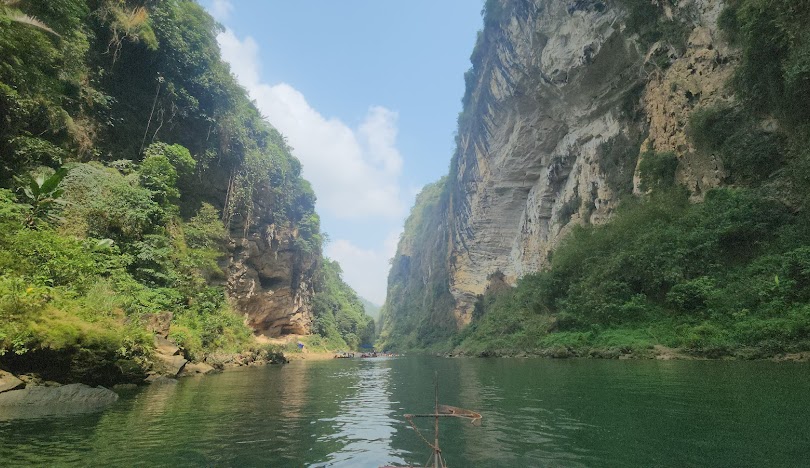
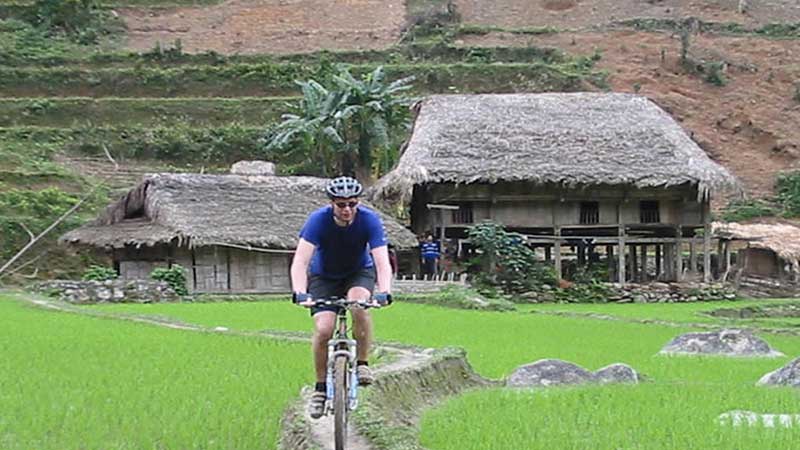
.jpg "12-Day Bac Ha – Hoang Su Phi Mountain Bike Tour: Explore Northern Vietnam's Hidden Gems")
Leave a Reply
Your email address will not be published. Required fields are marked *