- Call us Via Whatsapp: +84 (0) 832 126 699
4.9 stars on our site
(15,000 reviews)
- Monday - Sunday : 08:00 - 17:00
(15,000 reviews)

High in the mountains of northern Vietnam, where clouds drift across rugged ridgelines and terraced fields descend into mist-filled valleys, cycling becomes more than a journey between destinations. It becomes a way to experience the landscapes, people, and traditions that make this region unforgettable.
The Y Ty & Bac Ha Cross-Country Cycling Expedition invites adventurous riders to imagine a different kind of Vietnamese holiday: one shaped by winding mountain roads, remote villages, earthy trails, vibrant ethnic cultures, and the quiet satisfaction of earning every spectacular view.
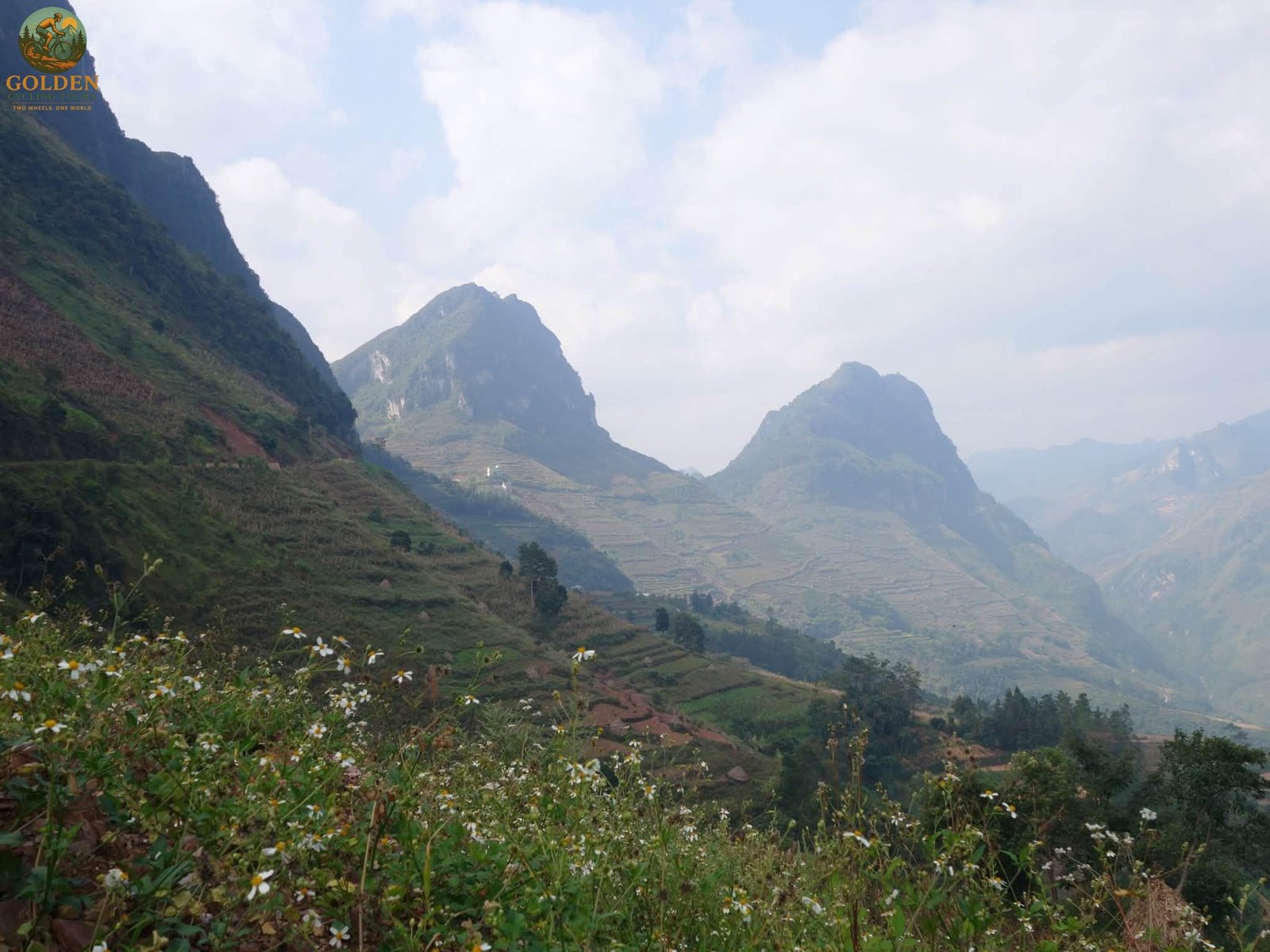
In Y Ty, the mountains rise into a world of shifting clouds, traditional earthen houses, and dramatic highland scenery. Around Bac Ha, the landscape opens into rolling hills, cultivated valleys, village paths, and colorful highland markets. Between them lies a compelling setting for cross-country cycling, where every climb tests your legs and every descent rewards your determination.
For travelers seeking a more immersive experience than a conventional sightseeing trip, this region offers a powerful combination of outdoor adventure, cultural discovery, and authentic encounters.
Planning a northern Vietnam cycling holiday? Explore Golden Cycling Tours to discover cycling experiences across Vietnam and find an itinerary that matches your interests, fitness, and travel schedule.
Northern Vietnam rewards travelers who are willing to slow down, leave the busiest tourist routes behind, and discover the countryside at ground level. A cross-country cycling journey makes that experience particularly vivid.
The scenery between Y Ty and Bac Ha is defined by contrast. Mountain ridges rise against broad skies, narrow roads wind through cultivated hillsides, and villages appear between forests and fields. Depending on the route and season, riders may encounter terraced rice paddies, vegetable gardens, pine-covered slopes, rocky tracks, and open viewpoints across the highlands.
The landscape is never static. A turn may reveal a valley hidden behind a ridge, while a short climb can lift you above the morning mist. The air may smell of damp soil after rain, wood smoke from a village kitchen, or vegetation warmed by the afternoon sun.
These are the moments that make cycling in northern Vietnam memorable: not simply arriving at a viewpoint, but feeling the landscape change as you move through it.
Cross-country cycling in the northern highlands demands a mixture of endurance, balance, and patience. Climbs can be sustained, surfaces may vary, and weather can change quickly at elevation.
On a steep section, your breathing becomes more deliberate. Your legs settle into a steady rhythm while the chain clicks through the gears. The front wheel follows the line of the road, and the view ahead seems to move closer only a few meters at a time.
Then the gradient eases. You straighten your shoulders, take a deeper breath, and feel the cool mountain air across your face.
That contrast between effort and release is central to the appeal of the Y Ty & Bac Ha Cross-Country Cycling Expedition. The experience is not about racing through the mountains. It is about discovering what lies beyond the next bend.
The highlands around Y Ty and Bac Ha are home to diverse ethnic communities, including Hmong, Dao, and other local groups whose traditions differ by village and region.
Cycling creates opportunities to observe everyday life at a respectful pace. You may see farmers tending crops, families working around traditional homes, local people traveling between villages, or traders preparing goods for a market day.
These encounters are most rewarding when approached with curiosity rather than expectation. Ask before photographing people, respect private homes and religious spaces, and remember that local communities are living places rather than attractions designed for visitors.
Y Ty, in Bat Xat District, Lao Cai Province, is known for its mountainous setting and its reputation as a destination for cloud watching. Its elevation and weather patterns can create dramatic atmospheric scenes, although cloud formations are never guaranteed.
At dawn, mist may soften the outline of distant ridges. The roofs of traditional homes emerge gradually from the haze, and the first sunlight can transform a gray mountainside into a patchwork of green, brown, and gold.
For cyclists, these changing conditions make the ride feel almost cinematic. The road may disappear briefly into low cloud before reappearing above a valley. The sound of tires on the surface becomes more noticeable as the landscape grows quiet.
A successful ride here requires flexibility. Weather, road conditions, and visibility can influence the route, so a well-planned expedition should include alternatives rather than depend on one specific viewpoint.
One of the distinctive cultural features of the wider Y Ty area is its traditional earthen architecture, associated particularly with local Ha Nhi communities.
Some traditional houses have thick earthen walls and roofs designed to suit the mountain climate. Their muted colors blend naturally with the surrounding landscape, creating a visual connection between architecture and environment.
When passing through villages, ride slowly and keep noise to a minimum. If you wish to enter a home or photograph a family, seek permission first. A friendly greeting and respectful behavior can make a brief encounter far more meaningful than a hurried photograph.
Mountain weather can change considerably over a single day. Cool mornings may give way to warmer afternoons, while rain can make unpaved sections slippery and reduce visibility.
Before setting out, check the forecast and confirm the current condition of the intended route. A local guide can help assess whether a dirt track is suitable for your ability and bicycle.
For a safer ride:
Carry a lightweight waterproof jacket and an insulating layer.
Use tires appropriate for the expected mix of paved and unpaved surfaces.
Bring sufficient water, snacks, basic repair supplies, and a charged phone.
Wear a properly fitted helmet and gloves.
Avoid unfamiliar technical descents in heavy rain or poor visibility.
The goal is to enjoy the mountains without allowing changing conditions to turn an adventure into an unnecessary risk.
Bac Ha Market is one of the best-known traditional markets in the northern highlands. On its main market day, generally Sunday, the town can become a lively meeting point for residents from surrounding villages.
Stalls may display fresh produce, local ingredients, household goods, textiles, and traditional clothing. The atmosphere is a blend of conversation, movement, color, and the aroma of freshly prepared food.
For cyclists, the market offers a fascinating contrast with the quiet countryside. After hours on mountain roads, the sound of traders talking and people moving through crowded lanes brings a different kind of energy.
Market schedules and local conditions can change, so confirm the timing before planning a visit around a particular day. If your cycling itinerary includes the market, allow time to explore on foot rather than attempting to ride through crowded areas.
Hoang A Tuong Palace, located in Bac Ha, is an important historical and architectural landmark. Its distinctive design reflects a complex history of local leadership and outside cultural influences during the early twentieth century.
The building offers a different perspective on the region from the rural trails and agricultural landscapes. Its architecture, courtyard, and historical context make it a worthwhile stop for travelers interested in the social history of the northern highlands.
A visit can be combined with a cycling day around Bac Ha Town, depending on the route, available time, and opening arrangements.
Outside the town center, the countryside offers a quieter side of the highlands. Depending on the chosen route, riders may pass cultivated slopes, village roads, small farms, and valleys shaped by generations of agricultural work.
The terrain can vary from manageable rolling roads to demanding climbs. Some sections may be paved, while others may include gravel or dirt. A route described as cross-country should therefore be checked carefully before departure, particularly if you are looking for technical mountain-bike trails rather than mixed-surface touring.
As the road bends around a hillside, the view may open toward fields arranged in irregular patterns. You hear the crunch of gravel beneath your tires, feel the vibration of the handlebars, and notice the temperature changing as the road moves between sunlight and shade.
These everyday details are part of the appeal of a cycling expedition: the journey gives you time to notice what a faster mode of transport might conceal.
Ban Pho and the wider countryside around Bac Ha can offer opportunities to learn about local agriculture and traditional village life. The precise experience depends on the route, season, and communities visited.
If the itinerary includes village stops, take time to observe how people work with the land, prepare food, and maintain local traditions. Ask your guide about the history of the area rather than assuming that every community shares the same customs.
Cycling through inhabited areas should always prioritize safety and respect. Slow down around pedestrians, give animals plenty of space, and avoid entering private land without permission.
Cross-country cycling combines the endurance of road riding with the adaptability required for mixed terrain. On a suitable route, riders may move between paved mountain roads, quiet village lanes, gravel sections, and unpaved tracks.
That variety makes the ride engaging, but it also means that the route must match the rider's experience and equipment. Not every rural path is suitable for every bicycle, and not every road between two destinations is a safe or practical cycling connection.
For the Y Ty & Bac Ha Cross-Country Cycling Expedition, clarify these details before booking:
The exact starting and finishing points.
Whether the itinerary includes both Y Ty and Bac Ha in the same trip.
The daily distance and cumulative elevation gain.
The proportion of paved roads, gravel, and dirt trails.
The availability of support vehicles and luggage transfers.
The bicycle type, repair support, and emergency arrangements.
These details are especially important for travelers who want a genuine off-road experience rather than a scenic road tour.
After a long climb, a descent can feel like a release of energy. You settle into the saddle, keep your eyes focused ahead, and let the bicycle follow a controlled line through the bends.
The chain hums, the tires grip the surface, and cool air moves across your face. Far below, fields and rooftops form a patchwork between the ridges.
The best descents are not necessarily the fastest. On unfamiliar mountain roads, controlled speed, good visibility, and room to react matter more than momentum. Loose gravel, potholes, livestock, and sudden bends can appear without warning.
A knowledgeable guide can help select an appropriate line and pace, allowing riders to enjoy the scenery without taking unnecessary risks.
Choosing the right season can make a major difference to comfort, scenery, and trail conditions. Northern Vietnam has a varied mountain climate, so conditions can differ between Y Ty, Bac Ha, and the valleys connecting them.
Spring can bring fresh vegetation, mild conditions, and beautiful changes in the mountain landscape. Temperatures may be comfortable for long rides, although mist and occasional rain can affect visibility and trail surfaces.
This period can suit riders who enjoy green countryside and cooler air. Pack layers, as mornings at higher elevations may feel much colder than afternoons in sheltered valleys.
The countryside becomes increasingly green as agricultural activity intensifies. The longer daylight hours can provide flexibility for sightseeing and cycling, but temperatures and humidity may rise.
Rain can begin to influence road conditions, especially on unpaved sections. Check forecasts and avoid assuming that every dirt road will remain firm after a shower.
Summer can deliver lush landscapes and dramatic cloud formations, but it can also bring heavy rain, slippery surfaces, and a greater risk of travel disruption.
This period is best approached with flexible scheduling and experienced local support. Riders should be prepared to shorten a route, change a trail, or postpone a mountain section when conditions are unsafe.
Autumn is often an appealing period for exploring northern Vietnam's mountain scenery. Depending on the location and agricultural calendar, hillsides may display changing shades of green, yellow, and gold.
Weather varies from year to year, and harvest timing is not identical across every valley. Nevertheless, travelers seeking dramatic landscapes and comfortable cycling conditions often consider this period when planning a highland adventure.
Winter can bring cold mornings, mist, and limited visibility in elevated areas. Some days are crisp and clear, while others feel damp and chilly.
Riders who choose this season should carry warm layers, full-finger gloves, and suitable rain protection. Confirm the expected temperature range and the day's route before setting out.
When should you book? For many travelers, spring and autumn are sensible starting points for planning a mountain cycling holiday. However, the best dates depend on the weather forecast, road conditions, market days, and your preferred riding style. Confirm conditions locally before finalizing the expedition.
The region around Y Ty and Bac Ha is culturally diverse. Hmong, Dao, Ha Nhi, and other communities maintain distinct histories, languages, clothing traditions, and relationships with the land.
Traditional clothing may be worn daily in some settings and on special occasions in others. Agricultural routines, market visits, and family activities vary from place to place.
Rather than treating the highlands as a single cultural destination, use the journey to learn about the specific communities you encounter.
A few simple habits can make village visits more comfortable for everyone.
Ask before photographing people, particularly children.
Avoid entering homes, courtyards, or sacred spaces without permission.
Dress practically and respectfully.
Purchase locally made products directly from artisans when possible.
Follow your guide's advice about religious customs and community boundaries.
Avoid leaving litter or disturbing agricultural land.
The most meaningful cultural encounters are often small: a greeting exchanged at the roadside, a conversation with a market vendor, or an explanation of how a local crop is grown.
Cycling tourism can create opportunities for local guides, homestays, family-run restaurants, and small businesses. Choosing local services where practical helps distribute the benefits of tourism more widely.
If you stay in a homestay, ask about meal arrangements, hot water, shared facilities, and payment methods in advance. A little preparation helps prevent misunderstandings and allows you to appreciate the experience.
Northern Vietnamese highland cuisine is shaped by local ingredients, seasonal produce, family cooking, and the needs of people living in a cooler mountain environment.
Depending on the village and restaurant, you may encounter:
Thang Co: A traditional highland dish associated particularly with Hmong food culture, often available in market settings.
Local pork dishes: Pork may be grilled, roasted, or cooked with regional herbs and spices.
Sticky rice: A filling staple that works well before or after a demanding ride.
Seasonal vegetables: Mountain-grown greens and other vegetables may feature in simple family meals.
Local noodles and soups: Warm, practical options for cool mornings or recovery after cycling.
Corn-based foods and drinks: Corn has a long-standing place in the food traditions of several northern highland communities.
Ingredients and preparation methods vary, so ask about unfamiliar dishes and any dietary restrictions.
In Y Ty, dining options may be more limited than in larger towns. Depending on the accommodation and season, meals may be arranged through a homestay, a local guesthouse, or a small family-run establishment.
If you have dietary requirements, communicate them before arrival. Vegetarian meals, allergies, and special food preferences may require advance planning in remote areas.
Bac Ha Town generally provides a broader range of local dining options than smaller mountain villages. Restaurants and market-area food stalls may offer regional dishes, noodle soups, rice meals, and seasonal specialties.
For a market visit, arrive with enough time to explore and ask your guide which stalls are operating that day. Food availability can change with market schedules and local circumstances.
Long mountain rides require regular fueling. Begin with a substantial breakfast, carry easy-to-digest snacks, and drink water consistently rather than waiting until you feel thirsty.
After a demanding ride, a meal containing carbohydrates, protein, and vegetables can help replenish energy. If you are unfamiliar with local food, start with modest portions and choose freshly prepared meals from establishments recommended by your guide.
Accommodation options depend on the exact route, the availability of local services, and the standard of comfort you prefer.
A village homestay can offer a closer look at daily life and a quieter alternative to staying in a busy town. Facilities vary considerably. Some properties provide simple private rooms, while others have shared sleeping areas and bathrooms.
Before booking, confirm:
Whether the room is private or shared.
Bathroom arrangements and hot-water availability.
Heating, blankets, and insulation during colder months.
Meal availability and dietary options.
Whether luggage transfer is included.
The distance from the accommodation to the cycling route.
A homestay should be selected for its suitability and hospitality, not on the assumption that every property provides the same facilities.
Bac Ha Town offers a practical base for exploring the market, historical landmarks, and surrounding countryside. Guesthouses and hotels may be more convenient for travelers who prefer private rooms and easier access to restaurants.
Availability and standards vary, particularly around popular travel dates and market weekends. Reserve ahead when possible, and verify the accommodation's location relative to your planned start and finish points.
If you are booking a guided cycling holiday, ask the operator to specify the accommodation category, room arrangements, meal inclusions, and any additional charges.
Explore the available itineraries on the Golden Cycling Tours tour collection. Confirm directly which accommodation and support services are included in your chosen tour; do not assume that every listed itinerary visits Y Ty or Bac Ha.
Many trips to this region begin in Hanoi, with onward travel toward Lao Cai Province by road or a combination of transport services.
Depending on the itinerary, travelers may use a private vehicle, shared transfer, bus, or train for part of the journey. The most suitable option depends on departure time, luggage, bicycle transport, and the location of the cycling start.
If you are bringing your own bicycle, confirm packing requirements, transport restrictions, and handling arrangements in advance.
The route connecting Y Ty and Bac Ha should be planned carefully rather than assumed to be a single straightforward ride. Mountain roads, elevation changes, roadworks, weather, and the condition of unpaved tracks can affect the practical route.
A guided itinerary may use a support vehicle for some transfers or adjust the cycling sections according to conditions. Ask for a route map or day-by-day plan so you understand which sections are ridden and which are covered by vehicle.
A support vehicle can carry luggage, transport spare equipment, and provide assistance if a rider becomes exhausted or conditions deteriorate. It may also allow the group to bypass an unsafe road section.
Confirm whether support is included, how frequently the vehicle can reach the cyclists, and what happens if a mechanical issue occurs on a remote track.
A mountain cycling expedition can involve sustained climbs, repeated elevation changes, and several hours in the saddle. The difficulty depends on the daily distance, cumulative climbing, surface quality, weather, and your cycling experience.
Riders should be comfortable spending extended periods on a bicycle and managing moderate climbs before attempting a demanding highland route. Technical dirt sections may require additional mountain-bike handling skills.
Ask the tour operator for actual daily distances and elevation figures rather than relying only on broad descriptions such as “moderate” or “challenging.”
Useful equipment includes:
A properly fitted helmet.
Cycling gloves and padded shorts.
Moisture-wicking clothing and spare socks.
A waterproof jacket and warm layers.
Sunglasses and sunscreen.
Refillable water bottles or a hydration pack.
Electrolytes and ride snacks.
Basic repair supplies and a multi-tool.
Personal medication and a small first-aid kit.
A phone, offline navigation, and a power bank.
For mixed-surface routes, the right tires and reliable brakes are particularly important. Confirm whether the operator supplies a suitable bicycle and what equipment is included.
Mountain roads may be narrow, steep, or shared with motorbikes, cars, pedestrians, and livestock. Riders should keep a predictable line, stay alert at blind corners, and avoid sudden movements.
On descents, control speed before entering a bend rather than braking sharply halfway through it. Leave extra distance on wet or loose surfaces, and stop in a safe location when checking maps or taking photographs.
The mountains reward patience. A steady, controlled ride allows you to enjoy the scenery while keeping enough energy for the next climb.
The following is an illustrative itinerary framework, not a confirmed Golden Cycling Tours departure or a verified route. Actual distances, riding days, accommodation, and transfers must be confirmed with the operator.
Travel from Hanoi toward the highlands of Lao Cai Province. Depending on arrival time, use the day to check your bicycle, organize equipment, and discuss the route with your guide.
A relaxed start can help you adjust to the climate and prepare for the riding ahead.
Begin with a route suited to the group's fitness and current conditions around Y Ty. The day may combine mountain roads, village scenery, and selected viewpoints where access is appropriate.
Allow time for photographs and cultural stops. In the highlands, weather and visibility can change rapidly, so a flexible plan is preferable to a rigid schedule.
Continue through selected rural roads and mountain landscapes according to the confirmed route. The day's experience may emphasize sustained climbing, mixed surfaces, or scenic road riding.
A support vehicle can be valuable if the group encounters changing weather or a section that is unsuitable for cycling.
Explore Bac Ha and the surrounding countryside. Depending on the day of the week, the itinerary may include Bac Ha Market, a visit to Hoang A Tuong Palace, or a ride through nearby rural communities.
If the market is a priority, schedule the itinerary around its usual Sunday market day and verify current arrangements before travel.
Enjoy a final ride or a shorter village excursion before transferring toward the next destination. The final route should be adjusted to the group's energy, weather, and departure schedule.
This flexible structure can help travelers understand the types of experiences available, but it should not be interpreted as a bookable package until the operator confirms the itinerary.
The Y Ty & Bac Ha Cross-Country Cycling Expedition is a useful starting point for exploring the broader cycling opportunities of northern Vietnam. If you want to compare landscapes, trip lengths, and riding styles, Golden Cycling Tours features destinations and itineraries across the country's northern mountain regions.
Vietnam Northeast Bike Tours – Explore cycling opportunities in northeastern Vietnam.
Vietnam Northwest Bike Tours – Discover the mountainous northwest.
Cycling Northern Vietnam – Browse cycling experiences across northern Vietnam.
Bac Ha Bike Tours – Explore cycling options associated with Bac Ha.
Sapa Bike Tours – Discover cycling opportunities around Sapa.
Ha Giang Bike Tours – Explore dramatic mountain landscapes in Ha Giang.
Cao Bang Bike Tours – Find cycling inspiration in Cao Bang.
Ba Be Lake Bike Tours – Discover cycling possibilities around Ba Be Lake.
Best Vietnam Cycling Northeast Tour – 15 Days – A longer itinerary to consider when exploring northeastern Vietnam.
Northern Vietnam Cycling Tour – 8-Day Ha Giang Loop Adventure – A multi-day option centered on the Ha Giang Loop.
10-Day Ha Giang Loop and Hoang Su Phi Cycling Adventure – Compare an extended mountain cycling itinerary.
12-Day North Vietnam Cycling Adventure: Hanoi to Ninh Binh – Explore a longer journey through northern Vietnam.
Mai Chau Bike Tours – Discover valley landscapes and rural cycling.
Pu Luong Bike Tours – Explore cycling experiences in Pu Luong.
Ninh Binh Bike Tours – Discover cycling opportunities among limestone landscapes.
Vietnam E-Bike Tours – Explore electric-assist cycling options.
Vietnam Luxury Bike Tours – Browse luxury-oriented cycling experiences.
You can also compare these itineraries:
These are alternative itineraries, not confirmation that every tour includes Y Ty or Bac Ha. Contact Golden Cycling Tours to confirm the route, dates, availability, inclusions, and whether a customized cross-country expedition can be arranged.
It depends on the actual route. Mountain roads, long climbs, variable weather, and unpaved surfaces can make the expedition challenging for inexperienced cyclists. Beginners should request a lower-intensity itinerary, shorter daily distances, and support vehicle arrangements.
The appropriate duration depends on the route, travel connections, desired riding time, and cultural stops. A multi-day itinerary allows more time to explore the landscapes without rushing, but the ideal length should be established after confirming the start and finish points.
A mountain bike or a suitable gravel bike may work for certain mixed-surface routes, but the best choice depends on the trail conditions. Technical dirt tracks may require a mountain bike with appropriate tires and brakes. Ask the operator about the exact surface and recommended equipment.
Bicycle availability and quality vary by destination and operator. Confirm the frame size, bicycle type, maintenance condition, helmet availability, and repair support before booking. If you need a specific frame size or specialist equipment, arrange it well in advance.
A local guide can help with navigation, route selection, cultural interpretation, and decisions when weather or road conditions change. Guidance is especially useful on unfamiliar mountain routes and remote tracks.
Y Ty is known for cloud-watching opportunities, but cloud formations depend on weather, humidity, and visibility. No particular cloud sea or viewpoint can be guaranteed. Allow some flexibility in your schedule if cloud scenery is a major priority.
Bac Ha Market is generally associated with Sundays. Market activity, local events, and travel arrangements can change, so verify the schedule before organizing your trip around it.
Look for regional dishes such as sticky rice, local pork preparations, seasonal vegetables, noodle soups, and traditional highland specialties. Ask about ingredients and preparation methods if you have allergies or dietary restrictions.
Homestay standards vary. Some offer private rooms and modern bathrooms, while others provide simpler shared facilities. Confirm sleeping arrangements, hot water, heating, meals, and luggage logistics before making a reservation.
Rain can make dirt trails slippery, reduce visibility, and increase the risk of landslides or road disruption in mountainous areas. A route should be assessed using current local conditions, and the itinerary should remain flexible. Avoid exposed or unsafe sections during severe weather.
Start by visiting Golden Cycling Tours and reviewing the available tours. Contact the team to confirm whether the exact Y Ty and Bac Ha cross-country route is available or can be customized. Ask for the itinerary, riding distances, elevation gain, accommodation details, inclusions, and departure dates before paying a deposit.
The mountains of Y Ty and the countryside around Bac Ha offer a compelling invitation to discover northern Vietnam at the rhythm of your own pedals. From mist moving across high ridges to the energy of a traditional market, the region rewards travelers who value physical challenge, cultural curiosity, and time outdoors.
A well-planned cross-country cycling expedition is about more than covering distance. It is about hearing the chain move beneath your feet, feeling the road rise toward a distant ridge, smelling damp earth after rain, tasting regional food at the end of a demanding day, and remembering the landscapes long after the journey ends.
If you are ready to explore the northern highlands, visit Golden Cycling Tours and browse the available cycling tours. Contact the team to confirm whether a Y Ty & Bac Ha Cross-Country Cycling Expedition can be arranged for your dates and riding level.
Before booking, request a detailed itinerary and confirm the daily distance, elevation gain, terrain, accommodation, transport, guide services, and support arrangements. With the right preparation, your journey can become a rewarding introduction to one of Vietnam's most captivating mountain regions.

.jpg "My mountain bike tour to Bac Ha in northern Vietnam")
.jpg "Vietnam Biking Tours")
.jpg "12-Day Bac Ha – Hoang Su Phi Mountain Bike Tour: Explore Northern Vietnam's Hidden Gems")
Leave a Reply
Your email address will not be published. Required fields are marked *