- Call us Via Whatsapp: +84 (0) 832 126 699
4.9 stars on our site
(15,000 reviews)
- Monday - Sunday : 08:00 - 17:00
(15,000 reviews)

Mountain biking in Vietnam is more than a journey across rugged terrain. It is an invitation to experience a country where limestone mountains rise above emerald valleys, narrow trails wind through ancient forests, and remote ethnic villages preserve traditions passed down through generations. For riders seeking a genuine off-road adventure, Vietnam MTB tours combine technical challenges, spectacular scenery, and meaningful cultural encounters.
From the dramatic mountain passes of Ha Giang to the quiet countryside of Mai Chau and the forested landscapes of Pu Luong, northern Vietnam offers a remarkable variety of trails for mountain bikers of different experience levels. Some routes demand confident bike handling and endurance on steep, rocky descents, while others reward riders with flowing singletracks, peaceful valley roads, and opportunities to explore rural life at a relaxed pace.
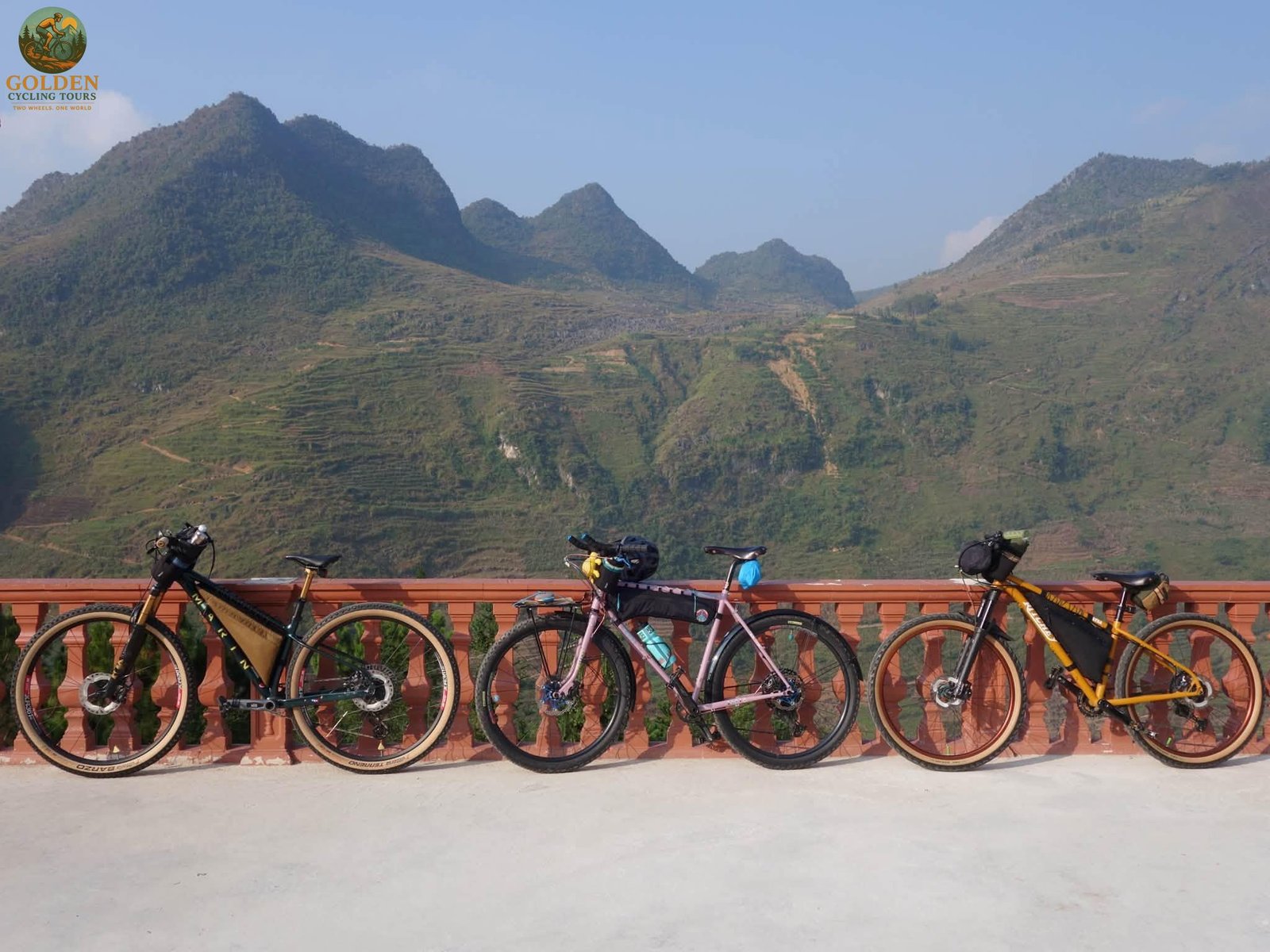
With the right preparation, equipment, and local guidance, a mountain biking holiday in Vietnam can become an unforgettable adventure. This guide explores essential trail skills, recommended destinations, safety considerations, seasonal advice, and practical travel tips to help you plan your next ride.
Vietnam’s northern highlands feature a complex landscape shaped by dramatic elevation changes, tropical forests, limestone formations, terraced rice fields, and winding mountain roads. These varied environments make the region especially appealing to riders looking for more than ordinary road cycling.
Unlike purpose-built mountain biking destinations with extensive trail networks, many routes in Vietnam follow a mixture of rural tracks, agricultural paths, forest roads, rocky sections, and paved mountain passes. Trail conditions can change significantly with rainfall, agricultural activity, and local maintenance.
In mountainous areas such as Ha Giang and Cao Bang, riders may encounter loose gravel, exposed rocks, sharp bends, and steep gradients. These sections reward riders who can maintain a balanced position, control their braking, and choose appropriate lines through uneven terrain.
Descending safely requires patience rather than speed. Keep your weight balanced, look ahead toward the exit of each turn, and avoid sudden braking on loose surfaces. On particularly steep or exposed sections, walking your bike is a sensible decision.
Around Pu Luong and Mai Chau, forest paths and rural tracks offer a different kind of mountain biking experience. Riders pass bamboo groves, traditional stilt houses, cultivated fields, and shaded valleys where daily life unfolds at a gentle pace.
Some tracks can become muddy or slippery after rain, especially where water collects beneath dense vegetation. Good tires, appropriate gearing, and the ability to adjust your riding technique to changing surfaces are essential.
Many Vietnam MTB tours combine paved roads with gravel tracks, dirt paths, and occasional technical sections. This variety makes route planning important because the most suitable bike, tire pressure, and riding pace may differ from one section to the next.
Before starting each day, discuss the planned route with your guide. Ask about the expected surface conditions, major climbs, technical descents, and possible alternatives if the weather changes.
You do not need to be an elite athlete to enjoy mountain biking in Vietnam. However, developing a few fundamental skills will make your journey safer, more comfortable, and more rewarding.
A stable body position helps you absorb impacts and maintain control on uneven terrain. Keep your elbows and knees slightly bent, relax your shoulders, and allow the bike to move beneath you.
On descents, shift your body slightly backward when appropriate without hanging excessively behind the saddle. On climbs, move your weight forward enough to maintain traction on the front wheel while keeping the rear wheel engaged with the ground.
Practice these movements on familiar trails before attempting long mountain routes.
Effective braking is particularly important on Vietnam’s steep mountain roads and loose gravel tracks. Apply both brakes progressively instead of grabbing them suddenly. The front brake provides substantial stopping power, but abrupt use on loose or slippery ground can cause the front wheel to lose traction.
Reduce speed before entering a corner rather than braking aggressively halfway through it. On wet descents, increase your following distance and leave more room for unexpected obstacles.
Looking ahead is one of the most valuable skills in technical mountain biking. Instead of focusing directly on the rock or rut beneath your front wheel, scan the trail and identify a safe line through the obstacle.
On rocky terrain, choose a path that allows the wheels to roll smoothly whenever possible. On muddy trails, avoid polished surfaces and deep ruts when a safer alternative exists.
If you cannot confidently identify a safe line, stop and inspect the section on foot.
Long climbs are a defining feature of many Vietnam MTB tours, particularly in the northern highlands. Efficient climbing depends on pacing, smooth pedaling, appropriate gearing, and consistent hydration.
Shift into easier gears before the gradient becomes too steep. Maintain a cadence that feels sustainable and avoid exhausting yourself early in the ride. On particularly demanding climbs, short walking breaks can preserve energy for the remainder of the day.
Northern Vietnam is especially attractive for mountain bikers because each destination offers a distinct combination of terrain, scenery, and cultural experiences.
Ha Giang is one of Vietnam’s most spectacular mountain destinations. Towering limestone peaks, deep valleys, winding roads, and remote communities create a landscape that feels both immense and intimate.
The region is best known for its challenging mountain routes, dramatic elevation changes, and panoramic viewpoints. Riders should be prepared for long climbs, exposed roads, variable weather, and sections where careful bike handling is essential.
For travelers who want to explore this remarkable region on two wheels, discover our Ha Giang Bike Tours and the 8-Day Northern Vietnam Cycling Tour: Epic Ha Giang Loop Adventure.
Riders seeking a longer expedition can also consider the 10-Day Ha Giang Loop and Hoang Su Phi Cycling Adventure, which offers more time to explore the region’s mountainous landscapes and rural communities.
Cao Bang is known for its dramatic karst formations, peaceful valleys, traditional villages, and impressive natural scenery. Compared with some of Vietnam’s more heavily visited destinations, the region can offer a quieter atmosphere and opportunities to experience rural life at a slower pace.
Cycling here may involve rolling countryside roads, mountain climbs, and mixed surfaces. Riders should be prepared for changing gradients and should not underestimate the cumulative effort of repeated ascents.
Explore our Cao Bang Bike Tours to discover cycling opportunities in this beautiful part of northeastern Vietnam.
Mai Chau offers a gentler introduction to northern Vietnam’s rural landscapes. Rice fields spread across broad valleys, limestone mountains rise along the horizon, and traditional Thai stilt houses welcome visitors into communities with distinctive cultural traditions.
The area is suitable for riders who enjoy scenic cycling, countryside exploration, and a mixture of paved and unpaved routes. Depending on the route selected, more demanding climbs and rougher tracks can also be incorporated.
Explore Mai Chau Bike Tours or choose the 4-Day Northern Vietnam Cycling Adventure from Mai Chau to Pu Luong.
Pu Luong Nature Reserve is a rewarding destination for travelers who appreciate forested hills, terraced fields, traditional villages, and quiet rural landscapes.
The terrain varies from relatively gentle valley roads to steeper tracks and uneven surfaces. Rain can make some sections slippery, so suitable tires, reliable brakes, and flexible route planning are important.
The region is particularly appealing to travelers who want to combine cycling with village visits and overnight stays in locally operated accommodation.
Discover Pu Luong Bike Tours for more inspiration.
Sapa is famous for its high mountain scenery, terraced rice fields, and ethnic minority communities. The area’s steep gradients and variable weather can make cycling physically demanding, particularly for visitors who are not accustomed to sustained climbing.
Some routes are better suited to experienced riders, while others combine scenic road cycling with shorter off-road sections. Trail choice should reflect current weather, road conditions, and the group’s experience.
Learn more about Sapa Bike Tours.
Ba Be Lake provides a different atmosphere from Vietnam’s high mountain passes. Surrounded by forested hills and rural communities, the area offers opportunities to combine cycling with nature exploration and cultural encounters.
Routes can include quiet roads and countryside tracks, although surface conditions and elevation changes vary. Travelers who appreciate a balance of outdoor activity and peaceful scenery may find the region especially appealing.
Explore Ba Be Lake Bike Tours.
Bac Ha is known for its mountain scenery, traditional villages, and vibrant highland market culture. Cycling in this area can provide a closer look at the landscapes and communities of Vietnam’s northwest.
The terrain includes rolling roads and challenging climbs, so riders should prepare for sustained effort and changing weather conditions.
Discover Bac Ha Bike Tours.
Selecting an appropriate bike can make a significant difference to your comfort and safety on Vietnam’s varied terrain.
A hardtail mountain bike, with suspension at the front and a rigid rear frame, can be suitable for many gravel roads, moderate trails, and mixed-surface routes. It is generally lighter and mechanically simpler than a full-suspension bike.
A full-suspension mountain bike may provide greater comfort and control on rough, rocky trails, especially when the route includes repeated impacts and technical descents. However, it can be heavier and requires additional maintenance.
The best choice depends on the route, your riding style, and the equipment available through your tour provider.
Tires should match the expected terrain. Wider tires with suitable tread can improve grip on loose gravel and uneven surfaces, while an appropriate tire pressure helps balance traction, comfort, and puncture resistance.
Lower pressure may improve grip but increases the risk of damaging a rim or puncturing a tire if it is unsuitable for the terrain and rider weight. Ask your guide or mechanic to help select a safe setup.
Before departure, check that your bike has:
Reliable front and rear brakes.
Tires suited to mixed and off-road terrain.
A correctly adjusted saddle and handlebar.
Working gears and a well-maintained chain.
A helmet that fits securely.
Front and rear lights when required.
A spare tube or suitable tubeless repair kit.
A pump or CO₂ inflator and tire levers.
A multitool and basic repair supplies.
Water bottles or a hydration pack.
Gloves and cycling glasses are also useful for improving comfort and protecting your hands and eyes from dust, insects, and small debris.
A successful mountain biking holiday begins well before you arrive in Vietnam. You do not need to train like a professional racer, but preparing for sustained riding will help you enjoy the experience more fully.
Begin with regular rides and gradually increase the duration of your training sessions. Include longer rides that resemble the expected daily distances of your planned tour.
If your itinerary includes several consecutive riding days, practice riding on back-to-back days. This helps your body adapt to accumulated fatigue.
Spend time on familiar off-road trails practicing braking, cornering, climbing, and descending. Progress gradually rather than attempting difficult obstacles before you are ready.
If you are new to mountain biking, consider a skills session with an experienced instructor before departure.
Hill training helps prepare your legs and cardiovascular system for northern Vietnam’s mountainous terrain. Combine steady climbs with shorter intervals when appropriate, while allowing enough recovery between demanding sessions.
Most importantly, choose a tour that matches your fitness level. A well-planned itinerary should challenge you without turning every day into a struggle.
Northern Vietnam experiences distinct seasonal changes that influence trail conditions, visibility, temperature, and overall riding comfort.
Spring often brings comfortable temperatures and increasingly green landscapes. Conditions can vary by altitude, and occasional rain or mist may affect mountain routes.
This period can be attractive for travelers seeking fresh scenery and moderate temperatures, although route conditions should be checked before departure.
Summer is generally hotter and more humid, with increased rainfall in many northern regions. Heavy rain can create muddy tracks, reduce visibility, and increase the risk of landslides or flooding in vulnerable areas.
If traveling during summer, prioritize flexible itineraries, adequate hydration, and experienced local guides who can adjust routes when necessary.
Autumn is often a particularly appealing period for cycling in northern Vietnam. Temperatures can become more comfortable, and many landscapes are especially photogenic during the rice-growing and harvest seasons.
However, weather varies from year to year, and storms can still affect travel. Always check local forecasts before heading into remote mountain areas.
Winter can bring cool temperatures, mist, and cold conditions at higher elevations. Riders may encounter beautiful mountain views when visibility is clear, but they should pack appropriate layers and prepare for changing conditions.
There is no single perfect month for every route. The best time depends on the destination, trail difficulty, and the type of scenery you hope to experience.
Mountain biking in remote landscapes is rewarding, but good preparation is essential.
Mountain weather can change rapidly. Rain may turn dirt tracks into slippery surfaces, while fog can reduce visibility on exposed roads and passes.
Check the forecast before each ride and listen to your guide’s advice. If conditions become unsafe, changing the route or postponing a ride is preferable to taking unnecessary risks.
Do not feel pressured to complete every descent without stopping. Walk difficult sections when necessary, particularly when the trail is wet, loose, narrow, or exposed.
Experienced riders also benefit from conservative decisions in unfamiliar terrain.
Heat, humidity, and sustained climbing can increase fluid loss. Carry enough water for the planned route and replenish electrolytes when appropriate.
Eat regularly throughout the day rather than waiting until you feel exhausted. Local meals, fruit, snacks, and suitable energy foods can help maintain your strength during long rides.
Many rural trails pass through villages, farmland, and areas used for everyday work. Slow down near homes, give pedestrians plenty of room, and avoid riding through crops or private property without permission.
A friendly greeting and respectful behavior help create positive encounters with local residents.
In remote regions, mechanical problems or unexpected weather can make independent travel difficult. A guided tour may provide route knowledge, local communication support, mechanical assistance, and help with alternative arrangements.
Before booking, ask what support is included, how luggage is transported, and what procedures are in place if a rider cannot continue.
One of the most rewarding aspects of mountain biking in Vietnam is the opportunity to experience the country beyond its major cities.
Food is an important part of the cycling experience. Depending on the region and season, travelers may enjoy steaming bowls of pho, grilled meats, fresh herbs, sticky rice, vegetable dishes, and regional specialties prepared by local families.
In Mai Chau and Pu Luong, meals may feature traditional Thai dishes and locally grown ingredients. In mountain communities, menus vary according to local customs and what is available.
Tell your tour operator about dietary requirements before departure, especially if you have allergies or need vegetarian, vegan, or other specialized meals.
Accommodation options range from family-run homestays and traditional stilt houses to comfortable hotels and boutique retreats.
Homestays offer a chance to learn about local food, architecture, and daily life. Hotels may provide more privacy and additional amenities after a demanding day on the bike.
For travelers seeking additional comfort, consider a tailor-made itinerary through Vietnam Luxury Bike Tours.
Northern Vietnam is home to diverse ethnic communities, each with its own traditions, clothing, languages, and customs. Traveling by bicycle allows visitors to appreciate the subtle differences between villages and landscapes.
Always ask permission before photographing people, particularly children or private ceremonies. Dress respectfully when visiting religious or culturally significant places, and follow your guide’s advice about local etiquette.
The most memorable encounters often happen naturally: sharing tea with a host, watching farmers work in the fields, or pausing to appreciate the quiet rhythm of village life.
Most international visitors begin their journey in Hanoi, which serves as a major gateway to the northern mountains.
Depending on the itinerary, transfers to cycling destinations may involve private vehicles, support vans, or a combination of road transport and riding. Travel times can be affected by mountain roads, traffic, weather, and rest stops.
When planning your journey, allow sufficient time between international arrival and the first major cycling day. This provides an opportunity to recover from travel fatigue and check your equipment.
For longer trips, luggage transfers and mechanical support can make the experience significantly more comfortable. Confirm these arrangements before booking, particularly if you are bringing your own mountain bike.
Explore the complete range of Golden Cycling Tours itineraries to compare routes, trip lengths, and destinations.
Different itineraries suit different interests, from challenging mountain expeditions to more relaxed journeys through valleys and rural landscapes.
The Best Vietnam Cycling Northeast Tour – 15 Days is worth exploring if you want an extended journey through northern Vietnam’s diverse landscapes and communities.
For more regional inspiration, browse Vietnam Northeast Bike Tours.
The 10-Day Ha Giang Loop and Hoang Su Phi Cycling Adventure is an option for travelers drawn to dramatic mountain scenery and an immersive northern highlands experience.
You can also compare it with the 8-Day Epic Ha Giang Loop Adventure.
The 4-Day Mai Chau to Pu Luong Cycling Adventure offers a shorter escape into valleys, villages, and green countryside.
For travelers who prefer electric assistance, the 6-Day Mai Chau, Pu Luong, and Ninh Binh E-Bike Tour may be a useful alternative. E-bikes can make sustained climbs more manageable, although riders still need to be comfortable controlling a bicycle on mixed surfaces.
Discover more options through Vietnam E-Bike Tours.
The 12-Day North Vietnam Cycling Adventure from Hanoi to Ninh Binh is an option for travelers who want to connect multiple landscapes and experience a broader cross-section of northern Vietnam.
You can also explore Cycling Northern Vietnam and Vietnam Northwest Bike Tours when comparing destinations.
To find an itinerary that matches your experience, travel dates, and preferred level of difficulty, visit Golden Cycling Tours.
Some routes are suitable for beginners with reasonable fitness, while others involve steep climbs, rough surfaces, and technical descents. Choose an itinerary based on your experience and ask the tour operator about daily distances, elevation gain, and trail difficulty.
Not necessarily. Bike availability varies by tour provider and itinerary. Confirm the available bike models, sizes, maintenance arrangements, and any additional rental fees before booking.
If you bring your own bike, check airline transport requirements and make sure you have the tools and spare parts appropriate for your setup.
Difficulty depends on the destination, route, weather, and daily distance. Mountainous regions can involve substantial elevation gain, while valley routes may be more relaxed.
Regular cycling, hill training, and practice on uneven terrain will help you prepare.
Yes, but conditions can be more challenging. Mud, slippery descents, heavy rain, and poor visibility may affect some routes. Flexible scheduling and guidance from local professionals are especially valuable during wetter months.
E-bikes can be a good choice for travelers who want assistance on climbs or prefer to manage their effort more comfortably. However, battery range, charging opportunities, bike weight, and terrain should be considered when selecting a route.
Bring a well-fitting helmet, cycling clothing, gloves, suitable shoes, eye protection, sunscreen, insect repellent, a reusable water bottle, and a lightweight rain jacket. For cooler mountain areas, pack layers that can be added or removed as temperatures change.
Your tour operator can advise you on additional equipment based on the route and season.
For remote and technically challenging routes, a guided tour can provide valuable local knowledge, route planning, mechanical support, and help with unexpected situations. It can also make cultural encounters easier and allow you to focus more fully on the ride.
Vietnam offers a remarkable combination of challenging terrain, breathtaking landscapes, and cultural richness. From the dramatic passes of Ha Giang to the peaceful valleys of Mai Chau, the forested trails of Pu Luong, and the limestone scenery of Cao Bang, each destination reveals a different side of the country.
The key to a rewarding mountain biking trip is choosing a route that matches your ability, preparing for changing weather, maintaining your equipment, and approaching each ride with flexibility. Technical skills matter, but so do patience, respect for local communities, and the willingness to slow down when the landscape invites you to stop.
Whether you are an experienced mountain biker searching for demanding descents or an adventurous traveler hoping to explore rural Vietnam at a different pace, the right itinerary can transform your journey into an unforgettable experience.
Explore Golden Cycling Tours to discover your next cycling adventure in Vietnam.

.jpg "Thai Binh Vietnam Bicycle")
.jpg "Phu Tho Vietnam Cycling")
.jpg "Thai Nguyen Cycling Vietnam")
.jpg "Tuyen Quang Cycling Vietnam")
.jpg "Vinh Phuc Cycling Vietnam")
Leave a Reply
Your email address will not be published. Required fields are marked *