- Call us Via Whatsapp: +84 (0) 832 126 699
4.9 stars on our site
(15,000 reviews)
- Monday - Sunday : 08:00 - 17:00
(15,000 reviews)

The first thing you notice is the sound: tires crunching over loose gravel, the gentle click of the drivetrain, and the steady rhythm of your breathing as the trail climbs into the mountains of northern Vietnam. Ahead, limestone peaks rise above emerald valleys. Behind you, the last village disappears into a patchwork of rice fields and bamboo groves.
Then the terrain changes. Smooth countryside roads give way to rocky tracks, exposed roots, and twisting descents. Suddenly, the bike beneath you matters as much as the route itself.
When planning Vietnam MTB tours, one of the most important decisions is whether to rent a hardtail mountain bike or a full-suspension model. Both can deliver an unforgettable adventure, but each performs differently on Vietnam’s varied terrain.
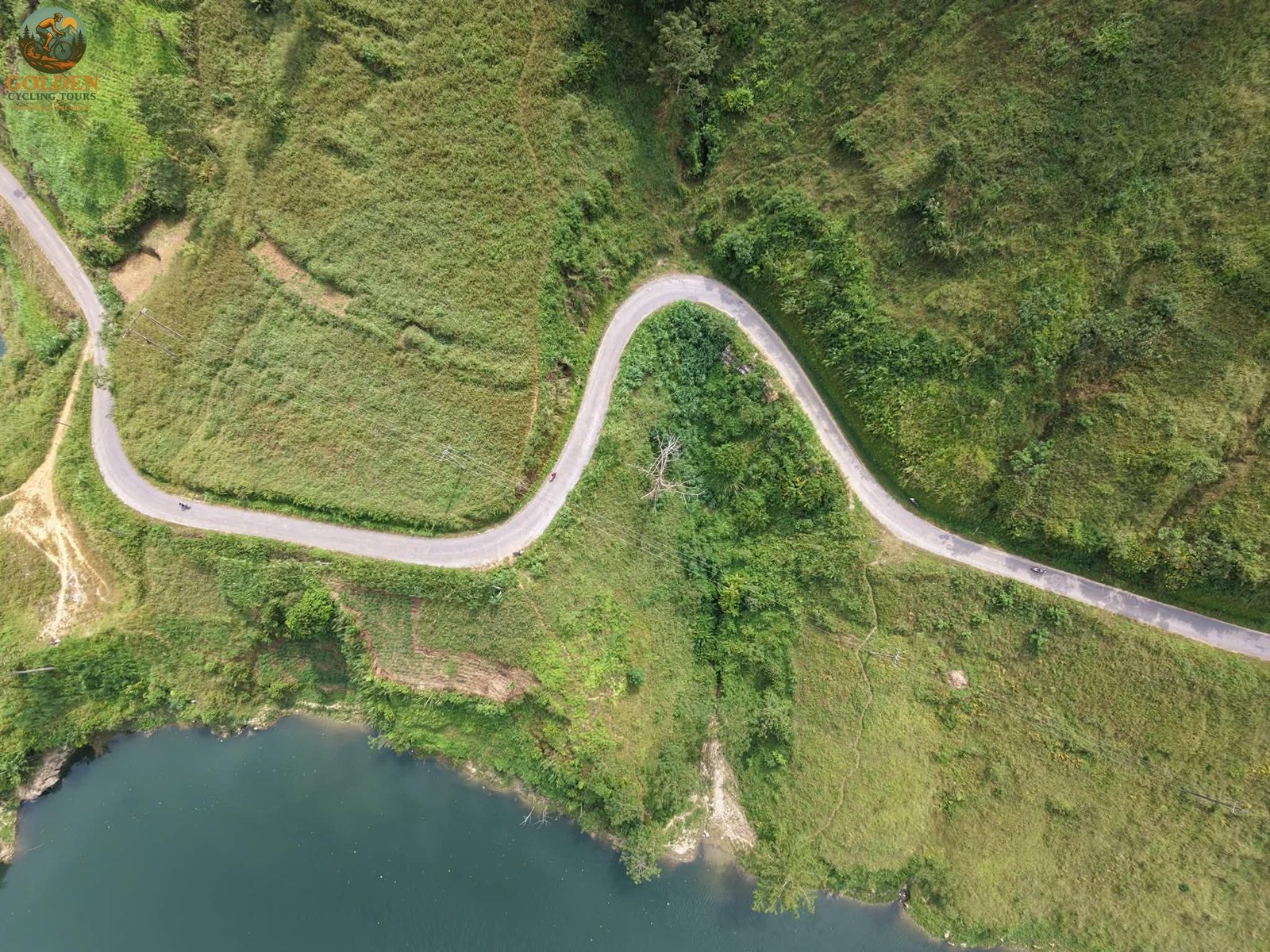
A hardtail offers simplicity, efficiency, and a direct connection with the trail. A full-suspension bike adds rear-wheel suspension to absorb impacts, improve traction, and increase comfort on rough ground. The best option depends on your riding experience, the terrain you plan to explore, and the type of adventure you want.
With Golden Cycling Tours, you can explore Vietnam’s remarkable cycling destinations and discuss which bike style may suit your itinerary. From the dramatic mountain roads of Ha Giang to the green valleys of Mai Chau, the forested hills of Pu Luong, and the limestone landscapes of Cao Bang, choosing the right bike can help you enjoy every climb, corner, and descent with greater confidence.
If you are comparing Vietnam MTB Tours: Hardtail vs Full-Suspension, this guide will help you understand the differences, choose the right rental, prepare for local conditions, and plan a cycling adventure that matches your ambitions.
Before choosing a rental, it helps to understand how each bike is designed and how its suspension affects the riding experience.
<text> </text>
A hardtail mountain bike has suspension at the front and a rigid rear frame. The front fork absorbs impacts from rocks, roots, and uneven surfaces, while the rear wheel connects directly to the frame.
This relatively simple design makes hardtails popular with riders who value efficiency, responsive handling, and straightforward maintenance.
On a mountain road outside Mai Chau, a hardtail can feel lively and efficient as you pedal past rice fields and villages. On smoother gravel, the bike transfers much of your pedaling effort directly into forward motion. When the trail begins to climb, its comparatively low weight and uncomplicated design can be advantageous.
However, the rigid rear end transfers more vibration and impact to the rider on rough terrain. On long stretches of rocky trail, this can mean more fatigue and a greater need to manage your body position carefully.
Efficient climbing: Less suspension movement at the rear can make pedaling feel direct, particularly on smoother climbs.
Lower weight: Hardtails are often lighter than comparable full-suspension bikes, although actual weight depends on the model and components.
Straightforward maintenance: Fewer moving suspension components can simplify servicing.
Good value: Rental prices may be lower than those of comparable full-suspension models.
Direct trail feedback: Riders can feel changes in the terrain clearly, helping develop balance and bike-handling skills.
Hardtails can be less forgiving on rough descents, rocky tracks, and repeated impacts. Riders may experience greater fatigue in their hands, arms, and lower back during long technical sections.
A hardtail is not automatically the better choice for beginners. While its simple design can be appealing, comfort, fit, tire selection, brakes, and the difficulty of the route are equally important.
A full-suspension mountain bike has a suspension fork at the front and a rear shock connected to a movable rear suspension system.
This design allows both wheels to respond to uneven terrain. When the trail becomes rough, the suspension helps the tires maintain contact with the ground, improving traction and reducing the severity of impacts transmitted to the rider.
Imagine descending a rocky mountain track in Ha Giang. The front wheel rolls over a rough patch, the rear suspension compresses as the back wheel meets the same obstacle, and the bike settles back into its natural riding position. Instead of absorbing every impact through your arms and legs, you can focus more on your line, braking, and the next turn.
The difference can be especially noticeable on sustained descents and irregular surfaces.
Greater comfort on rough terrain: Front and rear suspension help absorb repeated impacts.
Improved traction: The rear wheel can maintain better contact with uneven ground.
More confidence on descents: Suspension can help riders maintain control when the trail becomes rocky or irregular.
Reduced impact fatigue: Less vibration reaching the rider can make long technical stages more comfortable.
Versatility on demanding trails: Many full-suspension models are designed for challenging mountain terrain.
Full-suspension bikes are often heavier and mechanically more complex than comparable hardtails. Their suspension systems require suitable setup and maintenance, and rental prices may be higher.
They are not automatically faster on every route. On smoother roads and gentle gravel, the advantages of rear suspension may be less noticeable than on rough, technical trails.
The right rental depends on where you ride and what you want to experience. Vietnam’s cycling routes vary considerably, from paved mountain passes and quiet rural roads to gravel tracks, forest paths, and uneven countryside trails.
Comfort matters when your club or travel group spends several consecutive days in the saddle.
A hardtail can be comfortable on smooth roads and moderate gravel, particularly when fitted with suitable tires and adjusted correctly. On repeated rocky sections, however, the rear wheel transmits more vibration to the rider.
A full-suspension bike generally provides an advantage on rough terrain because both wheels can move independently over obstacles.
For riders planning a multi-day mountain adventure around Ha Giang, rear suspension may be worth considering if the itinerary includes substantial rough riding. For a scenic route through the valley roads of Mai Chau, a hardtail may be entirely adequate.
Long climbs are part of the appeal of northern Vietnam. Roads rise through terraced fields, bend around limestone mountains, and occasionally open onto panoramic ridgelines.
Hardtails can feel efficient on smooth climbs because they typically have fewer moving components and less rear suspension movement. Their lower weight may also help when the route includes sustained ascents.
Modern full-suspension bikes can climb extremely well, especially when equipped with efficient suspension designs and appropriate settings. Their traction can be beneficial on loose or uneven climbs.
The deciding factors include bike weight, gearing, tires, suspension setup, rider fitness, and the surface under the wheels.
On a rough descent, a full-suspension bike usually offers a more forgiving ride. The rear suspension helps the back wheel follow uneven ground, while the front fork absorbs impacts at the front.
A hardtail remains capable on many gravel roads and moderate trails, but it requires careful line choice and more active body movement on rougher sections.
For a rider descending an unfamiliar mountain road near Ma Pi Leng Pass, confidence and control matter more than simply having the most advanced bike. The route may be exposed, traffic conditions can change, and some sections may be paved rather than off-road.
Remember that suspension does not replace sound technique. Riders still need to brake smoothly, look ahead, maintain appropriate speed, and walk sections that exceed their ability.
A hardtail’s simpler design can make it easier to inspect and maintain. There are fewer rear suspension components to check, and basic mechanical issues may be easier to identify.
A full-suspension bike has additional pivots, bearings, and a rear shock that need to function correctly. When renting one, check for unusual noises, excessive play, leaks, and suspension that feels too soft or too stiff.
The most important principle is to rent a well-maintained bike that fits you properly. A quality hardtail is a better choice than a poorly serviced full-suspension bike.
Your destination should influence your rental decision. A bike that feels ideal on a smooth valley route may not be the most comfortable choice on a rough mountain trail.
Ha Giang is famous for dramatic limestone mountains, winding roads, and spectacular highland scenery. The region offers challenging elevation changes and a sense of scale that makes every climb feel significant.
Some itineraries concentrate on paved mountain roads, while others may include gravel and uneven rural tracks. The terrain therefore varies considerably.
A hardtail can be suitable for road-oriented and moderate mixed-surface routes. A full-suspension bike may be preferable if your confirmed itinerary includes substantial rough, technical riding.
Major highlights include the Dong Van Karst Plateau Geopark and the spectacular scenery around Ma Pi Leng Pass.
Explore Ha Giang Bike Tours or consider the 10-Day Ha Giang Loop and Hoang Su Phi Cycling Adventure.
You can also explore the 8-Day Northern Vietnam Cycling Tour: Epic Ha Giang Loop Adventure.
Cao Bang combines limestone formations, peaceful countryside, mountain roads, and traditional villages. The region is particularly rewarding for riders who enjoy scenic exploration away from major urban centers.
A hardtail may be a practical choice for routes dominated by paved roads and manageable gravel. A full-suspension bike becomes more attractive if the planned itinerary includes longer sections of rough, irregular terrain.
The region’s natural highlights include Ban Gioc Waterfall and Nguom Ngao Cave.
Discover Cao Bang Bike Tours when planning a northeastern Vietnam cycling adventure.
Mai Chau is known for its broad green valley, rice fields, traditional stilt houses, and quiet rural atmosphere.
Many rides in the area combine paved countryside roads with selected gravel or rural tracks. For these surfaces, a hardtail can offer a useful balance of efficiency, comfort, and versatility.
If your itinerary includes more uneven tracks or you prefer additional rear-wheel comfort, a full-suspension bike may still be appropriate.
Explore Mai Chau Bike Tours or consider the 4-Day Northern Vietnam Cycling Adventure from Mai Chau to Pu Luong.
Pu Luong Nature Reserve is a landscape of forested hills, terraced fields, traditional villages, and winding rural roads.
Routes may include paved surfaces, gravel, uneven tracks, and steep sections. A hardtail can be suitable for many mixed-surface itineraries, while full suspension may offer more comfort on rougher tracks.
Rain can make dirt surfaces slippery, so tire condition, braking performance, and the ability to adapt to changing terrain are essential regardless of bike type.
Discover Pu Luong Bike Tours.
Sapa offers highland scenery, terraced rice fields, and demanding climbs. The area’s weather can change quickly, and route difficulty varies with altitude, gradients, and surface conditions.
A hardtail can work well for many road-oriented rides, while a full-suspension model may be more comfortable on rougher off-road sections.
Explore Sapa Bike Tours.
Bac Ha offers a different perspective on the northern highlands, with rural mountain roads, traditional villages, and distinctive market culture. The ideal bike depends on the chosen route and the proportion of paved roads, gravel, and rough tracks.
Learn more about Bac Ha Bike Tours.
Ba Be Lake is surrounded by forested hills and rural communities, creating a peaceful setting for cycling and nature exploration.
For itineraries that primarily use paved roads and moderate countryside tracks, a hardtail may be sufficient. A full-suspension bike may be worth considering if the planned route includes substantial rough terrain.
Explore Ba Be Lake Bike Tours.
Choosing between hardtail and full suspension is only one part of renting a mountain bike. Frame size, suspension setup, brakes, tires, and maintenance can have a greater impact on your overall experience than the bike category alone.
A properly fitting bike improves comfort, handling, and confidence.
Ask the rental provider which frame size is recommended for your height and riding style. Check that you can reach the handlebars comfortably, operate the brakes securely, and adjust the saddle to an appropriate position.
If possible, test the bike before departure. A short test ride can reveal discomfort, awkward handling, or difficulty reaching the controls.
For a hardtail, confirm that the front fork responds smoothly and returns properly after compression.
For a full-suspension bike, check both the fork and rear shock. The suspension should not feel excessively soft, excessively stiff, or inconsistent. Ask the rental provider to adjust the setup for your weight and expected terrain.
Suspension settings should support control and traction rather than simply making the bike feel soft.
Tires are crucial on Vietnam’s mixed surfaces. Check tread condition, sidewalls, and inflation pressure.
Hydraulic disc brakes are common on modern mountain bikes and can provide effective braking when maintained correctly. Whatever brake system the rental bike uses, the levers should feel consistent and the brakes should stop the bike reliably.
Do not begin a remote mountain ride if you notice weak braking, damaged tires, loose components, or unexplained mechanical noises.
Before booking, confirm whether your rental includes:
A helmet and appropriate safety equipment.
Pedals compatible with your shoes.
A repair kit, pump, and spare tube or tubeless repair supplies.
Basic tools and mechanical assistance.
A lock for stops during the ride.
Support vehicle arrangements, where available.
Equipment inclusions vary between providers and tours, so request confirmation rather than assuming every item is supplied.
A suitable bike is only one part of a successful cycling adventure. Fitness, clothing, hydration, and basic mechanical knowledge can make a substantial difference.
Northern Vietnam’s mountain roads can involve long ascents and repeated changes in gradient. Prepare with regular cycling and gradually increase your riding duration.
Include some hill training if your itinerary features significant elevation gain. If you are planning a multi-day tour, practice riding on consecutive days so your body becomes accustomed to accumulated fatigue.
Mountain weather can differ from conditions in the valleys. Even when the morning begins warm, exposed elevations may be cooler, windy, or misty.
Bring breathable cycling clothing, a lightweight waterproof jacket, gloves, suitable shoes, sunscreen, and eye protection. For colder months, add insulating layers that can be removed as the temperature changes.
Long climbs and humid conditions can increase fluid loss. Carry enough water for the planned stage and replenish it at appropriate stops.
Eat regularly during longer rides rather than waiting until you feel exhausted. Local meals, fruit, and suitable snacks can help maintain energy throughout the day.
Ride at a speed that allows you to stop safely, particularly on blind corners and near villages. Give pedestrians plenty of room and avoid riding through crops or private property without permission.
In remote areas, follow your guide’s advice about road conditions, local traffic, and weather-related risks.
The best season depends on your destination, the surfaces you plan to ride, and your tolerance for heat, rain, and cold.
Spring is often an attractive time to explore northern Vietnam. Temperatures can be comfortable for cycling, and the countryside becomes increasingly green.
Mist and occasional rain can affect mountain visibility, so bring layers and remain flexible when planning highland routes.
Summer brings vibrant vegetation but can also bring high humidity and heavy rain.
Unpaved tracks may become muddy and slippery, while poor visibility can affect mountain roads. If traveling during this period, choose an itinerary with flexibility and discuss wet-weather alternatives with your tour operator.
Autumn is often a particularly appealing period for cycling in northern Vietnam. Temperatures can become more comfortable, and the mountain scenery may be especially clear.
The rice terraces around Sapa and Hoang Su Phi can be spectacular during the appropriate growing and harvest periods, although exact timing varies each year.
Winter can bring chilly mornings, mist, and low temperatures at higher elevations. On clear days, the mountain views can be extraordinary, but riders need suitable layers and protection against wind and rain.
For many travelers, spring and autumn are useful starting points when selecting dates for Vietnam MTB tours. Nevertheless, local conditions can vary, so check the expected weather for your chosen destinations before finalizing your trip.
One of the pleasures of cycling in Vietnam is discovering how dramatically the cuisine changes between cities, valleys, and mountain communities.
After a demanding ride, the smell of a steaming bowl of pho, the freshness of herbs, and the savory aroma of grilled meat can be every bit as memorable as the day's mountain views.
In Hanoi, try Vietnamese classics such as pho, bun cha, and banh mi before heading into the mountains.
In Mai Chau and Pu Luong, meals may feature rice, fresh vegetables, grilled meats, fish, tofu, and dishes associated with local Thai communities. Menus vary by season and location, especially in remote villages.
For long riding days, combine balanced meals with sufficient carbohydrates, protein, and fluids to support recovery.
For remote cycling stages, arranging meals through your tour itinerary can be convenient because restaurants may be limited along the route.
A private tour can potentially combine local eateries, homestay meals, and restaurants in larger towns. Confirm meal inclusions and any additional charges before booking.
Tell Golden Cycling Tours about food allergies, vegetarian preferences, or other dietary requirements in advance.
Accommodation influences how well you recover between rides. The ideal choice depends on your preferred level of comfort, budget, and interest in local culture.
In destinations such as Mai Chau and Pu Luong, a traditional homestay can offer a closer look at rural life. Wooden stilt houses, shared meals, and peaceful countryside surroundings create a memorable atmosphere.
Facilities vary between properties, so ask about private rooms, bathrooms, hot water, and sleeping arrangements.
Hotels in regional towns and selected countryside locations can provide private rooms, additional amenities, and convenient access to restaurants.
If you prefer a more premium experience, explore Vietnam Luxury Bike Tours.
For a private group, confirm room configurations and availability early, particularly when several riders need single rooms or specific accommodation standards.
Most international visitors begin their journey in Hanoi, which serves as a gateway to northern Vietnam’s cycling destinations.
Depending on the itinerary, travel between regions may involve private transfers, support vehicles, or a combination of transfers and riding.
A private vehicle can simplify travel between distant regions and provide a convenient way to reach the start of a cycling stage.
If a support vehicle is included, ask whether it transports luggage, water, tools, and spare equipment. Confirm whether riders can use it if they are unable to complete a stage.
Traveling with your own bike allows you to use familiar equipment, but you will need to check airline requirements and arrange suitable packing.
Renting locally may simplify logistics, provided the available bike fits you and suits the terrain. Confirm the model, frame size, suspension type, pedals, and maintenance arrangements before committing.
If your group includes riders with different fitness levels, an electric-assisted bike may be worth considering. E-bikes can help reduce the effort required on climbs, but battery range, charging opportunities, and bike weight need careful planning.
Explore Vietnam E-Bike Tours for more ideas.
Cycling allows you to experience northern Vietnam at a slower pace. You notice the scent of wood smoke drifting through a village, the sound of conversations outside family homes, and the contrast between green rice fields and towering limestone mountains.
Around Mai Chau and Pu Luong, village visits can introduce you to traditional architecture, local food, and the daily lives of rural communities.
Ask permission before photographing people, respect local customs, and follow your guide’s advice when entering private homes or culturally significant places.
Depending on your itinerary, sightseeing opportunities may include:
Dong Van Karst Plateau Geopark and the mountain landscapes around Ma Pi Leng Pass.
Ban Gioc Waterfall and Nguom Ngao Cave in the Cao Bang region.
Pu Luong Nature Reserve and its terraced countryside.
Trang An Landscape Complex and Tam Coc in Ninh Binh.
Ba Be Lake and its surrounding forested landscape.
The mountain villages and terraced fields around Sapa and Bac Ha.
Not every attraction will fit into every cycling itinerary. Select sightseeing stops according to travel time, riding demands, opening arrangements, and your group’s interests.
If you are still deciding between hardtail and full suspension, start by choosing your destination and the type of riding you want to experience. Then confirm which rental options are appropriate for the actual route.
The Best Vietnam Cycling Northeast Tour – 15 Days is a useful starting point for travelers interested in a longer exploration of northern Vietnam.
Browse Vietnam Northeast Bike Tours for more regional inspiration.
Explore the 10-Day Ha Giang Loop and Hoang Su Phi Cycling Adventure if you are drawn to dramatic highland scenery.
You can also compare it with the 8-Day Epic Ha Giang Loop Adventure.
The 4-Day Mai Chau to Pu Luong Cycling Adventure is an option for a shorter countryside trip.
For a route that includes electric assistance, consider the 6-Day Mai Chau, Pu Luong, and Ninh Binh E-Bike Tour.
The 12-Day North Vietnam Cycling Adventure from Hanoi to Ninh Binh offers another itinerary to consider when planning a multi-region trip.
You can also explore Cycling Northern Vietnam, Vietnam Northwest Bike Tours, and the full collection of Golden Cycling Tours.
Tour inclusions, bike rental options, route surfaces, and availability should be confirmed directly before booking.
A hardtail is often suitable for paved mountain roads, moderate gravel, and mixed-surface routes. A full-suspension bike may provide greater comfort and control on rougher trails and technical descents.
The best choice depends on the actual route, your experience, bike fit, and the quality of the available rental.
Yes, a hardtail can be a good choice for beginners, particularly on manageable routes. However, beginners should prioritize a correctly sized bike, reliable brakes, suitable tires, and a route that matches their skills.
A full-suspension bike may be more comfortable on rough terrain, but it does not automatically make difficult trails safe for inexperienced riders.
It may be worth the additional cost if your route includes substantial rocky terrain, rough descents, or repeated impacts. For smoother roads and moderate gravel, the difference may be less significant.
Compare the rental price with the actual surface conditions rather than choosing solely by bike category.
Rental availability depends on the destination, bike model, size, and travel dates. Confirm the available equipment and its condition before booking, especially if you need a particular suspension design or frame size.
Ask about maintenance support, spare parts, pedals, and helmets.
For routes dominated by paved mountain roads, a suitable hardtail or other appropriately equipped bicycle may work well. For itineraries with substantial rough off-road riding, a full-suspension MTB may offer additional comfort and control.
The best choice depends on the exact route and the bike options available.
Spring and autumn are often attractive seasons for northern Vietnam, although conditions vary by destination and year. Summer can bring heavy rain and muddy tracks, while winter may bring cold temperatures and fog at higher elevations.
Check local conditions before confirming your dates.
Bring a properly fitting helmet, cycling clothing, gloves, suitable shoes, eye protection, sunscreen, a waterproof layer, and reusable water bottles. A personal repair kit and any specialist equipment may also be useful.
Confirm which items your rental provider or tour operator supplies.
Yes. Depending on the itinerary, you may be able to visit Ban Gioc Waterfall, Dong Van Karst Plateau Geopark, Pu Luong Nature Reserve, Trang An Landscape Complex, Tam Coc, or Ba Be Lake.
Allow enough time for transfers and sightseeing rather than trying to fit too many stops into demanding riding days.
Visit Golden Cycling Tours and browse the available tour collection.
When requesting information, provide your preferred travel dates, group size, riding experience, destinations, and rental requirements. Ask which bike types are available and whether the proposed route is appropriate for a hardtail or full-suspension MTB.
The difference between a hardtail and a full-suspension mountain bike becomes clear when the trail begins to change beneath your tires. On smooth gravel, the direct feel of a hardtail can make every pedal stroke feel efficient. On rough descents, full suspension can help absorb impacts and maintain traction, allowing you to concentrate on the next corner.
Neither bike is universally better. The right choice is the one that suits your route, experience, comfort requirements, and budget.
With Golden Cycling Tours, you can explore the mountain roads of Ha Giang, the limestone landscapes of Cao Bang, the green valleys of Mai Chau, and the forested countryside of Pu Luong while planning the practical details of your cycling holiday.
Before booking, confirm the route surfaces, rental availability, bike fit, maintenance arrangements, and support services. A well-matched bike and a thoughtfully planned itinerary can make the difference between simply completing a ride and truly enjoying every moment of the journey.
Ready to plan your next adventure? Visit Golden Cycling Tours to explore the available routes and find a Vietnam cycling experience that fits your riding style.

.jpg "Thai Binh Vietnam Bicycle")
.jpg "Phu Tho Vietnam Cycling")
.jpg "Thai Nguyen Cycling Vietnam")
.jpg "Tuyen Quang Cycling Vietnam")
.jpg "Vinh Phuc Cycling Vietnam")
Leave a Reply
Your email address will not be published. Required fields are marked *