- Call us Via Whatsapp: +84 (0) 832 126 699
4.9 stars on our site
(15,000 reviews)
- Monday - Sunday : 08:00 - 17:00
(15,000 reviews)

Imagine the first light of morning spilling across the mountains of northern Vietnam. Cool air brushes your face, the scent of damp earth rises from the roadside, and your tires crunch over a narrow gravel track winding between emerald rice terraces. Somewhere beyond the next bend, a rooster calls from a village courtyard. Your chain clicks through the gears as the road begins to climb, leading toward a ridge where clouds drift like white silk across the mountains.
This is the magic of Vietnam Gravel Bike Tours: the freedom to leave busy highways behind and discover a more intimate side of Vietnam, one quiet backroad at a time.
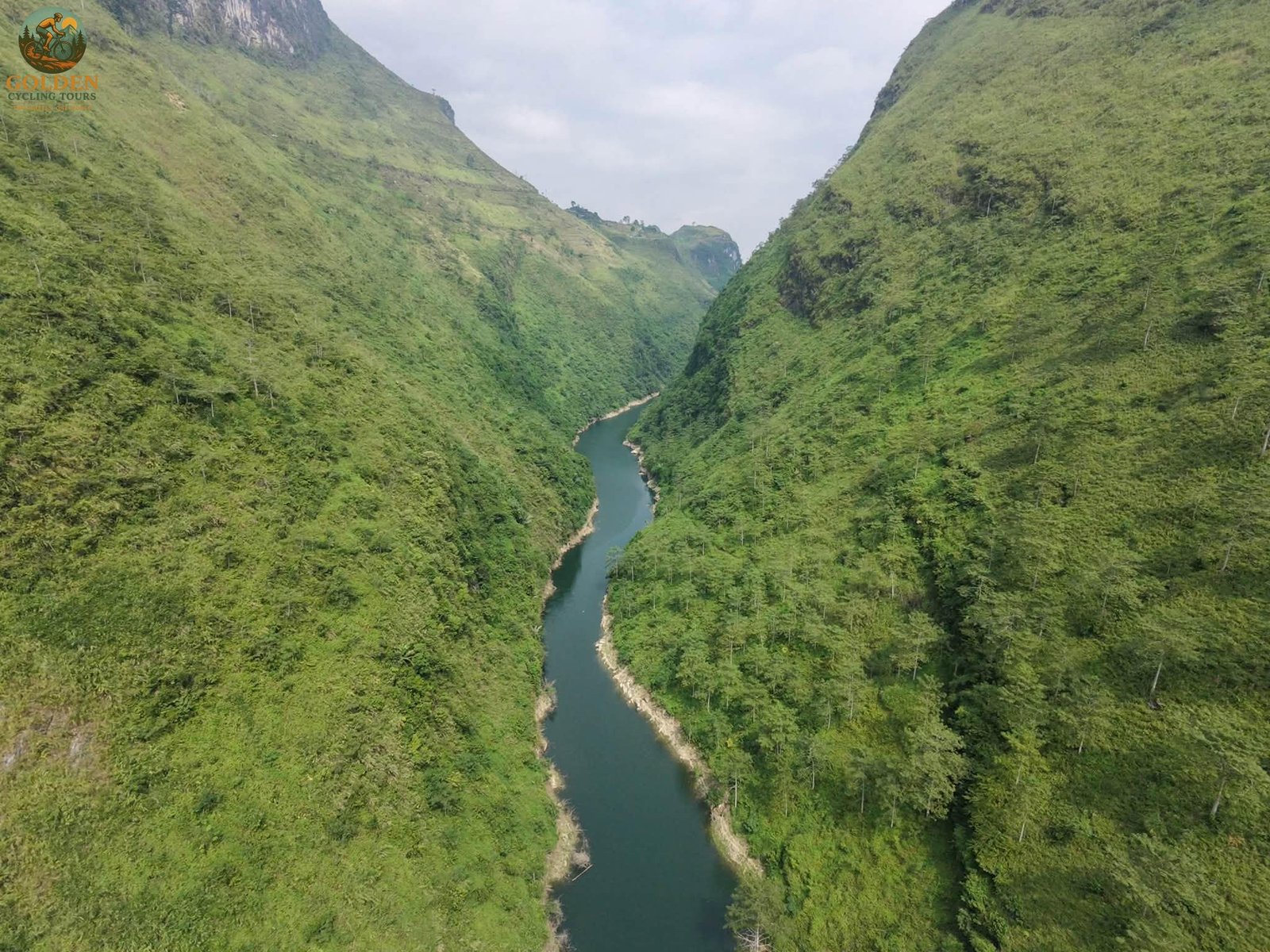
From the dramatic limestone peaks of Ha Giang to the peaceful valleys of Mai Chau, the forested landscapes of Pu Luong Nature Reserve, and the spectacular waterways of Ninh Binh, Vietnam offers an extraordinary variety of terrain for adventurous cyclists. Dirt roads, rural lanes, gravel tracks, mountain climbs, and scenic paved routes combine to create cycling experiences that reward curiosity as much as physical endurance.
With Golden Cycling Tours, travelers can explore northern Vietnam through carefully planned cycling adventures, local encounters, scenic stops, and routes tailored to different riding abilities. Whether you are an experienced gravel cyclist searching for remote mountain roads or a curious traveler who wants to discover Vietnam beyond conventional sightseeing, this guide will help you plan an unforgettable journey.
Vietnam is a country of remarkable contrasts. Mountain ranges rise above rice-growing valleys, rivers cut through limestone landscapes, and quiet rural communities remain connected by roads that reveal the everyday rhythms of local life.
Vietnam Gravel Bike Tours bring these landscapes together in a way that conventional transport rarely can. Riding at a slower pace allows you to notice details that might otherwise disappear behind a vehicle window: the fragrance of herbs drying outside a wooden house, the sound of water flowing through irrigation channels, or the warm greeting of a farmer returning from the fields.
The appeal of gravel cycling lies in exploration. Instead of following only the busiest roads between famous attractions, cyclists can seek out quieter rural routes, farm tracks, and suitable unpaved sections where local conditions permit.
In northern Vietnam, a single day might begin on a peaceful valley road, continue through a small village, and finish with a climb toward a panoramic mountain viewpoint. Along the way, the scenery changes gradually, giving every stretch of the journey its own character.
In Mai Chau, rice paddies and traditional stilt houses create a welcoming introduction to rural Vietnam. Around Pu Luong Nature Reserve, forested hills and terraced fields offer a deeper sense of wilderness. In Ha Giang, steep mountain roads and dramatic limestone formations provide a more demanding adventure for cyclists seeking elevation and expansive views.
Not every rural road is gravel, and surface conditions can change with the season. A well-designed gravel itinerary should therefore combine suitable unpaved sections with quieter paved roads when necessary, rather than promising uninterrupted gravel where it may not exist.
Gravel cycling encourages you to experience a destination through all five senses.
You hear the soft rattle of stones beneath your tires, the rhythmic movement of your drivetrain, and the distant conversation of villagers preparing for the day. You feel the difference between smooth pavement and loose gravel beneath your wheels. You smell woodsmoke drifting from a kitchen, fresh vegetation after rainfall, and the earthy fragrance of mountain soil.
When the road climbs, your breathing becomes deeper and your legs begin to work harder. Every switchback becomes a small challenge. Then, at the summit, the effort gives way to a sweeping view of green valleys and layered peaks.
These moments are what make Vietnam Gravel Bike Tours more than a sporting holiday. They transform the journey itself into the main attraction.
Vietnam's varied geography makes it possible to plan cycling experiences for different levels of fitness and confidence.
Beginners and recreational riders: Consider the valleys around Mai Chau, where scenic rural roads and manageable distances can provide a gentler introduction.
Intermediate cyclists: Explore routes connecting Mai Chau, Pu Luong, and selected areas of northern Vietnam, with a balance of climbs, countryside, and cultural stops.
Experienced cyclists: Look toward the mountain landscapes of Ha Giang, Hoang Su Phi, and the wider northeast, where sustained climbing and changing road conditions demand greater preparation.
Travelers seeking comfort: Consider supported rides, luggage transfers, carefully selected accommodation, and an e-bike option where suitable.
For route ideas, explore Golden Cycling Tours, browse the full collection of Vietnam cycling tours, or discover options for cycling in northern Vietnam.
Choosing the right destination is one of the most important parts of planning your cycling adventure. Northern Vietnam offers dramatic mountain terrain, quiet agricultural valleys, limestone scenery, and remote lakeside roads. Each region has its own rhythm, visual character, and riding challenges.
Ha Giang is one of Vietnam's most spectacular regions for adventurous cyclists. Towering limestone mountains, deep valleys, winding roads, and remote villages create an atmosphere that feels far removed from the country's busiest cities.
The terrain can be challenging. Climbs may stretch for kilometers, corners can be sharp, and weather conditions can change quickly at higher elevations. Yet the reward is an unforgettable succession of mountain panoramas.
Few mountain landscapes in Vietnam are as dramatic as Ma Pi Leng Pass. The road follows steep mountainsides above the turquoise waters of the Nho Que River, revealing immense limestone cliffs and deep ravines.
As you climb, the scenery seems to expand with every turn. Cool air brushes your skin, clouds drift across the peaks, and the sound of your breathing becomes part of the rhythm of the ascent. Loose gravel may appear on some rural sections, while much of the famous pass itself is paved, so the route should be selected according to the surface you actually want to ride.
At a safe viewpoint, stop and look down toward the river. Its narrow ribbon of color contrasts sharply with the gray cliffs, creating one of the most memorable sights in northern Vietnam.
The Dong Van Karst Plateau Geopark reveals a rugged world of limestone formations, rocky slopes, traditional homes, and villages adapted to the mountain environment.
Cycling here is as much a cultural experience as a physical challenge. You may pass small markets, stone walls, family farms, and communities where traditional clothing adds bright colors to the muted mountain landscape.
Because steep gradients, traffic, and exposed road edges can make some sections demanding, cyclists should choose distances appropriate to their fitness and experience.
Explore Ha Giang bike tours and the 8-day Northern Vietnam cycling adventure for inspiration.
Hoang Su Phi is famous for its spectacular terraced rice fields, which contour the mountainsides in sweeping patterns. During the growing season, the terraces glow with fresh green. At harvest time, golden rice creates a warm mosaic across the hills.
For cyclists, the region offers an immersive experience of mountain life. Rural roads connect scattered settlements, small farms, and viewpoints overlooking the valleys. Depending on the chosen route, riders may encounter steep climbs, rough surfaces, narrow lanes, and sections that require careful handling.
The landscape is especially atmospheric in the early morning, when mist hangs above the terraces and sunlight slowly illuminates the ridgelines.
A ride through Hoang Su Phi is not simply about reaching a destination. It is about watching the mountains change color, pausing beside a field, and experiencing the quiet pace of rural life.
For a multi-day mountain adventure, discover the 10-day Ha Giang Loop and Hoang Su Phi cycling tour.
Cao Bang offers a different expression of northern Vietnam's natural beauty. The province is known for its limestone mountains, peaceful valleys, traditional villages, and remarkable waterfalls.
Ban Gioc Waterfall is among the region's most impressive natural attractions. Water pours over a broad limestone formation into a river surrounded by lush vegetation and dramatic cliffs.
The sound of the falling water grows louder as you approach. Fine mist cools the air, while sunlight can illuminate the spray and surrounding greenery. After a ride through the countryside, it is an ideal place to slow down, take photographs, and appreciate the landscape.
Nguom Ngao Cave offers another perspective on the region's geology. Inside, the temperature feels cooler, and limestone formations create an otherworldly landscape of shapes, textures, and shadows.
A visit can complement a cycling day, particularly for travelers who want to combine outdoor activity with cultural and natural sightseeing.
Cycling conditions around Cao Bang vary by route. A thoughtfully planned itinerary can combine quieter paved roads with suitable rural tracks, allowing riders to experience the scenery without assuming that every road is unpaved.
Discover the region through Cao Bang bike tours and the wider collection of Vietnam Northeast Bike Tours.
For travelers who prefer a gentler introduction to gravel riding, Mai Chau offers a welcoming combination of rural scenery, cultural encounters, and accessible cycling routes.
The valley is surrounded by green mountains, rice paddies, and small villages. Early in the morning, the air is often cool, and a thin layer of mist may linger above the fields. Water buffalo move slowly along the edges of the paddies, while villagers begin their daily routines.
The riding can be relaxed or more challenging depending on the route chosen. Quiet paved lanes are common, while suitable farm tracks and unpaved sections may add variety to a gravel-focused itinerary.
Lac Village and Pom Coong Village are well-known places to experience the traditional stilt-house architecture and cultural heritage of the Thai communities in the region.
Ride slowly through the village lanes, observe the wooden houses raised above the ground, and notice the intricate textiles displayed by local craftspeople. A respectful visit may include a conversation with a host, a meal prepared with local ingredients, or an evening of traditional music when available.
Cyclists should remember that these are living communities, not open-air museums. Ask permission before photographing residents, respect private homes, and follow local guidance.
Explore Mai Chau bike tours or consider the 4-day Mai Chau to Pu Luong cycling adventure.
Pu Luong Nature Reserve is an excellent destination for travelers who want a combination of mountain scenery, agricultural landscapes, and rural tranquility.
The reserve protects a rich natural environment, with forested slopes, limestone mountains, streams, and villages surrounded by rice terraces. Roads and tracks vary in condition, so gravel riders should confirm which sections are suitable for bicycles before departure.
As the road descends into a valley, the landscape opens to reveal rice fields framed by steep green hills. Water moves through narrow channels, bamboo grows along the roadside, and wooden houses appear among the trees.
The experience is wonderfully tactile: the warmth of sunlight on your shoulders, the cool shade beneath forest branches, and the gentle vibration of your bike over uneven ground.
Some sections may be steep or slippery after rain. Riders should avoid treating walking trails as cycling routes unless bicycle access and conditions have been confirmed.
A ride through the Pu Luong area can be paired with village walks, visits to traditional waterwheels where accessible, and meals featuring local ingredients.
For travelers who value a balance between outdoor adventure and comfortable accommodation, the region is particularly appealing. Boutique lodges and homestays may offer views of the surrounding valleys, making sunrise and sunset part of the experience.
Explore Pu Luong bike tours or choose the 4-day Mai Chau to Pu Luong cycling adventure.
Ninh Binh is renowned for its towering limestone formations, winding rivers, rice fields, and historic temples. Although much of its popular cycling network uses paved roads and village lanes, the region can add beautiful countryside riding to a broader gravel adventure.
Trang An Scenic Landscape Complex is known for its dramatic karst scenery and boat journeys through caves and waterways. The surrounding countryside offers opportunities to explore at a relaxed pace before or after a cycling day.
At Tam Coc, limestone peaks rise above green rice fields, while the river winds through the landscape. The scenery changes with the agricultural calendar, creating a different atmosphere during planting, growth, and harvest.
Hang Mua rewards visitors with sweeping views over the surrounding limestone peaks and river valleys. The climb to the viewpoint involves a long flight of steps, so it is best treated as a walking excursion rather than a cycling segment.
From the top, the landscape resembles a green patchwork framed by jagged mountains. It is a spectacular place to appreciate the scale of the countryside after several days on the bike.
Explore Ninh Binh bike tours and consider a longer journey such as the 12-day North Vietnam cycling adventure from Hanoi to Ninh Binh.
Ba Be National Park offers a peaceful change of scenery after the dramatic climbs of the northern mountains. The landscape centers on Ba Be Lake, where calm water reflects forested hills and limestone cliffs.
Cycling around the wider region can involve a mixture of paved roads, village lanes, and selected rougher sections. Route planning is essential because not every lakeside track is suitable for bicycles.
A day here can include a scenic ride, a boat excursion on the lake, and time to explore local communities. The atmosphere is slower and quieter than that of the major mountain passes, making it a rewarding destination for travelers who want to balance physical effort with relaxation.
Discover Ba Be Lake bike tours.
The best cycling itinerary is not necessarily the longest or most difficult. It is the one that matches your fitness, technical ability, preferred scenery, and available travel time.
Gravel riding in Vietnam can mean different things depending on the destination. Some routes include compact dirt roads, some feature loose stones and rough rural surfaces, and others rely mainly on quiet paved roads with occasional unpaved sections.
Before booking, ask about:
The approximate proportion of paved roads and unpaved surfaces.
The condition and technical difficulty of the roughest sections.
Daily climbing totals, not just distance.
Whether any segments may become muddy or slippery after rain.
Support vehicle availability and luggage transfers.
Bicycle type, tire width, and mechanical support.
Options to shorten a ride or skip a difficult climb.
A clear description of the surface is particularly important for gravel riders. It helps you choose appropriate tires, prepare for the technical demands, and understand what kind of adventure to expect.
A 50-kilometer ride through a flat valley can feel very different from a 50-kilometer mountain route with sustained climbing, rough surfaces, and repeated descents.
For a multi-day adventure, allow enough time for meals, photographs, village visits, and recovery. If you are new to riding in hot or humid conditions, begin with shorter days and increase the workload gradually.
Experienced riders may enjoy longer mountain stages, but technical descents and unpredictable road conditions require concentration even when the distance appears manageable.
An electric-assist bicycle can help riders manage steep climbs, longer distances, and changes in energy levels. It can also make a group ride more accessible when participants have different fitness levels.
An e-bike does not eliminate the need for balance, braking skills, or careful route selection. Battery range is affected by elevation, rider weight, assistance settings, temperature, and surface conditions. Charging arrangements should be confirmed for remote areas.
Explore Vietnam e-bike tours if you would like additional assistance on challenging terrain.
Weather plays a major role in the comfort and safety of a cycling holiday. Northern Vietnam experiences seasonal changes in temperature, rainfall, humidity, and mountain visibility. The best time for your tour depends on the region, the road surface, and the kind of landscape you want to see.
Autumn is often an attractive period for cycling in northern Vietnam. Temperatures can be more comfortable than during the hottest months, and many mountain routes offer excellent opportunities for panoramic views.
In some rice-growing areas, the terraces turn golden around harvest time. This creates especially beautiful scenery in regions such as Hoang Su Phi, although exact harvest timing varies with altitude, local weather, and planting schedules.
For many travelers, this season offers a compelling combination of riding conditions, cultural encounters, and photography opportunities. It is also a popular travel period, so booking accommodation and guided tours in advance is sensible.
Spring brings warmer temperatures and a renewed sense of life to the countryside. Rice fields and vegetation can appear particularly vibrant, while flowers and young leaves add color to the hillsides.
The weather can be changeable, with occasional rain and mist in the mountains. Riders should bring a lightweight waterproof jacket and remain flexible when planning longer mountain stages.
This period can be especially rewarding for cyclists who want lush scenery and comfortable days without the intense heat that may arrive later in the year.
Winter in northern Vietnam can be cold, especially in high-altitude areas such as Ha Giang, Dong Van, and Hoang Su Phi. Mist, low cloud, and damp conditions can reduce visibility, while exposed descents may feel significantly colder than the valleys.
For riders who enjoy cool-weather cycling, winter can be atmospheric and peaceful. However, it requires appropriate layers, gloves, rain protection, and a willingness to adjust the itinerary if conditions deteriorate.
Summer can bring intense heat, high humidity, and heavy rainfall. The countryside becomes lush, and the rice fields may be a brilliant green, but wet weather can make unpaved roads muddy, slippery, or difficult to pass.
Mountain thunderstorms and heavy rain can also affect visibility and road safety. If you travel during this season, choose an operator that monitors local conditions and can adapt the route when necessary.
For many travelers, March to May and September to November are useful starting points when planning northern Vietnam cycling holidays. These are broad seasonal guidelines rather than guarantees: weather can differ considerably between valleys, high mountain passes, and individual years.
Before confirming your dates, ask Golden Cycling Tours about the current condition of the proposed route, local rainfall patterns, and whether the itinerary can be adjusted for changing weather.
Food is one of the great pleasures of cycling through Vietnam. After several hours in the saddle, a warm bowl of noodles or a generous home-cooked meal can taste extraordinary.
The country's cuisine varies by region, but northern Vietnam is especially rewarding for travelers who enjoy fresh herbs, balanced flavors, grilled dishes, fragrant broths, and seasonal vegetables.
A typical Vietnamese breakfast might include pho, a fragrant noodle soup served with herbs, or banh mi, a crusty baguette filled with savory ingredients.
In rural areas, breakfast may be simpler: rice, eggs, vegetables, or noodles prepared by a homestay host. Coffee is widely enjoyed, and a strong cup of Vietnamese coffee can become a welcome morning ritual before the first climb.
For cyclists, a balanced breakfast should provide enough energy for the day's ride. Combine carbohydrates with some protein, drink water, and avoid experimenting with unfamiliar foods immediately before a demanding stage.
In Ha Giang, travelers may encounter local noodle dishes, grilled meats, seasonal vegetables, and regional specialties associated with mountain communities. Food availability varies by village and season, so a guided tour can help you discover suitable places to eat.
In Mai Chau and Pu Luong, home-cooked meals may feature rice, fresh vegetables, herbs, grilled chicken, pork, and other locally available ingredients. Some meals are served family-style, allowing everyone to share several dishes around the table.
In Ninh Binh, regional specialties include goat dishes and local rice-based foods. Travelers who prefer vegetarian meals should communicate their requirements clearly before ordering, especially in smaller villages.
For an authentic experience, consider three main options:
Local family-run restaurants: These are often the best places to enjoy everyday regional cooking. Look for busy establishments with freshly prepared dishes and clear food turnover.
Homestays and small lodges: Many hosts can prepare home-style meals using seasonal ingredients. Advance notice is helpful if you have dietary restrictions.
Restaurants in larger towns: These generally offer more choice, including vegetarian dishes and familiar options for travelers who need a lighter meal after cycling.
Food safety matters during a multi-day ride. Choose freshly cooked meals, wash your hands before eating, and drink sealed bottled water or properly treated water. Carry snacks for remote stages where shops may be limited.
Accommodation is part of the adventure. In northern Vietnam, the place where you sleep can offer a closer connection to the landscape and local culture.
Homestays in areas such as Mai Chau and Pu Luong can provide an opportunity to experience village life, enjoy home-cooked meals, and learn about local traditions.
Some traditional houses feature raised wooden floors, communal dining areas, and views over rice fields. The atmosphere is often relaxed, although facilities vary considerably between properties.
Before booking, check the availability of private rooms, hot water, secure bicycle storage, and charging facilities if you are using an e-bike.
Boutique lodges and small retreats can be ideal after a demanding cycling day. Some offer balconies overlooking valleys, landscaped gardens, or terraces where you can watch the last sunlight fade across the mountains.
In scenic destinations such as Pu Luong, the right accommodation can make rest time feel like another part of the journey.
Hotels in larger towns can provide practical comfort, especially at the beginning or end of a cycling tour. They may offer private bathrooms, air conditioning, laundry services, and easier access to restaurants and transport.
For a multi-day cycling trip, it is worth checking whether the property can store bicycles safely and whether early breakfast is possible.
Consider the following before confirming your booking:
Clean rooms and reliable bathroom facilities.
Secure bicycle storage or a suitable place to maintain your bike.
Access to drinking water and adequate meals.
Quiet surroundings for recovery and sleep.
Charging options for phones, lights, and e-bike batteries.
Flexible meal times for early departures.
If comfort is a priority, explore Vietnam luxury bike tours and discuss your preferred accommodation level with Golden Cycling Tours.
Planning transportation is essential because many of northern Vietnam's most scenic cycling regions are several hours from Hanoi, the country's main gateway for international visitors.
Most international cycling trips begin with arrival in Hanoi. Depending on the itinerary, travelers may continue by private vehicle, scheduled transport, or a combination of transfers and cycling.
Private transfers are particularly useful for groups carrying bicycles and luggage. They can also make it easier to reach remote starting points without spending several days riding through busy urban areas.
Travel times depend on traffic, road conditions, stops, and the exact destination. Confirm the transfer plan before departure rather than relying on a fixed estimate for every journey.
A support vehicle can carry luggage, spare equipment, snacks, and additional water. It can also provide assistance if a rider becomes tired, encounters a mechanical problem, or needs to skip a difficult section.
Not every tour offers the same level of support. Ask whether the vehicle follows the group throughout the day, meets riders at designated points, or is available only for selected transfers.
Experienced gravel riders may prefer to bring a familiar bike, especially if they have specific requirements for gearing, fit, or tire width. Others may find a suitable rental bicycle more convenient.
If you bring your own bike, check airline baggage rules, packing requirements, and the availability of tools and spare parts at your destination.
Before departure, confirm that your bicycle is appropriate for the planned surfaces. Wider tires, reliable brakes, and a suitable gear range can make a significant difference on mountainous roads.
Carry identification, travel insurance information, essential medication, and emergency contacts. If your route includes remote areas, download offline maps and confirm how your guide will communicate with the support vehicle.
For a more convenient itinerary, browse Golden Cycling Tours' available trips and ask which transportation arrangements are included.
One of the most rewarding aspects of Vietnam Gravel Bike Tours is the chance to encounter local life at a human pace.
Northern Vietnam is home to diverse ethnic communities, each with its own history, traditions, clothing, architecture, and food. Travelers may encounter Thai communities around Mai Chau, as well as Hmong, Dao, Tay, Nung, and other communities in different parts of the northern mountains. Cultural practices vary from place to place, and no single description represents every community.
When cycling through villages, reduce your speed and give people plenty of room. Children may be playing near the road, livestock may cross unexpectedly, and residents may be carrying crops or supplies.
A friendly greeting is often appreciated. If you wish to photograph someone, ask permission first. Avoid entering private homes or sacred spaces without an invitation or local guidance.
Traditional clothing, ceremonies, and markets are meaningful parts of people's lives. Approach them with curiosity and respect rather than treating them simply as photographic subjects.
Markets in northern Vietnam can be lively places to experience the region's social and economic life. Depending on the destination and day, stalls may sell vegetables, spices, textiles, household goods, and locally produced foods.
Some highland markets operate on particular days rather than every day. Check the schedule before building a market visit into your itinerary.
If you buy handicrafts, consider purchasing directly from local makers where possible. This can help support small businesses while giving you a more personal connection to the region.
Responsible cycling means leaving places as you found them, reducing waste, and respecting the people who live along the route.
Carry reusable water bottles where practical, avoid dropping food wrappers, and follow local guidance around protected areas. Choose rest stops that do not block entrances, damage crops, or disturb wildlife.
Whenever possible, support locally owned homestays, restaurants, and guides. These small choices can help ensure that tourism brings meaningful benefits to the communities that welcome visitors.
A successful cycling trip begins with equipment suited to the terrain and climate. You do not need to bring every item imaginable, but a few essentials can make a major difference.
A gravel bike with stable handling, reliable brakes, and a suitable gear range is a strong option for mixed-surface riding. Tire choice should match the expected terrain: compact gravel, rough rural tracks, and paved mountain roads place different demands on a bicycle.
For mountainous routes, lower gearing can help with long climbs. Tires with appropriate width and tread may improve comfort and control, but the ideal setup depends on the actual route.
Ask your tour operator for a detailed surface description before choosing tires or deciding whether to rent a bike.
Northern Vietnam can be warm and humid in the valleys while considerably cooler in the mountains. A practical clothing system should include:
Breathable cycling jerseys and shorts.
A lightweight waterproof jacket.
A windproof layer for long descents.
Gloves for comfort and control.
Sunglasses and sun protection.
Warm layers for cool mountain mornings.
Comfortable footwear for walking at sightseeing stops.
Quick-drying fabrics are useful when you are riding on consecutive days. Pack a spare set of dry clothing in your day bag, especially during rainy periods.
A basic repair kit should include spare tubes or a compatible tubeless repair system, tire levers, a suitable pump or inflator, a multi-tool, and a quick link compatible with your chain.
A spare derailleur hanger can be valuable on remote routes if it matches your bicycle. Riders should also check brake pads, tire condition, and drivetrain wear before departure.
On a supported tour, confirm which repairs the guide can handle and which spare parts are available. Support is helpful, but it does not replace a well-maintained bicycle.
Heat, humidity, and climbing can increase fluid loss. Start each ride well hydrated, drink regularly, and carry enough water for the distance between reliable refill points.
Longer rides may require electrolyte replacement and easily digestible snacks. Bananas, energy bars, and other familiar foods can help maintain energy between meal stops.
If you feel dizzy, unusually weak, confused, or unwell in the heat, stop riding and seek assistance. A safe itinerary should always allow time for rest, food, and changes in weather.
The best itinerary depends on how much time you have and whether you prefer mountain challenges, cultural experiences, or a balanced journey through several landscapes.
The routes below are planning ideas rather than claims that every listed tour is a dedicated gravel route. Confirm the actual road surfaces, daily distances, elevation gain, and support arrangements before booking.
A shorter trip can introduce you to rural northern Vietnam without requiring a long expedition.
Day 1: Arrive in Mai Chau. Settle into your accommodation, prepare your bicycle, and take a gentle ride through the valley if time permits.
Day 2: Explore the countryside. Ride quiet rural roads, visit villages, and enjoy views of rice paddies and surrounding hills. Add suitable unpaved sections if route conditions allow.
Day 3: Continue toward Pu Luong. Experience changing scenery as the route moves toward forested hills and terraced landscapes. The day's difficulty should be matched to the group's fitness.
Day 4: Enjoy a final morning ride or village visit. Return by the planned transfer, leaving time to appreciate the landscape rather than rushing between stops.
Explore the 4-day Mai Chau to Pu Luong cycling adventure.
An eight-day journey can provide more time to experience the dramatic landscapes of Ha Giang and the surrounding highlands.
Possible highlights include mountain roads, village visits, panoramic viewpoints, and selected sections around the Dong Van Karst Plateau. A route may include the famous Ma Pi Leng Pass, depending on the itinerary.
Because the region is mountainous, daily distances should be planned around climbing rather than distance alone. Riders should also allow flexibility for mist, rain, and changing road conditions.
Discover the 8-day epic Ha Giang Loop cycling adventure.
A longer expedition can combine the dramatic limestone scenery of Ha Giang with the terraced mountains of Hoang Su Phi.
The journey can include demanding climbs, rural communities, highland viewpoints, and time to explore the landscapes beyond the main tourist corridors. This style of trip is particularly suitable for cyclists who enjoy varied mountain scenery and are comfortable adapting to changing conditions.
Before choosing the itinerary, confirm the expected road surfaces and whether any remote sections require walking or a support vehicle.
Explore the 10-day Ha Giang Loop and Hoang Su Phi cycling adventure.
With two weeks or more, you can explore a broader selection of northern Vietnam's landscapes without rushing through every destination.
A longer itinerary may combine mountain scenery, rural valleys, cultural stops, and natural attractions in the northeast. The exact route can be adapted to your interests, cycling ability, and preferred level of comfort.
This is a good option for travelers who want to spend more time in local communities and include recovery days between challenging stages.
Learn more about the 15-day best Vietnam cycling northeast tour.
If you prefer a varied journey rather than continuous mountain climbing, consider an itinerary linking Mai Chau, Pu Luong, and Ninh Binh.
This combination offers rural valleys, forested hills, rice fields, limestone landscapes, and opportunities for cultural visits. It can also work well for travelers who want to alternate cycling with walking, boat excursions, and relaxed sightseeing.
Explore the 6-day Mai Chau, Pu Luong, and Ninh Binh e-bike tour or the 12-day North Vietnam cycling adventure from Hanoi to Ninh Binh.
Planning a multi-day cycling trip in a country with varied terrain can be complicated. You need to consider route selection, bicycle suitability, accommodation, transport, meals, support, and weather.
Golden Cycling Tours can be your starting point for exploring cycling options across northern Vietnam. The key is to communicate clearly about the type of riding you want rather than assuming that every cycling itinerary includes extensive gravel surfaces.
Start by identifying the landscapes that interest you most.
Choose Ha Giang for dramatic mountains, challenging climbs, and spectacular highland scenery.
Choose Cao Bang for waterfalls, limestone valleys, and rural landscapes.
Choose Mai Chau for peaceful countryside and cultural encounters.
Choose Pu Luong for forested hills, terraced fields, and rural retreats.
Choose Ninh Binh for limestone scenery, rivers, and sightseeing opportunities.
Choose Ba Be Lake for lakeside landscapes and a quieter natural setting.
You can begin with the Vietnam Northeast Bike Tours collection or browse Vietnam Northwest Bike Tours for additional regional inspiration.
Tell the tour team whether you prefer compact gravel, rough rural tracks, quiet paved roads, steep mountain climbs, or a balanced combination.
Share your usual daily distance, climbing experience, technical confidence, and preferred bicycle type. If you are traveling with friends or family, mention any differences in fitness or riding experience.
Ask for route details that include the estimated proportion of unpaved surfaces, typical gradients, daily elevation gain, and alternatives if weather makes a section unsuitable.
Decide whether you want a private guided trip, a small-group experience, an e-bike option, or a more comfortable supported tour.
Discuss accommodation standards, dietary requirements, luggage transfers, mechanical assistance, and the availability of a support vehicle. These details can make a significant difference to the experience, particularly on remote mountain routes.
Before confirming, make sure you understand what is included and excluded. Check the planned route, accommodation, meals, transport, bicycle arrangements, guide services, and cancellation conditions.
For a gravel-focused holiday, surface information is especially important. Ask the operator to identify which stages use gravel or dirt roads and which are predominantly paved.
No two cyclists have exactly the same goals. Some want to test their climbing ability, while others care more about photography, local food, village visits, and comfortable days in the saddle.
Contact Golden Cycling Tours to discuss your preferred dates, riding level, group size, and destination. You can also browse all available tours to compare trip lengths and regional experiences.
A well-planned adventure should challenge you without making every day a race. The aim is to experience Vietnam deeply, ride within your ability, and return home with stories that stay vivid long after the dust has been washed from your bicycle.
Beautiful landscapes and welcoming communities deserve thoughtful visitors. Responsible cycling helps preserve the places that make these journeys special.
Stay on routes where cycling is permitted, especially around protected landscapes such as Pu Luong Nature Reserve and Ba Be National Park. Avoid riding into fragile vegetation, damaging field edges, or disturbing wildlife.
Carry your rubbish until you find an appropriate disposal point. Reusable bottles, refillable containers, and minimal packaging can reduce waste during a multi-day journey.
Choose locally owned accommodation and restaurants when possible. Buy crafts respectfully, pay agreed prices, and follow your guide's advice when visiting villages or cultural sites.
A thoughtful traveler understands that the countryside is home to people who work, study, farm, and raise families. Give residents space, keep noise low, and ask permission before photographing private activities.
Mountain roads can be narrow, steep, and exposed. Drivers may not expect cyclists around blind corners, while gravel and loose stones can reduce braking traction.
Ride predictably, avoid descending faster than your visibility allows, and use lights when conditions require them. If the weather deteriorates, be willing to shorten the route or use the support vehicle.
The most successful Vietnam Gravel Bike Tours balance adventure with sound judgment. A missed climb is a small price to pay for a safe journey and the chance to ride again tomorrow.
Vietnam Gravel Bike Tours are cycling trips designed around exploration of rural roads, mixed surfaces, countryside lanes, and suitable unpaved routes. Depending on the destination, an itinerary may also include paved mountain roads, cultural visits, and sightseeing stops.
The exact mix of surfaces varies by route, so travelers should confirm the road conditions before booking.
Yes. Vietnam offers diverse rural landscapes and many opportunities for mixed-surface cycling. Northern regions such as Ha Giang, Cao Bang, Mai Chau, and Pu Luong can be particularly rewarding.
However, not every scenic road is gravel, and some unpaved tracks may be steep, muddy, or unsuitable for bicycles in certain weather conditions. Route selection is essential.
For many northern Vietnam itineraries, March to May and September to November are useful periods to consider. Spring often brings fresh green scenery, while autumn may offer cooler conditions and golden rice terraces in some areas.
Weather varies by altitude and year. Summer can be hot and rainy, while winter may bring cold, mist, and low visibility in the mountains.
Not necessarily. Some routes around Mai Chau and other rural valleys can be adapted for recreational cyclists, while mountain itineraries in Ha Giang require greater fitness and confidence.
Choose a tour based on your current ability rather than your ambition alone. Be honest about your climbing experience, technical skills, and preferred daily distance.
A gravel bike with reliable brakes, suitable tires, and a wide gear range is often appropriate for mixed-surface routes. The best setup depends on the actual road conditions.
A mountain bike may be more suitable for rougher terrain, while an e-bike can provide additional assistance on long climbs. Confirm the bicycle specification with your operator before departure.
Many beginners find electric-assist bikes helpful, particularly on hilly routes. However, e-bikes still require safe braking, balance, and familiarity with the bicycle's weight and handling.
Ask about battery range, charging arrangements, route difficulty, and whether the itinerary can accommodate riders with different abilities.
Pack comfortable cycling clothing, a lightweight waterproof jacket, sun protection, gloves, suitable footwear, a reusable water bottle, and essential personal medication.
A repair kit, spare tube or compatible tubeless equipment, multi-tool, and pump are also useful. For highland trips during cooler months, bring additional layers for exposed descents.
Inclusions vary by itinerary. Some tours include accommodation, selected meals, transfers, guide services, and support, while others may offer different arrangements.
Review the trip details carefully and ask for clarification about meals, room type, bicycle rental, luggage transfers, and additional expenses before booking.
Absolutely. Many itineraries can include attractions such as Ban Gioc Waterfall, Nguom Ngao Cave, Ma Pi Leng Pass, Trang An, Tam Coc, Hang Mua, and Ba Be Lake.
Some attractions are best explored on foot or by boat rather than by bicycle. Allow enough time to enjoy them without making the riding schedule too demanding.
A support vehicle is not essential for every ride, but it can be valuable on longer or more remote itineraries. It may carry luggage, water, spare equipment, and tired riders when arrangements permit.
Confirm exactly how support works, because the vehicle may follow the group, meet riders at designated points, or operate only for transfers.
Choose Ha Giang if you want dramatic mountain scenery, longer climbs, and a more demanding adventure. Choose Mai Chau if you prefer peaceful valleys, cultural experiences, and routes that may be easier to adapt for recreational riding.
If you have enough time, a broader northern Vietnam itinerary can combine different landscapes and riding styles.
Visit Golden Cycling Tours or browse the tour collection. Select a destination and trip length, then discuss your cycling experience, preferred terrain, travel dates, and support requirements.
Before confirming, request a clear description of the route surfaces and daily difficulty to make sure the itinerary matches your expectations for a gravel cycling holiday.
The most memorable journeys are rarely defined by distance alone. They are remembered through small, vivid moments: the cool air on a mountain descent, the fragrance of rice fields after rain, the sound of a village waking at sunrise, and the satisfaction of reaching a viewpoint under your own power.
Vietnam Gravel Bike Tours offer an opportunity to experience the country beyond the familiar tourist route. They bring together mountain scenery, quiet countryside, regional food, cultural encounters, and the simple pleasure of moving through a landscape at bicycle speed.
From the winding roads of Ha Giang to the terraced slopes of Hoang Su Phi, the peaceful valleys of Mai Chau, the forests of Pu Luong Nature Reserve, and the limestone waterways of Ninh Binh, northern Vietnam offers countless reasons to slow down and explore.
With careful planning and the support of Golden Cycling Tours, you can build a cycling holiday around the landscapes, challenges, and cultural experiences that matter most to you.
Your next great adventure may begin with a single turn away from the main road.
Explore Golden Cycling Tours, discover Vietnam cycling tours, and start planning a journey that takes you closer to the real heart of Vietnam.

.jpg "Thai Binh Vietnam Bicycle")
.jpg "Phu Tho Vietnam Cycling")
.jpg "Thai Nguyen Cycling Vietnam")
.jpg "Tuyen Quang Cycling Vietnam")
.jpg "Vinh Phuc Cycling Vietnam")
Leave a Reply
Your email address will not be published. Required fields are marked *