- Call us Via Whatsapp: +84 (0) 832 126 699
4.9 stars on our site
(15,000 reviews)
- Monday - Sunday : 08:00 - 17:00
(15,000 reviews)

The northern frontier of Vietnam is a land of sheer verticality, where emerald-green mountains pierce the clouds and deep limestone canyons slice through the earth. For decades, the legendary loop in this region has beckoned adventurers from around the globe, challenging them to traverse some of the most dramatic terrains on the planet. Traditionally conquered by roaring motorbikes or demanding muscle-powered bicycles, there is a new, revolutionary way to experience this breathtaking landscape. To truly connect with the sights, sounds, and vibrant cultures of the highland borderlands, the modern traveler should choose to Explore Ha Giang by Electric Bike. This eco-friendly, physically empowering adventure offers the perfect harmony between active exploration and effortless cruising.
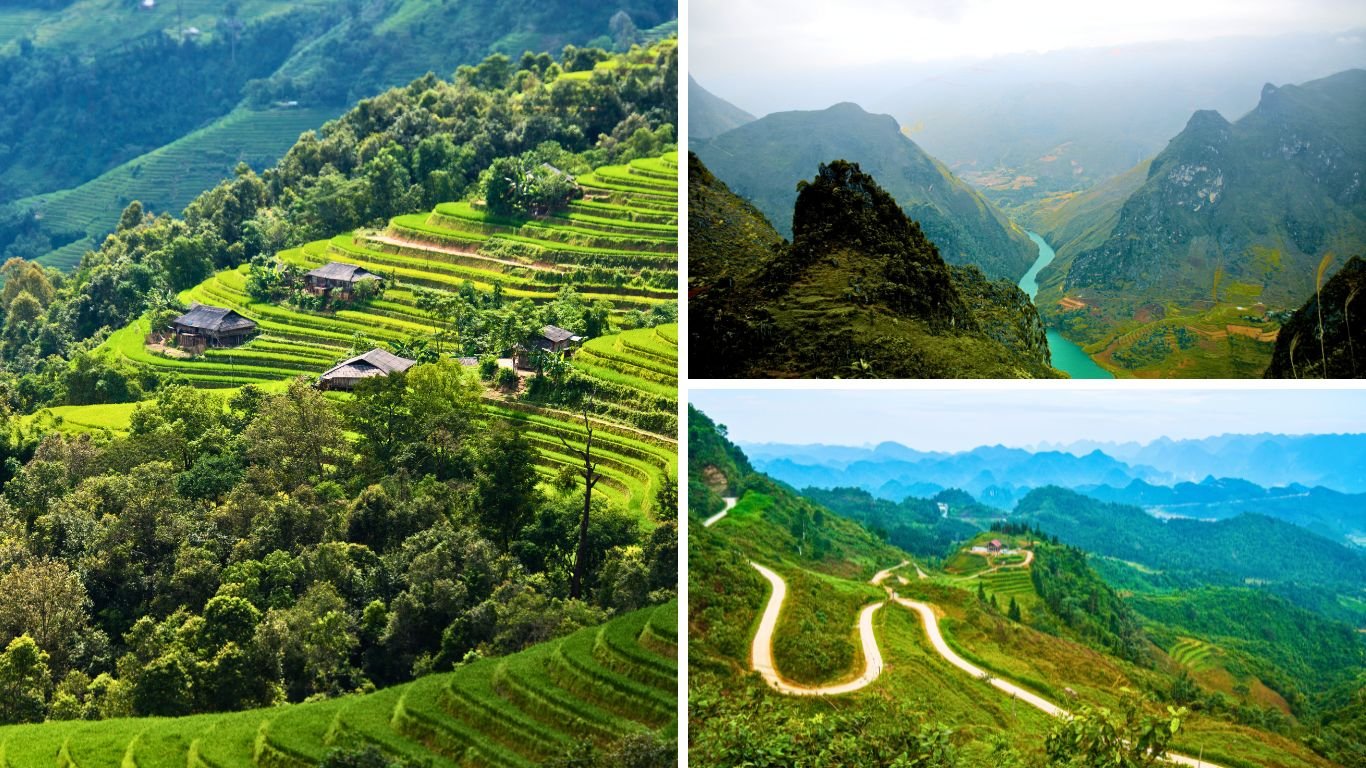
For active travelers seeking the adventure of a lifetime, Golden Cycling Tours has pioneered high-end, professionally guided itineraries that transform how we experience the far north. By replacing loud, polluting engines with silent, high-performance pedal-assist electric bikes, riders can breathe in the crisp mountain air, listen to the whisper of the wind through the pine forests, and engage deeply with the local communities. This article serves as the ultimate manual for planning, riding, and fully immersing yourself in this spectacular region.
Tackling the steep mountain passes of northern Vietnam is no small feat. With gradients regularly exceeding ten percent, traditional cycling requires immense physical stamina and athletic training. Motorbikes, on the other hand, while physically easy, often alienate the rider from the environment due to engine noise, helmet isolation, and speed. Electric bikes, or E-bikes, represent the perfect middle ground.
Equipped with state-of-the-art mid-drive motors and long-range lithium batteries, modern E-bikes provide pedal-assist technology that multiplies your natural pedaling power. When you face the towering walls of the Dong Van Karst Plateau Geopark, the electric motor kicks in seamlessly, flattening the steepest inclines and allowing you to focus on the spectacular views rather than physical exhaustion.
Choosing an E-bike is also a conscious step toward sustainable tourism. Ha Giang is a highly ecologically sensitive area, home to rare flora, fauna, and fragile geological formations. By choosing carbon-neutral transport, you protect the pristine nature of the Du Gia National Park and reduce your environmental footprint.
Furthermore, the silence of an electric motor enhances your sensory connection to the route. You can hear the laughter of ethnic minority children playing in the valleys, the rushing waters of the Nho Que River hundreds of meters below, and the gentle chime of cowbells echoing across the terraced fields. To facilitate this modern way of travel, specialized Vietnam e-bikes tours are now available, featuring premium full-suspension electric mountain bikes and professional mechanical support.
Before you can set off on your two-wheeled adventure, you must navigate the logistics of reaching Vietnam's northernmost province. Ha Giang City, the starting point of the loop, is located approximately three hundred kilometers north of Hanoi.
Most travelers begin their journey by arriving in Vietnam's vibrant capital. To acclimatize and warm up your legs, starting with organized Hanoi bike tours is an excellent way to get used to Vietnamese traffic patterns and bicycle handling. Once ready, you can take a luxury limousine cabin bus or private transport from Hanoi to Ha Giang City. The drive typically takes around six to seven hours, winding through the flat delta before gradually climbing into the foothills of the northern mountain ranges.
Planning the timing of your trip is crucial for the ultimate ride. The region experiences distinct seasons, each offering a unique charm. Spring, from February to April, brings blossoming peach and plum orchards, painting the valleys in soft pinks and whites. The summer months of May to August offer lush green terraced fields and warm weather, though occasional monsoon rains can make the trails slick. Autumn, spanning September to November, is widely considered the golden season, as the terraced rice fields turn a brilliant golden yellow just before harvest, and the weather becomes cool and dry. Winter brings dramatic mist and cold temperatures, creating a mystical, ethereal atmosphere over the karst peaks.
For those planning a comprehensive tour of the country, it is easy to combine your highland ride with other classic destinations. Many riders opt for Cycling Northern Vietnam packages that seamlessly link different provinces. Whether you combine your trip with misty Sapa bike tours, explore the emerald terraced fields of Mai Chau bike tours, or venture east to experience the majestic waterfalls on Cao Bang bike tours, the northern highlands offer endless variation.
To fully appreciate the majesty of the north, a five-day itinerary is highly recommended. This duration allows for a moderate pace, plenty of cultural interactions, and ample time to conquer the most legendary passes without rushing.
Leaving the bustling streets of Ha Giang City behind, the road immediately begins to tilt upward. Your premium electric mountain bike will prove its worth as you tackle the steep, winding bends of the Bac Sum Pass. This giant, snaking road serves as the gateway to the high karst plateau. The pedal-assist system allows you to effortlessly climb the switchbacks while admiring the dramatic valley below.
As you reach the summit, you will pass through the Quan Ba Heaven Gate, a narrow gap between two mountain peaks that opens up to a breathtaking panoramic view of the valley below. Here, the landscape transitions from lush green hills to rugged, dark limestone blocks. Sitting prominently in the center of the valley are the famous Twin Mountains (also known as the Fairy Bosom), two perfectly symmetrical conical hills surrounded by vibrant rice paddies.
The day ends with a gentle descent into the peaceful village of Nam Dam, inhabited by the friendly Dao ethnic minority group. Here, you can charge your E-bike batteries and enjoy your first authentic homestay experience, sleeping in a traditional rammed-earth house.
Your second day begins with a ride through the serene Yen Minh Pine Forest, where the scent of pine needles fills the morning air. The road then drops down into the Yen Minh Valley before ascending once more toward the heart of the rocky highlands.
The highlight of this morning is tackling the legendary Tham Ma Pass, a jaw-dropping series of nine tight switchbacks that have become an iconic symbol of the region. Historically, this pass was used by locals to test the strength of their horses; today, it is the perfect playground to test the power of your electric motor. Reaching the top of the pass rewards you with an incredible photo opportunity of the winding road you just conquered.
Continuing onward, you will enter the spectacular Dong Van Karst Plateau Geopark, a UNESCO Global Geopark renowned for its outstanding geological heritage. The route takes you through the beautiful Sung La Valley, home to the historic Hmong village of Lung Cam, famously featured in Vietnamese cinema.
Before reaching your final destination for the day, you will take a short detour to visit the Hmong King's Palace (also known as Dinh Vua Meo) in Sa Phin Valley. Built in the early twentieth century with a unique blend of Chinese, Hmong, and French architectural styles, this fortress-like palace tells the rich history of the local opium trade and the Hmong royalty who once ruled over the plateau. You will spend the night in the historic town of Dong Van, exploring its charming Old Quarter.
This is the day every cyclist dreams of. Today, you will ride across the Ma Pi Leng Pass, widely regarded as the most spectacular mountain pass in all of Vietnam, if not Southeast Asia. Clinging to the sheer cliff face at an altitude of fifteen hundred meters, the road offers dizzying views of the Nho Que River winding like a thin turquoise ribbon through the depths of the Tu San Canyon far below.
With the electric assist of your bike set to a comfortable level, you can slowly cruise along this legendary road, stopping at various lookout points to marvel at the scale of the landscape. For the adventurous, a ride along the narrow Sky Path offers an even more intimate connection with the cliffs and local Hmong farmers working on impossibly steep rocky slopes.
After conquering the pass, the route descends toward the riverbed, where you can take a break from riding to hop on a local boat. Gliding through the towering walls of the Tu San Canyon, the deepest canyon in Southeast Asia, provides a humbling perspective of the earth's natural forces.
In the afternoon, you will pedal up the other side of the canyon to reach the bustling town of Meo Vac, where you will settle in for the evening. If you are planning an extensive journey throughout the northern border regions, this segment perfectly aligns with the epic pathways of Vietnam Northeast Bike Tours, showcasing the raw beauty of the frontier.
From Meo Vac, the journey turns south toward one of the most secluded and pristine areas of the province: Du Gia Village. This section of the ride takes you off the beaten path, traversing rugged mountain trails and remote valleys that are rarely visited by mainstream tourists.
You will ride over the challenging M-Ma Pass and wind through the wild landscapes of Lung Ho, where massive karst towers stand like ancient sentinels. The terrain here can be rocky and uneven, making the high-quality suspension of your E-bike essential for a comfortable ride.
As you descend into the valley of Du Gia, the rocky gray limestone gives way to lush, fertile green plains, bamboo forests, and sparkling mountain streams. This village is home to the Tay and Hmong ethnic groups, who continue to live a highly traditional, agricultural lifestyle.
After a day of riding, there is nothing better than taking a refreshing dip in the cool, crystal-clear waters of the Du Gia Waterfall. In the evening, you will enjoy a communal dinner prepared by your Tay hosts, featuring fresh river fish, organic vegetables, and local corn wine.
The final leg of your journey brings you back toward the provincial capital, completing the loop. The road out of Du Gia climbs steadily, offering one last major ascent to test your E-bike's motor.
Along the way, you will visit the historic Lung Tam Weaving Village, where local Hmong women preserve the ancient art of linen weaving. Here, you can witness the entire labor-intensive process, from stripping the bark of the hemp plant to boiling, spinning, weaving, and dyeing the fabric using natural indigo. It is a fantastic place to purchase authentic, handmade souvenirs that directly support the local cooperative.
From Lung Tam, the route rejoins the main road near Quan Ba, allowing for a smooth and familiar ride back down the Bac Sum Pass to Ha Giang City. As you arrive back at your starting point, you will feel an immense sense of accomplishment, having traversed some of the most challenging terrain in Asia in an eco-friendly and deeply immersive manner.
One of the greatest benefits of slow travel on an electric bicycle is the unparalleled access it grants to the rich cultural tapestry of the northern highlands. This region is a melting pot of ethnic diversity, home to over seventeen different ethnic minority groups, including the Hmong, Tay, Dao, Nung, and Giay.
Each ethnic group possesses its own distinct language, traditional attire, architectural styles, and social customs. While riding through the villages, you will see Hmong women wearing intricately embroidered indigo skirts, Dao women with bright red headpieces and silver jewelry, and Tay people dressed in simple, elegant dark blue garments.
The weekly markets are the beating heart of local social and economic life. If you time your trip correctly, you can visit the famous Dong Van Sunday Market or the Meo Vac Market. These are not merely places for trading goods; they are vibrant cultural festivals where locals dress in their finest traditional clothing, catch up on news, share bowls of piping hot soup, and find potential partners. The ancient and mysterious Khau Vai Love Market, held only once a year on the twenty-seventh day of the third lunar month, is another legendary event where ex-lovers meet to rekindle old friendships.
To maintain a respectful relationship with these local communities, travelers should observe a few simple rules of etiquette. Always ask for permission before taking photos of local people, especially children and the elderly. When entering a traditional house, take off your shoes and avoid touching sacred areas, such as the central house pillar or the family altar. Dressing modestly when passing through villages shows respect for the local conservative culture.
By choosing to Explore Ha Giang by Electric Bike, you naturally foster positive interactions with local communities. Unlike roaring motorbikes, the gentle and silent approach of an E-bike does not disrupt the peace of the villages, allowing for genuine smiles, warm waves, and friendly conversations along the roadside.
Active exploration requires plenty of fuel, and the local cuisine of the far north offers a unique, hearty, and comforting array of dishes designed to sustain people living in a harsh mountain environment.
One of the most famous, albeit adventurous, local specialties is Thang Co. Originally a traditional dish of the Hmong people, this rich soup is made from horse meat and offal, slow-cooked in a large iron pot with a blend of twelve aromatic mountain herbs, including cardamom, lemongrass, and cinnamon. While the strong aroma can be intimidating for some, it is a beloved staple best enjoyed on cold market days.
For a comforting breakfast, look no further than Au Tau Porridge. This unique dish is made from a combination of glutinous rice, pork trotters, and the root of the aconite plant (Au Tau). The root is highly poisonous in its raw state and must be meticulously prepared by boiling it for over ten hours until the toxins are completely neutralized. The resulting porridge has a distinct, pleasantly bitter taste and is believed by locals to have excellent medicinal properties, helping to relieve joint pain and promote deep sleep.
Other must-try dishes include Five-colored Sticky Rice, naturally dyed using local forest leaves, and Men Men, a steamed corn meal that serves as the traditional daily staple of the Hmong people, who cultivate corn on the rugged rocky cliffs where rice cannot grow.
To experience these culinary delights, look for small, family-run eateries in the towns of Dong Van and Meo Vac. In the smaller villages like Nam Dam and Du Gia, your homestay hosts will serve incredible, family-style dinners featuring fresh, locally sourced ingredients that provide a true taste of highland hospitality.
Finding the right place to rest and recharge both your body and your E-bike batteries is a vital component of a successful journey. The accommodation options in the far north have blossomed in recent years, offering a range of choices from rustic cultural homestays to high-end eco-resorts.
For an authentic cultural experience, staying at a community-based homestay is highly recommended. In villages like Nam Dam (Quan Ba) or Du Gia, local families have opened their traditional homes to travelers. These stays offer simple, clean accommodations, usually consisting of comfortable mattresses, mosquito nets, and clean shared bathroom facilities. The highlight of any homestay is the communal "family dinner," where you sit on the floor with your hosts, sharing a feast of home-cooked dishes and endlessly toasting to health and friendship with cups of local corn wine (known affectionately as "happy water").
If you prefer a higher level of comfort and privacy, the main towns of Dong Van and Ha Giang City offer several comfortable boutique hotels and eco-lodges. These properties provide private rooms, hot showers, western-style amenities, and stunning views of the surrounding karst peaks. Many of these lodges are built using traditional architectural styles, featuring rammed-earth walls and clay tiled roofs that blend harmoniously with the natural landscape.
Regardless of where you choose to stay, modern homestays and hotels are fully equipped with reliable electricity, allowing you to easily charge your electric bike batteries overnight so you are ready for another day of epic climbing.
While the northernmost loop is undoubtedly one of the most spectacular rides in the world, Vietnam offers an incredibly diverse range of landscapes that are perfect for two-wheeled exploration.
If you are captivated by the lush valleys and dramatic karst formations of the north, you might want to consider expanding your itinerary to include Ninh Binh bike tours. Often referred to as "Halong Bay on land," Ninh Binh offers flat, scenic paths that wind through towering limestone cliffs, ancient temples, and vast flooded rice paddies.
For an intimate look at traditional ethnic minority life in a highly accessible setting, Mai Chau bike tours and Pu Luong bike tours are exceptional choices. Located just a few hours southwest of Hanoi, these regions feature serene valleys covered in emerald green rice paddies, traditional stilt houses, and rich tropical forests perfect for cycling.
If you are eager to experience the absolute pinnacle of high-altitude mountain biking, booking dedicated Ha Giang bike tours is an absolute must. These tours are fully supported by professional guides, mechanics, and backup vehicles to ensure maximum safety and comfort.
For those who wish to experience the wild, untamed landscapes of the western borders, Vietnam Northwest Bike Tours offer incredible journeys through dramatic mountain ranges and historical battlefields like Dien Bien Phu.
Ultimately, for the truly ambitious adventurer, integrating these regional experiences into a grand, nationwide journey like Cycling North to South Vietnam provides an unparalleled perspective on the changing landscapes, climates, and cultures of this incredible country. From the misty heights of the Chinese border to the flat, sun-drenched canals of the Mekong Delta, a trans-Vietnam cycling tour is the ultimate achievement for any active traveler.
Nothing speaks louder than the firsthand experiences of travelers who have already conquered the northern frontier on an electric bicycle. Here are some real reviews from clients who chose to explore the region with the professional support of Golden Cycling Tours.
"Conquering the mountain loop was always on my bucket list, but as a casual cyclist in my fifties, I was terrified of the steep mountain passes. Choosing to Explore Ha Giang by Electric Bike with Golden Cycling Tours was the best decision I ever made. The pedal-assist on the hills was absolute magic. I was able to climb the massive passes with a smile on my face, enjoying the incredible mountain views rather than gasping for air. The bikes were top-notch, and the guide’s knowledge of local Hmong culture made the trip truly unforgettable." - Sarah M., Australia.
"I have done bicycle tours all over the world, but this trip was on another level. The scenery is simply mind-blowing. Doing it on an E-bike allowed us to cover longer distances and climb higher than we ever could on standard road bikes, all while remaining completely silent and connected to the environment. The support team from Golden Cycling Tours was outstanding—flawless logistics, amazing homestays, and great food. If you are looking for premium support, I highly recommend their Vietnam luxury bike tours." - Thomas K., Germany.
"We booked a custom northern trip that combined our ride with some trekking. The transition from the chaotic streets of Hanoi to the quiet, rugged peaks of the north was incredible. The E-bikes made the challenging terrain accessible and incredibly fun. It felt like having a constant, gentle tailwind pushing us up the steepest switchbacks. We will definitely be back to try their other itineraries!" - Jessica & David L., Canada.
No, you do not need any driver's license to ride an electric bicycle in Vietnam. Unlike motorbikes, which require specific licenses and permits to ride legally in the border regions, E-bikes are treated as standard bicycles, making them highly accessible for international travelers.
The average daily riding distance ranges from forty to sixty kilometers. While this may sound modest, the significant elevation gain and loss, combined with stops for photos, village visits, and lunch, make this a full and satisfying day of active exploration.
The high-capacity lithium batteries used on our premium E-bikes are designed to last between sixty and eighty kilometers on a single charge, depending on the level of pedal-assist used. Your guide will help you manage your power settings, and the batteries are recharged every evening at our homestays or hotels.
Yes, provided you have basic bicycle handling skills and a reasonable level of physical fitness. The roads are paved, but they can be narrow, winding, and steep, with variable traffic. Our professional guides provide comprehensive safety briefings, lead the group at a comfortable pace, and our support vehicle is always nearby if you need a break.
You should pack comfortable, moisture-wicking athletic clothing, a lightweight windproof and waterproof jacket, sturdy closed-toe shoes with good grip, a reusable water bottle, sunscreen, and insect repellent. We provide high-quality helmets and panniers for your daily essentials, while your main luggage is transported in our support vehicle.
The towering peaks, deep river canyons, and vibrant ethnic cultures of the far north are waiting to be discovered. Traditional travel methods can either leave you physically exhausted or physically isolated from the environment. By choosing to Explore Ha Giang by Electric Bike, you open the door to a modern, active, and deeply immersive journey that respects both the natural environment and the local communities.
Whether you are a seasoned cyclist looking to tackle the legendary passes with an extra boost, or a casual traveler seeking an active and unique holiday, our meticulously designed itineraries offer the perfect balance of adventure, comfort, and cultural depth. Let the silent power of an electric motor carry you to the roof of Vietnam. Contact Golden Cycling Tours today to start planning your dream journey and experience the magic of the northern frontier for yourself.
We hope this comprehensive guide has inspired you to take the leap and experience this incredible region in a whole new way. Happy riding, and we look forward to welcoming you to the magnificent landscapes of Vietnam!

.jpg "Cycling in Vietnam in March")
.jpg "Vietnam mountain bikes Trail")
.jpg "Vietnam Biking Trails")
.jpg "Ha Giang Cycling Tours")
Leave a Reply
Your email address will not be published. Required fields are marked *