- Call us Via Whatsapp: +84 (0) 832 126 699
4.9 stars on our site
(15,000 reviews)
- Monday - Sunday : 08:00 - 17:00
(15,000 reviews)

Imagine the feeling as your tires bite into wet, crushed limestone high above a cloud-filled canyon. The crisp morning air expands your lungs while the distinct, woodsy scent of burning pine and damp moss fills your senses. Behind you, the rhythmic clicking of your rear hub fades into the vast stillness of ancient karst towers. Ahead, a series of razor-sharp switchbacks carves through the emerald slopes of Ma Pi Leng Pass, demanding your total focus, physical strength, and mechanical precision. Every pedal stroke in this land is an unfiltered immersion into wild geography and rich tribal culture.
When planning a multi-day off-pavement adventure across Southeast Asia, one fundamental question shapes your entire journey: Self-Guided vs Guided Vietnam Gravel Bike Tours—which approach truly matches your riding style, technical confidence, and appetite for adventure?
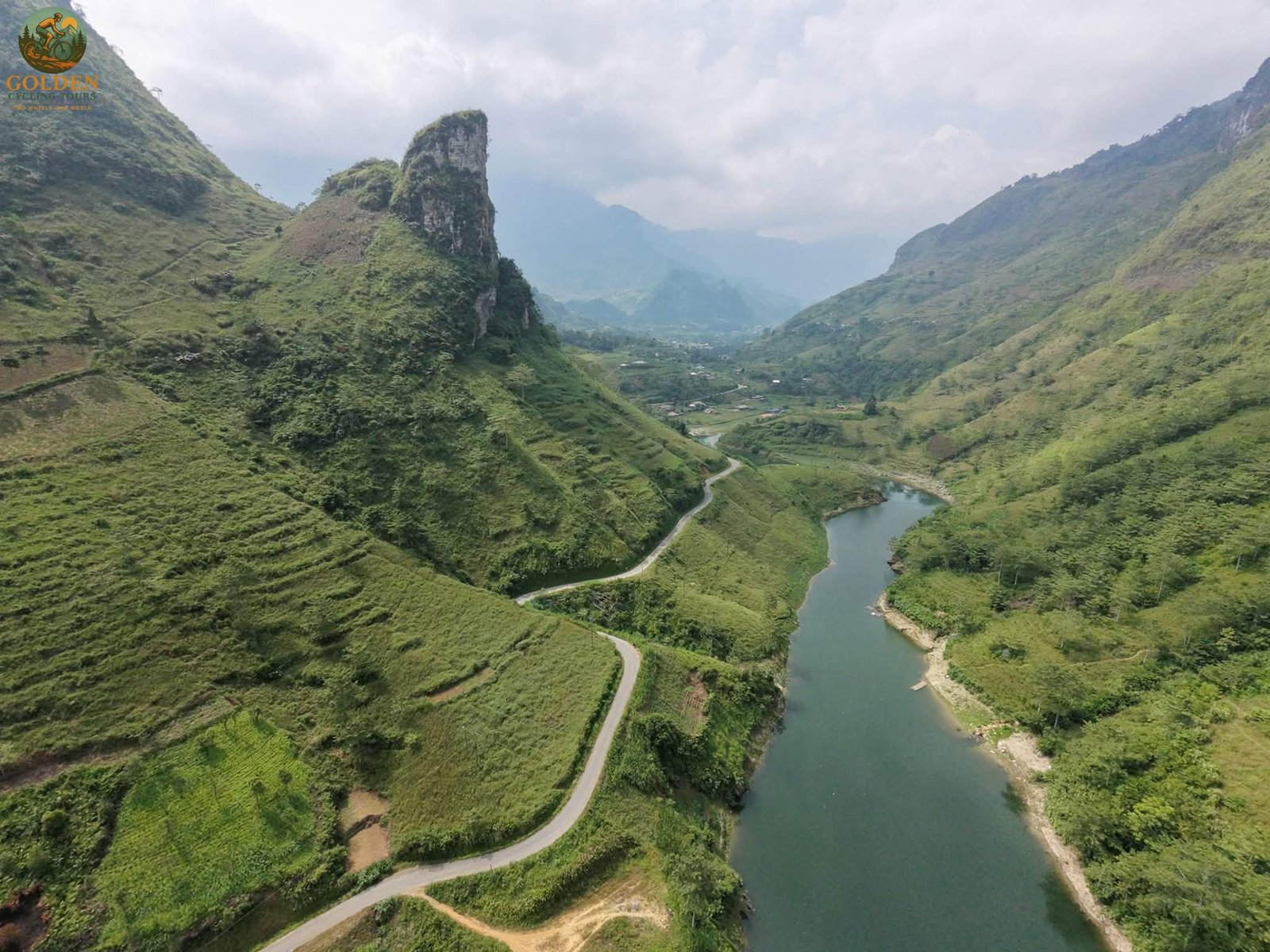
In this comprehensive guide, we dissect the realities of both touring styles across Vietnam's unforgiving terrain. From navigating remote high-altitude passes to securing authentic local meals and emergency support, we examine every factor so you can make the ultimate choice for your dream cycling expedition with Golden Cycling Tours.
Before deciding between going independent or joining a structured tour, you must understand the environment beneath your wheels. Vietnam is not a place of manicured gravel paths and predictable signage. Over three-quarters of the country is dominated by rugged hills, dense jungle mountain ranges, and steep river gorges.
When you explore Cycling Northern Vietnam, a single day in the saddle can demand riding over slick granite cobblestones, loose crushed limestone, deep red clay ruts, and broken asphalt. Unpredictable tropical weather can turn a dry mountain path into a slick clay descent in minutes.
Furthermore, remote mountain regions are inhabited by diverse ethnic minority communities including the Hmong, Tay, Black Dao, and White Thai. While these communities offer extraordinary hospitality, language barriers are real, and emergency bike repair shops are nonexistent once you leave main highway corridors.
For experienced bikepackers who crave complete self-reliance, total schedule flexibility, and the raw thrill of the unknown, a self-guided journey holds magnetic appeal.
Riding self-guided means operating on your own clock. If you wish to linger at a roadside coffee stall sipping iced drip coffee while watching morning mist lift off the Nho Que River, you have full liberty to do so. You select your own daily mileage, pitch a bivvy or find local homestays on the fly, and adapt your route based on daily inspiration.
There is an undeniable sense of accomplishment in plotting your own GPS tracks across remote mountain passes, carrying all your clothing and mechanical tools in frame bags, and solving navigational puzzles in real time.
However, going solo across Vietnam's backcountry brings substantial hurdles that can test even seasoned endurance athletes:
Navigational Hazards: GPS tracks in deep river gorges and dense jungle canopies frequently lose signal. Unmarked logging trails, landslide bypasses, and sudden road construction can easily derail an unguided itinerary.
Mechanical Failures in Remote Zones: A torn tire sidewall on razor-sharp karst stone, a snapped derailleur hanger, or a hydraulic brake failure on steep mountain descents like Tham Ma Pass can leave you stranded hours away from civil infrastructure.
Logistical Friction: Transporting heavy bike boxes on public buses, communicating complex dietary needs in remote ethnic villages, and securing reliable lodging during peak harvest seasons requires significant local knowledge and time.
Heavy Load Performance: Carrying full bikepacking gear (15–20 kg) over gradients exceeding 15% to 20% severely impacts bike handling on loose downhill gravel sections.
For cyclists who want to maximize their riding performance, soak in deep cultural context, and ride with complete mechanical and physical peace of mind, a professional guided expedition is the gold standard.
When evaluating Self-Guided vs Guided Vietnam Gravel Bike Tours, the greatest advantage of a guided experience is the elimination of friction. Instead of worrying about route accuracy, emergency evacuations, or finding safe drinking water, your energy remains focused entirely on the thrill of the trail and the beauty of the landscape.
When you book with a professional operator like Golden Cycling Tours, every detail is meticulously managed:
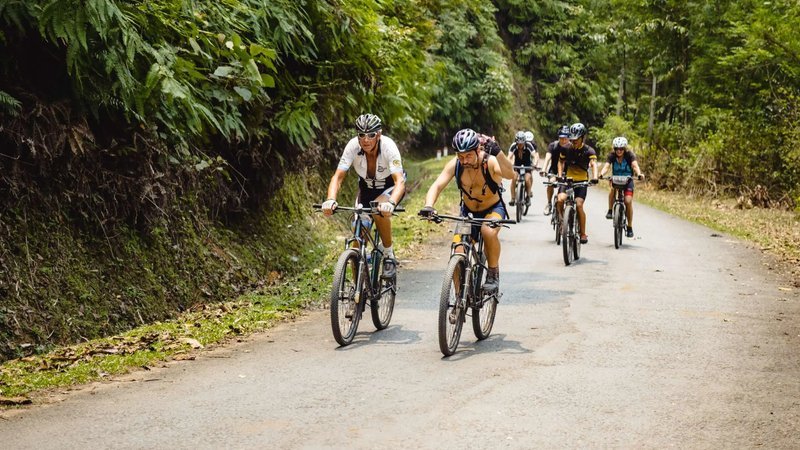
Air-Conditioned Support Vehicles: Dedicated SAG vans carry your luggage, spare parts, fresh fruit, chilled hydration, and standard tools. You ride light and agile, allowing your bike to handle technical singletrack and fast gravel descents with maximum stability.
Professional Mechanics & Local Trail Guides: Expert local guides who speak ethnic dialects lead the way, reading trail conditions and sharing rich history. Skilled mechanics perform daily bike maintenance, tuning drivetrains and checking tire pressures so your gear is pristine every morning.
Curated Secret Trails: Guided tours take you onto hidden singletrack, private farm trails, and historic mountain passes that do not appear on public mapping applications.
Safety & Immediate Medical Backing: In the event of extreme exhaustion, sudden weather shifts, or mechanical issues on remote climbs like O Quy Ho Pass, the support vehicle is always within reach.
Navigational Ease: Self-guided relies on offline GPS maps which can miss local trail closures or landslides. Guided tours utilize expert local leaders who know real-time trail conditions and offer immediate rerouting.
Physical Demands: Self-guided requires pushing heavy, fully loaded bikes up brutal mountain gradients. Guided tours allow you to ride unencumbered light bikes while support vehicles transport all gear.
Mechanical Reliability: Self-guided requires you to carry extensive spare parts and perform complex field repairs yourself. Guided tours include professional daily maintenance and replacement bikes if necessary.
Cultural Connection: Self-guided interactions can be limited by language barriers. Guided tours feature bilingual guides who facilitate authentic conversations, translate local customs, and explain regional traditions during family homestay dinners.
Cost Structure: Self-guided offers lower upfront costs but carries hidden risks of unexpected transport or emergency costs. Guided tours offer all-inclusive pricing covering transfers, boutique lodging, meals, bikes, and support.
Whether you choose to ride independently or join an organized group, Vietnam’s premier cycling destinations offer mind-blowing terrain.
The northeastern frontier offers vertical geology, ancient stone forests, and dramatic river valleys. Exploring Vietnam Northeast Bike Tours introduces you to some of the most dramatic landscapes on earth.
In Ha Giang, gravel tracks wind along vertical cliffs toward Dong Van Karst Plateau. You will conquer legendary mountain hairpins on Tham Ma Pass and stare into deep gorges from Ma Pi Leng Pass. Experience these signature routes with our 8-Day Epic Ha Giang Loop Adventure or dive into dedicated regional itineraries via Ha Giang Bike Tours.
Further west, Hoang Su Phi presents breathtaking terraced rice fields cut into steep granite mountainsides. Combine these regions on our comprehensive 10-Day Ha Giang Loop & Hoang Su Phi Cycling Adventure.
Continuing east toward Cao Bang, smooth dirt doubletrack leads to the cascading white torrents of Ban Gioc Waterfall and the tranquil waters of Ba Be Lake. Discover these routes via Cao Bang Bike Tours and Ba Be Lake Bike Tours.
For the ultimate grand tour, experience the complete region with the Best Vietnam Cycling Northeast Tour 15 Days.
The Northwest offers high alpine mountain passes, thick bamboo forests, and rich tribal heritage across Vietnam Northwest Bike Tours.
Ascending into the highland town of Sapa brings you into the shadow of Fansipan Peak, Vietnam's highest mountain. Descending the epic, winding curves of O Quy Ho Pass provides endless mountain vistas. Explore these alpine tracks with Sapa Bike Tours and check out the vibrant cultural markets of Bac Ha Bike Tours.
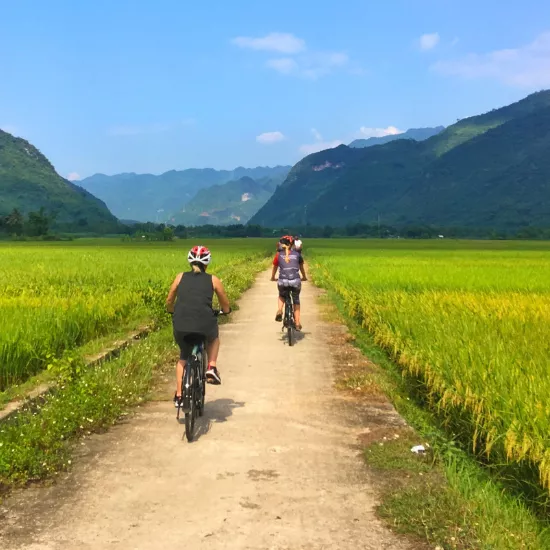
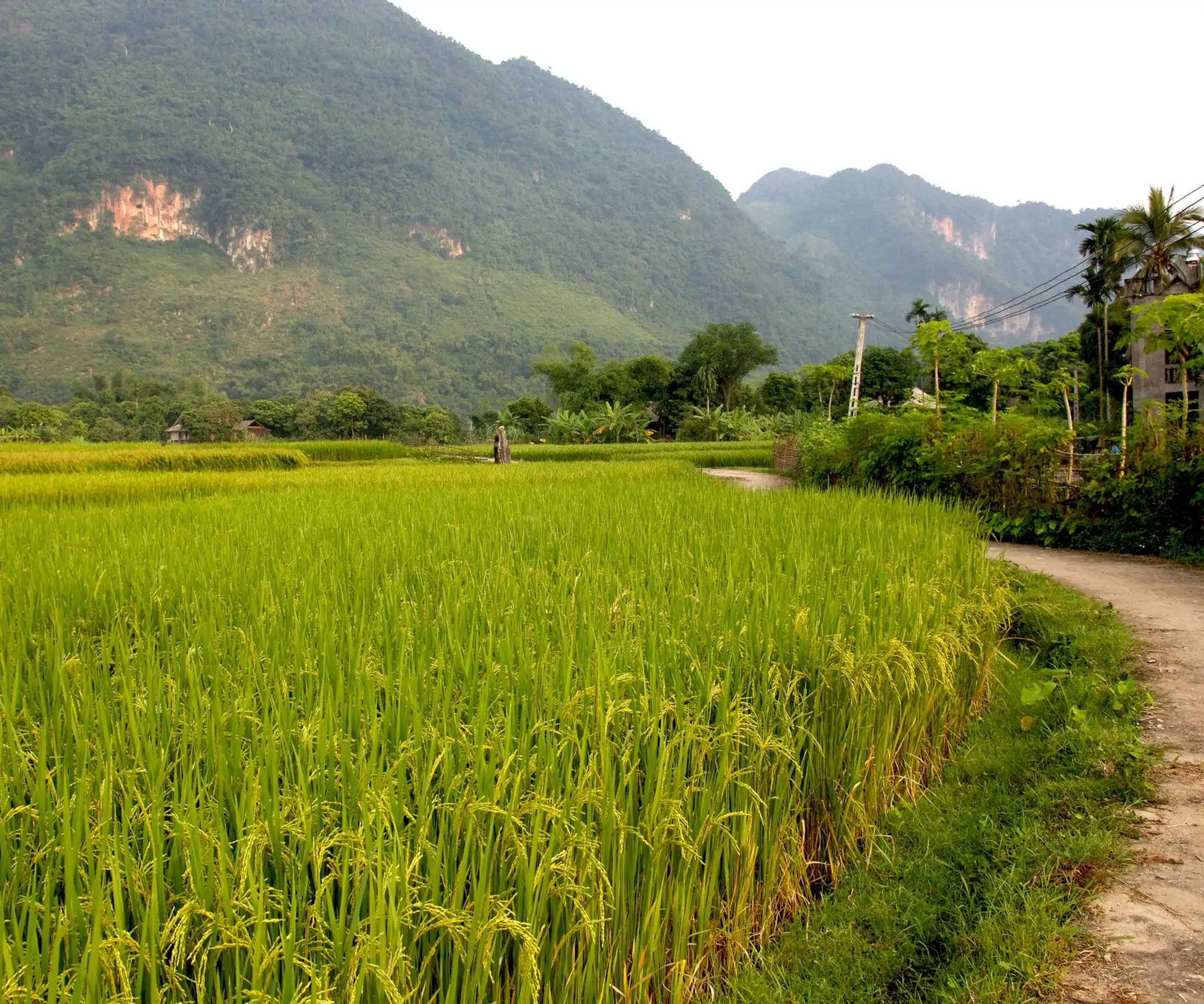
Further south, the emerald floor of Mai Chau Valley offers fast, flowing dirt tracks surrounded by stilt-house villages. Climbing into the rainforests of Pu Luong Nature Reserve delivers technical singletrack past mossy streams and limestone caverns. Book short escapes with our 4-Day Northern Vietnam Cycling Mai Chau to Pu Luong Adventure or explore Mai Chau Bike Tours and Pu Luong Bike Tours.
In Ninh Binh, ride through towering karst formations in Tam Coc and forest singletrack inside Cuc Phuong National Park. Explore these lowlands on Ninh Binh Bike Tours or embark on our flexible 6-Day Mai Chau, Pu Luong & Ninh Binh E-Bike Tour and the comprehensive 12-Day North Vietnam Cycling Adventure.
For epic cross-country journeys along historic supply lines and coastal routes like Hai Van Pass, link the entire country with Cycling North to South Vietnam.
Prefer electric assistance on steep climbs? Explore specialized options at Vietnam E-Bike Tours or indulge in high-end hospitality via Vietnam Luxury Bike Tours. Browse our full catalog at Golden Cycling Tours Collection.
Executing a successful gravel trip requires understanding regional logistics.
Navigating transit with a bicycle is straightforward when planned correctly:
Overnight Sleeper Buses: Connect Hanoi with northern hubs like Ha Giang, Lao Cai, and Cao Bang. Standard bikes must have wheels removed and frames padded before being loaded in luggage compartments.
Express Trains: The overnight sleeper train from Hanoi to Lao Cai (serving Sapa and Bac Ha) includes dedicated cargo carriages, allowing comfortable travel to northern mountain gateways.
Private Support Vehicles: On guided tours with Golden Cycling Tours, private air-conditioned vans handle all luggage transfers, bike transport, and roadside assistance.
Ethnic Homestays: Staying in traditional wooden stilt houses built by Tay, White Thai, or Hmong families offers an intimate look into mountain life. Sleep on comfortable mattresses under mosquito netting, listening to forest breezes and distant mountain streams.
Eco-Lodges & Resorts: In locations like Mai Chau Valley, Pu Luong Nature Reserve, Sapa, and Ninh Binh, eco-lodges offer hot showers, infinity pools framed by rice terraces, and plush bedding to refresh tired muscles.
Vietnamese food is fresh, light, and perfectly suited for endurance athletes:
Breakfasting for Energy: Start early mornings with steaming bowls of Phở or Bún Chả. Star-anise bone broth restores body salts, while rice noodles supply long-lasting carbohydrates.
Family-Style Feasts: Dinners at homestays feature communal dishes: mountain pork grilled with lemongrass, wild stream fish baked in banana leaves, stir-fried jungle greens with garlic, and fragrant steamed jasmine rice.
Hydration & Local Drinks: Refresh at roadside stalls with freshly pressed sugarcane juice (Nước Mía), cold coconut water, or rich iced drip coffee (Cà Phê Sữa Đá) sweetened with condensed milk. Toast successful days with hosts over a small cup of traditional rice wine (Rượu cần).
Interacting respectfully with hill-tribe communities creates unforgettable memories:
Respectful Attire & Etiquette: Dress modestly when visiting ancient villages or spiritual temples by covering shoulders and knees. Always request permission before photographing local elders or children.
Warm Language Encounters: Simple greetings like "Xin chào" (Hello) and "Cảm ơn" (Thank you), paired with a genuine smile, build instant connections across cultural boundaries.
Selecting the optimal season guarantees comfortable riding temperatures, dry trails, and breathtaking scenery:
Autumn (September to November) – The Golden Window: The prime season for gravel cycling in Northern Vietnam. Expect clear blue skies, mild temperatures (18°C–25°C), low rainfall, and golden rice terraces ready for harvest in Hoang Su Phi, Sapa, and Mu Cang Chai.
Spring (March to May) – Blooming Flowers & Pleasant Warmth: Spring brings mild weather and vibrant green foliage. Peach blossoms and wild orchids cover mountain passes, offering ideal conditions for long saddle days.
Winter (December to February) – Cool & Atmospheric Fog: High-altitude passes in Dong Van Karst Plateau can see temperatures drop below 10°C (50°F), with thick fog creating dramatic mountain vistas. Thermal layers are recommended.
Summer (June to August) – Tropical Monsoons & Lush Greenery: Summer brings high heat, humidity, and afternoon downpours. While greenery is at its peak, dirt tracks can turn slick, making guided support vehicles particularly valuable.
A guided tour is strongly recommended for first-time visitors. Navigating remote mountain passes, overcoming language barriers, handling sudden mechanical issues, and managing transit logistics are much smoother with professional local support.
Yes, but quality varies greatly. Guided operators like Golden Cycling Tours maintain fleets of top-tier gravel bikes, hardtail mountain bikes, and e-bikes equipped with tubeless tires, hydraulic disc brakes, and wide climbing gear ratios tailored specifically for mountain terrain.
On guided tours, support vehicles follow the group at a safe distance. If you experience physical fatigue or encounter extreme weather on steep climbs like Ma Pi Leng Pass or O Quy Ho Pass, you can hop into the air-conditioned van anytime and rejoin the ride whenever you feel refreshed.
While mobile coverage (such as Viettel) is surprisingly widespread, cell signals frequently drop inside deep mountain gorges and thick jungle trails. Downloading offline maps prior to riding is essential for self-guided cyclists.

Leave a Reply
Your email address will not be published. Required fields are marked *