- Call us Via Whatsapp: +84 (0) 832 126 699
4.9 stars on our site
(15,000 reviews)
- Monday - Sunday : 08:00 - 17:00
(15,000 reviews)

The heavy, humid scent of wild crushed ginger and damp limestone clay hangs thick in the air. Overhead, the ancient canopy of the primeval jungle forms a cathedral of deep emerald, filtering the fierce Vietnamese sun into long, golden shafts of dancing light. You inhale deeply, feeling the cool, oxygen-rich air fill your lungs, a sharp contrast to the burning heat radiating from your hard-working muscles. Below you, the knobby tires of your mountain bike bite into the wet loam of a narrow path. With each turn of the crank, the mechanical hum of your chain and the rhythmic click-click-click of your freehub echo against the towering rock walls.
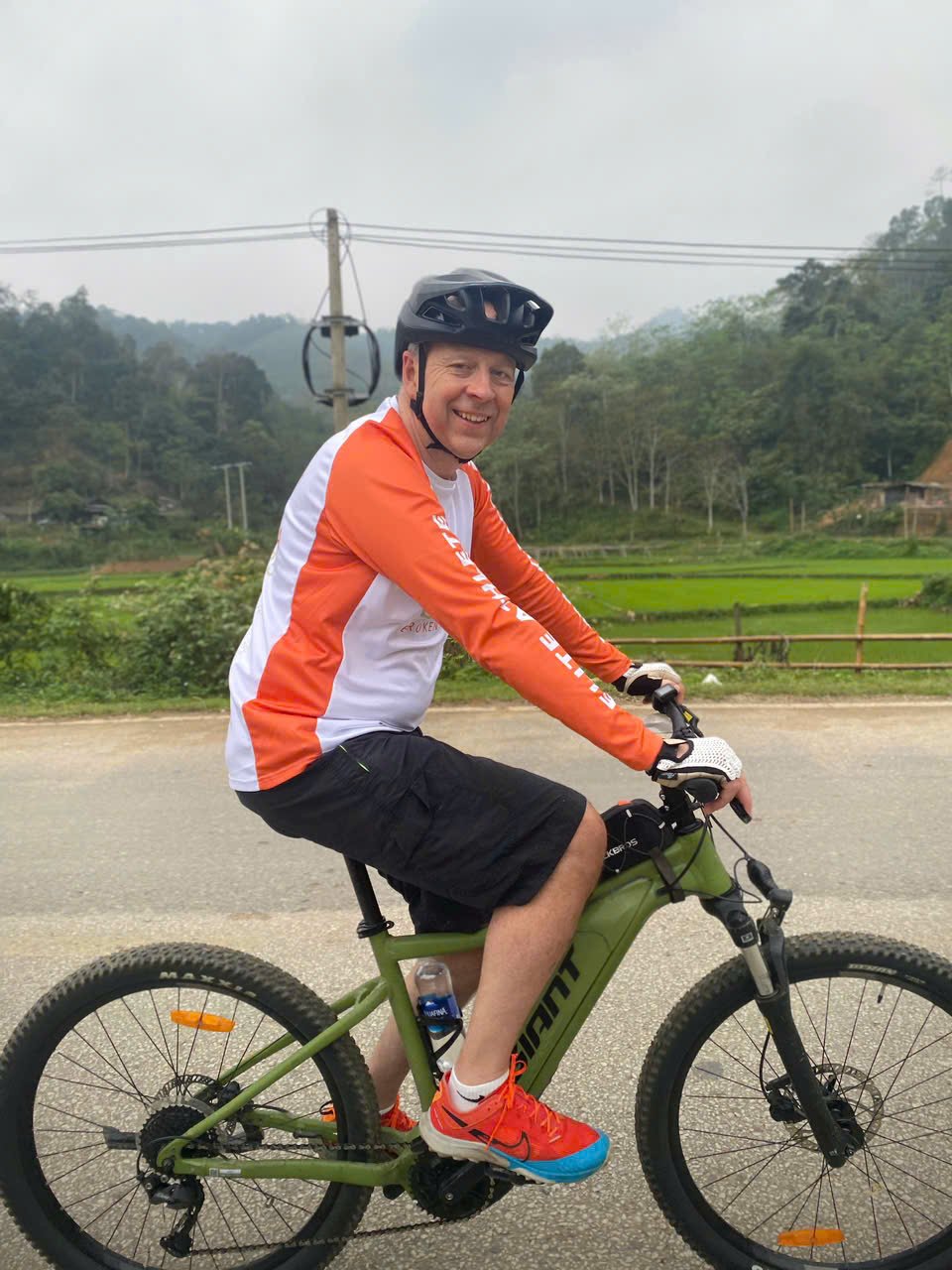
This is not a casual weekend ride. This is the ultimate off-road pilgrimage. Welcome to the heart of Central Vietnam, where the adventure of a lifetime awaits those brave enough to tackle the epic journey: Caves & Trails: Ride Rugged Singletracks to Hidden Caves in Quang Binh.
For decades, adventurers have flocked to this province to marvel at its subterranean wonders, but only recently have intrepid cyclists discovered that the best way to experience this prehistoric landscape is from the saddle of a mountain bike. Navigating the raw, untouched terrain on two wheels allows you to feel the pulse of the earth, from the jarring vibrations of karst gravel under your handlebars to the sudden, exhilarating drop in temperature as you approach the mouth of an undiscovered cave.
If you are ready to push your physical limits, connect with ancient tribal cultures, and explore some of the most spectacular geological formations on the planet, then grab your helmet. Let us take you on a cinematic journey through the rugged singletracks of Quang Binh Province.
To ride in this region is to ride through geological history. Millions of years of tectonic shifts and water erosion have carved the limestone mountains of Phong Nha-Ke Bang National Park into a labyrinth of towering peaks, deep sinkholes, and the largest cave systems in the world. While most tourists view these giants from the safety of eco-tour buses or wooden boats, mountain bikers get to experience the raw, unfiltered fringe of this wilderness.
The trail begins where the asphalt ends. The terrain here is delightfully unpredictable. One moment you are grinding up a steep, muddy doubletrack lined with razor-sharp limestone outcrops, and the next you are flowing down a high-speed, technical singletrack carpeted with slick bamboo leaves. The sheer variety of the trail demands your absolute focus. Your eyes dart constantly between the line ahead and the breathtaking vistas of jagged ridges kissing the sky.
When you choose to embark on this journey, you are choosing to dive deep into a world where nature still rules supreme. It is an environment that challenges your skills, tests your endurance, and rewards your soul with views that no camera could ever fully capture.
To truly understand what makes the route so magical, you must experience it with all five senses. Let’s break down the sensory anatomy of this epic ride:
The sights are a dramatic contrast of light and dark. You will see the blinding contrast of brilliant white limestone cliffs rising vertically out of a sea of dense, neon-green foliage. As you descend into the valleys, the light shifts from the brilliant gold of the afternoon sun to the mysterious, deep indigo of cave entrances.
The sounds of the jungle form a wild soundtrack to your effort. The persistent, high-pitched hum of cicadas rises and falls like a natural siren, punctuated by the distant, haunting calls of gibbons swinging through the canopy. Beneath this wild orchestra lies the comforting, rhythmic sounds of your own bicycle: the crunch of gravel under rubber, the metallic slap of the chain against the chainstay over rough roots, and your own steady, deep breathing.
The smells of the wilderness change with the elevation. In the lowland valleys, the air is thick with the sweet, tropical scent of blooming wildflowers and the earthy perfume of decomposing leaves. As you climb higher into the mountains, the aroma shifts to the crisp, resinous scent of wild pines and the unmistakable, sharp smell of wet stone and mineral-rich mud.
The tastes of the journey are intensely rewarding. There is the metallic, salty taste of sweat on your lips as you conquer a brutal climb, followed by the incredibly sweet, crisp explosion of cold spring water collected from a mountain stream. Later, around the campfire, your taste buds will dance with the smoky, spicy flavors of locally sourced wild boar grilled over open embers and dipped in homemade chili salt.
Finally, the physical sensations of the ride are what bind you to this land. You will feel the intense, satisfying burn in your quadriceps and calves as you stand up on the pedals to conquer a twenty-percent gradient. You will feel the relentless vibration of the trail shaking through your carbon handlebars, vibrating up your forearms, and testing your core strength. And then, there is that unforgettable sensation of stepping off your bike at a cave entrance and feeling a wave of ice-cold subterranean air rush over your overheated skin, instantly washing away the fatigue of the trail.
The true magic of this expedition lies in the remote trails that wind through the buffer zones of the national park. These tracks were originally carved out by local hunters, wood gatherers, and wartime logistics teams. Today, they serve as the ultimate playground for advanced mountain bikers looking for a genuine challenge.
One of the most legendary segments of the ride takes you along the historic Ho Chi Minh Highway and its secret branch trails. These rugged tracks plunge deep into the jungle, crossing rushing rivers where you must hoist your bike onto your shoulders and wade through knee-deep, crystal-clear water. The stones underfoot are smooth and slippery, requiring careful balance, but the cold water rushing against your tired legs is pure heaven.
As you push deeper, the trail transitions into narrow singletracks that hug the sides of towering limestone cliffs. On one side is a solid wall of ancient rock, draped in thick moss and wild orchids; on the other, a sheer drop-off looking down onto emerald-green valleys where remote villages lie nestled among patchworks of corn and banana fields.
Every climb is a battle against gravity, demanding precise gear selection and smooth, continuous power output to keep your rear wheel from spinning out on the slick, muddy clay. But every grueling ascent is rewarded with a descent that will make you scream with joy. You will find yourself leaning your bike into berms, hopping over slick tree roots, and sliding through muddy corners with a massive grin plastered across your face.
The ultimate reward of riding these rugged paths is the destination itself. Unlike the heavily commercialized caves of the region, the hidden caves along these singletracks are completely wild, dark, and silent.
As you round a sharp bend on a dense jungle path, the trees suddenly part to reveal a massive, black portal yawned into the side of a mountain. This is the entrance to a forgotten world. You park your mountain bike against a mossy boulder, click on your high-powered headlamp, and step into the cool darkness.
The transition from the hot, humid jungle to the interior of the cave is breathtaking. The temperature drops by ten degrees Celsius in an instant. The silence inside is heavy and absolute, broken only by the slow, rhythmic dripping of water from ancient stalactites: drip... drip... drip.
Your headlamp cuts through the absolute blackness, revealing a sparkling wonderland of calcium crystals, massive limestone columns that took millions of years to form, and underground rivers flowing silently through the dark. Exploring these wild caverns with your cycling shoes crunching softly on the sand floors is a deeply humbling experience. It makes you realize just how small we are in the grand scale of geological time.
Conquering the rugged wilderness of Central Vietnam requires expert planning, top-tier equipment, and unparalleled local knowledge. This is where Golden Cycling Tours comes in. As the premier adventure cycling operator in Vietnam, they provide the ultimate support system for riders looking to push their limits safely and comfortably.
Whether you are seeking the ultimate challenge of a multi-day expedition or a perfectly curated weekend escape, their professional guides, high-end mountain bike fleets, and dedicated support vehicles ensure that all you have to focus on is the trail ahead. You can explore their extensive range of itineraries on their dedicated Tours page to find the perfect match for your riding style.
For riders who want to combine their adventure with other iconic destinations across the country, they offer world-class regional experiences. If you wish to start your holiday in the historic capital before heading south, look into their highly rated Hanoi Bike Tours. From there, you can easily transition to the dramatic land-bay of northern Vietnam with their custom Ninh Binh Bike Tours.
For those who crave the peaceful charm of traditional stilt-house villages and emerald valley floor riding, the Mai Chau Bike Tours are a must-try. If you want to dive deeper into pristine nature reserves and terraced rice fields, the rugged tracks of Pu Luong Bike Tours will not disappoint.
If your heart is set on conquering towering mountains, high altitudes, and legendary mountain passes, you should explore the northern frontiers. The mist-shrouded peaks of Sapa Bike Tours offer spectacular challenges, while the dramatic, fairytale landscapes of Cao Bang Bike Tours provide a riding experience like no other. For the ultimate bucket-list ride, nothing compares to the jaw-dropping cliffs and hairpin turns of Ha Giang Bike Tours.
To experience the cultural and historical backbone of the country, you can easily extend your journey southward. Ride along the tranquil coastlines and imperial trails of their Hue Bike Tours or explore the ancient merchant streets with Hoi An Bike Tours. Both of these incredible destinations are highlights of their comprehensive Cycling Central Vietnam packages, which seamlessly integrate with a trip to the caves of the province.
If you are planning to travel even further south, the sun-drenched waterways and lush fruit orchards of the Mekong Delta Bike Tours offer a completely different, wonderfully flat, and culturally rich riding experience.
No matter your preference, they have designed comprehensive regional packages to cover every corner of the country. You can choose to explore the raw mountain beauty of the Vietnam Northwest Bike Tours or discover the coastal and ethnic highlights of Vietnam Northeast Bike Tours.
For those who want a complete regional immersion, they offer masterfully curated tours such as Cycling Northern Vietnam and Cycling Southern Vietnam. If you have the time and the passion for the ultimate cross-country adventure, you can sign up to ride the entire length of the nation with either the Cycling North to South Vietnam tour or the epic Cycling South to North Vietnam expedition.
If you prefer premium accommodations, gourmet dining, and VIP support along the way, their vietnam luxury bike tours are designed to provide maximum comfort without sacrificing the thrill of adventure. History enthusiasts will particularly appreciate the legendary ho chi minh trail cycling tours, which track the incredible logistics routes of the past.
And for those who want to tackle the steepest climbs with a little extra assistance, allowing them to enjoy the scenery without completely exhausting their legs, they provide state-of-the-art electric mountain bikes on their popular vietnam e-bikes tours.
An adventure like Caves & Trails: Ride Rugged Singletracks to Hidden Caves in Quang Binh is about far more than just physical exertion and beautiful landscapes; it is also an opportunity to connect with the incredible people who call this wilderness home. The deep forests of the region are inhabited by ethnic minority groups, primarily the Bru-Van Kieu and Chut people.
For generations, these communities have lived in harmony with the jungle, possessing an intimate knowledge of its plants, animals, and hidden cave systems. During your ride, you will pedal through traditional villages of wooden stilt houses nestled in quiet valleys. The local children, with bright eyes and wide smiles, will run out to the edge of the trail to wave and shout "Hello!" as you pass.
Stopping in these villages for a rest break offers a glimpse into a way of life that has remained unchanged for centuries. You will see elders weaving beautiful rattan baskets, women tending to small crops of mountain dry-rice, and hunters preparing traditional gear.
The warmth and hospitality of these communities are legendary. Despite having very little in terms of material wealth, they will happily invite you into their homes to share a cup of hot forest tea, swap stories through your guide, and offer a blessing for your safe passage through their ancestral lands. It is these moments of genuine human connection that often linger the longest in your memory after the mud has been washed from your shoes.
To keep your legs moving over rugged mountain passes and technical singletracks, you need high-quality, delicious fuel. Fortunately, the local cuisine of the region is absolutely spectacular, offering a perfect blend of fresh herbs, rich proteins, and bold, fiery flavors.
Banh Bot Loc: These are translucent, chewy tapioca dumplings filled with seasoned pork and river shrimp, wrapped in banana leaves and steamed. They are light, packed with clean carbohydrates, and incredibly delicious when dipped in sweet and spicy fish sauce.
Grilled Hill Chicken (Ga Doi): Raised naturally on the steep hillsides, this meat is incredibly firm, lean, and flavorful. It is grilled over hot wood embers, resulting in crispy, smoky skin and juicy meat. It is traditionally served on a large banana leaf with wild coriander and a dipping salt made from wild lime leaves and green chilies.
Chao Canh: A hearty, comforting bowl of thick noodle soup made from wheat or rice flour. It features a rich, savory broth simmered from pork bones and is topped with fresh river snakehead fish, crab meat, crispy fried shallots, and a mountain of fresh green onions. It is the ultimate recovery meal after a long, cold day on the trail.
Smoky Wild Boar (Thit Heo Rung Nuong): Sliced thin, marinated in local lemongrass, garlic, and wild honey, and grilled quickly over open coals. The meat is sweet, savory, and perfectly tender.
Phong Nha Town: Along the main riverfront street, you will find fantastic local eateries like The Phong Nha Bamboo Cafe and Wild Boar Eco-Farm, which serve incredible, authentic local dishes in a relaxed atmosphere overlooking the river.
Dong Hoi City: If you are starting or ending your trip in the coastal capital of the province, head to the bustling food stalls near the Dong Hoi Market to try the freshest seafood and local street food pancakes like Banh Xeo.
After spending all day fighting gravity and navigating technical terrain, a comfortable night’s sleep is essential for recovery. The region offers a fantastic range of accommodations that allow you to relax in style while staying connected to the beautiful nature around you.
Phong Nha Lake House Resort: Located on the peaceful banks of Dong Suon Lake, this resort offers beautiful wooden bungalows and villas. It is the perfect place to watch the sunset over the water while enjoying a cold craft beer.
Chay Lap Rustic: Nestled at the foot of towering limestone mountains near the entrance to the national park, this eco-resort features beautiful, minimalist rooms made from natural materials, lush organic gardens, and a refreshing swimming pool to soothe your tired muscles.
Easy Tiger Hostel: If you are looking for a lively, social atmosphere where you can swap trail stories with fellow adventurers from around the world, this iconic hostel in the heart of Phong Nha is the place to be.
Sy's Homestay: For a more intimate, family-style experience, this beautiful homestay surrounded by green rice paddies offers incredible hospitality, comfortable beds, and delicious home-cooked dinners shared with the host family.
Planning an off-road cycling adventure requires smooth logistics. Here is a practical guide to getting to this paradise and moving your gear safely.
By Air: The fastest way to arrive is to fly into Dong Hoi Airport (VDH) from either Hanoi or Ho Chi Minh City. The flight takes approximately one hour, and from the airport, it is a scenic 45-minute drive to the adventure hub of Phong Nha.
By Train: For a classic, scenic Vietnamese travel experience, you can take the overnight sleeper train along the Reunification Express railway from Hanoi or Da Nang to Dong Hoi Railway Station.
By Sleeper Bus: Numerous high-quality overnight sleeper buses run directly from Hanoi, Hue, or Hoi An straight to the center of Phong Nha Town, arriving early in the morning just in time for breakfast and a ride.
If you book your tour through a professional operator like Golden Cycling Tours, all your bike transport, luggage transfers, and emergency support vehicles are fully taken care of. If you are traveling independently, you can easily arrange private minivans with roof racks through your accommodation in Phong Nha to transport you and your equipment to the trailheads.
While the singletracks are the main event, you should definitely plan to spend a few extra days exploring the iconic tourist highlights of this magnificent province.
Do not miss a visit to the breath-taking Paradise Cave (Dong Thien Duong), where you can walk along a spectacular wooden boardwalk beneath soaring, cathedral-like ceilings decorated with some of the most intricate stalactite formations in the world. For a more active water experience, head to the beautiful Dark Cave (Hang Toi), where you can zip-line across a turquoise river, kayak to the cave mouth, and swim through a thick, buoyant mud bath deep inside the dark chambers.
To cool off on a hot afternoon, spend a few hours at the stunning Nuoc Mooc Spring Eco-Trail. Here, crystal-clear, ice-cold water bubbles up from a subterranean river, creating a series of deep blue pools surrounded by wild bamboo forests. It is the perfect spot for swimming, kayaking, and relaxing on hanging suspension bridges.
Do not just take our word for it. Here is what adventurous riders have to say about their experience tackling this rugged terrain:
"I have ridden mountain bikes all over Europe and North America, but nothing prepared me for the raw, sensory explosion of the trails here. The contrast between the hot, sweaty jungle climbs and the ice-cold air of the hidden caves is mind-blowing. The team at Golden Cycling Tours provided an incredible bike, and our guide knew every singletrack like the back of his hand. It was challenging, dirty, beautiful, and absolutely unforgettable!" — Marcus S., Munich, Germany
"As an avid road cyclist, I was a bit nervous about tackling the technical singletracks. But our guide was incredibly patient, teaching us how to navigate the slick clay and rocky river crossings. Riding through the remote Bru-Van Kieu villages and seeing the children wave was incredibly moving. The local food was some of the best I have ever had in my life. This trip is worth every single drop of sweat!" — Sarah L., Sydney, Australia
What type of bicycle is best suited for these trails? A high-quality, full-suspension mountain bike or a capable hardtail with modern geometry and aggressive, tubeless knobby tires is highly recommended. The trails are rugged, wet, and rocky, meaning cheap hybrid or road-oriented bikes will not survive the journey.
How physically fit do I need to be? This route requires a moderate to high level of physical fitness and good bike handling skills. You should be comfortable riding off-road for 4 to 6 hours per day over undulating terrain, including steep climbs, muddy sections, and loose gravel descents.
When is the best time of year to ride in this region? The ideal riding season is from February to late August, when the weather is generally dry and sunny. The rainy season runs from September to January, bringing heavy storms and high water levels that can flood the cave systems and make the jungle trails impassable.
Is it safe to explore the wild caves without a guide? Absolutely not. The wild, non-tourist caves in this region are complex, completely dark, and can flood rapidly during sudden rainstorms. Never enter a wild cave without a licensed guide, proper safety helmets, high-quality headlamps, and reliable communication equipment.
What should I pack for this trip? Key essentials include high-quality padded cycling shorts, moisture-wicking jerseys, a durable helmet, stiff-soled riding shoes with good grip for hike-a-bike sections, a lightweight rain jacket, plenty of insect repellent, strong sunscreen, a hydration pack (minimum 2 liters), and a dry bag to protect your phone and camera during river crossings.
Can I use an electric bike on these rugged trails? Yes, modern electric mountain bikes (e-MTBs) are becoming incredibly popular for these trails. They provide excellent pedal-assist to help you conquer the steepest clay climbs, allowing you to enjoy the spectacular jungle scenery with less physical exhaustion.
The jungle is calling, the singletracks are waiting, and the ancient, hidden caves are whispering their secrets to the wind. There is a world of raw beauty, physical challenge, and profound cultural connection waiting for you in the heart of Vietnam.
Step away from the ordinary. Push your boundaries, feel the pulse of the wild earth beneath your tires, and create memories that will last a lifetime. Book your dream expedition with Golden Cycling Tours today, and get ready to experience the ride of your life.

.jpg "Binh Dinh Cycling Vietnam")
Leave a Reply
Your email address will not be published. Required fields are marked *