- Call us Via Whatsapp: +84 (0) 832 126 699
4.9 stars on our site
(15,000 reviews)
- Monday - Sunday : 08:00 - 17:00
(15,000 reviews)

Imagine pedaling along a winding mountain road as clouds drift between towering limestone peaks. The cool air brushes your face, the scent of damp earth rises from the forest, and the rhythmic clicking of your bicycle gears becomes the soundtrack to a landscape that seems to stretch beyond the horizon. Far below, emerald rivers curve through deep valleys, while rice terraces cascade down mountainsides like giant stairways carved into the earth.
This is the magic of Northern Vietnam Cycling Tours: a journey that brings you closer to the country's landscapes, people, flavors, and everyday rhythms than conventional sightseeing ever could.
From the dramatic mountain passes of Ha Giang to the peaceful rice fields of Mai Chau, the forested valleys of Pu Luong Nature Reserve, and the spectacular limestone scenery of Ninh Binh, Northern Vietnam offers cycling adventures for a remarkable range of travelers. You can challenge yourself on demanding mountain climbs, enjoy leisurely rides through rural villages, or choose an e-bike adventure that makes longer journeys more accessible.
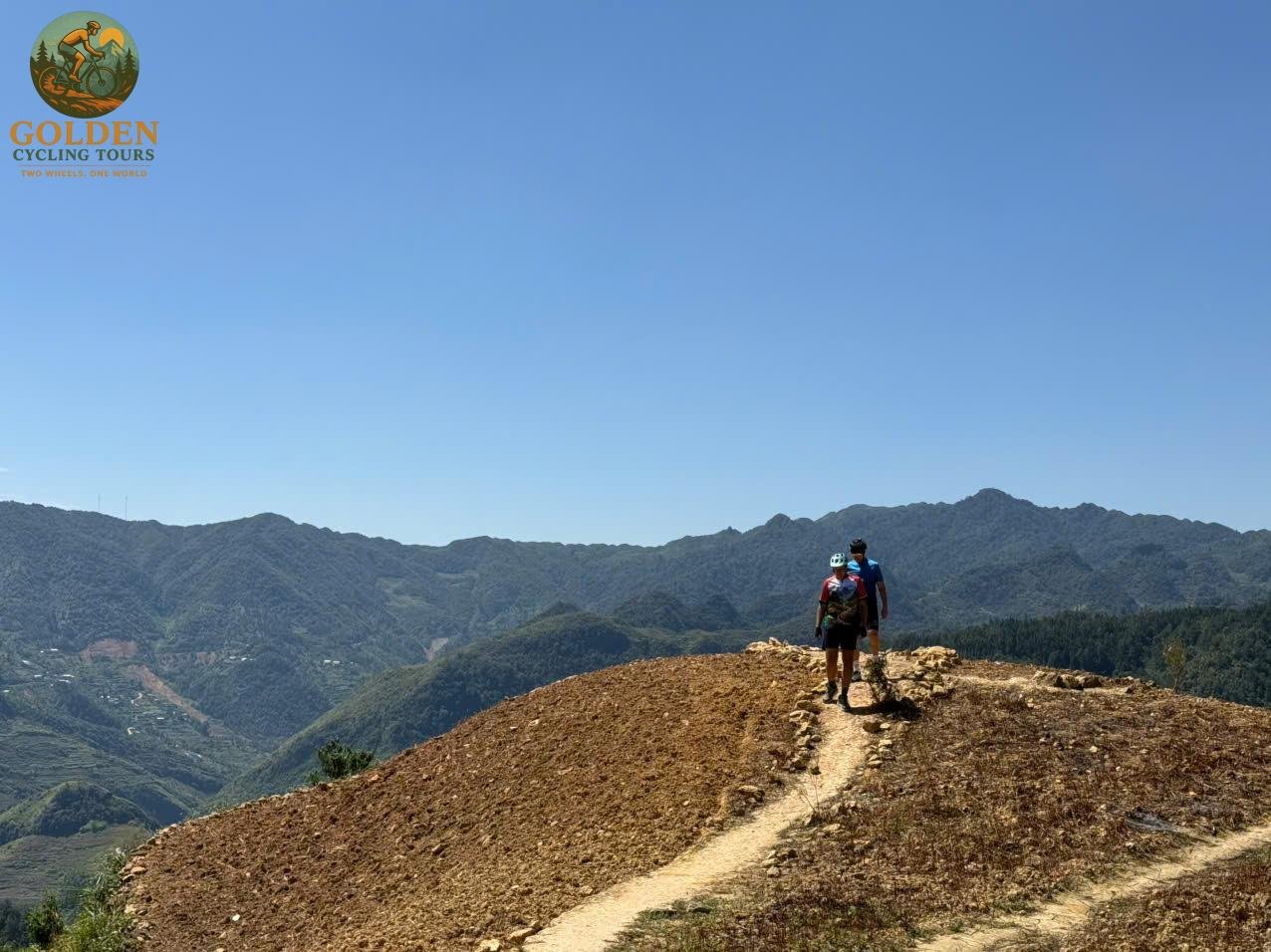
With carefully selected routes and the right local support, Golden Cycling Tours can help you explore these remarkable regions on two wheels. Whether you are planning a short countryside escape or a multi-day expedition through the Northeast, this guide will help you discover the best destinations, seasons, cultural experiences, and practical tips for your next cycling holiday.
Explore the available itineraries at Golden Cycling Tours and begin planning a journey where every turn of the pedals reveals another side of Vietnam.
Northern Vietnam is one of Southeast Asia's most rewarding regions for bicycle travel. Its landscapes change dramatically over relatively short distances, creating a journey that can combine challenging mountain roads, peaceful agricultural valleys, ancient cultural sites, and spectacular natural wonders.
Unlike a conventional road trip, cycling gives you time to notice the details: the sound of water moving through irrigation channels, the smell of freshly cooked rice drifting from a village kitchen, the texture of cool mountain air on your skin, and the warmth of a friendly greeting from someone working in the fields.
The geography of Northern Vietnam is astonishingly diverse. In the mountainous Northeast, towering limestone formations rise above narrow valleys and winding roads. In Hoang Su Phi, terraced fields follow the contours of steep hillsides. Around Mai Chau, agricultural plains and traditional villages create a gentler landscape, while Ninh Binh combines limestone karsts, rivers, wetlands, and historic landmarks.
Cycling connects these environments at a human pace. Rather than viewing the countryside through a vehicle window, you become part of its changing atmosphere.
One moment, you may be climbing through a cool forest. A few kilometers later, sunlight breaks across a valley, illuminating rice fields in shades of green and gold. The road curves around a mountainside, your legs settle into a steady rhythm, and the next viewpoint appears almost unexpectedly.
Many of the region's most memorable experiences happen between major attractions.
You might pass a morning market filled with fresh vegetables, herbs, and handmade goods. In a rural village, the sound of a wooden loom or the clatter of kitchen utensils may drift from an open doorway. Later, a family-style meal might bring together steaming rice, grilled vegetables, tofu, and regional specialties.
Northern Vietnam is home to diverse communities, including Tay, Nung, Hmong, Dao, and Thai people, among others. Each community has distinct traditions, histories, and local customs.
Responsible cycling allows you to appreciate these differences without treating villages as merely scenic backdrops. With respectful behavior and knowledgeable local guidance, encounters can become meaningful exchanges rather than hurried photo stops.
Not every Northern Vietnam cycling holiday needs to involve extreme climbs.
Adventure mountain cycling: Ideal for experienced riders who enjoy demanding gradients and dramatic highland scenery.
Countryside cycling: A rewarding choice for travelers who prefer rural roads, rice fields, and village visits.
Multi-day cultural cycling: Combines active days with local food, accommodation, and historical attractions.
E-bike touring: Offers pedal assistance on climbs and can help riders manage longer or hillier routes.
Comfort-focused cycling holidays: Suitable for travelers who want to combine outdoor activity with upgraded accommodation, subject to the specific itinerary.
Explore Cycling Northern Vietnam to compare regional cycling possibilities.
Choosing the right destination is the first step toward a memorable cycling holiday. Each region offers a different balance of scenery, physical challenge, cultural encounters, and sightseeing.
Ha Giang is one of the most dramatic cycling destinations in Vietnam. Its rugged terrain, winding mountain roads, limestone cliffs, and remote communities create an extraordinary setting for adventurous riders.
The famous Dong Van Karst Plateau UNESCO Global Geopark reveals a landscape shaped by geological forces over immense periods of time. Jagged gray peaks rise above narrow valleys, and small settlements cling to the contours of the mountains.
The legendary Ma Pi Leng Pass is a highlight for many travelers. Its road winds along steep mountainsides above the spectacular Nho Que River, where the water can appear turquoise beneath the cliffs.
As the gradient steepens, you feel the effort in your thighs and the deepening rhythm of your breathing. The chain clicks through the gears as you search for a comfortable cadence. A cool gust sweeps across the road, carrying the scent of grass and stone. Then the climb opens onto a viewpoint, and the immense landscape seems to suspend time.
For experienced cyclists, these moments are the essence of Northern Vietnam cycling: physical effort rewarded by scenery that cannot be fully appreciated from a car.
Explore Ha Giang Bike Tours for routes and itinerary ideas.
Who should choose Ha Giang?
Ha Giang is particularly suitable for riders who enjoy climbing, dramatic scenery, and remote mountain landscapes. Because the region includes steep gradients, sharp bends, and variable road conditions, travelers should discuss their fitness and cycling experience with the tour operator before booking.
Cao Bang offers a beautiful combination of natural attractions and quieter countryside.
Its most celebrated landmark is Ban Gioc Waterfall, where water pours over broad limestone ledges near the Vietnam–China border. The roar of the cascades grows louder as you approach, while fine mist hangs in the air and the surrounding greenery glows in the sunlight.
Another remarkable attraction is Nguom Ngao Cave, a limestone cave known for its striking rock formations. The wider region features agricultural valleys, winding rural roads, and villages surrounded by forested hills.
Cycling through Cao Bang offers an opportunity to experience the countryside gradually. Instead of rushing between attractions, you can stop to photograph a valley, enjoy a drink at a local establishment, or simply listen to the breeze moving through roadside trees.
Explore Cao Bang Bike Tours for cycling experiences in the region.
Mai Chau is an excellent destination for travelers seeking a more relaxed cycling experience.
The valley is known for rice paddies, traditional stilt houses, and communities including the White Thai people. Rural roads lead past fields, gardens, bamboo groves, and villages where daily life continues at a steady pace.
In the early morning, mist may linger above the paddies. The air feels cool and fresh, birds call from nearby trees, and the smell of breakfast begins to drift from family kitchens. As the sun rises, the valley gradually brightens, revealing green fields and distant hills.
Mai Chau is particularly appealing for couples, families, cultural travelers, and cyclists who want to combine gentle activity with opportunities to learn about local life. Route difficulty still varies, so check the planned distance and elevation before choosing an itinerary.
Discover Mai Chau Bike Tours.
For travelers who love peaceful scenery, Pu Luong Nature Reserve offers a compelling alternative to the more famous mountain passes.
The landscape features forested hills, terraced fields, rural settlements, and agricultural valleys. Depending on the season and location, the rice terraces may appear lush green, freshly planted, or golden with ripening crops.
Cycling through Pu Luong is a sensory experience. You may hear water flowing through traditional irrigation channels, feel the shade of trees after a sunny climb, and catch the scent of damp leaves following a shower.
The roads can be hilly and may include uneven sections. A suitable bicycle and realistic daily schedule are important, particularly for riders who are not accustomed to consecutive days of cycling.
Explore Pu Luong Bike Tours to discover possible itineraries.
Ninh Binh offers a different kind of cycling adventure. Rather than focusing primarily on high mountain passes, the region combines rural lanes, dramatic limestone formations, waterways, and historical sites.
At Trang An Scenic Landscape Complex, limestone peaks rise above winding waterways and green valleys. Tam Coc is known for its river journeys through a landscape of karst formations and rice fields, while Hoa Lu Ancient Capital provides a window into Vietnam's early history.
Cycling allows you to experience the countryside between these attractions. You can follow quiet roads past fields, pause beneath limestone cliffs, and feel the warm breeze as farmers work in the surrounding landscape.
Ninh Binh can be a good option for travelers seeking a blend of cycling and sightseeing, although route distances, traffic, and road surfaces should still be considered.
Discover Ninh Binh Bike Tours.
Ba Be Lake, within Ba Be National Park, is a rewarding destination for travelers who appreciate lakeside scenery, forested mountains, and a quieter pace.
The lake is surrounded by limestone hills and lush vegetation, creating an atmosphere that differs from the exposed ridges of Ha Giang. Depending on the itinerary, visitors may combine cycling with boat excursions, village visits, or time exploring the surrounding natural environment.
The experience is especially appealing to travelers who want their cycling holiday to include moments of stillness as well as physical activity.
Explore Ba Be Lake Bike Tours.
If you want to connect several mountain regions in one journey, consider exploring Vietnam Northeast Bike Tours.
A multi-day expedition can combine spectacular passes, rural markets, historical sites, valleys, and mountain villages. The key is to choose an itinerary that provides enough time to enjoy each region instead of spending every day rushing toward the next overnight stop.
A well-designed cycling itinerary balances distance, elevation, sightseeing, accommodation, and recovery time. Golden Cycling Tours publishes a range of trips that can help travelers compare different styles of Northern Vietnam cycling holidays.
The following options are useful starting points. Check each linked page for the current itinerary, departure availability, inclusions, and pricing before booking.
For riders who want a substantial mountain adventure, the 15-Day Best Vietnam Cycling Northeast Tour is an itinerary to consider.
Its published route highlights include places such as Bac Son Valley, Cao Bang, Ban Gioc Waterfall, Pac Bo Historical Site, Meo Vac, Dong Van, Ma Pi Leng Pass, Ha Giang, Hoang Su Phi, and Thac Ba Lake.
The journey offers the possibility of experiencing different sides of the Northeast, from rugged limestone terrain to valleys, terraced hillsides, and culturally rich communities.
This type of extended tour is best considered by travelers who can commit to a longer holiday and are comfortable with consecutive cycling days. Review the daily distances, elevation, and transport arrangements carefully.
If you have less time, the 4-Day Northern Vietnam Cycling: Mai Chau to Pu Luong Cycling Adventure offers a shorter alternative.
The journey focuses on the countryside around Mai Chau and Pu Luong Nature Reserve, where rice fields, traditional villages, and forested hills create an inviting setting for cycling and cultural discovery.
It is worth considering for travelers who want to experience rural Northern Vietnam without committing to a long mountain expedition.
For a trip centered on dramatic mountain scenery and terraced landscapes, explore the 10-Day Ha Giang Loop and Hoang Su Phi Cycling Adventure.
Ha Giang offers limestone mountains and famous passes, while Hoang Su Phi is renowned for terraced fields that follow the contours of steep hillsides.
This itinerary is worth investigating if you want to combine the iconic scenery of the Ha Giang region with a deeper exploration of the highland landscape. Check the route profile and seasonal conditions before booking.
Travelers who prefer pedal assistance can explore the 6-Day Mai Chau, Pu Luong, and Ninh Binh E-Bike Tour.
This trip connects three distinctive environments: the rice-growing valley of Mai Chau, the forested hills of Pu Luong, and the limestone landscapes of Ninh Binh.
An e-bike can make climbs more manageable and help conserve energy for sightseeing. Before booking, confirm battery range, charging access, bicycle specifications, and the route's suitability for the available e-bike model.
For additional itineraries and travel styles, visit:
Northern Vietnam has a varied climate, and weather conditions can differ significantly between lowland valleys and high mountain passes. For many cycling itineraries, March to May and September to November are useful periods to consider, although the ideal dates depend on the destinations and your preferences.
Spring often brings warming temperatures, fresh vegetation, and attractive countryside scenery.
In Mai Chau and Pu Luong, the changing agricultural landscape can be especially appealing. Higher elevations may remain cool in the morning, so lightweight layers are useful.
This season can suit travelers who want a combination of countryside riding and mountain scenery, provided their chosen dates and routes have favorable local conditions.
Summer brings intense greenery but can also mean high temperatures, humidity, and heavy rain.
Wet roads, reduced visibility, and muddy sections may affect some routes, especially in mountainous areas. Travelers considering summer departures should ask about weather contingency plans, daily start times, and the flexibility of the itinerary.
Hydration and appropriate rain protection are essential.
Autumn is an appealing time for many Northern Vietnam cycling adventures. In suitable locations, terraced rice fields may turn golden as the harvest approaches.
Hoang Su Phi can be especially photogenic during this period, although the exact timing varies with altitude, agricultural schedules, and the year's weather.
Mountain mornings may be cool, while afternoon sunshine can still feel strong during a climb. Pack layers and check the local forecast before departure.
Winter can bring chilly temperatures, fog, and damp conditions, especially at higher elevations.
The atmosphere can be beautiful, with mist drifting between mountains and quieter roads in some locations. However, fog may reduce visibility and make mountain descents more demanding.
If you prefer winter travel, discuss route suitability, clothing requirements, and weather-related changes with your operator.
When should you book? Choose your travel dates based on the specific route rather than assuming the whole of Northern Vietnam shares identical conditions. A comfortable day in Hanoi does not guarantee similar weather on Ma Pi Leng Pass or in Hoang Su Phi.
Food adds another layer to the cycling experience. After a demanding climb, a steaming bowl of soup or a meal of freshly prepared rice and vegetables can feel like the perfect reward.
Before leaving for the mountains, Hanoi is a great place to sample pho, bun cha, banh mi, and Vietnamese coffee.
A bowl of pho offers fragrant broth, rice noodles, herbs, and a balance of savory and fresh flavors. Bun cha combines grilled pork, noodles, herbs, and dipping sauce, while banh mi provides a convenient option for a quick meal.
For cyclists, these familiar dishes can also be practical sources of energy before or after a ride.
In Mai Chau and Pu Luong, meals may include steamed rice, seasonal vegetables, grilled meats, tofu, herbs, and other regional dishes served family-style.
Eating at a local homestay can be a highlight in itself. The smell of hot food fills the room, conversation flows around the table, and the physical effort of the day gradually gives way to relaxation.
Ask about meal arrangements before booking, particularly if you have allergies, dietary restrictions, or specific food preferences.
In Cao Bang and other northern regions, local markets and restaurants offer opportunities to discover regional dishes and seasonal ingredients. Some highland communities are known for distinctive traditional foods, although availability varies by location.
Around Ninh Binh, visitors may find local specialties such as goat dishes, alongside familiar Vietnamese meals.
A guide can often recommend suitable places to eat, but not every remote restaurant will be able to accommodate every dietary requirement. Inform your operator in advance.
Long cycling days require a sensible nutrition and hydration plan.
Eat breakfast before setting off.
Carry sufficient drinking water and replenish fluids regularly.
Bring familiar snacks for longer rides.
Include carbohydrates and protein in meals.
Avoid trying unfamiliar foods in large quantities immediately before a demanding ride.
Communicate dietary restrictions before the tour starts.
A comfortable stomach and consistent energy make it easier to enjoy the scenery instead of focusing on fatigue.
Accommodation is an important part of planning a cycling holiday. The right choice depends on your budget, comfort expectations, location, and preference for cultural immersion.
Towns such as Ha Giang, Cao Bang, and Ninh Binh offer a range of hotels and guesthouses.
These can be practical places to rest, shower, charge devices, and prepare for the next day's ride. Standards vary, so ask for the actual property names and room details rather than relying on general descriptions.
If you value comfort, confirm whether the room has a private bathroom, air conditioning or heating, and secure bicycle storage where needed.
A homestay can bring you closer to local life. In some villages, traditional stilt houses provide a communal atmosphere, with shared meals and the sounds of rural life continuing outside.
You might hear insects and frogs after sunset, smell wood smoke from a kitchen, or wake to the sound of village activity before the sun rises above the surrounding hills.
Facilities vary considerably. Some homestays offer simple shared bathrooms, while others have private rooms. Discuss your requirements in advance.
Travelers seeking a higher level of comfort can ask about eco-lodges or upgraded stays along their chosen route.
The available options depend on the destination and itinerary, particularly in remote mountain regions. If accommodation quality is a priority, request a list of proposed properties before paying a deposit.
Cycling is the central experience, but most holidays also involve transfers between the airport, major towns, and the start or end of a route.
Many international travelers begin their Northern Vietnam adventure in Hanoi, served by Noi Bai International Airport.
Depending on your arrival time and itinerary, you may continue by pre-arranged private transfer, taxi, or another suitable transport service. Leave enough time between arrival and the start of your cycling trip to account for flight delays, baggage collection, and any equipment arrangements.
Destinations such as Ha Giang, Cao Bang, Mai Chau, Pu Luong, and Ninh Binh may require road transfers before cycling begins.
The transport type and journey time depend on the route. Ask whether transfers are included, how luggage and bicycles are carried, and whether there are planned stops along the way.
A support vehicle can be useful on a demanding cycling itinerary, but the exact service differs between tours.
Depending on the arrangement, it may carry luggage, transport bicycles, or assist riders who cannot continue cycling. Ask whether the vehicle follows the group throughout the day, whether its services are included in the price, and how assistance works on roads with limited vehicle access.
Do not assume every tour includes identical support services. Request written confirmation for your chosen itinerary.
Some attractions are best explored on foot or by boat rather than bicycle. For example, visitors to Trang An may take a boat through waterways surrounded by limestone formations, while sightseeing around waterfalls and caves may require walking.
A balanced itinerary leaves enough time for these experiences without making every day feel rushed.
Northern Vietnam's cultural richness is one of the strongest reasons to explore the region slowly.
Communities throughout the mountains and valleys have distinctive traditions, languages, clothing, agricultural practices, and food. Respectful travel begins with recognizing that villages are living communities, not open-air museums.
Local markets can reveal the rhythm of daily life through produce, textiles, household items, and regional foods.
If your itinerary includes a market visit, ask your guide about the schedule and any relevant customs. Always seek permission before photographing individuals, particularly for close-up portraits.
Buying locally made products from legitimate sellers can also help support community livelihoods.
A homestay or guided village visit may offer a glimpse of everyday routines, local farming, and food preparation.
Approach these experiences with curiosity, listen to your host, and ask before entering private areas or photographing people. Your guide can help explain customs and bridge language differences.
Responsible cycling also means minimizing environmental impact.
Carry reusable bottles where practical, take your rubbish with you, respect protected areas, and follow local guidance around wildlife and natural attractions. Avoid loud or disruptive behavior in villages and culturally significant locations.
A rewarding cycling holiday leaves both the landscape and the communities you visit with the respect they deserve.
Good preparation helps you enjoy the journey with greater confidence, particularly if you are planning several consecutive days of riding.
Mountain bikes are often appropriate for rougher roads and challenging terrain. Gravel bikes can suit riders whose routes combine compatible paved and gravel surfaces. E-bikes can reduce the effort required on climbs, but their battery range and charging requirements must match the itinerary.
Ask your operator about bicycle models, frame sizes, helmet availability, repair equipment, and any rental or upgrade fees.
Build your endurance gradually before departure. Practice riding for several hours, work on climbing technique if possible, and become familiar with braking and cornering on descents.
If you are new to cycling, choose an itinerary that matches your current ability rather than the most demanding route available.
Conditions can shift rapidly between valleys and high elevations. Useful items may include:
A well-fitted helmet and padded cycling shorts.
Breathable riding clothing and comfortable shoes.
A waterproof jacket and lightweight warm layers.
Gloves, sunglasses, and sun protection.
A refillable water bottle or hydration system.
Personal medication and a small first-aid kit.
A phone, power bank, and necessary travel documents.
Ask for a route-specific packing list before departure.
Mountain routes may feature sharp bends, steep descents, uneven surfaces, traffic, and limited visibility.
Maintain a controlled speed, keep a safe distance from other riders, and follow your guide's instructions. Do not assume that a support vehicle eliminates every risk.
Check that your travel insurance covers cycling activities and the locations you plan to visit.
When choosing Northern Vietnam cycling tours, customer feedback can help you understand what an itinerary feels like beyond the photographs.
Useful reviews often describe the guide's communication, the suitability of the daily distances, bicycle quality, accommodation, food, and how the operator responds when plans change.
Golden Cycling Tours' published 15-Day Best Vietnam Cycling Northeast Tour page includes traveler feedback about scenery, guides, group experiences, and homestays. Read the original comments to understand the context of each review; individual experiences are not a guarantee that every departure will be identical.
Before booking, look for reviews that answer practical questions:
Was the daily cycling pace appropriate?
Were the guide and support arrangements reliable?
Did the bicycle suit the route?
Did the accommodation match the description?
Were transfers and luggage arrangements handled as promised?
How did the operator manage weather or itinerary changes?
Prioritize recent, verifiable feedback about the actual tour you intend to book. If you publish customer testimonials on your own website, use genuine reviews with permission rather than invented quotations.
Yes, some itineraries may suit beginners, especially routes focused on gentler countryside and shorter daily distances. However, mountain routes in Ha Giang and other highland regions can be physically demanding. Share your experience and fitness level with the operator before choosing a trip.
For many routes, March to May and September to November are useful periods to consider. The ideal dates depend on altitude, rainfall, temperature, harvest timing, and the specific route. Check local conditions close to departure.
A short trip of around four days can provide an introduction to destinations such as Mai Chau and Pu Luong. A longer journey of ten to fifteen days can allow more extensive exploration of the Northeast. Choose a duration that provides enough time for riding, rest, transfers, and sightseeing.
Popular destinations include Ha Giang, Cao Bang, Mai Chau, Pu Luong Nature Reserve, Ninh Binh, Hoang Su Phi, and Ba Be Lake. Each offers a different combination of mountains, rice fields, rivers, cultural experiences, and historical attractions.
A mountain bike can be suitable for rugged terrain and riders who want a traditional physical challenge. An e-bike can make climbs more manageable and help conserve energy. Confirm battery range, charging arrangements, bicycle specifications, and route suitability before booking.
Not necessarily. Services differ by itinerary and operator. Confirm whether the tour includes a support vehicle, luggage transfer, bicycle transport, mechanical assistance, or help for riders who need to stop. Request written details before making a payment.
Meals may include Vietnamese staples such as pho, rice, noodles, vegetables, tofu, grilled meats, and regional specialties. The exact menu depends on the destination and accommodation. Inform your operator about allergies and dietary restrictions before departure.
Accommodation may include hotels, guesthouses, homestays, or eco-lodges, depending on the itinerary. Standards vary, particularly in remote regions. Ask for the proposed accommodation list and confirm room arrangements before booking.
Yes. Depending on your route, you may visit Ban Gioc Waterfall, Ma Pi Leng Pass, Dong Van Karst Plateau UNESCO Global Geopark, Ba Be Lake, Trang An Scenic Landscape Complex, Tam Coc, or Hoa Lu Ancient Capital. Confirm which visits are included and whether entrance fees or additional transfers apply.
Start by browsing the official Golden Cycling Tours website or its tour collection. Select a route, review the itinerary and inclusions, then contact the operator to confirm availability, current pricing, bicycle options, and any special requirements before paying a deposit.
The beauty of Northern Vietnam reveals itself differently when you travel by bicycle. You feel the road rise beneath your wheels, hear the chain move through its gears, and smell the changing landscape as you leave one valley and enter another.
In Ha Giang, the mountains challenge your endurance and reward you with extraordinary views. In Cao Bang, waterfalls and caves reveal the power of nature. In Mai Chau and Pu Luong, rice fields and village roads offer a gentler rhythm. In Ninh Binh, limestone peaks and waterways create a landscape that feels almost otherworldly.
The best Northern Vietnam Cycling Tours are those that match your ability, interests, and travel style while allowing enough time to appreciate the places along the way.
Golden Cycling Tours offers several starting points for planning your journey:
15-Day Best Vietnam Cycling Northeast Tour for an extended mountain adventure.
4-Day Mai Chau to Pu Luong Cycling Adventure for a shorter countryside journey.
10-Day Ha Giang Loop and Hoang Su Phi Cycling Adventure for dramatic mountains and terraced landscapes.
6-Day Mai Chau, Pu Luong, and Ninh Binh E-Bike Tour for a varied journey with pedal assistance.
Visit Golden Cycling Tours to explore the current itineraries and request a trip that fits your preferred dates, cycling experience, and comfort level.
The next bend may reveal a valley wrapped in mist. The next climb may test your determination. And the next village may welcome you with a smile, a cup of tea, and a story you will remember long after the journey ends.
Northern Vietnam is waiting. All you need to do is start pedaling.

.jpg "Thai Binh Vietnam Bicycle")
.jpg "Phu Tho Vietnam Cycling")
.jpg "Thai Nguyen Cycling Vietnam")
.jpg "Tuyen Quang Cycling Vietnam")
.jpg "Vinh Phuc Cycling Vietnam")
Leave a Reply
Your email address will not be published. Required fields are marked *