- Call us Via Whatsapp: +84 (0) 832 126 699
4.9 stars on our site
(15,000 reviews)
- Monday - Sunday : 08:00 - 17:00
(15,000 reviews)

Imagine the first light of dawn spilling over the limestone mountains of northern Vietnam. Cool air brushes your face as your wheels roll along a quiet valley road. Somewhere nearby, a rooster calls from a wooden stilt house, smoke curls above a village kitchen, and the earthy fragrance of wet soil mingles with the scent of bamboo and wild vegetation.
You shift gears and begin to climb. The road bends around a mountainside, revealing layer after layer of emerald peaks. Your breathing deepens, your legs find their rhythm, and the gentle clicking of the bicycle drivetrain becomes the soundtrack to your journey.
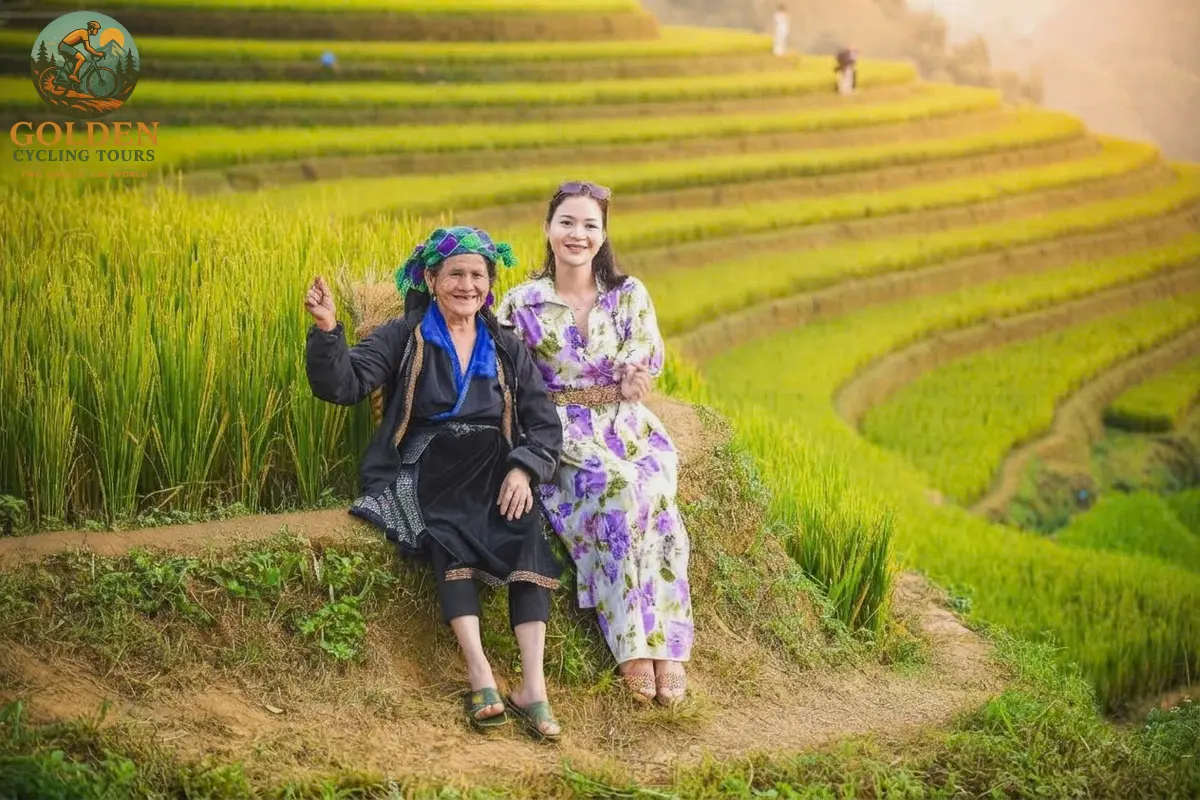
This is the magic of Northern Vietnam Cycling Tours: a chance to experience Vietnam beyond the usual sightseeing routes, where every climb brings a new perspective and every village offers a glimpse into a living cultural landscape.
From the spectacular mountain roads of Ha Giang and the terraced hillsides of Hoang Su Phi to the peaceful rice fields of Mai Chau, the forested trails of Pu Luong Nature Reserve, and the limestone scenery of Ninh Binh, northern Vietnam offers extraordinary cycling experiences for adventurous travelers, nature lovers, and curious explorers.
With Golden Cycling Tours, travelers can discover these landscapes through carefully planned cycling adventures, electric-bike journeys, and longer explorations of Vietnam's remarkable northeastern frontier.
Ready to find your route? Explore the Northern Vietnam cycling destinations or browse the complete collection of cycling tours with Golden Cycling Tours.
Northern Vietnam is a destination where the landscape changes dramatically from one day to the next. Mountain passes rise above deep valleys, rivers wind between limestone cliffs, and rural roads connect communities that have preserved distinctive traditions for generations.
Cycling allows you to experience these changes at a natural pace. Instead of watching the scenery pass through a vehicle window, you feel the temperature shift as you descend into a valley, hear the rushing water beside a village bridge, and smell freshly harvested rice drying in the afternoon sun.
The region offers an exceptional variety of terrain, including:
Dramatic mountain roads and challenging alpine-style climbs.
Rice terraces carved into steep hillsides.
Quiet rural valleys surrounded by limestone mountains.
Forested routes through protected natural landscapes.
River valleys, lakes, waterfalls, and traditional farming communities.
Small markets, family-run eateries, and villages where everyday life unfolds at an unhurried pace.
Some days are defined by demanding climbs and panoramic mountain views. Others are gentle journeys through green valleys, with time to stop for photographs, drink Vietnamese coffee, or chat with local residents through your guide.
A memorable cycling holiday is more than a collection of beautiful photographs.
You hear bicycle tires whisper over smooth asphalt, the occasional rattle of a chain on a steep climb, and children calling greetings from the roadside. You smell woodsmoke from a village kitchen and the fresh, grassy fragrance of rice fields after rain. You taste strong Vietnamese coffee, fragrant noodle soup, and dishes prepared with herbs gathered from local gardens.
You feel the cool mountain air on your skin, the warmth of the afternoon sun on your shoulders, and the satisfying fatigue that comes after reaching a spectacular summit.
These small details transform Northern Vietnam Cycling Tours into a deeper travel experience: active, immersive, and connected to the places you visit.
Northern Vietnam is not exclusively a destination for elite cyclists. The right itinerary can make the region accessible to different levels of experience.
| Travel style | Best suited for |
| Beginner-friendly cycling | Travelers who prefer shorter distances, gentle roads, and frequent breaks |
| Moderate cycling adventures | Active travelers comfortable with rolling terrain and occasional climbs |
| Challenging mountain cycling | Experienced riders seeking long ascents, remote roads, and demanding terrain |
| E-bike exploration | Travelers who want additional assistance on hills while remaining active |
| Private guided tours | Couples, families, and small groups seeking a personalized itinerary |
The exact difficulty depends on the route, daily distance, elevation gain, road surface, weather, and support arrangements. Before booking, discuss your fitness level and riding experience with your tour operator.
Choosing the right destination is one of the most important decisions when planning a cycling holiday. Some travelers dream of steep mountain passes and remote ethnic-minority villages. Others prefer gentle rice-field rides, comfortable accommodation, and time to explore local culture.
The following destinations showcase the diversity of northern Vietnam and help you decide which journey best matches your travel style.
Ha Giang is one of the most spectacular regions for adventurous cyclists in Vietnam. Located in the country's far north, it is known for towering limestone formations, winding mountain roads, deep valleys, and villages that preserve distinctive cultural identities.
<PRIVATE_PERSON> of the most compelling reasons to cycle here is the way the landscape reveals itself gradually. A road that appears modest from a distance may climb through a series of tight bends before opening onto a breathtaking panorama of rugged peaks and cloud-filled valleys.
Explore the Ha Giang cycling tour collection to discover routes through this remarkable region.
Ma Pi Leng Pass is one of northern Vietnam's most celebrated mountain roads. Its dramatic position above the Nho Que River creates a powerful contrast between pale limestone cliffs, deep green water, and immense mountain walls.
As you approach the pass, the road rises and curves around the mountainside. Each bend reveals a different perspective: a distant ridge, a sheer rock face, or a narrow ribbon of road suspended above the valley.
For cyclists, this is a landscape to appreciate patiently. Take breaks where it is safe to stop, drink water, and allow time for photographs. The most memorable moment may come not at the summit itself, but when you look back and realize how far you have climbed.
The Dong Van Karst Plateau Geopark presents a striking world of jagged limestone formations, rocky slopes, and remote mountain settlements.
Cycling through this landscape feels like entering a different geological world. Bare rock rises above terraced plots, traditional houses sit between mountain walls, and narrow roads connect communities separated by steep terrain.
The plateau is also culturally significant, with communities including the Hmong and other ethnic groups maintaining distinctive clothing, architecture, agricultural practices, and local markets.
Respectful travel means asking before photographing people, dressing appropriately when visiting homes or religious spaces, and purchasing locally made products when possible.
From elevated viewpoints, the Nho Que River appears as a slender green ribbon winding between towering cliffs.
Its dramatic scenery is particularly striking around the Tu San Canyon, where steep rock walls frame one of the region's most memorable landscapes.
Depending on the itinerary, cyclists may have opportunities to visit river viewpoints or add a separate boat excursion. These activities should be confirmed in advance because they may require additional transfers, time, or fees.
Recommended for: Experienced cyclists, adventurous travelers, photographers, and visitors seeking dramatic mountain scenery.
Suggested tour: Discover the 8-day Northern Vietnam cycling adventure through the Ha Giang Loop.
Hoang Su Phi offers a quieter, more contemplative side of northern Vietnam. Famous for its terraced rice fields, this mountainous district rewards travelers who enjoy rural landscapes, cultural encounters, and journeys away from busy tourist corridors.
Explore the region as part of the 10-day Ha Giang Loop and Hoang Su Phi cycling adventure.
The terraced fields of Hoang Su Phi are shaped by generations of farming knowledge. Curved lines follow the contours of the mountains, creating natural patterns that change with the seasons.
During the early growing season, the terraces may reflect the sky like a series of mirrors. As rice plants mature, the hills turn vivid green. Around harvest time, golden fields glow in the afternoon light.
The experience is intensely visual, but it is also sensory. You may hear water trickling between terraces, feel the dampness of morning mist, and catch the earthy scent of freshly worked soil.
Cycling distances and viewpoints vary by itinerary, and some rural roads can be steep or uneven. A local guide can help you choose safe stopping points and understand the agricultural calendar.
The region is home to communities including the Dao, Nung, and other ethnic groups. Their traditional clothing, agricultural practices, architecture, and local markets contribute to the cultural richness of the journey.
A homestay can offer a closer look at daily life, particularly when hosts share a meal or explain how their families cultivate rice, corn, vegetables, or tea.
Approach these encounters with curiosity and respect. A village is first and foremost someone's home, not simply a tourist attraction.
Recommended for: Cultural travelers, photographers, slow-travel enthusiasts, and cyclists seeking quieter mountain routes.
Cao Bang is a compelling destination for travelers who want to combine cycling with some of northern Vietnam's most beautiful natural attractions.
The region features winding rural roads, karst mountains, agricultural valleys, rivers, and traditional settlements. It is especially rewarding for cyclists who enjoy combining active days with sightseeing stops.
Explore the Cao Bang cycling destinations to find routes through this distinctive northeastern province.
Ban Gioc Waterfall, on the Vietnam–China border, is among the country's best-known waterfalls. Water spills over a broad limestone ledge into a green river framed by dramatic cliffs and vegetation.
During periods of strong water flow, the sound of the falls fills the surrounding valley. Fine mist hangs in the air, while sunlight can illuminate the water in shifting shades of silver and white.
A cycling tour may include a visit to the waterfall, but access depends on the specific itinerary and daily riding schedule. Allow time to enjoy the scenery rather than treating the stop as a quick photograph.
Nguom Ngao Cave offers a striking contrast to the open mountain scenery. Inside, limestone formations create chambers, textured rock walls, and sculptural shapes formed over long geological periods.
The cave's cool interior can provide welcome relief after a warm ride. Follow local guidance, remain on designated paths, and avoid touching delicate formations.
The Pac Bo Historical Site combines natural scenery with important Vietnamese historical heritage. The area includes mountain streams, wooded surroundings, and sites associated with Ho Chi Minh's return to Vietnam in 1941.
For travelers interested in both nature and history, it adds meaningful context to a cycling itinerary through the northeastern frontier.
Recommended for: Nature lovers, history enthusiasts, photographers, and cyclists seeking a balanced combination of riding and sightseeing.
If you imagine cycling through green rice paddies with mountains on the horizon, Mai Chau may be the perfect place to begin.
Located in Hoa Binh Province, the valley is known for its agricultural landscapes, traditional stilt houses, and communities of Thai people. Its relatively gentle valley roads make it attractive to travelers who prefer a less demanding cycling experience.
Explore the Mai Chau cycling tours for options suited to different riding styles.
The roads around Mai Chau Valley pass through rice fields, vegetable gardens, bamboo groves, and villages where daily life continues at a relaxed pace.
Early morning is particularly beautiful. Mist may linger above the fields, while the sound of birds and distant farm activity replaces the noise of city traffic.
The terrain is often gentler than the high mountain roads of Ha Giang, although route difficulty varies and some itineraries include climbs beyond the valley floor.
Cycling here is as much about slowing down as covering distance. Stop for photographs, watch farmers working in the fields, and enjoy a drink at a local café.
Traditional Thai stilt houses are an important part of the cultural landscape. Some families welcome visitors for meals or overnight stays, while other travelers prefer private rooms in small lodges and boutique retreats.
A homestay may provide opportunities to enjoy home-cooked food, learn about traditional weaving, and experience local music or dance when performances are available.
Always confirm what is included in your accommodation package. Cultural performances, meals, and activities vary by property and season.
Recommended for: Beginners, families, couples, cultural travelers, and visitors seeking relaxed cycling through rural landscapes.
Suggested tour: Discover the 4-day Mai Chau to Pu Luong cycling adventure.
Pu Luong Nature Reserve offers a rich combination of forested mountains, rice terraces, agricultural valleys, and small rural communities.
Compared with the more dramatic mountain passes of Ha Giang, Pu Luong often feels quieter and more intimate. The landscape invites travelers to pay attention to smaller details: bamboo fences, wooden waterwheels, birdsong, and the changing colors of fields throughout the day.
Discover available routes through the Pu Luong cycling tours.
Routes through and around Pu Luong Nature Reserve can include gentle valley sections, undulating rural roads, and more demanding climbs depending on the chosen itinerary.
The scenery changes with elevation. Open rice fields give way to wooded hills, and small settlements appear between folds of the landscape.
The forest air can feel cool and damp in the morning, carrying the smell of leaves and earth. On warmer afternoons, sunlight filters through the vegetation and creates shifting patterns across the road.
Because the area includes sensitive natural habitats, follow designated routes and local guidance. Avoid leaving litter, disturbing wildlife, or entering restricted areas.
Accommodation in the Pu Luong area ranges from family-run homestays to boutique lodges with valley views.
After a day in the saddle, imagine rinsing away the dust, sitting on a terrace, and watching clouds drift across the hills. Dinner may feature rice, seasonal vegetables, grilled meat, freshwater fish, or other local specialties depending on the property.
Recommended for: Nature lovers, couples, relaxed cyclists, and travelers who want a few days of peaceful rural immersion.
Ninh Binh provides a different rhythm from the northern highlands. Rather than sustained mountain climbs, many routes feature flatter roads, waterways, rice fields, historic temples, and towering limestone formations.
It is an excellent addition to a longer northern Vietnam cycling holiday or a suitable destination for travelers who want beautiful scenery without spending every day climbing mountains.
Explore the Ninh Binh cycling destinations.
The Trang An Landscape Complex, recognized as a UNESCO World Heritage Site, is known for its limestone peaks, waterways, caves, and historic landscapes.
Cycling around the surrounding countryside allows you to appreciate the scenery at a relaxed pace. Depending on the route, you may ride beside rice paddies, pass traditional houses, or stop at viewpoints overlooking the karst formations.
A boat excursion through Trang An can complement a cycling day, offering a different perspective from the water. Confirm whether the boat trip is included in your tour.
Hang Mua, often called Mua Cave, is famous for its staircase leading to an elevated viewpoint above the limestone landscape.
After a ride, climbing the steps can be a rewarding extra activity, although it requires additional time and physical effort. The panoramic view across the rice fields and karst peaks is especially appealing in favorable weather.
Hoa Lu Ancient Capital offers insight into Vietnam's early dynastic history. Temples and historic sites sit within a landscape of limestone mountains and green valleys.
Combining cycling with a cultural visit makes it possible to appreciate both the natural scenery and the historical significance of the region.
Recommended for: Leisure cyclists, families, photographers, history enthusiasts, and travelers who want to combine countryside riding with iconic sightseeing.
Ba Be Lake, within Ba Be National Park, is an appealing choice for travelers seeking water, forest, and mountain scenery in northeastern Vietnam.
The lake is surrounded by limestone formations, wooded slopes, and rural settlements. Depending on the itinerary, cycling can be combined with boat trips, village visits, and time to enjoy the quieter side of the region.
Explore the Ba Be Lake cycling tours.
The atmosphere around Ba Be Lake is often peaceful, particularly outside busy holiday periods. Water reflects the surrounding mountains, while small boats move across the lake and birds call from the vegetation.
A cycling journey through the wider area can reveal rural roads, forested slopes, and communities whose livelihoods are connected to farming and the lake.
Because routes may involve rolling terrain and limited services in remote sections, it is worth confirming daily distances, support arrangements, and accommodation before departure.
Recommended for: Nature lovers, photographers, slow travelers, and cyclists who want to explore northeastern Vietnam beyond its most famous mountain passes.
Not every traveler wants the same adventure. Some prefer a short escape into rural landscapes, while others want a multi-day expedition across remote mountain regions.
Golden Cycling Tours offers several itineraries to consider when planning your journey.
The Best Vietnam Cycling Northeast Tour – 15 Days is worth exploring if you want a longer journey through the northeastern region.
A multi-day itinerary can provide more time to experience changing landscapes, visit remote communities, and enjoy rest stops without rushing from one attraction to another.
Review the itinerary carefully to understand its daily distances, elevation gain, accommodation, transfers, and included activities.
The 4-day Mai Chau to Pu Luong Cycling Adventure is an option to investigate if you want a shorter trip focused on valley landscapes, traditional villages, and rural scenery.
It may also suit travelers who are combining cycling with a broader Vietnam itinerary and have limited time in the north.
The 10-day Ha Giang Loop and Hoang Su Phi Cycling Adventure is a relevant option for travelers drawn to mountain roads, spectacular viewpoints, and terraced agricultural landscapes.
This style of trip is particularly appealing to cyclists who want more than a single scenic day and are prepared for changing elevations and mountain weather.
The 6-day Mai Chau, Pu Luong, and Ninh Binh E-bike Tour is worth considering if you want to explore several northern destinations with electric assistance.
An e-bike can help reduce the effort required on climbs and make it easier to maintain a comfortable pace. However, battery range, charging opportunities, total daily distance, and the availability of spare batteries should be checked before booking.
Browse the complete selection of Golden Cycling Tours itineraries to compare options.
Northern Vietnam has several climatic zones, and weather can differ considerably between lowland valleys and high mountain roads. The best season depends on your preferred scenery, tolerance for heat and rain, and the destinations included in your itinerary.
Autumn is often one of the most appealing periods for cycling in northern Vietnam.
Mountain air can be pleasantly cool, visibility may be excellent, and many rice-growing areas display beautiful shades of gold around harvest time. The terraced landscapes of Hoang Su Phi can be especially photogenic, although exact harvest dates vary by altitude and local agricultural schedules.
For cyclists, the combination of scenic light, comfortable temperatures on many days, and opportunities for photography makes autumn an attractive choice.
Mountain weather remains unpredictable, so check local conditions before setting off.
Spring brings fresh vegetation, greener fields, and a renewed sense of life to rural landscapes.
In destinations such as Mai Chau, Pu Luong, and Ninh Binh, the countryside can look particularly lush. Temperatures are often suitable for outdoor activity, although humidity and occasional rain may increase as the season progresses.
Spring is a good option for travelers who enjoy green scenery and a mixture of cycling and cultural sightseeing.
Winter can bring crisp air and atmospheric mist to the northern highlands. It may be an appealing season for cyclists who enjoy cooler conditions, particularly in lower valleys.
However, high mountain areas can become very cold, damp, or foggy. Reduced visibility can affect the experience on exposed roads and mountain passes, and some mornings may feel much colder than expected.
Pack warm layers, gloves, a windproof jacket, and appropriate rain protection. Confirm the forecast and road conditions before undertaking demanding climbs.
Summer brings vigorous vegetation and dramatic green landscapes, but it also brings heat, humidity, and periods of heavy rain.
Mountain roads can become slippery, while intense rainfall may affect visibility, road conditions, or access to remote locations. Landslides and localized flooding are possible during severe weather.
Cycling during this period requires flexible planning, reliable support, and a willingness to change routes when conditions are unsafe.
For many travelers, September to November and March to May are strong starting points when planning a northern Vietnam cycling holiday.
Choose autumn if golden rice terraces and clear mountain views are priorities. Choose spring if you prefer fresh green scenery and a balance of outdoor activity and cultural exploration.
There is no single perfect month for every route. Before booking, ask Golden Cycling Tours about seasonal conditions in your chosen destinations and whether your planned itinerary is suitable for the dates you have in mind.
Food is an essential part of the cycling experience. After several hours on the road, a steaming bowl of noodles or a generous plate of rice can feel as rewarding as the view from a mountain summit.
Northern Vietnamese cuisine often combines fresh herbs, rice, noodles, vegetables, grilled meats, fish, and fragrant broths. Regional dishes and ingredients vary between mountain communities and lowland destinations.
Pho is one of Vietnam's best-known dishes, made with rice noodles, aromatic broth, herbs, and a choice of meat or other ingredients.
For cyclists, a warm bowl can be a satisfying breakfast or recovery meal. In smaller towns and villages, opening hours and menus vary, so your guide can help identify suitable places along the route.
Bun cha traditionally combines grilled pork, rice noodles, herbs, and a dipping sauce.
It is particularly associated with Hanoi, but travelers may encounter variations or similar dishes elsewhere. The combination of savory grilled flavors and fresh herbs makes it a memorable introduction to northern Vietnamese food.
In parts of the northern highlands, travelers may encounter regional specialties such as thang co, a traditional dish associated with some Hmong communities.
Ingredients, preparation methods, and availability vary, and the dish may not suit every palate. Visitors who enjoy culinary exploration can ask a local guide to explain its cultural context and suggest alternatives.
Com lam, or bamboo-tube rice, is associated with several mountainous and ethnic-minority food traditions.
Rice is cooked inside bamboo, producing a distinctive aroma and a compact serving that pairs well with grilled dishes. It is a memorable regional specialty to look for around destinations such as Mai Chau.
Many rural meals feature seasonal vegetables, rice, grilled meat, tofu, fish, and fresh herbs.
After a long ride, these simple meals can be particularly satisfying. If you have food allergies, dietary restrictions, or vegetarian preferences, communicate them before the tour begins rather than waiting until you reach a remote village.
During a guided tour, meals may be arranged at local restaurants, family-run eateries, homestays, or accommodation providers. Some itineraries include selected meals, while others leave certain meals flexible.
For a more immersive experience, consider:
Eating at a family-run restaurant in a rural town.
Trying regional specialties recommended by your guide.
Enjoying a home-cooked meal during a homestay.
Stopping for Vietnamese coffee and a light snack between cycling sections.
Drinking sufficient safe water and carrying snacks on remote routes.
Ask your tour operator which meals are included and whether you can accommodate dietary requirements.
Accommodation influences how your cycling holiday feels at the end of each day. Some travelers want comfort and privacy, while others value the chance to experience local hospitality.
Northern Vietnam offers a variety of options, although the selection becomes more limited in remote mountain areas.
Homestays can provide a closer connection to local life, particularly in destinations such as Mai Chau, Pu Luong, and parts of Ha Giang.
Depending on the property, you may stay in a traditional stilt house, a family-run guesthouse, or a private room within a rural home.
The experience can include home-cooked meals, conversations with hosts, and views of surrounding fields or mountains. Facilities vary, so ask about private bathrooms, bedding, hot water, heating, and room arrangements before booking.
In scenic areas such as Pu Luong Nature Reserve, boutique lodges and eco-oriented retreats can provide comfortable rooms, terraces, gardens, and views across the valley.
These properties are particularly appealing to couples and travelers who want to combine active days with quiet evenings.
Availability may be limited during popular travel periods, so early reservations are advisable.
Larger towns and provincial centers generally offer a wider selection of hotels and guesthouses.
They can be useful for overnight stops between remote cycling sections, particularly when you want reliable access to restaurants, shops, or transport services.
Before booking, consider the following:
Location: Is the property close to your route, or does it require an additional transfer?
Comfort: Do you prefer private rooms, boutique lodges, or shared homestay facilities?
Meals: Are breakfast and dinner included?
Cycling facilities: Is there a secure place to store bicycles?
Recovery: Is there enough time to rest before the next day's ride?
Season: Will the accommodation be comfortable during cold or humid weather?
Golden Cycling Tours can advise on accommodation arrangements associated with a selected itinerary. Confirm the exact properties and room categories before making payment.
Planning transport carefully helps make a cycling holiday smoother, especially when combining Hanoi with remote mountain destinations.
Hanoi, Vietnam's capital, is a common starting point for cycling trips in the north. Travelers arriving by air can use the city as a place to recover from their journey, explore local food, and prepare for the ride.
Depending on your tour, you may meet your guide in Hanoi or arrange a transfer directly to the first cycling destination.
Allow sufficient time for international arrivals, luggage collection, bicycle preparation, and unexpected delays.
Private transfers can be useful for reaching remote destinations or moving between regions when the distance is too long to cycle comfortably.
During a guided tour, a support vehicle may transport luggage, provide assistance, and help manage unexpected changes. Availability and services vary by itinerary.
Ask whether the package includes airport transfers, transfers between cycling regions, luggage transport, and support during difficult sections.
The bicycle is the central mode of exploration, but northern Vietnam's roads vary considerably.
You may encounter smooth paved roads, narrow village lanes, steep climbs, gravel sections, roadworks, and traffic near towns. Some routes include sustained elevation gain, while others follow flatter valley roads.
Always follow your guide's safety instructions, maintain a predictable line, and use lights or reflective equipment when visibility is limited.
Electric bikes can make longer or hillier routes more accessible by providing assistance when you pedal.
Explore the Vietnam e-bike tour collection if you want to compare electric-assisted cycling options.
Before booking, confirm:
The type and condition of the e-bike.
Battery capacity and realistic range for mountain terrain.
Charging arrangements and access to replacement batteries.
Whether the route includes sections unsuitable for your chosen bicycle.
What happens if a mechanical issue occurs during the ride.
Self-guided travel may appeal to experienced cyclists who enjoy independent planning and flexible stops.
However, remote northern routes can involve limited services, changing weather, language barriers, and complex navigation. Riders should understand the route, carry suitable navigation tools, plan water and food stops, and know how to seek help.
If you prefer to ride independently while having a professionally organized itinerary, ask Golden Cycling Tours whether an appropriate self-guided arrangement is available for your chosen destination.
One of the greatest rewards of cycling in northern Vietnam is the opportunity to encounter the cultural diversity of the region at a human pace.
Ethnic communities, including the Hmong, Dao, Thai, Tay, and Nung, contribute to the region's distinctive traditions. Their clothing, architecture, languages, farming methods, and celebrations vary between communities and locations.
A few simple practices can help make cultural encounters more positive:
Ask permission before photographing people, especially children.
Dress respectfully when visiting religious or culturally significant sites.
Remove shoes when requested before entering a home.
Follow your host's guidance around family spaces and local customs.
Learn a few simple Vietnamese greetings.
Purchase crafts directly from local makers when possible.
Avoid treating people or traditional ceremonies as photographic props.
A smile and a respectful attitude can make a meaningful difference, even when you do not share a language.
Cycling can help travelers spend money in places that receive fewer visitors than major cities.
Choosing local guides, family-run accommodation, small restaurants, and locally made products can help distribute tourism income more widely.
Ask your tour operator how local communities participate in the itinerary and whether cultural visits are arranged with appropriate permission.
The mountain landscapes of northern Vietnam are beautiful but can be vulnerable to environmental pressures.
Travel responsibly by carrying reusable water bottles when safe refilling is available, disposing of waste properly, avoiding single-use plastics where possible, and staying on established routes.
Never leave food waste or litter along mountain roads, in forests, or beside rivers. Follow local instructions in protected areas and avoid disturbing wildlife.
Responsible cycling helps preserve the landscapes and cultural settings that make these journeys special.
Packing for northern Vietnam requires preparation for both physical exertion and changing weather.
Mountain conditions can be very different from those in Hanoi or the lowland valleys, and the right equipment makes a substantial difference to comfort and safety.
Bring or confirm the availability of:
A well-fitted cycling helmet.
Padded cycling shorts and moisture-wicking clothing.
Comfortable cycling gloves.
Suitable cycling shoes.
Sunglasses and sun protection.
A lightweight waterproof jacket.
Warm layers for high mountain mornings and descents.
Basic personal medication and blister care.
Reusable water bottles or a hydration system.
Energy snacks for longer rides.
A phone, navigation tools, and a power bank.
Front and rear bicycle lights.
If you are renting a bicycle, ask what equipment is included and whether you should bring your own helmet, pedals, or saddle.
A climb can leave you hot and sweaty, while a long descent may expose you to cold wind.
Layering is therefore more practical than relying on a single heavy garment. A breathable base layer, an insulating layer, and a waterproof or windproof outer layer can help you adapt to changing conditions.
During the rainy season, waterproof bags and dry clothing become particularly valuable.
You do not need to be a professional athlete to enjoy a cycling tour, but preparation helps.
Before departure, try to build a regular riding routine. Include longer rides, moderate climbs, and back-to-back cycling days if your itinerary involves several consecutive days in the saddle.
Discuss your current fitness level honestly with your operator. A suitable route should challenge you without making every day feel like a race.
The right tour is about more than choosing the most dramatic photographs. It should match your ability, travel dates, interests, and expectations for comfort.
Look beyond the total number of days. Review daily cycling distances, elevation gain, road surfaces, and the amount of time allocated to sightseeing.
A 50-kilometer day on rolling rural roads can feel very different from the same distance involving a long mountain ascent.
Before booking, ask whether the price includes:
Bicycle rental and helmet.
Guide services.
Support vehicle and luggage transfers.
Accommodation and specified meals.
Entrance fees and planned activities.
Airport or intercity transfers.
Drinking water during rides.
Emergency support and mechanical assistance.
Inclusions vary between itineraries, so confirm the details in writing.
Travelers seeking a more personalized experience may prefer a private tour, while others may prioritize value or opportunities to meet fellow cyclists.
For those interested in a higher level of comfort, explore the Vietnam luxury cycling tours collection.
Check what “luxury” means for the specific itinerary, including room categories, transfers, guide arrangements, and dining options.
Start with the official Golden Cycling Tours website to explore available routes and travel styles.
You can also compare the Northern Vietnam cycling destination guide and the Vietnam Northeast cycling collection.
When contacting the team, share your preferred dates, group size, cycling experience, daily distance preferences, and accommodation expectations. These details help determine whether a listed itinerary is suitable or whether adjustments may be needed.
Choosing a cycling tour is a personal decision. Reviews can help you understand the quality of guiding, the condition of the bicycles, the organization of transfers, and how well the operator responds to changing circumstances.
For Golden Cycling Tours, prospective travelers should consult recent, verifiable customer reviews on the company's website and independent review platforms before making a decision.
The most useful reviews usually explain specific parts of the experience, rather than simply saying that a trip was wonderful.
Look for feedback about:
Guides: Were they knowledgeable, attentive, and clear about safety?
Routes: Did the scenery and cycling difficulty match expectations?
Support: Was assistance available when someone became tired or experienced a mechanical problem?
Accommodation: Were the properties comfortable and consistent with the description?
Food: Were meals enjoyable and dietary needs handled appropriately?
Organization: Were transfers, timings, and inclusions communicated clearly?
Flexibility: Did the operator respond constructively to weather or route changes?
Recent reviews that describe a particular itinerary are generally more useful than comments that discuss an entirely different tour.
Before booking, visit the Golden Cycling Tours website and look for current testimonials or links to independent review profiles.
You can also ask the company for recent feedback relevant to your chosen destination, such as Ha Giang, Mai Chau, Pu Luong, or Ninh Binh.
No customer quotation or rating should be published as a genuine testimonial unless it can be verified. If you are preparing this article for commercial publication, add an authentic review here with the customer's permission, accurate wording, and the correct tour name.
Suggested testimonial format for your editorial team:
“[Insert a verified customer quotation describing the route, guide, organization, and overall experience.]”
— [Customer name or approved attribution], [Tour name and travel date]
This approach strengthens credibility without inventing customer experiences.
Yes, some itineraries are suitable for beginners, especially routes around Mai Chau and selected sections of Ninh Binh.
However, northern Vietnam includes steep mountain roads and long climbs, so not every itinerary is beginner-friendly. Choose a route based on your fitness, cycling experience, and comfort with traffic and uneven surfaces.
A short trip of three to four days can provide a taste of rural cycling and local culture. A six-day itinerary offers more time to combine destinations, while journeys of eight to fifteen days can allow deeper exploration of the northeastern mountains.
The ideal duration depends on your interests, daily riding preferences, and how much sightseeing you want to include.
September to November and March to May are often attractive periods for cycling in northern Vietnam.
Autumn is particularly appealing for golden rice terraces in selected mountain areas, while spring often brings fresh green scenery. Conditions vary by destination and altitude, so check the expected weather for your specific route.
E-bikes are available on selected itineraries, including routes designed around electric-assisted riding.
Explore the Vietnam e-bike tours collection and confirm the bicycle model, battery range, charging arrangements, and support services before booking.
Not necessarily, but Ha Giang can be demanding. Mountain roads may include steep climbs, technical descents, exposed bends, and changing weather.
Travelers should select an itinerary that matches their ability. E-bike assistance or a supported tour may help some riders, but neither removes the need for safe riding skills and appropriate preparation.
Yes. Many itineraries can combine cycling with visits to places such as Ban Gioc Waterfall, Nguom Ngao Cave, Ma Pi Leng Pass, Trang An Landscape Complex, and Hoa Lu Ancient Capital.
The attractions included depend on the selected route and schedule. Confirm entrance fees, transfers, boat trips, and other activities before booking.
Options may include hotels, guesthouses, traditional homestays, boutique lodges, and eco-oriented retreats.
Facilities vary by destination. In remote mountain areas, accommodation may be simpler than in Hanoi or larger towns. Confirm room types, bathrooms, heating, meals, and luggage arrangements in advance.
Meal arrangements vary by itinerary. Some tours include breakfast, lunch, and dinner on specified days, while others include only selected meals.
Check the tour's inclusions and communicate vegetarian preferences, allergies, or other dietary requirements before departure.
Cycling can be rewarding when planned carefully, but road conditions and traffic require attention.
Riders should wear helmets, follow traffic rules, maintain safe speeds on descents, and obey local guide instructions. Weather, roadworks, and occasional heavy rain can affect conditions, particularly in mountainous areas.
A guided itinerary with clear support arrangements can help travelers navigate unfamiliar roads, but no tour can eliminate every risk.
You may be able to bring your own bicycle, subject to your airline's baggage rules, packaging requirements, and applicable transport arrangements.
Check airline fees, bike-box dimensions, and assembly requirements before departure. If you prefer to rent a bicycle, ask Golden Cycling Tours about the available models, frame sizes, maintenance arrangements, and included equipment.
Booking several months ahead can be useful for popular travel periods, private tours, or groups requiring specific accommodation and bicycle sizes.
The best lead time depends on your dates, group size, route, and availability. Confirm current availability directly with the tour operator before making non-refundable travel arrangements.
Visit the Golden Cycling Tours website or browse the complete tour collection.
Choose a route that matches your preferred travel dates and cycling ability, then contact the company to confirm availability, inclusions, accommodation, bicycle options, and payment conditions.
Northern Vietnam rewards travelers who are willing to slow down and experience the landscape one pedal stroke at a time.
It is the cool air rising from Ha Giang's mountain valleys, the spectacular curves of Ma Pi Leng Pass, the golden terraces of Hoang Su Phi, the gentle rhythm of life in Mai Chau, and the forested tranquility of Pu Luong Nature Reserve. It is the sound of water beneath a village bridge, the warmth of a bowl of noodles after a long ride, and the quiet satisfaction of reaching a viewpoint under your own power.
For some travelers, the perfect journey is a demanding mountain expedition. For others, it is a relaxed ride through rice fields, an e-bike adventure between scenic valleys, or a combination of cycling and cultural discovery.
Whatever your preferred pace, Northern Vietnam Cycling Tours offer a remarkable way to connect with Vietnam's landscapes, communities, and everyday life.
Let Golden Cycling Tours help you explore the possibilities. Begin by browsing the Northern Vietnam cycling routes, discover the Vietnam Northeast cycling adventures, or explore the complete collection of cycling tours.
Your next great adventure may begin with a single turn of the pedals.

.jpg "Thai Binh Vietnam Bicycle")
.jpg "Phu Tho Vietnam Cycling")
.jpg "Thai Nguyen Cycling Vietnam")
.jpg "Tuyen Quang Cycling Vietnam")
.jpg "Vinh Phuc Cycling Vietnam")
Leave a Reply
Your email address will not be published. Required fields are marked *