- Call us Via Whatsapp: +84 (0) 832 126 699
4.9 stars on our site
(15,000 reviews)
- Monday - Sunday : 08:00 - 17:00
(15,000 reviews)

Northern Vietnam is a cyclist’s dream of contrasts: towering limestone mountains, emerald valleys, winding mountain passes, remote ethnic-minority villages, and quiet country roads that disappear between rice fields and forested hills. One moment, you are climbing through cool mountain mist; the next, you are descending toward a village where the scent of woodsmoke drifts from a kitchen and the sound of a bicycle freewheel blends with birdsong.
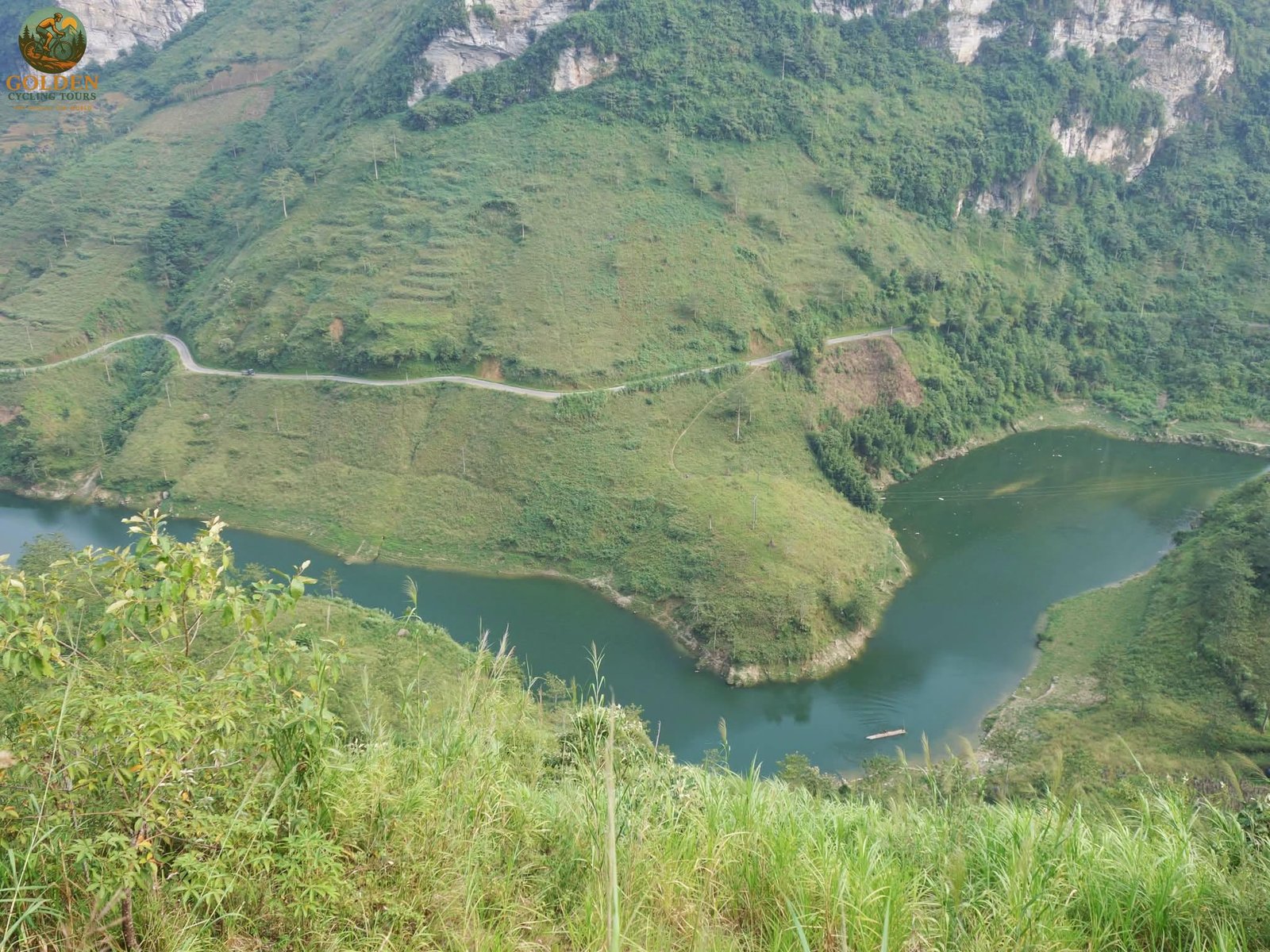
But before you embark on this extraordinary adventure, one important question deserves careful consideration: should you choose a mountain bike (MTB) or a gravel bike?
The answer to MTB vs. Gravel Bike for Northern Vietnam depends on your route, riding style, fitness, and the type of adventure you want to experience. Northern Vietnam offers everything from smooth paved roads to broken asphalt, loose gravel, rocky tracks, steep climbs, and remote rural paths. The right bicycle can make the difference between a ride that feels effortless and one that becomes an exhausting battle against the terrain.
A gravel bike is often an excellent choice for riders covering long distances on paved and mixed-surface roads. A mountain bike offers greater control and comfort when routes become rough, rocky, or technically demanding. Neither is automatically the best option for every destination.
In this comprehensive guide, we compare MTB vs. Gravel Bike for Northern Vietnam across real-world terrain, bicycle geometry, tires, gearing, braking, comfort, luggage, and riding performance. We will also explore the legendary roads of Ha Giang, the spectacular Ma Pi Leng Pass, the limestone landscapes of Cao Bang, the peaceful valleys of Mai Chau, Pu Luong Nature Reserve, Ba Be Lake, and the scenic countryside of Ninh Binh.
Whether you are planning a demanding mountain expedition or a relaxed countryside cycling holiday, this guide will help you choose the right bicycle and discover suitable routes with Golden Cycling Tours.
For most Northern Vietnam cycling holidays, the best bicycle is the one that matches the actual road surface and difficulty of your itinerary.
A gravel bike is generally better suited to long days on paved roads, compact gravel, and moderately rough rural surfaces. Its drop handlebars provide several hand positions, while its relatively efficient riding position helps maintain momentum over long distances.
A mountain bike is generally better for rough tracks, loose stones, eroded surfaces, muddy trails, and routes requiring greater control. Wider tires, a more upright riding position, and, on many models, suspension help absorb impacts and maintain traction.
A gravel bike is an appealing choice for cyclists who want to cover substantial distances while exploring Northern Vietnam’s paved mountain roads and rural backroads.
Its efficient geometry and drop handlebars can make long days in the saddle more comfortable for riders who are accustomed to road or endurance cycling. Depending on the model, gravel bikes can also accommodate wider tires, luggage racks, and bikepacking bags.
Imagine rolling out of Mai Chau shortly after sunrise. The valley is still cool, and thin mist hangs above the rice fields. Your tires hum softly over smooth asphalt as the road curves past bamboo groves and traditional stilt houses. The chain moves through the gears with a quiet click, and the bicycle gathers speed on a gentle descent.
On this kind of terrain, a gravel bike can feel wonderfully responsive.
Choose a gravel bike if your planned route consists primarily of:
Paved roads and smooth rural lanes.
Long-distance touring with moderate climbing.
Compact gravel and manageable sections of broken pavement.
Rolling countryside and scenic mountain roads.
Bikepacking routes where efficient pedaling matters.
Itineraries that prioritize distance, scenery, and village visits over technical trails.
Explore the Mai Chau Bike Tours collection to investigate countryside cycling possibilities.
A mountain bike is often the safer and more comfortable choice when a route includes rough tracks, loose rocks, deep ruts, muddy sections, or technical descents.
Wide tires create a larger contact area and can be run at pressures appropriate to the terrain. Flat handlebars offer direct steering control, while suspension on many mountain bikes helps absorb repeated impacts.
Picture yourself climbing a narrow track above a remote village in the northern highlands. The surface changes from hard-packed earth to loose stones. Your front wheel moves slightly as it crosses an uneven patch, and your arms absorb the vibration. You ease off the pedals, choose a lower gear, and steer around a shallow rut.
This is where an MTB’s stability and control can become valuable.
An MTB is worth considering if your route includes:
Rocky and eroded tracks.
Loose gravel on steep gradients.
Muddy surfaces after heavy rain.
Rough rural paths and uneven access roads.
Technical descents or repeated sharp turns.
Routes where stability and tire grip matter more than maximum speed.
For more challenging northern adventures, browse Ha Giang Bike Tours and Cao Bang Bike Tours. Check the specific itinerary before deciding which bike is appropriate: not every mountain destination requires a mountain bike, and not every MTB route is technical.
The key to choosing between an MTB and a gravel bike is understanding that Northern Vietnam is not one continuous type of terrain.
A route may begin on a smooth highway, climb through a mountain pass, cross a small village, and continue along broken asphalt or a rough agricultural track. Weather, roadworks, traffic, and local access conditions can change the experience considerably.
Many famous mountain routes in Northern Vietnam are primarily paved. However, paved does not always mean smooth.
Road surfaces can vary, with occasional potholes, patches of loose material, road repairs, gravel near the edges, and debris around bends. Steep gradients and traffic may be more challenging than the surface itself.
A gravel bike is often an excellent option for experienced cyclists who want to ride long distances on these roads. An MTB remains a valid choice for riders who prioritize comfort, stability, and a more upright position.
Rural roads may contain sections of compact gravel, damaged pavement, or rough surfaces around villages and agricultural areas.
A gravel bike with suitable tire clearance and appropriately wide tires can handle many of these conditions confidently. On particularly rough surfaces, however, the rider must pay attention to tire pressure, braking, and line selection.
An MTB provides more margin for error when surfaces become loose or uneven, particularly on descents.
Some remote routes include rocks, ruts, loose stones, and uneven tracks. These conditions can become especially challenging after rain.
A mountain bike is generally the better option here, particularly if it has suitable tires and, where appropriate, suspension. A gravel bike may handle moderate rough sections, but technical terrain demands more precise handling and leaves less room for mistakes.
Before booking a tour, ask whether the itinerary follows paved roads, mixed surfaces, or technical off-road tracks. The destination name alone is not enough to determine the correct bike.
Tires are among the most important factors when cycling in Northern Vietnam.
A gravel bike commonly uses tires in a broad range of widths, depending on the frame and fork. Tires around 38–45 mm are popular for mixed-surface riding, although the correct width depends on the bicycle and route.
Mountain bikes typically use wider tires, often around 2.1–2.4 inches or more, depending on the bike category. Their larger volume can help improve traction, comfort, and stability on rough surfaces.
For long paved climbs and compact gravel, a moderately wide gravel tire with an appropriate tread pattern can be efficient and comfortable.
For loose stones, mud, and rough tracks, an MTB tire with more aggressive tread may provide better grip and control.
The important point is not simply to choose the widest tire available. Tire clearance, construction, tread, pressure, rider weight, luggage, and surface conditions all affect performance.
Northern Vietnam’s climbs can be long, steep, and physically demanding.
On a narrow mountain road, the gradient may increase just as the asphalt becomes rougher. Your breathing deepens, your cadence slows, and the chain moves into a lower gear. The landscape opens in stages, revealing one limestone ridge after another.
A suitable low gear helps you maintain a manageable cadence rather than grinding through every climb.
Both gravel bikes and mountain bikes can be equipped with climbing-friendly gearing. However, their gear ranges differ by model. A gravel bike with a suitable wide-range cassette may be perfectly capable of handling steep paved passes, while an MTB can offer very low gears for technical climbing.
When comparing bikes, examine the easiest gear combination rather than simply counting the number of gears. A low gear that matches your fitness and the route is more useful than a large gear count without the right range.
Comfort is not determined by suspension alone.
A gravel bike can feel comfortable over long distances because of its efficient position, multiple hand positions, and ability to maintain a steady pace on smoother surfaces.
An MTB often feels more reassuring on rough terrain. Wider tires, a more upright position, and suspension on equipped models can reduce the impact of repeated bumps.
However, suspension adds weight and requires maintenance. A hardtail MTB, which has front suspension but no rear suspension, may be a useful compromise for mixed terrain. A rigid MTB can also work well on routes where wide tires and control are more important than suspension travel.
The right choice depends on the relationship between terrain, distance, riding posture, and your own body.
Mountain descents are among the most memorable parts of a Northern Vietnam cycling holiday, but they demand concentration.
On a long descent, wind rushes past your helmet and the road curls around a steep hillside. You can see the valley below, but the next bend may hide gravel, a pothole, a vehicle, or an animal crossing the road.
Both gravel bikes and MTBs commonly use disc brakes. The quality of the brakes, the condition of the pads and rotors, the tires, and the rider’s technique all influence control.
MTBs generally offer a more upright and stable platform for rough, technical descents. Gravel bikes can descend paved mountain roads confidently when appropriately equipped and ridden within the cyclist’s ability.
Regardless of bike type, descend conservatively, brake before sharp corners where possible, and never assume the road ahead is clear.
Gravel bikes are often lighter and more efficient than comparable suspension-equipped mountain bikes, although individual models vary substantially.
On long paved stretches, the difference can become noticeable. A gravel bike may help you maintain speed with less effort, particularly when you are riding many kilometers in one day.
An MTB usually carries more tire volume and may include suspension components that increase weight. In return, it provides additional control on rough terrain.
If your trip focuses on paved mountain roads, compact gravel, and distance, a gravel bike is often a logical choice. If rough surfaces dominate, the extra control of an MTB may be worth the additional weight.
Ha Giang is one of Northern Vietnam’s most iconic cycling destinations. Its spectacular limestone mountains, deep valleys, remote villages, and dramatic passes create an unforgettable setting for a multi-day adventure.
However, the famous Ha Giang Loop should not automatically be treated as a technical mountain-bike trail. Much of the classic route follows paved roads, although road quality can vary and rough or damaged sections may occur.
A gravel bike can be an excellent choice for fit cyclists who want to cover the paved sections of the Ha Giang Loop efficiently.
It is particularly appealing for riders comfortable with long climbs, road traffic, and sustained mountain descents. Suitable tires, reliable brakes, and a low enough climbing gear are essential.
One of the route’s defining highlights is Ma Pi Leng Pass, where the road cuts through a dramatic limestone landscape above the Nho Que River gorge.
The climb can feel relentless. Your legs work in a steady rhythm, your shoulders relax as you settle into the effort, and the air grows cooler as the road gains elevation. Around a bend, the valley suddenly drops away, revealing towering cliffs and a ribbon of turquoise water far below.
A gravel bike can make the paved approach feel efficient, but the rider must remain alert to road conditions, traffic, and exposed edges.
A mountain bike may be preferable if your chosen itinerary includes rough access tracks, rocky detours, or significant off-road sections.
Its wider tires and more upright handling can help when the surface deteriorates. A hardtail MTB can be a versatile option for mixed routes, while a full-suspension bike may be appropriate for genuinely technical trails.
Before selecting your bicycle, confirm the actual route with your tour provider. Do not assume that every Ha Giang cycling tour includes the same roads or surface conditions.
Explore Ha Giang Bike Tours or consider the 10-Day Ha Giang Loop and Hoang Su Phi Cycling Adventure.
For a shorter highland-focused trip, investigate the 8-Day Northern Vietnam Ha Giang Loop Cycling Adventure.
Cao Bang offers a different atmosphere from the busier parts of the Ha Giang Loop. The region is known for limestone peaks, quiet valleys, rural settlements, and the spectacular Ban Gioc Waterfall.
Road conditions vary across the region. Paved routes connecting towns and major attractions can be suitable for gravel bikes, while rougher rural tracks may favor an MTB.
Choose a gravel bike if your route mainly follows paved roads and compact rural surfaces. It can be a practical option for riders who want to combine efficient travel with scenic stops.
As you ride between limestone hills, the road may pass cultivated fields and small villages. The air carries the scent of vegetation and cooking fires, while distant hills fade into layers of blue-grey rock.
The landscape invites you to stop often, not merely to recover from a climb but to appreciate the details that make the journey special.
Choose an MTB if the planned route includes rocky tracks, uneven village roads, loose gravel, or other challenging surfaces.
An MTB can also provide extra confidence for riders who are less accustomed to riding rough terrain. However, tire choice, braking condition, and route planning remain important.
Explore Cao Bang Bike Tours and Vietnam Northeast Bike Tours for regional inspiration.
Mai Chau is an appealing destination for cyclists who love green valleys, quiet countryside, and cultural experiences.
Compared with the steep mountain roads of Ha Giang, many valley routes around Mai Chau are gentler. Paved roads and rural lanes can make the region particularly suitable for gravel bikes, especially when the itinerary emphasizes scenic riding rather than technical trails.
A gravel bike can cover valley roads efficiently and handle many compact rural surfaces. Its multiple hand positions can also be useful during longer days in the saddle.
Early in the morning, the valley feels fresh and quiet. Moisture glistens on the rice fields, the scent of earth rises from the roadside, and wooden stilt houses stand against a backdrop of green mountains.
You pedal past gardens, small bridges, and villages where daily life continues at a gentle pace. The route is not simply about speed; it is about the freedom to explore without losing the connection between one place and the next.
An MTB is still a good option if you prefer a more upright riding position, wider tires, or extra comfort on uneven surfaces. It may also be more suitable if your itinerary includes rough tracks outside the valley.
For most riders, the decision should come down to the actual route rather than the destination’s reputation.
Explore Mai Chau Bike Tours or consider the 4-Day Northern Vietnam Cycling Adventure from Mai Chau to Pu Luong.
Pu Luong Nature Reserve offers forested mountains, agricultural valleys, traditional villages, and winding rural roads. It is a rewarding destination for travelers who want a quieter and more immersive cycling experience.
The terrain can change over a relatively short distance. A smooth road may lead to a rough village lane, while a dry track may become slippery after rain.
A gravel bike is suitable for routes that mainly use paved roads, compact gravel, and manageable rural surfaces.
It allows riders to cover distance efficiently while leaving time for walks, village visits, and local meals. For travelers who prefer a balance between cycling and sightseeing, this can be an excellent choice.
An MTB may be more appropriate if your route includes steep dirt tracks, loose stones, muddy surfaces, or uneven paths.
Rain can significantly affect off-road conditions. Confirm that cycling is permitted on the intended route and follow local guidance about trails and access within the reserve.
Explore Pu Luong Bike Tours and the 4-Day Mai Chau to Pu Luong Cycling Adventure.
Ninh Binh offers a gentler cycling experience built around limestone karsts, rivers, rice fields, temples, and rural roads.
For many sightseeing-focused itineraries, a gravel bike is an excellent option. Riders can cover the countryside efficiently and stop at attractions without the additional weight of a suspension-equipped mountain bike.
The relatively gentle terrain on many popular Ninh Binh cycling routes makes a gravel bike an attractive choice. It can be comfortable on paved roads and capable on suitable compact rural surfaces.
Cycling near Tam Coc, Trang An Landscape Complex, and Hoa Lu Ancient Capital allows you to appreciate the changing scenery at a slower pace.
Limestone peaks rise from the fields like enormous stone islands. Water moves quietly through canals, birds call from the reeds, and the smell of fresh vegetation follows the road after a light shower.
An MTB may be preferable if your route includes rough tracks or if you simply value wider tires and an upright position. However, suspension is not necessary for every countryside ride.
Discover Ninh Binh Bike Tours or explore the 12-Day North Vietnam Cycling Adventure from Hanoi to Ninh Binh.
Ba Be Lake is surrounded by forested hills, limestone formations, villages, and waterways. The area lends itself to a combination of cycling, walking, and boat excursions.
A gravel bike may suit routes that mostly follow paved roads and compact surfaces. An MTB may be more appropriate if your chosen itinerary includes rough tracks or steep, uneven sections.
Think about the complete journey, not just one day. If you are riding several days in succession, tire comfort, luggage capacity, gearing, and maintenance become increasingly important.
Explore Ba Be Lake Bike Tours and Vietnam Northeast Bike Tours when planning a wider northeast adventure.
The best bicycle setup is one that fits the rider, terrain, and itinerary. Expensive components cannot compensate for unsuitable tires, poor fit, or inadequate preparation.
For gravel bikes, tires around 38–45 mm can be a useful starting point for mixed-surface touring, subject to frame clearance and route conditions. Riders expecting rougher roads may benefit from wider compatible tires.
For MTBs, tire widths around 2.1–2.4 inches are common, although suitable widths depend on the bike and terrain.
Use a tread pattern that matches the surface. Fast-rolling tires may be efficient on pavement and compact gravel, while more aggressive tread can provide better grip on loose or muddy ground.
Reliable brakes are essential on Northern Vietnam’s mountain roads.
Disc brakes are common on both gravel bikes and MTBs. Before departure, check brake pads, rotors, cables or hydraulic systems, and overall braking performance.
On long descents, avoid dragging the brakes continuously. Control your speed early, leave sufficient distance, and stop in a safe place if the brakes overheat or performance deteriorates.
Prioritize a low gear that allows you to climb steep gradients without excessive strain. The ideal gearing depends on your fitness, luggage weight, and route elevation.
If you are uncertain, ask the bicycle supplier or tour operator to review the route profile and recommend an appropriate setup.
For multi-day tours, luggage affects comfort and handling.
Gravel bikes often work well with frame bags, handlebar bags, and compatible racks. MTBs can also carry luggage, but suspension design and frame geometry may limit certain mounting options.
If a tour includes luggage transfer, you may only need a small day bag while riding. Confirm this service before relying on it.
Carry equipment appropriate to your bicycle and route, including:
A spare inner tube or compatible tubeless repair supplies.
Tire levers and a pump or suitable inflator.
A multitool and a chain tool compatible with your drivetrain.
A quick link compatible with your chain.
Basic first-aid supplies and personal medication.
Front and rear lights for low visibility.
Water and snacks for remote stretches.
For long, remote rides, confirm how mechanical problems will be handled and whether spare parts are available locally.
The best time to cycle depends on the destination, elevation, and weather. Spring and autumn are often the most appealing seasons for many Northern Vietnam routes, but no month guarantees dry roads or clear skies.
March and April often bring comfortable temperatures and fresh greenery. These months are attractive for routes around Mai Chau, Pu Luong, and Ninh Binh, as well as carefully planned highland journeys.
A gravel bike works well for long mixed-surface rides, while an MTB provides flexibility on rougher routes.
Summer brings intense greenery but also higher temperatures, humidity, and more frequent heavy rain.
Wet roads, mud, reduced visibility, and landslide risks can affect mountain routes. Riders should check forecasts, avoid unsafe conditions, and choose flexible itineraries.
An MTB may provide more control on certain rough surfaces, but it does not make flooded roads or unstable slopes safe.
September and October can offer spectacular landscapes, especially around Hoang Su Phi, where rice terraces may turn golden near harvest time.
October is often an attractive month for cycling across Northern Vietnam, with autumn scenery and potentially more comfortable temperatures than the summer months. However, residual rainfall and local weather conditions still need to be considered.
November can be excellent for mountain cycling, although mornings and high-altitude areas may be cold.
Gravel bikes are well suited to paved and mixed-surface touring, while MTBs remain useful for rougher tracks. Bring layers and take care when descending in fog or wet conditions.
For a more detailed regional overview, explore Cycling Northern Vietnam.
A cycling holiday in Northern Vietnam is also a journey through the region’s food culture. Meals offer a chance to recover after a climb, experience local ingredients, and understand the landscapes through their flavors.
Pho is a classic rice-noodle soup served with aromatic broth, herbs, and beef or chicken. It is a comforting breakfast before an early departure.
Bun cha, commonly associated with Hanoi, combines grilled pork, rice noodles, fresh herbs, and dipping sauce.
Com lam, or bamboo-tube rice, is found in several northern mountain food traditions. The rice is cooked inside bamboo, creating a distinctive aroma and texture.
Thit trau gac bep, a smoked buffalo meat preparation associated with some northern highland communities, offers a rich, smoky flavor.
In rural areas, meals may include rice, seasonal vegetables, grilled meats, fish, and locally prepared dishes. Ingredients and cooking styles vary by community.
In Hanoi, the Old Quarter offers many opportunities to try northern Vietnamese dishes. Choose reputable establishments with freshly prepared food.
In Mai Chau and Pu Luong, local restaurants and homestays may offer home-style meals and regional specialties. Arrange meals ahead of time if you are staying in a remote village.
In Ha Giang and Cao Bang, restaurants in town centers are convenient for replenishing energy after a long ride. Remote roads may have fewer food options, so plan lunch stops before setting off.
In Ninh Binh, restaurants around Tam Coc and other visitor areas offer regional dishes, including goat specialties at selected venues.
Carry snacks and water between stops, especially when riding through mountainous areas where services may be spread out.
Accommodation can be part of the adventure, from traditional village homestays to comfortable hotels and nature-focused retreats.
Homestays can offer opportunities to experience local hospitality, traditional stilt-house architecture, and home-style meals.
Facilities vary, so confirm whether the accommodation has private rooms, shared bathrooms, hot water, secure bicycle storage, and meal arrangements.
Hotels and guesthouses in the main towns can provide convenient bases for mountain routes. Ask about secure bicycle storage and whether there is space for basic bicycle maintenance.
For remote overnight stops, confirm availability before traveling, particularly during popular autumn periods.
Selected eco-lodges offer quiet settings, scenic views, and a comfortable place to rest after cycling.
If you book a cycling package, verify the accommodation category and whether the price includes private rooms, meals, and luggage transfers.
Most international visitors begin in Hanoi, the main gateway to Northern Vietnam’s cycling destinations.
Depending on the route, onward travel may involve a private transfer, public bus, minivan, or other locally available transport.
Check airline and ground-transport bicycle policies before traveling. Some carriers require a bicycle box or bag, while others have specific rules for oversized luggage.
When arranging ground transport, confirm whether the vehicle can carry your bicycle and luggage safely. Do not assume that every bus or minivan has enough space.
Renting a bike can simplify travel logistics, particularly for visitors who do not want to transport a bicycle internationally.
Before accepting a rental, check frame size, brakes, gears, tire condition, wheel alignment, and the suitability of the bike for the planned route. Take a short test ride and report any mechanical issues immediately.
Local knowledge can be valuable on remote mountain roads, where navigation, weather, road conditions, and access to services may change the plan.
Depending on the specific tour, support may include guiding, transport, luggage transfer, or mechanical assistance. Confirm the exact inclusions with the operator before booking.
Explore the full range of Golden Cycling Tours to investigate available itineraries.
One of the greatest rewards of cycling is the chance to experience Northern Vietnam at a pace that allows small details to become lasting memories.
The region is home to diverse ethnic communities, including Thai, Hmong, Dao, Tay, and Nung people, among others. Architecture, clothing, languages, cuisine, and customs vary by location and community.
In Mai Chau, traditional Thai stilt houses and cultivated valley fields form part of the rural landscape. In Ha Giang, mountain villages reflect a rich diversity of local traditions. Around Cao Bang and Ba Be Lake, farming, village markets, and waterways remain closely connected to daily life.
Approach every encounter with respect:
Ask permission before photographing people, especially children.
Follow local guidance when entering homes or visiting culturally significant places.
Dress appropriately at religious and historical sites.
Buy local products respectfully and support small businesses when possible.
Do not assume that traditional clothing or cultural activities are performances for tourists.
A friendly greeting, a shared cup of tea, or a conversation through gestures can become one of the most memorable parts of a cycling trip.
Northern Vietnam offers remarkable destinations that deserve time beyond the saddle.
Ha Giang is renowned for dramatic mountain scenery, while Ma Pi Leng Pass offers some of the region’s most striking views. The nearby Nho Que River gorge is a spectacular landscape feature.
Ban Gioc Waterfall is one of Northern Vietnam’s signature natural attractions. The surrounding limestone scenery creates a dramatic setting for sightseeing and photography.
Explore village roads, rice fields, mountain viewpoints, and traditional architecture. In Pu Luong Nature Reserve, follow local guidance about permitted routes and appropriate walking or cycling access.
Trang An Landscape Complex, Tam Coc, Hoa Lu Ancient Capital, and Bich Dong Pagoda offer a compelling combination of natural scenery and cultural history.
Ba Be Lake is ideal for travelers seeking a quieter natural setting. Consider combining cycling with a boat trip or a walk, depending on local conditions and your itinerary.
This sample itinerary illustrates how you might combine Northern Vietnam’s countryside and cultural attractions. It is not a confirmed Golden Cycling Tours departure, and actual distances, accommodation, transfers, and route difficulty must be verified before booking.
Explore Hoan Kiem Lake and the Old Quarter. Check your bike, rest after traveling, and prepare for the next day's ride.
Ride through valley roads, rice fields, and rural villages. A gravel bike is suitable for a route that mainly follows paved roads and compact surfaces; an MTB is useful if rougher tracks are included.
Continue toward Pu Luong Nature Reserve on a suitable route. Allow time for village visits and scenic stops, and avoid technical trails unless they are appropriate for your bike and experience.
Choose a route based on weather and fitness. Take time for a local meal, a village visit, or a shorter ride that leaves room to enjoy the landscape.
Depending on the tour design, transfer toward Ninh Binh and explore the countryside around Tam Coc.
Enjoy a scenic ride around the countryside, with time to visit Trang An Landscape Complex or another local attraction.
Transfer back to the capital and allow enough time for traffic and onward travel.
If your priority is challenging mountain cycling rather than a mixed countryside itinerary, consider a dedicated highland tour instead. The 15-Day Best Vietnam Cycling Northeast Tour is one option to investigate for a longer regional journey.
Before choosing, ask yourself four questions.
If most of the route is paved or compact gravel, a gravel bike is often the more efficient option. If the route contains substantial rough tracks, loose rocks, and technical descents, an MTB is generally more appropriate.
Long days on smoother roads often favor a gravel bike. Shorter routes with technical sections may favor an MTB.
Distance alone does not determine difficulty, however. Elevation gain, weather, luggage, and road surface all affect how demanding a ride becomes.
A rider comfortable on narrow tires and drop handlebars may prefer a gravel bike. A rider who values a more upright position and wider tires may feel more confident on an MTB.
The correct bike is the one you can control safely, especially on descents.
Provide the operator with your experience level, preferred riding style, and the exact tour you are considering. Ask about the route surface, daily climbing, technical difficulty, and available bicycle options.
Golden Cycling Tours can be a useful starting point for exploring different Northern Vietnam cycling experiences. Visit Golden Cycling Tours or browse the Northern Vietnam cycling collection.
A gravel bike is often better for long-distance routes that mainly use paved roads and compact gravel. An MTB is generally better for rough, rocky, muddy, or technical terrain. The best choice depends on the specific itinerary.
Yes, a gravel bike can be suitable for many versions of the classic Ha Giang Loop, because much of the route follows paved roads. However, riders must account for steep gradients, traffic, variable road surfaces, and weather. Confirm the route details before departure.
Not necessarily. Ma Pi Leng Pass is primarily a paved mountain road, so a suitable gravel bike or road-oriented touring bike may work well for experienced riders. An MTB can offer a more upright position and additional comfort on rough sections.
For gravel bikes, tires around 38–45 mm may suit many mixed-surface routes if the frame allows them. For MTBs, tires around 2.1–2.4 inches are common. The ideal width depends on surface conditions, rider weight, tire construction, and the bicycle's clearance.
Yes. A gravel bike with appropriate low gearing can handle steep paved climbs and many compact-gravel roads. Riders should check the easiest gear ratio and ensure that it matches their fitness, luggage weight, and route profile.
Yes. An MTB can be used for long-distance touring, particularly when comfort and rough-surface control are priorities. Wider tires and suspension may add weight, so a gravel bike can be more efficient when the route is mostly smooth.
An MTB may provide better control on some muddy and rough surfaces, but neither bicycle makes unsafe weather or unstable roads safe. Heavy rain can cause flooding, landslides, and poor visibility. Check local conditions and change your route when necessary.
Both options can work. Bringing your own bike gives you familiarity with the setup, while renting can simplify international travel. If renting, inspect the bike carefully and confirm that it is suitable for the planned route.
Yes, provided the route matches their fitness and experience. Gentler countryside routes around Mai Chau and selected parts of Ninh Binh may be more suitable than steep mountain itineraries. Beginners should choose realistic daily distances and consider guided support.
An e-bike can help reduce the effort required on climbs, but it still needs suitable tires, brakes, and handling for the route. Battery range and charging access are particularly important on remote mountain journeys.
Explore Vietnam E-Bike Tours or the 6-Day Mai Chau, Pu Luong, and Ninh Binh E-Bike Tour.
Services depend on the specific tour and booking arrangement. Confirm bicycle rental, guiding, support vehicles, luggage transfer, accommodation, meals, and mechanical assistance directly with Golden Cycling Tours before booking.
March and April are often excellent for spring riding, while September through November can offer attractive autumn conditions. October is a particularly appealing option for many itineraries. Weather varies by destination and elevation, so check forecasts before traveling.
A genuine customer review can help future cyclists understand the practical differences between an MTB and a gravel bike on a particular route.
Rather than publishing invented testimonials, use verified feedback from actual Golden Cycling Tours customers. Reviews are most useful when they identify the tour, travel month, route conditions, bicycle type, and the rider's experience level.
Suggested review template for publication:
“[Insert the customer's exact, approved feedback about the bicycle, route surfaces, climbing, comfort, local guide, accommodation, and overall experience.]”
Customer name: [Insert with permission]
Tour name: [Insert the verified tour name]
Bicycle type: [MTB / Gravel Bike / E-bike, if confirmed]
Travel month and year: [Insert verified dates]
Original review source: [Insert the approved review link]
If you have reviews from cyclists who completed the same route on different bicycle types, consider presenting their experiences side by side. Their real observations may help readers make a more informed decision than a generic claim that one bicycle is always superior.
Choosing between an MTB and a gravel bike is not about finding one bicycle that wins everywhere. It is about matching your equipment to the road beneath your tires and the experience you want from your journey.
Choose a gravel bike if your priority is long-distance riding, paved mountain roads, compact gravel, efficient climbing, and exploring destinations such as Mai Chau and Ninh Binh.
Choose an MTB if your itinerary includes rough tracks, loose stones, muddy sections, or technical terrain where additional control and wider tires are valuable.
For Ha Giang, a gravel bike can be an excellent choice for many paved-road itineraries, while an MTB may be more suitable for rougher off-road routes. In Cao Bang, Pu Luong Nature Reserve, and around Ba Be Lake, the decision should be based on the specific roads and tracks included in your plan.
Whatever you choose, Northern Vietnam rewards cyclists who travel with patience and curiosity. Let the rhythm of the pedals carry you through quiet valleys. Feel the cool air on your face as you descend from a mountain pass. Pause to listen to village life, taste the local food, and watch the changing light settle over the limestone peaks.
Your bicycle is more than a piece of equipment. It is your connection to the road, the landscape, and the people you meet along the way.
Start planning your adventure with Golden Cycling Tours, explore the Northern Vietnam cycling tour collection, and choose a route that fits your fitness, riding style, and appetite for adventure.

.jpg "Thai Binh Vietnam Bicycle")
.jpg "Phu Tho Vietnam Cycling")
.jpg "Thai Nguyen Cycling Vietnam")
.jpg "Tuyen Quang Cycling Vietnam")
.jpg "Vinh Phuc Cycling Vietnam")
Leave a Reply
Your email address will not be published. Required fields are marked *