- Call us Via Whatsapp: +84 (0) 832 126 699
4.9 stars on our site
(15,000 reviews)
- Monday - Sunday : 08:00 - 17:00
(15,000 reviews)

Feel the sharp, invigorating bite of cold mountain air filling your lungs as you gear down for a relentless ten-percent gradient switchback suspended high above a sea of morning clouds. Sweat glistens on your brow, your quads burn with steady power, and the rhythmic, metallic click of your chain echoing against sheer granite monoliths becomes your steady cadence. Below you, the emerald ribbons of terraced rice paddies cascade into deep river gorges, while the rich, resinous scent of wild mountain pine and damp earth fills every breath. As you crest the summit, a thunderous turquoise river appears thousands of meters down, rewarding every watt of energy you poured into the climb. Knowing How to Prepare for Northern Vietnam Cycling Tours & High Altitude is the ultimate key to transforming a grueling mountain challenge into an unforgettable, high-altitude journey across Southeast Asia’s most captivating frontier.
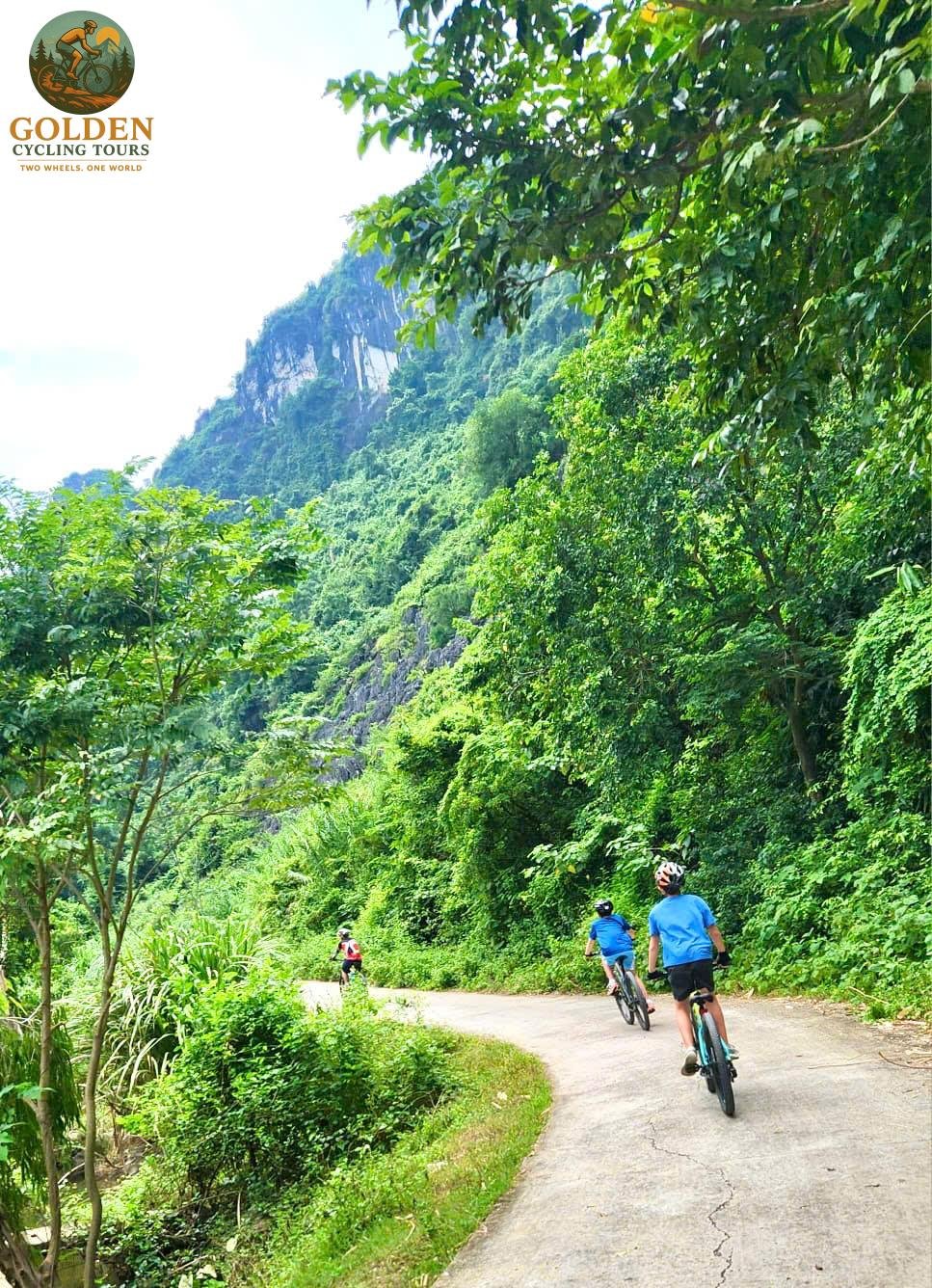
Beyond the urban streets of Hanoi lies a majestic highland realm of high passes, ancient border trails, and deep limestone valleys. Guided by the route masters at Golden Cycling Tours, riders can conquer these dramatic landscapes using road rigs, gravel bikes, mountain bikes, or modern pedal-assist e-bikes. Proper physical conditioning, smart gear choices, and accurate route knowledge will unlock the full magic of Cycling Northern Vietnam.
Conquering thousand-meter climbs across steep mountain passes demands targeted cardiovascular endurance, muscular strength, and mental stamina.
To prepare for multi-day mountain climbs, build your aerobic base at least eight to twelve weeks prior to your departure date. Incorporate long, steady-state rides (2 to 4 hours) twice a week, combined with high-intensity interval training (HIIT) on hill repeats. Simulating sustained 6% to 10% gradients on an indoor trainer or local hill climbs will condition your heart and lungs for high pass ascents.
Pass climbing places heavy demands on your lower body and core stabilizer muscles. Strengthen your quadriceps, hamstrings, glutes, and lower back through targeted resistance training:
Barbell squats, walking lunges, step-ups with weights, Romanian deadlifts, and planks. Core stability minimizes lower back fatigue during hours of sustained climbing in the saddle.
While mountain passes in Northern Vietnam range between 1,000 meters and 2,000 meters above sea level—below the threshold for severe acute mountain sickness (AMS)—the combination of high humidity, sustained steep gradients, and fluctuating mountain temperatures creates a unique physical challenge. Proper hydration, pacing, and gradual altitude gain ensure optimal acclimatization and energy management.
Choosing the right weather window guarantees dry road traction, comfortable ambient temperatures, and crystal-clear mountain visibility across pass crests.
Autumn is universally acclaimed as the golden window for mountain cycling. The air is dry, crisp, and comfortable, providing ideal conditions for long days in the saddle. During September and October, world-renowned terraced rice fields across Hoang Su Phi, Mai Chau Valley, and Mu Cang Chai ripen into brilliant golden yellow, offering a magnificent backdrop for pass climbs.
Spring brings pleasant warmth, clear skies, and blooming mountain orchards across high ridges. Dry asphalt and firm backroads make spring ideal for pass climbing, photography, and cultural stops in highland hamlets.
Winter (December to February) brings cool mist and romantic cloud inversions to high alpine zones like Ha Giang and Sapa, calling for thermal riding layers. Summer (June to August) fills waterfalls like Ban Gioc Waterfall and turns mountain slopes a deep emerald green, though afternoon showers are best managed with light rain shells and support vehicle escorts.
Northern Vietnam features an extraordinary network of mountain passes and valley link-ups that challenge and inspire every cyclist.
Recognized worldwide as an epic adventure destination, Ha Giang features jaw-dropping mountain highways weaving through the UNESCO World Heritage Dong Van Karst Plateau. The ultimate test of your preparation is floating smoothly up the famous Ma Pi Leng Pass, hovering thousands of meters above the winding turquoise waters of the Nho Que River. Plan your mountain expedition with dedicated Ha Giang bike tours.
Framed by towering limestone bluffs, Mai Chau Valley offers smooth valley roads connecting peaceful White Thai settlements before climbing toward the sweeping curves of Thung Khe Pass. Continuing south leads deep into Pu Luong Nature Reserve, where quiet backroads wind past ancient bamboo waterwheels, lush terraced hillsides, and pristine river hamlets. Discover these serene paths through professional Mai Chau bike tours and immersive Pu Luong bike tours.
For tranquil remote roads, the northeastern province of Cao Bang presents quiet paved backroads and smooth gravel paths winding through limestone valleys and farming communities. Riders cover distance effortlessly toward the thunderous cascades of Ban Gioc Waterfall. Nearby, peaceful forest roads in Ba Be National Park circuit around the calm waters of Ba Be Lake. Experience these wild routes on expert Cao Bang bike tours, explore wider regional journeys on Northeast Vietnam bike tours, or ride lakeside roads on Ba Be Lake bike tours.
Where vertical limestone monoliths emerge from coastal wetlands, Ninh Binh (known as "Halong Bay on Land") offers flat, relaxing river dikes and farm backroads connecting historic sites like Hoa Lu. Cyclists ride effortlessly along quiet dikes bordering Van Long Nature Reserve and the lotus waterways of Tam Coc.
Preparing the right gear ensures comfort, safety, and performance across changing mountain weather zones.
Mountain weather shifts rapidly between warm valley floors and chilly high pass summits:
Lightweight, moisture-wicking synthetic or Merino wool cycling jerseys.
Packable windproof vest or lightweight long-sleeve thermal jersey.
High-quality windproof and waterproof cycling rain jacket for long pass descents.
Padded bib shorts, UV-blocking sunglasses, full-finger or gel-padded cycling gloves, thermal arm warmers, and breathable cycling socks.
Selecting the right machine matched to your fitness and terrain preference is critical:
Wide-range gearing (such as a 11-34T or 11-36T cassette) paired with a compact chainring (50/34T or 48/31T) allows smooth cadence on steep gradients. Wide tubeless tires (30mm to 45mm) absorb road vibrations.
Hardtail or full-suspension bikes with air suspension and hydraulic disc brakes provide control on off-road singletracks and loose shale descents.
Modern mid-drive e-bikes level the playing field, providing smooth electric torque to conquer steep mountain climbs effortlessly. Learn more on Vietnam e-bike tours.
Riding through remote mountain routes brings cyclists into direct, meaningful contact with indigenous mountain communities.
Quiet mountain backroads link isolated hamlets inhabited by Black H'mong, Red Dao, White Thai, and Tay communities. Along these paths, you can pause whenever you wish to watch women embroidering complex indigo textiles in Lolo Chai Village, observe local blacksmiths hand-forging tools in Mieu Vac, or see tea pickers harvesting wild tea leaves on the misty slopes of Tay Con Linh mountain.
Overnight stays in authentic village homestays form the soulful heart of every journey. In Mai Chau and Pu Luong Nature Reserve, traditional wooden stilt houses elevated above lush rice fields offer cool mountain breezes and sweeping views. In Dong Van, thick clay-wall homes (nha trinh tu) surrounded by hand-stacked stone fences provide cozy shelter. Showing respect by removing shoes before entering homes, accepting offered tea, and greeting hosts warmly fosters deep human connections.
Executing a high-altitude cycling tour across remote mountain geography requires nutritious dining, comfortable lodging, and full support vehicle backing.
Daily mountain climbing demands wholesome, fresh nutrition:
Garlic-sautéed morning glory, wild fern fronds, bamboo shoots, and crisp cabbage sprouts.
Charcoal-grilled lemongrass pork skewers, ginger-braised hill chicken, and stream fish wrapped in banana leaves.
Bamboo-cooked sticky rice (com lam), steaming bowls of herbal beef Pho, and savory corn cakes.
Fresh coconut water, wild herbal teas, electrolyte solutions, and aromatic dark roast Vietnamese drip coffee with sweet condensed milk.
Lodging options adapt smoothly to match your personal comfort preference:
Clean timber stilt houses furnished with comfortable sleeping mattresses, mosquito netting, and modern hot shower facilities.
Peaceful retreats such as Avana Retreat in Mai Chau or Pu Luong Retreat inside Pu Luong Nature Reserve, featuring infinity pools, garden grounds, and spa amenities.
High-end accommodations in regional hubs like Sapa or Ha Giang city for travelers booking premium Vietnam luxury bike tours.
Every expedition is backed by a dedicated 4x4 support vehicle carrying spare parts, mechanical tools, extra luggage, cold beverages, and passenger seating. Whenever you need a rest on a steep pass climb, the support van is right behind you.
These expertly designed itineraries combine famous mountain passes, scenic beauty, and authentic cultural encounters for the ultimate adventure.
The ultimate grand tour mapping the entire northeastern frontier. The comprehensive 15-day Northeast Vietnam cycling tour takes cyclists through Ba Be Lake, Cao Bang, Ban Gioc Waterfall, Meo Vac, Dong Van, and Ha Giang.
Conquer famous mountain passes and unpaved rice terrace tracks on the thrilling 10-day Ha Giang loop & Hoang Su Phi cycling adventure.
Looking for a short getaway? The relaxed 4-day Mai Chau to Pu Luong cycling tour provides easy backroad riding through nature reserves and traditional stilt villages.
Combine unpaved valley backroads with modern pedal-assist power on the popular 6-day Mai Chau, Pu Luong & Ninh Binh e-bike tour.
"Knowing how to prepare for the steep passes in Ha Giang made all the difference! Golden Cycling Tours provided top-tier bikes, incredible guides, and a support vehicle that made climbing Ma Pi Leng Pass completely stress-free."
— Mark & Sarah Jenkins, Melbourne, Australia
"The preparation advice for training and clothing layers was spot on. Riding through Mai Chau, Pu Luong, and Ninh Binh was smooth, gorgeous, and deeply enriching. Highly recommended!"
— Elena Rostova, Munich, Germany
Gradients typically range between 6% and 10% sustained over 5 to 15 kilometers. Full support vehicle escorts allow riders to rest whenever desired or choose pedal-assist e-bikes.
Generally no. Peak road elevations reach around 1,500 to 2,000 meters above sea level, which is below the threshold for altitude sickness. Proper pacing and staying hydrated are sufficient.
Every tour includes a dedicated 4x4 support van following the group. You can step into the comfortable support vehicle at any point to rest, cool off, or take photos.
Stiff cycling shoes (SPD or flat pedal shoes) with good walking traction are recommended for comfortable riding and exploring roadside hamlets.
Now that you know How to Prepare for Northern Vietnam Cycling Tours & High Altitude, it is time to turn your mountain dreams into reality! Partner with the cycling experts at Golden Cycling Tours for top-tier bikes, expert guides, and seamless support vehicles.
Reserve your departure date today, clip into your pedals, and conquer Southeast Asia's ultimate high-country highways!

.jpg "Thai Binh Vietnam Bicycle")
.jpg "Phu Tho Vietnam Cycling")
.jpg "Thai Nguyen Cycling Vietnam")
.jpg "Tuyen Quang Cycling Vietnam")
.jpg "Vinh Phuc Cycling Vietnam")
Leave a Reply
Your email address will not be published. Required fields are marked *