- Call us Via Whatsapp: +84 (0) 832 126 699
4.9 stars on our site
(15,000 reviews)
- Monday - Sunday : 08:00 - 17:00
(15,000 reviews)

The cool morning fog hangs low over the emerald canopy, clinging to palm-thatched eaves as the smell of woodsmoke and damp earth lingers in the air. You click into your pedals, and the quiet rhythmic hum of your tires against dirt tracks breaks the mountain stillness. Around the bend, the sharp black pinnacles of the Dong Van Karst Plateau UNESCO Global Geopark pierce through shifting cloud banks like ancient titan teeth. The crisp alpine air rushes into your lungs, carrying the piney resin of mountain forests and the subtle aroma of roasting sweet corn. Children dressed in hand-woven indigo skirts wave merrily from stone-walled doorways, their clear laughter echoing off vertical limestone walls as your chain shifts smoothly up a steep gradient.
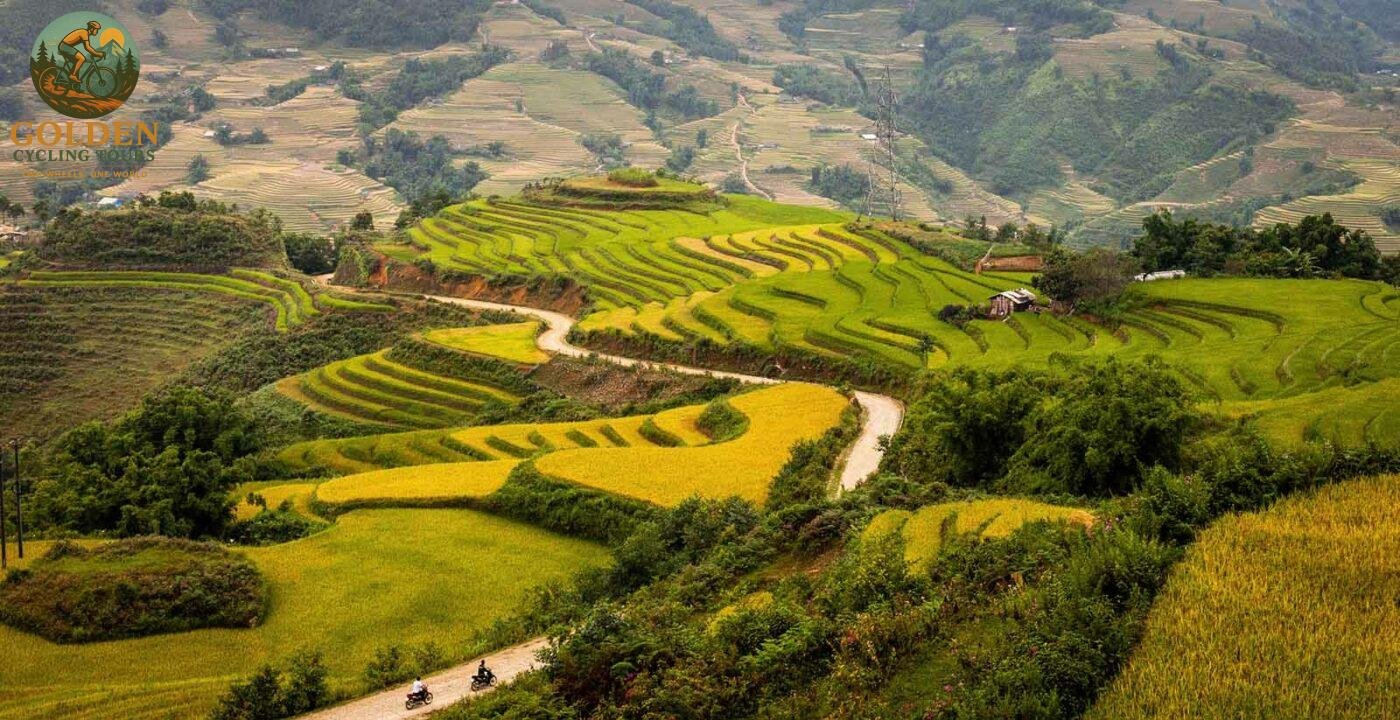
An authentic Ha Giang Tribal Village Cycling Tour: Culture, homestays & Trails offers far more than an exhilarating athletic challenge across dramatic topography. It is a portal into living history, a deeply personal journey through centuries-old indigenous traditions, hidden valley hamlets, and warm ethnic hospitality.
By riding through remote borderland territories with expert local outfitters like Golden Cycling Tours, you step off the beaten tourist highway and drop directly into the rhythmic heartbeat of Vietnam's most vibrant tribal communities.
Far from modern urban noise, the mountain frontier of Northern Vietnam is home to over 17 distinct ethnic minority groups, including the H'Mong, Tay, Red Dao, Lolo, Nung, and Giay. Each community has carved a distinct life into these limestone monoliths over generations.
As you navigate narrow dirt trails and gravel singletracks connecting mountain hamlets, you will witness remarkable indigenous architecture designed in harmony with the environment. In lower river basins like Thon Tha Village and Du Gia Valley, the Tay people build majestic wooden stilt houses elevated above lush rice fields, featuring high palm-thatched roofs that channel cool breezes.
Higher in the craggy peaks near Dong Van Ancient Town and Meo Vac, H'Mong and Lolo families construct Trình Tường homes—structures built with thick, hand-tamped earth walls up to half a meter deep. These rammed-earth houses trap thermal heat during frosty winter nights while maintaining cool interiors under the hot summer sun.
Planning your ride to coincide with historic weekly trading days unveils an explosion of sensory color. The famous Dong Van Market and Meo Vac Market, held every Sunday morning, draw villagers who walk miles from remote mountain settlements at dawn.
The air swirls with the smells of bubbling cauldrons, fresh mountain herbs, and dry tobacco leaves. Women in intricately embroidered H'Mong skirts and bright Red Dao turbans gather to trade hand-spun hemp textiles, silver heirloom jewelry, medicinal forest roots, and high-altitude tea. Bicycles allow you to approach these markets at a human pace, blending naturally into the tapestry of everyday mountain life.
Experiencing a Ha Giang Tribal Village Cycling Tour: Culture, homestays & Trails means trading sterile hotel rooms for the warm glow of traditional family homestays.
After a long day in the saddle tackling steep mountain passes, nothing compares to rolling into a peaceful village homestay. You drop your bike beside the wooden porch and wash off the road dust before joining your hosts around an open hearth fire.
Dinner is a generous family affair served on low woven bamboo mats. You will feast on home-cooked dishes made from vegetables picked directly from the garden hours earlier, stir-fried mountain pork, and steamed sticky rice. The night comes alive with warm toasts of local corn wine, endless smiles, and stories translated by your local guide, creating human connections that linger far longer than any scenic photo.
While homestays preserve genuine rural heritage, modern cycling hospitality ensures clean, comfortable rest. Sleeping quarters feature cozy mattresses, fresh linens, mosquito netting, and warm blankets. Bathrooms are equipped with modern western toilets and hot rain showers to soothe tired climbing legs.
For cyclists seeking private luxury amenities paired with cultural aesthetics, boutique eco-lodges situated near Pan Hou or Dong Van offer high-end spa treatments and private balconies. Explore specialized premium accommodations with Vietnam luxury bike tours.
Cycling through mountain ranges demands serious caloric intake. Local ethnic cuisine provides deeply satisfying, nutrient-dense fuel built around wild forest ingredients and organic livestock.
Thang Co: A iconic H'Mong delicacy slow-simmered in massive iron cauldrons over open flames. Made with horse meat and seasoned with twelve forest spices—including wild cardamom, star anise, lemongrass, and roasted cinnamon—this rich stew provides deep warmth and energy.
Au Tau Porridge: Sourced from wild aconite roots harvested on high peaks, this thick rice porridge is simmered overnight with tender pork trotters and herbs. Valued in traditional medicine, it soothes fatigued muscles and promotes restful recovery.
Men Men: Steamed sweet cornmeal crushed by hand using stone mills. This dense, carbohydrate-rich staple feeds H'Mong families in high rocky terrains where rice cannot grow, providing long-lasting climbing stamina.
Smoked Mountain Pork & Black Chicken: Free-range pork and native black-skin chicken cured over hardwood forest smoke with wild mac khen peppers, creating intense savory flavors.
Com Lam (Grilled Sticky Rice in Bamboo): Sweet glutinous rice packed inside fresh bamboo stalks and roasted directly over glowing coals—the ultimate natural, portable energy snack for jersey pockets on steep climbs.
Ruou Ngo (Corn Wine): Fermented using wild forest yeast and distilled over wood fires. Sharing a small glass with homestay elders is a universal sign of friendship and respect.
A village-focused cycling tour weaves iconic mountain views with untouched tribal heartlands:
Quan Ba Heaven's Gate: The dramatic mountain gap where the road climbs into the sky, revealing sweeping panoramic views of the famous Quan Ba Twin Mountains resting like green velvet domes on the valley floor.
Tham Ma Pass: An iconic serpentine pass with tight S-curves carved into vertical limestone walls, testing your climbing rhythm before descending toward ethnic hamlets.
Dong Van Karst Plateau UNESCO Global Geopark: Hundreds of square kilometers of breathtaking carbonaceous black limestone pinnacles dating back over 400 million years.
Lung Cu Flag Tower: Perched atop Dragon Mountain, this historic monument marks the northernmost border post of Vietnam along the frontier with China.
Ma Pi Leng Pass & Tu San Canyon: The undisputed monarch of Vietnamese mountain passes. Ride along a narrow high-altitude ledge carved into vertical cliffs overlooking the turquoise Nho Que River deep inside Southeast Asia's deepest canyon gorge.
Du Gia Valley & Du Gia Waterfall: A serene, lush paradise where wooden Tay stilt villages rest beside crystal-clear river pools and cascading waterfalls.
Pao's House & Sung La Valley: A preserved cultural precinct featuring historic rammed-earth H'Mong timber homes surrounded by pink buckwheat flower fields.
Hoang Su Phi: A western district famous for world-class terraced rice fields carving thousands of green and gold steps down sheer mountain slopes.
Selecting the right travel window ensures dry trail conditions, high visibility, and rich seasonal cultural experiences.
Autumn is widely considered the absolute prime season for cycling in Northern Vietnam. Summer rains recede, leaving behind crisp blue skies and comfortable riding temperatures between 15°C and 23°C. In September, the dramatic agricultural terraces of Hoang Su Phi turn a brilliant golden yellow for the rice harvest. By October and November, pink and purple buckwheat blossoms blanket the karst fields of Sung La Valley, creating picturesque riding conditions across dry asphalt and packed dirt trails.
Spring brings vibrant color and gentle warmth back to the highlands, with temperatures ranging from 18°C to 26°C. The hillsides surrounding Quan Ba and Meo Vac burst into bloom with snow-white plum blossoms and delicate pink peach flowers. Minimal rainfall during early spring ensures dry, grippy trail surfaces ideal for long days on the bike.
Winter brings cold, moody conditions to high-altitude passes near Lung Cu Flag Tower, with temperatures sometimes dipping below 5°C. Thick sea-of-cloud mists wrap around limestone peaks, creating an ethereal atmosphere. Warm thermal cycling gear is required, but winter rewards riders with quiet, crowd-free trails and cozy evenings around open hearths in tribal homestays.
Summer brings tropical warmth, high humidity, and afternoon showers. While wet descents require cautious handling, summer fills mountain streams and turns Du Gia Waterfall into a roaring cascade set against vibrant emerald terraced valleys.
Plan your optimal travel window with custom itineraries through Ha Giang bike tours.
Reaching the northern mountains from Vietnam's bustling capital is fast and convenient.
VIP limousine vans and express overnight sleeper buses run daily between Hanoi and Ha Giang City, taking approximately 5 to 6 hours via modern expressways. These vehicles feature large, carpeted luggage holds capable of transporting bike boxes, gear duffels, and bike cases safely.
Cyclists planning a longer journey across Vietnam can link this tour with Hanoi bike tours, explore ancient limestone karst waterways with Ninh Binh bike tours, or ride through tranquil bamboo sanctuaries with Mai Chau bike tours and Pu Luong bike tours.
For extended highland exploration, connect your itinerary with Sapa bike tours and Bac Ha bike tours, venture cross-border along Cao Bang bike tours, or take on grand regional epics with Vietnam Northwest bike tours, Vietnam Northeast bike tours, and comprehensive loops with Cycling Northern Vietnam.
For cross-country epics, consider Cycling North to South Vietnam or historic rides along Ho Chi Minh Trail cycling tours.
Choosing the proper bicycle ensures maximum control and comfort when transitioning from smooth mountain pavement to rough village dirt tracks.
Hardtail Mountain Bikes: Lightweight aluminum or carbon frames with front suspension forks and hydraulic disc brakes are ideal for navigating loose gravel, unpaved village lanes, and wet rocky detours.
Gravel Bikes: Perfect for fit, road-focused cyclists who prefer drop handlebars and fast rolling speed along paved passes, provided they feature wide gear ratios and wide, tubeless-ready tires.
Pedal-Assist E-Bikes (Electric Mountain Bikes): High-torque mid-drive e-bikes have made high-altitude village trails accessible to riders of all fitness levels. They equalize climbing speed on steep gradients, allowing partners with different athletic abilities to share the experience together seamlessly. Check out specialized electric options with Vietnam e-bikes tours.
Riding through remote ethnic minority villages is a privilege that requires cultural sensitivity and mindfulness.
Always ask for permission before taking close-up photos of local children or elders. Dress respectfully when visiting village homestays or sacred spaces, removing your shoes before entering private family homes. Accept offered tea or hospitality using both hands as a token of mutual respect. To support local communities sustainably, avoid handing out plastic wrapped candies or cash directly to young children along the roads; instead, buy handmade textiles directly from local women or support ethical tour agencies that invest in local village infrastructure.
"The Ha Giang Tribal Village Cycling Tour: Culture, homestays & Trails with Golden Cycling Tours was the highlight of my five years traveling Asia. Staying in authentic Tay stilt houses in Du Gia Valley, sharing home-cooked meals with local families, and riding through Tu San Canyon without heavy luggage was a dream come true." — Claire & Julian Vance, Melbourne, Australia
"Riding through the Dong Van Karst Plateau and spending nights in rammed-earth H'Mong homestays was unforgettable. The local guides, top-quality mountain bikes, and delicious meals made this an absolute 10 out of 10 experience!" — Hannah & Lucas Berg, Stockholm, Sweden
What is the accommodation like on a tribal village cycling tour? You stay in authentic family homestays located in traditional ethnic villages. Accommodations feature clean mattress bedding, warm blankets, mosquito netting, and modern indoor plumbing with hot rain showers. Private boutique lodges are also available upon request.
Do I need prior off-road mountain biking experience? While basic bike handling skills are beneficial, most village trails consist of packed dirt, light gravel, and paved mountain roads. Flexible routes can be customized for different skill levels, and e-bike options are available to assist on steep climbs.
Are vegetarian and vegan meals available in remote villages? Yes! Local ethnic cuisine relies heavily on fresh mountain vegetables, tofu, eggs, wild mushrooms, and rice. Homestay hosts easily cater to vegetarian, vegan, gluten-free, or pescatarian diets when notified in advance.
Are border travel permits required for foreign visitors? Yes. Visiting border districts in Northern Vietnam requires a travel permit issued by local authorities. When booking your tour through Golden Cycling Tours, all border permits and paperwork are fully handled for you.
What gear should I pack for homestay nights? Pack lightweight quick-dry cycling gear, comfortable casual clothing for homestay evenings, a lightweight rain jacket, slip-on shoes or sandals for indoors, a small travel towel, and personal toiletries.

.jpg "Thai Binh Vietnam Bicycle")
.jpg "Phu Tho Vietnam Cycling")
.jpg "Thai Nguyen Cycling Vietnam")
.jpg "Tuyen Quang Cycling Vietnam")
.jpg "Vinh Phuc Cycling Vietnam")
Leave a Reply
Your email address will not be published. Required fields are marked *