- Call us Via Whatsapp: +84 (0) 832 126 699
4.9 stars on our site
(15,000 reviews)
- Monday - Sunday : 08:00 - 17:00
(15,000 reviews)

As your tires crunch over the damp limestone gravel of a high mountain trail, the morning fog lifts to expose emerald terraced fields carved into vertical cliffs. The crisp air is filled with the scent of wild mountain pine, damp earth, and woodfire smoke wafting from a Hmong stilt village perched on the valley floor. In the distance, the rhythmic clack of a handloom echoes through the trees, joining the steady cadence of your breathing and the quiet hum of your bike's cassette. A local Dao woman wearing a indigo headscarf and hand-embroidered jacket turns from her garden path, offering a warm smile and a greeting that echoes across the pass.
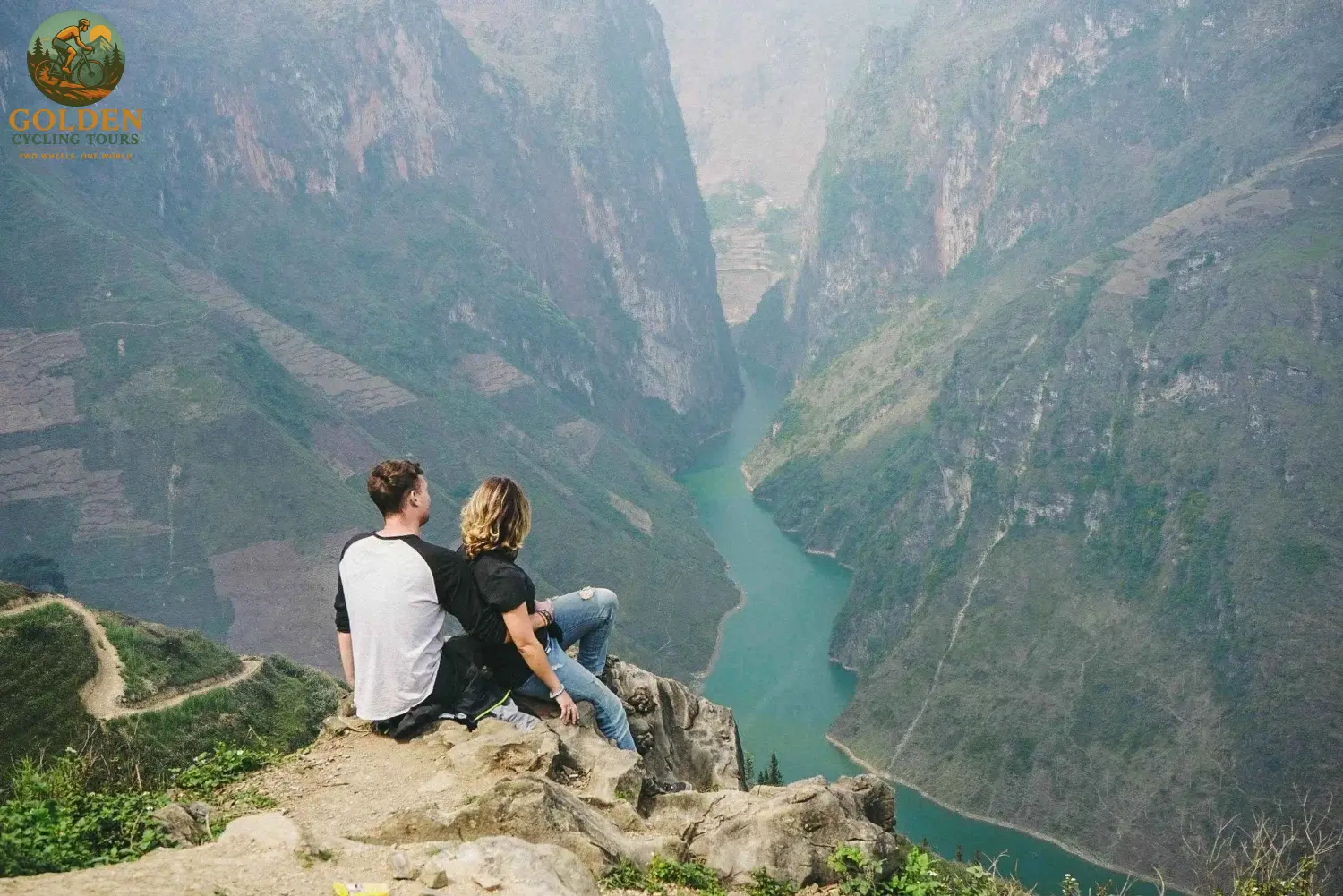
Cycling through the northern highlands of Indochina is more than an endurance challenge over dramatic mountain passes; it is an immersive journey into ancient heritage. Experiencing Ethnic Minority Cultures on a Northern Vietnam Bike Tour allows travelers to forge human connections with the diverse indigenous groups who have called these karst valleys home for centuries.
Whether you are navigating steep switchbacks or coasting down quiet valley tracks, combining bicycle exploration with cultural discovery offers an authentic perspective on Southeast Asia's most captivating frontier.
The high-altitude provinces of the northern frontier are home to over 30 distinct ethnic minority groups, including the Hmong, Red Dao, Tay, Nung, Giay, and White Thai communities. Each group maintains its own dialect, traditional architecture, agricultural practices, and textile arts.
Traveling by bicycle offers an ideal speed for cultural discovery. Unlike motorized transport, riding a bike lets you take in the sights, sounds, and rhythms of daily life in mountain hamlets.
The Hmong of the Karst Plateaus: Known for building villages among the rocky spires of the Dong Van Karst Plateau, the Hmong have mastered highland agriculture, cultivating corn and hemp in small soil pockets between limestone boulders.
The Red Dao of High Mountain Forests: Easily recognized by their bright red turbans and elaborate silver jewelry, the Red Dao inhabit mountain slopes around Sapa, Hoang Su Phi, and Cao Bang. They are renowned for their traditional herbal bath remedies and extensive knowledge of forest plants.
The Tay and Nung of River Valleys: Residing in spacious wooden stilt houses near rivers and lakes in Cao Bang and Ba Be National Park, the Tay and Nung practice wet-rice farming and craft delicate bamboo waterwheels that channel water into valley paddies.
The White Thai of Verdant Basins: Centered around the scenic valleys of Mai Chau and Pu Luong Nature Reserve, the White Thai live in timber stilt homes and are famous for their hospitality, folk dances, and handloom weaving.
Riding through these regions on a guided journey through Cycling Northern Vietnam with Golden Cycling Tours provides deep cultural context and respectful access to village life.
Entering remote ethnic minority villages by bicycle creates natural, friendly encounters. Because cyclists travel under their own power without noisy engines, villagers often welcome riders into their hamlets with genuine warmth.
To ensure every interaction is positive and respectful, following established cultural guidelines is essential when Experiencing Ethnic Minority Cultures on a Northern Vietnam Bike Tour.
Dress Appropriately: Wear modest clothing when pedaling through ethnic minority villages or stepping inside private stilt homes. Keep shoulders and knees covered when off the bike or resting at homestays.
Ask Before Photographing: Always request permission with a simple smile, gesture, or phrase before capturing close-up portraits of village elders, weavers, or children.
Respect Sacred Spaces: Avoid touching ancestral altars located inside traditional houses, and ask your guide before entering village ceremonial grounds or spirit forests.
Support Local Crafts Direct: Purchasing handmade indigo textiles, silver brooches, or hand-carved wooden utensils directly from artisan families ensures your travel spend directly benefits local households.
Different geographic regions in the north feature distinct ethnic cultures, landscapes, and cycling terrain.
The northernmost province presents dramatic karst landscapes and vibrant ethnic minority traditions.
Cultural Highlights: Ride through Hmong, Red Dao, and La Chi villages across Hoang Su Phi and Dong Van. Visit the historic Hmong King Palace in Sa Phun Valley, explore the Sunday market in Dong Van, and observe traditional hemp weaving in Lung Tam Village.
Terrain & Scenery: Tackle steep mountain passes including Quan Ba Pass, Sky Gate Pass, and the famous Ma Pi Leng Pass overlooking Tu San Canyon and the turquoise Nho Que River.
Recommended Tours: Experience this high-altitude journey on a supported 10-day Ha Giang Loop & Hoang Su Phi Cycling Adventure or explore specialized Ha Giang bike tours.
Located in the northeast, Cao Bang features limestone karst sugarloaf towers, tranquil rivers, and ancient Tay and Nung settlements.
Cultural Highlights: Stay in traditional Tay wooden stilt homes near Ba Be Lake, observe blacksmithing in Phuc Sen Nung Village, and interact with local fishermen paddling dugout canoes.
Terrain & Scenery: Pedal through quiet valley trails passing Thong Nong and Quang Uyen to reach the roaring, multi-tiered cascades of Ban Gioc Waterfall on the border with China. Continue south into Ba Be National Park.
Recommended Tours: Book the comprehensive 15-day Best of Northeast Vietnam Cycling Tour, join targeted Cao Bang bike tours, relax on Ba Be Lake bike tours, or browse all regional Vietnam Northeast bike tours.
For cyclists seeking smooth valley riding through green rice basins, the southwest circuit from Hanoi offers a peaceful journey.
Cultural Highlights: Experience White Thai culture in Mai Chau, see ancient wooden waterwheels engineered by Muong and Thai farmers in Pu Luong Nature Reserve, and explore centuries-old pagodas among the limestone monoliths of Ninh Binh and Tam Coc.
Terrain & Scenery: Enjoy gentle, rolling terrain along rural paths, singletrack rice paddy dikes, and scenic dirt roads.
Recommended Tours: Ride these scenic valleys on a 4-day Mai Chau to Pu Luong cycling adventure or customize your trip with Mai Chau bike tours and Pu Luong bike tours.
For smooth pedaling assistance across rolling hills, try the premium 6-day Mai Chau, Pu Luong & Ninh Binh e-bike tour or select from modern Vietnam e-bike tours.
Food is a central pillar of ethnic minority culture. Dining in homestays gives cyclists a taste of fresh, energy-dense mountain cooking.
After a challenging day climbing pass switchbacks like O Quy Ho Pass or Khau Pha Pass, gather around a low wooden table for a traditional family meal.
Nutritious Local Staples: Enjoy steaming bowls of chicken Pho with star anise, charcoal-grilled mountain pork seasoned with wild mac khen forest pepper, stir-fried jungle ferns with garlic, and sticky rice steamed inside bamboo tubes.
Cultural Toasting Traditions: Homestay dinners often feature local hospitality rituals, including sharing a small toast of corn wine or cassava rice wine with your host. Accepting with both hands is a polite gesture of gratitude.
In regional centers like Dong Van, Meo Vac, Sapa, and Cao Bang, visit lively morning markets where vendors prepare hot soups and fresh rice rolls over open fires. At homestays in Pu Luong Nature Reserve and Mai Chau, hosts serve fresh farm-to-table dishes on woven bamboo trays.
Restful sleep is vital for muscle recovery during multi-day bicycle tours.
Authentic Stilt Homestays: Sleep in traditional wooden stilt houses built by Tay or White Thai hosts. Enjoy clean bedding, private mosquito netting, modern hot showers, and stunning views over green valleys as the morning mist clears.
Boutique Eco-Lodges: For travelers who prefer additional comfort after long rides, regional eco-lodges offer infinity pools overlooking deep valleys, spa services for tired legs, and farm-to-table dining. Explore curated options with Vietnam luxury bike tours.
Transporting bicycles and gear between remote starting points and Hanoi requires reliable vehicle support.
Dedicated SAG-Wagon Backup: Having a climate-controlled support vehicle following your group ensures your heavy luggage travels ahead safely. It offers instant access to fresh water, fruits, and mechanical support whenever needed.
Equipment Care: Professional bike racks protect derailleur hangers, brake lines, and frames during transit over rugged mountain roads.
Choosing the right time of year ensures comfortable riding temperatures, dry road conditions, and clear visibility across pass summits.
Autumn is the prime season for cycling in Northern Vietnam. Summer rains fade away, leaving clear skies, low humidity, and pleasant temperatures between 18°C and 25°C.
This window coincides with the golden rice harvest across Mu Cang Chai, Hoang Su Phi, and Mai Chau. Entire valleys transform into shimmering golden terraces, and local villages celebrate with seasonal harvest festivals.
Spring brings mild temperatures and blossoming landscapes. Peach, plum, and mustard flowers blanket the slopes of Dong Van Karst Plateau. Valleys fill with water for the planting season, turning rice fields into giant mirrors reflecting mountain peaks.
Winter (December to February) brings cold temperatures and dense fog to high passes like O Quy Ho Pass. Warm thermal layers and bright LED tail lights are recommended.
Summer (June to August) brings warm temperatures and brief afternoon rain showers. Riding with support vehicle backup provides flexibility to rest or skip heavy downpours safely.
Here is what international riders say after exploring the northern minority villages with Golden Cycling Tours:
"Pedaling into Tay villages around Ba Be Lake and sharing home-cooked dinners in a wooden stilt house was the highlight of our journey. The local guides made cultural connections easy and meaningful!" – Sarah & James L., Australia
"Riding through Hoang Su Phi during the golden harvest was breathtaking. The scenery on Ma Pi Leng Pass was incredible, and the hospitality of our Hmong homestay hosts made us feel like family." – Markus K., Germany
When traveling on a guided tour with Golden Cycling Tours, your bilingual local leader handles translation, explains cultural nuances, and facilitates warm conversations with hosts.
Yes! Modern stilt homestays featured on guided bike tours offer comfortable mattresses, clean linens, mosquito netting, Western-style flush toilets, and hot showers while preserving traditional wooden architecture.
Rather than distributing candy or money, which can encourage begging, it is best to donate educational supplies like books or pens to village schools through your local guide or homestay host.
Yes! E-bikes with mid-drive motors allow riders of all fitness levels to climb mountain passes like Khau Pha Pass effortlessly, leaving plenty of energy to explore ethnic villages at the end of the day.
While high-quality helmets and bikes are provided on all guided tours, bringing your own clip-in pedals, familiar saddle, and personal helmet ensures maximum comfort during multi-day rides.

.jpg "Thai Binh Vietnam Bicycle")
.jpg "Phu Tho Vietnam Cycling")
.jpg "Thai Nguyen Cycling Vietnam")
.jpg "Tuyen Quang Cycling Vietnam")
.jpg "Vinh Phuc Cycling Vietnam")
Leave a Reply
Your email address will not be published. Required fields are marked *