- Call us Via Whatsapp: +84 (0) 832 126 699
4.9 stars on our site
(15,000 reviews)
- Monday - Sunday : 08:00 - 17:00
(15,000 reviews)

The far northern frontier of Vietnam is a place where fantasy and reality collide. It is a vertical world constructed of towering limestone monoliths, impossibly deep river canyons, and narrow roads that cling precariously to the edges of sky-high cliffs. Historically, exploring this untamed paradise required either the mechanical grit of a manual motorbike or the elite physical conditioning of a professional mountain climber. Today, a technological revolution has opened this legendary landscape to adventurers of all fitness levels. Welcome to the era of high-performance electric cycling in the far north.
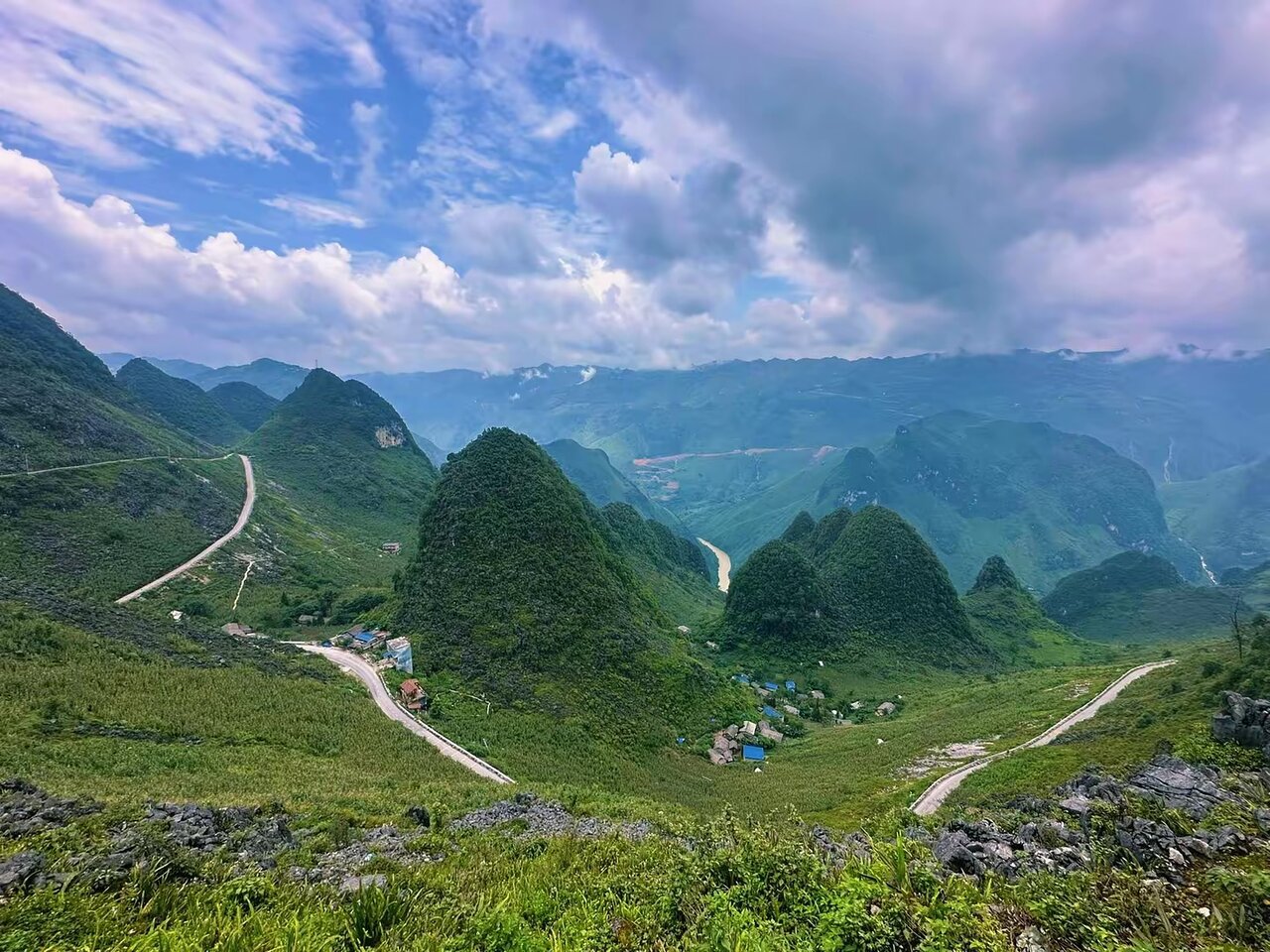
For those seeking an active, sustainable, and deeply immersive journey, opting for an electric-assisted bicycle is the single best way to experience the legendary northern mountains. In this comprehensive guide, we will explore the magic, logistics, culture, and gastronomy of this pristine region. If you are preparing to conquer the dramatic karst highways, this ultimate manual, titled Electric Bike Tours Ha Giang: The Ultimate Guide to Riding the Loop, will serve as your definitive roadmap to an unforgettable holiday.
Let us dive deep into the heart of the mountains and discover why a premium e-bike adventure with Golden Cycling Tours is the ultimate travel experience in Vietnam.
The rugged topography of northern Vietnam has always acted as both a magnet for adventure seekers and a barrier for traditional cyclists. The steep climbs of legendary mountain passes can easily drain the energy of even the most experienced riders, leaving little stamina to enjoy the spectacular scenery and rich cultural interactions.
Electric-assisted bicycles have completely changed the landscape of active travel. By integrating a silent, powerful mid-drive electric motor with responsive pedal-assist technology, e-bikes allow riders to conquer dramatic vertical climbs with a sense of ease and joy.
Rather than struggling against gravity on grueling 15 percent gradients, you can choose the exact level of motor assistance you need. This means you can keep your heart rate in a comfortable zone, actively engage your muscles, and maintain a steady pace while climbing to the roof of Indochina.
Crucially, an e-bike does not ride itself; it amplifies your own physical effort. You still pedal, steer, and actively engage with the road, but the motor flattens out the steepest peaks, making long-distance mountain journeys highly accessible. It is the perfect blend of active exercise and comfortable exploration, making Vietnam E-bikes Tours the fastest-growing travel trend in Southeast Asia.
The geological playground of the far north is defined by the globally celebrated Dong Van Karst Plateau Geopark, a UNESCO-recognized site of extraordinary geological and cultural significance. Covering four northern districts, this massive plateau is characterized by towering limestone peaks, deep valleys, and dramatic rocky labyrinths that date back millions of years.
Cycling through the geopark is an incredible sensory experience. You will ride past vast fields of jagged gray rocks where local ethnic families have carved out tiny patches of soil to grow corn. You will descend into lush, green valleys where rivers have cut deep, vertical canyons into the limestone crust.
The crown jewel of this geological wonder is the legendary Ma Pi Leng Pass, widely considered the king of Vietnamese mountain passes. Clinging to the sheer cliffs of the karst plateau, this spectacular road overlooks the jaw-dropping Nho Que River Gorge, the deepest canyon in Southeast Asia. To ride this pass on an electric bicycle, with the wind in your face and the emerald-green river winding through the canyon far below, is a truly spiritual experience.
By booking a specialized tour like Ha Giang Bike Tours, you ensure that you are guided by local experts who understand the unique geography, microclimates, and hidden trails of this massive stone fortress.
To help you visualize your journey, here is a meticulously designed five-day loop itinerary managed by the professional team at Golden Cycling Tours. This route is optimized for electric mountain bikes, ensuring you spend your days on beautiful, traffic-free backroads while avoiding heavy commercial traffic.
Your mountain adventure begins in the bustling hub of Ha Giang City. After a comprehensive bike fitting and safety briefing with your tour leader, you will mount your premium electric bike and begin the gradual climb toward the high plateau.
The first major physical challenge of the journey is the legendary Bac Sum Pass. This winding road features a series of sharp hairpin turns that snake up the side of a massive mountain. With your e-bike’s motor set to a comfortable assist mode, you will glide smoothly up the steep slopes, enjoying the panoramic views of the valleys below.
After conquering the pass, you will reach the majestic Quan Ba Heaven Gate, the official gateway to the karst plateau. From this high viewpoint, you can look out over the iconic Twin Mountains (also known as Co Tien Mountain), two perfectly symmetrical limestone hills that rise gracefully from the flat valley floor.
You will spend your first night in a beautiful local lodge in Quan Ba, surrounded by towering peaks and fresh mountain air.
Today's ride takes you deeper into the heart of the UNESCO geopark. You will pedal along quiet, winding roads that run parallel to the scenic Mien River, before beginning the famous climb up Tham Ma Pass.
This iconic pass is a legendary, snake-like road that climbs a narrow mountain gap. It is historically famous as the place where locals tested the strength of their pack horses. Today, your electric mountain bike will make light work of the steep, winding turns.
At the top of the pass, you will stop to enjoy the spectacular views before descending into the peaceful Sung La Valley. This fertile valley is home to the scenic Hmong village of Lung Cam, famous as the filming location for the acclaimed Vietnamese film "Pao’s Story." You can visit Pao's House, a beautifully preserved traditional Hmong clay stilt house surrounded by fields of buckwheat flowers.
Continuing northward, you will pass through the spectacular limestone landscapes of Sa Phin, where you can visit the historic Hmong King Palace (the palace of Vuong Chinh Duc). This massive stone-and-wood mansion features a unique blend of traditional Hmong architecture and Chinese Qing Dynasty design, reflecting the rich history of the region.
The day ends in the historic town of Dong Van, where you can explore the charming Dong Van Old Quarter with its century-old clay houses and vibrant local markets.
This is the queen stage of your cycling journey, featuring some of the most dramatic and iconic landmarks in all of Vietnam.
In the morning, you will cycle northward toward the sacred Lung Cu Flag Tower, the northernmost point of Vietnam. Perched on the peak of Dragon Mountain, this massive flag tower offers sweeping, 360-degree views of the rugged border region with China. Climbing the stone steps to the tower’s base is a proud and memorable moment for any traveler.
Returning southward, you will begin the ultimate climb of the journey: the magnificent Ma Pi Leng Pass. Stretching over 20 kilometers, this legendary road clings precariously to vertical cliffs, offering unparalleled views of the vertical Tu San Canyon and the emerald-green Nho Que River winding far below.
After conquering the pass, you will descend to the riverbanks for a peaceful boat ride through the deep canyon, looking up at the sheer limestone walls that rise nearly 1,000 meters above the water.
You will spend the night in the bustling mountain town of Meo Vac, nestled in a deep valley surrounded by dramatic karst peaks.
Today’s route takes you through some of the most remote, wild, and untouched landscapes of the northern highlands. You will ride along narrow, unpaved backroads that wind through the rugged mountains of Lung Ho.
This section of the ride offers a true wilderness experience. You will cycle past small, isolated ethnic settlements where local children in colorful traditional clothing will run to the roadside to wave and cheer you on. The quiet, empty roads allow you to fully immerse yourself in the raw natural beauty of the mountains.
After a long and rewarding ride, you will descend into the beautiful valley of Du Gia Village. This peaceful community is home to the Tay and Hmong ethnic groups, characterized by traditional wooden stilt houses built over beautiful green rice paddies and crystal-clear mountain streams.
You can relax your tired muscles with a refreshing dip in the cool waters of the scenic Du Gia Waterfall, located just a short ride from the village center.
The final stage of your loop takes you through quiet valleys and pine forests as you make your way back toward the lowlands.
You will enjoy a scenic, undulating ride along quiet mountain roads, passing through local markets and peaceful farming communities. The gentle assist of your e-bike’s motor will help you navigate the final climbs of the journey before a long, thrilling descent back to the fertile valleys of Ha Giang City.
In the afternoon, you will meet your support vehicle, pack your gear, and enjoy a comfortable, air-conditioned transfer back to Hanoi, reflecting on the incredible physical and cultural journey you have just completed.
One of the most rewarding aspects of any mountain journey is the opportunity to interact with the rich mosaic of ethnic minority groups that call these highlands home. The far north is a diverse cultural melting pot, home to the Hmong, Tay, Dao, Nung, and Lo Lo ethnic groups. Each community possesses its own unique language, beautiful traditional costumes, distinctive architecture, and ancient customs.
To ensure your journey is culturally respectful and mutually beneficial, it is essential to follow basic cultural guidelines:
When visiting local villages, always dress modestly. While specialized cycling apparel is perfectly acceptable on the road, it is respectful to cover your shoulders and knees when wandering through residential areas, local homes, and sacred spaces.
Always ask for permission before taking photographs of local people, especially children, the elderly, and women in traditional costumes. A warm smile and a polite gesture with your camera are usually enough to establish a positive connection.
Avoid giving candy, money, or cheap plastic trinkets directly to children in remote villages. While well-intentioned, this can encourage begging and dependency, and plastic waste is difficult to manage in remote areas. If you wish to support local communities, discuss with Golden Cycling Tours about making a direct contribution to local schools, community libraries, or healthcare centers.
When staying at a traditional stilt house, always remove your shoes before entering the living quarters unless told otherwise by your host. Be mindful of sacred areas, such as the central hearth and ancestral pillars, and follow your guide's advice on where it is appropriate to sit and rest.
To successfully complete your daily cycling stages, proper nutrition is essential. Fortunately, northern mountain cuisine is incredibly fresh, flavorful, and packed with the clean, complex carbohydrates and rich proteins required for active recovery.
Thang Co is a traditional Hmong soup made from horse meat and offal, slowly simmered with over twelve different wild mountain herbs, including cardamom, star anise, lemongrass, and cinnamon. Commonly found at vibrant weekend markets, this rich, earthy soup is best enjoyed hot alongside a small cup of local corn wine.
Au Tau Porridge (also known as Chao Au Tau) is a legendary specialty of the far north, made from local mountain rice, pork trotters, and the root of the wild aconite plant. The root requires meticulous, multi-hour preparation to remove its natural toxins, resulting in a rich, comforting, and slightly bitter porridge that is believed to soothe tired muscles, improve joint health, and promote deep, restorative sleep.
Com Lam (bamboo-tube sticky rice) is the ultimate natural energy bar for cyclists. Fragrant sticky rice is packed inside fresh bamboo segments, sealed with banana leaves, and slowly roasted over hot wood embers. It is a highly portable, delicious, and clean source of energy that you can easily carry in your cycling jersey.
Lau Ga Den (black chicken hotpot) is a highly nutritious and restorative dish made from free-roaming black-skinned chickens raised by local ethnic families. The meat is sweet and tender, cooked in a bubbling broth infused with wild forest mushrooms, goji berries, and fresh local greens.
While riding with Golden Cycling Tours, your daily meals will be carefully selected to showcase the absolute best of local cuisine.
During the day, you will stop at clean, family-run roadside eateries that serve fresh, stir-fried mountain vegetables, savory clay pot dishes, and piping-hot noodle soups.
In the evenings, dinners at your homestays are served banquet-style. You will sit around a communal table, sharing large platters of spring rolls, grilled meats, and seasonal vegetables, often accompanied by the host's homemade "happy water" (rice or corn wine) used to toast your successful day of riding.
A comfortable, refreshing night's sleep is critical when tackling consecutive days of high-altitude mountain cycling. The accommodation options along the loop cater to a wide variety of travel styles, ranging from rustic simplicity to sustainable luxury.
For travelers seeking an authentic cultural experience, staying in a community homestay is highly recommended. In places like Du Gia Village and Thon Tha Village, you can sleep in traditional wooden stilt houses built by the Tay or Hmong people.
While the sleeping areas are typically communal—featuring comfortable mattresses laid out on clean bamboo floors with private partitions and mosquito nets—the facilities are equipped with modern western toilets, hot showers, and high-speed Wi-Fi. Waking up to the sound of birds and the morning mist rising off the rice fields is an experience no modern hotel can replicate.
If you prefer more private, comfortable quarters while remaining deeply connected to nature, the region boasts several spectacular ecolodges. Properties like the H'Mong Village Resort in Quan Ba feature private stone bungalows designed in the shape of traditional Hmong woven baskets, perched on dramatic ridges overlooking deep valleys. These lodges offer spectacular infinity pools, professional spa facilities, and organic farm-to-table restaurants.
For those who want to experience the mountains in ultimate comfort, booking Vietnam Luxury Bike Tours ensures you stay in high-end boutique hotels and premium resorts. These properties offer world-class amenities, premium bedding, and international dining options, providing the perfect environment to rejuvenate your body after a challenging day on the road.
Planning a remote mountain expedition requires careful logistical coordination. Understanding how to get to the starting point and how the support systems operate is crucial for a safe and seamless holiday.
The journey to the far north typically begins in the capital city of Hanoi. The most comfortable and efficient way to travel is via premium limousine buses or private air-conditioned cars, which take approximately 5 to 6 hours to cover the 300-kilometer route. Many travelers opt for overnight sleeper buses, which feature comfortable, reclining berths, allowing you to wake up at the starting point refreshed and ready to ride.
During your tour with Golden Cycling Tours, you will be accompanied by a dedicated, air-conditioned support vehicle. This vehicle carries all your luggage, spare bicycle parts, professional tools, first-aid kits, and fresh water.
Most importantly, the support vehicle is always there if you feel tired or encounter a hill that is simply too steep to climb. You can easily hop into the support van to rest, enjoy a cold drink, and rejoin the ride whenever you feel ready.
Additionally, the support vehicle acts as a mobile charging station for your e-bike batteries, ensuring that your machine always has plenty of power to tackle the highest climbs.
For travelers with more time, a mountain e-bike tour can easily be combined with other spectacular cycling destinations across Vietnam. Golden Cycling Tours offers a comprehensive network of active holidays that showcase the incredible diversity of the country.
Before heading into the mountains, starting with Hanoi Bike Tours is highly recommended. This allows you to explore the peaceful banana plantations of Red River Island, navigate ancient agricultural villages, and adjust to the local riding climate.
Just south of the capital lies the breathtaking province of Ninh Binh, often referred to as "Ha Long Bay on Land." Here, massive limestone towers rise abruptly from flat, green rice paddies. Booking Ninh Binh Bike Tours provides a fantastic contrast to high-mountain climbing, offering flat, highly scenic cycling along dyke paths, through ancient temple complexes, and into the heart of Cuc Phuong National Park.
For those who love lush greenery and rich minority cultures, the Northwest offers spectacular riding. You can explore the flat, peaceful paths of Mai Chau Bike Tours or tackle the steep, forested slopes of Pu Luong Bike Tours within the pristine Pu Luong Nature Reserve.
Further north lies Sapa, a historic hill station nestled in the shadow of the mighty Fansipan Peak. The routes here are legendary, and booking Sapa Bike Tours allows you to challenge your climbing limits while encountering the colorful Red Dao and Black Hmong communities.
To experience this entire geographical marvel in one seamless journey, serious riders often opt for the comprehensive Vietnam Northwest Bike Tours.
To the east of the high plateau lies the historic province of Cao Bang, characterized by gentle river valleys, dense forests, and incredible water systems. Participating in Cao Bang Bike Tours allows you to cycle along border-lining rivers, explore ancient stone-village communities of the Tay people, and reach the magnificent Ban Gioc Waterfall, one of the largest and most beautiful border waterfalls in the world.
For a complete immersion into the wild, rocky landscapes of the east, the Vietnam Northeast Bike Tours package brings together the absolute highlights of this geologic wonder.
For travelers seeking the ultimate active holiday, combining these regional routes into a larger tour is the definitive way to see the country.
You can book the comprehensive Cycling Northern Vietnam package, which links the Northwest and Northeast into one epic mountain traverse.
For the ultimate bucket-list adventure, the massive Cycling North to South Vietnam expedition takes you across the entire length of the country, transitioning from the high-altitude peaks of the far north to the fertile waterways of the Mekong Delta.
"I have always wanted to ride the far northern loop, but at 58, my knees simply aren't up to climbing thousand-meter passes on a conventional bike. Booking the e-bike tour with Golden Cycling Tours was an absolute game-changer! The premium electric mountain bikes were in pristine condition, and the pedal-assist motor made climbing the legendary Ma Pi Leng Pass feel like a walk in the park. I was able to focus entirely on the jaw-dropping views of the Nho Que River rather than struggling to turn the pedals. The support van was always nearby with fresh fruit and cold water, and our guide, Dung, was fantastic. An unforgettable trip!" — Michael S., United Kingdom
"We booked the 5-day loop using their premium electric mountain bikes, and it was hands down the best holiday of our lives. The route was carefully planned to avoid busy highways, taking us through spectacular backroads and remote villages in Lung Ho. Staying at the Tay stilt house in Du Gia Village was an absolute highlight, and the local food was fresh and incredibly delicious. The e-bikes allowed us to ride together comfortably despite our different fitness levels. If you are planning a mountain adventure, this is the only way to go!" — Clara & Thomas L., Germany
"Our family did the Grand Northeast Tour with Golden Cycling Tours, and the logistics were absolutely flawless. The support team took care of every single detail, from carrying our luggage and keeping our e-bike batteries fully charged to arranging incredible culinary banquets at every stop. Cycling past the Twin Mountains in Quan Ba and reaching the majestic Ban Gioc Waterfall in Cao Bang were moments we will treasure forever. The local guides were incredibly knowledgeable and made us feel like family. Simply outstanding!" — The Robertson Family, Canada
Are you ready to challenge your boundaries, witness the most dramatic landscapes on Earth, and connect deeply with ancient mountain cultures?
As detailed throughout this comprehensive manual, Electric Bike Tours Ha Giang: The Ultimate Guide to Riding the Loop, the combination of modern electric assist with expert local guiding unlocks the true magic of the highlands. Whether you want to glide up legendary passes on a high-performance e-bike or combine your mountain loop with a relaxing cruise through the flat rice paddies of Ninh Binh, the travel experts at Golden Cycling Tours are ready to craft your perfect custom itinerary.
Contact our team today, choose your dream machine, and let's start planning the cycling journey of a lifetime!
The premium electric mountain bikes used on our tours are equipped with high-capacity lithium-ion batteries that provide an average range of 70 to 100 kilometers on a single charge, depending on the level of assist used and the weight of the rider. Because our support vehicle carries spare, fully charged batteries and can swap them out during our lunch stops, you never have to worry about running out of power on the road.
Yes! While the physical terrain is mountainous and challenging, the electric-assist motor flattens out the steepest climbs, making the journey highly manageable for riders of all experience levels. Additionally, our support van is always nearby, allowing you to rest and ride in the vehicle whenever you feel like taking a break.
The prime seasons for riding are spring (March to May) and autumn (September to November). During these months, the weather is dry, cool, and highly predictable. Autumn is particularly famous because it coincides with the golden harvest season, when the terraced rice fields turn a brilliant gold. Winter (December to February) can be quite cold and foggy, while summer (June to August) brings heavy rains and high heat, making mountain roads more challenging.
Key essentials include:
High-quality padded cycling shorts to ensure comfort during consecutive days of riding.
A lightweight, packable windbreaker or rain jacket to protect against sudden mountain showers and chilly descents.
Sturdy, comfortable athletic shoes or cycling-specific shoes.
High-factor sunscreen, sunglasses, and insect repellent.
Comfortable, casual clothing for relaxing in the evenings at local homestays and ecolodges.
Yes, safety is our absolute number one priority. All riders are provided with high-quality, certified safety helmets, and all bikes undergo rigorous safety inspections by our professional mechanics before and after every single stage.
Our support vehicle is equipped with a custom charging station that charges the spare batteries while we ride. In the evenings, we plug the chargers into standard wall outlets at our homestays and hotels, ensuring that all batteries are fully charged and ready to go by morning.

.jpg "Cycling in Vietnam in March")
.jpg "Vietnam mountain bikes Trail")
.jpg "Vietnam Biking Trails")
.jpg "Ha Giang Cycling Tours")
Leave a Reply
Your email address will not be published. Required fields are marked *