- Call us Via Whatsapp: +84 (0) 832 126 699
4.9 stars on our site
(15,000 reviews)
- Monday - Sunday : 08:00 - 17:00
(15,000 reviews)

Few travel experiences match the sheer freedom of exploring a country on two wheels. When that country is Vietnam, and the route winds through a dramatic mosaic of emerald rice fields, ancient ancestral villages, and coastal lagoons framed by towering mountains, it becomes the adventure of a lifetime. If you are ready to peel back the layers of tourist hotspots, step into a timeless world of farming traditions, and connect deeply with the warm-hearted locals, it is time to plan your journey. This comprehensive guide will help you experience a spectacular Bike Through Central Vietnam Villages: Rural Cycling Guide.
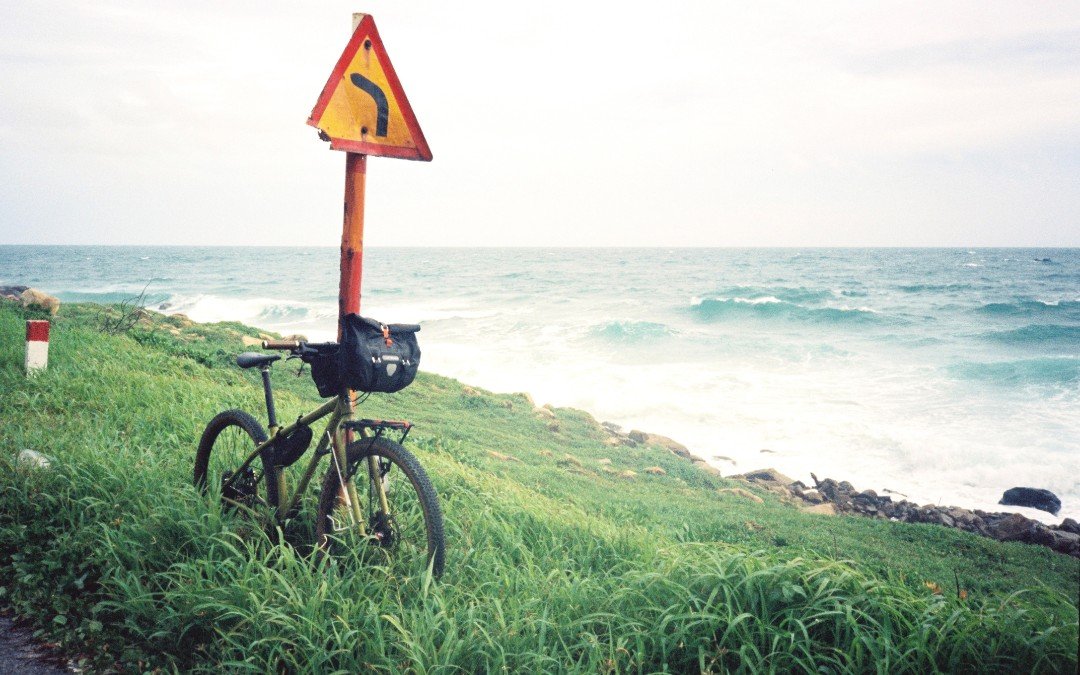
This iconic cycling corridor represents the absolute pinnacle of slow travel in Southeast Asia. While most tourists zip between cities on trains or motorways, the true heart of Vietnam beats in its quiet, rural hamlets. From the tranquil agricultural islands surrounding Hoi An Ancient Town to the historic villages flanking the poetic imperial capital of Hue, every twist in the lane reveals a scene of timeless pastoral beauty.
To turn this dream of a rural escape into a seamless reality, booking with a professional tour operator is highly recommended. To ensure you have access to top-of-the-line equipment, expert local guides who act as cultural interpreters, and dedicated support vehicles, you can partner with Golden Cycling Tours, the premier specialist in crafting unforgettable Vietnamese cycling expeditions.
Let us delve into this comprehensive, masterfully curated guide to help you plan, prepare, and execute an unforgettable journey through the rural roads and hidden villages of Central Vietnam.
Cycling allows you to experience a destination with all five senses. Unlike looking through the glass of a tour bus window, riding a bicycle lets you feel the sudden drop in temperature as you pedal beneath a canopy of ancient bamboo, smell the fragrance of sweet blossoms and burning rice straw, and hear the rhythmic clacking of weaving looms from family workshops. When you choose to explore this region on two wheels, you are choosing a pace that respects the landscape and invites genuine interaction.
The rural areas of Central Vietnam are geographically unique. They occupy a narrow strip of land where the mighty slopes of the Annamite Range taper down toward the East Vietnam Sea. This physical layout has created a fascinating variety of micro-ecosystems and cultures. Within a few miles of riding, you can transition from an organic vegetable farm to a fishing village situated on a brackish lagoon, or climb into the misty foothills where ethnic minority communities maintain their ancient traditions.
For travelers who fall in love with this style of slow, immersive exploration, Central Vietnam is often just the beginning. The country offers an incredibly diverse array of rural paths to explore. You can venture into the serene northern valleys on our highly popular Ninh Binh Bike Tours, discover the rustic stilt-house villages with Mai Chau Bike Tours, or experience the dramatic limestone terraced valleys through Pu Luong Bike Tours. Exploring by bicycle is the absolute best way to discover the authentic essence of these beautiful regions.
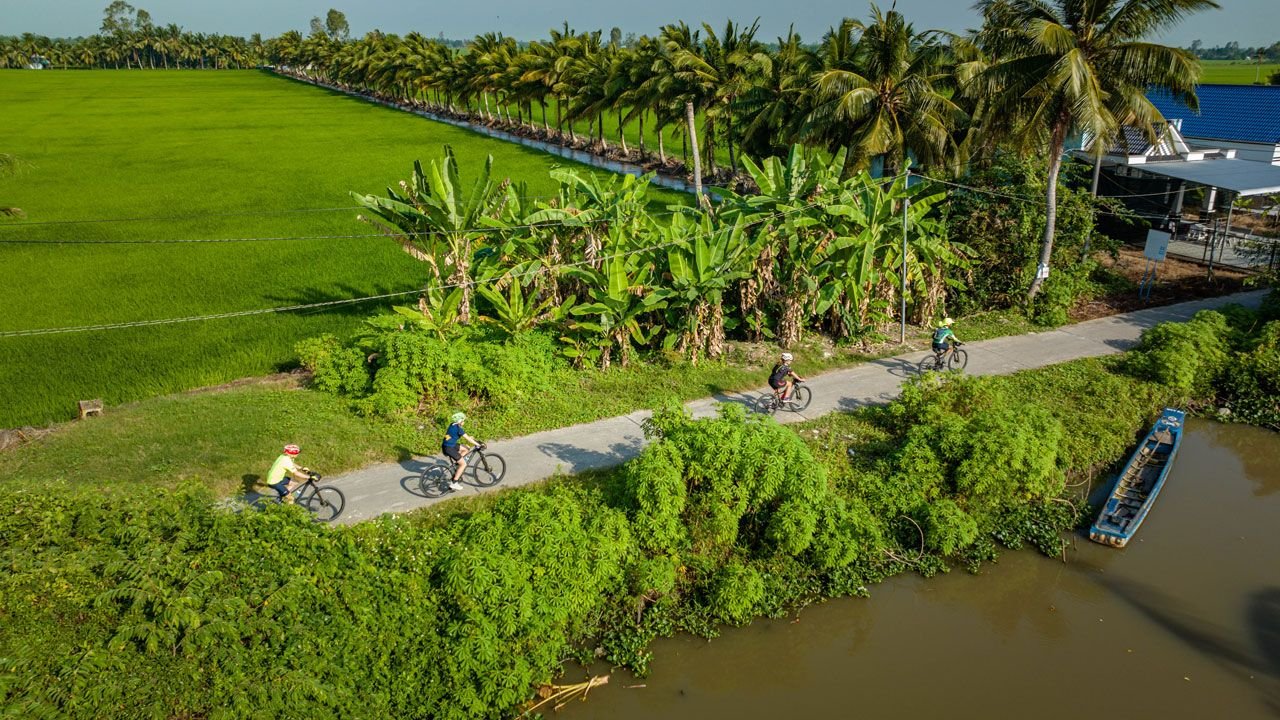
Your journey begins in the countryside surrounding the UNESCO-listed Hoi An Ancient Town. Cross the Thu Bon River to reach Cam Kim Island, a quiet agricultural sanctuary where the modern world feels miles away. As you pedal along the narrow concrete pathways, you will ride past fields of corn, sweet potato, and peanuts. The island is famous for its traditional woodcarving workshops, where local artisans have spent generations carving intricate statues and building traditional wooden riverboats.
From Cam Kim Island, make your way to the famous Tra Que Vegetable Village. This small, tidy farming community is renowned across Vietnam for producing exceptionally fragrant herbs using ancient, organic farming methods. The farmers here do not use chemical fertilizers or heavy machinery; instead, they enrich the sandy soil with seaweed harvested daily from the nearby lagoon. The sight of farmers in conical hats watering their perfectly manicured rows of mint, basil, coriander, and lemongrass using traditional watering cans is a beautiful, peaceful image that captures the essence of rural life.
Continue your ride toward Cam Thanh Coconut Village, a coastal wetland dominated by vast forests of water coconut palms. Here, the local village life revolves around the water. You can watch fishermen casting net structures from their wooden boats or try your hand at navigating a traditional round bamboo basket boat through the narrow, palm-shaded canals.
Guided guests traveling with Golden Cycling Tours will have their bicycles perfectly adjusted before setting off, ensuring a highly comfortable ride as they navigate these narrow village lanes.
Pedaling north from Hoi An, the route follows quiet coastal paths toward Da Nang, a progressive metropolis that still preserves quiet pocket villages along its periphery. Before heading into the city center, stop at the spectacular Marble Mountains, a group of five marble and limestone hills rising dramatically from the coastal plain. Historically known as Ngu Hanh Son, these mountains shelter ancient Buddhist sanctuaries built directly into deep, natural caves.
Winding along the base of these mountains, you will pass through traditional stone-carving villages where artisans create magnificent sculptures using local stone. As you pedal further north, you will cross the majestic Han River via one of the city's modern architectural bridges, such as the famous Dragon Bridge.
Warm your muscles along the sweeping curves of Da Nang Bay, looking up at the green contours of the Son Tra Peninsula rising out of the water like a giant guardian. This flat, breezy stretch of coastal road is the perfect opportunity to find your rhythm, enjoy the refreshing sea breeze, and prepare your legs for the mountain terrain ahead.
Soon, the flat village lanes give way to the spectacular mountain terrain of the legendary Hai Van Pass. Known poetically as the Ocean Cloud Pass, this twenty-one-kilometer mountain highway climbs steadily across a spur of the Annamite Range, offering one of the most famous coastal cycling experiences in the world.
The southern ascent climbs for nine kilometers with an average gradient of five percent to six percent, making it a highly rewarding challenge for recreational cyclists. The road bends in grand, sweeping switchbacks, with each turn revealing an increasingly spectacular view of My Khe Beach and the distant skyline of Da Nang. To your right, the vast blue expanse of the ocean opens up; to your left, steep jungle cliffs rise into the swirling mountain mists that frequently crown the peak.
At an elevation of approximately five hundred meters, you will arrive at the summit, marked by the historic Hai Van Gate. Stop here to catch your breath, drink cool water, and explore the ancient brick fortifications that once served as a border post between historic kingdoms. The view from the top, looking back at the sweeping crescent of the bay and forward to the misty northern coastline, is a profound reward for your physical effort.
After conquering the peak, enjoy a thrilling eleven-kilometer descent down the northern side of the pass, gliding down toward the tranquil oasis of Lang Co Beach. The wide, well-paved curves offer spectacular views of the turquoise cove below, where red-roofed fishing cottages sit nestled along a white sandy spit.
At the base of the pass, you will enter the quiet world of Lang Co and the neighboring Lap An Lagoon. This massive brackish lagoon is framed by the towering blue peaks of the Annamite Range, creating a landscape of profound peace. Winding along the quiet lagoon road, you will see local oyster farmers tending to their wooden rafts and floating huts scattered across the quiet waters. Watch the fishermen operating traditional dip-net structures, which look like giant golden spiderwebs suspended over the glassy water.
For riders who want to add a rugged, deep-nature challenge to their rural itinerary, a detour into Bach Ma National Park is highly recommended. Located just a short distance from the coastal lagoon, this spectacular protected reserve protects one of the most biodiverse rainforests in Indochina.
The road climbing into the heart of the national park is exceptionally steep and challenging, winding through thick jungle canopy, past crumbling French colonial villas overgrown with green moss, and leading to spectacular viewpoints. At the heart of the reserve, you can hike to the roaring Do Quyen Waterfall, which plunges down a sheer three-hundred-meter cliff face.
If this style of deep-jungle, high-elevation challenge appeals to your sense of adventure, you should also consider exploring the remote northern highlands on our Ha Giang Bike Tours or dive into our rugged northern mountain circuits through Vietnam Northwest Bike Tours and Vietnam Northeast Bike Tours.
Leaving the coastal lagoons behind, the route veers away from the busy main highway to follow flat, quiet rural lanes that wind through the ancient countryside of Hue. This is where you will truly experience the quiet magic of the countryside. One of the major highlights of this leg is Thuy Thanh Village, home to the famous Thanh Toan Tile-Roofed Bridge. Built in the mid-eighteenth century, this beautiful wooden arched bridge features a rare tiled roof and built-in wooden platforms where local elders gather to rest, chat, and escape the midday heat.
Adjacent to the bridge is a small, fascinating agricultural museum displaying traditional farming tools like wooden plows, irrigation wheels, and rice-husking mills. The village of Thuy Thanh is surrounded by sweeping rice fields where duck herders guide large flocks of ducks through the watery paddies.
As you cycle further north, you will pass traditional salt pans, shrimp farms, and quiet coastal lagoons where fishermen cast their hand-woven nets from slender wooden canoes. The route brings you close to Thuan An Beach before heading inland along the peaceful banks of the Perfume River. Slowly, the quiet, tree-lined avenues of Hue, the former imperial capital, welcome you at the end of your epic ride.
When researching the best way to experience the countryside, travelers consistently find that choosing to Bike Through Central Vietnam Villages: Rural Cycling Guide provides the perfect balance of physical activity, cultural discovery, and raw natural beauty.
To truly appreciate this journey, one must understand the rich historical and cultural layers that define rural life in Central Vietnam. The villages you will ride through are not just scenic backdrops; they are living communities with deep spiritual traditions and ancient customs.
At the heart of every Vietnamese village is the communal house, known locally as the Dinh. This grand wooden building serves as the administrative, social, and spiritual center of the community. It is where elders meet to discuss village matters and where annual festivals are held to honor the village founder or the guardian spirit of the land.
As you cycle through these hamlets, you will also notice beautiful, colorful family ancestral temples. Ancestral worship is a core spiritual practice in Vietnam, and rural families take great pride in building and maintaining these elaborate shrines, which are often decorated with intricate ceramic mosaics depicting dragons, phoenixes, and lotus flowers.
In many villages, traditional artisanal crafts are still practiced in family-run workshops. As you ride, you will pass homes where artisans handcraft bright bundles of colorful incense sticks, weave traditional conical hats, or cast intricate bronze vessels. Stopping to watch these masters at work, feeling the warmth of their hospitality, and sharing a simple cup of green tea is often the most cherished highlight of the entire trip.
Cycling through rural lanes burns plenty of energy, and there is no better place to refuel than Central Vietnam. The region's cuisine is world-famous for its complex, bold flavors, using fresh herbs, fiery chilies, and savory seafood bases to create dishes that are distinct from both northern and southern Vietnamese food.
Before setting off into the rural areas, fuel your body in Hoi An with a plate of Cao Lau. This unique noodle dish is found only in Hoi An, featuring thick, chewy rice noodles topped with tender slices of barbecue pork, fresh local herbs, crispy rice crackers, and a splash of rich, savory broth. The secret to the noodles' unique texture lies in the water used to make them, which must be drawn from the ancient Ba Le Well in the town, mixed with wood ash from local trees.
In Da Nang, try a steaming bowl of Mi Quang. This signature dish of the region consists of wide flat rice noodles tinted yellow with turmeric, served in a rich, highly concentrated pork and shrimp broth. It is topped with tender slices of pork, whole shrimp, quail eggs, fresh herbs, toasted peanuts, and crispy sesame rice crackers that add a wonderful texture. Excellent local spots can be found along Hoang Dieu Street in Da Nang.
Another fantastic option is Banh Xeo, crispy savory crepes stuffed with pork, shrimp, and bean sprouts. You wrap pieces of the crispy crepe in fresh rice paper along with leafy green herbs and dip them into a thick, rich peanut and pork liver sauce that is incredibly satisfying after a morning of cycling.
When you arrive at Lap An Lagoon, prepare for an unforgettable seafood lunch. The rustic wooden restaurants built on stilts directly over the calm water serve the freshest catch imaginable.
Grilled Oysters: Plump oysters harvested directly from the lagoon, grilled over hot charcoal, and drizzled with fragrant scallion oil and crushed roasted peanuts.
Lemongrass Clams: Sweet, tender baby clams steamed in a clay pot with fresh lemongrass, ginger, and chili.
Garlic Butter Prawns: Freshly caught saltwater prawns sautéed in rich garlic butter, perfect for restoring your energy levels.
Hue is a legendary culinary destination, famous for both its fiery street food and its elaborate royal banquet dishes.
Bun Bo Hue: The ultimate post-ride recovery meal. This iconic spicy beef noodle soup features thick round rice noodles, tender beef shank, soft pork knuckles, and a rich, lemongrass-infused broth flavored with fermented shrimp paste. It is served with a mountain of fresh shredded banana blossoms and green herbs. You can find authentic bowls at local eateries on Ly Thuong Kiet Street in Hue.
Steamed Rice Cake Specialties: Try Banh Beo, tiny steamed rice cakes served in individual ceramic saucers topped with dried shrimp and crispy pork rinds; or Banh Loc, chewy translucent tapioca dumplings stuffed with savory shrimp and pork belly wrapped in banana leaves.
Com Hen: A unique local dish of cold rice or noodles topped with stir-fried baby clams, crispy pork skin, roasted peanuts, fresh herbs, and served with a bowl of hot, flavorful clam broth.
For an extra special evening, you can book a traditional garden house dinner where dishes are prepared according to royal recipes and presented as beautiful edible sculptures, such as birds and dragons carved from fresh vegetables.
A great night of sleep is essential for recovery when you are spending active days in the saddle. Fortunately, this rural route offers a fantastic range of accommodation options to suit every style and budget.
If you want to pamper yourself before your ride, Da Nang features some of the finest five-star beachfront resorts in Southeast Asia. Located along the shores of My Khe Beach, these properties offer luxurious private villas, stunning infinity pools overlooking the ocean, and world-class spas that are perfect for relaxing your muscles.
In Hoi An, choose an eco-lodge situated amidst the rice fields or along the quiet riverbanks. These beautifully designed properties offer a peaceful, nature-focused atmosphere where you can wake up to the sight of green fields and the gentle sound of birds singing.
For a peaceful, nature-focused overnight stay, choose one of the eco-resorts nestled on the quiet shores of Lang Co Beach. These properties offer beautifully designed villas surrounded by tropical gardens, allowing you to fall asleep to the gentle sound of the ocean waves.
If you are traveling on a budget, the beachside guesthouses along the main lagoon road offer exceptionally clean, comfortable, and affordable rooms run by incredibly warm local families who will make you feel right at home.
Experience the elegant charm of Hue by staying in a beautifully restored French colonial hotel or a boutique heritage property located along the banks of the Huong River. These historic hotels feature classic architecture, leafy tropical courtyards, and a quiet, nostalgic atmosphere that perfectly matches the poetic character of the city.
For a deeply personal cultural experience, opt for a charming riverside homestay located within a traditional garden house. Here, you can stay with local hosts, explore their ancient family ancestral shrines, and enjoy delicious home-cooked meals prepared with fresh ingredients grown in their own garden.
If you prefer a highly curated, premium travel experience featuring stays at the most exclusive and culturally authentic properties across the country, explore our specialized Vietnam Luxury Bike Tours.
Successfully navigating the diverse terrains of this rural route—from flat village lanes and unpaved country paths to steep mountain climbs—requires the right equipment and seamless logistics support.
Your choice of bicycle will greatly influence your comfort and enjoyment on the road.
Hybrid Touring Bikes: These are the most popular and versatile choice for the route. They combine a lightweight frame with comfortable upright geometry, a wide range of gears to conquer steep climbs, and durable, medium-width tires that roll smoothly on paved roads while providing excellent grip on dirt paths and gravel village lanes.
Road Bikes: Ideal for experienced, fitness-oriented cyclists who want to maximize speed and efficiency on the smooth asphalt climb of the Hai Van Pass.
Electric Assist E-Bikes: If you are concerned about your physical fitness or have not cycled in a long time, an e-bike is an absolute game-changer. The electric motor provides a gentle, adjustable boost as you pedal, allowing you to conquer the steep climbs of the Hai Van Pass and glide through rural paths with ease, so you can focus entirely on enjoying the spectacular scenery. Golden Cycling Tours offers premium e-bike support through our specialized Vietnam E-Bikes Tours.
Riding a bicycle over a major mountain pass while carrying heavy bags on your back can quickly turn a dream vacation into an exhausting chore. For the ultimate comfort and peace of mind, it is highly recommended to have a dedicated support vehicle.
When you book a guided tour, a comfortable, air-conditioned support van accompanies the cycling group throughout the entire journey. The van carries all of your heavy luggage and suitcases, maintains a steady supply of chilled water, fresh tropical fruits, and energy snacks for rest breaks, and stands ready to offer a comfortable seat if your legs get tired and you want to rest for a few kilometers. This professional logistics support is a standard feature of our comprehensive operations across all regions, including our popular tours throughout Cycling Central Vietnam.
Located just south of Da Nang, the Marble Mountains are a dramatic cluster of five marble and limestone hills named after the five elements: metal, wood, water, fire, and earth. You can climb the stone steps into spectacular natural caves that house ancient Buddhist sanctuaries, admire historic pagodas built directly into the cliffs, and enjoy panoramic views of the coast from the summits. This geographic marvel is also widely known locally as Ngu Hanh Son.
Standing at the highest point of the Hai Van Pass, the historic Hai Van Gate is a fortified stone gateway built in 1826 during the Nguyen Dynasty. Walking around this historic site, which also features weathered brick bunkers from later conflicts, offers a powerful connection to the past, marking the ancient geographical border that once separated kingdoms and protected dynasties.
Located in Thuy Thanh Village, this iconic bridge is an architectural masterpiece of rural Vietnam. Built over a narrow canal, this rare wooden bridge features a beautifully tiled roof and built-in platforms where travelers can rest. Walking through the adjacent village market offers a fascinating, sensory glimpse into local rural trading traditions.
Once you arrive in Hue, your first stop must be the massive Imperial Citadel. Surrounded by thick stone walls and a scenic water moat, this sprawling UNESCO World Heritage site was the home of the Nguyen emperors. Wander through the grand gates, explore the beautifully restored royal palaces, and walk among the quiet courtyards of the Forbidden Purple City to experience the grandeur of Vietnam’s royal past.
Perched on a scenic hill overlooking the peaceful Huong River, the historic Thien Mu Pagoda is the unofficial symbol of Hue. Built in 1601, this beautiful active monastery features a striking seven-story octagonal tower, historic bronze bells, and peaceful pine-shaded gardens. It is the perfect spot to watch a quiet, golden sunset over the river.
Located in the quiet hills south of the city along the Huong River, the majestic royal tombs are architectural masterpieces designed by the emperors themselves.
Tomb of Khai Dinh: A unique, striking blend of traditional Vietnamese, French colonial, and gothic architecture, featuring incredibly intricate glass and porcelain mosaic murals covering the interior walls.
Tomb of Tu Duc: A poetic, sprawling park-like complex featuring a tranquil lake, pine forests, wooden pavilions, and stone bridges, designed as a peaceful retreat for the artistic emperor.
Tomb of Minh Mang: A grand, perfectly symmetrical complex that reflects traditional Confucian principles, set amidst peaceful lakes, stone courtyards, and grand gateways.
Once you experience the incredible freedom of exploring this stunning coast and its quiet villages on two wheels, you will likely want to discover more of Vietnam's spectacular landscapes. Fortunately, the country offers an incredibly diverse range of cycling terrains, from high-altitude mountain loops to flat, tropical river deltas.
If you are a passionate cyclist looking for a truly epic adventure, you can embark on a grand trans-Vietnam journey that connects the entire country. Discover our master itineraries designed to showcase the full diversity of the nation through Cycling North to South Vietnam or explore the reverse route on Cycling South to North Vietnam.
For travelers who prefer to focus on the unique cultures and dramatic landscapes of specific regions, we offer beautifully curated regional journeys. You can dive into the spectacular terraced valleys and vibrant ethnic minority cultures of the north on Cycling Northern Vietnam, or enjoy the flat, sun-drenched paths alongside tropical orchards and quiet canals in the south with Cycling Southern Vietnam.
If you are a history enthusiast, you will love cycling through thick tropical rainforests, remote mountain villages, and historic wartime sites along the legendary routes featured in our Ho Chi Minh Trail Cycling Tours.
Do not just take our word for it. Here is what international travelers have to say about their experience when they embark on a journey with our teams:
"Riding through the quiet agricultural lanes of Cam Kim Island was the absolute highlight of my travels in Southeast Asia. The paths were quiet, the scenery was incredibly beautiful, and the local children would run to their garden gates to wave and shout hello. Conquering the Hai Van Pass later in the day was a fantastic physical challenge with views of Lang Co Beach that took my breath away. The team at Golden Cycling Tours was outstanding. Our hybrid bikes were in perfect condition, and the support van was always nearby with cold water, fresh fruit, and encouraging smiles. I highly recommend this tour to anyone who loves active, immersive travel!" — Charlotte D. from Vancouver, Canada
"I was a bit worried about the mountain climb, so I opted for the e-bike option. It was fantastic! The electric assistance allowed me to keep up with the group easily and enjoy the spectacular coastal and village scenery without feeling exhausted. The lunch at Lap An Lagoon was incredible—the freshest seafood I have ever tasted. Our local guide was exceptionally knowledgeable and shared fascinating stories about the history of the Imperial Citadel in Hue. It was a flawless experience from start to finish." — Markus S. from Munich, Germany
The ideal time to cycle this route is from February to September. During these spring and summer months, the weather is generally dry, sunny, and warm, providing excellent visibility from the top of the Hai Van Pass and safe, dry road conditions for descending. From October to January, Central Vietnam experiences its rainy season, which can bring heavy downpours, strong winds, thick fog, and slippery roads, making cycling through village lanes less enjoyable and potentially hazardous.
The climb is nine kilometers long with an average gradient of five percent to six percent. While it requires a basic level of physical fitness and stamina, it is not an extreme mountain climb. If you pace yourself, ride in low gears, and take regular breaks, most recreational cyclists can complete the climb comfortably. If you are concerned about your fitness level, choosing an electric-assist e-bike is an excellent way to enjoy the ride without the intense physical strain.
We recommend wearing lightweight, breathable athletic clothing or a professional cycling kit, padded cycling shorts (highly recommended for comfort), comfortable athletic shoes, sunglasses, sunblock, a lightweight rain jacket (in case of sudden mountain showers), and a camera or smartphone to capture the stunning scenery. A reusable water bottle is also essential to stay hydrated.
When you ride with a professional tour operator like Golden Cycling Tours, you do not have to carry your heavy luggage on your bicycle. Your large suitcases and bags are placed securely in our air-conditioned support vehicle, which travels along with the cycling group. You only need to focus on riding, while your luggage is delivered directly to your next hotel.
Yes, cycling through the villages is exceptionally safe. Most village lanes are quiet concrete pathways with very little motorized traffic. You will share the lanes with bicycles, small motorbikes, water buffaloes, and local pedestrians. However, you should always remain cautious of occasional bumps, gravel patches, free-roaming livestock, and maintain a controlled, safe speed during your ride.
The village and coastal route of Central Vietnam is far more than just a physical challenge; it is a profound sensory journey through the natural beauty, deep history, and warm hospitality of this incredible country. From the fresh sea breeze of My Khe Beach to the majestic heights of the Hai Van Pass, the peaceful waters of Lap An Lagoon, and the royal heritage of the Imperial Citadel in Hue, every single pedal stroke brings a new and unforgettable memory.
Are you ready to experience the incredible freedom of the open road? Contact the expert team at Golden Cycling Tours today to start planning your perfect, custom-tailored cycling adventure and enjoy the Bike Through Central Vietnam Villages: Rural Cycling Guide!

Leave a Reply
Your email address will not be published. Required fields are marked *