- Call us Via Whatsapp: +84 (0) 832 126 699
4.9 stars on our site
(15,000 reviews)
- Monday - Sunday : 08:00 - 17:00
(15,000 reviews)

Imagine the sharp, exhilarating crunch of gravel beneath your tires as you crest a mountain ridge 1,500 meters above sea level. The air is crisp and cold, smelling intensely of crushed pine needles, damp granite, and woodsmoke wafting from distant H'Mong hearths. Below you, the emerald ribbon of the Nho Que River slithers through the abyss of Tu San Canyon, while jaw-dropping, razor-sharp limestone pinnacles stretch out toward the horizon like frozen waves of black sea. Your quads hum with a satisfying burn, your heart beats in rhythm with the rhythmic click-clack of your rear cassette, and every breath tastes like pure adventure.
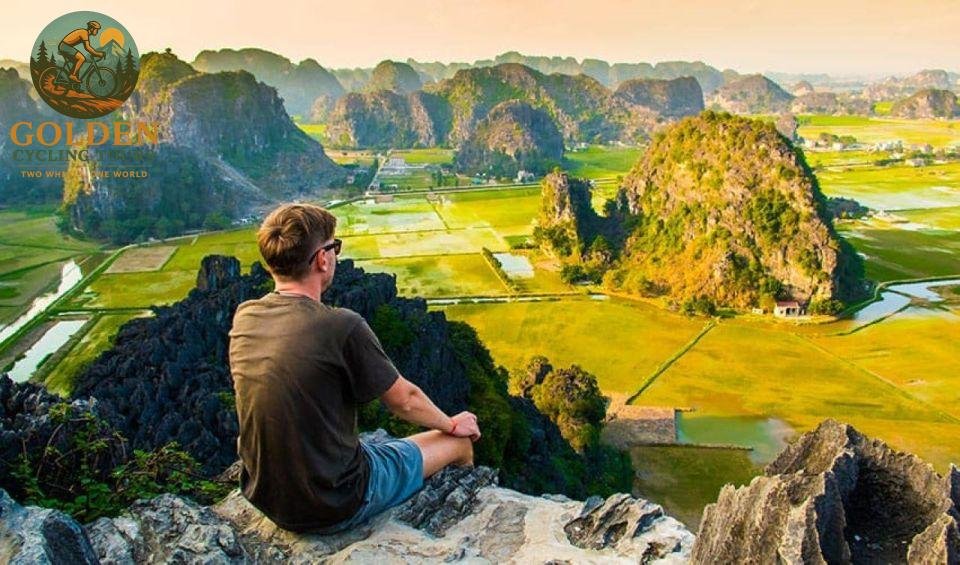
Welcome to Northern Vietnam’s ultimate frontier. Cycling through this landscape is not merely a journey; it is a visceral, multi-sensory symphony of nature, endurance, and ancient culture. To truly conquer these legendary roads, timing is everything. Understanding the Best Time for Cycling Ha Giang: Weather, Routes & Local Tips is the key that unlocks an unforgettable expedition through the most breathtaking terrain in Southeast Asia.
Whether you are a seasoned cyclist craving epic climbs or an eager explorer opting for pedal-assist power with Golden Cycling Tours, this ultimate guide provides every detail you need to plan your journey of a lifetime.
The weather in the high mountains of Northern Vietnam is as dramatic as the landscape itself. Determining the ideal season depends on whether you seek golden harvest vistas, misty mountain peaks, or crisp blue skies.
For the vast majority of bicycle travelers, autumn represents the undisputed crown jewel of cycling seasons.
As summer monsoon rains dissipate, autumn leaves behind crystal-clear blue skies, gentle mountain breezes, and comfortably cool daytime temperatures ranging between 15°C and 23°C. The crisp morning air carries the intoxicating, sweet aroma of ripe rice lingering across the terraced mountainsides of Hoang Su Phi.
By late October and November, the valleys transform into a pastel dreamscape as millions of pink and purple buckwheat flowers blossoms across the Dong Van Karst Plateau UNESCO Global Geopark. Riding through Sung La Valley during this window feels like moving inside a living oil painting. The road surfaces remain dry and grippy, providing maximum traction along technical switchbacks.
Spring brings a refreshing surge of vitality to the high mountain passes as the harsh winter chill begins to recede.
The temperatures gradually climb to a pleasant 18°C to 26°C. Sunlight filters through lingering morning mists, revealing mountainsides carpeted in snow-white plum blossoms and delicate pink peach flowers. The scent of blossoming flora mixes with the damp earth as you pedal up Tham Ma Pass. Rains are generally sparse during early spring, making it an exceptional period for long-distance riding before the summer heat sets in.
Winter in the far north is raw, moody, and deeply atmospheric.
Temperatures at higher elevations near Lung Cu Flag Tower can drop below 5°C, with thick layers of mountain fog wrapping around the peaks of Quan Ba Heaven's Gate. The air is biting and sharp, filling your lungs with absolute clarity. While visibility can sometimes be limited by low-hanging clouds, riding above the cloud line on Ma Pi Leng Pass feels like cycling through the heavens. Proper thermal layering is essential during winter, but rewards come in the form of quiet roads and cozy evenings beside crackling log fires inside traditional timber homestays.
Summer brings tropical heat, high humidity, and heavy downpours. Temperatures often exceed 30°C in the lower valleys, and sudden mountain rainstorms can create slippery conditions on steep descents.
However, summer showcases the mountains at their most wild and ferocious. Waterfalls cascade down sheer cliff faces near Du Gia, and the terraced fields fill with shimmering water during the "pouring water season." For riders who don't mind tropical rain showers and intense humidity, summer offers lush greenery and fewer travelers.
When reviewing the overall conditions, autumn and spring clearly emerge as the absolute best window to embark on tailored Ha Giang bike tours.
The geography of Northern Vietnam demands respect, offering world-class elevation gains and dramatic topography.
The iconic loop begins in Ha Giang City and ventures deep into the realm of limestone monoliths.
Leaving the city behind, you begin a long, steady ascent toward Quan Ba Heaven's Gate (Cong Troi Quan Ba). As you crest the summit, the famous Quan Ba Twin Mountains emerge from the valley floor like sculpted velvet domes. The scent of wild mountain orchids mixes with the exhaust of passing local scooters as you descend toward Yen Minh.
The journey continues up the famous S-shaped curves of Tham Ma Pass, where local children carry baskets of freshly picked flowers. You will traverse the steep switchbacks of Chin Khoanh Pass before reaching the high-altitude settlement of Dong Van Ancient Town.
The absolute pinnacle of the route is the legendary Ma Pi Leng Pass, widely celebrated as one of the most magnificent mountain passes on Earth. Carved directly into the sheer cliff face, the road clings to the mountain thousands of feet above the turquoise waters of the Nho Que River. Cycling along this narrow ledge, feeling the updrafts of mountain wind against your face while staring into the depths of Tu San Canyon, is a spiritual experience for any cyclist.
After passing through the vibrant trading hub of Meo Vac, the route loops back through the remote, fairytale valley of Du Gia, famous for its hidden waterfalls and tranquil streams, before returning to Ha Giang City.
For cyclists who crave solitude, raw gravel, and extreme elevation gain, the western district offers an untouched paradise.
Riding through Hoang Su Phi takes you into the heart of ancient rice terraces that climb thousands of steps up the mountain slopes. The track winds beneath the shadows of the mighty Tay Con Linh Range, where giant tea trees over a century old produce precious organic tea.
Pushing deeper toward Chieu Lau Thi, the pavement yields to rocky dirt roads and narrow singletracks. The scent of wet fern forests and rich alpine soil surrounds you as you grind up steep inclines, far removed from standard tourist itineraries.
To expand your expedition across regions, consider combining this journey with broader itineraries like Cycling Northern Vietnam, or explore surrounding alpine sectors via Sapa bike tours and Bac Ha bike tours.
What makes riding through this region truly magical is the living culture embedded in every mountain pass. Ha Giang is home to over 17 distinct ethnic minority groups, including the H'Mong, Tay, Red Dao, Lolo, and Nung.
As you pedal through remote hamlets, the sounds of modern life vanish. You will hear the rhythmic clack of wooden weaving looms inside mud-walled H'Mong homes, the gentle dinging of cowbells on steep hillsides, and the joyful laughter of children shouting "Xin Chào!" as you ride past.
Plan your itinerary to align with weekly ethnic markets. The Dong Van Market and Meo Vac Market on Sunday mornings are vibrant kaleidoscapes of color, trade, and tradition. Women dressed in intricately embroidered traditional skirts sell hand-woven textiles, silver jewelry, and fresh mountain produce.
When visiting local villages, always ask permission before photographing people, remove your shoes when entering private homes, and accept offered tea or hospitality with both hands as a sign of mutual respect.
Cycling across rugged mountain chains burns thousands of calories daily. Fortunately, local highland cuisine provides rich, hearty sustenance that tantalizes the palate.
Thang Co: A traditional H'Mong dish made from horse meat simmered for hours in big iron cauldrons with cardamom, lemongrass, roasted cinnamon, and mountain herbs. The deep, earthy broth provides rich warmth after a long day in the saddle.
Au Tau Porridge: Sourced from the root of the aconite plant grown on high peaks, this thick, savory porridge is carefully prepared with pork trotter and aromatic herbs. Locals believe it relaxes fatigued muscles and promotes deep, restful sleep.
Men Men: Steamed ground cornmeal that serves as a staple food for mountain dwelling families, dense in carbohydrates and perfectly paired with spicy vegetable broth.
Smoked Mountain Pork and Black Chicken: Free-range pork and chicken cured over hardwood charcoal fires, infused with wild forest peppers and garlic.
Grilled Sticky Rice in Bamboo (Com Lam): Glutinous rice packed into fresh bamboo tubes and roasted over open coals, offering a portable, natural energy bar for heavy climbs.
Corn Wine (Ruou Ngo): Distilled from local corn and fermented with traditional yeast made from forest leaves. Smooth, sweet, and fiery, a small glass shared with local hosts instantly breaks any cultural barrier.
Resting comfortably is vital when conquering big mountain miles each day.
Staying in a traditional homestay offers an unmatched cultural connection. In villages like Thon Tha Village near the provincial capital, you can sleep in wooden stilt houses built by the Tay people, listening to the gentle rustle of palm-leaf roofs and night crickets. In Dong Van and Meo Vac, H'Mong homestays constructed with thick rammed-earth walls keep you warm during cold mountain nights. Family-style dinners served around communal hearths feature endless plates of fresh vegetables, stir-fried meats, and warm toasts of corn wine.
For riders seeking high-end comfort and spa amenities to repair tired limbs, boutique eco-lodges are scattered across key destinations. Properties overlooking the valleys in Pan Hou or stylish boutique hotels in Dong Van provide plush bedding, hot rain showers, western breakfast options, and relaxing massage services. You can easily integrate premium stays into your route through specialized Vietnam luxury bike tours.
Most journeys begin in Vietnam's energetic capital. Traveling from Hanoi to Ha Giang City takes roughly 5 to 6 hours via modern highway expressways. Comfortable overnight sleeper buses and VIP limousine vans run continuously throughout the day and night, equipped with dedicated luggage compartments that safely carry bicycle boxes and travel gear.
Many riders choose to build comprehensive multi-region cycling adventures. You can easily link your northern trip with Hanoi bike tours, explore ancient limestone riverways with Ninh Binh bike tours, or ride through emerald mountain valleys via Mai Chau bike tours and Pu Luong bike tours.
The mountain roads are steep, relentlessly continuous, and periodically bumpy. Selecting the correct bike setup is crucial for safety and enjoyment.
Hardtail or Full-Suspension Mountain Bikes (MTB): Ideal for off-road dirt tracks, rough asphalt, and exploring remote agricultural trails around Hoang Su Phi. Wide, knobby tires offer maximum grip and confidence on loose gravel descents.
Gravel Bikes: Perfect for fitness-focused endurance riders sticking primarily to paved roads with occasional light gravel detours. Ensure wide gearing (such as a 1:1 or lower ratio) to handle long gradients exceeding 10%.
E-Bikes (Pedal-Assist Electric Bikes): Modern high-performance electric mountain bikes have revolutionized cycling across heavy mountain terrain. E-bikes level the playing field, allowing riders of varying fitness levels to conquer steep climbs like Ma Pi Leng Pass effortlessly while fully immersing themselves in the surrounding beauty. Discover tailored electric adventures through Vietnam e-bikes tours.
If you wish to continue your adventure beyond the northeast mountains, consider seamless transitions into Cao Bang bike tours, explore regional western circuits via Vietnam Northwest bike tours and Vietnam Northeast bike tours, or sign up for grand nationwide expeditions like Cycling North to South Vietnam and historical routes with Ho Chi Minh Trail cycling tours.
Every kilometer in this frontier province presents breathtaking scenic highlights. Be sure to stop and take in these iconic destinations:
Quan Ba Heaven's Gate: The dramatic entryway to the high karst plateau, offering breathtaking panorama views over Quan Ba Twin Mountains.
Tham Ma Pass: An iconic snake-like stretch of mountain road that tests your climbing legs before delivering world-class photography ops.
Dong Van Karst Plateau Geopark: A UNESCO-protected expanse of ancient carbonaceous limestone formations dating back hundreds of millions of years.
Lung Cu Flag Tower: Standing proudly on the summit of Dragon Mountain (Nui Rong), marking the exact northernmost border post between Vietnam and China.
Ma Pi Leng Pass & Tu San Canyon: The king of mountain passes, dropping abruptly into the deepest canyon in Southeast Asia. A boat trip along the emerald green Nho Que River deep inside the abyss provides a completely different, awe-inspiring perspective.
Du Gia Waterfall: A hidden jungle paradise featuring crystal-clear natural mountain pools, perfect for a cooling swim after days of arduous climbing.
Phao Tau & Sung La Valley: Historic cultural preserves featuring ancient timber houses, flower fields, and traditional village life.
Preparation transforms a good trip into an extraordinary one. Keep these field-tested tips in mind:
Obtain Necessary Permits: Because this province shares an international border, foreign visitors require a border travel permit to explore northern districts like Dong Van and Meo Vac. These permits are easily secured at the local immigration office in town or managed seamlessly by your tour operator.
Pack Wise Layering: Mountain weather changes quickly. Pack lightweight, windproof rain jackets, thermal base layers for cold descents, high-visibility cycling jerseys, and breathable sun sleeves.
Check Brakes Daily: Long descents exceeding 15 kilometers test your mechanical components. Ensure brake pads have plenty of compound remaining and hydraulic lines are fully bled before tackling mountain passes.
Stay Hydrated and Electrolyte-Charged: Even during cooler autumn months, climbing thousands of meters causes significant fluid loss. Carry extra water bottles, electrolyte tablets, and high-energy local snacks like bananas, nuts, and dried fruit.
Respect Local Culture: Dress modestly when walking through rural ethnic villages, avoid giving plastic trash or candy directly to local young children, and support the local economy by purchasing handmade crafts directly from local artisans.
"Riding over Ma Pi Leng Pass with Golden Cycling Tours was hands down the single most thrilling experience of my life. The scale of the mountains is impossible to put into words—you feel tiny, alive, and utterly connected to nature. The crisp air, the smell of pine trees, and the unbelievable hospitality at the homestays made every hard pedal stroke worth it!" — Mark Vance, Victoria, Australia
"Understanding the Best Time for Cycling Ha Giang: Weather, Routes & Local Tips completely changed how we planned our holiday. We chose October and enjoyed clear blue skies, breathtaking golden rice terraces, and dry roads every single day. The support vehicle, guide, and top-tier e-bikes provided by the team allowed us to tackle legendary climbs without stress. Unforgettable!" — Elena & Thomas Rostova, Munich, Germany
Is cycling in Ha Giang suitable for beginner riders? While the mountain passes feature steep inclines and continuous climbs, beginners can comfortably enjoy the journey by choosing high-performance pedal-assist bicycles through options like Vietnam e-bikes tours or booking a guided trip with support vehicle escort.
How many days do I need for a complete cycling trip? A standard cycling itinerary takes between 4 to 6 days to complete the main loop without rushing, allowing ample time for cultural stops, photography, and relaxing homestay evenings.
Do I need to carry all my luggage on my bicycle? Not when traveling with professional operators like Golden Cycling Tours. A dedicated support vehicle carries your heavy luggage, spare mechanical parts, and extra water, leaving you free to ride light with only a small handlebar bag or daily jersey pockets.
What type of road surfaces should I expect? The primary route along the main loop consists of paved asphalt roads, though mountain weather can cause occasional roadwork, loose gravel patches, and pot-holes. Off-road detours around western districts feature dirt tracks and rough rocky terrain suitable for mountain bikes.
Is it safe to ride during the rainy summer season? While summer offers lush scenery, heavy tropical rainstorms can cause slippery road conditions and localized mudslides. Autumn (September to November) and Spring (March to May) provide much safer and drier weather for bicycle travel.
Are modern cycling helmets and spare mechanical parts available locally? Basic repair shops exist in larger towns like Dong Van and Meo Vac, but high-end bicycle spare parts, specific hydraulic brake components, and international safety helmets are hard to find in remote mountain areas. It is strongly recommended to bring your preferred helmet and riding gear or book through a professional tour company that supplies premium equipment.

.jpg "Thai Binh Vietnam Bicycle")
.jpg "Phu Tho Vietnam Cycling")
.jpg "Thai Nguyen Cycling Vietnam")
.jpg "Tuyen Quang Cycling Vietnam")
.jpg "Vinh Phuc Cycling Vietnam")
Leave a Reply
Your email address will not be published. Required fields are marked *