- Call us Via Whatsapp: +84 (0) 832 126 699
4.9 stars on our site
(15,000 reviews)
- Monday - Sunday : 08:00 - 17:00
(15,000 reviews)

Imagine rolling out at sunrise as a veil of mist lifts from the mountains, revealing emerald rice terraces, limestone peaks, and quiet villages waking to the sound of roosters. Your tires whisper across a narrow country road. Somewhere nearby, woodsmoke rises from a village kitchen, the scent of fresh coffee mingles with damp earth, and the first warm rays of sunlight touch your shoulders.
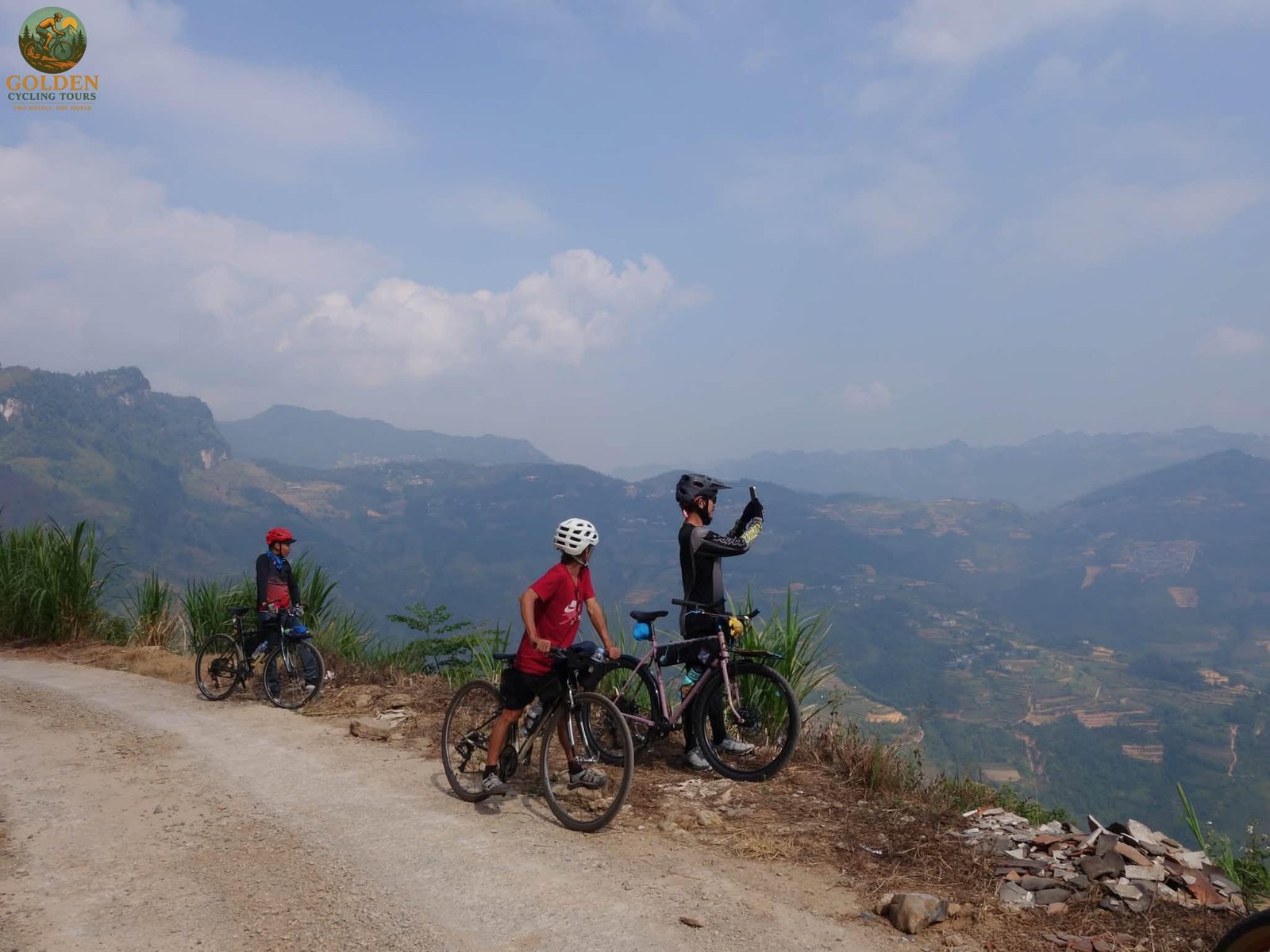
This is Northern Vietnam by bicycle—a place where every climb rewards you with a new horizon, every descent carries the fragrance of forests and rice fields, and every village offers a glimpse into a culture shaped by mountains, rivers, and centuries of tradition.
But when should you come?
The best month for cycling in Northern Vietnam depends on the landscapes you want to experience, the routes you plan to ride, and how much climbing, heat, rain, or cold you are prepared to handle. For most cyclists, October is an outstanding choice for autumn scenery, while March and April are excellent for comfortable spring riding. September and November can also be exceptional, especially for travelers exploring the northern mountains.
Whether you dream of conquering the dramatic roads of Ha Giang, riding through the peaceful valleys of Mai Chau, discovering the limestone landscapes of Ninh Binh, or exploring the remote beauty of Cao Bang, choosing the right month can transform a good cycling holiday into an unforgettable adventure.
In this guide, we will explore Northern Vietnam month by month, compare the best cycling seasons, introduce remarkable routes and cultural experiences, and explain how Golden Cycling Tours can help you plan a journey that matches your riding ability and travel style.
For most travelers, October is one of the best individual months for cycling in Northern Vietnam, particularly for mountain routes, countryside rides, and journeys through rice-growing regions. The weather is often more comfortable than in the summer, autumn colors begin to transform the landscape, and the northern highlands can offer spectacular views.
However, October is not the only excellent option. Your ideal month depends on whether you prioritize clear mountain panoramas, fresh spring greenery, golden rice terraces, quiet rural roads, or lower temperatures for challenging climbs.
October often brings a beautiful balance of cooler temperatures, comparatively lower rainfall than the summer peak, and striking autumn scenery. Conditions vary by elevation and location, but this month is especially appealing for multi-day cycling adventures.
In Ha Giang, limestone mountains rise like immense stone fortresses above winding roads. In the valleys of Mai Chau, rice fields may glow golden around the harvest period, while the surrounding hills create a dramatic green backdrop. In Ninh Binh, limestone karsts emerge from flat fields and waterways, creating a landscape that feels almost unreal in the soft morning light.
For cyclists who want to combine challenging mountain roads with cultural discoveries and memorable photography, October is a strong choice.
Spring offers a different kind of beauty. The countryside becomes lush, temperatures are often more comfortable than during the hottest months, and the mountains can be covered in delicate layers of mist.
On a spring ride through Mai Chau, you may hear birds calling from bamboo groves while farmers work among the fields. In Pu Luong Nature Reserve, forested slopes and terraced landscapes create a peaceful setting for cyclists seeking quieter roads and close contact with rural life.
In the higher elevations of Ha Giang and Cao Bang, mornings can still be cold, and fog may reduce visibility. Packing warm layers and allowing flexibility in your schedule are sensible precautions.
March and April are particularly attractive for travelers who prefer green landscapes, moderate riding conditions, and a balance between cycling and cultural exploration.
September can deliver dramatic mountain scenery, particularly around Hoang Su Phi, where terraced rice fields may turn golden as the harvest approaches. It can also be a transitional month, with lingering monsoon rainfall in some areas. Riders should monitor local weather and road conditions.
November is often appealing for cooler rides and autumn atmosphere. In Ha Giang, the season may coincide with buckwheat flowers in parts of the region, although flowering times vary with altitude and local conditions.
For riders who enjoy crisp air, quiet mornings, and expansive mountain views, November can be an excellent option. However, high-altitude destinations may become cold, particularly after sunset.
Spring is one of the most versatile seasons for cycling in Northern Vietnam. Temperatures gradually rise, the countryside becomes greener, and many routes are suitable for road cycling, gravel riding, and mountain biking.
March and April are usually the most appealing months within this period for riders seeking comfortable conditions. May can become hot and humid, especially in lowland areas, and the risk of heavy rain begins to increase.
Spring is a good time to explore:
Mai Chau for peaceful valley roads and traditional Thai villages.
Pu Luong Nature Reserve for forested hills and rural landscapes.
Ninh Binh for limestone formations, temples, and countryside cycling.
Ha Giang for dramatic mountain passes and remote highland communities.
Cao Bang for limestone valleys, quiet roads, and spectacular waterfalls.
Summer brings intense greenery, warm temperatures, high humidity, and more frequent heavy rain. This can be a beautiful season for landscape photography, but it requires more careful cycling plans.
Mountain roads may become slippery, streams can rise quickly, and heavy rainfall can trigger landslides or temporary road closures. These risks are especially important on remote routes with steep slopes and limited alternative access.
Cycling is still possible in suitable locations, but riders should favor flexible itineraries, start early, carry reliable rain protection, and avoid exposed mountain roads during severe weather.
For many visitors, June to August is less predictable than spring or autumn. It is best suited to travelers who can adapt their plans when conditions change.
Autumn is widely considered one of the finest seasons for cycling in Northern Vietnam. Temperatures often become more comfortable, the light can be beautiful, and the northern landscapes offer a remarkable mix of harvest scenery, limestone peaks, forested hills, and traditional villages.
September and October are especially attractive for travelers hoping to see rice terraces around Hoang Su Phi. October is also a strong choice for cycling through Mai Chau and exploring the countryside around Ninh Binh.
November can be excellent for mountain journeys, although temperatures may drop significantly at higher elevations. It is worth packing layers for early departures and long descents.
Winter brings a quieter atmosphere to much of Northern Vietnam. Lowland destinations may remain suitable for cycling, but the northern mountains can be cold, misty, and damp.
In highland areas such as Ha Giang, the combination of cold temperatures, fog, and winding roads can make riding less comfortable and sometimes unsafe. Winter is not automatically unsuitable for cycling, but route selection and clothing become especially important.
For travelers who prefer gentler terrain, winter can still offer rewarding experiences around Ninh Binh and selected countryside routes. For high mountain passes, check the forecast carefully and consider a supported itinerary with alternative transport available.
January can bring cold mornings, grey skies, and occasional drizzle, especially in the mountains. In lower areas, however, cycling may be pleasant on suitable days.
The countryside around Ninh Binh offers opportunities to explore limestone landscapes, temples, and quiet rural roads without the heat of summer. Early starts should be balanced with enough time for the air to warm.
Best for: Flexible lowland cycling, cultural exploration, and travelers comfortable with cool conditions.
Consider: Warm gloves, a windproof jacket, and reduced visibility in misty areas.
February can feel like a transition between winter and spring. Some days are crisp and dry; others are cloudy and damp. Flowering trees may brighten parts of the northern countryside, although timing varies by location and altitude.
Cyclists visiting Mai Chau or Cao Bang should prepare for chilly mornings and possible fog on elevated roads.
Best for: Travelers who prefer quieter destinations and do not mind unpredictable weather.
Consider: Flexible daily distances and warm layers for mountain descents.
March is an excellent month for many Northern Vietnam cycling itineraries. The countryside begins to feel alive with fresh greenery, while temperatures are often more comfortable for sustained riding.
Picture the first pedal strokes of the morning as your tires roll along a narrow road bordered by rice paddies. The air carries the scent of wet soil and flowering plants. A farmer waves from the field, a water buffalo raises its head, and the steady rhythm of your chain becomes part of the countryside's morning soundtrack.
In Mai Chau, gentle valley roads suit relaxed cycling. In Ha Giang, experienced riders can seek out mountain passes, provided they are prepared for changing weather and steep gradients.
Best for: Spring greenery, cultural cycling, and multi-day adventures.
April is another excellent option for cyclists seeking a balance between pleasant weather and beautiful scenery. It can be particularly rewarding for travelers who want to combine mountain routes with village visits and countryside exploration.
The limestone peaks around Ninh Binh stand against bright skies, while the valleys of Pu Luong offer a tapestry of fields, forests, and traditional settlements.
As temperatures rise, it becomes increasingly important to carry water and avoid pushing too hard during the hottest part of the afternoon.
Best for: Road cycling, gravel adventures, rural exploration, and mixed-ability trips with appropriate route planning.
May can be visually spectacular. Fields are green, vegetation is dense, and the countryside feels full of energy. However, heat, humidity, and the increasing possibility of thunderstorms can make longer rides more demanding.
Experienced cyclists may enjoy the changing landscapes, but daily schedules should allow for early departures, hydration breaks, and weather-related adjustments.
Best for: Riders who enjoy vivid greenery and can adapt to heat.
Consider: Starting early, carrying electrolytes, and avoiding exposed climbs during the hottest hours.
June often brings heavier rainfall and high humidity. Forests and fields become intensely green, but roads may be wet and mountain conditions can change rapidly.
If you plan to cycle in Ha Giang or Cao Bang, check local forecasts and road reports before setting out. On remote mountain roads, a beautiful morning does not guarantee safe conditions later in the day.
Best for: Flexible travelers and selected routes with reliable support options.
Consider: Mud, reduced visibility, heat stress, and the possibility of disrupted mountain travel.
July can be hot, humid, and rainy. Steep climbs may feel harder as sweat collects under your helmet and the air becomes heavy. Sudden downpours can turn smooth roads into slick surfaces within minutes.
Cycling remains possible, but this month requires conservative planning. Avoid riding through flooded sections or continuing toward exposed mountain passes when severe weather is approaching.
Best for: Riders with flexible schedules and appropriate support, where local conditions permit.
Consider: Thunderstorms, landslides, wet descents, and heat exhaustion.
August continues the summer pattern in many parts of Northern Vietnam. Landscapes can be lush and atmospheric, but persistent humidity and heavy rainfall may affect road conditions.
For travelers with fixed departure dates, consider routes that allow alternatives if mountain roads become unsafe. A planned rest day can be valuable rather than an inconvenience.
Best for: Travelers who value green scenery and accept weather uncertainty.
Consider: Checking conditions daily and avoiding unnecessary risks on steep, exposed roads.
September is one of the most visually rewarding months in parts of the northern highlands. Around Hoang Su Phi, rice terraces may begin shifting from green to gold, creating enormous patterns across the mountainsides.
The weather is transitional, so rainfall remains a factor. A flexible itinerary can make the difference between a stressful ride and a memorable adventure.
Imagine climbing above a valley as the clouds begin to break. Sunlight spills across the terraces, revealing hundreds of curved field boundaries. The road bends around a rocky hillside, your breathing settles into a steady rhythm, and the next corner opens onto a view that seems to stretch to the edge of the world.
Best for: Rice-terrace photography, mountain cycling, and travelers who appreciate dramatic scenery.
Consider: Residual monsoon rain and changing road conditions.
If you want one month to prioritize, October is an excellent starting point for planning a Northern Vietnam cycling holiday.
Many routes enjoy more comfortable riding conditions than during the summer, while the landscapes can be particularly striking. Golden rice terraces, autumn light, limestone mountains, and traditional villages combine to create a memorable cycling experience.
In Mai Chau, you may ride past harvest fields and stop for lunch in a village surrounded by green hills. In Ha Giang, the road climbs through a rugged limestone landscape, revealing distant peaks at every turn. Around Ninh Binh, flat countryside roads provide a gentler contrast to the mountains.
October is popular, so booking accommodation and suitable tours in advance is sensible, particularly for peak travel dates.
Best for: Many multi-day cycling tours, autumn landscapes, photography, and mountain adventures.
November can offer excellent conditions for cycling, especially for travelers who prefer cooler weather. The atmosphere in the northern mountains can feel crisp, and the changing light creates beautiful contrasts between rock, forest, and sky.
In Ha Giang, seasonal buckwheat flowers may appear in some areas. In Cao Bang, riders can explore dramatic limestone scenery and plan visits to Ban Gioc Waterfall, subject to local weather and road conditions.
As temperatures fall, warm layers become essential for early starts and long descents.
Best for: Mountain cycling, cultural exploration, and cooler-weather riding.
December can bring cold mornings and mist to Northern Vietnam, especially in the highlands. While this is not the first choice for every mountain cyclist, it can still be rewarding for travelers who plan carefully.
Lower-altitude destinations and shorter countryside routes may be more comfortable than long exposed mountain rides. The right clothing and a realistic daily schedule are essential.
Best for: Selected lowland routes, cultural travel, and cyclists who enjoy a quieter atmosphere.
Consider: Cold rain, fog, and limited visibility in highland areas.
The best month for cycling in Northern Vietnam changes with altitude, terrain, and the type of experience you want. A comfortable day in a lowland valley can feel very different from a cold, foggy morning on a high mountain pass.
Ha Giang is famous for dramatic limestone mountains, winding roads, and challenging climbs. For many cyclists, October and November are attractive because temperatures often become cooler after summer, while March and April offer a compelling spring alternative.
The legendary Ma Pi Leng Pass is one of the region's great highlights. Its road clings to immense mountain slopes above the deep Nho Que River gorge, with sheer rock walls rising on one side and sweeping views opening on the other.
As you climb, the gradient asks for patience. Your legs turn steadily, your breathing deepens, and the sound of the drivetrain becomes a metronome against the wind. Around a bend, the landscape suddenly expands into a panorama of grey limestone peaks and distant valleys.
The route is demanding, and some sections may have heavy traffic, poor surfaces, fog, or wet conditions. Choose a suitable bike, ride conservatively, and never stop in unsafe road positions for photographs.
Explore the region through Ha Giang Bike Tours or consider the 10-Day Ha Giang Loop and Hoang Su Phi Cycling Adventure. You can also explore the 8-Day Northern Vietnam Ha Giang Loop Cycling Tour.
Hoang Su Phi is a remarkable destination for travelers who want to see terraced rice fields carved into steep mountain slopes. September and October are often the most photogenic period, although harvest timing varies with altitude and local farming schedules.
The cycling experience here is as much about rhythm as distance. A climb may lead through small settlements, past timber houses and cultivated slopes, before revealing a hillside covered in layers of golden rice. The air may carry the scent of damp vegetation after rain, while distant voices drift up from the valley.
Because the terrain is steep and remote, riders should plan realistic daily distances and allow time for weather changes.
The 10-Day Ha Giang Loop and Hoang Su Phi Cycling Adventure is worth exploring if you want to combine dramatic highland roads with seasonal mountain scenery.
Mai Chau is one of the most inviting destinations for cyclists who want a combination of gentle riding, rural scenery, and cultural encounters.
The valley is framed by green mountains and crossed by quiet roads that pass rice paddies, gardens, and traditional stilt houses. The terrain is generally gentler than the high mountain routes of Ha Giang, making it suitable for a broader range of cycling abilities when routes are selected appropriately.
In spring, fresh fields and mild mornings create an appealing setting. Around October, parts of the valley may offer golden harvest scenery.
At a village stop, you might hear bamboo creak in the breeze and chickens scratching beneath a stilt house. The smell of steamed rice drifts from a kitchen, and a cup of hot tea offers a welcome pause before the next stretch of road.
Discover Mai Chau Bike Tours or consider the 4-Day Northern Vietnam Cycling Adventure from Mai Chau to Pu Luong.
Pu Luong Nature Reserve offers a quieter side of Northern Vietnam, with forested mountains, terraced fields, village paths, and traditional rural settlements.
Spring brings fresh vegetation, while autumn can offer comfortable riding weather and beautiful agricultural landscapes. Conditions vary between valleys and higher slopes, so a route that is pleasant in the morning may become more demanding in heat or rain.
Cycling here is about observing the details: the cool shade beneath trees, the sound of water moving through irrigation channels, the earthy scent of fields after rain, and the occasional glimpse of a farmer working along a hillside.
Explore Pu Luong Bike Tours and the 4-Day Mai Chau to Pu Luong Cycling Adventure.
Ninh Binh is a strong choice for cyclists who prefer gentler terrain, scenic rural roads, and a combination of nature and cultural sightseeing.
The region's limestone karsts rise dramatically above rice fields, rivers, and villages. Cycling between these formations creates a feeling of moving through a living landscape painting, with narrow roads leading toward temples, small bridges, and quiet waterways.
Visit Trang An Landscape Complex, Tam Coc, Hoa Lu Ancient Capital, and Bich Dong Pagoda. A boat journey through the limestone scenery can be a welcome alternative to cycling, especially on a rest day.
October through April is often appealing for cycling, although winter may bring cool, misty conditions and spring can be damp.
Discover Ninh Binh Bike Tours or explore the 12-Day North Vietnam Cycling Adventure from Hanoi to Ninh Binh.
Cao Bang is known for limestone landscapes, peaceful valleys, and the spectacular Ban Gioc Waterfall. October and November are often appealing for travelers seeking cooler weather and opportunities to explore the northeast, though local conditions should always be checked.
The road may wind between rocky peaks and cultivated valleys before reaching a viewpoint where white water pours over a broad limestone ledge. The sound of the falls grows louder as you approach, filling the air with a deep, continuous roar.
Cycling in the region can involve long distances between services, steep sections, and variable road surfaces. Plan carefully and allow time to explore on foot where appropriate.
Explore Cao Bang Bike Tours and Vietnam Northeast Bike Tours.
Ba Be Lake is a rewarding destination for travelers who want to combine cycling with peaceful lakeside scenery and forested hills.
The surrounding landscape includes villages, waterways, limestone formations, and forested slopes. Cycling can be combined with boat trips or walks, creating a more varied journey than a continuous series of long riding days.
Spring and autumn are generally attractive periods to consider, but rainfall and road conditions can vary. Check the forecast before traveling on smaller roads in the surrounding hills.
Discover Ba Be Lake Bike Tours as part of a wider exploration of Northern Vietnam.
Road cyclists often benefit from the more comfortable temperatures of March, April, October, and November. Smooth paved roads can still be affected by rain, traffic, roadworks, or fog, particularly in the mountains.
If you plan to ride long distances, consider a route with manageable gradients and reliable places to stop for water and food.
Gravel and mountain bike riders should consider both rainfall and surface conditions. March and April can be appealing for spring rides, while October and November may offer excellent opportunities for exploring mountain roads and mixed-surface routes.
Wet-season conditions can make unpaved tracks muddy and technical. A route that is enjoyable on dry gravel may become much harder after heavy rain.
An e-bike can make rolling countryside and steep climbs more accessible, but it does not remove the need to plan for weather, road safety, battery range, and charging opportunities.
Cooler months can make long days more comfortable. On remote routes, confirm battery capacity, charging arrangements, and the availability of assistance before departure.
Explore Vietnam E-Bike Tours or consider the 6-Day Mai Chau, Pu Luong, and Ninh Binh E-Bike Tour.
Travelers who value comfortable accommodation, carefully planned routes, and time to enjoy local experiences may prefer spring or autumn, when many destinations offer appealing cycling conditions.
A well-planned luxury itinerary can combine cycling with cultural visits, regional cuisine, scenic viewpoints, and restorative evenings. The specific accommodation and support services should be confirmed in the tour proposal.
Explore Vietnam Luxury Bike Tours to find options suited to your preferred pace and travel style.
Cycling through Northern Vietnam is also a journey through its regional food culture. Meals can be simple, fresh, aromatic, and deeply connected to the landscapes you travel through.
Pho is a comforting bowl of rice noodles served in fragrant broth, often with beef or chicken, fresh herbs, and lime. It is especially welcome on a cool morning before a ride.
Bun cha combines grilled pork, rice noodles, herbs, and a light dipping sauce. It is a classic Hanoi meal and a good option after exploring the capital.
Com lam, or bamboo-tube rice, is associated with several northern mountain communities. The rice is cooked inside bamboo, producing a gentle aroma and a distinctive texture.
Thit trau gac bep, a traditional smoked buffalo meat preparation found in some northern highland food cultures, offers a rich, smoky flavor. Availability and preparation vary by village and restaurant.
In Mai Chau and nearby communities, travelers may encounter meals featuring local vegetables, grilled meats, sticky rice, and dishes prepared for family-style sharing.
Cyclists should eat enough to support their daily effort. Carry water and snacks, and tell your guide or accommodation host about allergies or dietary requirements before meals are prepared.
In Hanoi, look for established local restaurants and street-food venues with high turnover and freshly prepared food. The Old Quarter is a convenient place to sample classic northern dishes.
In Mai Chau, village homestays and local restaurants can offer home-style meals using regional ingredients. Ask what is in season and whether meals can be arranged before arriving.
In Ha Giang and Cao Bang, town-center restaurants and accommodation kitchens can be useful options after a long ride. On remote routes, food choices may be limited, so arrange lunch stops in advance when possible.
In Ninh Binh, restaurants around Tam Coc and the main visitor areas offer regional specialties, including goat dishes and mountain-snail preparations when in season. Choose reputable venues and confirm ingredients if you have dietary restrictions.
Accommodation is part of the experience, especially when cycling takes you away from the larger cities.
Homestays around Mai Chau and Pu Luong can provide an opportunity to experience local hospitality and traditional architecture. Some feature wooden stilt houses, shared dining areas, gardens, and views over fields or mountains.
Standards vary considerably. Confirm sleeping arrangements, bathroom facilities, hot water, and meal availability before booking.
In Ha Giang and Cao Bang, hotels and guesthouses provide convenient bases for exploring surrounding routes. A central location can make it easier to arrange meals, supplies, and onward transport.
For remote stages, confirm that the property can accommodate bicycles securely if you are bringing your own.
Around Pu Luong, Ninh Binh, and selected rural destinations, eco-lodges and boutique retreats offer a more private setting after a demanding ride.
If you are booking a cycling package, ask which accommodation categories are included, whether rooms are private, and whether luggage transfer is available. Do not assume that every cycling tour includes the same services.
Most international visitors begin in Hanoi, which serves as a practical gateway to Northern Vietnam. From the capital, travelers can continue by private transfer, public bus, limousine-style minivan, or other locally available transport depending on their destination.
Travel times vary with traffic, road conditions, and the exact departure point. Mountain journeys can take longer than the distance on a map suggests.
If you bring your own bike, check the carrier's bicycle policy before booking. Some services require partial disassembly or protective packaging, and space may be limited.
A cycling operator may be able to help arrange transfers, but confirm the precise vehicle, bike-handling arrangements, and any additional costs before departure.
Northern Vietnam's mountain roads can be challenging because of steep gradients, sharp bends, fog, changing surfaces, and variable traffic. Riders unfamiliar with the region may benefit from local route knowledge and a carefully planned itinerary.
Ask Golden Cycling Tours whether your chosen trip includes a guide, support vehicle, luggage transfer, mechanical assistance, or alternative transport. These services can vary by tour and should be confirmed before booking.
Browse the full range of Golden Cycling Tours or visit the Golden Cycling Tours website to discuss an itinerary that matches your preferred month and riding level.
Cycling allows you to experience Northern Vietnam at a human pace. Instead of watching the countryside pass through a window, you hear it, smell it, and feel its changes as you move from one valley to another.
The region is home to diverse ethnic communities, including Thai, Hmong, Dao, Tay, and Nung people, among others. Traditions, clothing, architecture, cuisine, and languages vary by community and location.
In Mai Chau, you may see traditional Thai stilt houses and cultivated valley fields. In Ha Giang, villages across the highlands reflect the traditions of several ethnic communities. Around Cao Bang and Ba Be Lake, rural life is closely connected to farming, local markets, and the surrounding natural environment.
Travel respectfully:
Ask permission before photographing people, especially children or private family spaces.
Dress appropriately when visiting religious or culturally significant places.
Follow your host's guidance when entering a home or participating in a local activity.
Buy local products directly from artisans when possible, without pressuring sellers over small price differences.
Avoid treating traditional clothing, ceremonies, or daily work as performances arranged for visitors.
A simple greeting, a sincere smile, and a willingness to learn can turn a roadside stop into one of the most memorable moments of a cycling journey.
Before setting off, explore Hoan Kiem Lake, the Old Quarter, and the Temple of Literature. These places offer a fascinating introduction to the capital's history, architecture, and street life.
A few days in Hanoi can also help you recover from a long international flight before beginning a demanding cycling itinerary.
Highlights include the Dong Van Karst Plateau Geopark, Quan Ba Heaven Gate, Dong Van Old Quarter, and Ma Pi Leng Pass. The Nho Que River gorge is another striking landscape, although access and activities depend on local conditions.
Mountain viewpoints are often exposed to wind and fog. Take care when walking near road edges or steep drops.
Visit Ban Gioc Waterfall, Nguom Ngao Cave, and Pac Bo Historical Site if your itinerary and local conditions allow. These attractions offer a combination of dramatic nature and important historical context.
Explore local villages, rice fields, traditional houses, and scenic viewpoints. In Pu Luong Nature Reserve, follow local guidance about which paths are suitable for cycling and which are better explored on foot.
Plan time for Trang An Landscape Complex, Tam Coc, Hoa Lu Ancient Capital, and Bich Dong Pagoda. A boat trip through the limestone waterways offers a different perspective after several days in the saddle.
The following is an illustrative itinerary, not a guaranteed Golden Cycling Tours departure. Exact distances, accommodation, transport, and riding difficulty should be adjusted to your fitness, route conditions, and chosen tour.
Explore the Old Quarter, enjoy a local dinner, and check your bicycle. Use the day to rest, hydrate, and prepare for the journey.
Cycle through rice fields and rural villages, with stops for photographs and local refreshments. Keep the pace relaxed so you can enjoy the landscape rather than simply covering distance.
Ride selected countryside roads around Pu Luong Nature Reserve. Depending on the route, expect rolling terrain and some climbs. Spend the evening at a suitable rural lodge or homestay.
Choose a route that matches the group's ability and the weather. This may include rural roads, village visits, or a transfer to the next region.
Explore the countryside around Tam Coc and the limestone karsts. Take time for a cultural visit or boat trip rather than rushing between attractions.
Ride a suitable rural loop, visit a local market when available, or take a shorter cycling day with additional time for sightseeing.
Transfer back to the capital according to your transport arrangement. Allow sufficient time for traffic and any onward flight.
If your priority is dramatic high mountain riding, a dedicated Ha Giang or northeast itinerary may be more suitable than combining every destination into a single week. For a longer regional journey, explore the 15-Day Best Vietnam Cycling Northeast Tour.
Good preparation makes a noticeable difference to comfort and safety.
Layered clothing: Temperatures can change sharply between valleys and mountain passes.
Breathable cycling kit: Choose fabrics that dry quickly in humid conditions.
Lightweight waterproof jacket: Sudden showers are possible, even during generally favorable months.
Full-finger gloves: Useful for long descents, cool mornings, and improved grip.
Helmet and eyewear: Essential for protection from impact, wind, dust, and insects.
Sun protection: Sunscreen, a cap for stops, and suitable sunglasses help on exposed roads.
Hydration and snacks: Carry enough water and energy food for stretches between villages.
Basic repair supplies: A spare tube, tire levers, pump, and multitool are useful if you are responsible for your own bicycle.
Warm layers for highlands: Especially important from November through February and on early starts.
Personal medication and travel insurance: Check that your policy covers the cycling activities and terrain you intend to undertake.
For remote mountain routes, consider a bicycle check before departure and confirm how mechanical problems will be handled during the tour.
The most beautiful mountain roads also demand respect. Steep gradients, tight bends, mixed traffic, sudden rain, fog, and occasional road damage can all affect the ride.
Start early when conditions are suitable, but do not descend quickly into dense fog simply to keep to a schedule. Reduce speed on wet surfaces, use lights in low visibility, and avoid stopping around blind corners.
During hot weather, drink regularly and take breaks before exhaustion sets in. In the mountains, carry an extra layer because temperatures can drop during a long descent.
After heavy rainfall, check for road closures and landslide warnings before continuing. Never attempt to cross fast-flowing floodwater or ride through a section that local authorities have declared unsafe.
Choose daily distances based on fitness, elevation gain, road surface, and the time needed for sightseeing. A shorter ride with time to enjoy a village or viewpoint is often more rewarding than an exhausting day spent chasing kilometers.
Choosing the best month is only the first step. The right route, realistic daily distances, suitable bicycle, and dependable local arrangements are equally important.
Golden Cycling Tours offers a range of Northern Vietnam cycling experiences for travelers interested in mountain scenery, rural landscapes, cultural encounters, and multi-day adventures. The best itinerary depends on the specific tour, your fitness, and the time of year you intend to travel.
Explore these options:
Best Vietnam Cycling Northeast Tour – 15 Days: A longer journey to consider if you want to explore more of the northeast.
4-Day Mai Chau to Pu Luong Cycling Adventure: A shorter countryside-focused option.
10-Day Ha Giang Loop and Hoang Su Phi Cycling Adventure: For travelers drawn to rugged mountains and terraced landscapes.
6-Day Mai Chau, Pu Luong, and Ninh Binh E-Bike Tour: An option to explore if you prefer e-bike travel across several landscapes.
8-Day Northern Vietnam Ha Giang Loop Cycling Adventure: A dedicated highland itinerary to consider.
12-Day North Vietnam Cycling Adventure from Hanoi to Ninh Binh: A longer route to explore the northern countryside.
You can also browse Cycling Northern Vietnam and Vietnam Northeast Bike Tours for more regional inspiration.
Before booking, confirm departure dates, route difficulty, bicycle type, accommodation standards, support arrangements, and any seasonal alternatives. This is particularly important if you plan to ride during the rainy season or in high mountain areas during winter.
October is an excellent choice for many travelers because it often combines comfortable riding conditions with striking autumn landscapes. March and April are also very good options, especially for spring greenery and moderate temperatures. The ideal month depends on your destination, elevation, and riding style.
October is often preferable for autumn scenery and the possibility of golden rice terraces in selected areas. March offers fresh spring landscapes and can be an excellent month for comfortable riding. Neither month guarantees perfect weather, particularly in the mountains.
Yes, September can be spectacular, particularly around Hoang Su Phi during the rice-growing season. However, it can also bring residual monsoon rain. Check the forecast, allow flexibility, and confirm mountain-road conditions before departure.
Yes, but the rainy season requires more careful planning. Heavy rain can create slippery roads, poor visibility, flooding, and landslide risks. Choose flexible routes, avoid unsafe conditions, and follow local advice.
Not necessarily. Lower-altitude routes may be manageable with suitable clothing, but highland areas can be very cold, misty, and damp. Check temperatures at your actual riding elevations and prepare for cold descents.
October and November are attractive for many cyclists, while March and April are strong spring alternatives. Weather, fog, rainfall, and road conditions vary, so riders should check local forecasts and select a route suited to their experience.
The timing depends on the location and farming schedule. Around Hoang Su Phi, September and October are often associated with golden terraces and harvest scenery. In other valleys, the fields may be green, flooded, or harvested at different times.
Yes, if you choose the right route. Destinations such as Mai Chau and selected roads around Ninh Binh can offer gentler options than the steep mountain passes of Ha Giang. Beginners should choose realistic daily distances and consider a guide or supported itinerary.
The best bicycle depends on the route and surface. A road bike may suit suitable paved routes, a gravel bike offers versatility on mixed surfaces, and a mountain bike can be appropriate for rougher terrain. An e-bike may help with climbs, but battery range and charging logistics need to be confirmed.
A short countryside trip may take three or four days, while a wider regional journey can take one to two weeks or longer. The right duration depends on your fitness, destinations, daily distance, sightseeing priorities, and whether you want rest days.
Services depend on the specific tour and booking arrangement. Confirm the inclusions directly with Golden Cycling Tours before booking, including guiding, support vehicles, luggage transfer, bicycle rental, accommodation, meals, and mechanical assistance.
For popular spring and autumn dates, booking in advance is sensible, particularly if you have fixed travel dates or want a particular accommodation category. If you plan to travel during a season with more unpredictable weather, discuss alternative routes and cancellation or rescheduling conditions before confirming.
The strongest cycling memories often come from moments that cannot be measured in kilometers: the satisfaction of reaching a mountain viewpoint, a conversation with a local host, a quiet road through rice fields, or the first warm meal after a long descent.
For a trustworthy review section, publish verified feedback from real Golden Cycling Tours customers. Do not present invented testimonials as genuine reviews.
Suggested format for a verified customer review:
“[Insert the customer's exact, approved feedback about the route, guide, accommodation, organization, and overall cycling experience.]”
Customer name: [Add with permission]
Tour taken: [Insert the exact tour name]
Travel month and year: [Insert verified dates]
Source: [Link to the original review, if publicly available and approved]
If you have customer feedback from a specific October, March, or April departure, use it to illustrate what conditions were actually like during that trip. A genuine, dated review is more useful to prospective travelers than a generic claim that every ride has perfect weather.
So, what is the best month for cycling in Northern Vietnam?
For many travelers, October is an outstanding all-round choice, particularly if you want autumn scenery, mountain landscapes, and the possibility of golden rice terraces. March and April are excellent alternatives for spring greenery and comfortable riding, while September and November can also reward cyclists with remarkable landscapes and memorable cultural experiences.
The important thing is to match the season to your destination. The mountain roads of Ha Giang, the terraced hills of Hoang Su Phi, the peaceful valley of Mai Chau, the forests of Pu Luong Nature Reserve, the limestone landscapes of Ninh Binh, and the waterfalls of Cao Bang each offer a different experience—and each responds differently to the weather.
Choose your month carefully, prepare for changing conditions, and leave enough time to enjoy the journey beyond the saddle. Let the climb test your legs, let the mountain air fill your lungs, and let the quiet roads lead you toward the villages, landscapes, and encounters that make Northern Vietnam unforgettable.
Start planning with Golden Cycling Tours and explore the Northern Vietnam cycling tour collection to find a route that fits your season, fitness, and sense of adventure.

.jpg "Thai Binh Vietnam Bicycle")
.jpg "Phu Tho Vietnam Cycling")
.jpg "Thai Nguyen Cycling Vietnam")
.jpg "Tuyen Quang Cycling Vietnam")
.jpg "Vinh Phuc Cycling Vietnam")
Leave a Reply
Your email address will not be published. Required fields are marked *