- Call us Via Whatsapp: +84 (0) 832 126 699
4.9 stars on our site
(15,000 reviews)
- Monday - Sunday : 08:00 - 17:00
(15,000 reviews)

As your front tire completes its final turn up a steep 12% mountain ramp, the cool evening air settles over the valley, carrying the crisp scent of wild mountain pine, damp earth, and woodfire smoke drifting from a timber stilt house. Your legs throb with a satisfying burn after six hours of climbing past vertical granite cliffs. As you unclipt your pedals, the metallic click-clack of your cooling chain ring fades into the peaceful symphony of mountain crickets and cascading river streams. Below, framed by jagged limestone monoliths, the emerald ribbon of the Nho Que River winds through the shadow of Tu San Canyon, while warm golden lanterns flicker on the wooden verandah of a traditional Tay stilt house waiting to welcome you.
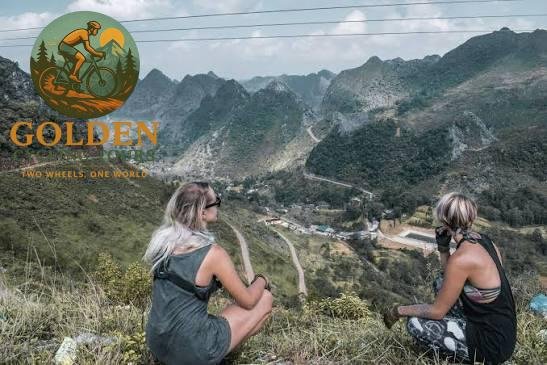
Reaching pass summits across the northern frontier is an exhilarating athletic achievement, but where you rest your head each night defines the true spirit of your journey. Evaluating the Best Homestays & Eco-Lodges for Cyclists in Northern Vietnam ensures that every evening provides deep physical recovery, secure bike storage, delicious local nutrition, and genuine cultural warmth after demanding mountain miles.
Whether you are an endurance cyclist seeking traditional stilt house hospitality or a leisure rider looking for infinity-pool relaxation with Golden Cycling Tours, selecting rider-friendly accommodations transforms a challenging bicycle trip into an unforgettable alpine adventure.
Cycling through the high-altitude corridors of the north presents unique physical and technical demands. Unlike traditional travelers, cyclists require specific amenities to ensure optimal performance day after day.
Sustained vertical climbs over passes like Ma Pi Leng Pass, O Quy Ho Pass, and Khau Pha Pass place immense strain on your cardiovascular system and leg muscles. Quality sleep in quiet, high-altitude settings is essential for muscle tissue repair and energy restoration.
Quiet Natural Surroundings: Away from highway noise, high-altitude homestays and mountain eco-lodges offer tranquil environments where natural mountain air promotes deep, uninterrupted sleep.
Hot Showers and Thermal Bathing: Warm water showers or traditional herbal baths prepared by Dao herbalists soothe sore quadriceps, stimulate circulation, and speed up recovery for the next day's ride.
Your bicycle is your primary vehicle across remote frontier terrain. Rider-friendly accommodations understand the needs of cyclists and offer specific facilities:
Protected Bike Parking: Covered, secure storage areas safeguard high-value gravel bikes, road machines, and electric bicycles from overnight mountain dew, rain, and theft.
Maintenance Wash Stations: Access to water hoses, bike stands, and clean rags allows riders and support crews to wash off limestone dust, clean drivetrains, and lube chains each evening.
E-Bike Battery Charging Outlets: Reliable electrical supply setups ensure that e-bike batteries recharge overnight, providing full power for the next morning's ascent over Cycling Northern Vietnam.
Selecting from the Best Homestays & Eco-Lodges for Cyclists in Northern Vietnam guarantees that both you and your equipment receive exceptional care throughout your expedition.
Different geographic regions across the northern frontier offer distinct architectural styles, cultural hosting traditions, and luxury retreat options.
The extreme north is famous for its dramatic limestone karst landscapes and vibrant indigenous hill tribes.
Authentic Stilt & Clay Homestays: In Dong Van, Meo Vac, and Hoang Su Phi, stay inside traditional Hmong clay-walled houses or Tay wooden stilt homes. Enjoy warm hospitality, home-cooked mountain dinners, and clean bedding protected by private mosquito netting.
Boutique Mountain Eco-Lodges: Situated along ridge lines in Hoang Su Phi and Quan Ba Pass, luxury eco-lodges feature private bungalows with floor-to-ceiling windows overlooking steep rice terraces. Unwind in infinity pools that hover over misty valleys after conquering Sky Gate Pass.
Recommended Tours: Experience these iconic accommodations on a supported 10-day Ha Giang Loop & Hoang Su Phi Cycling Adventure or explore curated Ha Giang bike tours.
In the northeast, serene rivers flow past sugarloaf limestone karst formations and primary rainforests.
Lakeside Tay Stilt Houses: Along the quiet shores of Ba Be Lake inside Ba Be National Park, stay in spacious timber stilt homes built by Tay host families. Dine on fresh lake fish on wide wooden balconies overlooking water reflections.
Border Valley Homestays: Near Ban Gioc Waterfall and the border hamlets of Thong Nong and Quang Uyen, rustic homestays offer tranquil farm-to-table dining surrounded by green cornfields and limestone spires.
Recommended Tours: Book the comprehensive 15-day Best of Northeast Vietnam Cycling Tour, explore targeted Cao Bang bike tours, relax on Ba Be Lake bike tours, or review all Vietnam Northeast bike tours.
For riders seeking lush valley terrain and peaceful countryside paths, the southwest circuit from Hanoi provides cozy lodgings.
White Thai Stilt Hamlets: In the tranquil valley of Mai Chau, stay in spacious stilt houses where open breezes keep sleeping halls cool. Enjoy traditional folk dance performances and sample local rice wine after riding through rural hamlets.
Cliffside Luxury Eco-Resorts: Perched on hillsides inside Pu Luong Nature Reserve, boutique eco-lodges feature infinity pools with sweeping views of ancient bamboo waterwheels and terraced rice basins.
Karst Valley Retreats: Among the soaring limestone monoliths of Ninh Binh and Tam Coc, quiet garden lodges offer lotus-filled ponds, comfortable air-conditioned rooms, and easy access to ancient temples.
Recommended Tours: Ride these scenic valleys on a 4-day Mai Chau to Pu Luong cycling adventure or customize your itinerary with Mai Chau bike tours and Pu Luong bike tours.
For smooth pedaling assistance combined with premium lodging, select the 6-day Mai Chau, Pu Luong & Ninh Binh e-bike tour, browse modern Vietnam e-bike tours, or book high-end stays with Vietnam luxury bike tours.
Nutrition plays a key role in muscle recovery and endurance during multi-day bicycle tours. Dining at mountain homestays gives riders access to fresh, energy-dense meals prepared over open wood fires.
High-Carbohydrate Carbohydrate Staples: Fuel your rides with bowls of steaming beef Pho infused with star anise, sticky rice baked inside bamboo tubes, charcoal-roasted mountain pork seasoned with wild mac khen forest pepper, and stir-fried jungle ferns with garlic.
Hydrating Soups and Herbal Teas: Replenish sodium and mineral levels with savory noodle broths. Enjoy hot green tea or ginger tea served on homestay verandahs to stimulate digestion and warm up after cold mountain descents.
In mountain hubs like Dong Van, Meo Vac, Sapa, and Cao Bang, choose busy morning markets where food is cooked fresh to order. At homestays in Pu Luong Nature Reserve and Mai Chau, hosts prepare clean farm-to-table meals served on woven bamboo trays.
Transporting bicycles, gear, and luggage between high-altitude starting points requires reliable support logistics.
Having an air-conditioned support vehicle following your group ensures your heavy luggage travels ahead directly to your homestay or eco-lodge. It provides instant access to fresh water, fruits, and mechanical support whenever needed on high passes like Khau Pha Pass.
Professional bike racks protect derailleur hangers, brake lines, and frames during transit over rugged mountain roads. Support vans carry backup parts, tools, and spare batteries for e-bikes.
The high-altitude routes cross the ancestral lands of over 30 distinct ethnic minority groups, including the Hmong, Red Dao, Tay, Nung, and White Thai communities.
Modest Attire: Wear respectful, modest clothing when walking through minority villages or entering private stilt homes.
Asking Permission Before Photography: Always ask for permission with a friendly smile or gesture before taking photos of elders, weavers, or children.
Accepting Hospitality: If offered a warm cup of green tea or corn wine by your homestay host, accept with both hands as a polite gesture of gratitude.
Timing your trip ensures pleasant temperatures, lower humidity, and optimal road safety across mountain passes.
Autumn is widely considered the absolute best season for bicycle touring. Summer rains fade away, revealing bright blue skies, low humidity, and pleasant daytime temperatures between 18°C and 25°C.
This window coincides with the golden rice harvest across Mu Cang Chai, Hoang Su Phi, and Mai Chau, filling mountain valleys with vibrant colors and crisp autumn air.
Spring brings comfortable temperatures and blooming landscapes. Wild peach blossoms, plum blossoms, and yellow mustard flowers cover the slopes of Dong Van Karst Plateau. Morning mists clear early, providing excellent visibility over sweeping pass descents.
Winter (December to February) brings cold temperatures and fog to high passes like O Quy Ho Pass. Thermal base layers and high-output LED tail lights are mandatory.
Summer (June to August) brings warm temperatures and brief afternoon rain showers. Riding with support vehicle backup provides flexibility to rest or bypass heavy rain safely.
Explore key regional routes that combine world-class mountain riding with outstanding lodging options:
Ha Giang & Hoang Su Phi: Conquer steep mountain passes and stay in authentic Hmong clay homestays or luxury ridge lodges on the 10-day Ha Giang Loop & Hoang Su Phi Cycling Adventure.
Cao Bang & Ba Be Lake: Ride along limestone rivers and sleep in Tay stilt houses beside Ba Be Lake on the 15-day Best of Northeast Vietnam Cycling Tour.
Mai Chau, Pu Luong & Ninh Binh: Pedal through green valley basins and relax in luxury eco-resort infinity pools on the 4-day Mai Chau to Pu Luong cycling adventure or the 6-day Mai Chau, Pu Luong & Ninh Binh e-bike tour.
Here is what global cyclists say after experiencing high-altitude homestays and eco-lodges with Golden Cycling Tours:
"Staying in a Tay stilt house beside Ba Be Lake after a long day of riding was incredible. The home-cooked dinner was delicious, and waking up to mist over the water was magical!" – Hannah & Liam R., Australia
"The eco-lodge infinity pool in Pu Luong Nature Reserve was the perfect reward after climbing mountain passes! Combining rigorous daytime riding with comfortable evening lodging made this trip unforgettable." – Marcus T., Germany
Yes! Modern stilt homestays featured on guided bike tours offer clean mattresses, fresh linens, private mosquito netting, Western-style toilets, and hot showers while preserving traditional timber architecture.
Yes. Homestays and eco-lodges used by Golden Cycling Tours provide secure, covered storage areas where bikes are protected from weather and kept safe overnight.
Yes! Homestay hosts prepare fresh meals using vegetables, tofu, eggs, rice, and meats. Informing your tour leader in advance ensures meals are tailored to your dietary needs.
Yes. Modern homestays have standard electrical outlets in sleeping areas, allowing cyclists to recharge phones, GPS bike computers, lights, and e-bike batteries overnight.
No sleeping bag is required. Homestays provide clean sheets, thick blankets, and pillows. Bringing a lightweight silk liner is optional for personal preference.

.jpg "Thai Binh Vietnam Bicycle")
.jpg "Phu Tho Vietnam Cycling")
.jpg "Thai Nguyen Cycling Vietnam")
.jpg "Tuyen Quang Cycling Vietnam")
.jpg "Vinh Phuc Cycling Vietnam")
Leave a Reply
Your email address will not be published. Required fields are marked *