- Call us Via Whatsapp: +84 (0) 832 126 699
4.9 stars on our site
(15,000 reviews)
- Monday - Sunday : 08:00 - 17:00
(15,000 reviews)

Imagine the crisp mountain air biting into your cheeks as dawn fractures over the jagged limestone peaks of Northern Vietnam. You inhale deeply, taking in the rich aroma of damp earth, wild mountain pine, and woodsmoke drifting gently from traditional timber stilt houses. Beneath your tires, the cold, smooth asphalt snakes into the horizon, carving past colossal cliffs that descend into turquoise river canyons. With a quiet, rhythmic mechanical click, your chain settles onto a larger sprocket. Your quads throb with empowering intensity, your pulse reverberates in your ears, and your lungs fill with pure alpine air as you crest the breathtaking summits of the frontier.
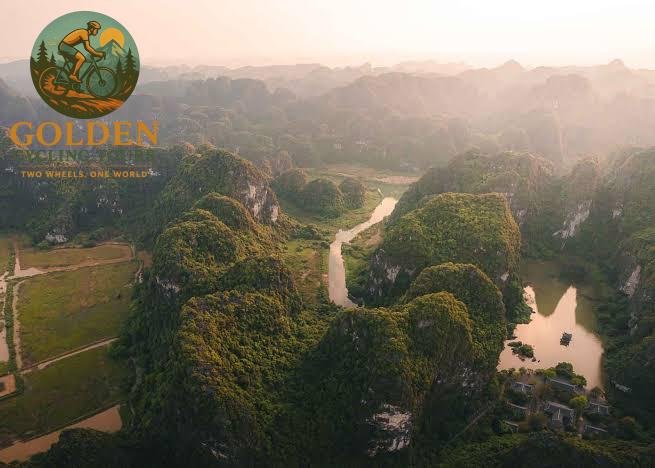
Embarking on a long-distance bicycle expedition across these mountain roads requires careful consideration of climate patterns and microclimates. Mastering your Weather & Seasonal Route Planning for Self-Guided Northern Vietnam is the ultimate secret to unlocking an unforgettable journey while avoiding severe monsoon downpours or freezing high-altitude fog. Whether you are tackling steep gradients on a traditional touring bicycle or gliding effortless through emerald terraced valleys on Vietnam E-Bikes Tours, understanding seasonal changes will ensure every pedal stroke brings pure joy.
To guide your journey, the local cycling experts at Golden Cycling Tours have compiled this definitive manual for Weather & Seasonal Route Planning for Self-Guided Northern Vietnam, covering seasonal weather dynamics, route selections, regional cuisine, culture, accommodations, and transportation.
The weather across the mountain wilderness of Northeast Vietnam is influenced by elevation changes and seasonal monsoon cycles. Understanding these seasonal shifts allows you to align your fitness goals with the most favorable riding conditions.
Autumn is widely recognized as the prime season for Cycling Northern Vietnam. As the summer rains recede, clear blue skies and crisp, comfortable temperatures ranging between 18°C and 25°C take over the highlands.
In September and October, the terraced slopes of Hoang Su Phi and Mu Cang Chai transform into golden waves of ripe rice ready for harvest. The air smells sweet with threshing grain, and gentle breezes cool you down during grueling climbs up Pha Din Pass. By late October and November, fields of pink and purple buckwheat blossoms blanket the rugged karst terrain of the Dong Van Karst Plateau Geopark.
Spring brings new growth across the mountain valleys. As winter's cold mist clears, daytime temperatures warm to a comfortable 20°C to 28°C, making it an ideal window for long days in the saddle.
Riding through Mai Chau Valley in early spring offers views of white plum blossoms and pink peach blooms dusting the hillsides. Humidity remains manageable, trails inside Pu Luong Nature Reserve are dry and fast, and the clear atmosphere offers sweeping views across deep limestone gorges.
Winter introduces cold, atmospheric conditions to the northern mountains. Temperatures on elevated passes like O Quy Ho Pass and Ma Pi Leng Pass can drop below 5°C, accompanied by dense mountain fog that wraps the peaks in mysterious beauty.
While winter riding requires high-quality thermal base layers and windproof outer shells, it rewards adventurous cyclists with quiet roads and dramatic scenery. Gliding past shrouded rock monoliths in Ha Giang offers a serene, moody riding experience.
Summer brings tropical warmth and monsoon precipitation to the region. Temperatures in lower valleys can exceed 30°C, while quick afternoon rain showers revitalize the tropical landscape.
During summer, waterfalls like Ban Gioc Waterfall roar at maximum volume, and river ecosystems in Ba Be National Park overflow with vibrant life. Cyclists planning summer trips should schedule early morning starts to complete climbs before afternoon temperatures peak.
Mastering Weather & Seasonal Route Planning for Self-Guided Northern Vietnam involves matching your route selection with seasonal conditions. Microclimates vary significantly between low-lying river valleys and high mountain ridges.
High mountain corridors such as Khau Pha Pass and Tham Ma Pass experience sudden temperature dips and rapid cloud accumulation. Cyclists tackling these routes must pack versatile, multi-layered cycling apparel to adapt to changing conditions during multi-thousand-meter descents.
Conversely, lowland valleys around Ninh Binh and the Trang An Scenic Landscape Complex offer stable, warm weather year-round. These flat, scenic tracks provide smooth riding through limestone towers and riverways regardless of seasonal fluctuations on the higher border peaks.
Dry autumn and spring months offer ideal traction across asphalt roads and unpaved gravel tracks. During the summer monsoon season, mountain gravel paths can become muddy, making wide, puncture-resistant tires or sturdy hardtail mountain bikes essential for stability.
If you prefer riding without the weight of heavy panniers across changing terrain, opting for supported Vietnam Luxury Bike Tours provides a dedicated support vehicle to transport gear, carry ice water, and provide assistance whenever needed.
Northern Vietnam features some of the most spectacular cycling routes in Asia. Here are the top itineraries tailored for different times of the year.
The crown jewel of alpine cycling cuts through dramatic limestone ridges, deep canyons, and vibrant ethnic minority villages along the northern border.
Highlights: Tackle the breathtaking switchbacks of Ma Pi Leng Pass, look down into the turquoise depths of the Nho Que River Canyon, and conquer the winding turns of Tham Ma Pass.
Recommended Tours: Book the comprehensive 10-Day Ha Giang Loop & Hoang Su Phi Cycling Adventure or explore regional multi-day options at Ha Giang Bike Tours.
Ideal for riders seeking emerald rice fields, tranquil bamboo groves, and moderate climbs, this route is accessible nearly year-round.
Highlights: Glide through the idyllic floor of Mai Chau Valley, ride along mountain ridges in Pu Luong Nature Reserve, and weave around towering karst formations in Ninh Binh.
Recommended Tours: Experience the 4-Day Northern Vietnam Cycling Mai Chau to Pu Luong or choose electric-assist power on the 6-Day Mai Chau - Pu Luong - Ninh Binh E-Bike Tour. Learn more through Mai Chau Bike Tours and Pu Luong Bike Tours.
Trace peaceful border routes through primary rainforests, mountain streams, and roaring waterfalls along the frontier.
Highlights: Cruise calm waters on Ba Be Lake Bike Tours within Ba Be National Park, visit the spectacular Ban Gioc Waterfall, and explore the underground caverns of Nguom Ngao Cave.
Recommended Tours: Discover remote mountain paths with Cao Bang Bike Tours, search regional routes at Vietnam Northeast Bike Tours, or sign up for an unforgettable journey on the Best Vietnam Cycling Northeast Tour 15 Days.
Mountain cycling burns thousands of calories each day. Fortunately, Northern Vietnam offers delicious, energy-rich mountain cuisine to fuel your journey.
Pho and Noodle Soups: Start cold mornings with a hot bowl of Pho Ga (chicken noodle soup) or Pho Bo (beef noodle soup) in mountain towns like Sapa or Cao Bang. The aromatic, ginger-infused broth hydrates and restores sodium levels quickly.
Com Lam and Mountain Barbecue: In high mountain passes, enjoy Com Lam—sticky rice cooked inside bamboo tubes over glowing coals. Pair it with tender grilled pork seasoned with aromatic wild Mac Khen forest pepper for a satisfying lunch on the trail.
Hotpot Gatherings: Cool evenings in Dong Van or Meo Vac are best spent sharing a steaming mountain hotpot filled with fresh local vegetables, wild mushrooms, and tender chicken or fish.
Sip pressed sugarcane juice (Nuoc Mia) at roadside stalls for an instant natural energy boost. High-altitude stops also offer piping hot cups of traditional Shan Tuyet green tea, harvested from ancient tea trees growing amidst misty peaks.
Restful sleep is essential for muscle recovery after tackling steep mountain elevations.
Staying in a traditional wooden stilt house hosted by local White Thai, Tay, or Red Dao families provides a warm cultural experience. Sleep comfortably under mosquito nets, enjoy home-cooked family dinners, and experience genuine rural hospitality. Homestays are widely available in Mai Chau, Pu Luong, and Hoang Su Phi.
For additional comfort, boutique eco-lodges offer western mattresses, hot rain showers, and infinity pools overlooking deep valleys. In smaller market towns, clean local guesthouses (Nha Nghi) provide reliable, budget-friendly rooms with secure indoor bicycle storage.
Getting yourself and your equipment to the starting points of northern cycling routes is simple and well-organized.
Overnight Sleeper Buses: Modern sleeper buses depart daily from Hanoi's My Dinh Bus Station to regional mountain hubs including Ha Giang Town, Cao Bang City, and Sapa. Bicycles are safely stowed in lower luggage compartments for a small fee.
Private Support Transfers: Booking a private support vehicle through Golden Cycling Tours allows you to bypass city traffic and begin cycling directly at the foot of iconic mountain passes.
Cycling through remote villages allows for meaningful interactions with indigenous ethnic communities, including the Hmong, Dao, Tay, Nung, and Thai people.
Warm Greetings: Children will often run out to greet you with calls of "Hello!" A smile and wave foster instant connections along the trail.
Homestay Traditions: Always remove your footwear before stepping onto the wooden floor of a stilt house. Avoid pointing the soles of your feet toward family shrines or elders.
Modest Dress and Photography: Wear modest clothing when visiting villages or sacred sites. Always ask for permission with a friendly nod before taking photos of local villagers.
Markus Weber – Switzerland: "Proper Weather & Seasonal Route Planning for Self-Guided Northern Vietnam made our autumn trip unforgettable. Golden Cycling Tours provided top-tier rental bikes and GPS routes that guided us smoothly over Ma Pi Leng Pass. Riding through golden rice fields in Hoang Su Phi was breathtaking!"
Sarah Jenkins – Australia: "Our e-bike tour through Mai Chau Valley and Pu Luong Nature Reserve was seamless from start to finish. The weather in April was ideal, the homestay meals were fresh and delicious, and the support team gave us complete peace of mind."
Liam O'Connor – Ireland: "Riding from Ba Be Lake to Ban Gioc Waterfall was an incredible experience. The scenery was stunning, the roads were peaceful, and the local hospitality made us feel welcome everywhere we stopped."
October and November are ideal months. During this period, rainfall is low, temperatures are comfortable (18°C–25°C), and the rice terraces in Hoang Su Phi and Mu Cang Chai display vibrant golden colors alongside blooming buckwheat fields in Ha Giang.
Yes, provided you prepare adequately. Ensure your bicycle brakes are inspected, use offline GPS navigation, monitor daily weather reports, and carry essential gear like high-lumen lights, extra inner tubes, and rain jackets.
A gravel bike, front-suspension mountain bike, or robust touring bicycle equipped with wide, puncture-resistant tires (minimum 38c) is recommended. Electric bikes are also an excellent choice for tackling steep mountain climbs smoothly.
Yes. Golden Cycling Tours offers flexible support vehicle packages that carry your luggage, provide fresh water and snacks, and offer transport if weather conditions change.
The towering peaks, cascading waterfalls, and vibrant cultures of Northern Vietnam offer an extraordinary backdrop for adventure on two wheels. By putting proper Weather & Seasonal Route Planning for Self-Guided Northern Vietnam into practice, you set the stage for an extraordinary journey filled with scenic mountain passes, warm hospitality, and unforgettable memories.
Ready to embark on your northern adventure? Explore custom itineraries, reserve top-quality bicycles, or book a fully supported guided tour today with the experts at Golden Cycling Tours. Your mountain journey starts here!

.jpg "Thai Binh Vietnam Bicycle")
.jpg "Phu Tho Vietnam Cycling")
.jpg "Thai Nguyen Cycling Vietnam")
.jpg "Tuyen Quang Cycling Vietnam")
.jpg "Vinh Phuc Cycling Vietnam")
Leave a Reply
Your email address will not be published. Required fields are marked *