- Call us Via Whatsapp: +84 (0) 832 126 699
4.9 stars on our site
(15,000 reviews)
- Monday - Sunday : 08:00 - 17:00
(15,000 reviews)

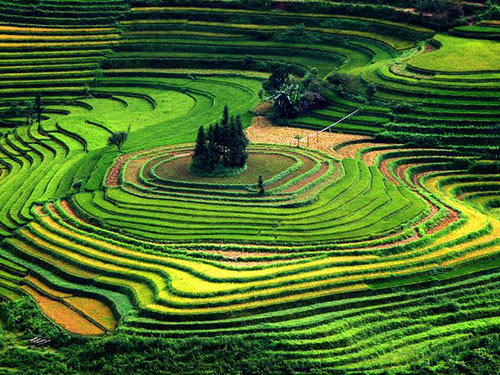
Sapa, the mist-shrouded frontier town of Vietnam’s Lao Cai province, is often celebrated as the "Tonkinese Alps." While most travelers experience its beauty through the lens of a trekking camera or from the window of a luxury bus, there is a more visceral, exhilarating, and deeply personal way to engage with this landscape: ethnic village cycling sapa. Imagine the sensation of the cool mountain air filling your lungs as you navigate a ridge line, the rhythmic clicking of your gears the only sound against a backdrop of cascading emerald rice terraces and limestone peaks that pierce the clouds.
At Golden Cycling Tours, we believe that the pace of a bicycle is the perfect tempo for discovery. It is fast enough to cover vast distances and see the shifting topography of the Northwest, yet slow enough to smell the woodsmoke from a Hmong kitchen, hear the laughter of children in a remote village, and stop on a dime to photograph a waterfall that doesn’t appear on any map. In this definitive guide, we explore why a sapa bike tour is the ultimate adventure for the modern traveler seeking authenticity.
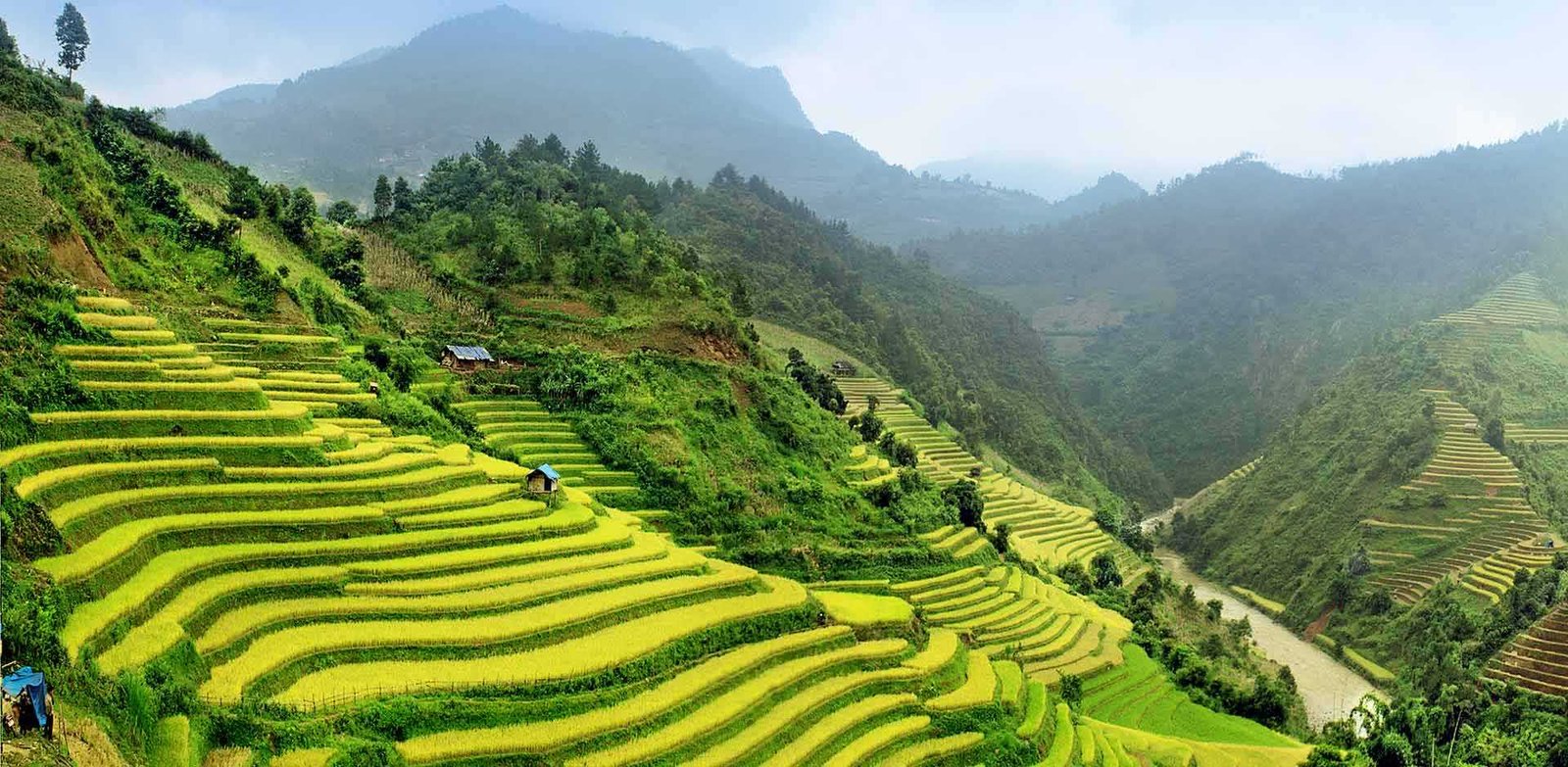
What makes ethnic village cycling sapa so distinct from any other cycling experience in Southeast Asia? It is the rare intersection of extreme geography and a vibrant, living tapestry of human culture.
Northern Vietnam is home to over 50 different ethnic minority groups, many of whom have resided in these mountains for centuries. When you pedal through the Muong Hoa or Ban Ho valleys, you aren't just riding a trail; you are moving through the ancestral lands of the Black Hmong, Red Dao, Tay, Giay, and Xa Pho people. Each group possesses its own unique architectural style, agricultural techniques, and vibrant traditional costumes. A bicycle allows you to enter these villages as a guest rather than a spectator, breaking the barrier of mass tourism.
Sapa sits in the shadow of Fansipan, the highest peak in Indochina. This geography dictates that every ride involves a vertical challenge. You are either climbing toward the clouds or descending into deep, river-carved valleys. The terrain varies from smooth asphalt on the main mountain passes to rocky, technical single-tracks that weave through bamboo forests and over ancient stone bridges. This diversity ensures that whether you are a road cycling enthusiast or a hardcore mountain biker, Sapa has a path for you.
To truly understand the heart of the Northwest, you must venture beyond the Sapa town center. Here are the core routes that define the best sapa bike tours.
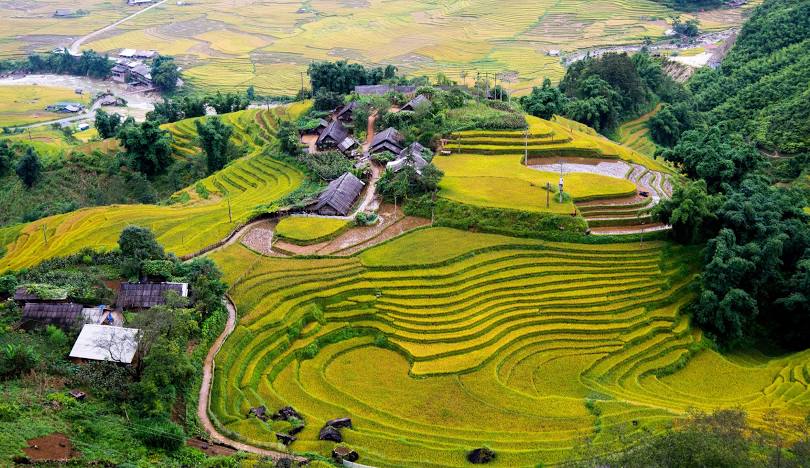
The Muong Hoa Valley is home to the most iconic rice terraces in the world. A typical ride starts with a long, exhilarating descent from Sapa town toward the villages of Lao Chai and Ta Van.
The Riding: You’ll navigate a mix of paved village roads and optional rocky paths that cut through the center of the paddies.
The Culture: This is the heartland of the Black Hmong and Giay people. Stopping for a local lunch at a village homestay allows for genuine interaction far from the main tourist crowds.
For those seeking a high-altitude rush, the O Quy Ho Pass is a mandatory inclusion. This is one of the "Four Great Passes" of Northern Vietnam, connecting Lao Cai and Lai Chau.
The Challenge: A steady, challenging ascent reaching an altitude of over 2,000 meters at "Heaven's Gate."
The View: On a clear day, the views extend deep into the valleys of our lai chau bike tours. The descent is legendary—nearly 25 kilometers of winding asphalt that tests your cornering skills and your brakes.
Heading north from Sapa takes you toward the Chinese border and the remote valley of Ban Khoang.
The Vibe: Far less visited than the Muong Hoa Valley, this area offers quiet roads winding through dense old-growth forests and past hidden waterfalls.
The People: Home to the Red Dao people, famous for their silver-studded headdresses and forest medicine. Ethnic village cycling sapa here offers a glimpse into a world that feels untouched by the 21st century.
While Sapa is the primary hub, the true spirit of the Northwest is found in the connections between its diverse regions. A comprehensive cycling holiday should bridge these gaps.
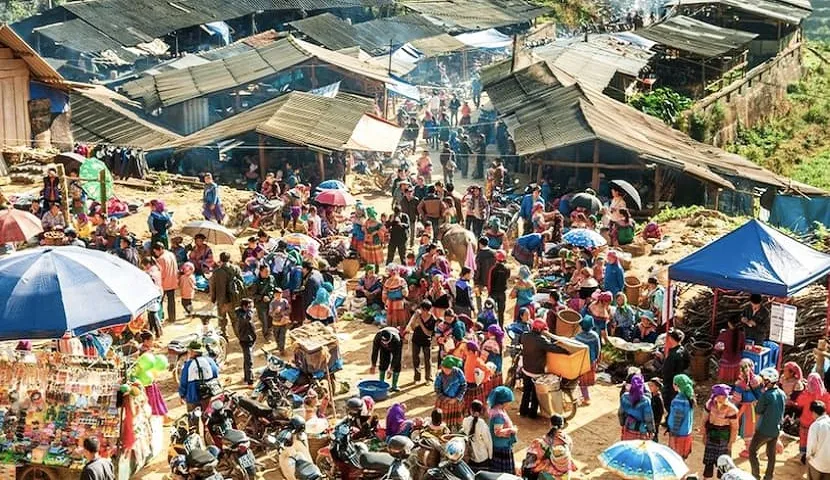
To the east of Sapa lies the Bac Ha plateau. A bac ha bike tour is the perfect companion to a Sapa journey. Known for its "Flower Hmong" culture, Bac Ha offers a slightly drier, more rugged landscape with trails that weave through white plum forests. The ride from Sapa to Bac Ha involves a dramatic descent to the Red River followed by a climb into the limestone hills of the east.
Continuing west from Sapa leads you into the wild frontiers of Lai Chau. Our lai chau bike tours are for the explorers. This province features jagged peaks and deep river canyons, where tourism infrastructure is almost non-existent. You will meet the Lu and Lao people, known for their blackened teeth and intricate weaving traditions.
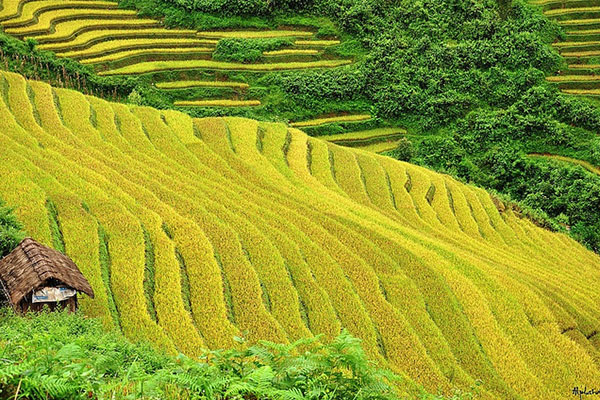
To the south of Sapa, the Mu Cang Chai district in Yen Bai province offers arguably the most spectacular rice terraces in all of Asia. Our Yen Bai Bike Tours focus on these breathtaking vistas. Biking through Yen Bai during the "Golden Season" in late September, when the rice turns yellow, is a life-defining experience.
For the ultimate enthusiast, we offer a grand loop that encompasses all these regions. A Vietnam Northwest Bike Tour is an odyssey of 10 to 14 days that takes you across the highest passes and into the deepest valleys of the country.
Ethnic village cycling sapa is a serious undertaking that requires the right equipment and a sensible approach to physical preparation.
In the mountains of Sapa, your bike is your best friend.
Brakes: Hydraulic disc brakes are essential. The long descents can cause rim brakes to overheat, leading to "brake fade."
Gearing: Ensure your bike has a wide gear range (e.g., 1x12 or 2x11) to handle the 10% to 15% gradients common in the region.
Suspension: A high-quality hardtail or full-suspension mountain bike with at least 100mm of travel is recommended for the rocky village paths.
You don't need to be a professional athlete, but you should have a solid baseline of cardiovascular fitness. In the weeks leading up to your trip, focus on hill repeats and building core strength. Managing a bike on technical descents for hours is surprisingly taxing on the arms and core.
Clothing: Moisture-wicking jerseys, padded cycling shorts, and a lightweight, breathable rain jacket. Sapa's weather is notoriously fickle.
Footwear: Sturdy MTB shoes or trail runners with good grip.
Hydration: While we provide water on all our guaranteed tours, having your own hydration pack allows for easier drinking on technical trails.
When you participate in ethnic village cycling sapa, you are entering the private lives of minority communities. At Golden Cycling Tours, we emphasize sustainable and respectful adventure.
Children in Sapa love to greet cyclists. A friendly "Xin Chao" or a wave goes a long way. However, we ask that you do not give out candy or money, as this encourages begging and can lead to health issues in remote areas with limited dental care.
Most people are happy to have their photo taken, but always ask first. A simple nod and showing your camera is usually enough. Respect the privacy of local homes; if a door is closed, do not peek inside.
Our tours prioritize village homestays and local eateries. By eating at a small roadside stall or staying in a Giay stilt house in Ta Van, your tourism dollars directly benefit the families who maintain these beautiful landscapes. This is the core philosophy of our guaranteed tours.
Timing is everything. Depending on what you want to see, different months offer different advantages for ethnic village cycling sapa.
Spring (March to May): The weather is clear and cool. The hills are alive with peach and plum blossoms. Visibility is at its peak for viewing the distant Hoang Lien Son peaks.
Summer (June to August): The "Green Season." Expect afternoon rain showers. The rice terraces are at their most vibrant, neon green.
Autumn (September to November): The "Harvest Season." The rice turns gold. This is the busiest and arguably most beautiful time to ride.
Winter (December to February): It can be biting cold and foggy. While challenging, the atmosphere is incredibly mystical and quiet.
Navigating the Sapa highlands requires local expertise and professional logistics. Golden Cycling Tours provides a safety net that allows you to focus entirely on the adventure.
Every multi-day expedition is followed by a support vehicle.
The "Sag Wagon": If you get tired on a climb or the weather turns, our van is right there to give you a lift.
Mechanical Peace of Mind: Our guides are trained mechanics. We carry a full suite of spare parts and tools to ensure a broken chain doesn't ruin your day.
Refreshments: The van is always stocked with cold water, fresh fruit, and local snacks.
Our guides aren't just experts in cycling; they are cultural ambassadors. Many grew up in the very villages you will be riding through. They speak the local dialects, know the history of the trails, and can facilitate interactions that a solo traveler would never experience.
If you are a solo traveler or a small group, check out our guaranteed tours. These fixed-date departures allow you to join a group of like-minded adventurers from around the world.
Mark and Sarah from the UK:
"The ethnic village cycling sapa experience with Golden Cycling Tours was the highlight of our 3-week trip to Vietnam. The descent from O Quy Ho was exhilarating, but it was the quiet moments—having tea with a Hmong family in a remote hamlet—that stayed with us. The bikes were in top condition and the support van was a lifesaver on the steeper climbs!"
Klaus from Germany:
"I've mountain biked in the Alps and the Andes, but nothing compares to the scale and beauty of the Sapa rice terraces. The technical trails through the villages were challenging but so rewarding. Our guide, Minh, was fantastic. Highly recommend the Vietnam Northwest Bike Tour for anyone with a bit of grit!"
Q: Is ethnic village cycling sapa suitable for beginners? A: We have routes for all levels. While Sapa is mountainous, we can design "leisurely" itineraries that focus on valley floors or use E-bikes to make the climbs manageable.
Q: Do I need to bring my own bike? A: No. We provide high-end mountain bikes (Giant, Trek, Cannondale). If you are very particular about your setup, you are welcome to bring your own pedals and saddle, and our mechanics will fit them for you.
Q: What is the food like on tour? A: You will enjoy fresh, locally sourced Vietnamese cuisine. Think stir-fried pork with ginger, organic greens, and plenty of rice. We easily cater to vegetarians and those with dietary restrictions.
Q: What happens if it rains? A: We provide high-quality rain ponchos. If the weather becomes dangerous (e.g., risk of landslides), we have the flexibility to adjust the route or use the support vehicle to move to a safer area.
Q: Are there E-bike options? A: Yes! We now offer high-performance E-mountain bikes for those who want to experience the beauty of the mountains without the intense physical strain of the climbs.
A journey into ethnic village cycling sapa is more than just a physical challenge; it is a transformative experience. It challenges your body, opens your mind to new cultures, and rewards your soul with vistas that words cannot fully capture. From the high-speed descents of lai chau bike tours to the culturally immersive village stays in Sapa, the Northwest of Vietnam is a playground for the brave.
Join Golden Cycling Tours and discover the rhythm of the mountains. Whether you are looking for a weekend escape or a full Vietnam Northwest Bike Tour, we are here to ensure your adventure is safe, authentic, and unforgettable.
The trails are calling. The clouds are waiting. The descent is going to be legendary.

.jpg "What to Do in Bac Ha Vietnam ?")
Leave a Reply
Your email address will not be published. Required fields are marked *