- Call us Via Whatsapp: +84 (0) 832 126 699
4.9 stars on our site
(15,000 reviews)
- Monday - Sunday : 08:00 - 17:00
(15,000 reviews)

Imagine the sharp, crisp mountain air kissing your skin as dawn breaks over the emerald limestone karsts of Northern Vietnam. You stand at the edge of a precipice, inhaling the intoxicating perfume of wild pine, damp earth, and distant woodsmoke drifting from wood-burning stoves in wooden stilt houses. Beneath your tires, the cold asphalt curves dramatically around cliffs that drop thousands of meters into turquoise rivers. You click into your pedals, the mechanical cadence of your chain rings resonating against silent, mist-shrouded valleys. As you crest the summit of Ma Pi Leng Pass, your quads burn with triumph, and the breath catches in your throat. This is the sheer magic of Cycling Northern Vietnam.
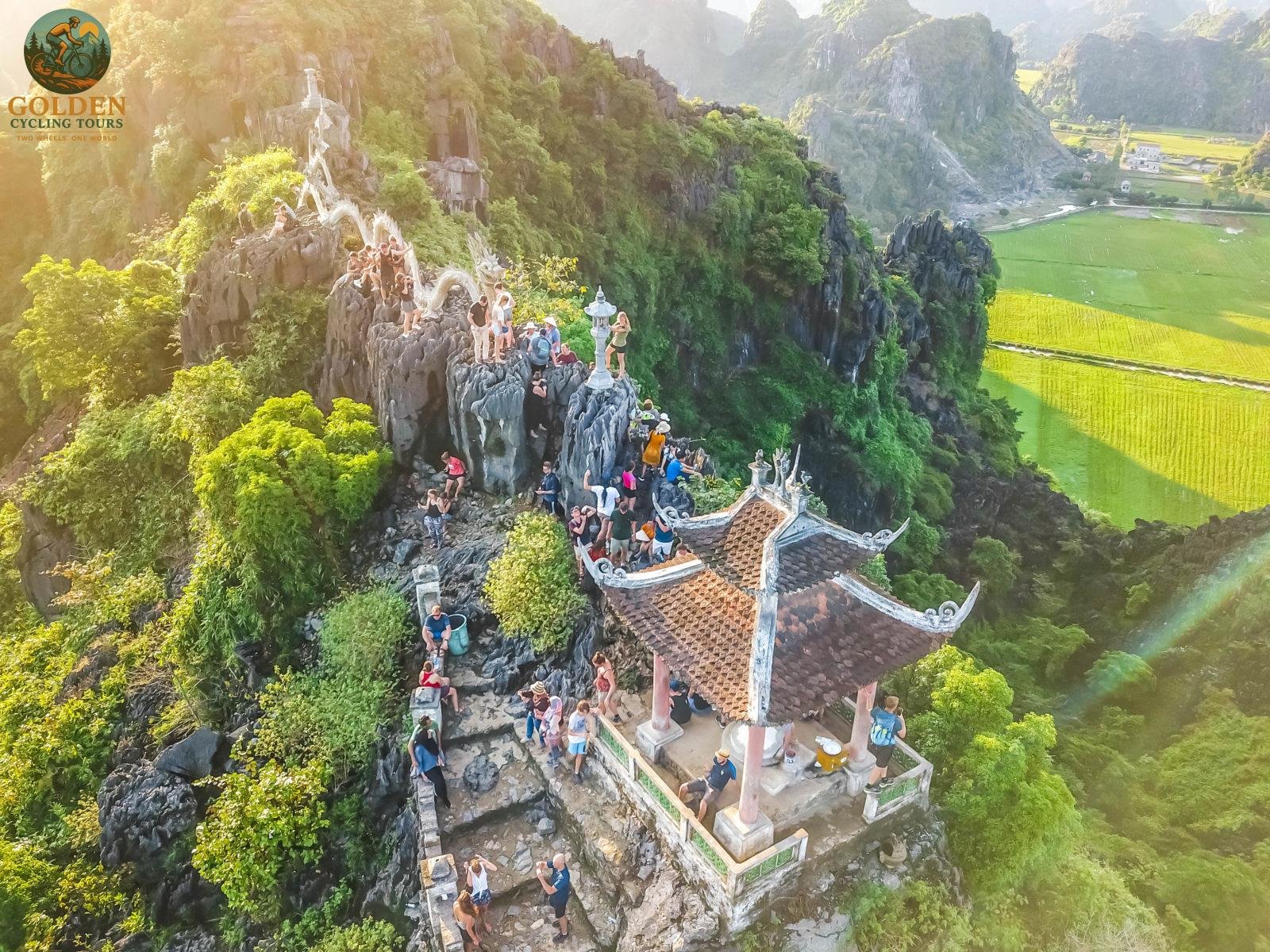
Riding independently through these remote mountain frontiers is one of the ultimate adventure travel experiences on earth. However, the rugged geography of the Northeast Vietnam borderlands and the unpredictable mountain weather demand thorough preparation. Whether you are tackling switchbacks on a pedal bike or rolling effortlessly through emerald rice terraces on Vietnam E-Bikes Tours, packing properly is the single most vital factor separating a trip of a lifetime from a grueling ordeal.
To help you conquer these legendary roads safely and comfortably, this guide presents the definitive Essential Equipment Checklist for Self-Guided Cyclists in North Vietnam, along with crucial insider tips on local food, culture, accommodation, weather patterns, and epic cycling routes crafted by the local experts at Golden Cycling Tours.
When venturing into remote mountain zones where bicycle repair shops are few and far between, every piece of gear in your panniers must serve a clear purpose. Below is the comprehensive breakdown of equipment required for navigating the wild trails and mountain passes of the North.
Your bike is your lifeline. While off-the-shelf touring bikes work well on paved roads, Northern Vietnam's variable terrain—ranging from smooth asphalt to loose karst gravel and steep gradient ascents—requires a robust, well-maintained machine.
Bicycle Type: A gravel bike, hardtail mountain bike, or sturdy touring bicycle equipped with wide, puncture-resistant tires (minimum 38c to 2.1 inches) is ideal. If you prefer powered assistance on mountain gradients, explore premium options like Vietnam E-Bikes Tours for smooth climbing support.
Cockpit Ergonomics: Ergonomic handlebar grips or cushioned bar tape to absorb constant road vibrations on long descents down O Quy Ho Pass.
Saddle and Seatpost: A thoroughly tested, broken-in saddle paired with a quality suspension seatpost or dropper post to maintain comfort across multi-hour rides.
Luggage Rack and Waterproof Panniers: Heavy-duty rear racks paired with fully waterproof panniers or bikepacking bags (such as Ortlieb or Restrap). Rainstorms in Pu Luong Nature Reserve can arrive in minutes, making waterproof gear non-negotiable.
Lighting System: High-lumen front headlight (minimum 800 lumens) and bright flashing rear red tail light. Mountain tunnels and fog banks across Ha Giang require maximum visibility.
Hydration Cages: At least two heavy-duty bottle cages mounted to your frame, supplemented by a 2-liter hydration bladder in your frame bag.
Local mechanic shops (tiem sua xe) line every highway, but they specialize in small 110cc automatic motorbikes. High-end bicycle components, tubeless sealant, 11-speed chains, and hydraulic disc brake pads do not exist in remote mountain villages.
Multi-Tool with Chain Breaker: A high-quality multi-tool including Allen keys (2mm to 8mm), Torx T25, flathead and Phillips screwdrivers, and an integrated chain rivet tool.
Tire Repair Outfit: High-pressure hand pump, tubeless repair plug kit (bacon strips), extra inner tubes (even if running tubeless), vulcanizing patch kit, and durable tire levers.
Spare Drive Components: Replacement derailleur hanger specific to your bicycle frame, spare chain links (Quick-Links), replacement inner gear cables, and two pairs of spare brake pads suitable for long wet descents.
Chain Care: Compact bottle of wet chain lubricant and a small rag. Mountain grit quickly strips dry drivetrain grease.
Duct Tape and Zip Ties: Multi-use emergency fasteners wrap easily around your pump handle for quick frame repairs.
Weather conditions in Northern Vietnam fluctuate rapidly. A scorching afternoon in Mai Chau Valley can plummet into freezing, damp fog by nightfall atop Pha Din Pass. Mastering a layer-based clothing strategy keeps you comfortable across all elevations.
Moisture-Wicking Base Layers: Synthetic or Merino wool sleeveless and long-sleeve base layers that dry rapidly and regulate body heat during arduous climbs.
High-Performance Cycling Jerseys: Short-sleeve and long-sleeve jerseys featuring full-length front zippers for ventilation and rear pockets for quick-access snacks.
Padded Bib Shorts or Shorts: At least two pairs of premium bib shorts with high-density chamois padding to prevent saddle sores over multi-day itineraries.
Waterproof and Windproof Outer Shell: A breathable, fully seam-sealed hardshell jacket (Gore-Tex or equivalent). A compact packable windbreaker is also recommended for breezy valley descents.
Thermal Mid-Layer: Lightweight fleece or compact down jacket for cool evenings spent relaxing at high-altitude homestays in Hoang Su Phi.
Riding Gloves: Full-finger thermal gloves for chilly morning descents, plus padded short-finger cycling gloves for daily vibration damping.
Footwear: Sturdy SPD cycling shoes or rigid-soled trail shoes with deep tread suitable for walking up slick mud paths, paired with Merino wool socks.
Sun and Dust Protection: UV-blocking sunglasses with interchangeable lenses (clear for fog, tinted for sun) and a breathable seamless neck gaiter or buff to shield your lungs from dust.
Navigating through winding karst mountain networks requires reliable digital tools backed up by traditional physical tools.
GPS Cycling Computer or Smartphone: Pre-loaded offline GPX maps using apps like Komoot, RideWithGPS, or Maps.me. Mobile signal can vanish deep within Ba Be National Park.
Power Supplies: High-capacity waterproof power bank (20,000 mAh minimum) to recharge GPS units, phones, and lights during multi-day stays in rural homestays.
Personal Safety Gear: Lightweight helmet with MIPS safety technology, compact first aid whistle, and emergency thermal space blanket.
Physical Documentation: Laminated copy of your passport, Vietnam visa, and emergency international medical insurance details stored securely inside a ziplock bag.
Timing your expedition is crucial for experiencing dry trails, clear mountain vistas, and comfortable riding temperatures.
Autumn (September to November) – The Golden Season: Autumn is universally considered the ultimate window for Cycling Northern Vietnam. Skies are crystal blue, rainfall drops significantly, and temperatures are pleasantly cool (18°C to 25°C). October brings the magical sight of golden, cascading rice terraces ready for harvest across Hoang Su Phi and Mu Cang Chai. Furthermore, fields of pink buckwheat flowers carpet the jagged rocks of the Dong Van Karst Plateau.
Spring (March to May) – Blossom and Bloom: Spring delivers warm, dry weather as the region awakens from winter hibernation. Valleys across Mai Chau bloom with white plum and peach blossoms, and temperature levels are exceptionally comfortable for long saddle days.
Winter (December to February) – The Crisp Frontier: Winter brings cold, misty conditions, with temperatures frequently dropping below 5°C on high peaks such as O Quy Ho Pass and Mieu Vac. Riding through shrouded mountain passes offers an otherworldly, moody atmosphere, provided you pack thermal base layers and waterproof outer shells.
Summer (June to August) – Tropical Lushness: Summer features dramatic tropical downpours and high heat in the lowlands. While the landscape is intensely green and waterfalls like Ban Gioc Waterfall roar at maximum force, mountain roads become prone to mudslides. Summer cycling requires flexible scheduling and early morning starts.
Riding a bicycle through mountain villages brings you into direct, intimate contact with Northern Vietnam's rich cultural tapestry. The region is home to dozens of distinct ethnic minority communities, including the Hmong, Red Dao, Tay, White Thai, and Nung people.
Warm Hospitality: You will frequently hear cheerful shouts of "Hello!" from children running alongside your bike. A smile, a nod, or a friendly wave goes a long way in establishing instant rapport.
Homestay Etiquette: When entering a traditional wooden stilt house in Mai Chau or Pu Luong, always remove your shoes at the entrance stairs or threshold. Never point your feet directly toward the family altar inside the home, as this is considered culturally disrespectful.
Mindful Photography: Always ask permission before photographing local villagers, particularly elders and children working in rice fields or craft markets. A simple gesture pointing to your camera with a polite smile is usually all it takes.
Dress Code: When riding through traditional villages or visiting sacred spaces, dress modestly. Slip on a pair of lightweight shorts over your tight bib shorts when stepping off your bike to wander through village markets or dine in family homes.
Cycling mountain passes burns thousands of calories daily. Fortunately, North Vietnamese cuisine is fresh, vibrant, and packed with complex flavors, providing perfect fuel for long days in the saddle.
Pho and Bun Cha: Start your morning early with a steaming bowl of Pho Ga (chicken noodle soup) or Pho Bo (beef noodle soup) in regional market towns. The aromatic broth infused with star anise, cinnamon, ginger, and fresh herbs rejuvenates tired muscles instantly.
Thang Co and Mountain Hotpot: In cold high-altitude towns like Dong Van and Meo Vac, savor a steaming pot of salmon or sturgeon hotpot cooked with wild mountain herbs, fresh mushrooms, and hand-cut noodles.
Com Lam and Grilled Pork: Sample Com Lam—sticky rice seasoned with coconut milk, stuffed into hollow bamboo tubes, and slow-roasted over hot coals. Pair it with tender skewered pork marinated in wild Mac Khen pepper for a delicious, portable trail lunch.
Fresh Tropical Fruits: Refuel at roadside stalls with sweet local oranges, crunchy plums, fresh dragon fruit, and mountain bananas packed with potassium.
Hydration and Mountain Tea: Quench your thirst with fresh sugarcane juice (Nuoc Mia) pressed fresh at mountain crossings, or sip piping hot, bitter-sweet Shan Tuyet green tea harvested from ancient tea trees growing atop mist-wrapped peaks.
If you desire an elevated culinary journey paired with fully supported luxury accommodations, consider booking Vietnam Luxury Bike Tours with Golden Cycling Tours.
Finding a comfortable place to rest after conquering thousands of meters of elevation gain is essential for body recovery.
Traditional Ethnic Homestays: Staying in an authentic wooden stilt house hosted by Tay or White Thai families offers an unforgettable cultural experience. You will sleep on comfy floor mattresses protected by mosquito nets, share generous family-style feasts around communal wooden tables, and listen to the relaxing sounds of rural farm life. Popular areas for homestays include Mai Chau Bike Tours and Pu Luong Bike Tours.
Boutique Eco-Lodges and Resorts: For travelers seeking premium comforts, eco-lodges constructed from natural stone and bamboo offer infinity pools overlooking deep valleys, hot rain showers, and western-style bedding. These lodges provide an ideal haven for muscular recovery nestled amidst pristine nature.
Locally Run Guesthouses (Nha Nghi): Found in almost every small village and roadside intersection across Ha Giang and Cao Bang, Nha Nghi are clean, simple, budget-friendly options featuring private bathrooms, hot water showers, secure indoor bike storage, and reliable Wi-Fi.
Getting your bicycle and luggage to the starting point of your northern cycling loop is straightforward thanks to Vietnam's well-organized transport network.
Overnight Sleeper Buses: Comfortable sleeper buses run nightly from Hanoi's My Dinh Bus Station directly to mountain hubs like Ha Giang Town, Sapa, and Cao Bang City. Bicycles are safely stowed underneath in the spacious luggage compartments for a small extra fee (usually 100,000 to 200,000 VND).
Private Van Transfers: For maximum flexibility, booking a private support vehicle with custom bike racks allows you to bypass noisy highway exits out of Hanoi and jump straight into scenic mountain passes.
Guided Support Vehicles: If you want the freedom of cycling without carrying heavy panniers over steep mountain gradients, choosing a fully supported package through Golden Cycling Tours provides an air-conditioned support vehicle that follows behind you with tools, ice water, fresh fruit, and your luggage.
Northern Vietnam boasts some of the most dramatic mountain scenery on earth. Here are the top routes every passionate cyclist must experience at least once in their lifetime.
The crown jewel of adventure cycling in Southeast Asia, the Ha Giang Loop cuts through raw limestone peaks, deep canyons, and remote ethnic settlements along the northern frontier.
Highlights: Tackle the breathtaking Ma Pi Leng Pass, gaze into the turquoise depth of the Nho Que River Canyon, conquer the switchbacks of Tham Ma Pass, and marvel at the steep stone walls of the Dong Van Karst Plateau Geopark.
Recommended Tours: Book the epic 10-Day Ha Giang Loop & Hoang Su Phi Cycling Adventure or explore curated regional options at Ha Giang Bike Tours.
For riders seeking lush emerald valleys, serene bamboo forests, and gentle river flats combined with moderate climbs, this central-north corridor is paradise.
Highlights: Coast through the tranquil valley floor of Mai Chau Valley, pedal along terraced mountain ridges inside Pu Luong Nature Reserve, and weave past towering limestone monoliths rising from calm water mirrors in Ninh Binh and Trang An Scenic Landscape Complex.
Recommended Tours: Experience the magnificent 4-Day Northern Vietnam Cycling Mai Chau to Pu Luong or opt for powered comfort with the 6-Day Mai Chau - Pu Luong - Ninh Binh E-Bike Tour. Learn more at Mai Chau Bike Tours and Pu Luong Bike Tours.
Trace ancient border roads through dense primary rainforests, clear blue lakes, and cascading waterfalls along the frontier bordering China.
Highlights: Cruise tranquil waters in Ba Be Lake Bike Tours inside Ba Be National Park, ride alongside quiet rural streams, visit the world-famous Ban Gioc Waterfall, and explore deep limestone caves at Nguom Ngao Cave.
Recommended Tours: Dive into deep exploration with Cao Bang Bike Tours, explore expansive regional routes through Vietnam Northeast Bike Tours, or sign up for the ultimate epic journey on the Best Vietnam Cycling Northeast Tour 15 Days.
Mark Stevens – United Kingdom: "Riding through Ha Giang was hands down the single greatest cycling adventure of my life. Golden Cycling Tours provided flawless equipment, incredible route guidance, and organized homestay stays that felt like visiting family. Cresting Ma Pi Leng Pass with the valley floor glowing below is a memory I will cherish forever. Don't hesitate to book with them!"
Elena Rostova – Germany: "We selected the e-bike trip through Mai Chau and Pu Luong, and it exceeded every expectation. The scenery felt like walking directly into a movie set—stunning rice fields, fragrant mountain air, and delicious home-cooked dinners every evening. Having our support crew nearby gave us absolute confidence on remote hill climbs."
David & Sarah Miller – Australia: "Following the checklist provided by Golden Cycling Tours saved our trip! Knowing exactly what gear to pack for self-guided riding made our journey across Cao Bang and Ba Be Lake smooth, safe, and utterly exhilarating. Northern Vietnam is a cyclist's paradise."
A front-suspension mountain bike, a durable gravel bike with wide tires (minimum 38c), or a high-quality electric bike is strongly recommended. Mountain roads across remote passes can feature loose gravel, potholes, and slick wet asphalt.
If riding completely self-guided, you will need lightweight, waterproof panniers. However, if you prefer riding light without the heavy burden of extra gear, Golden Cycling Tours provides private support vehicles that handle all luggage transfers between nightly homestays and hotels.
Yes, small family shops (tap hoa) are present in almost every village along major roads. You can easily purchase bottled drinking water, bananas, snacks, and instant noodles. For lunch and dinner, local eateries serving rice, fresh vegetables, eggs, and meats are readily available in town centers. Always drink bottled or filtered water.
Local motorbike repair shops (tiem sua xe) can assist with basic tasks like fixing flat tires or welding broken metal racks. However, for specialized bicycle component repairs, carry your own essential spares (derailleur hanger, chain links, inner tubes, brake pads). Having offline maps loaded onto your phone helps locate the nearest highway town.
The mountain passes in Northern Vietnam are world-famous for their steep, dramatic gradients. Climbs like Ma Pi Leng Pass, O Quy Ho Pass, and Khau Pha Pass feature continuous climbs ranging from 8 to 20 kilometers long with gradients averaging between 6% and 12%. A solid foundation of cardiovascular fitness and proper low-gear ratio setups are essential.
Conquering the wild mountain frontiers of Northern Vietnam on two wheels is an immersive, sensory-rich journey like no other. The rhythm of your breathing matching the hum of your tires on asphalt, the exhilarating scent of wild mountain orchids carried on fresh valley breezes, and the unforgettable warmth of ethnic minority hospitality create memories that endure a lifetime.
By carefully following this Essential Equipment Checklist for Self-Guided Cyclists in North Vietnam, you equip yourself with the safety, comfort, and independence needed to tackle any mountain trail with complete confidence.
Ready to make your dream cycling expedition a reality? Explore hand-crafted routes, hire top-tier bicycle fleets, or reserve fully supported guided experiences today with the mountain travel specialists at Golden Cycling Tours. Your mountain road awaits!

.jpg "Thai Binh Vietnam Bicycle")
.jpg "Phu Tho Vietnam Cycling")
.jpg "Thai Nguyen Cycling Vietnam")
.jpg "Tuyen Quang Cycling Vietnam")
.jpg "Vinh Phuc Cycling Vietnam")
Leave a Reply
Your email address will not be published. Required fields are marked *