- Call us Via Whatsapp: +84 (0) 832 126 699
4.9 stars on our site
(15,000 reviews)
- Monday - Sunday : 08:00 - 17:00
(15,000 reviews)

The crisp mountain air cuts sharply across your face as you pause at the brink of a soaring serpentine switchback. Thousands of feet below, a jade-tinted river threads through sheer vertical limestone cliffs, while above you, jagged mountain peaks tear through shifting seas of morning mist. The scent of damp pine needles, wild cardamom, and oak woodsmoke drifts up from distant timber stilt houses. As you prepare to tackle the next brutal 12% gradient, one crucial decision shapes your entire experience: are you tackling this legendary terrain on a traditional pedal-powered road bike, or are you gliding seamlessly on a high-performance electric mountain bike?
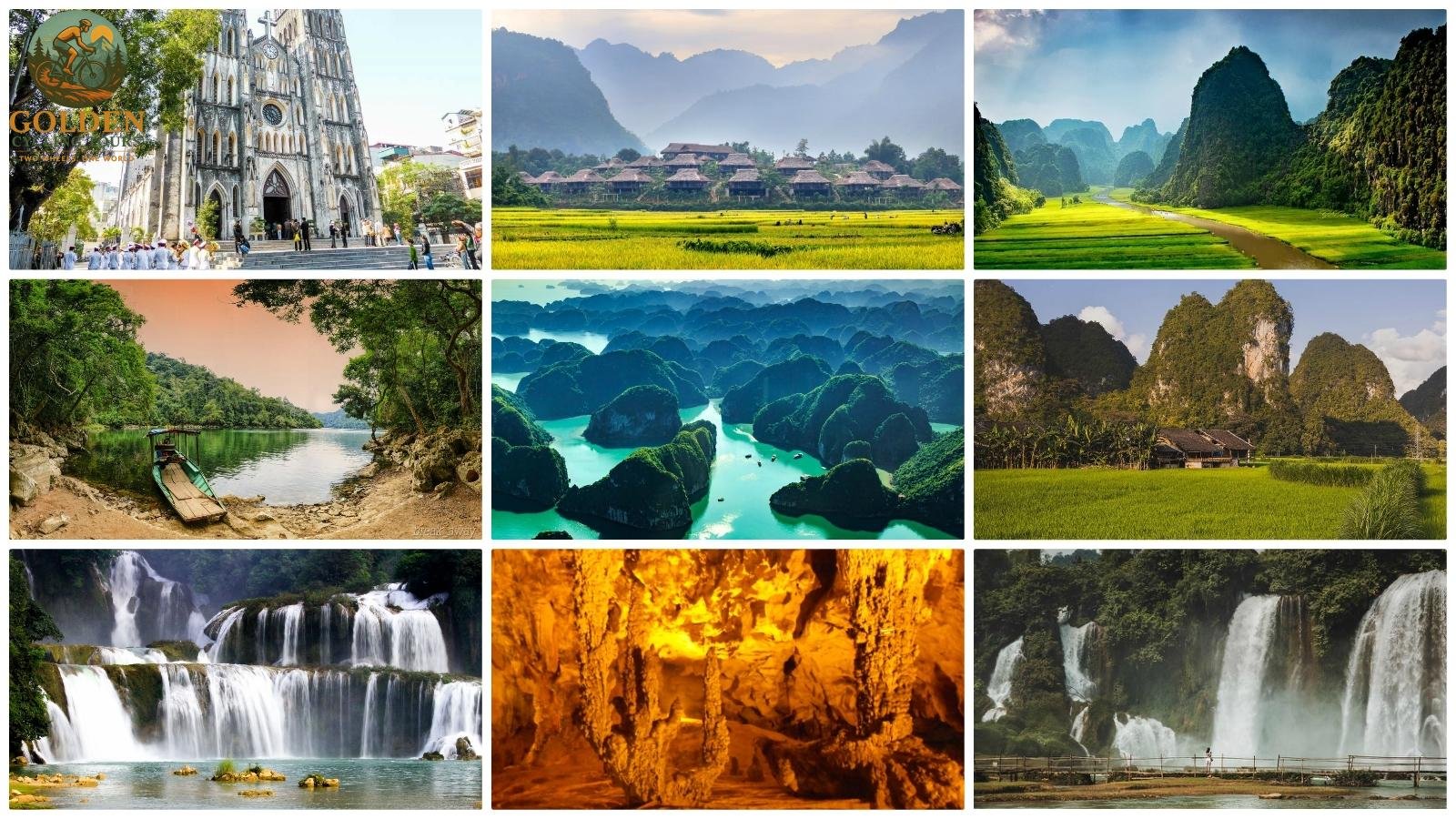
Navigating the roof of Indochina is a bucket-list dream for adventure cyclists worldwide. However, choosing the right machine determines whether your journey becomes an exhausting struggle against gravity or an exhilarating, sensory-rich pilgrimage. In this E-Bike vs Regular Bike for Biking Northern Vietnam: Complete Guide, crafted by the mountain adventure specialists at Golden Cycling Tours, we unpack the physical, tactical, and experiential differences between electric pedal-assist bikes and traditional bikes across Vietnam's most iconic alpine routes.
Northern Vietnam features some of the most dramatic, continuous vertical relief in Southeast Asia. From the colossal karst pinnacles of the Dong Van Karst Plateau UNESCO Global Geopark to the cloud-shrouded ridges of the Hoang Lien Son Mountain Range, cycling here is unlike anywhere else on Earth.
Conquering legendary passes such as Ma Pi Leng Pass, O Quy Ho Pass, Khau Pha Pass, and Pha Din Pass requires ascending multi-kilometer climbs with gradients frequently exceeding 10% to 14%. Weather patterns shift rapidly from humid valley floors to chilly alpine summits. Choosing between an e-bike and a regular bike requires a clear understanding of how these steep inclines and high elevations affect your body, stamina, and overall enjoyment.
To help you choose the ideal setup for your mountain expedition, let us analyze how these two bike choices perform across key riding conditions in Northern Vietnam.
Tackling sustained mountain climbs on a traditional road or gravel bike demands elite cardiovascular conditioning, iron endurance, and meticulous pacing. On steep climbs up O Quy Ho Pass at nearly 2,000 meters altitude, thin air quickly depletes energy stores, turning hours of riding into a relentless physical grind.
Conversely, premium e-bikes equipped with high-torque mid-drive motors amplify your natural pedaling power. You still pedal and engage your core and muscles, but the electric motor absorbs the punishing spikes in resistance. On our specialized vietnam e-bikes tours, you maintain a smooth, comfortable cadence, breathing easily while keeping your heart rate in an enjoyable aerobic zone.
When encountering iconic switchback series like Tham Ma Pass or the sharp limestone cols of Cao Bang, a traditional bicycle requires grinding in your lowest gear ratio, standing on the pedals, and burning maximum muscular energy. For seasoned endurance cyclists, this challenge is precisely the goal. However, for most riders, sustained 12% gradients can lead to premature exhaustion.
With an e-bike, switching into Eco, Tour, or Turbo mode provides instantaneous, smooth torque assistance. Steep hairpin bends that usually force cyclists to dismount become thrilling, controlled climbs. You glide effortlessly over crests while enjoying panoramic views of Tu San Canyon and the Nho Que River.
One of the biggest advantages of e-biking through Northern Vietnam is the mental and physical freedom it gives you to engage your senses. On a regular bike, when pushing up intense inclines, your gaze is often locked onto the tarmac just inches in front of your front wheel while your heart pounds in your ears.
On an e-bike, your mind remains relaxed and free to absorb the surroundings. You smell wild mountain mint and damp cedar; you hear the soft click of your cassette and the wind rushing through bamboo groves; and you watch ethnic Hmong and Red Dao villagers working ancient terraced fields in Muong Hoa Valley and Hoang Su Phi.
Cycling trips often bring together friends, couples, or multi-generational family members with varying fitness levels. On regular bikes, significant fitness gaps can split groups apart, leaving stronger riders waiting at summits while slower riders feel pressured or overworked.
E-bikes serve as the ultimate equalizer. Stronger cyclists can ride with lower assistance levels for a intense workout, while leisure riders can boost power output to comfortably keep up. Everyone rides side-by-side across the roof of Vietnam at a unified pace, sharing the luxury experience offered by our vietnam luxury bike tours.
Whether you choose a traditional bicycle or a modern electric bike, Northern Vietnam offers an extraordinary array of riding landscapes. Here is how your experience unfolds across key region highlights.
Riding through Ha Giang takes you through deep limestone gorges, ancient Hmong stone villages, and sacred frontier landmarks like Lung Cu Flag Tower.
Ascending Quan Ba Heaven Gate and riding past the Twin Mountains on a traditional bike requires exceptional endurance. On an e-bike, riders can casually soak in the UNESCO geopark scenery, easily navigate the climbs, and arrive at Dong Van Ancient Town energized and ready to explore local culture. Experience this legendary region on our dedicated Ha Giang Bike Tours or push your boundaries on the 10-Day Ha Giang Loop & Hoang Su Phi Cycling Adventure.
The northeastern frontier of Cao Bang features smooth valley roads winding alongside the jade waters of the Quay Son River, dramatic passes like Ma Phuc Pass, and natural wonders like Nguom Ngao Cave and Angel Eye Mountain.
While valley floors around Phong Nam Valley offer manageable terrain for traditional bikes, conquering surrounding high passes is significantly easier on an e-bike. Reaching Ban Gioc Waterfall via e-bike leaves you fresh enough to dismount and explore local artisan heritage in Phia Thap Incense Village. Plan your journey with our Cao Bang Bike Tours or take on the grand 15-Day Northeast Vietnam Cycling Tour.
For cyclists seeking gentle rolling hills, lush bamboo forests, and idyllic Thai stilt villages, riding through Mai Chau Valley and Pu Luong Nature Reserve offers absolute tranquility.
Here, traditional bikes are a great option for active travelers who enjoy moderate physical effort on rolling terrain. However, e-bikes allow seamless exploration of steeper mountain dirt tracks leading to hidden hamlets. Explore these idyllic valleys with our Mai Chau Bike Tours and Pu Luong Bike Tours. Popular itineraries include the short 4-Day Mai Chau to Pu Luong Cycling Adventure or the multi-region 6-Day Mai Chau, Pu Luong & Ninh Binh E-Bike Tour.
For a broader perspective on northern routes, explore our entire collection of Vietnam Northeast Bike Tours, discover serene waters on Ba Be Lake Bike Tours, or explore all options under Cycling Northern Vietnam.
Whichever bike you ride, cycling through Northern Vietnam brings you face-to-face with rich indigenous ethnic cultures, including the Black Hmong, Red Dao, White Thai, Tay, Nung, and Ha Nhi communities.
Pass through quiet mountain hamlets where Tay and White Thai people live in elevated wooden stilt houses, or marvel at the rammed-earth trinh tuong dwellings built by the Ha Nhi and Hmong peoples to withstand cold alpine winters. Watch local women craft indigo-dyed hemp textiles using centuries-old techniques.
Timing your ride with weekend gatherings like the Dong Van Sunday Market or Meo Vac Ethnic Market immerses you in a sensory celebration of color and sound. Local villagers dressed in traditional attire gather to trade textiles, mountain spices, livestock, and fresh produce.
High-altitude cycling builds a strong appetite, and Northern Vietnam’s mountain cuisine is hearty, aromatic, and deeply satisfying.
Savor iconic dishes like Vit Quay 7 Vi (roasted duck marinated with seven mountain spices), smoky charcoal-grilled black pork, warming Thang Co (traditional herbal stew), and sweet Com Lam (glutinous rice roasted in bamboo tubes). In high-altitude areas near Fansipan Peak, enjoy fresh mountain trout and salmon hotpot served with wild jungle greens.
Refresh during rides with fresh Trung Khanh chestnuts, nutty buckwheat flower cakes, or a hot cup of cardamom-infused mountain honey tea.
Enjoy farm-to-table dining at local eco-lodges in Sapa and Mai Chau, authentic hearthside meals prepared by hosts in village homestays, or vibrant street food stalls in Dong Van Ancient Town and Cao Bang City.
Restful sleep is vital for recovery after a long day in the saddle. Northern Vietnam offers accommodations ranging from authentic village homestays to high-end eco-resorts.
Relax in style at boutique eco-resorts nestled into mountain cliffsides. Enjoy private bungalows, infinity pools looking over terraced rice valleys, full spa treatments, and herbal steam baths.
Experience authentic local hospitality inside traditional stilt houses or rammed-earth homestays. Outfitted with clean bedding, warm duvets, mosquito nets, and modern hot showers, these homestays offer family-style feasts and warm fireside conversations.
Navigating remote northern frontier regions requires experienced logistics management.
Reach mountain starting points comfortably via luxury limousine vans, private transfers, or overnight sleeper trains organized directly by Golden Cycling Tours.
Every cycling expedition is accompanied by a modern support vehicle carrying luggage, spare high-capacity e-bike batteries, technical repair tools, hydration refills, and fresh seasonal fruits. If you ever need a rest on steep climbs, step into the support van at any time.
Selecting the right season ensures dry trails, comfortable temperatures, and spectacular mountain views.
Autumn brings dry weather and pleasant temperatures (15°C - 24°C). Rice terraces across Muong Hoa Valley, Hoang Su Phi, and Pu Luong Nature Reserve turn brilliant golden yellow, creating idyllic riding conditions.
Spring offers comfortable warmth, clear skies, and vibrant wildflowers. Wild peach blossoms, plum blossoms, and mountain orchids bloom across Hoang Lien National Park and Phia Oac - Phia Den National Park.
Winter brings chilly, atmospheric weather (8°C - 15°C). Layering up in windproof cycling gear rewards riders with breathtaking cloud hunting over high passes like O Quy Ho Pass and Ngai Thau Upper.
Summer brings warm temperatures and lush green landscapes. Early morning rides feature dramatic mountain lighting and rushing waterfalls like Silver Waterfall and Love Waterfall.
"I used to ride traditional road bikes, but tackling the steep gradients of Ma Pi Leng Pass on an e-bike was an absolute game changer. I could enjoy the dramatic views over Tu San Canyon without blowing out my legs. Golden Cycling Tours delivered top-notch support!" — Marcus & Elena Vance, Australia
"My husband is a strong cyclist, while I prefer casual riding. E-biking allowed us to ride side-by-side up challenging mountain passes in Cao Bang without anyone feeling left behind. An unforgettable experience!" — Sarah & James Mitchell, United Kingdom
Not at all! E-bikes use pedal-assist technology, meaning motor power only engages when you pedal. You still get a great cardiovascular workout, but steep 12% mountain climbs become manageable and fun rather than exhausting.
Our premium electric mountain bikes feature high-capacity lithium batteries providing 50 km to 80 km of range on hilly terrain. Spare batteries are carried in our support van to ensure continuous power throughout your daily ride.
Yes! You can adjust pedal-assist levels from Eco mode (minimal boost) to higher assist levels. Experienced cyclists can keep assistance low on flat roads and engage extra boost only on steep gradients.
While fit cyclists can complete these routes on regular gravel or mountain bikes, steep gradients, high altitudes, and variable road conditions make e-bikes much more accessible and enjoyable for most riders.
No special driving license is required for pedal-assist electric bicycles in Vietnam.
For complete route details, custom itineraries, and reservations, explore this E-Bike vs Regular Bike for Biking Northern Vietnam: Complete Guide and book your adventure directly with Golden Cycling Tours.

.jpg "Thai Binh Vietnam Bicycle")
.jpg "Phu Tho Vietnam Cycling")
.jpg "Thai Nguyen Cycling Vietnam")
.jpg "Tuyen Quang Cycling Vietnam")
.jpg "Vinh Phuc Cycling Vietnam")
Leave a Reply
Your email address will not be published. Required fields are marked *