- Call us Via Whatsapp: +84 (0) 832 126 699
4.9 stars on our site
(15,000 reviews)
- Monday - Sunday : 08:00 - 17:00
(15,000 reviews)

Imagine pedaling along a narrow mountain road as the morning mist drifts across the ridgelines. Below you, valleys disappear beneath a rolling ocean of white clouds. Ahead, the mountains of Vietnam’s far northwest rise like dark silhouettes against a pale blue sky. The only sounds are the rhythmic click of your bicycle’s gears, the whisper of wind through the trees, and the steady beat of your breathing as the road begins to climb.
Welcome to the Y Ty Cloud Cycling Tour, a high-altitude cycling experience in one of northern Vietnam’s most atmospheric mountain landscapes.
Located in Bat Xat District, Lao Cai Province, near the Chinese border, Y Ty is known for its dramatic mountain scenery, traditional ethnic villages, terraced fields, and the cloud formations that frequently transform its highland valleys. It is a destination where the journey matters as much as the destination: every climb reveals a new view, every descent brings a rush of cool mountain air, and every village offers a glimpse into a way of life shaped by altitude, weather, and generations of local tradition.
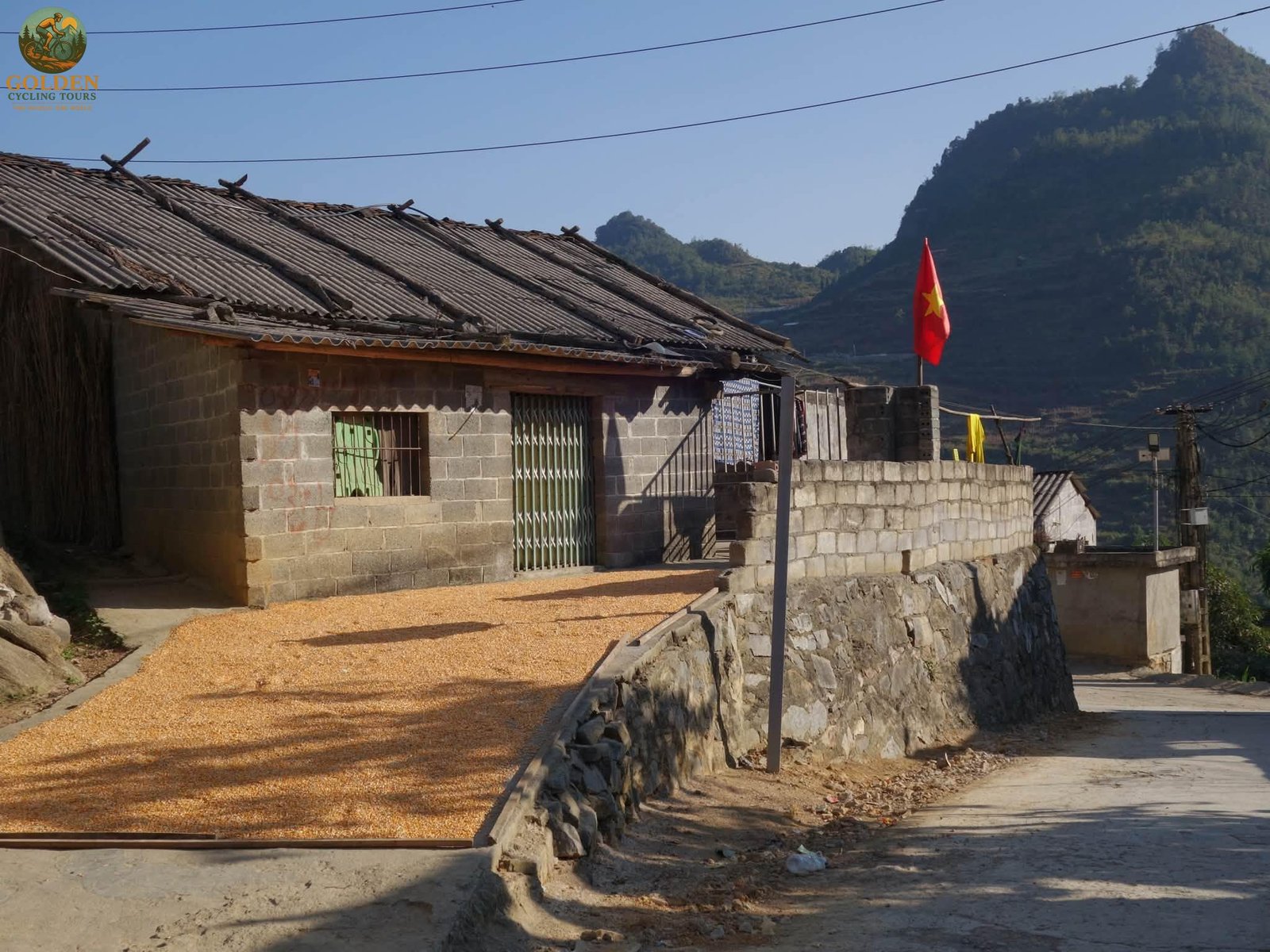
For cyclists seeking more than a conventional sightseeing holiday, the Y Ty Cloud Cycling Tour offers the possibility of combining physical challenge, photography, cultural encounters, and the quiet satisfaction of exploring remote roads under your own power.
With Golden Cycling Tours, travelers can explore cycling experiences across northern Vietnam and discuss how to plan a mountain adventure that suits their fitness, interests, schedule, and preferred riding style.
The defining feature of a Y Ty cycling adventure is its extraordinary highland atmosphere. On suitable days, clouds gather in the valleys and flow between mountain ridges, creating a landscape that seems to change with every turn of the road.
The experience is especially magical in the early morning. Cool air brushes your cheeks, moisture glistens on roadside grass, and the scent of damp earth rises after a night of mist or rain. As the sun climbs higher, patches of golden light illuminate terraced slopes and wooden houses scattered across the hillsides.
From the saddle, these details feel immediate and intimate. You do not simply pass through the scenery behind a vehicle window. You hear the road surface beneath your tires, feel the gradient through your legs, and notice the temperature change as you climb from a sheltered valley toward an exposed ridge.
The clouds are never guaranteed, of course. Mountain weather is unpredictable, and the best views depend on seasonal conditions, wind, and visibility. That uncertainty is part of the character of Y Ty: each ride unfolds differently.
Y Ty is particularly appealing to riders who enjoy mountain roads, sustained climbs, and the reward of reaching a viewpoint under their own power.
The surrounding terrain includes steep gradients, winding roads, remote settlements, and sections where the landscape opens dramatically across the mountains. Depending on the selected route, a ride may involve long ascents, rolling ridge roads, rougher surfaces, or fast descents that require concentration and careful braking.
A high-elevation cycling day is not simply a test of leg strength. It asks you to manage your breathing, regulate your pace, drink regularly, and remain alert as the road changes character.
You might settle into a steady climbing rhythm, shifting into an easier gear while the rear cassette clicks softly beneath you. The slope steepens. Your shoulders relax, your cadence becomes deliberate, and the next bend reveals another stretch of road climbing into the mist. Then, finally, the gradient eases. You look back across the valley, take a long breath of cold mountain air, and realize how far you have climbed.
That sense of achievement is one of the most compelling reasons to consider a Y Ty Cloud Cycling Tour.
Northern Vietnam is famous for destinations such as Sapa, Ha Giang, and Bac Ha, but Y Ty offers a different atmosphere. It is quieter in many areas, with a strong connection to highland agriculture, local village life, and the seasonal rhythms of the mountains.
Travelers may encounter Ha Nhi, Hmong, and other local communities in the broader region. Their homes, clothing, farming traditions, and village landscapes reveal the cultural diversity of Vietnam’s northern borderlands.
Responsible cycling makes it possible to experience these places at a respectful pace. You can pause at a viewpoint, purchase refreshments from a local shop when available, or ask your guide about the surrounding landscape without turning everyday village life into a spectacle.
For cyclists who value authentic encounters as much as physical challenge, this combination of scenery and culture makes Y Ty especially rewarding.
Y Ty Village is a natural focal point for exploring the surrounding highlands. Its mountain setting, traditional buildings, agricultural landscapes, and frequently changing weather create an atmosphere unlike that of Vietnam’s larger cities.
Depending on the season, the hills may be covered in green vegetation, golden rice terraces, or layers of mist. On clear mornings, distant ridges appear sharply defined. When the clouds roll in, nearby houses and fields emerge and disappear in a matter of minutes.
Cyclists should take time to explore the village on foot where appropriate. A short walk allows you to notice architectural details, cooking smoke rising from homes, the sound of conversations along village paths, and the practical ways residents adapt to a cool and sometimes damp climate.
Always ask before photographing people, homes, or private activities. A friendly greeting and respectful curiosity are more valuable than a hurried photograph.
The terraced fields around Y Ty are among the region’s most memorable landscapes. Carved into hillsides over generations, they demonstrate how local communities have adapted farming to steep terrain.
From a bicycle, the terraces reveal their changing geometry. In the growing season, green bands follow the contours of the hills. During harvest, the slopes can glow in shades of gold and amber. When water covers newly prepared fields, the landscape may reflect the sky like a collection of small mirrors.
The appearance of the terraces depends on local planting schedules, elevation, rainfall, and weather. Travelers hoping to photograph a particular stage of the agricultural cycle should confirm conditions close to their travel dates rather than assume every season will look the same.
For photographers, the most rewarding moments often arrive when the light is soft and the clouds create depth between the foreground fields and distant mountain ridges.
Ngai Thau and the surrounding highland area are often associated with dramatic mountain scenery and cloud-watching opportunities. Depending on road conditions and the chosen itinerary, nearby roads may provide excellent opportunities for a scenic ride or a photography stop.
The landscape can shift rapidly from open hillsides to sheltered village roads. A bend may reveal a deep valley, a patchwork of farmland, or a ridge disappearing behind low clouds.
Because mountain roads can be affected by rain, fog, landslides, and maintenance work, riders should not assume every route is accessible throughout the year. A local guide or tour operator can help assess which roads are appropriate for the day’s conditions.
Muong Hum is known for its traditional market, which brings together residents from surrounding highland communities. Depending on the day of your visit and the market schedule, it can offer an opportunity to see local trade, regional produce, clothing, household goods, and the social life of the surrounding valleys.
A market visit can complement a cycling itinerary by providing a different perspective on the region. Instead of focusing only on mountain views, you can observe how people exchange goods, meet friends, and maintain connections between scattered settlements.
Market days and transport arrangements should be confirmed before travel. If your route includes a visit, allow enough time to explore without rushing through the experience.
Sapa is another well-known destination in northern Vietnam, famous for its mountain scenery, terraced landscapes, and access to communities in the surrounding highlands. It can be considered as part of a wider regional journey, although it should not be assumed that every Y Ty cycling package includes Sapa.
For travelers who want to compare routes and destinations, explore Golden Cycling Tours’ Sapa cycling destination.
Riders interested in discovering more of the region can also browse Vietnam Northwest Bike Tours and Cycling Northern Vietnam.
A day of highland cycling often begins before the mountains become busy. The air is cool, the light is soft, and the road may still be damp from overnight mist.
As the first climb begins, the bicycle becomes an extension of your body. You shift into a lower gear, settle your hands on the bars, and find a cadence that you can sustain. The front wheel tracks through each bend while your legs respond to the changing gradient.
On a steeper section, your breathing grows deeper. The road narrows visually as it disappears around a curve. You may feel the effort in your thighs and calves, but a controlled pace makes the climb more manageable than an early burst of speed.
At a safe stopping point, the effort gives way to the landscape. You hear birds calling from the hillside and wind moving across the grass. The air may smell of wet soil, wood smoke, or vegetation after rain. If clouds fill the valley, the view seems almost unreal.
The descent brings another kind of concentration. You scan the road surface, anticipate corners, and regulate your speed. Cool air moves across your face, but shaded bends may remain slippery. The best descent is not necessarily the fastest one; it is the one that allows you to enjoy the scenery while remaining fully in control.
A Y Ty mountain cycling adventure may be demanding, particularly for riders unfamiliar with long climbs, remote roads, or changing weather.
Suitability depends on the route’s distance, total elevation gain, surface quality, available support, and the cyclist’s experience. A short scenic ride near a village is very different from a full day of sustained climbing at altitude.
Before booking, discuss the following with your tour operator:
Your usual cycling distance and climbing experience.
The planned daily distance and cumulative elevation gain.
Whether the route uses paved roads, gravel, or mixed surfaces.
The availability of a support vehicle and opportunities to shorten the ride.
Bicycle type, gearing, helmet provision, and repair support.
Whether an e-bike option is available for the specific itinerary.
Travelers who are new to mountain cycling may prefer a gentler route or an itinerary with flexible riding distances. Experienced cyclists can ask for a more challenging plan, but should still allow for weather, road conditions, and adequate recovery.
You do not need to be a professional cyclist to enjoy Y Ty, but you should be comfortable riding for several hours and managing repeated climbs if the itinerary includes them.
A useful preparation plan includes regular endurance rides, hill training, and practice using gears efficiently. Build your training gradually rather than attempting a demanding mountain ride without preparation.
On the tour, keep your effort sustainable. Eat before you become excessively hungry, drink at regular intervals, and tell your guide early if you feel unusually tired, dizzy, cold, or unwell.
High elevation does not affect everyone in the same way, and physical fitness alone does not guarantee protection from altitude-related symptoms. Ask your tour operator or a qualified medical professional about any personal concerns before departure.
For many travelers, September and October are attractive months to explore the highlands around Y Ty. Depending on the local agricultural calendar and the year’s weather, rice terraces may turn golden as harvest approaches.
The combination of layered hills, warm-colored fields, and cooler air can create wonderful conditions for landscape photography. However, harvest timing varies, so confirm the expected appearance of the terraces before planning a trip specifically around golden rice.
March to May can offer fresh vegetation, changing cloud patterns, and a sense of renewal across the northern highlands. As the weather transitions toward warmer conditions, the scenery may alternate between clear views and misty mountain mornings.
This period can be appealing to travelers who prefer green landscapes and want to avoid the coldest part of the year. Rainfall and road conditions vary, so flexible planning remains important.
The winter months can bring a dramatic atmosphere to the highlands, with cold mornings, fog, and cloud-covered ridges. For photographers and travelers who enjoy quiet mountain scenery, this season may have a special appeal.
However, temperatures can be low, especially during early starts and long descents. Visibility may deteriorate quickly, and wet or foggy roads require extra caution.
Pack insulated layers, gloves, a windproof outer shell, and clothing that remains comfortable when damp. Check the forecast before riding and be prepared to adjust the route if conditions become unsafe.
Summer can bring lush vegetation and powerful mountain scenery, but it may also involve heavier rain, humidity, slippery surfaces, and an increased risk of road disruption.
Cyclists should avoid treating cloud season as a guarantee of spectacular views. Heavy mist can reduce visibility, while intense rain can make steep roads dangerous.
A well-planned itinerary should prioritize safety over completing every scheduled kilometer. Confirm seasonal road conditions with your guide and retain flexibility in the travel plan.
The ideal time depends on what you want to experience:
For golden rice terraces, investigate the likely harvest period in September and October.
For fresh green landscapes, consider spring and confirm the current weather outlook.
For misty winter scenery, prepare for cold conditions and reduced visibility.
For summer greenery, prioritize flexible scheduling and careful weather monitoring.
Because Y Ty is a remote mountain destination, booking early can help with transport coordination and accommodation planning, especially during popular travel periods. Before confirming, ask for the latest itinerary, cancellation conditions, and weather-related alternatives.
The Ha Nhi are among the ethnic communities associated with Y Ty and the surrounding highlands. Their traditions reflect a long relationship with mountain agriculture, local building materials, seasonal weather, and community life.
In some villages, traditional homes are designed to cope with the local climate. The surrounding landscape is not simply a beautiful backdrop; it is the environment in which families work, grow food, raise children, and maintain cultural practices.
A cycling visit should approach this heritage with respect. Dress modestly when appropriate, ask permission before taking photographs, and avoid entering private property without an invitation.
The wider Lao Cai region is home to several ethnic communities, including Hmong groups. Their clothing, farming practices, languages, and local traditions vary from place to place.
Visitors may notice colorful garments, embroidered details, traditional market activities, and farming patterns shaped by steep terrain. These cultural details enrich the cycling experience, but no single village or individual should be expected to represent an entire ethnic group.
A knowledgeable local guide can explain the context behind what you see and help facilitate respectful interactions.
Small actions can make a meaningful difference during a visit to remote villages.
Ask before photographing people, especially children.
Support local businesses when practical.
Follow your guide’s advice about village etiquette.
Avoid leaving litter along roads, trails, or terraces.
Do not handle belongings or enter homes without permission.
Learn a few polite local greetings if your guide recommends them.
The best cultural encounters are not staged performances. They are genuine moments of exchange, made possible by patience, respect, and a willingness to listen.
Mountain cycling builds an appetite, and northern Vietnam offers plenty of comforting flavors to explore. Food availability in Y Ty can be more limited than in larger tourist centers, so meal arrangements should be confirmed in advance.
Depending on the season and the establishment, you may find simple rice-based meals, vegetables, soups, grilled dishes, and locally prepared specialties.
A warm bowl of soup can be particularly welcome after a cold morning ride. Steamed rice and vegetables provide familiar energy, while grilled foods offer a satisfying contrast to the cool mountain air.
Some restaurants and homestays may serve regional dishes influenced by local ethnic traditions. Recipes and ingredients vary, and not every dish is available every day.
Dining options in Y Ty are generally more limited than those in Lao Cai City or Sapa. Travelers should not assume that a wide choice of restaurants, cafés, or Western meals will be available in remote villages.
Consider these practical options:
Homestay meals: Often a convenient way to arrange breakfast and dinner, subject to the property’s facilities and meal availability.
Small local eateries: Useful for simple meals when open; ask your guide about opening times and suitable options.
Packed cycling lunches: A practical choice for routes that pass through sparsely populated areas.
Restaurants in larger towns: Consider eating before departure or after returning from the mountains if you want a broader selection.
If you have dietary requirements, allergies, or vegetarian preferences, tell the operator before the trip. Carry a few familiar snacks in case the route has limited opportunities to buy food.
Before a long ride, choose a familiar breakfast containing carbohydrates and some protein. Rice, bread, eggs, fruit, or oatmeal can work well depending on availability and personal preference.
During the ride, eat small amounts regularly instead of waiting until energy levels fall sharply. Bananas, energy bars, nuts, and other easy-to-carry snacks are practical options.
After cycling, a balanced meal with carbohydrates, protein, vegetables, and fluids supports recovery. The simplest local meal may be exactly what you need after several hours on the road.
A homestay can be an excellent option for travelers who value cultural contact and a simple, local atmosphere. Depending on the property, you may stay in a traditional-style house or a more modern guest accommodation operated by local residents.
Facilities vary considerably. Some properties offer private rooms and bathrooms, while others have shared facilities or more basic amenities. Heating, hot water, insulation, and meal arrangements should never be assumed.
Ask your operator to confirm the specific accommodation, room type, bathroom arrangements, and meal inclusions before booking.
Small guesthouses may offer a practical alternative for cyclists who prefer a private room or a straightforward overnight stop. Availability can be limited, particularly during busy travel periods or when weather affects transport.
Because Y Ty is remote, accommodation choice may influence the shape of your itinerary. In some cases, a route may need to be planned around the available overnight options rather than around the ideal cycling distance alone.
Lao Cai City and Sapa can provide more accommodation choices for travelers who want to arrive early, rest before the ride, or continue exploring northern Vietnam afterward.
Sapa is especially useful for travelers interested in combining mountain cycling with other highland experiences. However, the distance between destinations and the actual transfer arrangements should be checked before assuming that a particular hotel or town will fit conveniently into your plan.
Before confirming your Y Ty cycling holiday, ask:
Is the accommodation included in the tour price?
What are the room and bathroom arrangements?
Are meals provided, and can dietary needs be accommodated?
Is secure bicycle storage available?
Is hot water available consistently?
What happens if weather or road conditions require an overnight change?
Comfort matters after a demanding ride. A warm meal, dry clothing, and a restful night can make the next day’s mountain adventure much more enjoyable.
Most international visitors begin their journey in Hanoi, Vietnam’s capital. From there, the trip to the Lao Cai region can involve a combination of road or rail travel and a transfer toward Y Ty.
The best option depends on your schedule, budget, luggage, and whether you are transporting your own bicycle. Travel times vary with traffic, service schedules, weather, and road conditions, so allow sufficient flexibility.
Lao Cai City is an important gateway to the northern border region. From there, travelers generally need onward road transport to reach Y Ty.
Mountain roads can be winding, steep, and affected by weather. A private vehicle or organized transfer can simplify the logistics of carrying bicycles, luggage, and repair equipment.
Do not rely on a generic travel-time estimate when planning a tight connection. Confirm the actual pickup location, departure time, and transfer duration with your operator.
Some travelers may combine Y Ty with a stay in Sapa, but the exact route and transfer arrangement depend on current road conditions and the selected itinerary.
Sapa is not automatically the best starting point for every Y Ty ride. Compare the full transport plan, accommodation locations, and riding schedule before deciding.
Bringing your own bike can be appealing if you are accustomed to a particular frame size, gearing, saddle, and riding position. However, transporting a bicycle adds logistical considerations, including packing, handling, assembly, and repair preparation.
A suitable rental bicycle can simplify the journey, provided that its size, condition, gearing, and components are appropriate for the route.
Before departure, confirm:
Whether a bicycle is included or available for rent.
The type of bicycle recommended for the road surface.
Whether helmets and basic repair tools are provided.
How luggage is transported during the ride.
Whether a support vehicle is available.
How mechanical problems and emergency transfers are handled.
A reliable mountain bike, gravel bike, or touring bike may suit different sections of the route, depending on the actual surface and gradient. There is no single ideal bicycle for every Y Ty itinerary.
For steep climbs, appropriate gearing is particularly important. A wide gear range helps maintain a comfortable cadence without forcing the rider to grind through every ascent.
Brakes, tires, drivetrain condition, and overall fit matter just as much as the frame style. Have the bicycle checked before the tour and report any discomfort early.
Mountain weather can change rapidly. A sunny valley may give way to cold wind or mist on an exposed ridge.
Useful items include:
A moisture-wicking base layer.
A warm mid-layer.
A windproof and waterproof jacket.
Full-finger cycling gloves.
Padded cycling shorts.
Comfortable cycling shoes.
Sunglasses and sunscreen.
A lightweight change of dry clothes.
A refillable water bottle or hydration system.
Snacks and personal medication.
A phone, power bank, and offline navigation backup.
Carry only what you need on the bicycle, with heavier luggage transported separately if your tour provides that service.
Mountain roads require more attention than many flat cycling routes. Blind corners, loose gravel, potholes, livestock, pedestrians, and unexpected vehicles can all appear along the way.
Keep a safe following distance and avoid crossing the center of the road on bends. Descend at a speed that allows you to stop within the visible road ahead. Use both brakes smoothly and avoid sudden braking on slippery surfaces.
Fog and rain can reduce visibility dramatically. If conditions become unsafe, stop at a secure location and follow your guide’s instructions.
Cold air can reduce your awareness of sweating, but you still lose fluids during a sustained climb. Drink regularly and increase your intake when conditions and effort require it.
Bring snacks you know you can tolerate while riding. If the itinerary includes a long remote section, do not assume that food or drinking water will be available along the road.
At the end of the day, change out of wet clothing, eat a balanced meal, and rest. A good recovery routine helps you enjoy the following day rather than simply endure it.
The outline below is an illustrative planning framework, not a confirmed Golden Cycling Tours departure or published package. Actual distances, elevation gain, accommodation, and inclusions must be confirmed with the operator.
Travel from Hanoi toward Lao Cai City, then continue by arranged road transfer according to the selected itinerary.
Use the day to check your bicycle, organize equipment, review the weather forecast, and discuss the route with your guide. If time and conditions permit, enjoy a short walk or a gentle spin rather than an exhausting training ride.
A relaxed first evening gives you time to adjust to the cooler mountain climate and prepare for an early start.
Begin the cycling day after breakfast, following a route selected for current road conditions and the group’s ability.
The first kilometers may pass through cultivated slopes and scattered settlements. As the road climbs, the air becomes cooler and the views begin to open. A series of bends may lead toward highland viewpoints where the surrounding ridges rise above the valleys.
Stop for water, photographs, and short recovery breaks. If the clouds are low, the landscape may appear and disappear in layers; if the weather is clear, the views may stretch across several mountain ranges.
The day’s distance and climbing profile should be adapted to the group rather than dictated by a fixed target.
Depending on the confirmed route, spend the day exploring additional roads around Y Ty and nearby highland communities.
This may be an opportunity to focus on photography, agricultural landscapes, local markets when scheduled, and quieter village roads. If weather conditions are favorable, a scenic ridge section can provide a memorable conclusion to the ride.
A support vehicle, where available, offers flexibility if a cyclist becomes tired or the weather changes. The precise level of support must be confirmed before booking.
After breakfast, return by the arranged transport plan or continue toward another destination in northern Vietnam.
Travelers who have additional time can investigate routes around Sapa, Bac Ha, or other parts of the northwest. These should be treated as separate itinerary choices unless the operator explicitly confirms that they are included in the selected package.
This flexible approach helps ensure that a Y Ty trip remains realistic, safe, and enjoyable.
A Y Ty journey can be part of a broader exploration of northern Vietnam. Golden Cycling Tours offers a range of cycling destinations and tour concepts that can help travelers compare landscapes, riding styles, and trip lengths.
The following links are related options for planning and inspiration. They are not confirmation that every tour visits Y Ty.
All Golden Cycling Tours – Browse available tours and compare itinerary styles.
Best Vietnam Cycling Northeast Tour – 15 Days – A longer journey for travelers interested in exploring more of northern Vietnam.
Northern Vietnam Cycling Tour – 8-Day Epic Ha Giang Loop Adventure – Explore a well-known mountain region with its own distinctive roads and landscapes.
10-Day Ha Giang Loop and Hoang Su Phi Cycling Adventure – Consider another mountain-focused itinerary for a longer cycling holiday.
12-Day North Vietnam Cycling Adventure from Hanoi to Ninh Binh – A route concept for travelers interested in a broader north-to-south journey through northern Vietnam.
Vietnam Northwest Bike Tours – Discover options in the mountainous northwest.
Vietnam Northeast Bike Tours – Explore cycling possibilities in the northeastern highlands.
Sapa Bike Tours – Learn about cycling around the Sapa region.
Bac Ha Bike Tours – Explore the landscapes and cultural experiences associated with Bac Ha.
Ha Giang Bike Tours – Compare another celebrated northern mountain destination.
Cao Bang Bike Tours – Discover routes in the northeast.
Ba Be Lake Bike Tours – Explore cycling possibilities around a remarkable lake landscape.
Mai Chau Bike Tours – Consider gentler valley scenery and cultural experiences.
Pu Luong Bike Tours – Discover rural landscapes and nature-focused cycling.
Ninh Binh Bike Tours – Explore limestone landscapes, waterways, and countryside roads.
Vietnam E-Bike Tours – Investigate electric-assist options for suitable itineraries.
Vietnam Luxury Bike Tours – Compare options for travelers seeking a more comfort-oriented cycling holiday.
4-Day Mai Chau to Pu Luong Cycling Adventure – A shorter option for travelers interested in the landscapes of northern Vietnam.
6-Day Mai Chau, Pu Luong, and Ninh Binh E-Bike Tour – An electric-assist tour concept across different landscapes.
These routes provide useful comparisons, but the operator should confirm which destination, accommodation, transfer, and cycling activities are included in any specific booking.
A remote mountain journey requires more than a scenic route. Good planning involves transport coordination, bicycle preparation, realistic daily distances, accommodation, meal arrangements, and decisions about what to do if the weather changes.
When contacting Golden Cycling Tours, explain what kind of experience you want rather than asking only for a price. For example, you may prefer challenging climbs, cloud photography, cultural encounters, a private departure, or a route with support for less experienced riders.
Ask for a written itinerary and confirm the following details before paying a deposit:
Whether a dedicated Y Ty Cloud Cycling Tour is available for your dates.
The exact route, distance, and elevation gain for each riding day.
Which meals, accommodation, transfers, and bicycle services are included.
Whether a guide and support vehicle accompany the group.
What happens if roads are closed or weather becomes unsafe.
Whether the route is suitable for your experience and fitness.
Deposit, cancellation, and rescheduling conditions.
To start planning, visit Golden Cycling Tours and contact the team to discuss your preferred dates and cycling style.
The Y Ty Cloud Cycling Tour is a highland cycling experience centered on the mountain landscapes around Y Ty, in Lao Cai Province, northern Vietnam. Depending on the itinerary, it may combine scenic climbs, ridge roads, village visits, photography stops, and cultural exploration.
The exact route and inclusions depend on the tour package selected.
Y Ty is in Bat Xat District, Lao Cai Province, in Vietnam’s northwestern border region. It is known for its highland scenery, agricultural terraces, local communities, and cloud-covered mountain views.
September and October can be attractive for golden rice terraces, depending on the harvest calendar. March to May may offer fresh greenery and changing mountain weather. Winter can bring cold, misty conditions, while summer may involve heavier rain and slippery roads.
Check local conditions before choosing your travel dates.
No. Cloud formations depend on weather, temperature, humidity, wind, and visibility. Some mornings may offer dramatic cloud-filled valleys, while others may be clear or obscured by dense fog.
A flexible schedule improves your chances of enjoying the landscape, but no responsible operator should guarantee a particular cloud formation.
It can be challenging if the route includes sustained climbs, steep gradients, or long days in remote mountain terrain. Difficulty depends on distance, elevation gain, road surface, weather, and the rider’s fitness.
Request the detailed route profile before booking.
Experience with longer rides and hills is helpful for demanding itineraries. Less experienced riders may be able to participate in a shorter or more flexible version, depending on route options and available support.
Be honest about your fitness and cycling experience when discussing the trip.
Electric-assist bicycles can reduce the effort required on climbs, but availability depends on the specific tour, bicycle supply, charging arrangements, and road conditions. Ask Golden Cycling Tours whether an e-bike is suitable and available for your chosen Y Ty itinerary.
You can also explore Vietnam E-Bike Tours for other electric-assist cycling options.
The best bicycle depends on the route surface, gradients, and your riding preferences. A bike with reliable brakes, suitable tires, and climbing-friendly gearing is important.
Confirm the recommended bicycle type and rental arrangements with your tour operator.
Options may include local homestays and small guesthouses, depending on availability. Facilities can vary, so confirm the property, room type, bathroom arrangements, meals, hot water, and bicycle storage before booking.
Some travelers may choose to stay in Lao Cai City or Sapa before or after the ride.
Meals may include rice, vegetables, soups, grilled dishes, and other local or regional specialties, depending on the accommodation and restaurants available. Remote routes may have limited food stops, making packed lunches and cycling snacks useful.
Inform the operator about allergies and dietary requirements in advance.
Travelers generally make their way from Hanoi toward the Lao Cai region by road or rail, followed by an onward road transfer. The best arrangement depends on the itinerary, road conditions, bicycle transport, and departure schedule.
Confirm the exact transfer plan rather than relying on a generic travel-time estimate.
Bring layered clothing, a waterproof and windproof jacket, gloves, comfortable cycling clothing, suitable footwear, sunscreen, sunglasses, water, snacks, personal medication, and a phone or navigation backup.
Cold-weather layers are especially useful for early starts and mountain descents.
It depends on the ages, experience, and fitness of the participants, as well as the route’s traffic, gradients, and support arrangements. A demanding ridge route may not be suitable for every child or inexperienced rider.
Discuss family-specific needs and safer alternatives with the operator before booking.
Potentially, yes, but the best combination depends on travel time, road conditions, accommodation, and the number of days available. Sapa and Bac Ha are separate destinations, and they should not be assumed to be included in a Y Ty package unless confirmed by the operator.
Visit Golden Cycling Tours to explore available trips and discuss your plans. Ask the team to confirm the route, dates, daily distances, elevation gain, accommodation, meals, bicycle arrangements, and support services before confirming your booking.
The appeal of a Y Ty Cloud Cycling Tour lies in the combination of effort, silence, scenery, and discovery. One moment, you are leaning into a long climb, listening to the drivetrain click through its gears as your breathing settles into a steady rhythm. The next, you are standing beside the road with a cool breeze against your face, watching mist drift through a valley where terraced fields and mountain homes appear between the clouds.
The experience is not defined by speed or by how many kilometers you cover. It is shaped by the small details: the smell of damp earth after rain, the warmth of a bowl of soup after a cold ride, the changing light across a hillside, and the quiet satisfaction of reaching a viewpoint through your own effort.
For travelers who want to experience northern Vietnam beyond its busiest tourist routes, Y Ty offers a memorable combination of highland landscapes and cultural discovery. With realistic preparation, respectful local interactions, and a route adapted to the weather and your ability, the journey can become one of the highlights of a cycling holiday in Vietnam.
Start planning your next mountain adventure with Golden Cycling Tours. Share your preferred dates, riding experience, and travel goals, and ask the team to confirm the most suitable itinerary for exploring the remarkable highlands around Y Ty.

.jpg "My mountain bike tour to Bac Ha in northern Vietnam")
.jpg "Vietnam Biking Tours")
.jpg "12-Day Bac Ha – Hoang Su Phi Mountain Bike Tour: Explore Northern Vietnam's Hidden Gems")
Leave a Reply
Your email address will not be published. Required fields are marked *