- Call us Via Whatsapp: +84 (0) 832 126 699
4.9 stars on our site
(15,000 reviews)
- Monday - Sunday : 08:00 - 17:00
(15,000 reviews)

Imagine waking before sunrise in northern Vietnam. The air is cool against your skin, the scent of fresh coffee drifts from a nearby street stall, and the first sounds of the day rise from the village: a rooster calling, a motorbike passing, a vendor arranging baskets of vegetables.
You check your route, adjust your helmet, and begin pedaling.
The city gradually gives way to open countryside. Concrete buildings become green rice fields, narrow village lanes lead toward wooded hills, and distant limestone mountains emerge from the morning mist. Your bicycle carries you at your own pace, allowing you to stop whenever a view catches your eye or a quiet road invites another turn.
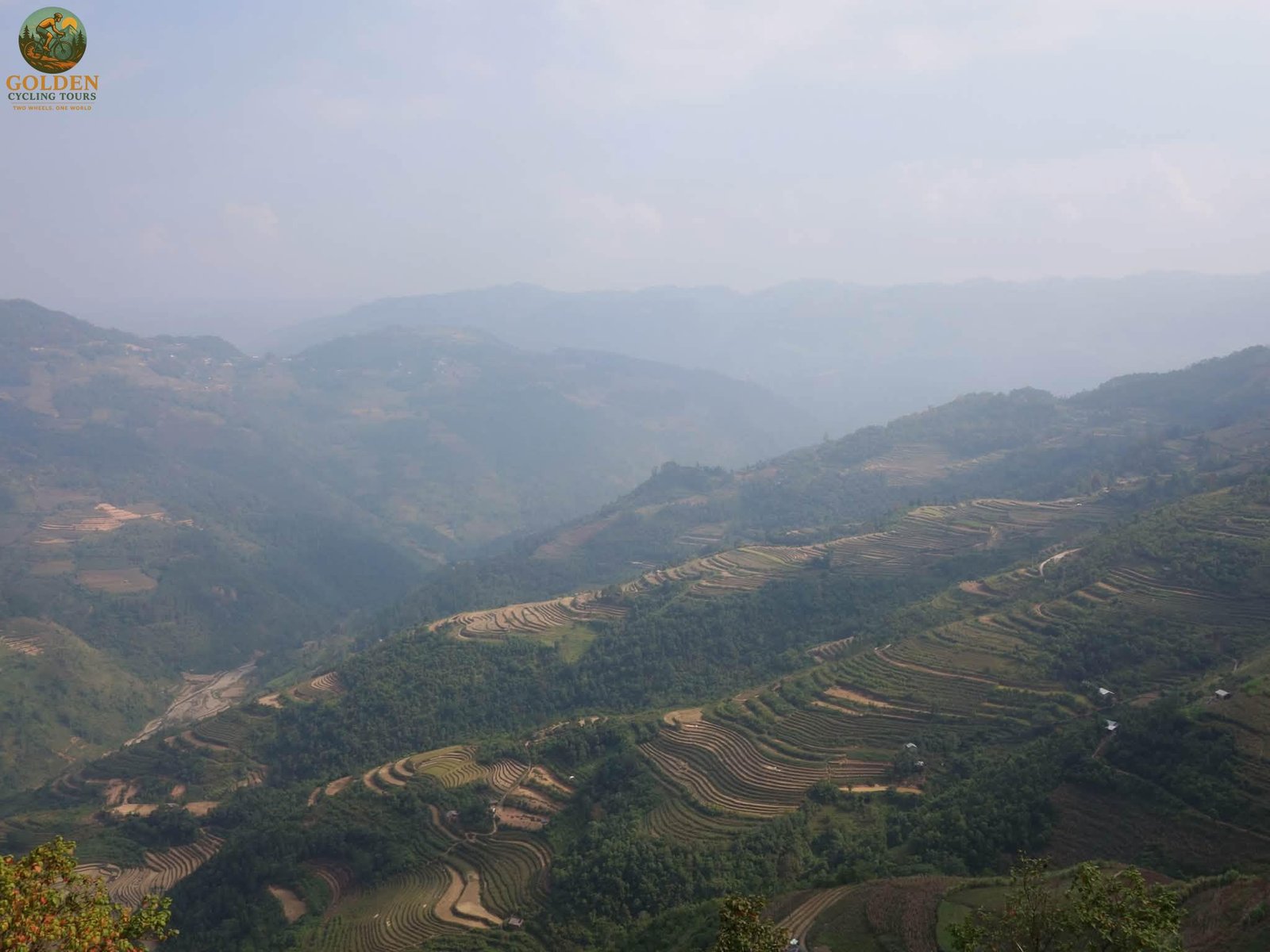
This is the freedom of Self-Guided Cycling Tours in Vietnam: discovering the country on your own terms, without having to follow a guide's daily pace, while enjoying the independence and intimacy that only bicycle travel can provide.
From the peaceful valleys of Mai Chau and the terraced landscapes of Pu Luong Nature Reserve to the dramatic mountain roads of Ha Giang and the limestone scenery of Ninh Binh, Vietnam offers remarkable possibilities for cyclists seeking a more independent adventure.
A successful self-guided journey, however, requires more than a bicycle and a sense of adventure. Route planning, navigation, accommodation, luggage, road conditions, weather, and emergency support all matter, especially in remote mountain regions.
With Golden Cycling Tours, you can explore cycling itineraries and destination options across northern Vietnam, then ask which routes and services can be adapted to a self-guided travel style.
Start planning through the Golden Cycling Tours website, browse the complete cycling tour collection, and discover how to build a cycling holiday around your own rhythm.
Self-guided cycling tours allow travelers to explore a destination independently, usually following a planned route rather than riding as part of a group led by a cycling guide.
Depending on the tour arrangement, travelers may receive route notes, digital navigation files, accommodation bookings, bicycle rental, luggage transfers, or emergency contact support. Other self-guided journeys require travelers to arrange these services themselves.
The term does not automatically mean that every service is included—or that no assistance is available.
Before booking, clarify exactly what the operator provides and which responsibilities remain yours.
The biggest difference is the degree of independence.
On a guided tour, a guide generally manages navigation, helps coordinate daily activities, and provides local knowledge along the route. On a self-guided tour, you normally make your own riding decisions using the agreed route information and available support arrangements.
Self-guided cycling can offer more flexibility for spontaneous stops, photography, café breaks, and time spent exploring villages.
However, it also requires you to monitor navigation, manage your schedule, and respond sensibly if road conditions or weather change.
Self-guided cycling packages vary considerably. Depending on the specific itinerary, services may include:
Bicycle rental and basic equipment.
A route plan, map, GPS track, or navigation instructions.
Pre-booked accommodation.
Luggage transfers between overnight stops.
Emergency telephone support.
Suggested restaurants, attractions, and cultural visits.
Selected transfers to and from the cycling route.
Never assume that these services are included simply because a tour is described as self-guided.
Ask Golden Cycling Tours for written confirmation of bicycle availability, route information, luggage arrangements, accommodation, and emergency procedures before booking.
Vietnam is a rewarding destination for travelers who enjoy independent exploration. The landscapes change dramatically over relatively short distances, while local food, architecture, and daily life offer countless reasons to stop along the way.
Perhaps the greatest attraction is the freedom to decide how your day unfolds.
You might leave early to enjoy the cool morning air, pause beside a rice field to watch farmers at work, or spend an extra hour photographing a limestone ridge.
If a village market catches your attention, you can stop. If a quiet road looks inviting, you can investigate it—provided it is safe, permitted, and consistent with your planned route.
You are not racing to keep up with a group or waiting for a scheduled sightseeing stop. The journey becomes more personal.
Traveling by bicycle brings you close to everyday life.
You hear the rhythmic tapping of tools in a roadside workshop, smell woodsmoke rising from a kitchen, and notice the changing colors of vegetables arranged outside a village shop.
A short detour may reveal a small temple, a traditional house, a quiet bridge, or a family-run café serving strong Vietnamese coffee.
These experiences are often the most memorable parts of Self-Guided Cycling Tours in Vietnam, particularly when travelers leave enough time to explore without rushing.
Some cyclists prioritize physical challenge and dramatic mountain scenery. Others prefer gentle countryside roads, food experiences, photography, history, or cultural encounters.
A self-guided itinerary can be especially appealing when your priorities are clear.
You might choose Mai Chau for village life and rice fields, Ninh Binh for limestone landscapes and historic sites, or a more demanding mountain route around Ha Giang if you have the experience and confidence to handle steep roads.
The key is choosing a route that suits your skills rather than selecting one based only on photographs.
Self-guided does not have to mean completely unsupported.
Some tour operators can arrange accommodation, route information, bicycle rental, or luggage transfers while allowing travelers to ride independently. The exact service level varies by itinerary and operator.
This combination can be useful if you want the freedom of independent cycling but would rather not organize every overnight stop and logistical detail yourself.
Ask Golden Cycling Tours whether a particular itinerary can be offered with self-guided arrangements, rather than assuming that every published cycling tour is available without a guide.
Northern Vietnam is an excellent region to investigate for an independent cycling holiday because it combines mountain scenery, rural valleys, historic sites, and a wide range of route styles.
The destinations below offer different experiences, from relaxed countryside rides to demanding mountain journeys.
Mai Chau is a compelling starting point for travelers seeking a relaxed introduction to cycling in northern Vietnam.
Explore the region through Mai Chau bike tours.
Surrounded by green mountains, the valley is known for rice fields, traditional stilt houses, and rural communities. Selected routes around the valley may be suitable for cyclists who prefer gentler terrain, although road conditions, traffic, and elevation vary.
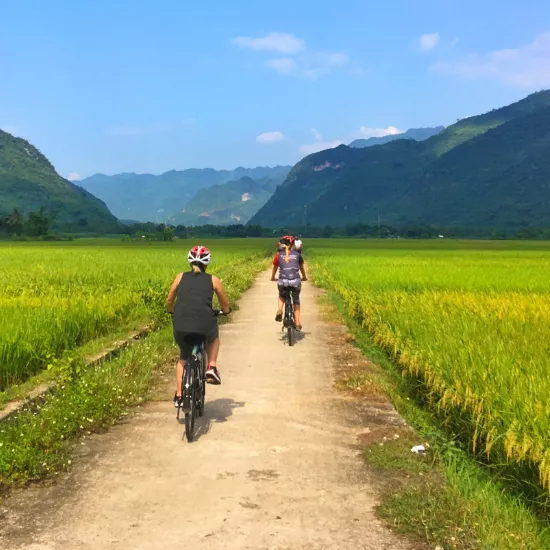
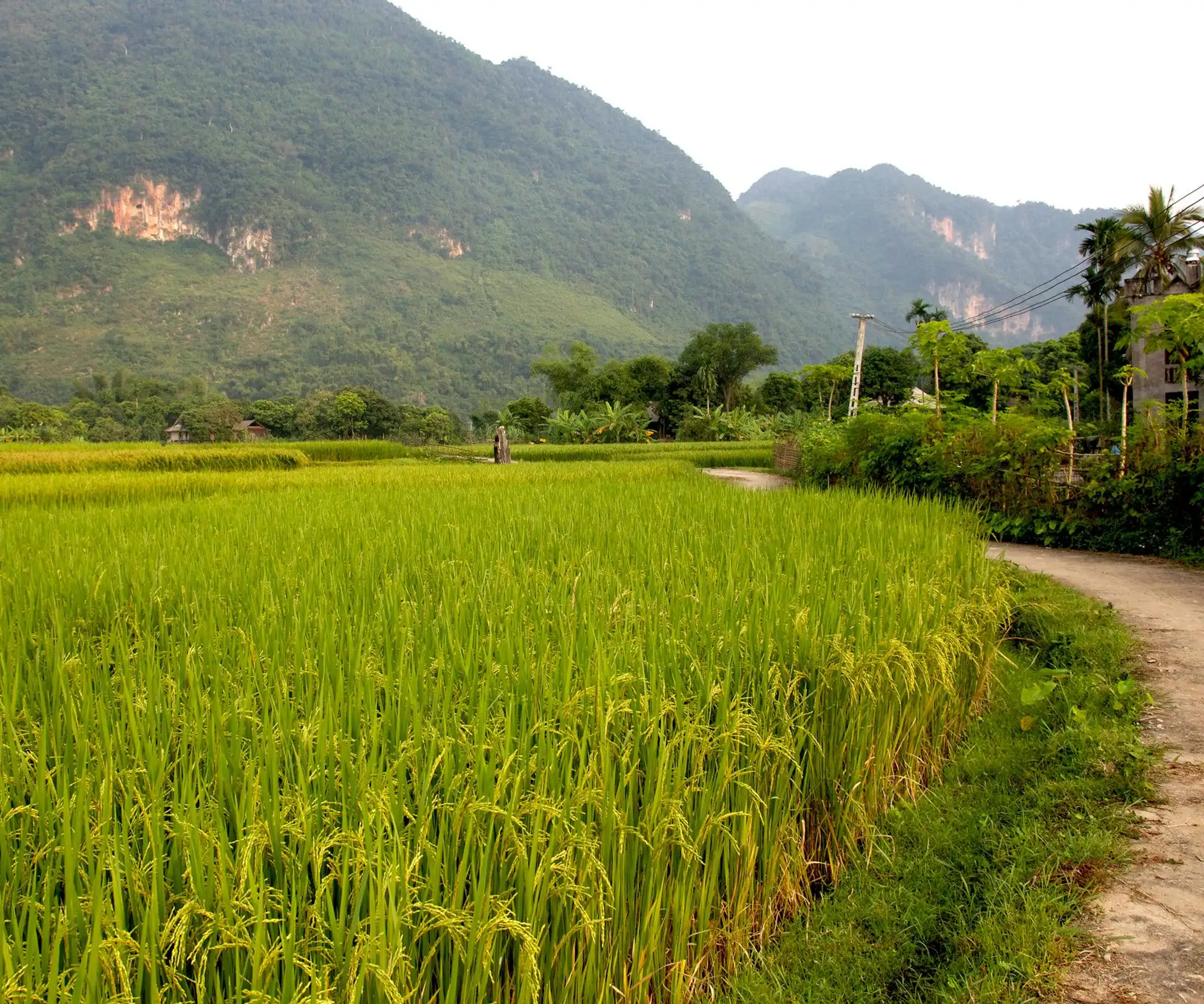
Imagine pedaling along a quiet lane while the morning sun illuminates the rice plants. Water glitters between rows of green shoots, bamboo leaves whisper overhead, and the smell of damp soil rises from the fields.
You hear bicycle tires rolling across the road, birds calling from nearby trees, and distant voices from homes beginning their day.
A short ride can become a sequence of small discoveries: a farmer tending a field, a village weaving workshop, or a roadside stall selling fruit and refreshments.
For a shorter cycling holiday, investigate the 4-day Northern Vietnam cycling adventure from Mai Chau to Pu Luong.
This is a cycling itinerary, not a guarantee of a self-guided departure. Ask whether independent navigation and the support services you need can be arranged.
Pu Luong Nature Reserve offers an appealing combination of wooded hills, rice terraces, villages, and winding countryside roads.
Explore Pu Luong bike tours.
Here, the landscape feels quieter and more intimate. Terraced fields follow the contours of the hills, wooden stilt houses stand above gardens, and water wheels turn beside streams.
The air may smell of wet leaves after a shower. In shaded sections, the temperature drops, while the sound of flowing water accompanies you along the road.
For self-guided travelers, route selection is particularly important. Some roads are steep, narrow, or uneven, and mobile coverage may be inconsistent in remote areas. Download navigation files before leaving reliable internet access and confirm the condition of any planned rural tracks.
The 6-day Mai Chau–Pu Luong–Ninh Binh e-bike tour is another itinerary to investigate if you want to combine countryside landscapes with electric-bike assistance.
Because it is an e-bike itinerary, confirm whether it can be arranged without a guide and whether independent navigation is supported.
Ninh Binh is one of northern Vietnam's most visually distinctive destinations.
Discover Ninh Binh bike tours.
The landscape is defined by limestone peaks rising above rice fields, waterways winding between cliffs, and rural roads connecting temples, villages, and historic sites.
The landscapes of Trang An and Tam Coc are highlights for travelers who enjoy combining cycling with sightseeing.
In Trang An, boat journeys pass through dramatic limestone scenery, waterways, and caves. In Tam Coc, the river winds between cliffs and cultivated land, creating views that change with the seasons.
Cycling lets you explore the surrounding countryside at your own pace. You can stop for photographs, visit small temples, or pause at a local café before continuing to the next attraction.
Other places worth considering include Hoa Lu Ancient Capital, which preserves important connections to Vietnam's early dynastic history, and Bich Dong Pagoda, set amid limestone hills and greenery.
Ninh Binh can be a practical choice for travelers who prefer less mountainous riding than the highlands, although route length, traffic, and road surfaces still require attention.
Ha Giang is famous for its dramatic limestone mountains, deep valleys, and winding roads.
Explore the region through Ha Giang bike tours.
The landscape can be breathtaking, but Ha Giang is not automatically the best destination for every self-guided cyclist.
Steep gradients, sharp bends, long distances between services, changing weather, and heavy vehicles on some roads make route planning especially important.
Ma Pi Leng Pass is one of the region's iconic mountain landmarks. Its road follows steep limestone slopes above the spectacular Nho Que River.
As you approach a viewpoint, the valley opens into a panorama of towering cliffs and deep turquoise water. Wind moves across the mountains, the road curves along the rock face, and the scale of the landscape makes every kilometer feel significant.
However, riding through this terrain requires sound judgment. A self-guided traveler should be comfortable descending on mountain roads, managing navigation, and responding to unexpected conditions.
Consider the 8-day Northern Vietnam cycling tour featuring the Ha Giang Loop or the 10-day Ha Giang Loop and Hoang Su Phi cycling adventure as starting points for route research.
Both are published as cycling adventures. Confirm whether a self-guided version is available and whether the operator can provide suitable route files, accommodation, luggage transfers, and emergency support.
Hoang Su Phi is particularly attractive for travelers who love rural landscapes and photography.
Terraced rice fields sweep across steep hillsides, shaped by generations of agricultural work. Depending on the season, the terraces may reflect the sky, glow green with growing rice, or turn golden near harvest.
Explore the 10-day Ha Giang Loop and Hoang Su Phi cycling adventure as a possible starting point for planning.
Independent cycling here requires careful attention to elevation, road surfaces, accommodation distances, and weather. Some sections may be remote, so confirm fuel-free charging options if using an e-bike, repair support, and the reliability of the planned navigation route.
Cao Bang offers dramatic limestone scenery, rural valleys, and opportunities to explore northeastern Vietnam away from its largest cities.
Discover Cao Bang bike tours.
One of the region's most famous attractions is Ban Gioc Waterfall, where water cascades over a broad limestone formation near the Vietnam–China border.
The sound of falling water grows louder as you approach. Mist hangs above the rocks, vegetation glistens in the light, and the surrounding mountains create a remarkable backdrop.
Nguom Ngao Cave is another attraction to consider if you want to combine cycling with sightseeing.
For self-guided travel, investigate accommodation availability, route conditions, and transport connections before committing to long distances. Some roads have limited services, and not every attractive-looking track is appropriate for bicycles.
Ba Be Lake, within Ba Be National Park, offers a quieter nature-focused experience.
Explore Ba Be Lake bike tours.
The lake is surrounded by forested hills, limestone formations, and communities whose daily lives are closely connected with the water and countryside.
A cycling trip can be combined with a boat excursion, village visits, and time spent enjoying the natural environment.
Early in the morning, mist may linger above the lake. Birds call from the trees, the water reflects the surrounding hills, and the atmosphere feels far removed from the rush of city life.
Before planning a self-guided ride, confirm the condition of the roads, available accommodation, mobile coverage, and the distance between services.
For cyclists interested in exploring a broader region, Vietnam Northeast Bike Tours offers a useful starting point for destination research.
Browse Vietnam Northeast Bike Tours and Northern Vietnam cycling routes.
A longer journey may combine mountain scenery, rural communities, and different landscapes across several days. However, a published multi-day cycling tour should not be assumed to be self-guided.
Ask whether independent departures are available, what navigation materials are provided, and whether overnight stays and luggage transfers can be arranged in advance.
The independence of a self-guided journey is most enjoyable when the essential logistics have already been considered.
Start by assessing your actual riding experience rather than your ambitions alone.
Consider how many hours you can comfortably ride, how much climbing you can manage, and whether you are confident descending on narrow or uneven roads.
A route through the countryside around Mai Chau may offer a gentler introduction than a demanding mountain journey around Ha Giang.
Ask for daily distance, total elevation gain, road surface, steepest gradients, and expected riding time. Distance alone is not a reliable measure of difficulty.
Do not rely entirely on a live mobile connection.
Download offline maps and GPS tracks before leaving a town with reliable internet access. Carry a power bank, protect your phone from rain, and make sure you know how to use your navigation app without a data connection.
A second navigation option, such as a separate device or a printed route summary, can be useful in remote areas.
Most importantly, verify that your route file matches the intended cycling route. A road that appears on a map may be unsuitable for bicycles, closed to through traffic, or significantly rougher than expected.
Accommodation can be limited in smaller villages and remote mountain areas.
Book overnight stops in advance when necessary, especially during busy travel periods. Check the distance between each stop and allow time for sightseeing, meals, unexpected delays, and changes in weather.
If your route crosses isolated areas, avoid planning a daily distance that leaves no margin for mechanical problems or navigation mistakes.
Ask whether the accommodation has secure bicycle storage and whether staff can help with charging an e-bike battery, if relevant.
Carrying all your belongings on a bicycle can make climbing and handling more difficult.
Some organized tours may offer luggage transfers between accommodation stops, while other self-guided arrangements require riders to carry their own bags.
Confirm the exact service before booking. Ask about luggage limits, collection times, vehicle access, and what happens if a bag arrives late.
If luggage transfer is unavailable, pack lightly and use equipment designed for cycling.
Mobile coverage varies by region and terrain.
In mountainous areas, you may lose signal in valleys or remote stretches of road. Download maps, save accommodation addresses, and keep emergency contact information available offline.
A local SIM or eSIM can be useful, but it should not be your only safety plan.
Tell someone your intended route and approximate arrival time when riding through remote areas, especially if you are traveling alone.
Before setting out each day, know how to contact your accommodation or tour operator and where the nearest town or reliable service point is located.
Carry basic puncture-repair equipment if you know how to use it, along with water, snacks, identification, and essential personal medication.
For remote mountain routes, ask about mechanical support and arrangements if you become ill, encounter severe weather, or cannot safely continue.
Independent travel is more enjoyable when you have a realistic plan for unexpected situations.
Northern Vietnam has distinct seasonal patterns, and weather can vary substantially between mountain areas and lowland destinations.
For many travelers, March to May and September to November are useful periods to consider. These are general planning windows, not guarantees of ideal weather.
Spring often brings fresh greenery and pleasant opportunities for countryside cycling.
In Mai Chau and Pu Luong, the landscape may be particularly vibrant, while Ninh Binh offers attractive combinations of rice fields and limestone scenery.
Mountain regions can still experience mist, cool mornings, and sudden changes in temperature. Carry layers and check local conditions before riding.
Autumn can be an appealing period for exploring northern Vietnam, especially for travelers interested in mountain scenery and rice terraces.
In places such as Hoang Su Phi, the agricultural calendar can produce striking changes in color. In Ha Giang, mountain views may be spectacular when visibility is good.
Harvest dates vary by location and year, so check local conditions if seeing golden rice terraces is a priority.
Summer brings lush vegetation, but heat, humidity, heavy rain, and thunderstorms can make cycling more challenging.
Wet roads and reduced visibility can be particularly difficult on steep mountain descents. Heavy rain can also affect rural tracks and transport connections.
If you travel during summer, plan conservative daily distances, start early when appropriate, carry sufficient water, and be prepared to change your route.
Winter can be cold and misty in northern Vietnam's highlands, with lower temperatures at higher elevations.
Lowland destinations may be milder, but damp conditions can still make long rides uncomfortable.
Pack warm layers, gloves, and rain protection, and avoid committing to exposed mountain routes without checking the forecast.
Think about the experience you want rather than searching for one universally perfect month.
For comfortable countryside exploration, investigate Mai Chau, Pu Luong, and Ninh Binh during periods with moderate temperatures and manageable rainfall.
For high-mountain scenery, consider Ha Giang, Hoang Su Phi, and Cao Bang, while allowing flexibility for mist, rain, and road conditions.
If you are traveling independently, flexibility is especially important. A guided tour may adjust its schedule with local knowledge, but a self-guided cyclist must be ready to make safe decisions when conditions change.
Food is one of the great pleasures of traveling through Vietnam. A good meal provides more than energy; it offers a glimpse into local ingredients, cooking traditions, and everyday life.
Pho is a popular noodle soup prepared with rice noodles, aromatic broth, herbs, and usually beef or chicken.
The fragrance of the broth rises with the steam. Fresh herbs bring a bright aroma, while the warm soup can be especially comforting before an early ride.
Look for local eateries in towns and cities, and ask your accommodation host for trusted recommendations in smaller communities.
In Hanoi, try bun cha, a dish featuring grilled pork, noodles, herbs, and dipping sauce.
The smoky scent of grilled meat mixes with fresh herbs and the sweet-sour fragrance of the sauce. The combination offers a memorable introduction to northern Vietnamese food.
Other dishes to look for include banh cuon, bun rieu, and seasonal street-food specialties.
Choose clean, busy establishments where food is freshly prepared, and drink treated or sealed water when safe drinking water is uncertain.
Food changes as you travel from lowland cities into mountain communities.
Depending on the region, you may encounter grilled meats, steamed rice, fresh vegetables, noodle soups, and local specialties prepared with herbs and seasonal ingredients.
In Ha Giang, some travelers seek out thang co or men men, dishes associated with local highland food traditions. Availability and preparation vary.
In Mai Chau and Pu Luong, meals at local restaurants or homestays may include rice, vegetables, grilled meat, fish, and regional dipping sauces.
Ask about ingredients if you have allergies or dietary restrictions, particularly when the menu is unfamiliar.
For a self-guided trip, plan food stops before leaving each accommodation.
In Hanoi, explore local eateries and food streets before or after your cycling days.
In Mai Chau, ask about village meals and local specialties.
In Pu Luong, accommodation hosts may be able to arrange meals using seasonal ingredients.
In Ha Giang and Cao Bang, identify towns and reliable restaurants along the route before starting a long ride.
In Ninh Binh, look for regional dishes and restaurants near your planned sightseeing stops.
Do not assume that food is available at every village or mountain junction. Carry suitable snacks, particularly on longer or remote routes.
Choosing the right accommodation helps determine how much freedom you can enjoy during a self-guided journey.
A homestay can offer a closer connection with local life, particularly in rural destinations such as Mai Chau and Pu Luong.
Some properties feature traditional stilt houses, shared dining spaces, gardens, and views across rice fields or hills.
After a day on the bicycle, you might sit on a wooden veranda as the light fades over the valley. The smell of dinner drifts from the kitchen, insects begin to sing, and the surrounding countryside gradually grows quiet.
Facilities vary. Confirm room arrangements, bathrooms, hot water, mosquito protection, and secure bicycle storage before booking.
Hotels and guesthouses can be practical options in towns such as Ha Giang, Cao Bang, and Ninh Binh.
They may provide greater privacy, convenient access to restaurants, and easier arrangements for transport or bicycle maintenance.
For independent travelers, location matters. A property near the intended route may save time, while an overnight stop far from the route could create an unnecessary detour.
Some countryside destinations offer boutique hotels, lodges, or scenic retreats surrounded by gardens, forests, and mountain views.
If comfort is important, explore Vietnam luxury bike tours and ask whether any suitable itinerary can be arranged independently.
The luxury designation alone does not guarantee a particular hotel, service, or self-guided format. Confirm the exact accommodation and inclusions.
Before booking a property, check:
Secure bicycle storage.
Availability of a suitable charging point if using an e-bike.
Distance from the planned cycling route.
Meal availability and nearby restaurants.
Check-in arrangements if arriving late.
Access to drinking water and basic supplies.
Whether staff can help arrange transport or emergency assistance.
In remote areas, advance confirmation is often more reliable than expecting to find a room on arrival.
Many northern cycling journeys begin in Hanoi, which is a convenient gateway to the surrounding countryside.
Noi Bai International Airport serves Hanoi and connects the city with domestic and international destinations.
From the airport, travelers can use a pre-arranged transfer, taxi, or another available transport service to reach their accommodation.
If you are bringing your own bicycle, check airline policies and packaging requirements in advance. E-bike batteries are subject to specific transport restrictions, so confirm the current rules directly with the airline before traveling.
Reaching destinations such as Mai Chau, Pu Luong, Ha Giang, or Cao Bang may involve a private transfer, minibus, coach, or another transport arrangement.
Public transport may be suitable for some independent travelers, but schedules, bicycle policies, and luggage space vary.
Before booking, confirm whether the transfer is included, how bicycles will be transported, and whether the vehicle can accommodate your luggage.
A self-guided trip may include luggage transfers or emergency assistance, but these services are not automatic.
Ask whether luggage is moved between accommodation stops, whether a support vehicle is available, and how the operator handles mechanical issues or a rider who cannot continue.
If no vehicle support is provided, understand how you will reach the next accommodation if a problem occurs.
Explore Golden Cycling Tours' available tours and request written confirmation of the services offered for your chosen itinerary.
One of the most rewarding aspects of independent cycling is the opportunity to observe everyday life without rushing from one major attraction to another.
Northern Vietnam is home to diverse ethnic communities, including Hmong, Tay, Dao, Thai, and others. Each community has its own traditions, architecture, clothing, and local history.
When passing through a village, remember that homes, farms, and workshops are private spaces.
Ask permission before photographing people, particularly children. Follow guidance when visiting religious or culturally significant sites, and dress modestly where appropriate.
A friendly greeting and a patient attitude can help create a positive interaction, even when you do not share a language.
Consider eating at locally owned restaurants, staying at village homestays, or purchasing handmade products directly from their makers.
If you visit a craft workshop, ask questions respectfully and recognize the time and skill involved in traditional work.
Spending money locally can help support communities, but do not assume every cultural visit or purchase automatically benefits the people involved. Choose arrangements that are transparent and respectful.
Carry your rubbish until you can dispose of it properly. Use refillable bottles when safe refill options are available, stay on appropriate roads, and avoid disturbing wildlife.
In Pu Luong Nature Reserve and Ba Be National Park, follow local rules and respect protected landscapes.
Do not enter private land or restricted trails simply because a navigation app displays a route.
Responsible cycling means leaving places as undisturbed as possible for residents, wildlife, and future travelers.
Packing well helps you remain comfortable and independent without carrying unnecessary weight.
Bring a well-fitted helmet, comfortable cycling clothing, gloves, suitable shoes, and a small day bag.
Padded shorts can make longer days more comfortable. A lightweight rain jacket and sun protection are useful across much of northern Vietnam.
If you rent a bicycle, confirm which equipment is supplied and whether it fits properly before leaving.
Download offline maps and route files before departure. Carry a power bank and protect your phone from rain.
Save accommodation addresses, emergency contacts, and relevant booking information offline. If your itinerary includes an e-bike, understand the charging plan and carry only the equipment the operator recommends.
If you are comfortable performing basic repairs, consider carrying a spare tube or compatible repair kit, tire levers, a pump, and a multitool.
Confirm what your rental provider supplies and whether roadside mechanical assistance is available.
Bring personal medication, basic first-aid supplies, identification, and enough drinking water for the planned route.
Mountain weather can change quickly.
Pack layers for cool mornings, rain protection, and clothing suitable for warm, humid afternoons. If you plan to ride at higher elevations during winter, bring warmer clothing and gloves.
A compact waterproof bag or cover can protect electronics and essential items during heavy rain.
Self-guided cycling can be rewarding, but safety depends on the route, rider experience, weather, traffic, and preparation.
Vietnamese roads range from quiet rural lanes to busy highways and steep mountain roads. Do not assume that a route is suitable for cycling simply because it appears on a map.
Whenever possible, choose roads suitable for bicycles and avoid unnecessary stretches of fast, heavy traffic.
On mountain roads, keep a predictable line and reduce speed before corners. Watch for vehicles, pedestrians, livestock, gravel, potholes, and wet surfaces.
Never stop in a blind bend to take a photograph. Find a safe, visible place away from traffic.
A long route can look manageable on paper but feel very different in heat, rain, or mountainous terrain.
Allow time for food, water, navigation, and unexpected delays. If you become tired, slow down or stop somewhere safe rather than pushing through conditions that compromise control.
Save the local emergency contact information relevant to your route and the contact details of your accommodation or tour operator.
If riding alone in a remote area, share your route and expected arrival time with someone you trust. Keep your phone charged and know where the next reliable service point is located.
For challenging mountain routes, consider whether guided support would be more appropriate than fully independent travel.
Golden Cycling Tours provides a range of cycling itineraries and destination pages that can help you compare routes across northern Vietnam.
The tours linked below are useful starting points for research. They should not be assumed to be available as self-guided tours unless the operator confirms that arrangement.
Explore the 4-day Mai Chau to Pu Luong cycling adventure.
This itinerary is worth investigating if you want a shorter journey focused on rural landscapes, traditional villages, and the countryside around Mai Chau and Pu Luong.
Ask whether an independent version is available and what route notes, accommodation, bicycle rental, and luggage arrangements can be provided.
Consider the 6-day Mai Chau–Pu Luong–Ninh Binh e-bike tour.
The itinerary connects three different landscapes: the peaceful valley of Mai Chau, the forested hills of Pu Luong Nature Reserve, and the limestone scenery of Ninh Binh.
If you prefer to ride independently, ask whether the e-bike itinerary can be adapted for self-guided navigation and what support is available if you encounter a problem.
Explore the 8-day Northern Vietnam cycling tour featuring the Ha Giang Loop.
This route is worth investigating if your priority is dramatic mountain scenery and a more demanding cycling experience.
However, steep gradients, sharp bends, and remote sections mean that self-guided arrangements require careful consideration. Ask for detailed elevation profiles, road information, accommodation distances, and emergency procedures before choosing this type of journey.
The 10-day Ha Giang Loop and Hoang Su Phi cycling adventure offers another starting point for exploring northern mountain landscapes.
The region's terraced fields, remote villages, and winding roads can be especially rewarding for photographers and experienced cyclists.
Confirm whether a self-guided version is possible and whether navigation files, luggage transfers, and emergency support are available.
For travelers with more time, explore the 15-day Best Vietnam Cycling Northeast Tour.
A longer itinerary may allow more time to appreciate changing landscapes and local communities. Because the route covers an extended journey, the availability of accommodation, reliable navigation, and contingency arrangements is particularly important.
Ask Golden Cycling Tours whether the itinerary can be offered without a guide and which services would remain available.
Investigate the 12-day North Vietnam cycling adventure from Hanoi to Ninh Binh.
This is another itinerary to compare if you want a longer cycling journey that includes a range of northern landscapes.
Check the current route details, daily distances, and availability of self-guided arrangements before treating it as an independent cycling option.
You can also explore:
Browse the full Golden Cycling Tours collection and contact the operator to confirm which itineraries can genuinely be delivered in a self-guided format.
The following is an illustrative framework for planning an independent cycling holiday. It is not a confirmed Golden Cycling Tours itinerary, and actual route distances, accommodation, and transfers must be arranged separately.
Arrive in Hanoi, settle into your accommodation, and explore the city if time permits.
Walk around Hoan Kiem Lake, visit the Old Quarter, and enjoy a bowl of pho or another local specialty.
Before leaving the city, download your navigation files, check your bicycle, and confirm the first day's route.
Travel from Hanoi toward Mai Chau using your pre-arranged transport.
After arrival, check the bicycle's fit, brakes, tires, and gears. If you are unfamiliar with the route or equipment, start with a short practice ride in a safe area.
Spend the evening reviewing the next day's navigation and checking local weather conditions.
Ride along selected countryside roads around Mai Chau.
Take time to appreciate the rice fields, village architecture, and surrounding mountains. Stop at local cafés or craft workshops where appropriate, and allow time for a relaxed lunch.
Choose a daily distance that leaves room for exploration rather than focusing exclusively on kilometers.
Travel toward Pu Luong Nature Reserve using the route and transport arrangements selected for your trip.
Depending on the planned route, the day may include climbs, rolling roads, or uneven rural surfaces.
Check your navigation frequently at safe stopping points and avoid unfamiliar shortcuts that could lead onto unsuitable tracks.
Explore selected villages and countryside roads around Pu Luong.
Look for rice terraces, wooded hills, and water wheels beside streams. If the weather becomes wet, reassess any steep or slippery sections before continuing.
Arrange your overnight stay in advance, particularly if you are traveling during a busy period.
Continue toward Ninh Binh according to your confirmed route and transfer plan.
The landscape changes from mountain valleys to limestone formations and agricultural plains.
If time allows, visit Tam Coc or Trang An, or explore Hoa Lu Ancient Capital.
Enjoy a final morning in Ninh Binh with a short ride or sightseeing activity that fits your departure schedule.
Return to Hanoi or continue to your next destination using your pre-arranged transport.
This framework demonstrates how an independent trip might combine countryside cycling and cultural sightseeing. A realistic itinerary must account for transfer times, daily elevation, accommodation availability, and your riding experience.
When researching Self-Guided Cycling Tours in Vietnam, look for feedback that describes the actual experience rather than relying only on general statements about an enjoyable holiday.
Useful reviews discuss route accuracy, navigation quality, bicycle condition, accommodation, luggage transfers, and how the operator responds when something goes wrong.
Look for answers to questions such as:
Were the GPS tracks accurate and easy to follow?
Did the route match the terrain and difficulty described?
Was the bicycle comfortable and mechanically reliable?
Were accommodation and luggage arrangements delivered as promised?
Was help available when navigation or mechanical problems occurred?
Did the trip allow enough time to explore villages and local attractions?
The following is a template for collecting and presenting genuine customer feedback. It is not an actual testimonial.
Guest review: [Insert verified guest name or approved attribution]
“We chose a self-guided cycling trip through [insert actual destinations]. The highlight was [insert the guest's real experience]. The route information was [insert accurate feedback], and the arrangements for [bicycles, accommodation, luggage, or support] were [insert verified details]. We especially enjoyed [insert a specific landscape, cultural experience, or local meal].”
Before publishing, replace the bracketed text with an authentic review, obtain permission to use it, and preserve the guest's original meaning. Do not publish the template as a genuine customer statement.
Independent cycling is possible in Vietnam, but organized self-guided packages vary by destination and operator.
Some companies may arrange routes, accommodation, bicycle rental, or luggage transfers, while other itineraries are designed for guided groups. Contact Golden Cycling Tours to confirm which specific tours can be offered without a guide.
Not necessarily. Some routes in relatively gentle countryside may suit recreational cyclists who are comfortable riding for several hours.
Mountain routes around Ha Giang, Hoang Su Phi, and parts of Cao Bang can be considerably more demanding. Choose a route based on your experience, daily distance, elevation, and confidence on descents.
Navigation depends on the destination and route. Major roads may be straightforward to follow, but rural lanes and mountain routes can involve junctions, inconsistent signage, and limited mobile coverage.
Download offline maps, obtain a reliable route file, and verify that the route is appropriate for bicycles before departure.
You can explore the company's published cycling itineraries and ask whether a self-guided version is available.
Do not assume that every tour can be operated without a guide. Confirm route information, accommodation, bicycle rental, luggage transfers, emergency support, and other inclusions in writing.
Luggage transfers depend on the specific tour arrangement.
Ask whether your luggage will be transported between overnight stops, what the weight limit is, when bags must be ready, and how the service operates in remote areas.
If transfers are not included, plan to carry your own luggage or arrange another suitable option.
March to May and September to November are useful general periods to consider for many northern destinations.
However, mountain weather can change quickly, summer may bring heavy rain, and winter can be cold or misty at higher elevations. Check the local forecast and remain flexible.
Selected routes around Mai Chau and Ninh Binh may be suitable starting points for recreational cyclists, depending on distance, traffic, and road conditions.
Pu Luong may also be attractive, but some routes involve steeper or rougher sections. Request the exact route profile before deciding.
It can be suitable for experienced cyclists who are comfortable with mountain roads and independent navigation, but it is not the easiest choice for every traveler.
The Ha Giang Loop includes steep gradients, sharp bends, and remote stretches. Confirm road conditions, daily distances, accommodation, and emergency arrangements before committing to a self-guided route.
Potentially, depending on the route and availability of suitable bicycles.
For e-bike journeys, confirm battery range, charging arrangements, repair support, and whether the route's gradients and road surfaces suit the specific model. Explore Vietnam e-bike tours and ask whether independent arrangements are possible.
Options include hotels, guesthouses, homestays, and selected countryside lodges.
Book in advance where accommodation is limited, especially in remote mountain areas. Check bicycle storage, meals, location, and charging availability if using an e-bike.
Try pho, bun cha, banh cuon, and regional dishes available along your route.
In rural destinations, local restaurants and homestays may serve rice, vegetables, grilled ingredients, and seasonal specialties. Carry snacks on longer rides and plan meal stops before leaving remote areas.
Safety depends on your experience, route, traffic, and weather.
Use suitable roads, wear a helmet, manage speed on descents, download offline navigation, and have a clear emergency plan. If you are inexperienced with mountain riding, consider a less demanding route or a guided option.
Yes. Destinations such as Ninh Binh, Mai Chau, and Pu Luong offer opportunities to combine cycling with village visits, historic sites, boat excursions, and local food.
Plan your daily distance to leave time for attractions instead of treating every day as a race from one overnight stop to the next.
The beauty of Self-Guided Cycling Tours in Vietnam lies in the freedom to discover the country one road, one village, and one unexpected encounter at a time.
You might begin the morning with the scent of coffee in Hanoi, spend the afternoon pedaling through the rice fields of Mai Chau, and end the day in a quiet countryside guesthouse as the mountains fade into evening mist.
Another journey might lead you through the forested hills of Pu Luong Nature Reserve, past the limestone landscapes of Ninh Binh, or into the more demanding mountain scenery of Ha Giang.
Each destination offers a different experience, but the essentials remain the same: choose the right route, prepare reliable navigation, understand the services included, and allow enough time to enjoy the journey.
Independent cycling does not require you to organize everything alone. With careful planning and the right arrangements, you can enjoy the freedom of riding at your own pace while having accommodation, equipment, or logistical support organized where available.
Visit Golden Cycling Tours, explore Northern Vietnam cycling routes, and compare the available tours.
Your next adventure may begin with nothing more complicated than a bicycle, a downloaded route, and the decision to take the quieter road.


Leave a Reply
Your email address will not be published. Required fields are marked *