- Call us Via Whatsapp: +84 (0) 832 126 699
4.9 stars on our site
(15,000 reviews)
- Monday - Sunday : 08:00 - 17:00
(15,000 reviews)

Imagine pushing away from Sapa in the cool light of early morning. Mist drifts between the mountains, the air carries the scent of damp earth and pine, and the first clicks of your bicycle gears break the quiet. Ahead lies a journey into one of northern Vietnam’s most atmospheric mountain landscapes: the spectacular highlands of Y Ty.
The Sapa to Y Ty Cycling Expedition is an adventure for travelers who want to experience Vietnam beyond its familiar viewpoints. This is a world of winding mountain roads, terraced fields, remote villages, forested slopes, and cloud-filled valleys where the landscape seems to shift with every turn.
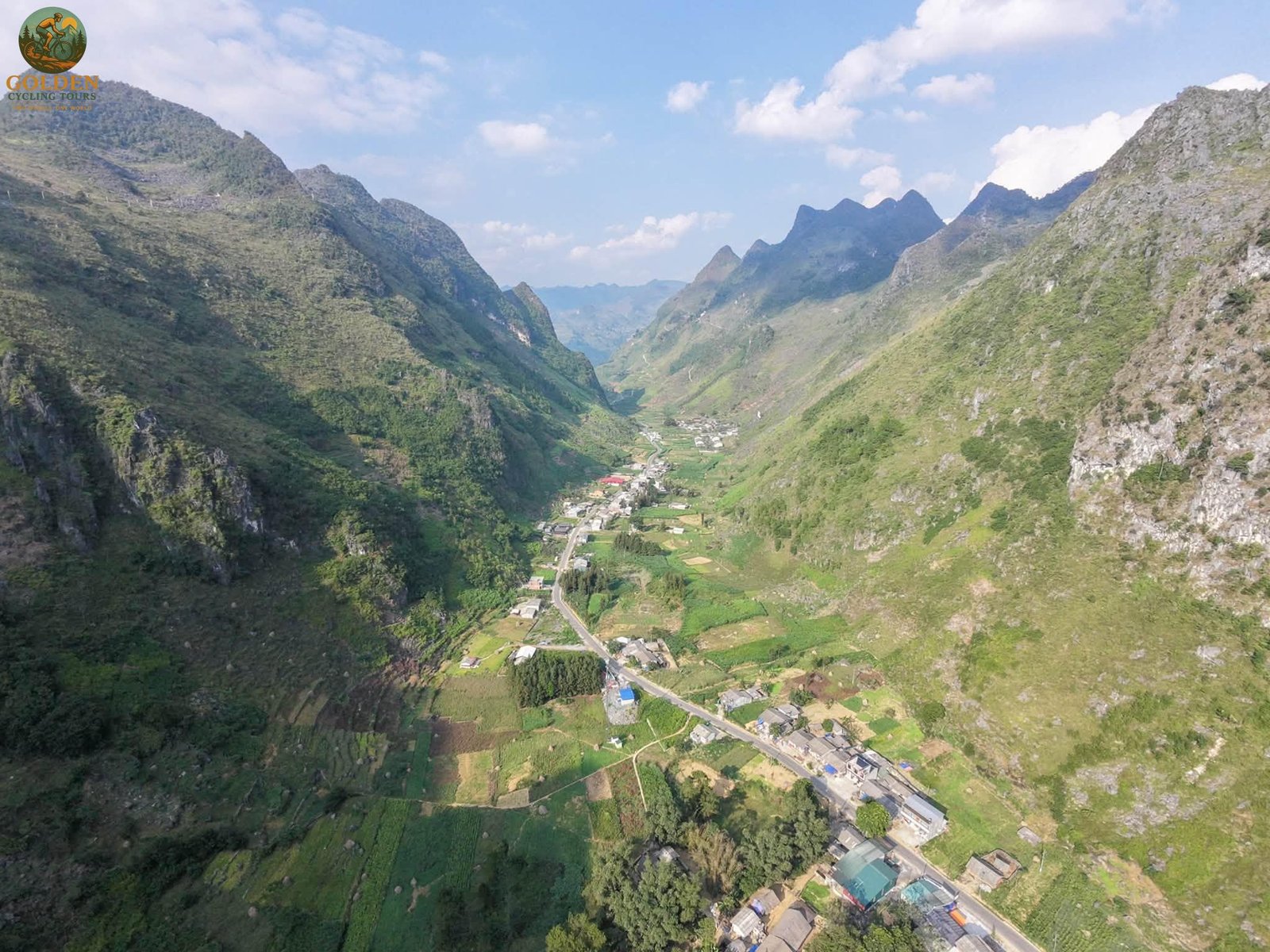
As the road climbs, your breathing grows deeper. Your legs begin to feel the gradient, the handlebars vibrate against your palms, and the chain settles into a steady rhythm. Then the road bends around a ridge, revealing a valley hidden beneath a rolling sea of white cloud. For a moment, the effort becomes insignificant.
The Sapa to Y Ty Cycling Expedition combines the physical satisfaction of mountain biking with the cultural richness of Vietnam’s northern highlands. It offers an opportunity to slow down, meet local communities respectfully, photograph extraordinary scenery, and experience the mountains at the pace of a bicycle.
For route inspiration and cycling adventures across Vietnam, visit Golden Cycling Tours. Its collection of cycling holidays provides ideas for exploring the country’s mountains, countryside, and lesser-traveled roads.
Sapa is famous for its mountain scenery, ethnic communities, and rice terraces. Yet the landscapes beyond the town offer a different sense of discovery. Roads lead through quiet settlements, over exposed ridges, and toward remote highland communities where daily life remains closely connected to the seasons.
The journey toward Y Ty rewards travelers who enjoy the process as much as the destination. You may pass farmers tending their fields, hear distant livestock bells, or pause at a roadside viewpoint where clouds move through the valley below.
Unlike a trip built entirely around vehicle transfers, a cycling expedition gives you time to notice the details: the temperature changing with altitude, the texture of the road beneath your tires, the smell of vegetation after rain, and the way a mountain village slowly appears around a bend.
The expression “above the cloud line” captures the dream of riding into northern Vietnam’s highlands, where low clouds can gather in the valleys while ridges and mountain slopes emerge in the sunlight.
Cloud conditions are never guaranteed. They depend on weather, humidity, temperature, and the time of day. When the conditions align, however, the view can be unforgettable: white mist flowing between dark green ridges, terraced hillsides emerging like islands, and mountain silhouettes fading into the distance.
The best cycling photographs often come from these unplanned moments. You stop to catch your breath, lift your eyes from the road, and realize that the landscape has changed completely since the previous bend.
The Sapa to Y Ty Cycling Expedition is particularly appealing to travelers who enjoy:
Mountain scenery and challenging rides.
Quiet rural roads and remote landscapes.
Photography, village visits, and cultural discovery.
Active holidays that combine exercise with meaningful encounters.
Flexible itineraries that can be adapted to fitness, weather, and road conditions.
Because mountain roads can include steep climbs, sharp descents, and variable surfaces, the route should be matched to your experience and fitness level. Ask your tour operator to confirm the planned distance, elevation gain, road conditions, support arrangements, and whether an e-bike option is available.
Your journey begins in Sapa, a highland town surrounded by rugged mountains and terraced agricultural landscapes. Early morning is an especially atmospheric time to prepare for a ride. The streets begin to stir, food stalls open, and mist sometimes hangs over the rooftops before the sun reaches the surrounding slopes.
Before departure, check your bicycle, brakes, tire pressure, lights, and clothing layers. The temperature can change quickly as you leave town and gain or lose elevation.
Once you begin pedaling, the rhythm of travel changes. The bicycle responds to each small movement. Your hands settle around the grips, the pedals turn beneath your feet, and the sound of traffic gradually gives way to wind, birdsong, and the soft crunch of tires on rougher sections of road.
If time permits, consider exploring Sapa town, Muong Hoa Valley, and nearby traditional villages before or after the main expedition. These places offer a useful introduction to the region’s landscapes and cultural diversity.
The wider highlands of Lao Cai Province are known for dramatic elevation changes, cultivated slopes, and mountain communities. Depending on the confirmed itinerary, the ride toward Y Ty may involve quiet paved roads, steep gradients, exposed sections, and occasional rough surfaces.
The exact route should be verified before booking. Not every itinerary follows the same roads, and road conditions can change after heavy rain or maintenance work.
A mountain climb rewards patience more than speed. Shift into an easier gear before the gradient becomes severe. Keep your upper body relaxed, maintain a sustainable cadence, and avoid using all your energy on the first ascent.
The physical details become part of the story: the pressure of your shoes against the pedals, the gradual warmth in your thighs, the deeper rhythm of your breathing, and the metallic click of the drivetrain as you change gears.
Stop when necessary. A short pause to drink water, stretch, or admire the view can make the next section more enjoyable.
Descending mountain roads can be exhilarating, but control matters more than speed. Wet surfaces, loose gravel, sharp corners, and unexpected vehicles can make a seemingly easy descent demanding.
Keep a comfortable distance from other riders, brake smoothly, and reduce speed before entering bends. On narrow or damaged roads, follow your guide’s instructions and never assume the surface beyond the next corner is clear.
The reward is a series of changing perspectives: forested slopes, distant ridgelines, small fields, and villages that appear briefly before the road winds onward.
Y Ty, in the highlands of Bat Xat District, is known for its remote mountain setting, distinctive local communities, and cloud-filled scenery. It is a destination for travelers who appreciate landscapes that feel expansive, quiet, and less hurried than the major tourist centers.
Depending on the weather, you may find clouds drifting through the valleys, sunlight illuminating terraced fields, or low mist softening the outlines of houses and mountain ridges. On clearer days, the surrounding highlands reveal layers of green and blue extending toward the horizon.
Give yourself time to explore rather than treating the destination as a quick photo stop. Walk through permitted village areas, observe the details of local architecture, and ask before photographing residents or entering private property.
The Sapa to Y Ty Cycling Expedition is most rewarding when the journey becomes more than a ride between two points. It becomes a chance to notice how landscape, climate, agriculture, and community life shape the character of northern Vietnam.
Sapa is an excellent introduction to the northern mountains. Nearby Muong Hoa Valley is celebrated for its terraced fields and mountain views. Depending on the season, the valley can appear fresh and green, golden with ripening rice, or quieter after harvest.
If you have extra time, consider a walking excursion or a gentle ride in the surrounding countryside. Keep in mind that not every attraction lies directly on the cycling route, so confirm detours and transport arrangements with your operator.
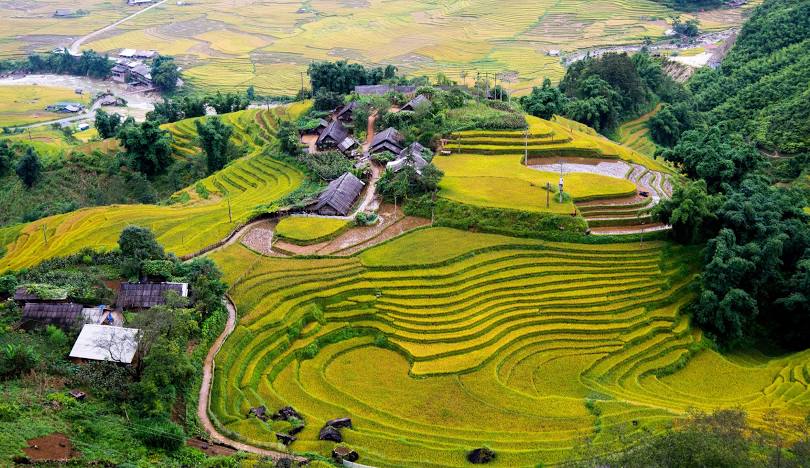
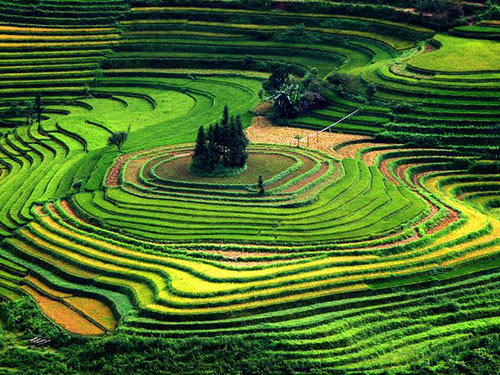
The landscapes around Y Ty are shaped by steep terrain, seasonal weather, and generations of agricultural knowledge. Terraced fields follow the contours of the hills, while settlements occupy pockets of relatively level ground.
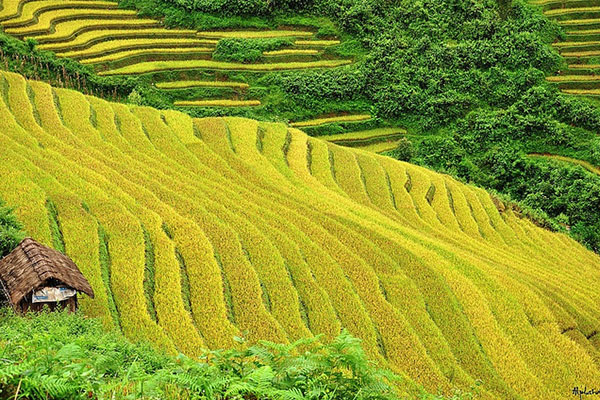
The scenery changes through the year. Water-filled terraces can reflect the sky during the early growing season, while mature crops create warmer colors closer to harvest. Mist can transform familiar slopes into a layered panorama, though clear conditions are equally beautiful in their own way.
Ngai Thau is associated with the wider highland landscape around Y Ty and is often discussed by travelers seeking expansive views and cloud photography. Access conditions and the best viewpoints can vary.
Ask your guide whether nearby viewpoints or villages can be incorporated safely into your route. Avoid assuming that every scenic location is accessible by bicycle or that a road remains passable in poor weather.
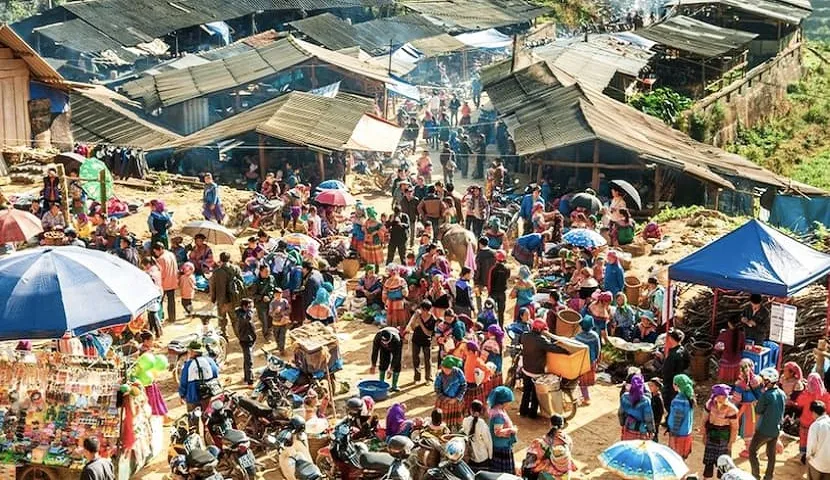
Local markets in the wider northern highlands can offer an intimate look at regional food, clothing, produce, and everyday exchange. Market schedules vary by place, so confirm the date and location before making them a fixed part of your itinerary.
When visiting a market or village, approach with curiosity and respect. Ask before taking close-up photographs, avoid blocking trading areas, and purchase local products when appropriate.
A great cycling journey stays in your memory because it engages the whole body.
Sight: Ridges unfold one after another. Rice terraces trace the hillsides, while clouds gather in hollows and occasionally lift to reveal distant peaks.
Sound: The bicycle’s freewheel clicks on a descent. Tires hiss against the road. Wind moves through the trees, and the quiet may be interrupted by birds, livestock, or the sounds of village life.
Smell: Damp soil, fresh vegetation, wood smoke, and cooking aromas may mingle in the air. After rain, the forest can smell especially earthy and clean.
Taste: Water tastes refreshing after a climb. A warm bowl of noodle soup, a plate of rice, or freshly prepared local food becomes especially satisfying after hours on the road.
Touch: Cool air reaches your cheeks, your palms feel the texture of the grips, and your legs register each change in gradient. On a long descent, the temperature may drop enough to make a windproof layer essential.
These sensations are not decorative details added to a cycling holiday. They are part of what makes traveling by bicycle so different from watching the same scenery through a vehicle window.
At the top of a climb, stop safely away from traffic. Let your breathing settle and look back at the road you have traveled.
The climb may have demanded patience and concentration, but the view creates its own sense of achievement. There is no need to rush the moment. Take photographs, drink water, and enjoy the feeling of having reached the ridge through your own effort.
For many riders, these pauses become the defining memories of a highland expedition.
The wider Y Ty area is home to ethnic minority communities, including Ha Nhi and Hmong people. Local traditions vary between villages and families, and visitors should avoid treating different communities as if they share one uniform culture.
Architecture, clothing, agricultural practices, food, and seasonal customs all reflect relationships with the mountain environment. A respectful visit gives travelers an opportunity to learn through observation and conversation rather than expecting a performance for tourists.
Responsible cultural travel begins with simple habits:
Ask permission before photographing people, homes, or ceremonies.
Follow local guidance when entering villages or religious and cultural spaces.
Dress practically and respectfully.
Do not leave litter or remove objects from the natural environment.
Purchase crafts or food directly from local sellers when possible.
Learn a few basic Vietnamese greetings and remain patient when communication is difficult.
Respect privacy, especially around children and family homes.
A good cycling expedition should support local communities without disrupting daily life. If a homestay or village visit is included, ask how the experience is organized and whether local hosts receive fair compensation.
Weather in the northern mountains can change quickly, and the best time depends on whether you prioritize comfortable riding, terraced-field photography, autumn colors, or cloud scenery.
Spring brings changing temperatures and fresh vegetation. Fields and hillsides can appear especially vibrant, making this an appealing period for landscape photography.
Conditions may still be misty or wet, so bring layers and confirm the road forecast before departure.
Best for: Green scenery, spring atmosphere, and travelers who enjoy a mix of cloud and sunshine.
Summer can make the mountains intensely green. However, heavy rain may create slippery roads, reduced visibility, and a higher risk of landslides or road disruption.
A summer expedition should have a flexible schedule and a clear weather-related cancellation or rerouting policy.
Best for: Lush landscapes when conditions are favorable, provided the operator confirms that the route is safe.
Late summer and autumn are often attractive periods for photographing rice-growing landscapes. Depending on altitude, planting schedules, and local agricultural conditions, fields may shift from green to golden before harvest.
This is a popular time to consider a highland cycling holiday, so book accommodation and transport in advance where possible.
Best for: Terraced-field photography, changing colors, and cooler riding conditions on suitable days.
Winter can bring cold mornings, low temperatures, mist, and occasionally frost at higher elevations. Cloud scenery may be dramatic, but it is not guaranteed, and poor visibility can make technical descents more difficult.
Pack insulated layers, gloves, a windproof jacket, and warm clothing for stops. Confirm the forecast and daylight hours before choosing a long route.
Best for: Travelers who enjoy cool mountain weather and can adapt plans to changing conditions.
For many visitors, March to May and September to October are useful starting points when planning a cycling trip around northern Vietnam’s highlands. Yet no month guarantees perfect weather or a sea of clouds.
Before booking the Sapa to Y Ty Cycling Expedition, ask Golden Cycling Tours or your chosen operator to confirm the intended dates, route conditions, seasonal scenery, accommodation, and contingency plan.
Food is an important part of the highland experience. After a demanding ride, a hot meal provides both comfort and a chance to explore regional flavors.
Depending on what is available locally, consider trying:
Thang Co: A traditional highland dish associated with Hmong food culture. Recipes and ingredients vary, so ask about the preparation if you have dietary restrictions.
Grilled meats: Common at some local eateries and market stalls, though availability differs by village and season.
Local vegetables: Mountain-grown greens can be served simply, often alongside rice and other dishes.
Pho and noodle soups: Warming options for cool mornings or evenings.
Sticky rice and rice-based dishes: Familiar staples that may accompany a variety of regional meals.
Tea and seasonal produce: A simple way to pause and enjoy the local atmosphere.
Food availability in remote areas can be more limited than in Sapa, so do not expect every dish to be available at every stop.
Sapa town generally offers a broader range of restaurants, cafés, and casual eateries than the more remote highlands. It is a convenient place to enjoy a meal before departure or after completing the expedition.
Choose a restaurant based on current reviews, menu suitability, hygiene, and your dietary needs. If you require vegetarian, vegan, halal, or allergy-conscious meals, notify your operator in advance and reconfirm directly with the restaurant.
Dining options around Y Ty may be simpler and more limited, especially outside busy travel periods. Depending on your accommodation, meals may be arranged through a guesthouse or homestay.
Ask in advance whether dinner and breakfast are available, whether drinking water is provided, and whether special dietary requests can be accommodated. In remote locations, advance planning is more reliable than expecting to find a wide choice of restaurants on arrival.
Sapa has a variety of accommodation, from practical guesthouses to comfortable hotels with mountain views. Staying here before the expedition allows time to adjust to the climate, check your bicycle, and rest after traveling from Hanoi or another destination.
Consider choosing accommodation based on secure bicycle storage, early breakfast availability, laundry facilities, and the ability to arrange a transfer if the route starts outside town.
In and around Y Ty, travelers may find simpler guesthouses or homestay-style accommodation. Facilities and services vary, so confirm what is actually included rather than assuming every property offers the same amenities.
Ask about:
Private or shared bathrooms.
Heating, blankets, and hot water.
Meal availability and serving times.
Secure storage for bicycles and luggage.
Electricity and mobile connectivity.
Access during wet weather.
A homestay can create an opportunity to learn about local life, but guests should respect household routines and follow the host’s guidance.
If you want a wider selection of restaurants and accommodation, Sapa is generally the more convenient base. If the confirmed route allows an overnight stay near Y Ty, staying locally can create more time to enjoy the landscape in the early morning and late afternoon.
The right choice depends on your cycling schedule, comfort preferences, weather, and available accommodation. Verify overnight arrangements before finalizing your trip.
Travelers commonly reach Sapa from Hanoi by road transfer or by taking transport to Lao Cai and continuing onward by road. The most suitable option depends on your budget, schedule, luggage, and whether you are bringing your own bicycle.
Allow enough time for delays and rest. Arriving late and beginning a demanding mountain ride early the next morning may leave you tired before the first climb.
The road journey between Sapa and Y Ty depends on the chosen route and current conditions. A cycling expedition may cover some or all of this journey by bicycle, while a support vehicle may be used for luggage, transfers, or sections unsuitable for the group.
Do not assume that a specific distance, elevation profile, or riding time applies to every tour. Ask the operator for the actual route map and daily riding plan.
If you bring your own bike, confirm how it will be transported, whether a protective bike bag is required, and whether assembly and maintenance tools are available.
If you rent a bicycle, check the frame size, brakes, tires, gearing, and suitability for steep gradients. Riders who prefer electric assistance can ask about e-bike availability, battery range, charging arrangements, and the suitability of the route for the chosen model.
Before booking, clarify whether the expedition includes a guide, support vehicle, drinking water, snacks, mechanical assistance, luggage transfers, and emergency procedures. These services should be confirmed in writing.
Mountain cycling requires a combination of endurance, balance, and the ability to manage changing gradients. You do not necessarily need to be an elite cyclist, but you should be comfortable riding for extended periods and controlling a bicycle on descents.
A useful preparation plan includes regular rides, gradual increases in climbing time, and practice with braking and gear selection. If you have not ridden steep mountain roads before, tell the operator so the route can be assessed appropriately.
Pack for changing weather rather than relying on a single forecast.
Helmet that fits securely.
Padded cycling shorts and breathable riding clothes.
Lightweight waterproof jacket and windproof outer layer.
Warm gloves and an insulating layer for cold stops.
Sunglasses and sunscreen.
Water bottles or a hydration system.
Small first-aid kit and personal medication.
Spare clothing in a dry bag.
Phone, power bank, and offline navigation if appropriate.
Cash for small purchases in remote areas.
Cycling shoes suitable for your pedals and walking needs.
Keep your luggage manageable, especially if you are carrying it yourself.
Mountain roads demand attention even when the scenery is beautiful. Ride predictably, keep a safe distance, and avoid stopping around blind corners. Use lights when visibility is poor and wear bright clothing where practical.
After heavy rain, ask about road closures, landslide risks, muddy surfaces, and safe alternatives. If fog reduces visibility or a descent feels beyond your comfort level, slow down or dismount where it is safe to do so.
A responsible expedition prioritizes rider safety over completing a planned distance.
The following is an illustrative itinerary, not a confirmed Golden Cycling Tours package. Actual stages, distances, accommodation, and road access must be verified with the operator.
Arrive in Sapa, settle into your accommodation, and explore the town at a relaxed pace. Check your bicycle, review the route, and discuss weather and safety arrangements with your guide.
If time permits, visit a viewpoint or take a short warm-up ride in the surrounding countryside. Keep the evening relaxed and enjoy a nourishing meal before the main expedition.
Begin early, when the air is cool and the mountains may still be wrapped in mist. Follow the confirmed route through highland scenery, stopping for photographs, refreshments, and rest breaks.
The day may include demanding climbs and technical descents. Maintain a sustainable pace and follow the guide’s advice on road conditions.
Depending on the itinerary, overnight accommodation may be arranged in a suitable local settlement or another confirmed location.
Spend time discovering the landscapes around Y Ty. Depending on weather and road access, the day may include a village visit, a scenic ride, or a short walk to a suitable viewpoint.
Respect local privacy and avoid entering farmland or homes without permission. If cloud conditions are favorable, allow time for photography rather than rushing from one stop to the next.
Complete the agreed cycling section or return by the arranged transfer. The final plan should reflect your fitness, weather, road conditions, and onward travel schedule.
If you have extra days, consider adding another destination in northern Vietnam rather than trying to fit too many stops into one demanding ride.
The Sapa to Y Ty Cycling Expedition can be a starting point for a broader exploration of Vietnam by bicycle. Golden Cycling Tours offers a range of cycling-tour and destination pages to help travelers compare regions and styles of travel.
Northern Vietnam cycling holidays — explore cycling possibilities across the north.
Vietnam Northwest Bike Tours — discover ideas for mountain landscapes and remote highland travel.
Vietnam Northeast Bike Tours — explore another region known for dramatic scenery and adventurous roads.
Sapa Bike Tours — browse cycling options associated with Sapa.
Bac Ha Bike Tours — explore the countryside and highland culture around Bac Ha.
Ha Giang Bike Tours — discover cycling ideas in the spectacular Ha Giang region.
Cao Bang Bike Tours — explore the landscapes of Cao Bang.
Ba Be Lake Bike Tours — consider a cycling trip around the natural scenery of Ba Be Lake.
Mai Chau Bike Tours — discover rural roads and valley scenery around Mai Chau.
Pu Luong Bike Tours — explore the countryside around Pu Luong.
Ninh Binh Bike Tours — discover cycling options among the limestone landscapes of Ninh Binh.
Vietnam E-Bike Tours — browse tours that may suit travelers seeking electric assistance.
Vietnam Luxury Bike Tours — explore options for a more comfort-focused cycling holiday.
If you want to extend your trip, the following tours offer alternative ways to explore Vietnam. Their listed destinations should not be interpreted as confirmation that they include Y Ty.
Best Vietnam Cycling Northeast Tour – 15 Days — consider a longer journey through the northeast.
Northern Vietnam Cycling Tour – 8 Days: Epic Ha Giang Loop Adventure — explore a multi-day cycling adventure in the Ha Giang region.
10-Day Ha Giang Loop and Hoang Su Phi Cycling Adventure — consider a longer highland-focused journey.
12-Day North Vietnam Cycling Adventure: Off the Beaten Path from Hanoi to Ninh Binh — explore a multi-region journey between Hanoi and Ninh Binh.
4-Day Northern Vietnam Cycling: Mai Chau to Pu Luong Adventure — discover countryside riding around Mai Chau and Pu Luong.
6-Day Mai Chau, Pu Luong and Ninh Binh E-Bike Tour — consider an e-bike itinerary through several northern destinations.
Browse the complete Golden Cycling Tours collection to compare available itineraries. For trip planning and booking inquiries, visit the Golden Cycling Tours website and ask the team to confirm whether a dedicated Sapa to Y Ty Cycling Expedition is currently available or can be arranged as a custom trip.
The Sapa to Y Ty Cycling Expedition is a highland cycling concept connecting the mountain region around Sapa with the remote landscapes of Y Ty. The exact route, number of days, and services depend on the itinerary confirmed with the operator.
It can be challenging because northern mountain roads may include sustained climbs, steep descents, and changing surfaces. The difficulty depends on the selected route, weather, distance, and elevation gain. Ask for a route profile before booking.
Previous mountain cycling experience is helpful, especially for steep descents. Riders with road-cycling or general fitness experience should discuss their ability and comfort level with the operator before choosing a route.
March to May and September to October are useful periods to consider for comfortable riding and attractive landscapes. Conditions vary annually, and cloud formations cannot be guaranteed.
It is possible under suitable weather conditions, but not guaranteed. Cloud cover depends on humidity, temperature, wind, and local topography. Allowing some flexibility in your schedule can improve your chances of enjoying favorable views.
It may be suitable for some beginners if the route is adjusted and appropriate support is available. However, a demanding mountain itinerary should not be chosen without considering climbing ability, descending skills, and daily riding time.
Possibly, depending on the operator, route, available rental fleet, and charging arrangements. Ask about battery range, spare charging options, and whether the bike is suitable for the elevation and road conditions.
Wear breathable cycling clothing, a helmet, suitable shoes, and layered outerwear. A waterproof and windproof jacket is useful because mountain weather can change quickly.
Sapa offers a wider range of accommodation and restaurants. Accommodation around Y Ty may be simpler and should be confirmed in advance if the itinerary includes an overnight stay there.
Meals may include Vietnamese staples such as rice, noodles, vegetables, and locally available dishes. Food options may be limited in remote areas, so communicate allergies and dietary requirements before departure.
That depends on the specific package. Confirm the accommodation category, room arrangements, meals, and any supplements directly with the operator before paying.
These services vary by tour. Confirm whether a cycling guide, support vehicle, luggage transfer, mechanical assistance, drinking water, and emergency support are included.
Common options include road transfers and travel to Lao Cai followed by a road connection to Sapa. Your choice depends on your schedule, budget, and bicycle transport needs.
Rain, fog, landslides, and slippery surfaces can increase risk. A responsible operator should be prepared to modify the route, delay departure, or cancel a ride when conditions are unsafe.
Start by contacting Golden Cycling Tours and requesting confirmation of availability. Ask for the itinerary, riding distance, elevation gain, accommodation, inclusions, equipment options, cancellation policy, and weather contingency plan before making a booking.
The mountains around Sapa and Y Ty offer more than dramatic photographs. They offer a different rhythm of travel: a steady climb, a cool breeze across your face, the sound of your chain shifting into an easier gear, and the quiet satisfaction of reaching a viewpoint through your own effort.
The Sapa to Y Ty Cycling Expedition is an invitation to experience northern Vietnam slowly and attentively. You can watch the light move across terraced fields, listen to the sounds of mountain villages, taste local food after a long ride, and discover how much a landscape reveals when you travel through it rather than simply pass by.
For a broader choice of cycling holidays, visit Golden Cycling Tours. Contact the team to confirm current tour availability or discuss a custom itinerary that matches your fitness, travel dates, preferred accommodation, and appetite for adventure.
Your next mountain story could begin with one turn of the pedals.

.jpg "What to Do in Bac Ha Vietnam ?")
Leave a Reply
Your email address will not be published. Required fields are marked *