- Call us Via Whatsapp: +84 (0) 832 126 699
4.9 stars on our site
(15,000 reviews)
- Monday - Sunday : 08:00 - 17:00
(15,000 reviews)

Ha Giang province stands as Vietnam's premier destination for adventure cycling enthusiasts, offering some of the most breathtaking and challenging road cycling experiences in Southeast Asia. This mountainous frontier region, bordering China in Vietnam's far north, presents cyclists with an extraordinary combination of dramatic landscapes, cultural diversity, and engineering marvels that create unforgettable cycling adventures. From the legendary Ha Giang Loop to remote mountain passes reaching over 2,000 meters elevation, this region delivers cycling experiences that challenge both physical limits and expand cultural horizons.
The Ha Giang road cycling tour has emerged as a bucket-list adventure for cyclists worldwide, attracting riders seeking authentic experiences beyond conventional tourist routes. The region's winding mountain roads, carved into cliffsides and threading through ethnic minority villages, offer unparalleled scenic beauty while presenting technical challenges that reward experienced cyclists with profound satisfaction and stunning photographic opportunities.
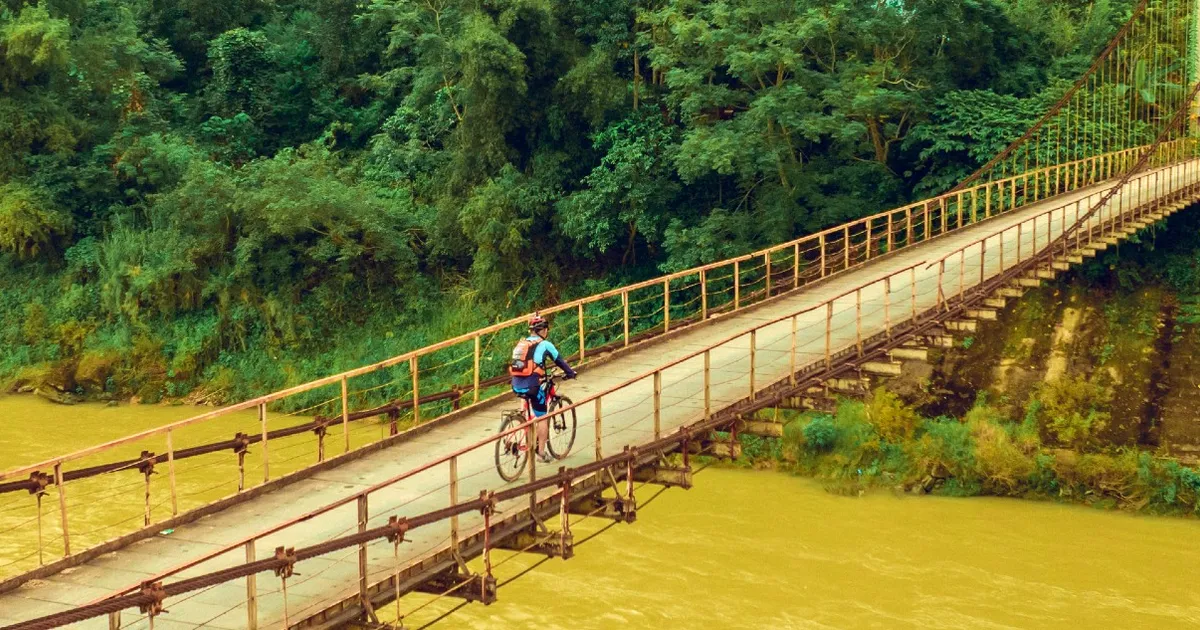
Ha Giang province occupies a unique position as Vietnam's northernmost territory, sharing extensive borders with China's Yunnan and Guangxi provinces. This strategic location has shaped the region's cultural diversity, geological formations, and infrastructure development, creating ideal conditions for adventure cycling. The provincial capital, Ha Giang city, serves as the gateway to the famous Ha Giang Loop, a circular route covering approximately 350 kilometers of mountainous terrain.
The region's geography is characterized by dramatic limestone karst formations, deep river valleys, and high mountain plateaus that create diverse microclimates and ecosystems. This geological diversity translates into varied cycling conditions, from gentle valley roads to steep mountain climbs that test cyclists' endurance and technical skills. The highest point accessible by road reaches Ma Pi Leng Pass at 2,000 meters elevation, offering panoramic views that justify every meter of climbing.
The limestone karst topography that defines Ha Giang creates both spectacular scenery and unique cycling challenges. Road construction through this terrain required extensive engineering, resulting in roads that wind dramatically around mountain faces, cross deep gorges on impressive bridges, and climb steep grades that demand excellent fitness and bike handling skills.
The region's roads showcase impressive engineering achievements, including the Ma Pi Leng Pass road that hugs cliffsides hundreds of meters above the Nho Que River. These engineering marvels provide cyclists with access to some of Vietnam's most remote and beautiful landscapes while presenting technical challenges that make Ha Giang road cycling tours particularly rewarding for experienced riders.
Successful Ha Giang road cycling tours require careful timing to align with favorable weather conditions and cultural opportunities. The region's high elevation and northern latitude create distinct seasonal patterns that significantly impact cycling conditions and overall experience quality.
Spring Season (March to May): Spring offers moderate temperatures and blooming landscapes that create ideal cycling conditions. Mountain passes remain accessible, and weather patterns are generally stable with minimal rainfall. This period provides excellent visibility for scenic photography and comfortable camping conditions for multi-day tours.
Summer Season (June to August): Summer brings the warmest temperatures but also the heaviest rainfall, particularly during monsoon periods. While the landscape is lush and green, road conditions can become challenging due to rain, and mountain passes may experience fog that reduces visibility. However, summer offers opportunities to witness agricultural activities and vibrant local festivals.
Autumn Season (September to November): Autumn represents the optimal period for Ha Giang road cycling tours, offering clear skies, comfortable temperatures, and stunning fall colors. The post-monsoon period provides excellent road conditions, minimal rainfall, and exceptional visibility for mountain panoramas. This season coincides with harvest activities that add cultural richness to cycling experiences.
Winter Season (December to February): Winter presents unique challenges with cold temperatures and occasional frost at higher elevations. However, this season offers crystal-clear mountain views and fewer tourists, creating intimate cycling experiences for well-prepared riders. Proper cold-weather gear becomes essential for comfortable winter cycling.
Ha Giang road cycling tours demand substantial physical preparation due to the challenging terrain and extended climbing required. The famous Ha Giang Loop includes approximately 6,000 meters of total elevation gain distributed across multiple days, requiring both cardiovascular fitness and muscular endurance.
Preparation should begin at least 8-12 weeks before your planned cycling tour, focusing on building aerobic capacity, leg strength, and cycling endurance. Regular long-distance rides on hilly terrain provide the best preparation, as flat-road fitness doesn't adequately prepare cyclists for sustained mountain climbing.
Technical bike handling skills become crucial for safely navigating mountain descents and tight switchback turns common throughout the region. Practicing descending techniques, cornering skills, and emergency braking on varied terrain improves safety and confidence during challenging mountain sections.
The Ha Giang road cycling tour typically begins in Ha Giang city, where cyclists can finalize equipment checks, purchase supplies, and acclimate to local conditions before embarking on the challenging mountain circuit. The first day's route covers approximately 50 kilometers to Quan Ba town, introducing cyclists to the region's spectacular karst landscape.
The initial climbing begins immediately outside Ha Giang city, with steady grades that gradually increase in steepness as the route ascends toward the Quan Ba plateau. This opening section allows cyclists to gauge their fitness levels and adjust pacing strategies for the challenges ahead.
Quan Ba, known as the "Fairy Bosom Hills," presents one of Ha Giang's most photographed landmarks. These twin limestone peaks rise dramatically from the valley floor, creating natural sculptures that have inspired local legends and provide stunning photographic opportunities during golden hour lighting.
For cyclists seeking professional guidance and support throughout their Ha Giang adventure, Golden Cycling Tours offers expertly planned itineraries that balance challenging cycling with cultural immersion and safety considerations.
The second day presents more challenging terrain as cyclists navigate toward Yen Minh through increasingly remote mountain landscapes. This 60-kilometer section includes significant elevation changes and introduces riders to traditional ethnic minority villages where Hmong and Dao communities maintain centuries-old cultural practices.
The route passes through highland plateaus where traditional agriculture creates patchwork landscapes of terraced fields and grazing areas. These elevated plains provide relatively easier cycling conditions while offering opportunities to interact with local communities and observe traditional mountain farming techniques.
Yen Minh serves as a crucial supply and rest point, offering accommodation options and mechanical services for bicycle maintenance. The town's market provides insights into local commerce and opportunities to sample traditional mountain cuisine that fuels local cycling efforts.
Day three delivers the Ha Giang Loop's most challenging climbing as cyclists tackle the ascent to Dong Van, including the legendary Heaven's Gate pass. This section covers approximately 70 kilometers with substantial elevation gain that tests cyclists' climbing abilities and mental determination.
Heaven's Gate (Quan Ba Heaven Gate) represents one of Vietnam's most spectacular mountain passes, reaching 1,500 meters elevation with panoramic views extending to the Chinese border. The climb requires sustained effort over approximately 20 kilometers, but rewards cyclists with unforgettable vistas and profound accomplishment satisfaction.
Dong Van town occupies a dramatic setting surrounded by towering limestone cliffs and serves as the gateway to the Dong Van Karst Plateau Geopark. This UNESCO-recognized geological site showcases extraordinary limestone formations and provides educational opportunities about regional geology and cultural heritage.
The route from Dong Van to Meo Vac includes the Ha Giang Loop's most famous attraction: Ma Pi Leng Pass. This 55-kilometer section features the region's most dramatic scenery and challenging road conditions, requiring advanced cycling skills and careful attention to safety.
Ma Pi Leng Pass, known as the "Nose of the Sky," presents one of Southeast Asia's most spectacular mountain roads. The narrow route carved into cliffsides provides breathtaking views of the Nho Que River valley hundreds of meters below while demanding precise bike handling and courage to navigate safely.
The descent from Ma Pi Leng toward Meo Vac offers thrilling riding but requires careful speed control and constant attention to road conditions. Sharp switchbacks and varying road surfaces challenge cyclists' technical skills while providing continuous scenic rewards.
Meo Vac represents the most remote stop on the Ha Giang Loop, offering authentic insights into ethnic minority cultures and traditional mountain lifestyles. The town serves as a cultural hub for local Hmong communities and provides opportunities to observe traditional crafts and customs.
The final day completes the Ha Giang Loop with a return to the starting point, covering approximately 80 kilometers through varied terrain that showcases the region's diversity. This section includes both challenging climbs and rewarding descents while providing final opportunities to experience Ha Giang's cultural and natural attractions.
The route passes through multiple ethnic minority villages, each offering unique perspectives on traditional mountain life and cultural adaptation to challenging environments. These communities demonstrate remarkable resilience and cultural preservation despite modern pressures and geographic isolation.
For cyclists interested in extending their northern Vietnam cycling adventures, Golden Cycling Tours offers comprehensive regional itineraries that combine Ha Giang with other spectacular cycling destinations throughout the northeast provinces.
The Ha Giang road cycling tour provides exceptional opportunities to interact with Hmong ethnic minority communities that inhabit the region's mountain villages. These communities maintain traditional lifestyles closely connected to agricultural cycles and seasonal patterns that align with optimal cycling conditions.
Hmong villages typically feature traditional wooden houses built on stilts, designed to withstand mountain weather conditions while providing storage space for agricultural equipment and livestock. The architectural style reflects centuries of adaptation to challenging mountain environments and demonstrates sustainable building practices using local materials.
Traditional Hmong textile production represents one of the region's most impressive cultural practices. Women maintain sophisticated weaving and dyeing techniques using natural materials and traditional patterns that carry cultural significance and family history. Many villages welcome cyclists to observe these traditional crafts and purchase authentic handmade textiles.
Red Dao and Tay ethnic minority communities contribute additional cultural diversity to the Ha Giang cycling experience. Each group maintains distinct traditions, languages, and cultural practices that enrich cycling tours with authentic cultural learning opportunities.
Red Dao communities are particularly known for their traditional medicine practices and elaborate ceremonial costumes worn during festivals and special occasions. Their knowledge of medicinal plants found throughout the mountain forests provides insights into traditional healthcare systems that remain relevant in remote mountain communities.
Tay communities excel in traditional agriculture, particularly wet rice cultivation in mountain valleys. Their sophisticated irrigation systems and terraced field construction demonstrate advanced engineering knowledge adapted to mountain topography over generations.
Successful Ha Giang road cycling tours require careful bicycle selection and setup optimization for mountain conditions. The challenging terrain demands bikes capable of handling steep climbs, technical descents, and varied road surfaces while providing comfort during long daily distances.
Road bikes with compact or sub-compact gearing provide optimal performance for the extended climbing required throughout the Ha Giang Loop. Low gear ratios become essential for managing steep gradients while maintaining sustainable effort levels over multiple climbing days.
Tire selection significantly impacts both performance and safety in mountain conditions. Wider tires (25-28mm) provide better traction and comfort on varied road surfaces while offering improved puncture resistance on rough mountain roads.
Essential equipment includes reliable braking systems capable of managing long, steep descents safely. Disc brakes provide superior stopping power and consistent performance in varied weather conditions common to mountain environments.
The remote nature of Ha Giang roads requires comprehensive mechanical preparation and emergency repair capabilities. Professional bicycle maintenance before departure prevents common mechanical issues that could compromise tour success.
Essential repair equipment includes tire repair kits, spare tubes, basic tools, and replacement components for common wear items. Chain lubrication and cleaning supplies become crucial for maintaining drivetrain performance in challenging mountain conditions.
For cyclists preferring professional mechanical support and equipment provision, Golden Cycling Tours offers comprehensive support services including high-quality rental bikes, mechanical assistance, and emergency repair capabilities throughout the tour.
Ha Giang's mountain roads present unique safety challenges that require careful attention and appropriate risk management strategies. Traffic conditions vary significantly, with narrow roads shared by motorcycles, trucks, and local transportation creating complex navigation situations.
Weather conditions can change rapidly in mountain environments, requiring continuous monitoring and adaptive strategies. Fog, rain, and temperature changes can dramatically affect visibility, road traction, and cycling comfort, demanding flexible route planning and appropriate gear selection.
Emergency communication becomes challenging in remote mountain areas with limited cell phone coverage. Satellite communication devices or emergency beacons provide crucial safety backup for serious emergencies in isolated locations.
Cycling in groups provides enhanced safety through mutual assistance and shared decision-making, particularly valuable in challenging mountain conditions. However, group cycling also requires coordination, communication, and consideration for varying fitness levels and technical abilities.
Support vehicle availability significantly enhances safety and comfort during multi-day cycling tours. Professional tour operators typically provide mechanical support, emergency assistance, and luggage transport that allows cyclists to focus on riding rather than logistical concerns.
For comprehensive safety support and professional guidance, Golden Cycling Tours provides experienced guides familiar with local conditions, traffic patterns, and emergency procedures specific to Ha Giang cycling tours.
The Ha Giang Loop offers varied accommodation options ranging from basic guesthouses to more comfortable hotels and traditional homestays with ethnic minority families. Each accommodation type provides different advantages and cultural experiences that can enhance overall tour satisfaction.
Homestays offer the most authentic cultural experiences, allowing cyclists to participate in traditional family activities and gain insights into daily life in mountain communities. These experiences often include traditional meals, cultural performances, and opportunities to learn about local customs and traditions.
Hotels and guesthouses provide more conventional comfort levels with private bathrooms, reliable electricity, and secure bicycle storage. These facilities often offer laundry services and equipment drying capabilities important for multi-day cycling adventures.
Mountain cycling demands careful attention to nutrition and hydration due to increased energy expenditure and challenging environmental conditions. Traditional Vietnamese mountain cuisine provides excellent nutrition for cycling activities while offering cultural experiences.
Local specialties include hearty noodle soups, grilled meats, fresh vegetables, and traditional fermented foods that provide sustained energy for cycling activities. Mountain communities often serve corn-based dishes and traditional wines that reflect local agricultural practices.
Water safety requires attention in mountain areas, with bottled water readily available in towns but requiring planning for remote sections. Water purification capabilities ensure safe hydration from natural sources when necessary.
The Ha Giang road cycling tour offers exceptional photography opportunities, from dramatic mountain vistas to intimate cultural portraits. However, cycling photography requires balancing documentation goals with safety considerations and respect for local customs.
Golden hour lighting (early morning and late evening) provides optimal conditions for landscape photography, particularly for capturing the dramatic limestone formations and mountain valleys that define the region. Planning stops to coincide with optimal lighting conditions enhances photographic results.
Action photography during cycling requires careful equipment selection and safety considerations. Lightweight, secure camera systems allow documentation without compromising safety or cycling performance during challenging mountain sections.
Photographing ethnic minority communities requires sensitivity and respect for local customs and individual preferences. Many community members welcome respectful photography but appreciate being asked permission and understanding the cultural context of their daily activities.
Traditional ceremonies and cultural practices may have specific photography restrictions that visitors should understand and respect. Building relationships with local communities often leads to more authentic photographic opportunities than rushed tourist interactions.
Ha Giang serves as an excellent starting point for broader northern Vietnam cycling adventures that showcase the region's diverse landscapes, cultures, and cycling opportunities. Many cyclists combine Ha Giang with other spectacular northern destinations to create comprehensive cycling expeditions.
Cao Bang bike tours offer opportunities to explore additional spectacular mountain scenery while experiencing different ethnic minority cultures and visiting natural attractions like Ban Gioc Waterfall. The combination creates diverse cycling experiences within the same regional adventure.
Vietnam Northwest bike tours provide access to different mountain regions with varied terrain, cultural experiences, and scenic attractions. These extended tours often include Sapa, Mu Cang Chai, and other renowned northern destinations.
Serious cycling adventurers often plan extended expeditions covering multiple northern provinces to maximize their Vietnamese mountain cycling experience. These comprehensive tours require careful planning but provide unparalleled diversity and cultural immersion.
The integration of multiple cycling destinations allows riders to experience varied terrain types, from Ha Giang's limestone mountains to other regions' different geological formations and cultural landscapes. This diversity creates more comprehensive understanding of northern Vietnam's natural and cultural heritage.
Responsible cycling in Ha Giang requires attention to environmental impact and sustainable tourism practices that preserve the region's natural beauty for future visitors. The fragile mountain ecosystem demands careful consideration of waste management, resource consumption, and cultural interaction approaches.
Leave No Trace principles apply particularly strongly in remote mountain areas where waste management infrastructure may be limited. Cyclists should plan to pack out all waste and minimize consumption of single-use items that contribute to environmental degradation.
Water resource conservation becomes important in mountain areas where communities may face seasonal water scarcity. Responsible use of water resources demonstrates respect for local conditions and environmental sustainability.
Tourism revenue in Ha Giang increasingly supports local community development when channeled through appropriate community-based tourism initiatives. Choosing locally operated services ensures economic benefits reach ethnic minority communities directly rather than external operators.
Purchasing locally made handicrafts and traditional products provides direct economic support to artisan communities while offering visitors authentic cultural artifacts. These transactions help preserve traditional skills and provide income for traditional craft production.
The extensive climbing required during Ha Giang road cycling tours demands sophisticated pacing strategies and energy management techniques. Sustainable climbing approaches prevent early fatigue while maintaining forward progress on long mountain ascents.
Gear selection and cadence management become crucial for efficient climbing on extended mountain passes. Maintaining higher cadences with appropriate gear ratios reduces muscular fatigue while improving cardiovascular efficiency during long climbs.
Breathing techniques and mental strategies help cyclists maintain motivation and performance during challenging climbing sections. Regular breathing patterns and positive mental focus enhance endurance and climbing enjoyment.
Mountain descents in Ha Giang require advanced bike handling skills and safety awareness due to steep grades, tight switchbacks, and varying road conditions. Proper descending technique improves both safety and speed while reducing equipment wear.
Braking strategies for long descents prevent brake overheating while maintaining control and speed. Intermittent braking with emphasis on rear brake usage preserves equipment while providing consistent stopping power.
Body positioning during descents affects both safety and aerodynamic efficiency. Proper weight distribution and aggressive positioning improve stability and control while reducing wind resistance on high-speed sections.
Q: What fitness level is required for a Ha Giang road cycling tour? A: Ha Giang road cycling tours require advanced fitness levels due to challenging mountain terrain with approximately 6,000 meters of total climbing. Cyclists should be able to comfortably ride 60-80 kilometers per day with significant elevation gain. We recommend at least 8-12 weeks of specific training focusing on hill climbing and endurance riding.
Q: What type of bicycle is best for the Ha Giang Loop? A: A road bike with compact or sub-compact gearing is ideal for Ha Giang cycling. The bike should have low gear ratios for climbing steep grades, reliable braking systems (preferably disc brakes), and wider tires (25-28mm) for better traction and comfort on varied road surfaces.
Q: How many days should I plan for a complete Ha Giang road cycling tour? A: The standard Ha Giang Loop takes 4-5 days to complete properly, allowing time for cultural interaction, rest, and safe completion of challenging sections. Extended tours that include additional destinations can range from 7-14 days depending on the itinerary and cycling pace.
Q: Is it safe to cycle independently in Ha Giang, or should I use a tour operator? A: While independent cycling is possible, using professional tour operators like Golden Cycling Tours significantly enhances safety through local knowledge, mechanical support, and emergency assistance. The remote mountain terrain and limited infrastructure make professional support highly valuable.
Q: What is the best time of year for Ha Giang road cycling? A: Autumn (September-November) offers optimal conditions with clear weather, comfortable temperatures, and excellent visibility. Spring (March-May) is also excellent with moderate temperatures and blooming landscapes. Summer brings rain but lush scenery, while winter offers clear views but requires cold-weather preparation.
Q: What should I pack for a Ha Giang cycling tour? A: Essential items include layered clothing for temperature variations, waterproof gear, cycling shoes, helmet, sunglasses, repair kit, first aid supplies, and personal medications. Mountain conditions can change rapidly, requiring versatile gear for various weather situations.
Q: Can beginners attempt the Ha Giang road cycling tour? A: The Ha Giang Loop is not recommended for beginning cyclists due to challenging terrain, technical descents, and remote conditions. However, e-bike tours can make the route accessible to less experienced riders while maintaining the adventure experience.
Q: Are there mechanical support services available during the tour? A: Professional tour operators provide mechanical support and emergency repair services. However, independent cyclists should carry comprehensive repair kits and basic mechanical knowledge, as professional bike shops are limited in remote mountain areas.
James Mitchell - Adventure Cyclist from New Zealand "The Ha Giang road cycling tour exceeded every expectation I had for mountain cycling adventure. The climbs were challenging but rewarding, and the scenery was absolutely spectacular. Golden Cycling Tours provided excellent support throughout the journey, ensuring both safety and cultural authenticity. Ma Pi Leng Pass was the cycling highlight of my life - terrifying and beautiful simultaneously. The homestay experiences with Hmong families added cultural depth that made this more than just a cycling challenge."
Sophie Laurent - Cycling Enthusiast from France "Having cycled extensively in the Alps and Pyrenees, I was skeptical about how Ha Giang would compare. I was completely wrong - this region offers some of the most spectacular and challenging cycling I've ever experienced. The Vietnam Northeast bike tours approach allowed us to experience multiple destinations while focusing on Ha Giang as the centerpiece. The cultural immersion was extraordinary, and the physical challenge was perfectly matched by the scenic rewards."
Michael Chen - Photography Enthusiast from Australia "As someone who combines cycling with photography, Ha Giang provided endless opportunities for both pursuits. The limestone karst formations create dramatic backdrops, and the ethnic minority communities were welcoming and photogenic. The Golden Cycling Tours team understood my photography needs and built in appropriate stops for optimal lighting conditions. The sunrise from Quan Ba and the panoramic views from Ma Pi Leng Pass provided portfolio-worthy images."
Elena Rodriguez - Endurance Athlete from Spain "After completing multiple European gran fondos, I sought a different kind of cycling challenge. Ha Giang delivered beyond my expectations. The sustained climbing, technical descents, and remote mountain conditions tested every aspect of my cycling abilities. The cycling Northern Vietnam extension allowed me to experience additional mountain regions while using Ha Giang as the foundation for an incredible two-week cycling adventure."
David Park - Adventure Traveler from Canada "The Ha Giang road cycling tour combined my love of challenging cycling with cultural exploration in ways I hadn't experienced before. Living with ethnic minority families, participating in traditional activities, and cycling through their ancestral landscapes created profound connections. The physical challenges were significant, but the cultural rewards made every difficult climb worthwhile. The support from Golden Cycling Tours ensured safety while maintaining authenticity."
Rebecca Thompson - Cycling Coach from United Kingdom "Leading a group of experienced cyclists through Ha Giang was one of my most rewarding professional experiences. The region offers legitimate challenges that test advanced cyclists while providing cultural and scenic rewards that justify every effort. The e-bike tour options allowed us to include riders of varying abilities while maintaining group cohesion. The professionalism and local knowledge of Golden Cycling Tours made complex logistics seamless."
Marco Rossi - Mountain Cycling Specialist from Italy "Ha Giang represents the perfect combination of technical cycling challenges and cultural immersion. The mountain roads require advanced skills but reward riders with some of the most spectacular scenery in Southeast Asia. The sustainable tourism approach means our cycling adventures directly support ethnic minority communities while preserving the authentic character that makes this region special. This is adventure cycling at its finest."
The Ha Giang road cycling tour stands as one of the world's premier mountain cycling adventures, offering experienced riders the opportunity to test their limits while experiencing authentic Vietnamese culture and spectacular natural beauty. Whether seeking physical challenges, cultural immersion, or photographic opportunities, this remarkable region delivers experiences that transform perspective and create lasting memories.
For cyclists ready to embrace this ultimate mountain cycling challenge, Golden Cycling Tours provides the expertise, safety support, and cultural connections necessary to maximize both adventure and authenticity. The combination of professional guidance, local knowledge, and commitment to sustainable tourism ensures that your Ha Giang cycling adventure supports local communities while delivering the experience of a lifetime.
The legendary Ha Giang Loop awaits cyclists brave enough to take on Vietnam's most spectacular mountain cycling challenge, where every pedal stroke reveals new vistas, cultural insights, and personal achievements that define true adventure cycling.

.jpg "Cycling in Vietnam in March")
.jpg "Vietnam mountain bikes Trail")
.jpg "Vietnam Biking Trails")
.jpg "Ha Giang Cycling Tours")
Leave a Reply
Your email address will not be published. Required fields are marked *